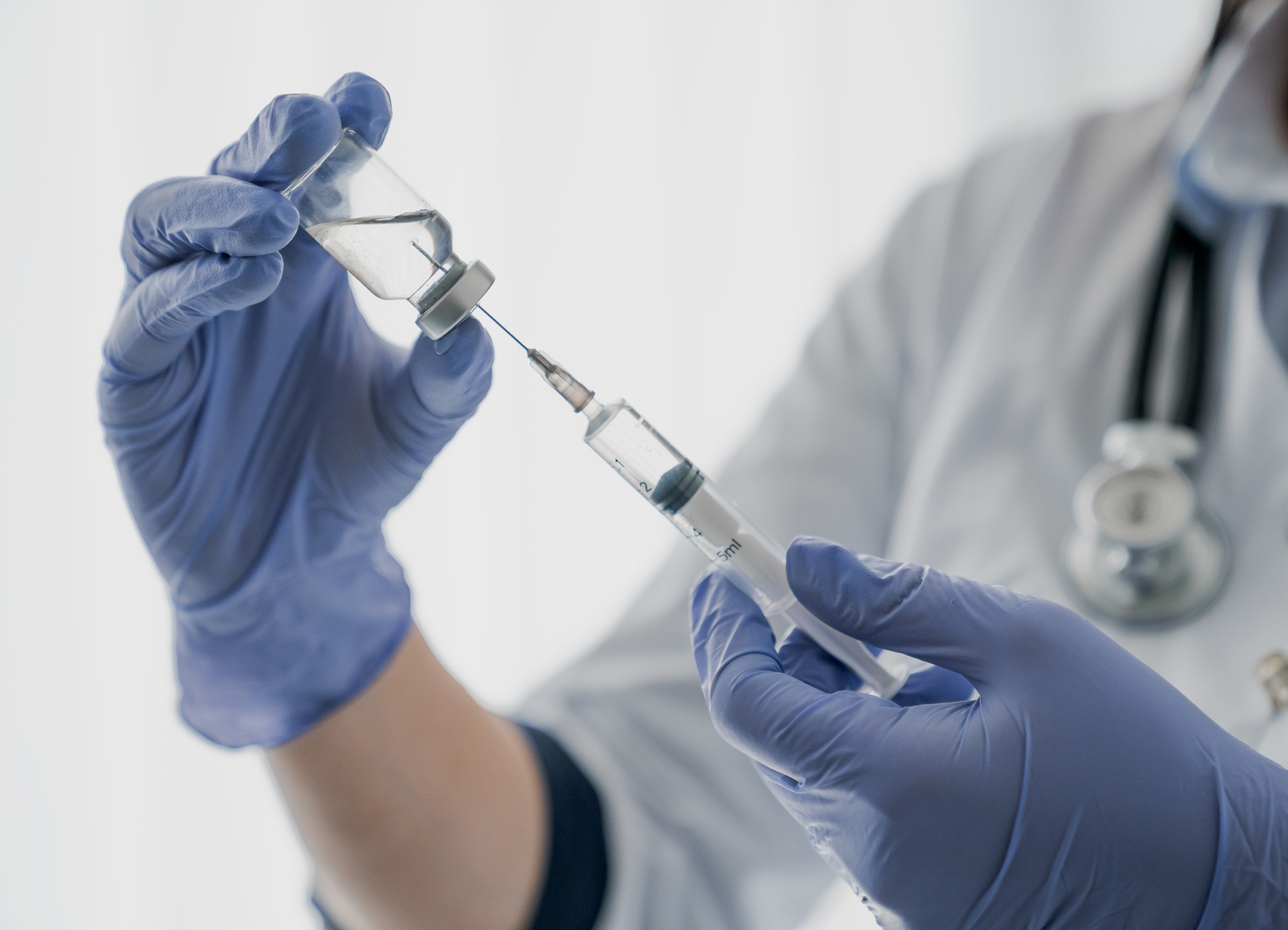
Thunder Bay Regional Health Sciences Centre will be operating a COVID-19 Immunization Clinic to allow for an expanded administration of vaccine as directed by the Provincial Task Force. We are working collaboratively with the Thunder Bay District Health Unit, and other partners locally and provincially to roll out the vaccinations across our Region.
The COVID-19 Immunization Clinic will be set up at an off-site location in close proximity to the Hospital. It is anticipated that the Clinic will operate twelve (12) hours per day, seven (7) days per week. The days and hours of operation may fluctuate based on the available vaccine supply. Community Partners will also support the operation of this Clinic.
We are seeking expressions of interest from staff who are able to work in the COVID-19 Immunization Clinic. Individuals may be redeployed or may have an opportunity to temporarily increase their FTE while working in the Clinic.
It is a condition of this call for interest that your home unit can accommodate your temporary absence in the event you are selected. Your current leader will be consulted about your ability to be released.
Below is a list of the anticipated needs but all interested employees with availability are encouraged to submit an expression of interest.
Clerk $22.80 – $23.389
Pharmacist $42.43 – $55.79
Pharmacy Technician $28.44 – $32.79
Registered Nurse $33.90 – $48.53
Registered Practical Nurse $30.546 – $31.356
Screener $18.224
Staff will be needed as early as February 16, 2021. Please respond as soon as possible and we will leave this call open until the staffing needs have been met.
Interested individuals should submit an email with their interest and availability to the Human Resources Department at humanresources@tbh.net
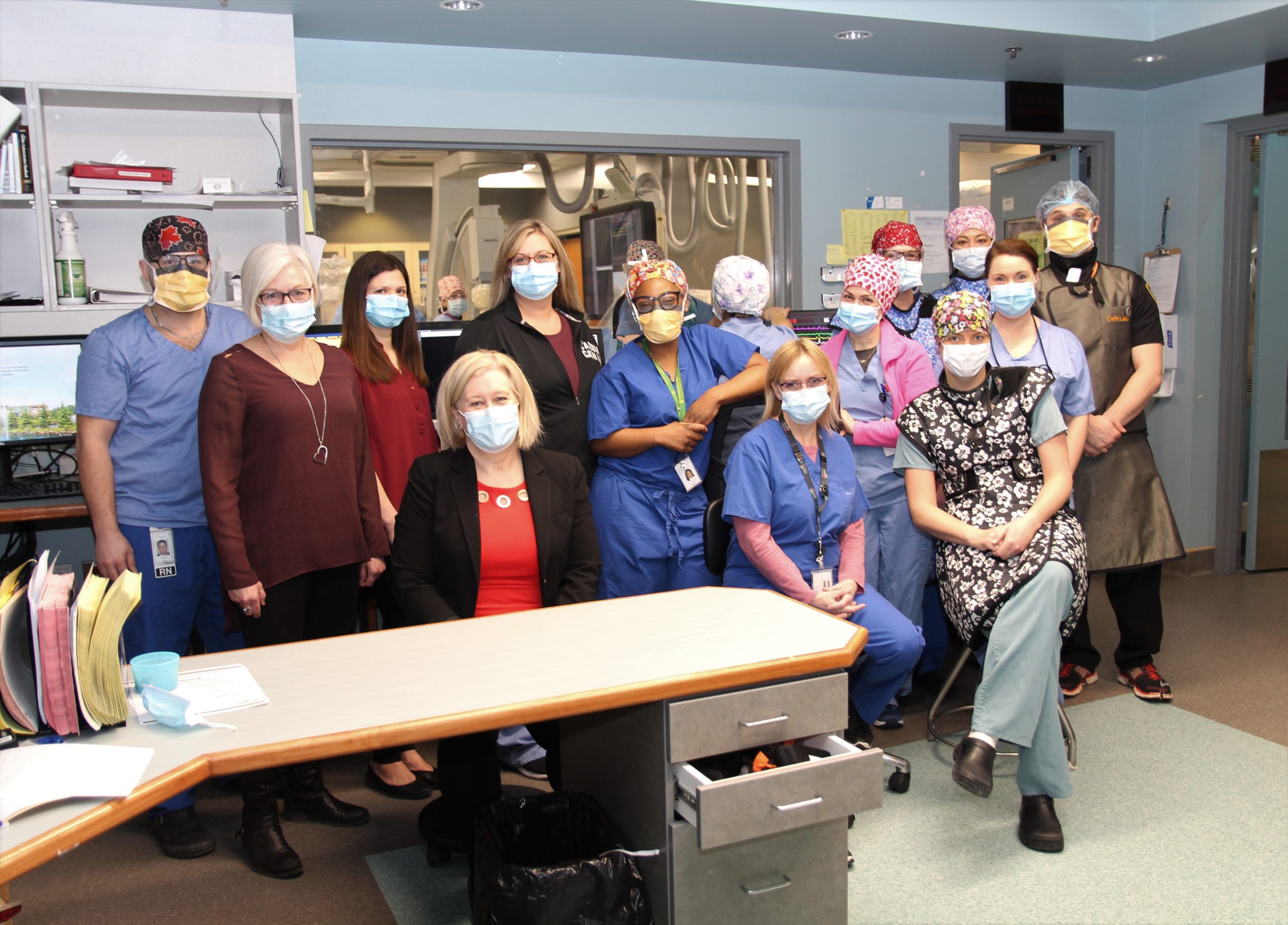
The Cardiac Catheterization Lab or “Cath Lab” is a specialized unit that contains two separate catheterization rooms, and it provides several services for patients with a variety of heart conditions and events. These include heart tests such as angiograms used to diagnose heart problems, and treatments like angioplasty that opens up arteries during a heart attack – or to prevent one from happening in the first place. The Cath Lab is a regional unit with a team of cardiologists, nurses, radiation technologists and other cardiac professionals, providing 24/7 emergency care right here in Thunder Bay.
Last year, our Cath Lab performed 2,168 cardiac catheterizations and 1,001 angioplasty procedures. The Cath Lab team also works closely with our Pacemaker Clinic, where over 194 pacemaker insertions and pacemaker-related procedures were performed in 2020 alone.
The highly-trained nurses, physicians and technologists in the Cath Lab work tirelessly to care for the hearts of patients in our region and do so while wearing lead aprons. These lead aprons weigh approximately 10 pounds (4.5 kilograms) and are used to protect the staff from the repetitive X-Ray exposure required to see pictures of the heart during procedures.
Thank you to our Cath Lab team for helping us recognize Heart Month and for working tirelessly to provide care for our community and region.
Sent on behalf of Aaron Skillen, Regional Director, North West Regional Renal Program
I am pleased to announce that Allyson Hoard Mann has been appointed to the position of Manager, North West Regional Renal Program. Effective, March 29, 2021, Allyson will be responsible for the leadership and daily management of the North West Regional Renal Program, including the Thunder Bay hub site and Fort Frances and Sioux Lookout satellite sites.
Allyson received her Bachelor of Science Degree in Nursing from Lakehead University in 2004 and her Masters in Nursing Administration and Management from Aspen University in 2019.
Allyson started at Thunder Bay Regional Health Sciences Centre in 2004 as a Nurse in the operating room. From there, she went on to join the Peritoneal Dialysis unit in 2013 and became the Clinical Nurse Specialist for the Renal Program in 2015. In 2018, she took on the role of Renal Coordinator for the North West Regional Renal Program. In these roles, Allyson has not only built a solid foundation and positive rapport with the healthcare team, but has shown that she has developed the skills, efficiencies and leadership qualities needed to excel in her new role.
Please join me in congratulating Allyson on her new appointment.
A heartfelt thank you to Mary Wrigley for the incredible leadership and dedication she has provided to the North West Regional Renal Program since 2014. We would like to wish Mary all the best on her upcoming retirement.
Having adequate Critical Care equipment throughout the Hospital is essential to saving lives. Our Hospital is the only Level 3 ICU in the entire Northwestern Ontario region, and we are committed to timely access for all residents in Northwestern Ontario.
In 2018/19 there were 1,538 critically ill patients admitted to the ICU, of this 233 patients were from communities outside of Thunder Bay. Admissions include patients with severe Infection requiring fluid resuscitation/lifesaving medications, respiratory failure needing ventilator support, strokes, heart attacks, trauma and paediatrics.
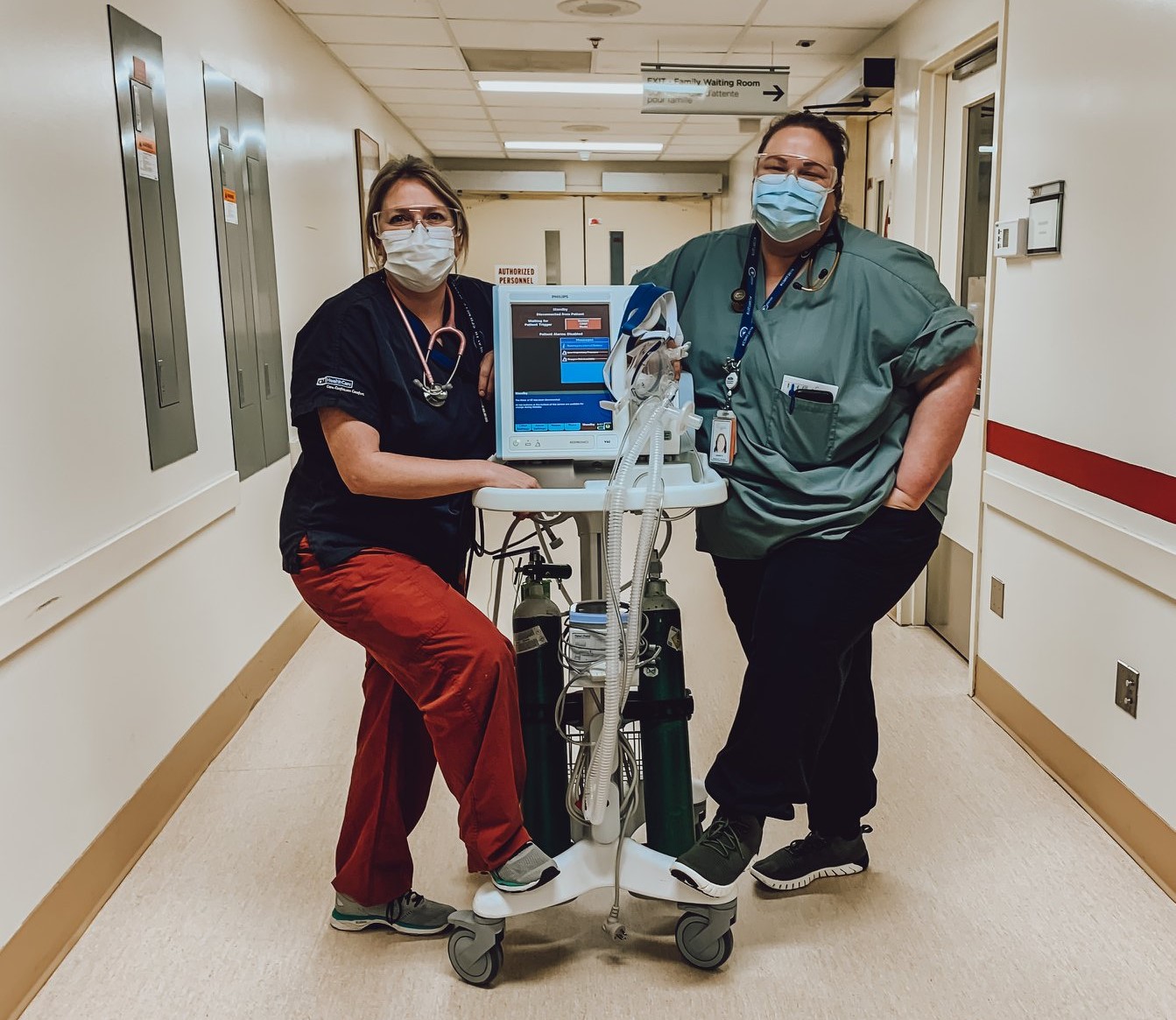
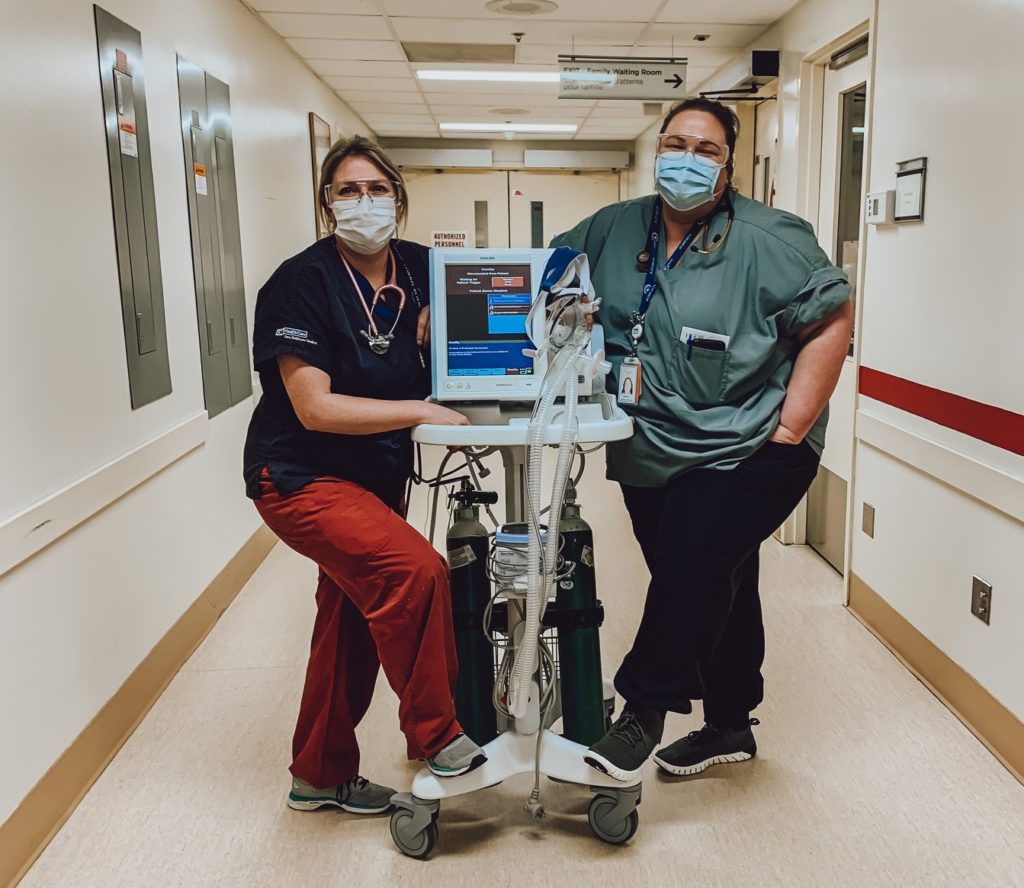
Ventilators Bi-level Positive Airway Pressure (BIPaP) machines are used for patients with difficulty breathing. Usually it’s from an acute episode of an underlying disease such as congestive heart failure or COPD. BIPAP is used as a first line therapy to potentially prevent an intubation of the trachea (a tube down the patient’s airway).
Thanks to Darolyn Hryciw is on the left, Jennifer Gadioma is on the right (both Respiratory Therapists) for being in the photo, and of course to our donors who funding this vital piece of equipment!
You can fund equipment just like this, and help bring better healthcare to Thunder Bay & NWO.
Thunder Bay Regional Health Sciences Centre has completed the implementation of the new Cisco digital phone system. All phone handsets scheduled for replacement have placed and migrated.
The old telephone system will be decommissioned on February 23rd. If there is an old phone in your department that stops working as of this date, please place a HEAT ticket or contact the Service Desk by calling extension 6411 or by emailing help@tbh.net.
Disposal of old phones:
If you are not experiencing any issues with your new Cisco phone, unplug the old phone from the wall, and place it in the large cardboard box in your department for disposal.
Old telephone cables running from the wall to the old phone can be discarded.
Chair, Board of Directors, Thunder Bay Regional Health Sciences Centre
I begin my first report of 2021 by wishing a happy new year to the residents of Northwestern Ontario. I hope that despite the unprecedented circumstances, you were able to enjoy the holiday season and are now looking forward to a healthier, happier, safer, and more prosperous 2021.
While the COVID-19 pandemic continues to challenge us, there is reason to have a positive outlook for the year ahead. The arrival of Pfizer’s COVID-19 vaccine has ushered in a hopeful new phase of this pandemic and represents a turning point in our ongoing battle. I am proud of our Hospital’s role in this exciting effort. This vaccination roll-out is the largest in our country’s history and it will take time to complete. Thank you for your patience, and remember to continue following public health guidelines. Each of us needs to do our part to prevent the spread of the virus and to keep ourselves and the community safe. This means wearing a mask when you’re out, limiting your contacts to those living in your household, and washing your hands frequently.
Another positive development is the recent launch of our Hospital’s Virtual Emergency Department, which provides patients with safe, quality emergency care from the comfort of their homes. The program is available to people living in Thunder Bay and the surrounding area who are older than 17 years of age, have a non-life-threatening medical issue, and either don’t have a primary care provider or are unable to obtain timely access to one. Virtual assessments can be booked by visiting www.tbrhsc.net/VirtualED.
The holiday season is a time for giving and showing generosity to others. In December, nurses, clerks, support workers, physicians, and staff from the Emergency Department, the Northwestern Ontario Regional Stroke Network and the Neonatal Intensive Care Unit once again participated in the Children’s Aid Society’s Holiday Hamper program. Each group raised money, provided gifts, and donated food and essential items to local families and individuals in need. The Renal Dialysis Department, who collects and distributes food hampers for their dialysis patients every December, also donated excess items to the Dew Drop Inn. When Southbridge Roseview struggled with a COVID-19 outbreak, the Intensive Care Unit team showed their support for staff and residents by providing them with treats. I’m very proud but never surprised to hear about these acts of kindness from our staff. Thank you to all for your warmth and tremendous generosity.
As Chair of the Board, I am grateful for the outpouring of support that hospital staff receive from the community, in all its forms. Students from Holy Family School and St. Pius X School showed their appreciation for our staff with hand-made artwork with uplifting messages. Local businesses donated to the Hospital as a way of saying ‘thank you’ to our dedicated staff and health care providers who are working tirelessly to keep the community healthy and safe. Thoughtful gestures like those are especially meaningful during these extraordinary times.
I’m excited to be moving ahead with the development of our next Strategic Plan. We have made some excellent progress, including the creation of a Strategic Plan Working Group consisting of senior leadership, staff, and Board members from both our Hospital and Health Research Institute. Thank you to the Board members on the Steering Committee, specifically Pat Lang and Gord Wickam from our Hospital’s Board and Dr. Andrew Dean and Dr. Sheldon Tobe from the Health Research Institute Board for their efforts in getting us started. I look forward to sharing more information as our activities progress.
To everyone throughout all of Northwestern Ontario, thank you for your trust, perseverance, and patience during this pandemic; we will get through this, together.
During the winter it can be hard find the motivation to be active, especially during a pandemic. Walking is one of the easiest and most affordable ways to be physically active. Even a 10 minute walk has health benefits!
Examples of goals: 10 minute walk every day, 30 minute walk three times per week, etc.
Start small and do what you can to stay consistent.
Set a goal below to be entered for a chance to win one of three $25 gift cards! The challenge will run until March 31, 2021. While you’re out being active, remember to maintain 2 metres physical distance from those outside of your household. Happy walking!
Throughout the month of February (Heart Month), we will be highlighting our staff and departments who play a vital role in cardiovascular care. Today, we’re sharing some Q&A with Ann Gunsinger, a Registered Nurse and Charge Nurse in the Emergency Department.
What does it take to be a nurse in the Emergency Department (ED)?
A nurse in the ED needs to be knowledgeable and have skills like critical thinking, time management, and be able to work effectively and efficiently for the sake of the patient.
What is unique about your role?
Before the patient arrives at the ED, we are notified by EMS that they are on the way. I help to ensure that patients coming from EMS or arriving at the Hospital have a bed in the ED for emergent cardiac conditions. I work effectively with my coworkers to recognize the signs and symptoms of cardiac conditions quick and effectively. This helps improve patient outcomes with quick recognition of electrocardiograms and allows for fast access to treatment.
What inspired you to work in the ED and cardiac care?
My experience as a student in the ED inspired me to work here. It gave me the opportunity to see what a difference the staff make every day in their patients’ lives and the teamwork that is shown in the department, especially with cardiac care and for code STEMI (ST-Elevation Myocardial Infarction).
How does your role impact patient care?
I provide the best care that I can to my patients and their families. I also work closely with my colleagues to be the best resource and support person for them when I am working, especially during stressful situations.
On the concept of practice what you preach, any personal tips on how to stay heart healthy?
Keep active!
Any final thoughts?
I am very proud to be a part of such an amazing team!
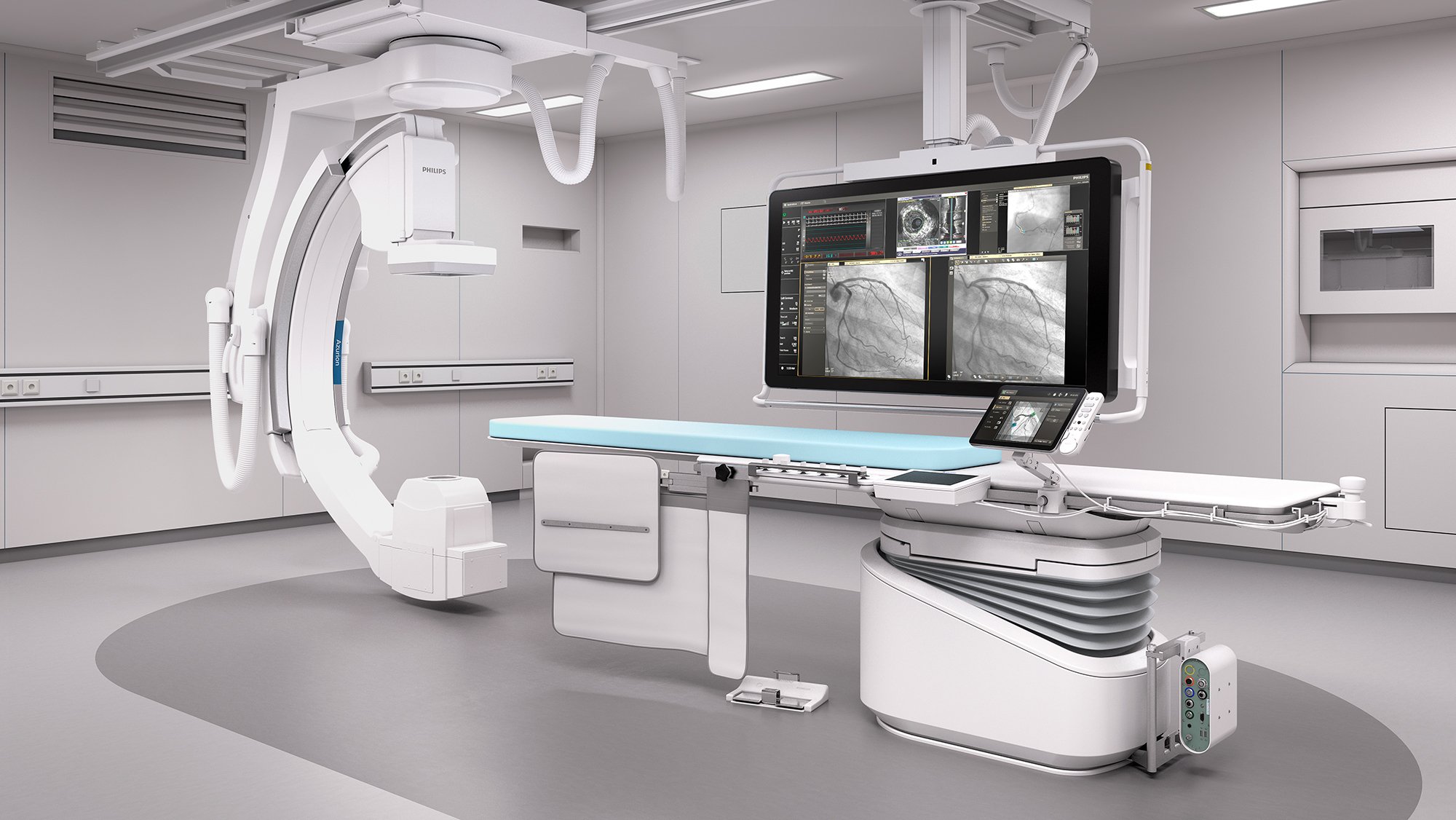
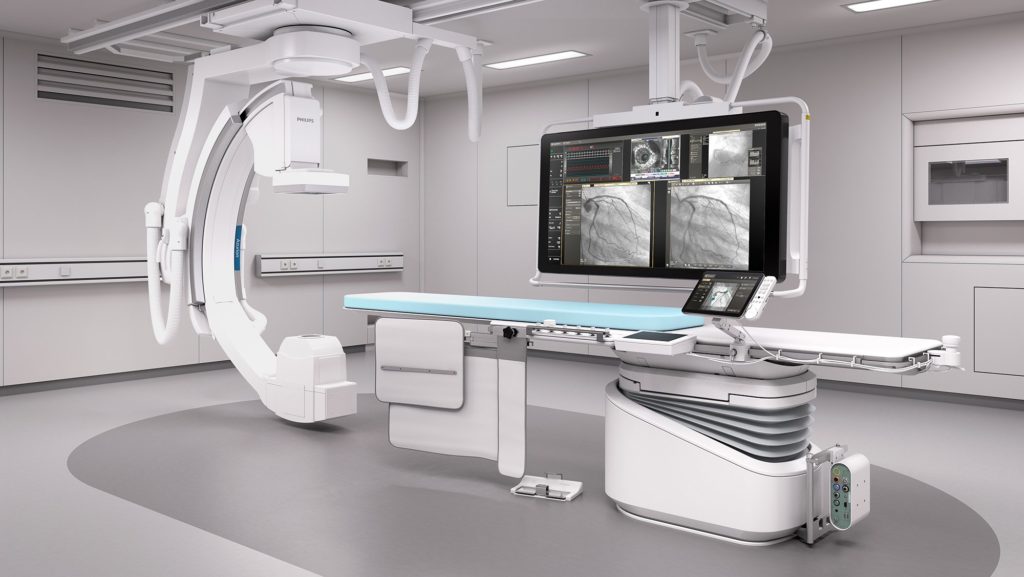
The existing Interventional Radiology suite in Diagnostic Imaging will be replaced. The current Philips system was installed in late 2003, just prior to the opening of our Hospital in 2004. Since that time, specialized procedures performed in this suite have increased dramatically from approximately 65 in 2004 to over 600 in 2020.
The new system is a state-of-the-art Philips Azurion that will offer interventional radiologists and surgeons additional capabilities to perform new and advanced procedures.
Construction/renovation and installation is expected to be a three month process, and completed by the end of March 2021. Please be aware that there will be unavoidable noise during different phases of the project. Advance notice will be provided to affected areas. Your patience is appreciated.
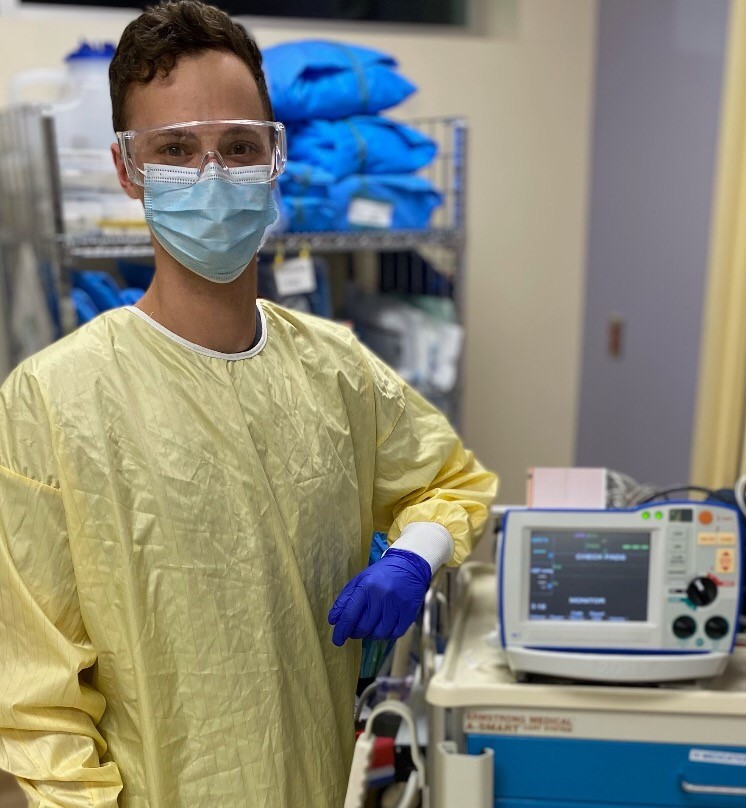
For today’s Heart Month profile, we caught up with Adrian McKee, a Registered Nurse in our Emergency Department.
What does it take to be a nurse in the Emergency Department (ED)?
The ED requires us to have competency in many fields of health care, an understanding of Northern Ontario’s diverse patient population, the ability to work in a high-stress, fast paced environment, and most importantly the ability to work as a team.
What is unique about your role?
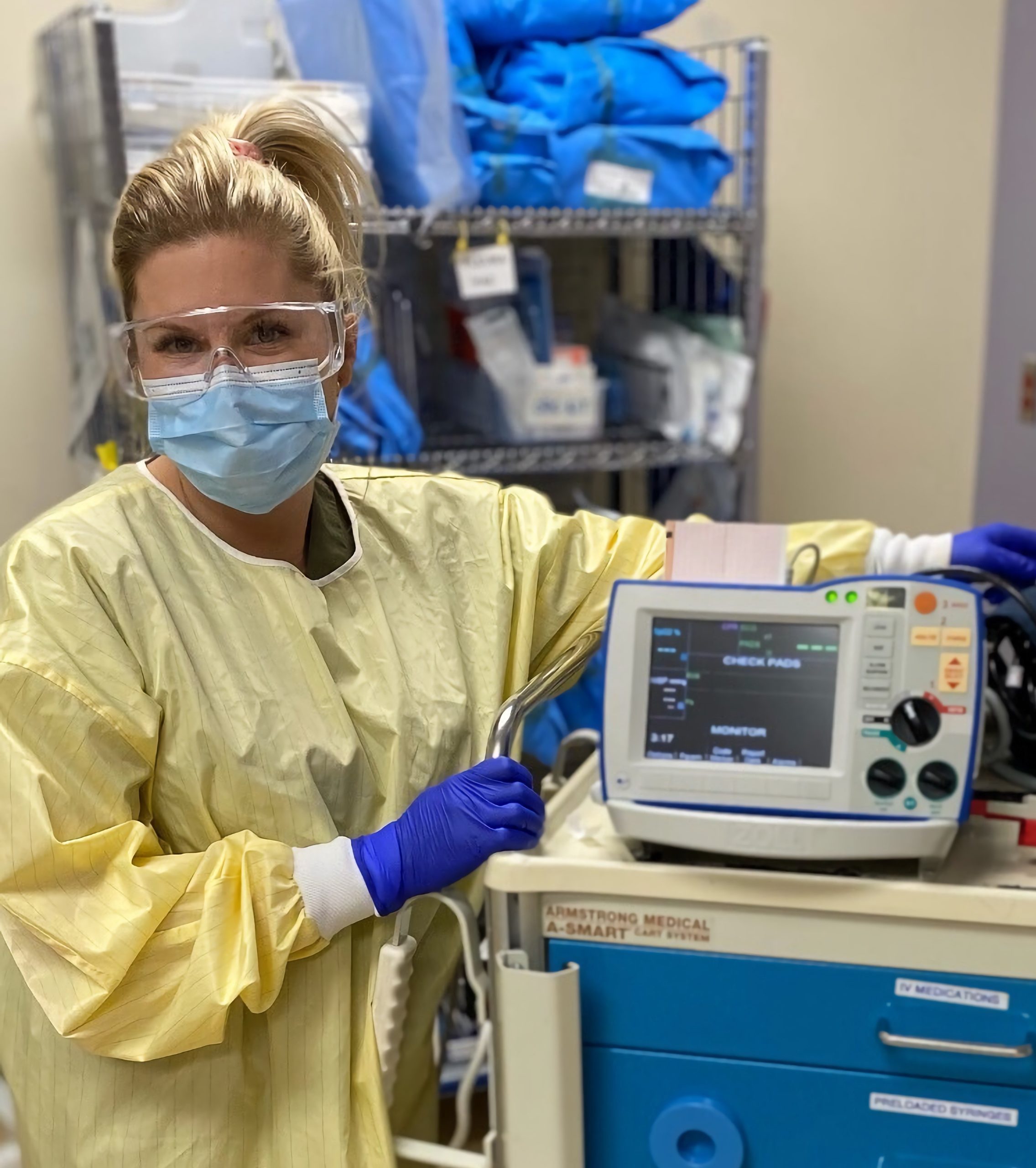
An ED nurse has a high degree of autonomy and as such, you have to act accordingly. Situations occur daily in the ED where seconds matter and immediate action can save a life. Additional training allows ED nurses the ability to respond to critical situations. For example, with my extra training, I was able to defibrillate (shock) a patient whose heart was not beating effectively, and restore his normal heart rhythm.
What inspired you to work in the ED and cardiac care?
I wanted to be involved in a place where you could work on the front lines of health care. The emergency environment is unique in that it allows one to provide life-saving interventions immediately to numerous types of critical conditions, helping those when they need it most.
How does your role impact patient care?
The emergency nurse is the first to attend to patients when they present to the ED. It is the initial response provided by the nurse to identify presenting issues and provide crucial interventions appropriately. The ED works well as an interdisciplinary team which significantly impacts patient care and outcomes here at our Hospital.
On the concept of practice what you preach, do you have any personal tips on how to stay heart healthy?
Remember to do your best to listen to your body. Regular exercise, healthy diet and self-care leading to a positive mindset is of the greatest importance.