The Logistics of a Pandemic

Interview by Matt Prokopchuk

(From the February 2021 edition of The Walleye Magazine)
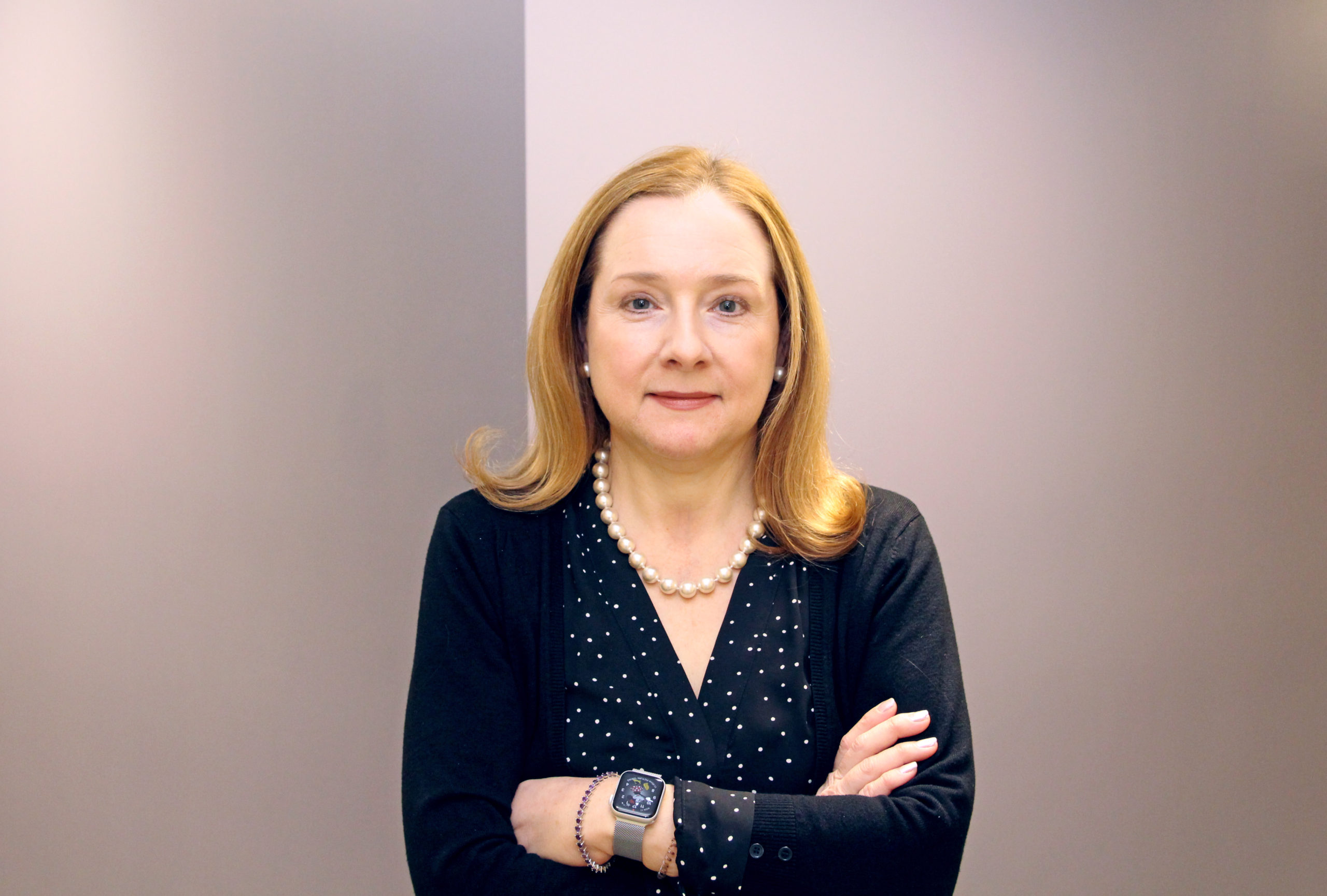
The COVID-19 pandemic has changed many facets of our work lives, and that certainly holds true for those at the Thunder Bay Regional Health Sciences Centre. Anne-Marie Heron is the hospital’s executive director of capital planning and operations, overseeing the running of the hospital site and facilities, capital projects, and the procurement of supplies. During the pandemic, she’s also on the hospital’s COVID incident management team, where she heads the logistics section. We spoke with Heron about how the health sciences centre has adapted to the new normal and its role in handling the first round of vaccinations.

The Walleye: What sorts of changes have you implemented at the hospital since the start of the pandemic?

Anne-Marie Heron: One—just thinking as we’re coming in the front door—there’s certainly a lot of signage to help direct people and provide education around screening and PPE [personal protective equipment], so that’s been one area that the capital group has had to address. Once you come through the door, [there are] all the new screening booths that are set up, the plexiglass that’s everywhere— that’s been another key issue—all of the physical distancing markers, signage, etc. From the maintenance physical plant group, they’ve looked a lot at the HVAC systems, air flow, isolation areas, and enhanced that so that we can ensure that the health care practitioners have even enhanced spaces in order to perform some of the work required that’s invasive on people, just to ensure we can minimize any potential for spread.

TW: Has the hospital been able to maintain its supplies of PPE and other essentials?

AMH: In the spring, it was certainly—worldwide it was certainly a tighter supply. The hospital did really well in managing its supply as well, so we were quite prudent on how supplies were being used. We had already had certain contracts in place prior, just from normal procurement, which certainly was an asset. So there were a lot of good things that we were able to build on, and then after that, we were also able to work with some of our PPE suppliers who were able to get additional allocations, so that we could then get additional allocations from them. There were days that I was concerned that we didn’t have—we weren’t flush with supplies, but we actually did quite well. We never really ran down to the wire on anything, but that was a lot of hard work by a lot of people, staying up on anything that’s available, following up on all leads that might be available. So overall, I would say actually we did quite well on PPE supplies. [In the] current state, things are in a very good state because worldwide, suppliers have been able to ramp up and there is a lot more supply available. So I don’t have really any concerns now around supplies.

TW: What adaptations has the hospital made to accept the COVID-19 vaccine?

AMH: First of all, when there was all the new swabbing that started, logistics was heavily involved in setting up that space, outfitting it, getting all the supplies in place, getting people into place. Now that the priority is switching to vaccination, we were heavily involved in updating the space to meet the vaccination needs; we’re also looking for additional space so that we can grow the capacity for the hospital to vaccinate. We were heavily involved in working with the [Ministry of Health and Long-Term Care] to receive the [refrigeration] equipment. We’ve also been procuring some additional items, just proactively, to ensure that we have additional refrigeration capacity, and our facilities group has been making sure [everything’s] set up on backup power and monitored. So we’ve been heavily involved in that.

TW: How has dealing with the pandemic changed how you think about doing your job?

AMH: I think focusing on, say, starting with supply chains, I think the things that we were doing prior to the pandemic to sort of shore up and solidify our supply chain processes certainly was beneficial and that’s just [been] reemphasized through this COVID situation. The whole base and design of the hospital certainly becomes something that you think about when you’re in a pandemic, because [when developing] some of these unique spaces [some were] easier than others. So I think that design going forward will be something interesting to continue to consider, and where we are evolving around HVAC standards and infection control standards.


The Facts About Vaccines

By Caitlund Davidson

(From the February 2021 edition of The Walleye Magazine)

Vaccines are one of the most important developments in the history of global health and have been saving lives around the world for more than 200 years. No matter how healthy you are, you can still get very sick, or even die, from infectious diseases. When you get vaccinated, you make your body stronger and more resistant to disease. The more people in a community who are vaccinated, the harder it is for the disease to spread. Getting vaccinated protects your health and the health of everyone else around you, too. This includes our most vulnerable people, like very young children and people who are sick or aging.

In December 2020, Health Canada authorized the use of two COVID-19 vaccines, marking an exciting turning point in our collective battle against the COVID-19 pandemic. Thunder Bay Regional Health Sciences Centre (TBRHSC) was identified as a site for distribution of the Pfizer vaccine. In collaboration with the Thunder Bay District Health Unit and the Province of Ontario, TBRHSC marked a historic milestone by administering Northwestern Ontario’s first doses on December 22, 2020.

While most people are encouraged by and excited about the roll-out of COVID-19 vaccines, some people may be left wondering whether or not the vaccine is safe, and what it means for our community going forward. To help answer some of your questions, we spoke with Dr. Greg Gamble, Medical Lead for Infection Prevention and Control at TBRHSC.

Q: Is the vaccine safe?

A: Yes. Health Canada only approves a vaccine if its safety and effectiveness is supported by very robust scientific data and evidence. The reason the COVID19 vaccine was approved quickly is not because safety standards have changed, but because Health Canada shortened the administrative and organizational process of vaccine authorization.

Q: Can you get COVID-19 from the vaccine?

A: You absolutely will not get COVID-19 from the vaccine. Unlike many other vaccines, the COVID19 vaccine does not contain the live virus. Instead, it uses genetic instructions in molecules called mRNA to generate a coronavirus protein that initiates the body’s natural production of antibodies and cellular immune response. Therefore, it cannot cause infection in the host. It’s an incredible technology.

Q: Do recipients of the vaccine still need to follow public health guidelines, such as wearing a mask, frequent hand washing, and physical distancing?

A: Yes, although the vaccine is an important tool to stop or slow the spread of COVID-19, it’s essentially just another piece of the defense. Studies have shown that the vaccine is 95% effective, but there are still some things we don’t know, such as how long it will be effective for and the effect it will have on the asymptomatic carrying of COVID-19. Until those questions are better understood and until the vast majority of the population is immunized, we’re going to have to keep following basic preventive measures.

Q: Why should people get vaccinated for COVID-19, once it is their turn to do so?

A: Vaccines are a very important tool in stopping the spread of COVID-19. When a large percentage of the population becomes immune to COVID-19, the virus will slow down or stop entirely. This is called “herd immunity.” The minute I heard the vaccines were licensed, I knew that we are looking at a much better year in 2021.


For more information about the COVID-19 vaccine, how it works, and how it’s being rolled out, please visit tbdhu.com/covidvaccines and covid-19.ontario.ca/covid-19-vaccines-ontario#about-covid-19-vaccines. To learn more about eligibility criteria and other information, please visit: covid-19.ontario.ca/ covid-19-vaccines-ontario.

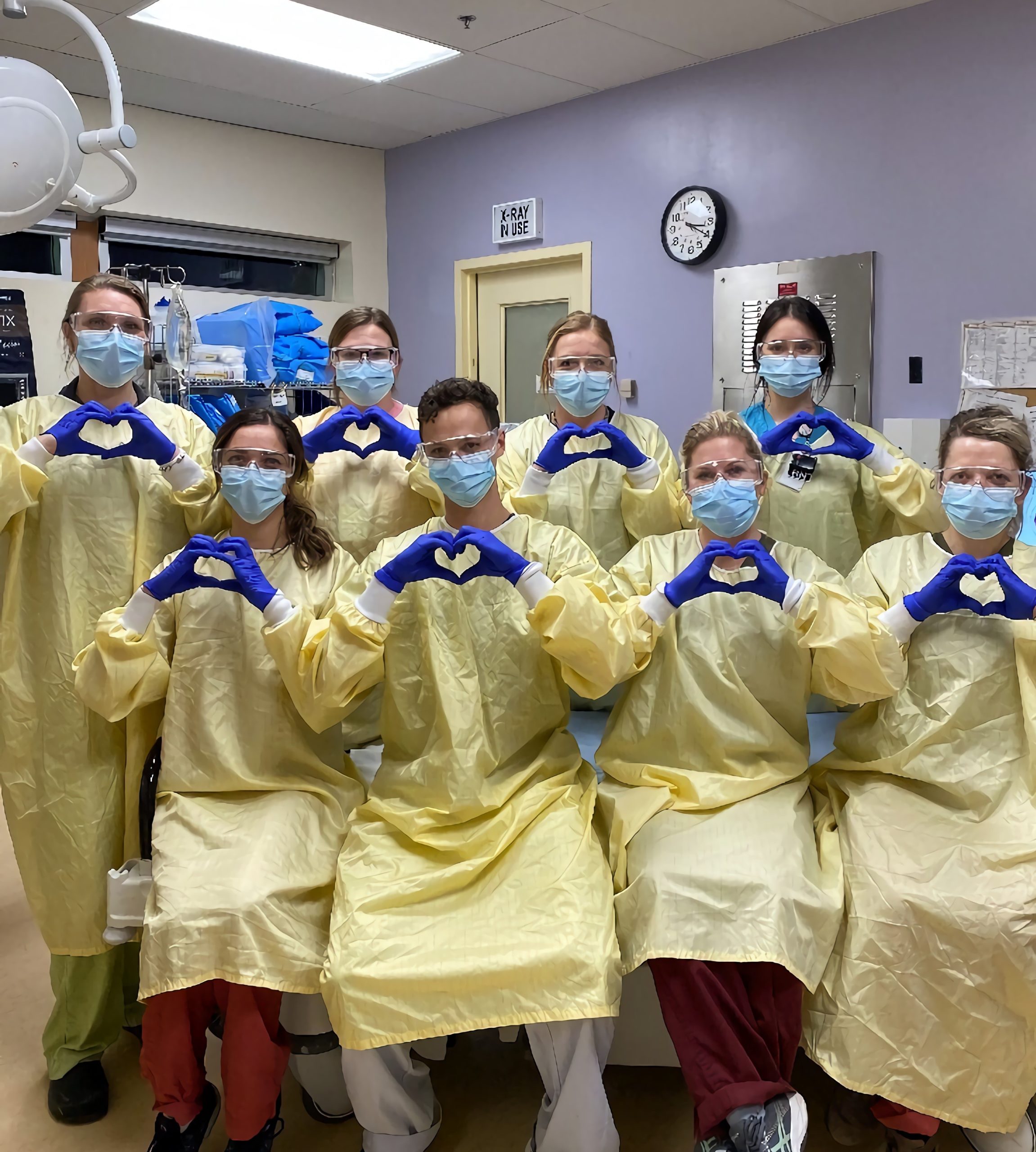
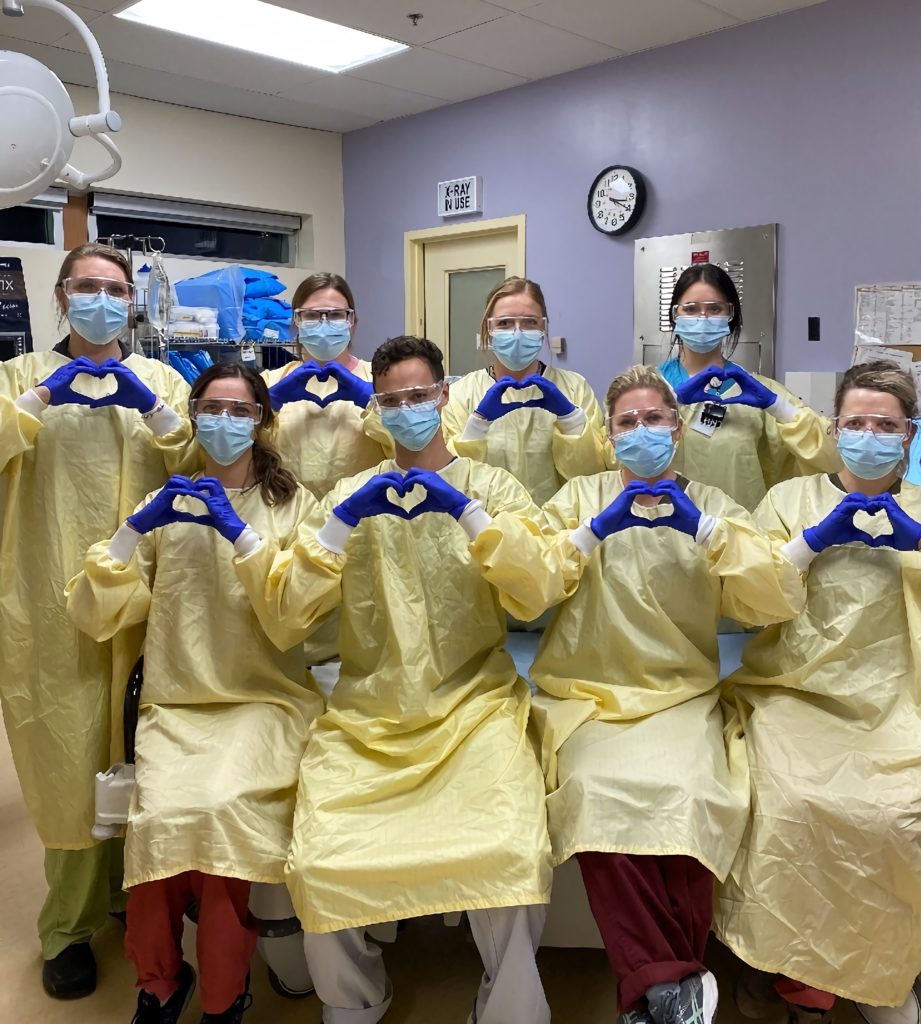
Heart Month Profile: Emergency Department

The Emergency Department (ED) at Thunder Bay Regional Health Sciences Centre is home to a complex team of health care professionals, who provide urgent patient care for our community and region, 24 hours a day and 365 days a year.

The ED team handles a wide range of medical emergencies, from a kitchen knife mishap that needs stitches, to a cardiac arrest needing life sustaining treatment.

The ED team works carefully to treat patients until they can return home, but occasionally, patients are admitted to the inpatient units in our Hospital for extended treatment. Patients in the ED who require specialized cardiovascular care are often admitted to the Cardiovascular and Stroke Unit (2C).

Our ED works closely with local and regional Emergency Medical Services (EMS) in identifying patients that need time-sensitive treatment for cardiovascular medical emergencies. When patients are experiencing a heart attack, the quicker they receive treatment, the better outcome the patient will often have.

As soon as the ED is notified by the EMS, they begin preparing before the patient arrives by notifying the cardiac catheterization lab and cardiologist of the patient’s condition. This pre-alert is essential in expediting care and ensuring the patient receives the best treatment as fast as possible.

Thank you to our ED team for helping us recognize Heart Month and for working tirelessly to provide care for our community and region.

Announcement: Medical Lead Simulation Program

Sent on behalf of Kelly Meservia-Collins, EVP Research, Quality & Academics


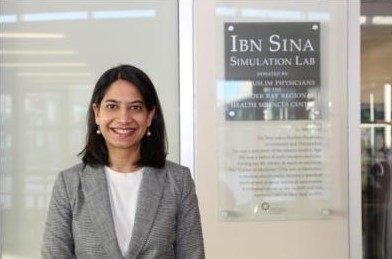
It is my pleasure to announce Dr. Shikha Bansal as the new Medical Lead, for the Simulation Program at TBRHSC. Simulation has become an integral part of teaching, learning and quality improvement and we look forward to having someone with Shikha’s knowledge and expertise guide us in further developing our program.

Shikha currently works as a Staff Anesthesiologist at TBRHSC, and Assistant Professor at the Northern Ontario School of Medicine (NOSM). She brings to the role over 10 years of experience in the field of anesthesia and a passion for medical education and simulation-based training. She believes that optimal learning outcomes are best met through experiential learning or learning by doing.

Shikha was a Clinical Fellow in Anesthesia Simulation at Sunnybrook Health Sciences Centre (SHSC), where she was involved in the development and delivery of simulation based programs across many departments. She is well versed in research practices that incorporate simulation and plans to continue with her own research endeavors and
to support others with their research interests.

Shikha’s vision and experience makes her an ideal leader to enhance the Simulation Program here at TBRHSC.

Please join me in welcoming Shikha to this role.

February is Heart Month

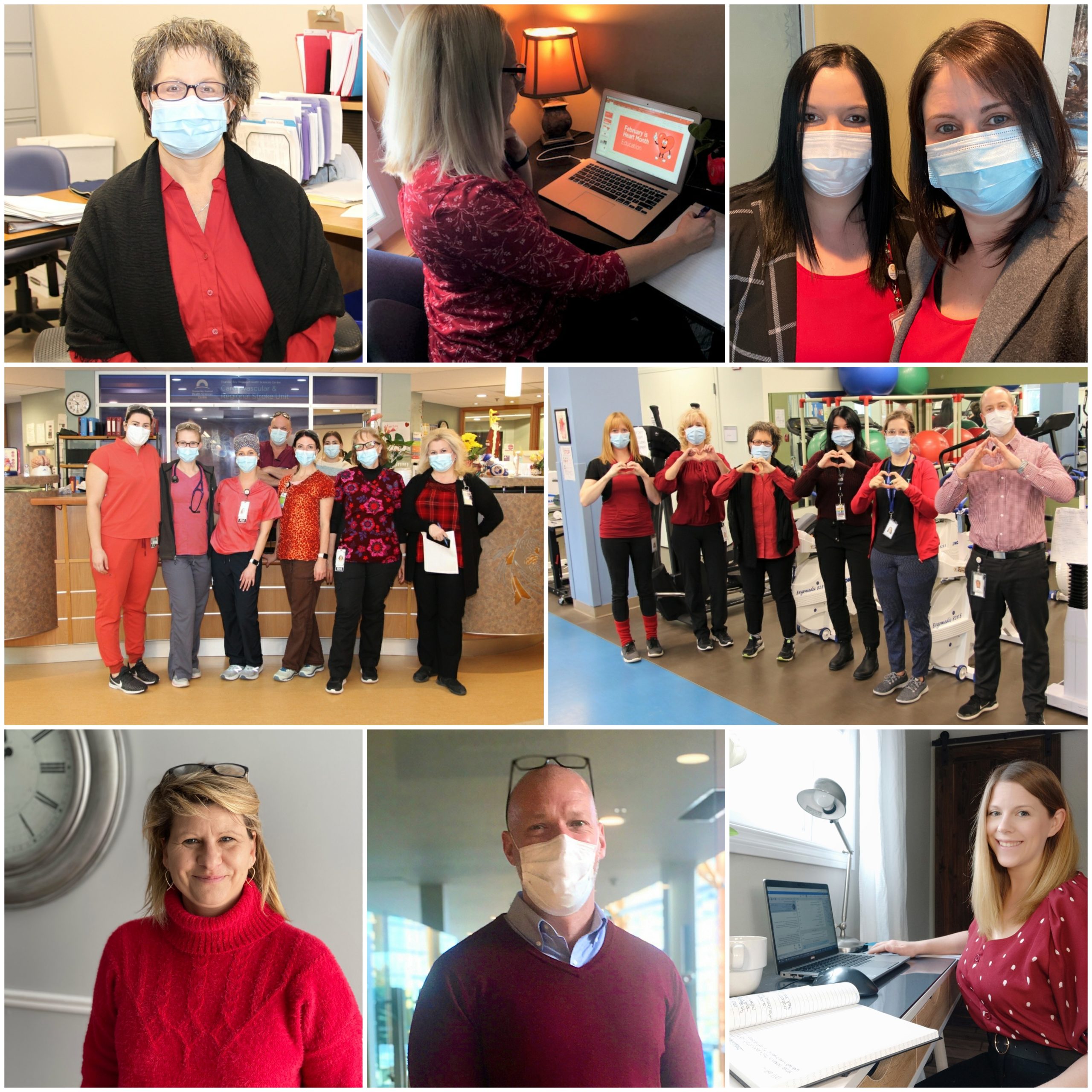
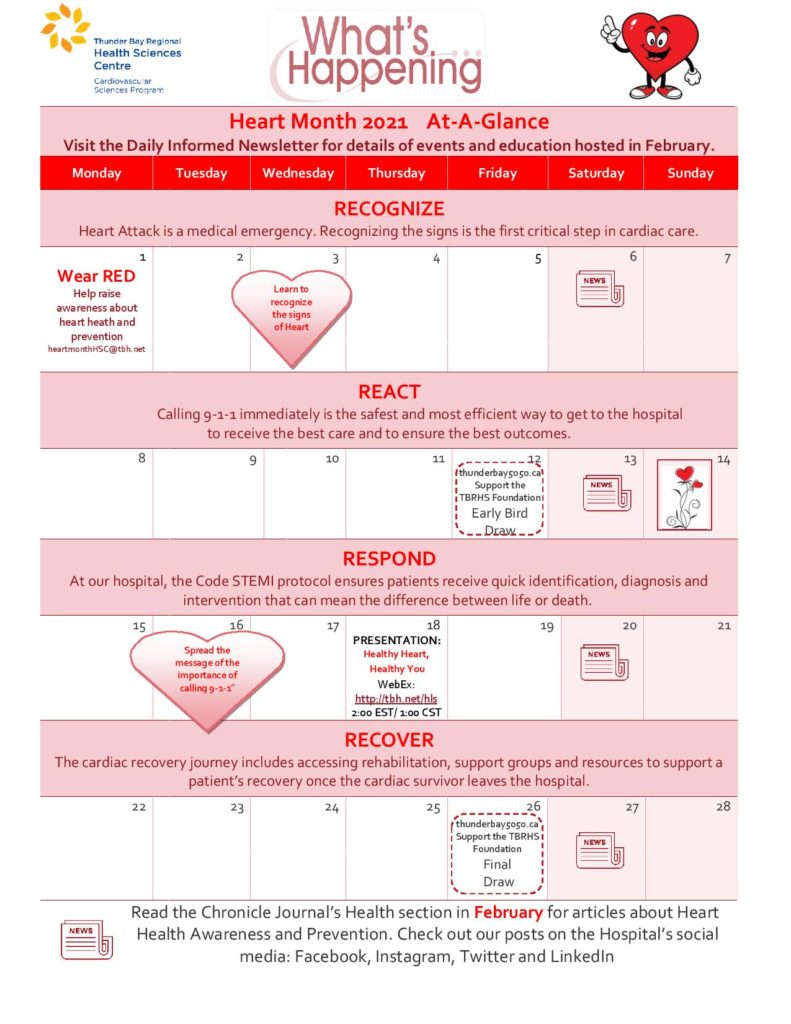
February is Heart Month. To launch the occasion, Hospital staff working on site and remotely wore red on Monday, February 1st. Thank you to those who participated! Your show of support will help to spread the message about heart health and prevention. Throughout the month of February, we will be highlighting our staff and departments who play a vital role in cardiovascular care, hosting virtual education sessions, and much more. Stay tuned!

Questions? Email us at heartmonthHSC@tbh.net

Staff Supports: Financial Wellness Initiative

RBC is offering TBRHSC employees a Financial Wellness Program. Our employees have the opportunity to obtain expert advice at a time that is convenient to you, along with the tools and rewards to help you achieve short and long term financial goals and help you on the path to financial wellness and retirement readiness. RBC has dedicated a Financial Wellness Advisor, Ben Mikkelsen, with a dedicated cellular number just for the TBRHSC employees to ensure you reach Ben directly.

RBC is also developing virtual advice events for employees to attend with Ben as well as offering Voluntary Savings Plans through payroll deduction.

Please see attached for more details.

Message from Quality & Risk Management

Sent on behalf of Kristin Shields, Director of Quality and Risk Management


We’d like to welcome our Bioethicist, Michelle Allain, back from maternity leave.

Michelle is available for consultations and meetings at ext. 6538. For urgent after hours consultation requests please contact Switchboard.

As a reminder, anyone can request an ethics consultation, including staff, professional staff, patients and families.

Welcome back, Michelle!

In the News: SeamlessMD

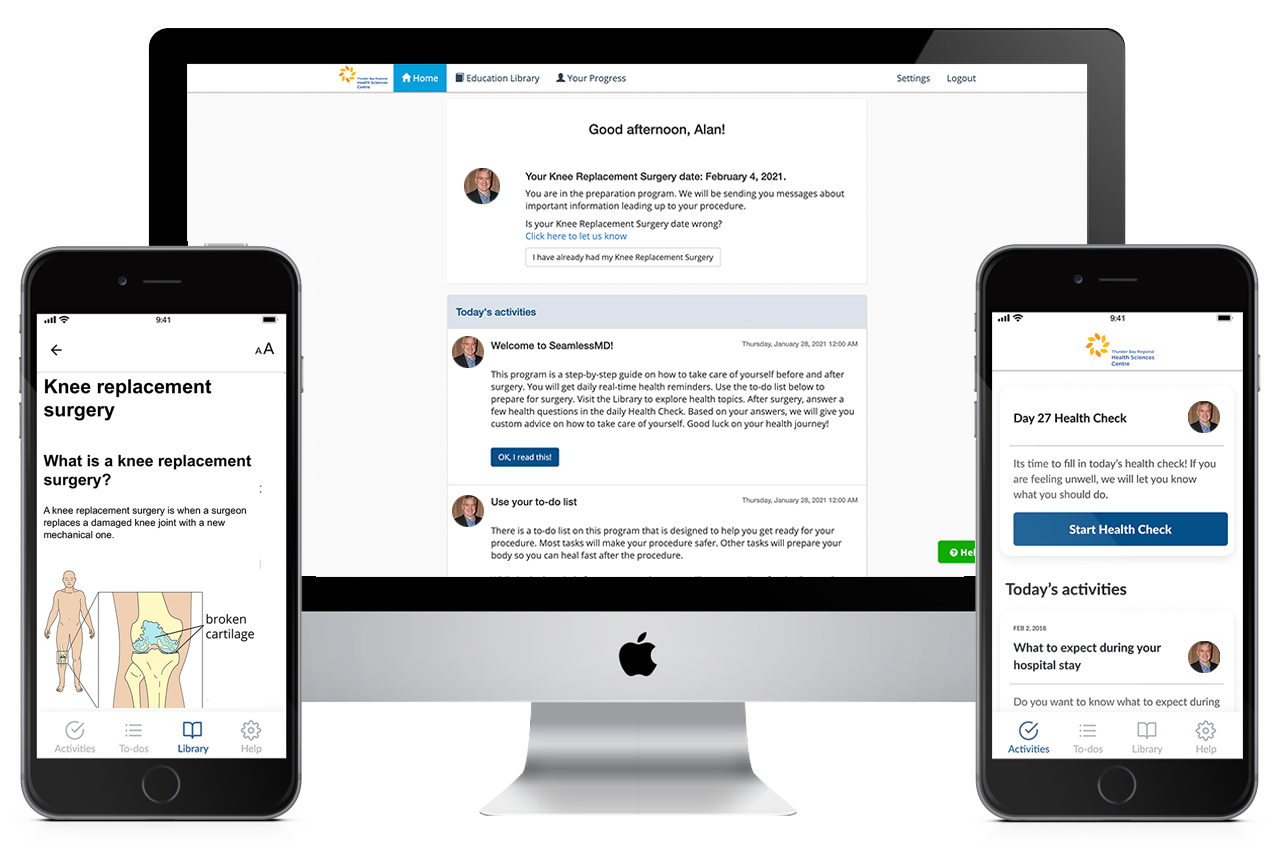
Caroline Fanti, Director of Regional Surgical Services, and Skylar Christian, Lead Nurse Practitioner for remote patient monitoring, spoke with TBT News about Thunder Bay Regional Health Sciences Centre’s new digital tool that is helping to keep surgical patients connected to their health care providers from the comfort and safety of their home.

(Click the link below for the video. From the January 29th, 2021, TBT News broadcast)

>