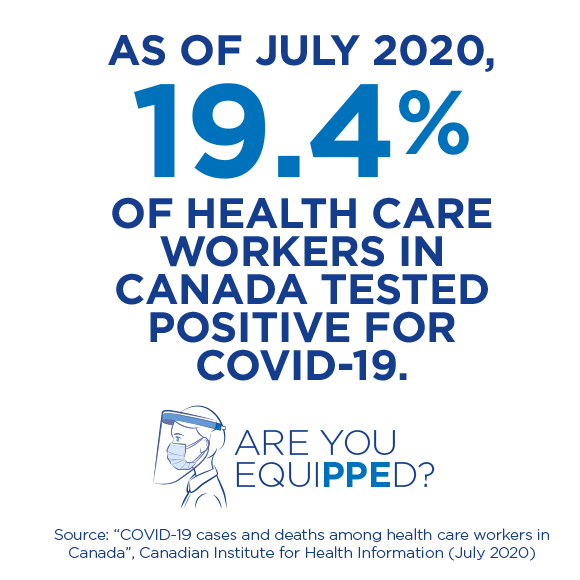
As of July 2020, 19.4% of health care workers in Canada tested positive for COVID-19.
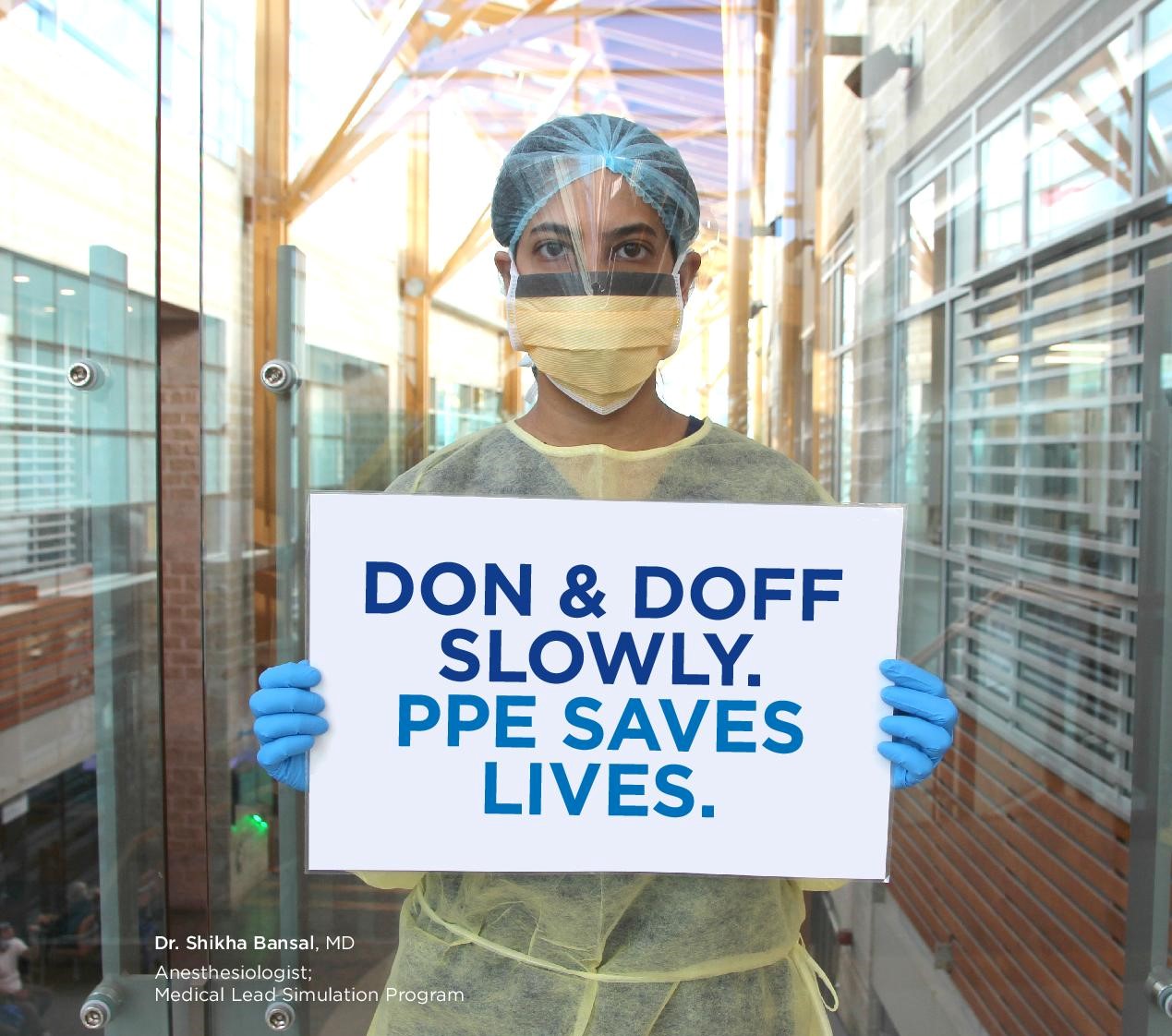
It’s important that our health care staff follow the pandemic safety guidelines while on the job. Support your colleagues, wear a mask upon entering the Hospital, properly don and doff your personal protective equipment when caring for patients and practice hand hygiene.
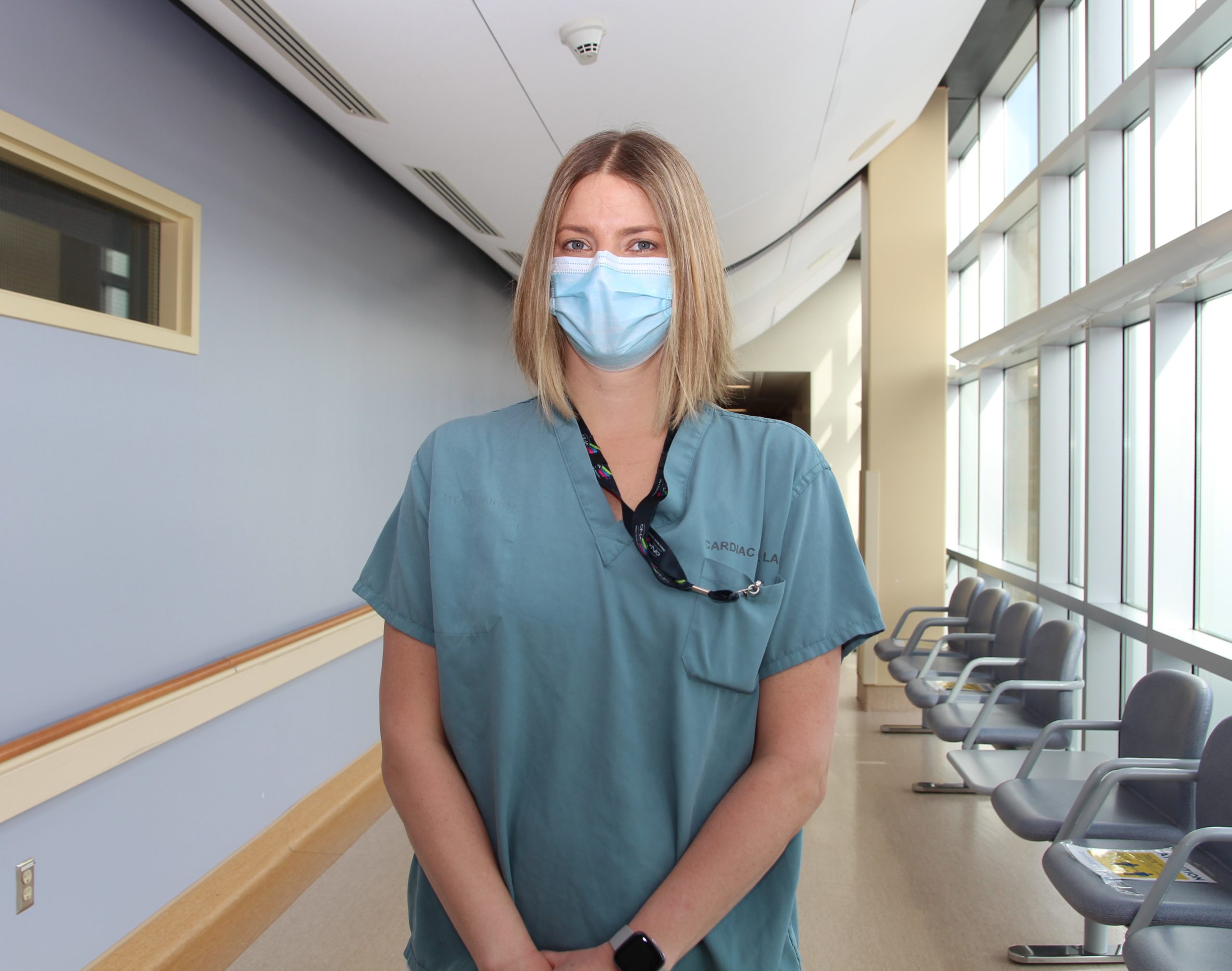
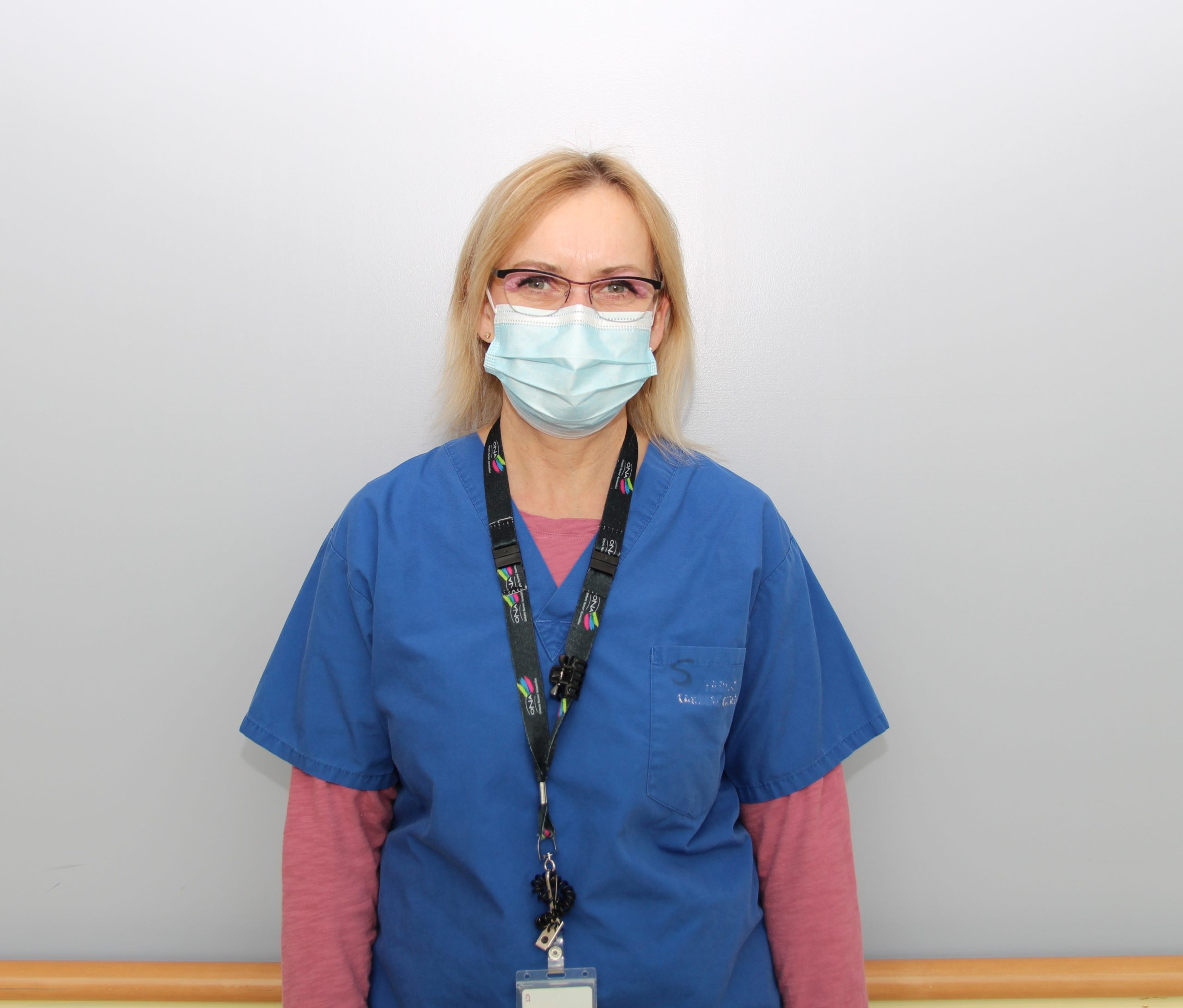
For today’s Heart Month profile, we caught up with Kelli Gerry, a Registered Nurse in our Cardiac Catheterization Lab (or ‘Cath Lab’).
What does it take to be a nurse in the Cath lab?
It takes dedication, understanding, hard work and passion. We play a vital role in saving patient’s lives while they are having a heart attack. As they say, ‘time is muscle’, so we always do our best to act quickly to provide the best care that we can.
What is unique about your role?
I am part of a specialized team that is on call 24 hours a day and 7 days a week. As a member of this team, I need to be available to come into the hospital and aide in opening blockages of someone who is having a heart attack. I also take a lead role in the orientation of new staff into our department and I work closely with Purchasing to ensure that we always have the necessary equipment and supplies on hand.
What inspired you to work in the Cath Lab and in cardiac care?
I have always had an interest in cardiology during my time as an Intensive Care RN. After I had my children, I decided to make the move and challenge myself by trying something new.
How does your role impact patient care?
The Cath Lab nurse plays as essential role in cardiovascular patient care. We escort our patients from their unit in the Hospital and bring them back to our area. In addition to preparing the patient for the procedure, we also play a vital role in the procedures themselves. We perform several different procedures in the Cath Lab, not just angiograms and angioplasties. When we are performing procedures such as angioplasties or pacemaker insertions, we get to see instant improvements in the patient’s condition.
On the concept of practice what you preach, do you have any personal tips on how to stay heart healthy?
Don’t smoke, stay healthy with a well-balanced diet and exercise, and keep your blood pressure in check.
Any final thoughts?
I am honored to have been recognized by my colleagues for the hard work that I do. I really appreciate the acknowledgement.
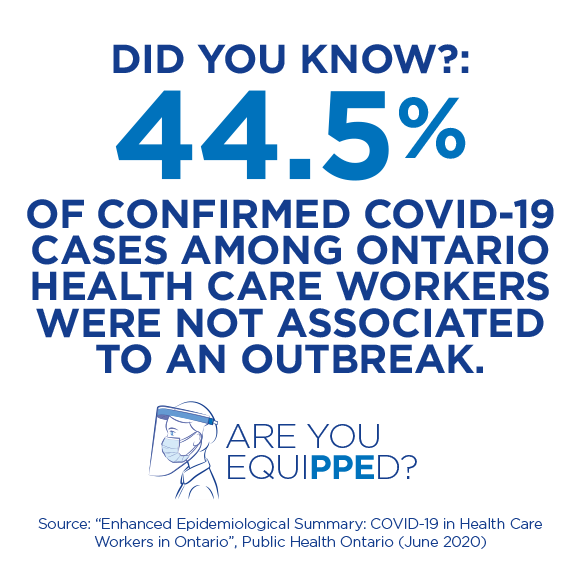
Did you know?: 44.5% of confirmed COVID-19 cases among Ontario health care workers were not associated to an outbreak.
This statistic should help to remind our health care staff that we all need to be vigilant. Support your colleagues, wear a mask upon entering the Hospital, properly don and doff your personal protective equipment when caring for patients and practice hand hygiene.
The Thunder Bay District Health Unit (TBDHU) in partnership with the Thunder Bay Regional Health Sciences Centre (TBRHSC) and Long-Term Care Homes reached a major milestone this week with 95% of long-term care home residents in the Thunder Bay District having now received the first dose of COVID-19 vaccine and many having received the second dose of the two-dose series.
This accomplishment was enabled when the Thunder Bay Regional Health Sciences Centre (TBRHSC) received a shipment of Moderna vaccine in the past week allowing first dose vaccinations for Long Term Care (LTC) residents in the District communities in the TBDHU Catchment area. The second dose of the Pfizer vaccine is also being administered to LTCH residents in Thunder Bay who received their first dose with this vaccine three weeks ago.
“This is a major step towards protecting Long Term Care homes and the residents and staff from the potentially devastating impacts of COVID-19 within these settings,” said Dr. Janet DeMille, Medical Officer of Health, TBDHU. “It’s also a success to be able to extend protection against COVID-19 beyond Thunder Bay and into the district communities. There is a lot more to do but we should celebrate this significant accomplishment. ”
“We can certainly appreciate the frustration and anxiety people have felt with the Pfizer vaccine slowdown that impacted the entire country,” said Dr. Rhonda Crocker Ellacott, TBRHSC President and CEO. “We are very proud that despite temporary setbacks with vaccine shipments, we have succeeded in administering first and second doses to LTC residents within the Ministry’s target time frame. In addition to LTC residents, protecting access to second doses for those who have already received their first dose is our top priority.”
While the focus currently is on the long-term care homes, planning is also underway regarding other vulnerable settings including retirement homes and congregate settings housing seniors and high risk health care workers. As part of the larger roll-out for the TBDHU area, Public health is actively engaging partners, including District and First Nation partners, in the development and implementation of the broader plan. This planning work also includes the opening of vaccination clinics in our area. Further details will be provided as this unfolds.
TBDHU continues to encourage everyone to follow all public health measures to protect the health of individuals and our health system. If you develop any COVID-19 symptoms, even mild ones, isolate immediately and arrange to get tested at your local assessment centre.
Visit the TBDHU Website for more information or contact TBDHU at (807) 625-5900 or toll-free: 1-888-294-6630.
To learn more about Ontario’s phased plan for vaccine distribution, please visit the Province of Ontario website.
Take advantage of these educational opportunities. If you have questions, please contact Tabetha Belanger belangta@tbh.net.
RNAO – Mental Health & Addiction Initiative – Addressing Substance Use Champions Workshop Next session: Wednesday, February 24, 2021 (one of four sessions) 10:00 a.m to 12:00 p.m. EST To register visit: https://myrnao.ca/virtualsubstanceuseworkshop
Aging & Brain Health – Optimizing Cognitive & Behavioural Function in Disorders of the Aging Brain 2021 Rotman Research Institute Virtual Conference March 22-23 & 26, 2021 For more details about the conference, please see: http://research.baycrest.org/conference/
Given the rapidly evolving research and communications during the rollout of COVID-19 vaccines, health care workers naturally have questions and concerns. To help answer some of our hospital worker questions, the Ontario Hospital Association convened experts in the field to create this video to explain the decision to extend the interval between first and second vaccine doses from 21-28 days to 42 days.
Featuring Dr. Peter Lin, Director of Primary Care Initiatives at the Canadian Heart Research Centre and CBC Health Columnist, Dr. Caroline Quach-Thanh, Chair of the National Advisory Committee on Immunization (NACI) and moderated by Dr. Brad Wouters, Executive Vice President of Science and Research at University Health Network, the goal of this video is to help health care workers better understand the science behind the decision and what the delay means for them.
We all need to do our part to help protect the health and safety of our staff, professional staff, patients, and the community during the pandemic. It is essential that each of us follow the carefully crafted guidelines that are posted throughout our Hospital.
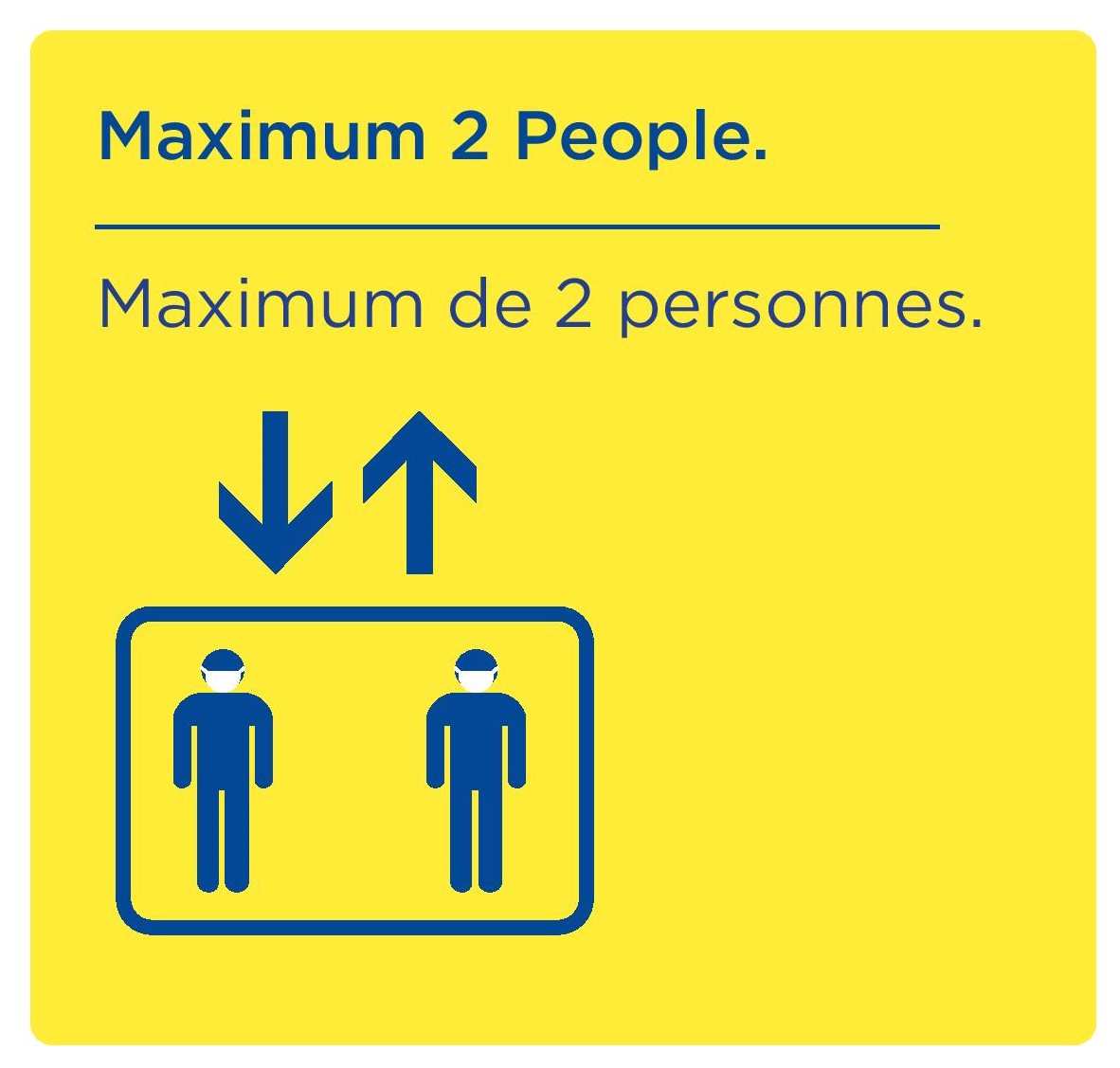
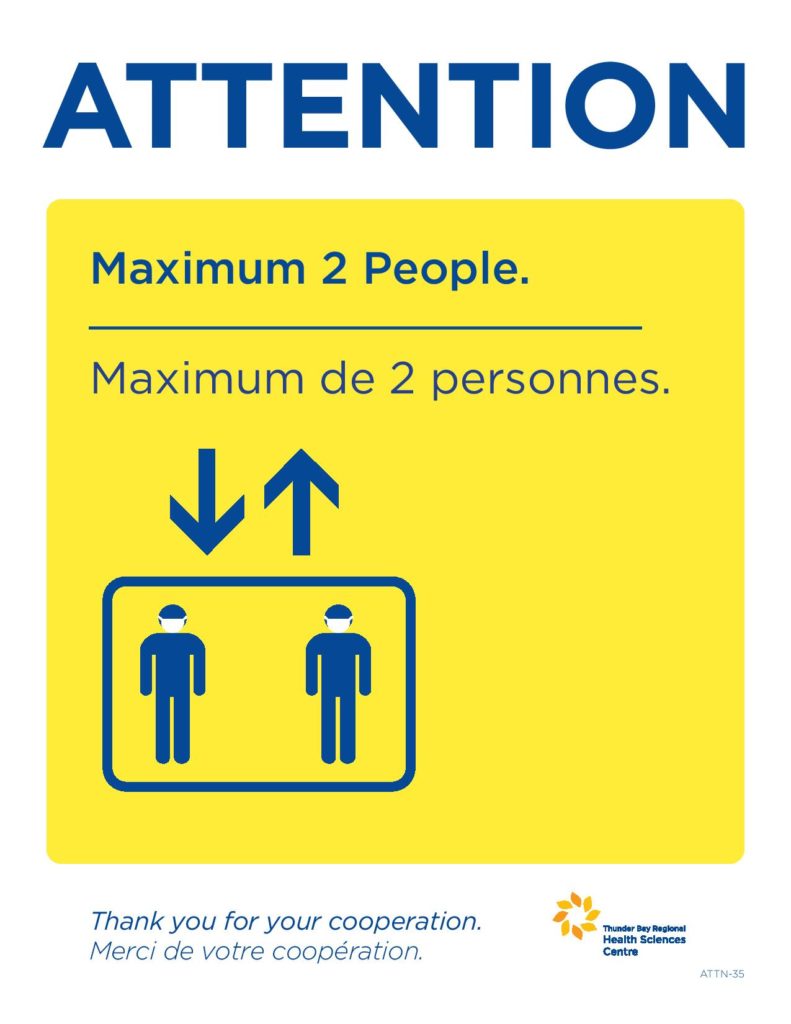
Please remember that a maximum of 2 people is permitted in an elevator to maintain physical distancing.
Throughout the month of February (Heart Month), we will be highlighting our staff and departments who play a vital role in cardiovascular care. Today, we’re sharing some Q&A with Rita Guzzell, a Registered Nurse in the Cardiac Catheterization Lab (or ‘Cath Lab’).
What does it take to be a nurse in the Cath Lab?
It takes dedication, adaptability, knowledge and critical thinking skills.
What is unique about your role?
My job is very rewarding because we get to see immediate results when patients undergo angioplasty. It is unique to be able to have such a drastic and positive impact on a patient’s condition.
What inspired you to work in the Cath Lab and in cardiac care?
I have been interested in cardiology for as long as I can remember. I’ve been a Registered Nurse for 31 years. Twenty of those were on the cardiovascular units at the McKellar Hospital and here at Thunder Bay Regional Health Sciences Centre. I also did a cardiology fellowship with the Registered Nurses Association of Ontario (RNAO) on angioplasty care in 2007 and 2008. The Cath Lab was the next step in pursuing my interest in cardiac care.
How does your role impact patient care?
As a Cath Lab nurse, I provide health teaching and support the patient and their family.
On the concept of practice what you preach, do you have any personal tips on how to stay heart healthy?
Take the stairs! I also never park too close to places so that I have to walk more.
Any final thoughts?
It is great to be a member of this team!
*Editor’s note: Rita’s colleagues highlighted her for being hard-working, conscientious, caring, and very knowledgeable.
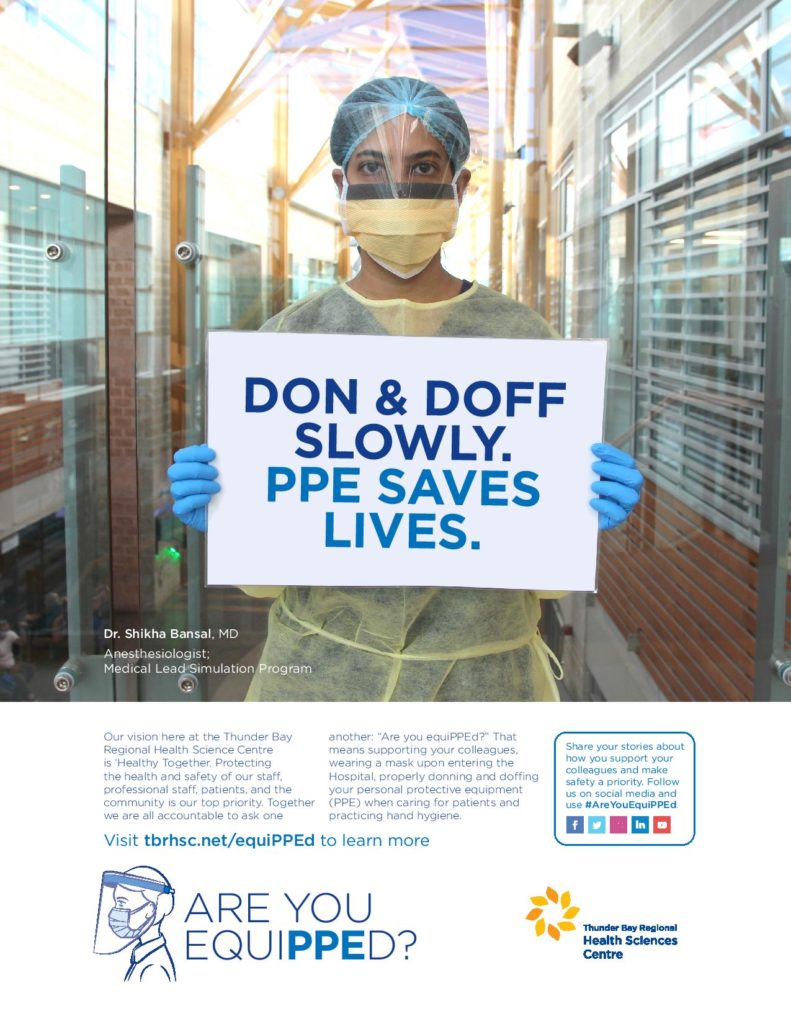
Our vision here at the Thunder Bay Regional Health Science Centre is ‘Healthy Together’. Protecting the health and safety of our staff, professional staff, patients, and the community during the COVID-19 pandemic is our top priority. Together we are all accountable to ask one another: “Are you equiPPEd?” That means supporting your colleagues, wearing a mask upon entering the Hospital, properly donning and doffing your personal protective equipment (PPE) when caring for patients and practicing hand hygiene.
To all of our Hospital staff…we want to hear from you! Share your stories about how you support your colleagues and make safety a priority. Follow or like us on social media (Facebook, Instagram, Twitter, LinkedIn), and add #AreYouEquiPPEd to your posts.