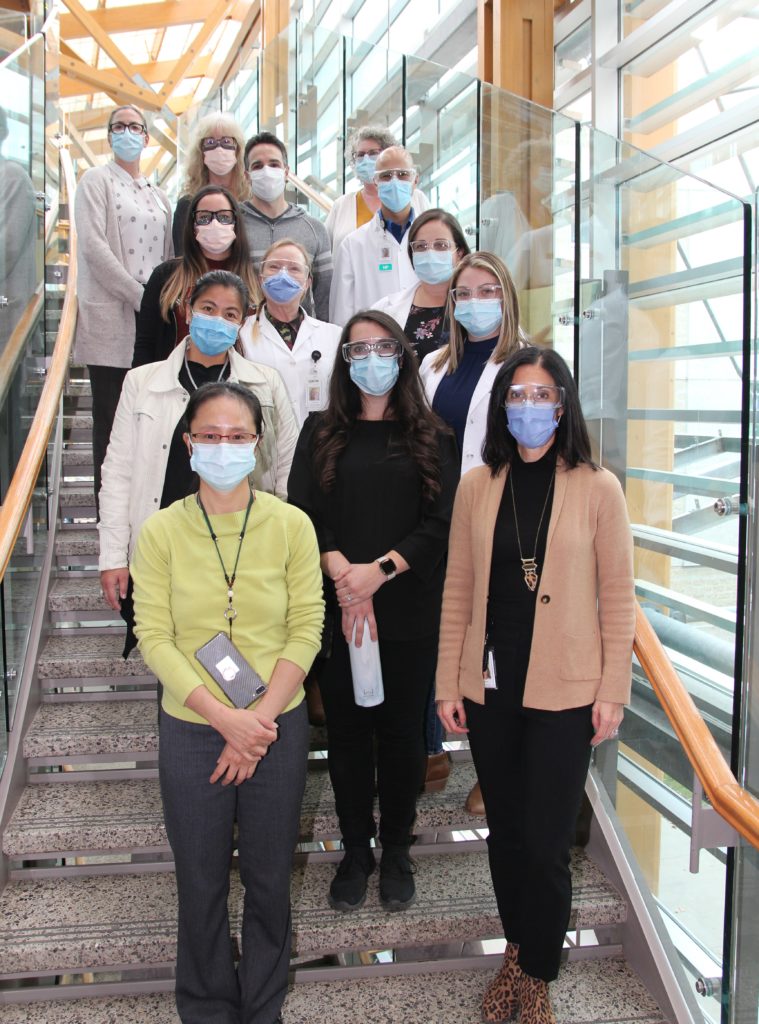
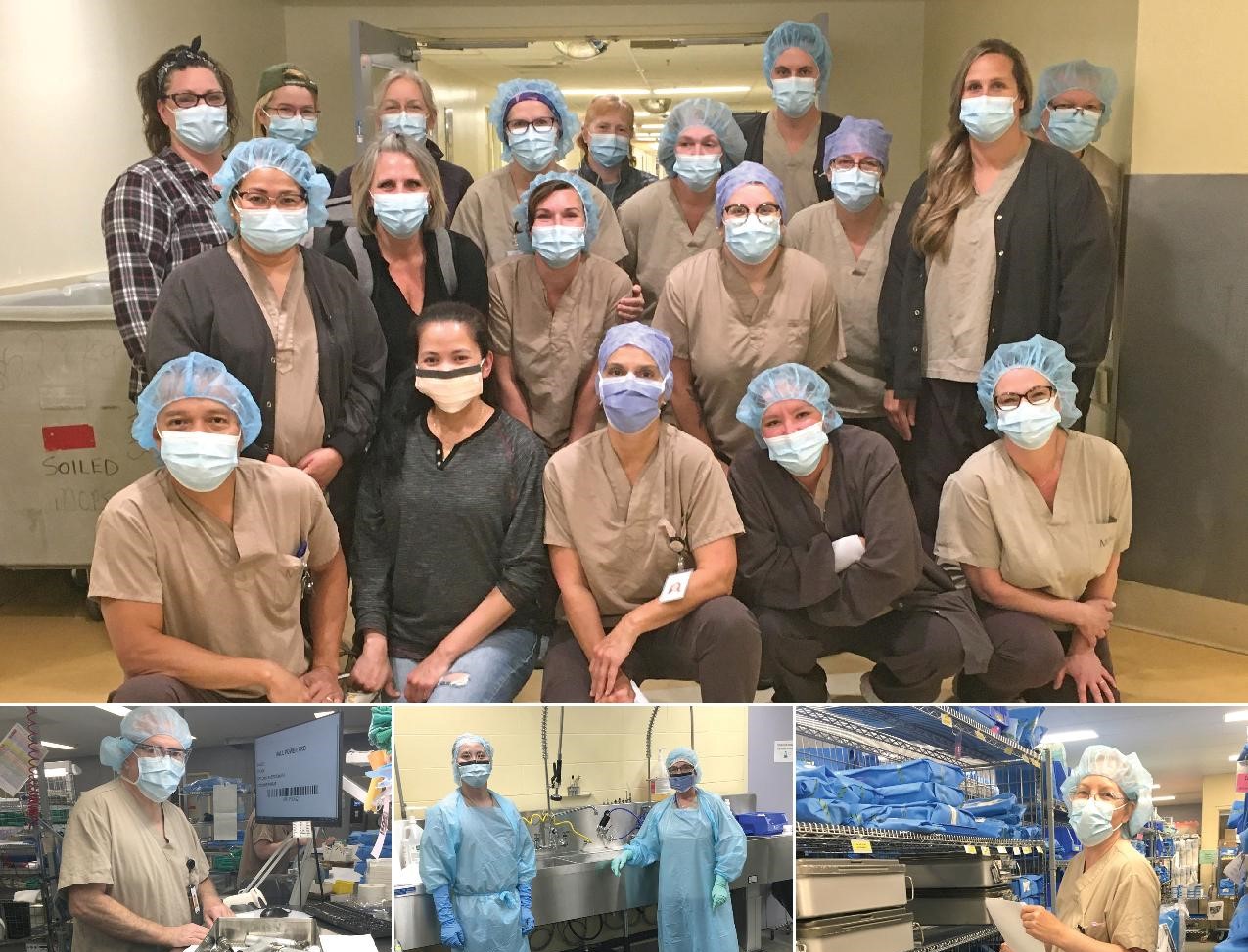
Join the Medical Device Reprocessing Department Team


Today we thank all veterans, members of the armed forces, and those that made the ultimate sacrifice.
For those wishing to show their support, poppies are available in the Hospital’s Cafeteria and Season’s Gift Shop.



Each year, the Clinical Genetics Program at Thunder Bay Regional Health Sciences Centre (TBRHSC) sees approximately 800 referrals. The program offers consultations to individuals and families who are affected by, or who are at-risk for, inherited and/or genetic conditions.
If your health care provider has sent in a referral and you have an appointment scheduled to meet with a genetic counsellor, you might be wondering what you can expect from this experience.
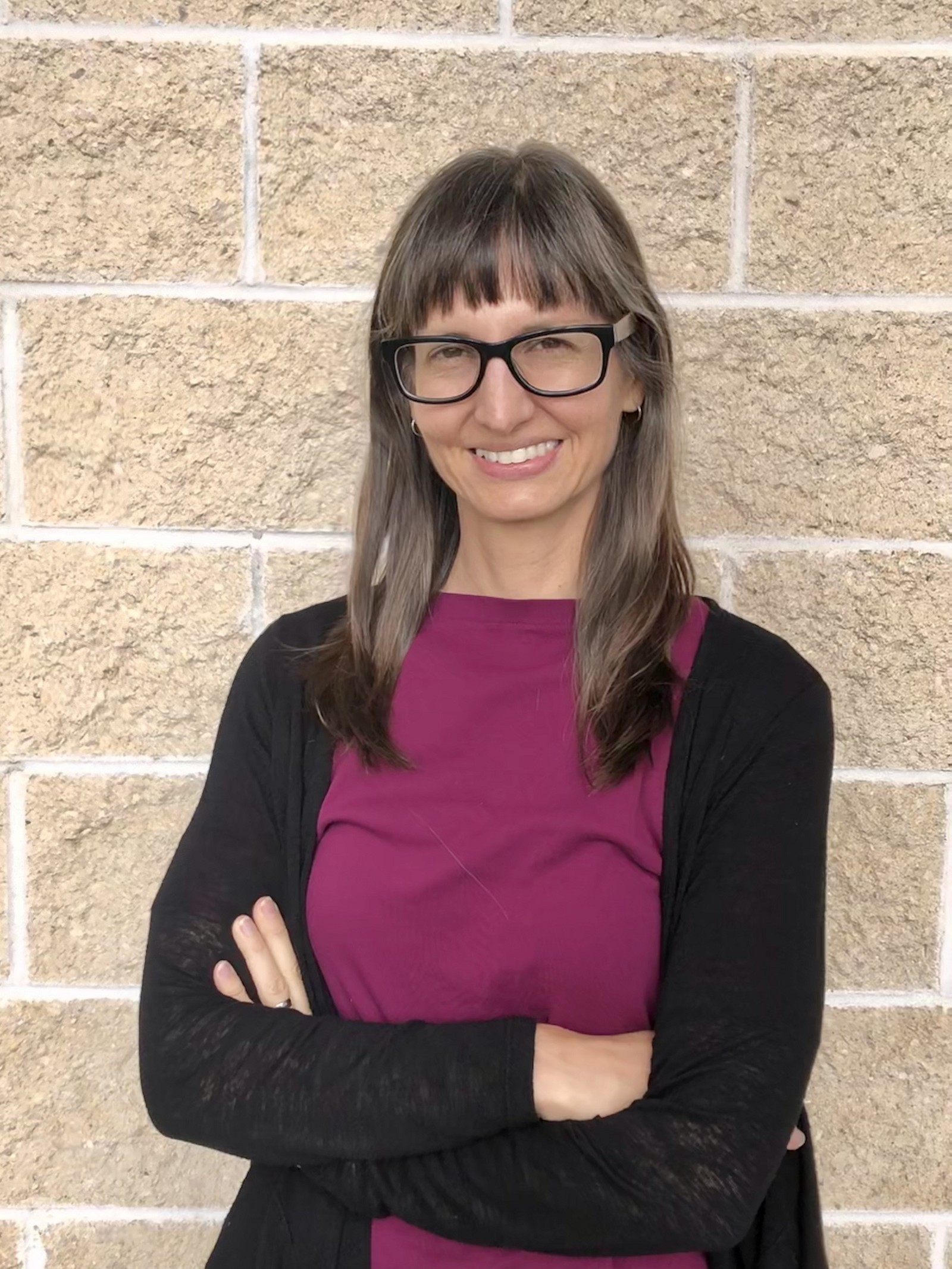
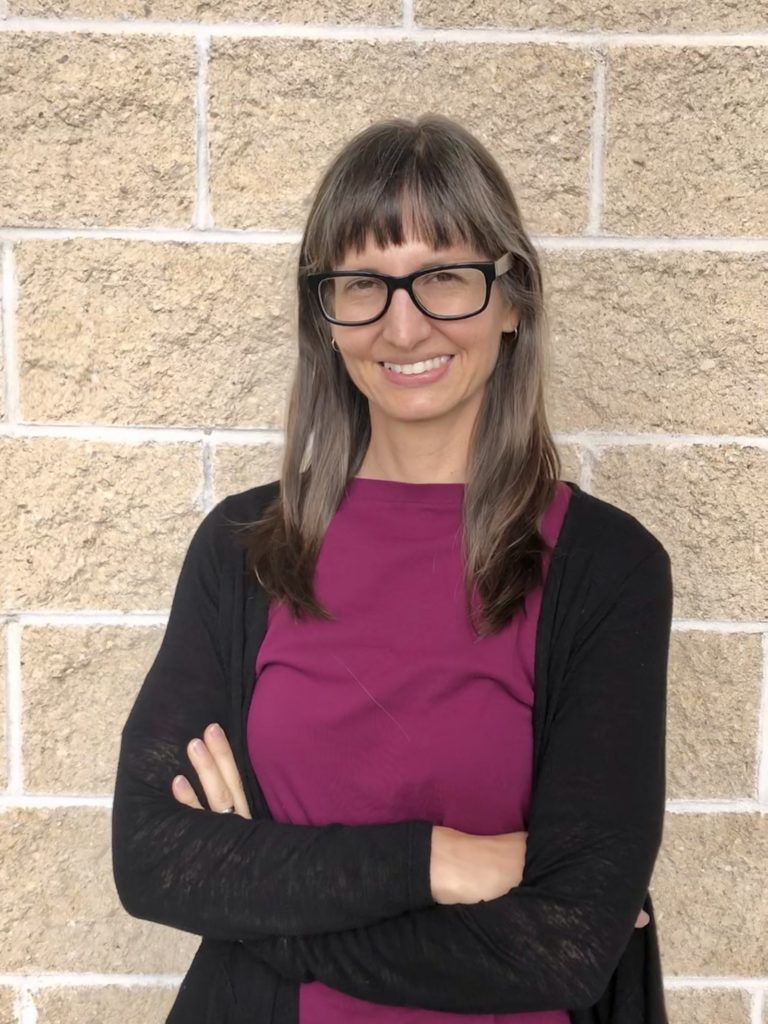
Leanne Mercer is a genetic counsellor with 17 years of experience. She has been working with the Clinical Genetics Program since it opened at TBRHSC in 2016. Below, she guides us through what to expect when meeting with a genetic counsellor.
A genetic counsellor’s role is to provide individuals and families with information on the implications and inheritance of genetic conditions. We explore personal and family health history to better understand genetic risks and decide if genetic testing is an option for patients and families. The information can assist individuals to make decisions about managing their health, pregnancies or their child’s health.
Family history is usually collected before an appointment; however, we ask that patients bring any new information with them so that the family history can be updated. Patients can also make a list of any questions they may have ahead of time and bring that list to their appointment.
We will talk about how the condition in question is inherited, if genetic testing might be beneficial or available, as well as implications for other family members. If genetic testing is offered, we talk about whether or not testing is right for them. Together, we discuss the pros and cons of testing and why they may or may not want to know the results of genetic testing. There is no pressure for patients to follow through with testing if it is offered; that decision is entirely up to them.
If testing is not being done as part of the consultation, patients can expect a summary letter sent to them and/or their healthcare providers after the appointment. If a patient proceeds with genetic testing, it can be months before results are available. Results are delivered by phone, video or in person depending on the type of testing and the result.
Individuals with concerns about their family history of a genetic condition, or who may have a genetic condition themselves, are encouraged to talk to their health care provider about being referred. The Clinical Genetics Program does not accept self-referrals. For more information about our Hospital’s Clinical Genetics Program, or how to be referred, visit https://tbrhsc.net/genetics.
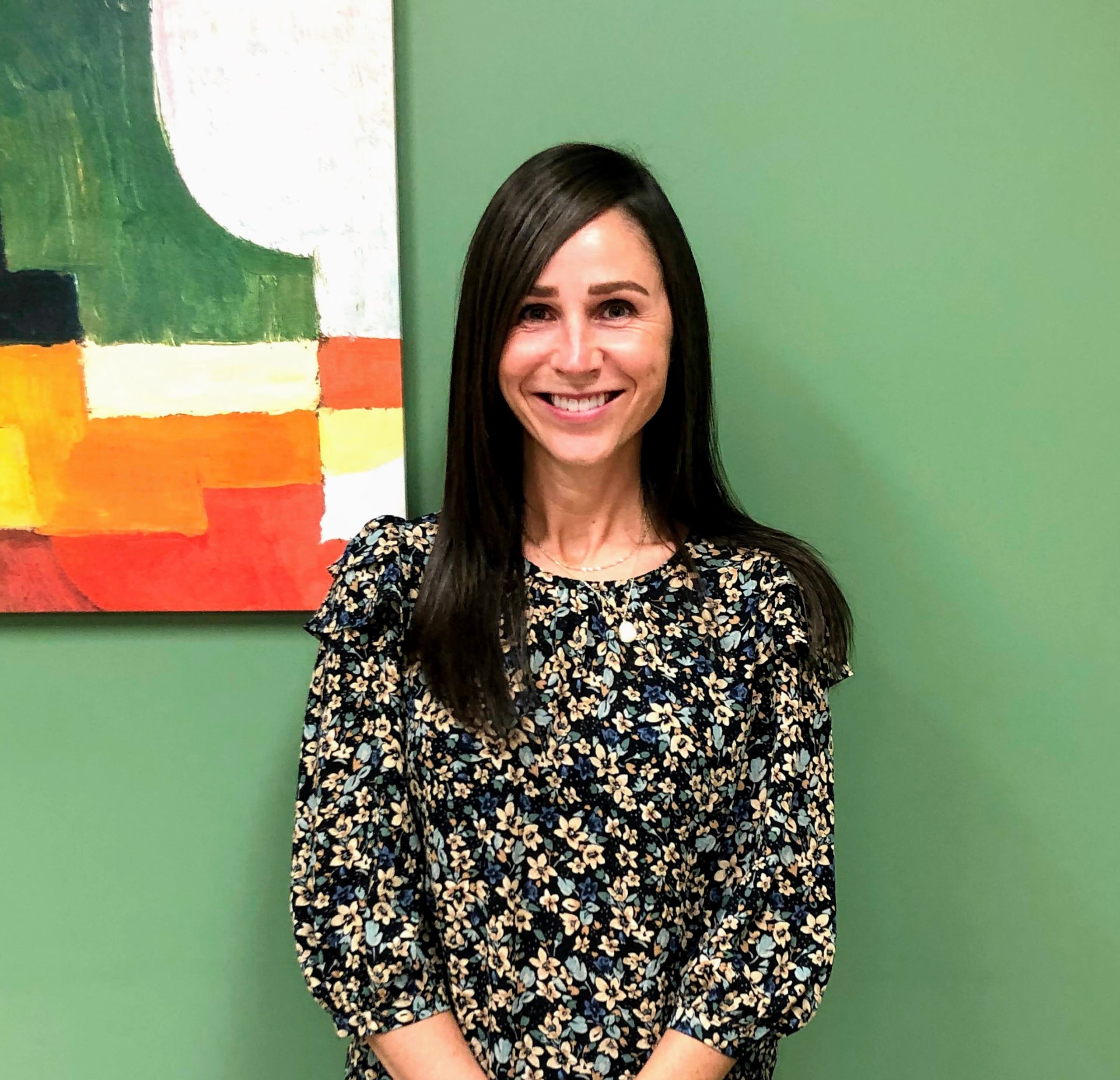
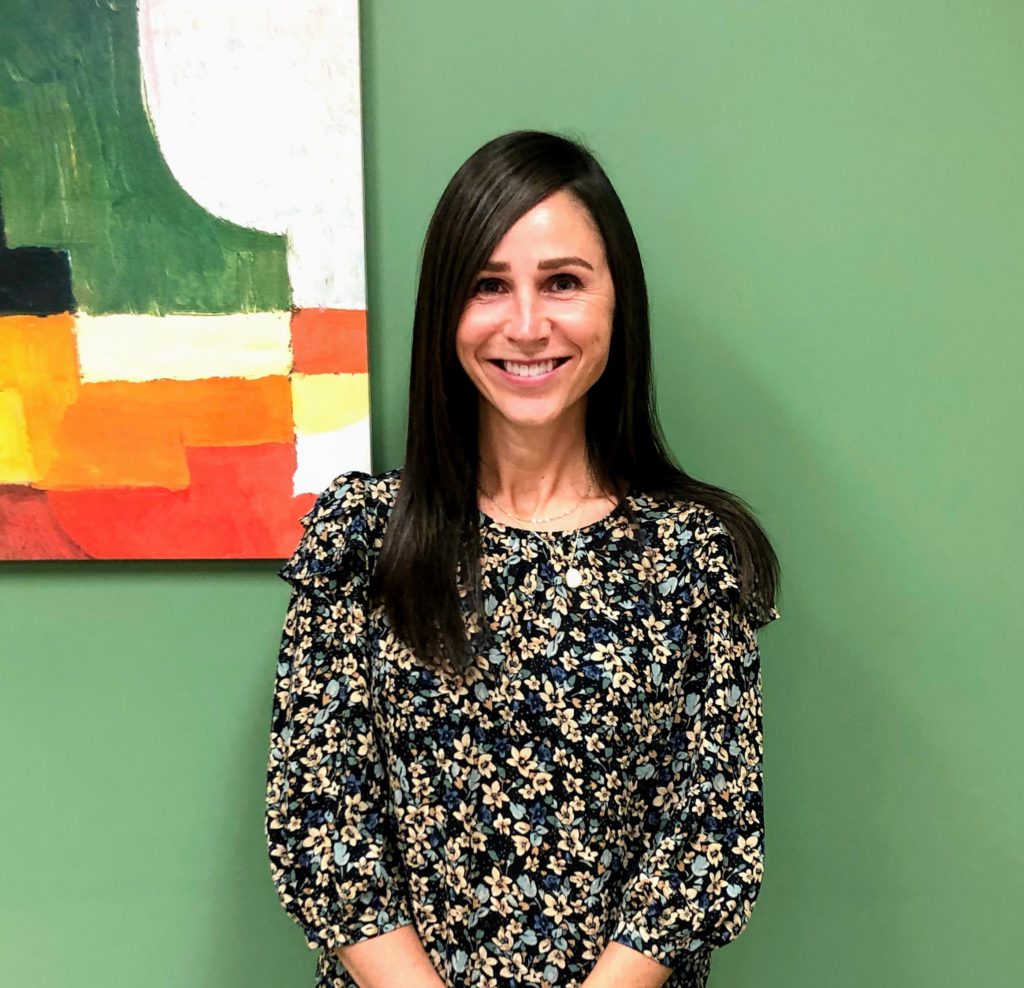
Throughout the month of November we are highlighting staff at Thunder Bay Regional Health Sciences Centre who play a key role in bariatric care. Today, we’re sharing a Q & A from Dr. Julie Riendeau, a psychologist at the Regional Bariatric Care Centre (RBCC).
What does it take to be a psychologist?
To practice as a psychologist in Ontario, a doctoral degree in psychology is required. Beyond the educational training, psychologists are generally open-minded (non-judgmental), patient, empathic, and active listeners. They also demonstrate effective communication and problem-solving skills and have a commitment to lifelong learning.
What inspired you to work in bariatrics?
The number of psychologists specializing in bariatric care is relatively small. Moving into this role was an opportunity to work in a unique area of practice for psychology. It offered me the ability to support patients in making behaviour and lifestyle changes in the spirit of improving mental and physical health.
What is unique about your role?
I’m privileged to work with a diverse team of colleagues, all lending their expertise to providing care to patients. In my role, I focus on the emotional, biological, psychological, social, and behavioral aspects of our patients’ experiences. As a psychologist, I work to educate patients about the importance of prioritizing attention on their emotional, psychological, and social well-being in their efforts at weight management.
How does your role impact patient care?
When it comes to weight loss and long-term weight management, the “eat less and exercise more” approach generally doesn’t work. Weight is complex. People often don’t consider that weight management isn’t about willpower (or lack thereof). Weight management involves identifying the factors that are within personal control, while recognizing that many factors are beyond personal control. My work with patients brings attention to the psychological factors that can interfere with efforts to maintain consistency in lifestyle habits.
Promoting a healthy lifestyle is part of your daily messaging to patients. Do you have any personal tips on how to stay healthy?
Sleep is one of the most important things we can do to manage our mental and physical health. The amount and quality of sleep we get each night can impact the way our immune system functions, boost our mood, help with weight management and much more. Getting consistent and high-quality sleep can improve all aspects of our health.
Any final thoughts?
Consider practicing self-compassion by treating yourself kindly through difficult and challenging times. Remember, challenges are a part of the shared human experience.

Sent on behalf of Gord Wickham, Chair, TBRHSC Board of Directors
On behalf of the TBRHSC Board of Directors, I am pleased to introduce Dr. Bradley Jacobson as the Hospital’s new Chief of Staff for a three-year term. As Chief of Staff, Dr. Jacobson will be a member of the Hospital’s Senior Leadership Council and Board of Directors. As you can imagine, with COVID-19 still impacting our Hospital and our communities – and with a new Strategic Plan about to be introduced next month and implemented over the next four years — this appointment brings with it immense challenges and incredible opportunities. Given his experience and background, we are confident Dr. Jacobson will thrive in this leadership role.
Dr. Jacobson was chosen by a selection committee representative of the Hospital’s
Board of Directors, Executive Leadership, Professional Staff and others as prescribed by the Hospital By-Law. He succeeds Dr. Zaki Ahmed who completes his three-year term.
Most of you know Dr. Jacobson as the Chief of Emergency Services. In his 24-year career as a healthcare provider at TBRHSC, he has had extensive experience in both leading teams and being a supportive team member. Most recently during the pandemic, in addition to everything else he does, he headed up our successful Virtual Emergency Department pilot project. He is known for building strong, trusting relationships with colleagues and recognizes the need to develop an environment where clinicians feel safe and supported as this is the key to delivering excellent patient care. So, it was no surprise to those who know him when he went the extra mile in supporting his colleagues, showing appreciation during the pandemic with the gift of music. You can see it here in case you missed it in real time:
https://www.cbc.ca/news/canada/thunder-bay/thunder-bay-dr-brad-jacobson-sings-1.5566812
As the former Emergency Department Medical Lead and current Department Chief, Dr. Jacobson already works closely with his colleagues in various departments to ensure flow is maximized in our often overcapacity workplace. As a former Board Director at the Ontario Medical Association, he has been keenly aware of the need to pursue a strong working relationship with our members. This has allowed him to communicate the unique needs of providing health care in Northwestern Ontario at the OMA Board. As the Chief of Emergency, he has also worked hand in hand with key stakeholders and Ontario Health staff in reviewing P4R performance indicators and determining best strategies for utilizing allocated funds.
Meanwhile, the Committee was extremely impressed by Dr. Jacobson’s educational background and commitment to lifelong learning that includes among other things:
As mentioned, Dr. Jacobson succeeds Dr. Ahmed who completes his three-year term. The Board would like to extend its most sincere thanks and appreciation to Dr. Ahmed who served in the role of Chief of Staff with great commitment and did so for more than half of his term during the challenges of an unplanned global pandemic that hit our region very hard at times. As you can imagine, the Chief of Staff role is demanding on the best of days, let alone during COVID-19. So, please join us in thanking Dr. Ahmed for his hard work and professionalism. We look forward to his continued leadership in the role of Medical Director of Medicine & Patient Flow.
As the Chief of Staff is a 0.6 FTE position, Dr. Jacobson will be handing off the Chief of Emergency Services role to ensure he can devote his attention to this new role. A recruitment process will be implemented soon to identify suitable candidates.
Please join the Board and Senior Leadership Team in thanking Dr. Ahmed for his commitment the past three years and in welcoming Dr. Bradley Jacobson into this new, exciting role.
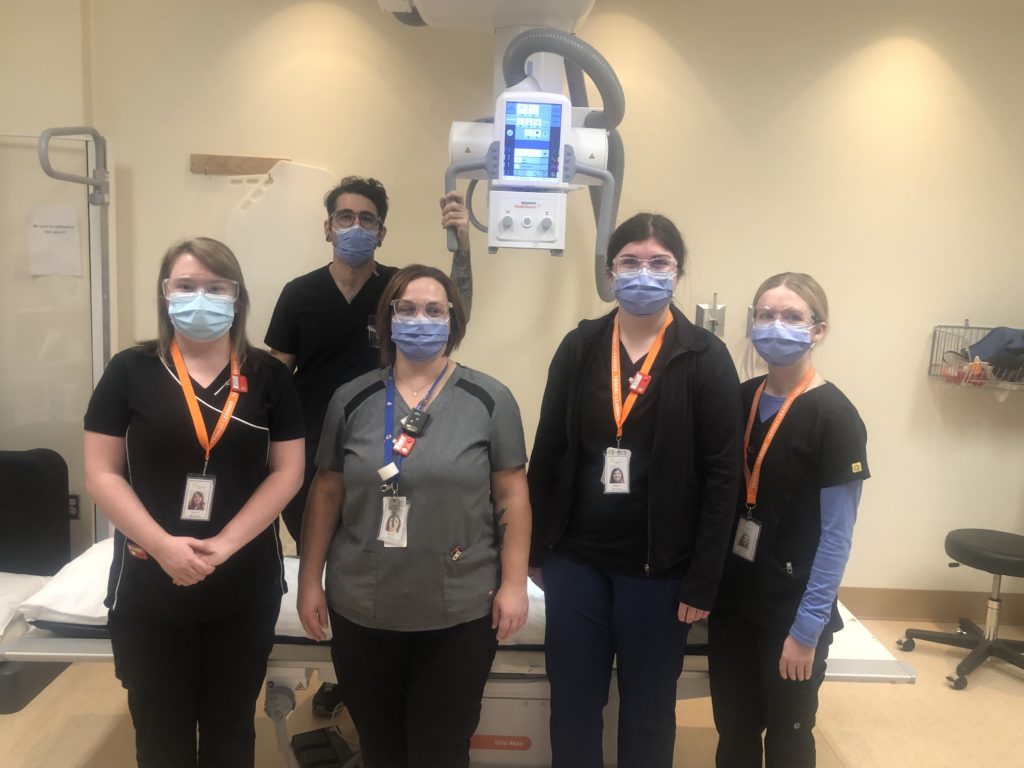
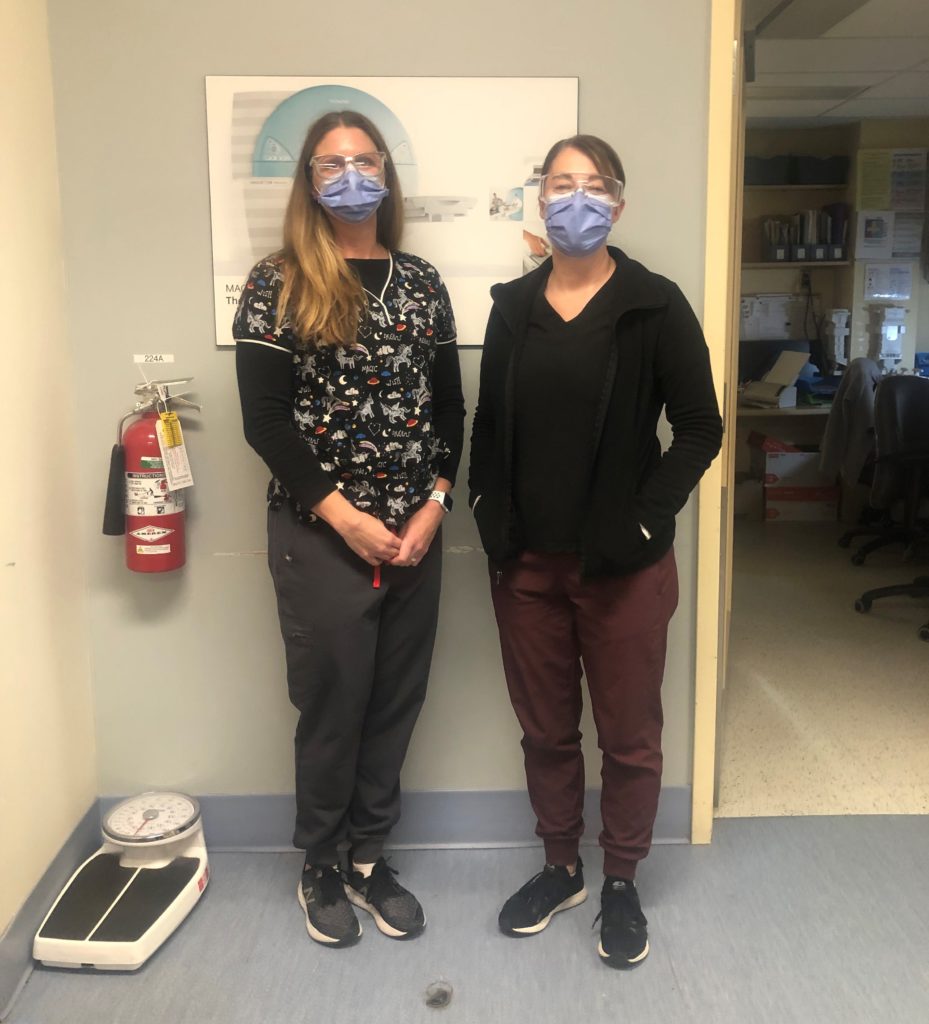
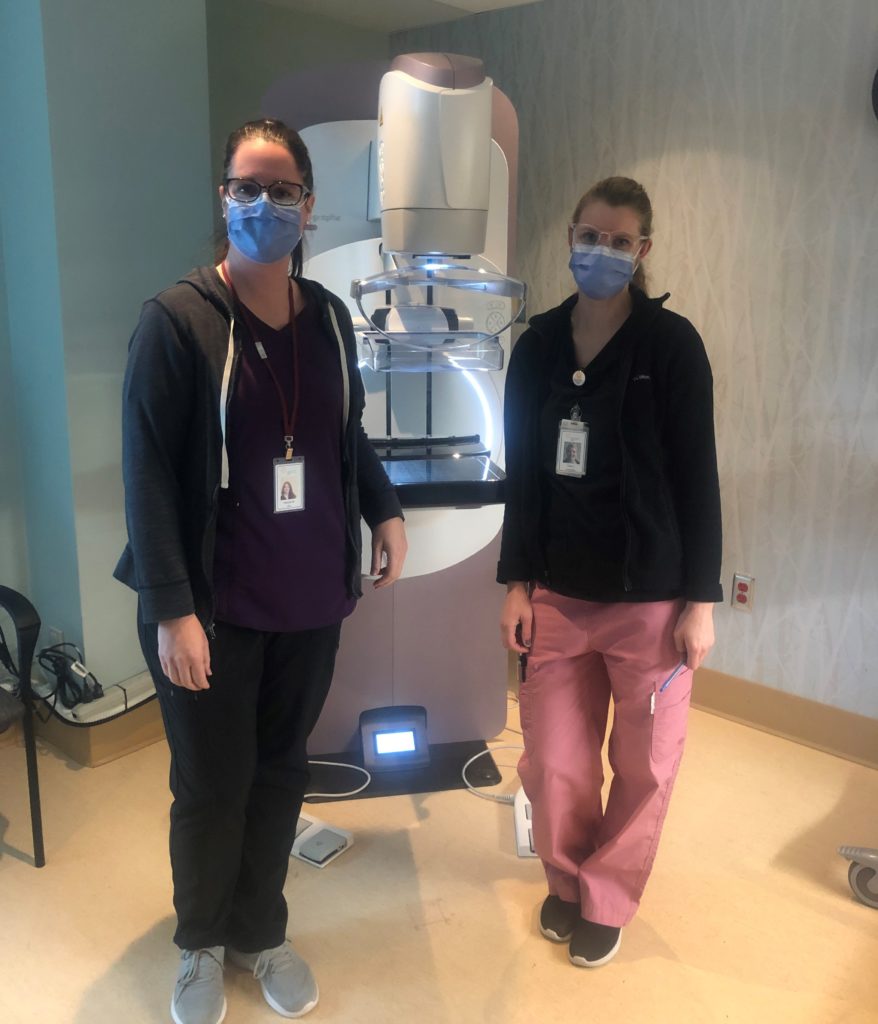
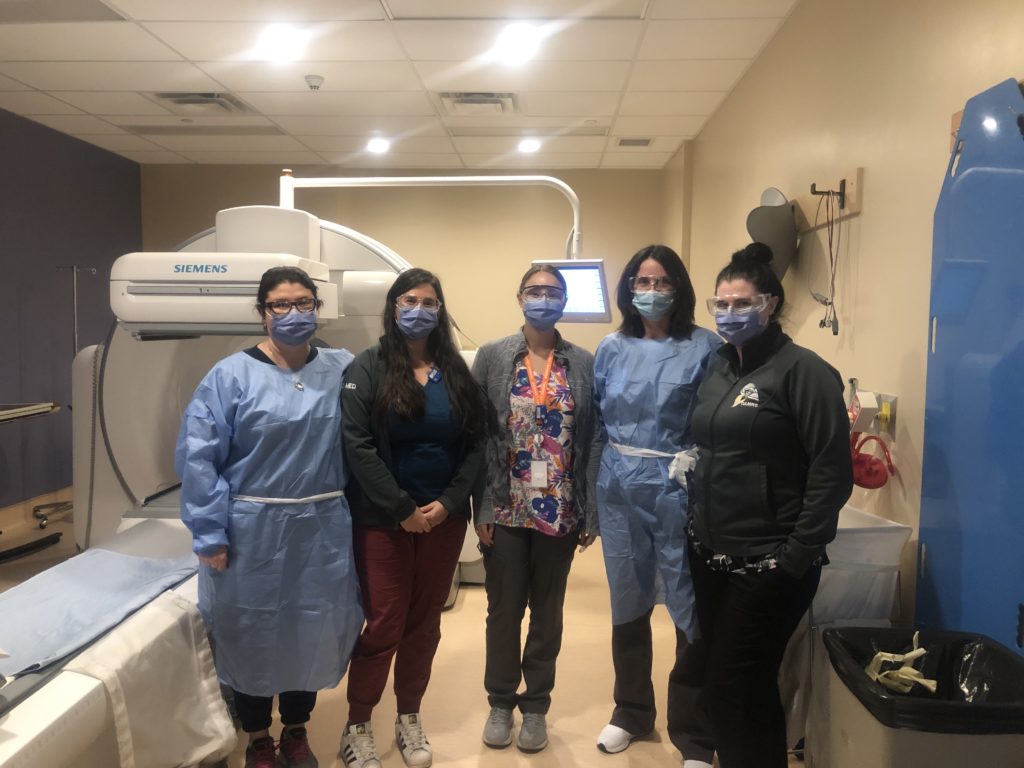
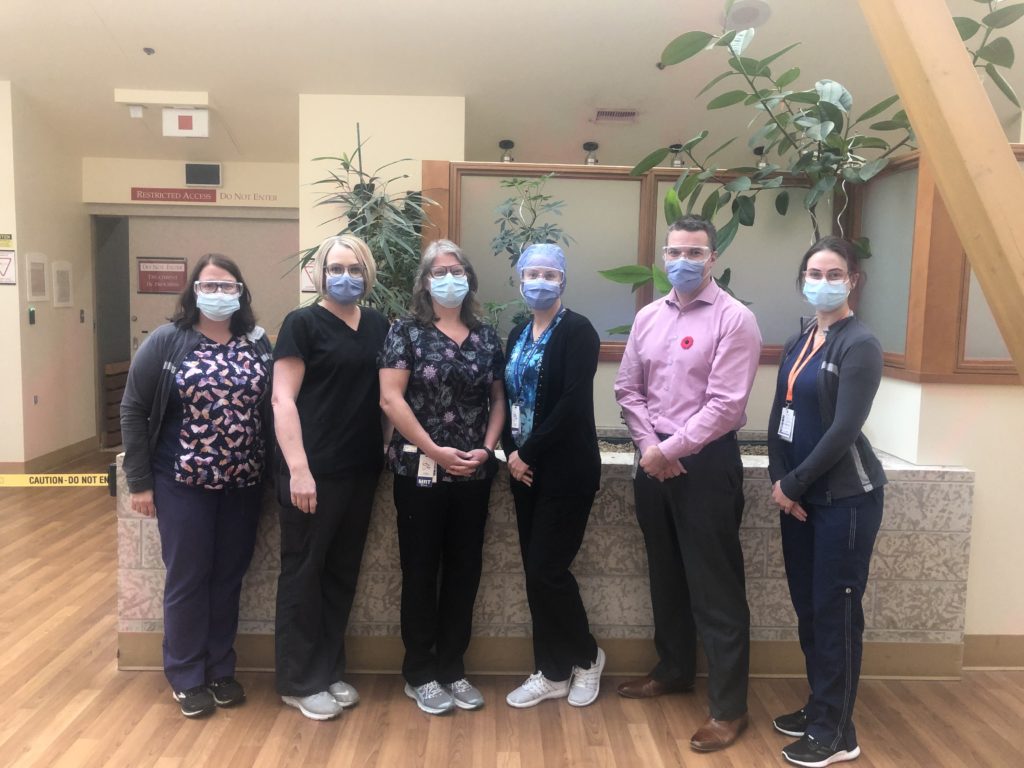
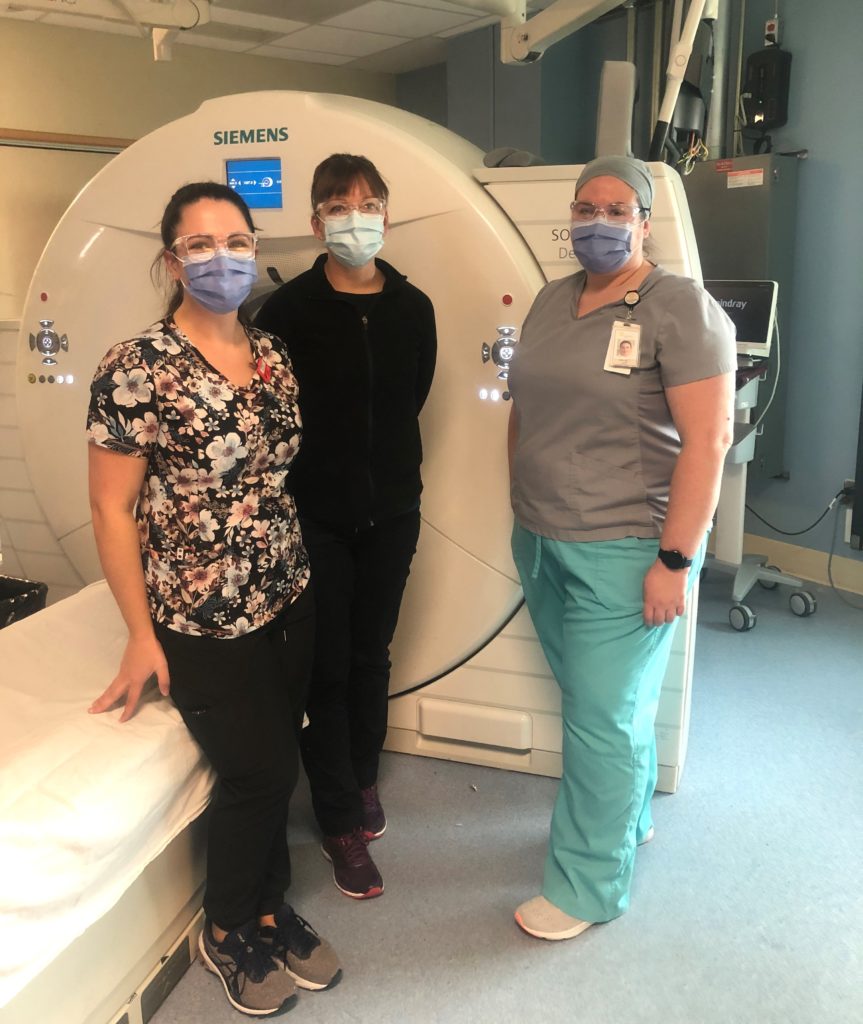
Medical Radiation Technologists (MRTs) across Canada will be celebrated for their work during Medical Radiation Technologist Week (November 7-13). These nationally certified technologists and therapists are committed to delivering compassionate care to patients, while delivering critical high-tech services to physicians and other health care professionals. MRTs deliver essential care through the use of technology in hospitals and clinics from coast to coast, and also on the battlefields wherever the Canadian Forces are deployed, and in the dressing rooms of our professional sport teams.
The MRT profession today includes a diverse array of highly-trained professionals representing various disciplines in medical imaging and radiation therapy:
Magnetic Resonance Technologists produce diagnostic images with equipment that generates radio waves and a strong magnetic field. Extensive knowledge of anatomy, pathology and physiology allows MRI technologists to obtain images, monitor and care for patients during scans.
Nuclear Medicine Technologists carry out diagnostic imaging and vital treatment procedures. They obtain the images that help pinpoint the nature of the disease and how it is affecting the body. Their work also enables doctors to monitor a patient’s response to treatment. Nuclear medicine involves the use of radiopharmaceuticals to evaluate the function of specific organs in the treatment and management of disease.
Radiation Therapists are key members of the cancer treatment team. More than half of all cancer patients receive radiation treatments. Radiation therapists use focused beams of radiation to destroy tumours, while minimizing harm to healthy tissues. Alternatively, treatment may involve placing radioactive sources directly into the patient’s body. To destroy cancerous tissue, radiation therapy involves exposure to higher doses of radiation than are required for diagnostic imaging. It is therefore vital that the radiation be precisely targeted and the dose to the patient be carefully monitored.
Radiological Technologists produce images of a body part or system using equipment that emits x-rays. Technologists are responsible for the quality of the images and for providing correct views of a specific body structure or system. Some procedures require that barium, and or dye be given to patients to highlight these structures or systems. Patient care and attention to detail during these images is of the utmost importance. This profession encompasses a broad variety of procedures and covers a number of specialties including: Plain film radiological technology, Mammography, Angiography, Fluoroscopy and Computerized Tomography (CT).
Join us in thanking our MRT professionals for their vital contributions to patient care!
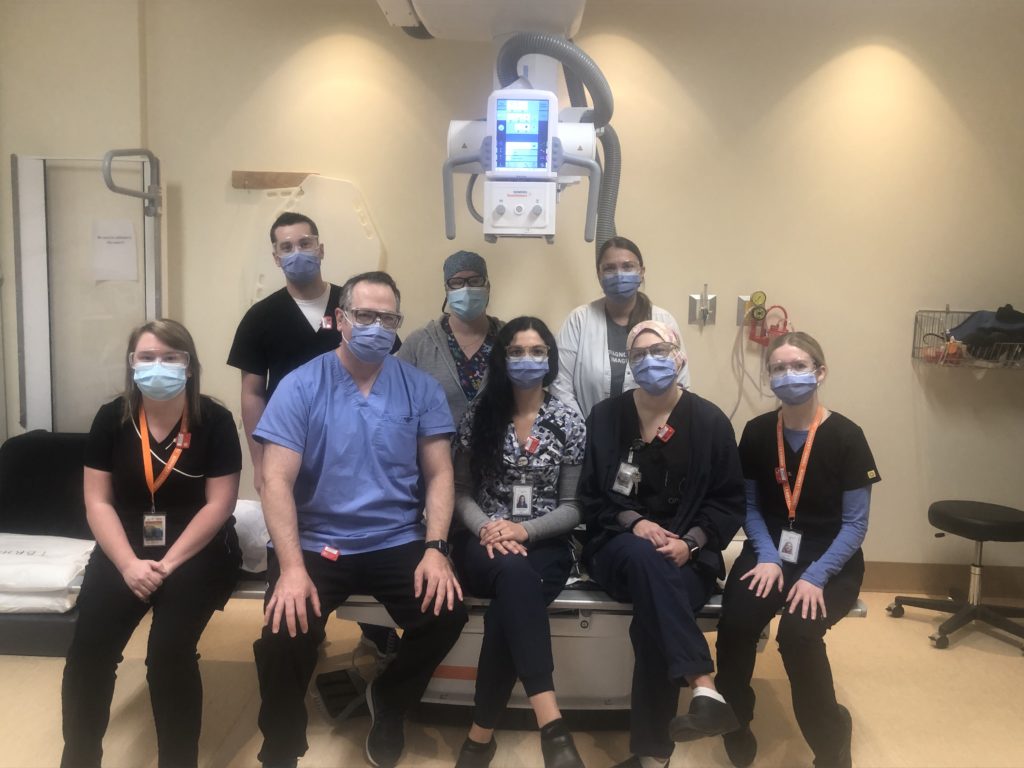
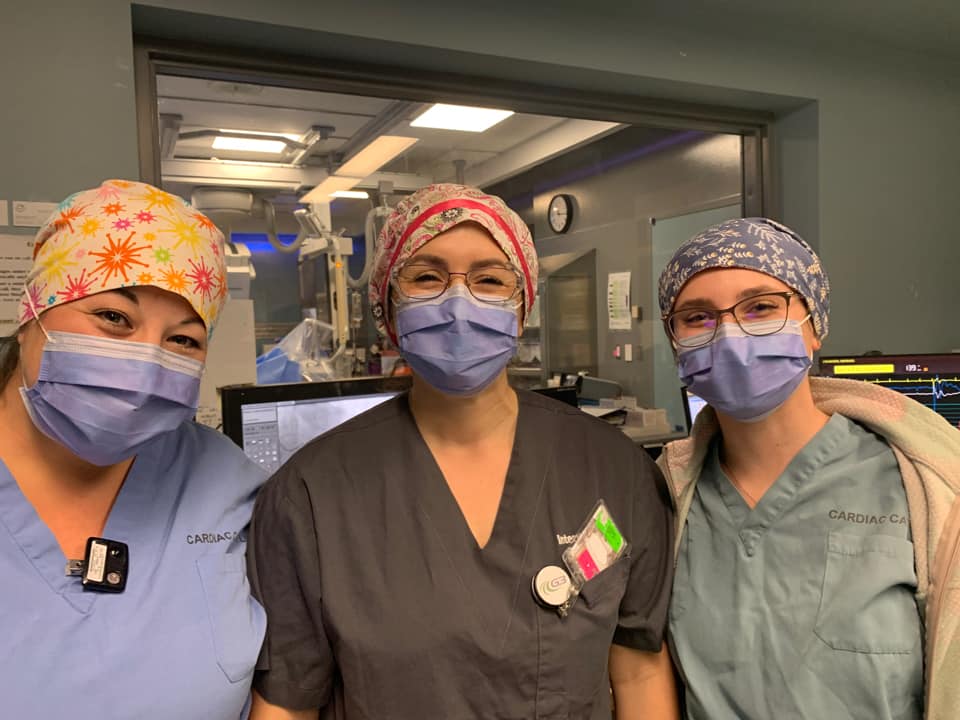
A Nurse Practitioner (NP) is a Registered Nurse with advanced university education who provides personalized, quality health care to patients. NPs in Ontario provide a full range of health care services to individuals, families and communities in a variety of settings including hospitals and community-based clinics in cities and smaller towns across the province. They work in partnership with physicians, nurses and other health care professionals such as social workers, midwives, mental health professionals and pharmacists.
At Thunder Bay Regional Health Sciences Centre, NPs provide a full range of services, such as ordering, performing and interpreting diagnostic tests; diagnosing and treating acute and chronic conditions; prescribing medications and treatments; and managing overall patient care. They play a vital role in multiple hospital services including, but not limited to, Cardiology, Regional Stroke Program, Hospitalist Program and the Nurse Led Outreach Team that supports community long term care facilities.
Please join us in thanking our past and present NPs for their vital contributions to patient care.