Staffing Project to Improve Staff Experience – Update

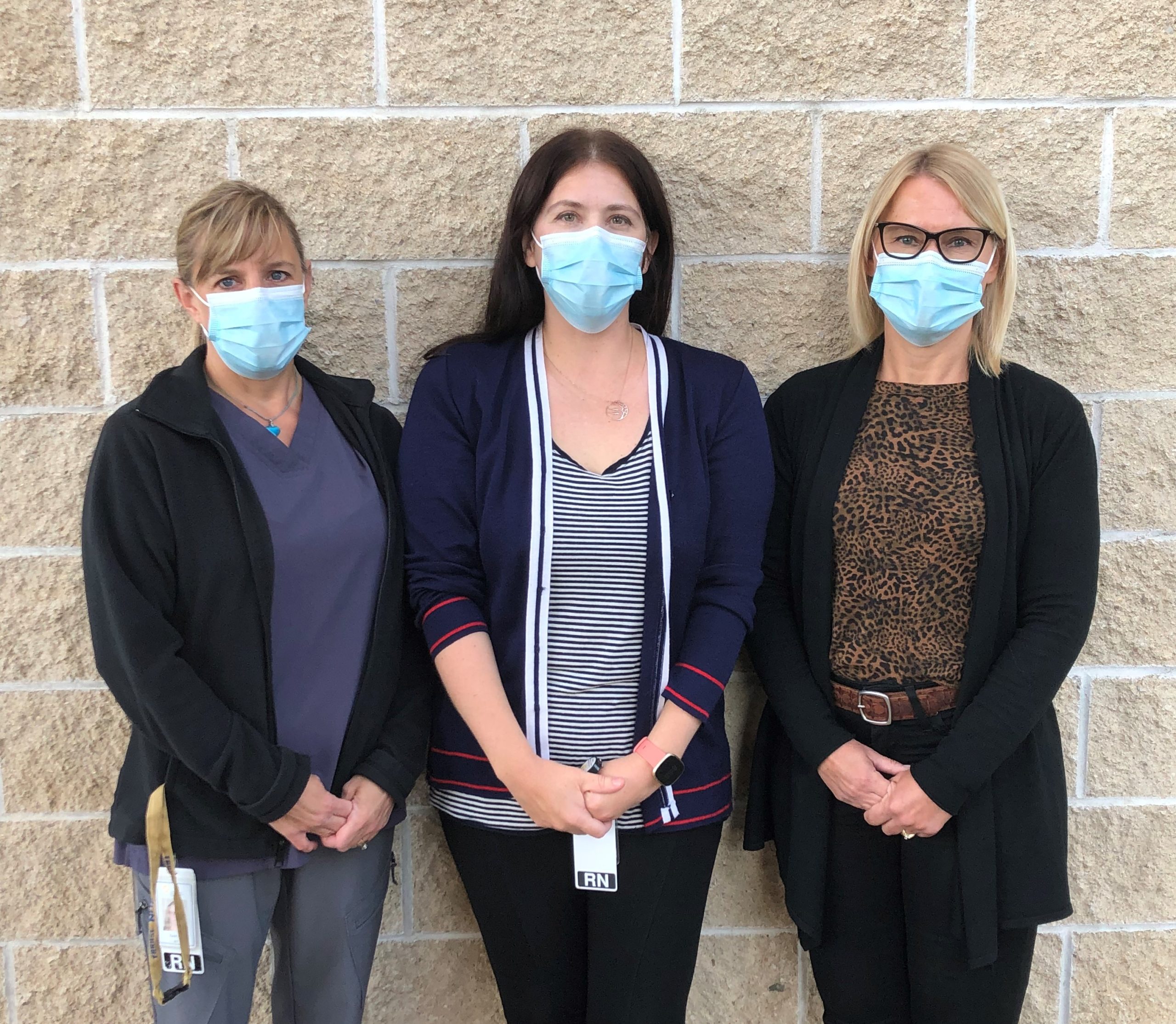
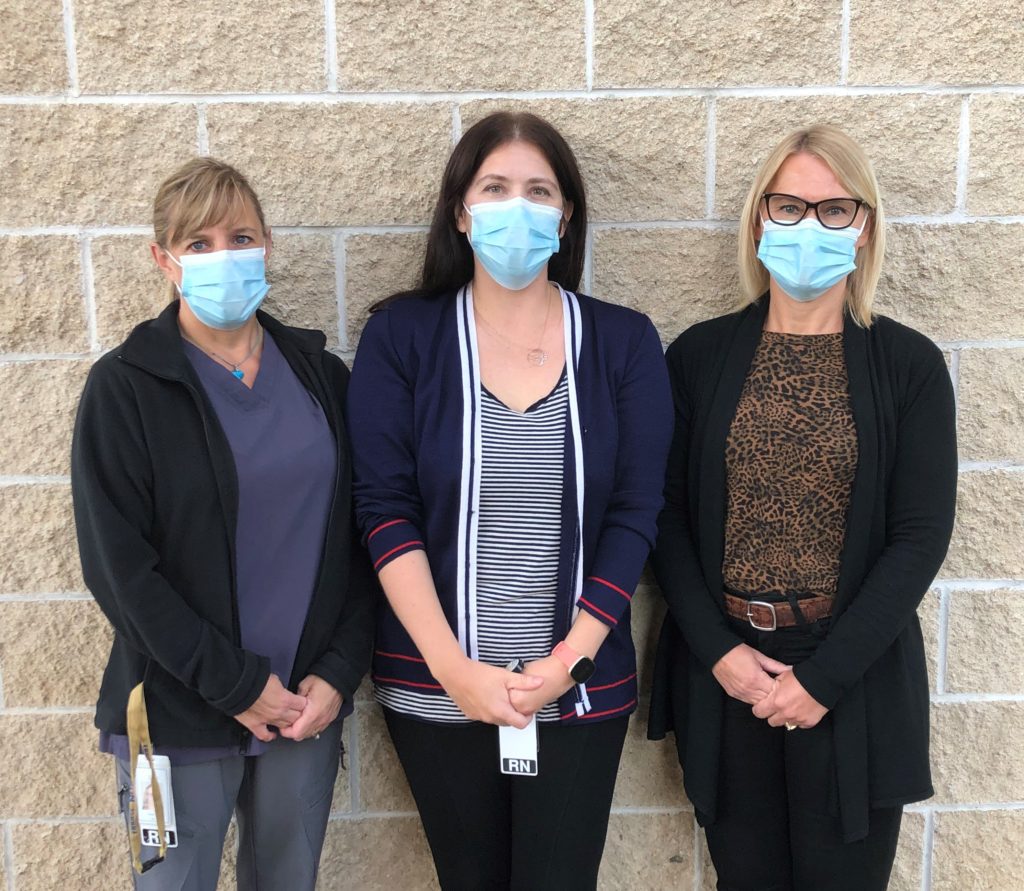
It’s Diabetes Awareness Month, and we’re highlighting staff at Thunder Bay Regional Health Sciences Centre who play a vital role in diabetes care. Today, we’re sharing a Q & A from Lynn Hubelit, Kimberly Kostyshyn, and Michelle Gernat, Registered Nurses at the Centre for Complex Diabetes Care (CCDC).
What does it take to be a Registered Nurse?
To become a Registered Nurse (RN), you must complete a university degree in nursing. In addition, we are Certified Diabetes Educators (CDEs). To become a CDE, you will need 800 hours of practice in diabetes education, be a health care professional licensed with your regulatory body, and pass a competency exam. To maintain a CDE designation, you have to be re-certified every 5 years.
What inspired you to work in diabetes care?
Diabetes has touched all of us personally. We have seen how living with diabetes affects many of the decisions people make in a day, and how important the role of education and support is to successfully self manage diabetes.
What is unique about your role?
As nurses, we take care of patients with diabetes regularly, but it is difficult to fully understand diabetes management until you are immersed in it. As CDE’s, we are experts in diabetes management, and being part of the interdisciplinary team at the CCDC allows us to learn about all aspects of care for patients living with diabetes.
How does your role impact patient care?
Our role is to improve quality of life for our patients by helping them learn to manage diabetes based on their personal goals and abilities. We help people to understand their illness and teach them to manage independently while providing them with the support they need.
Promoting a healthy lifestyle is part of your daily messaging to patients. Do you have any personal tips on how to stay healthy?
Managing stress is just as important as eating healthy and exercising. Find an activity you can enjoy regularly to help reduce stress.
Any final thoughts?
Living with diabetes can be difficult and most people know what they need to do to be healthy. Remember to minimize judgement and criticism. Be compassionate and supportive.

Dear Staff, Professional Staff, Learners, Volunteers, Researchers, and Board members — greetings, boozhoo, and bonjour.
As you may have seen or heard, the provincial government has decided not to impose mandatory vaccinations on hospital workers. The Ontario Hospital Association made a strong case as to why this is needed to be mandated provincially. However, the government has instead directed hospitals to make decisions made on their own local and regional situations.
As a team, we are proud to report that we are at 95.8% of our staff fully vaccinated. However, as an academic and regional health sciences centre with considerably vulnerable and at-risk populations – together with a trending increase in COVID-19 cases provincially – we need to decide what to do on this front at a time when many of Ontario hospitals have already gone with mandatory vaccinations for staff. We are going to take a few days to review our situation at TBRHSC/TBRHRI and decide on what to do next locally next week. In the meantime, we are working in collaborative partnership with all of our regional hospital partners with the goal of working in unity in support of our respective communities and region. We will keep you updated.
At the same time, we are playing catch up in many aspects of health care as people flood in needing help on health care issues that were bumped or delayed during the pandemic. We are seeing increases in almost all areas of hospital operations including emergency room visits, operating room activity, admissions and outpatient visits – even before flu season hits. Keep in mind, this is while we continue to support COVID-19 care, operating the community COVID-19 Assessment Centre, providing vaccinations for some high-risk populations, and soon to be doing vaccinations for 3rd dose for our staff. Despite having the highest number of staff we have ever had, including the most nurses ever, all of this means that we have some operational challenges.
As we have been hearing from many other hospitals across Ontario, there has also been turnover and retirements during the pandemic as some individuals have re-evaluated their futures in health care. This certainly presents challenges to the health care sector. That’s why, now more than ever we need to work to recruit and retain staff – which is highlighted in our Strategic Plan pillar around staff experience (which includes staff engagement, wellness, and an overall HR strategy). We have heard from you about the need to work together to improve our approach to staffing and scheduling, engage with various teams, and even altering our care model to ensure we are balancing work needs and work life. As an early start, we have enhanced staffing office resources and are looking at scheduling changes where possible.
Going forward, now more than ever it is important that we work together and support each other. We have one house we all work in and a supportive work family makes it a home. We have a dynamic and committed team. I certainly know it hasn’t been easy, however I am so incredibly proud of this team we have at TBRHSC/TBRHRI, and I know we have what it takes to face the future together. As Henry Ford famously said (and I’m paraphrasing) …coming together is a beginning…. keeping together is progress….and working together is success!
Finally, I would like to take a moment to acknowledge that we are in the middle of Treaties Recognition Week (November 1-7). It is a time to honor the importance of treaties, treaty rights and relationships – and their relevance today. The recognition this week provides opportunities to hear from Indigenous Elders and knowledge keepers as their share their stories. Stories are a wonderful way for us to reflect upon the past and connect to Truth and Reconciliation Calls to action through actionable steps –coming through our strategic plan pillar around Equity, Diversity and Inclusion. I look forward to continuing to connect to improve the experience of care for indigenous people. Thank you to Crystal Pirie for her inspirational work to improve partnerships and overall care coordination with communities.
Together we will address racism and other inequities as we strive to create an environment for patients, families and our staff and clinicians where we all belong and feel safe and supported. Below are two links.
The first is a wonderful video from Northwestern Ontario Member of Provincial Parliament Sol Mamakwa.
The second is a link to some provincial resources to help us better inform ourselves.
https://www.ontario.ca/page/teaching-and-learning-resources
As always, I welcome comments on this blog or any other matter. You can reach me at: crockerelr@tbh.net

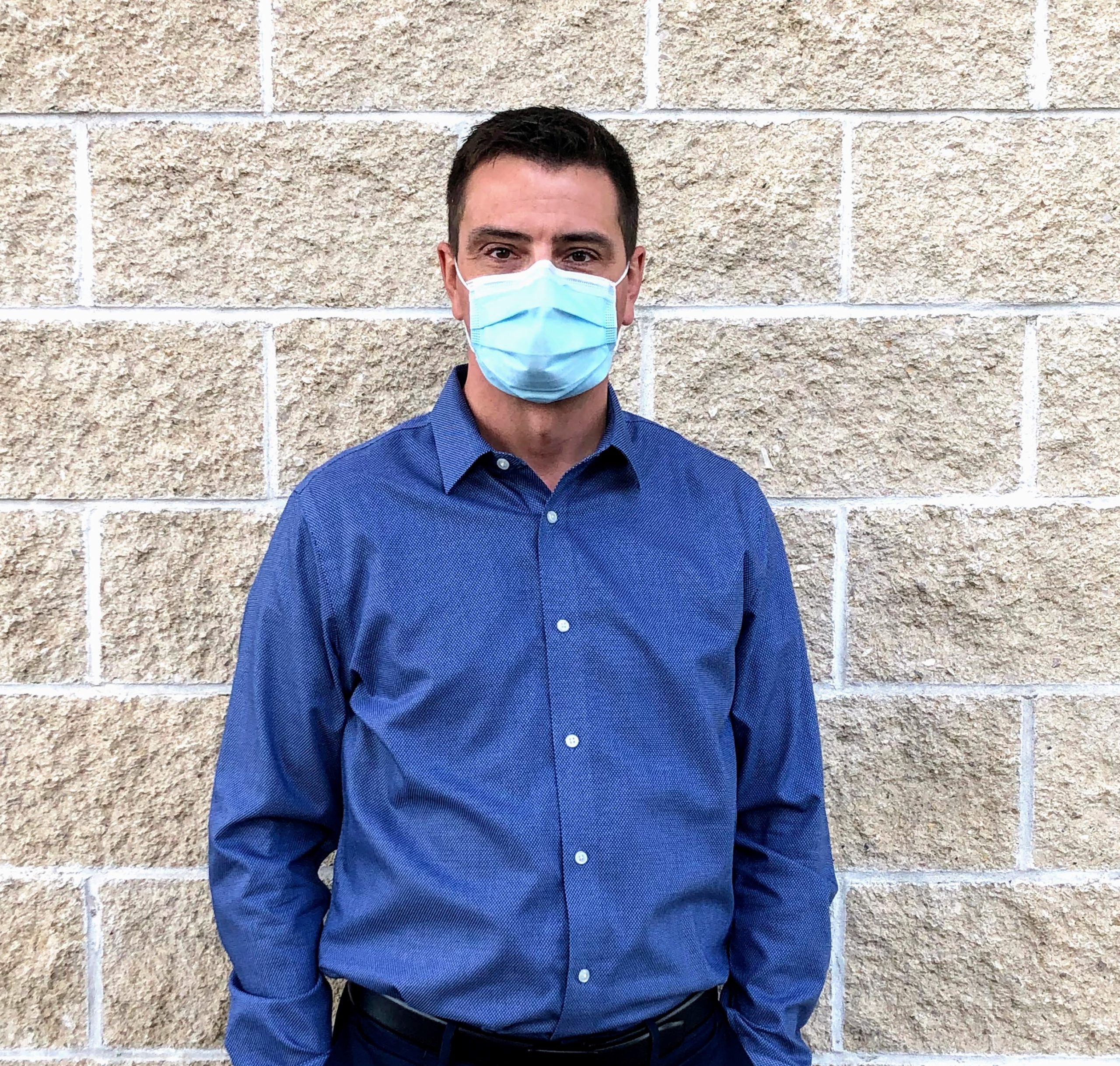
It’s Diabetes Awareness Month, and we’re highlighting staff at Thunder Bay Regional Health Sciences Centre who play a vital role in diabetes care. Today, we’re sharing a Q & A from Eric Willmore, Pharmacist and Certified Diabetes Educator (CDE) at the Centre for Complex Diabetes Care (CCDC).
What does it take to be a pharmacist and CDE?
You will need a pharmacist degree and to maintain Diabetes Educator Certification.
What inspired you to work in diabetes care?
Upon graduating from pharmacy school, I quickly realized how unprepared I was to provide appropriate care for patients with diabetes. My pharmacy manager at the time was very supportive, and he challenged me to become a CDE. In preparation for the exam, I became more confident and fell in love with the idea of helping patients manage their diabetes. It’s been more than twenty years and I have no regrets.
What is unique about your role?
Unlike my community pharmacy colleagues, I do not dispense medications. Instead, my time is divided between helping other health care providers optimize diabetic medication regimens, and working with patients to review their medications, answer drug related questions and provide diabetes education.
How does your role impact patient care?
Majority of people with diabetes are treated with one or more medications. Therefore, as a medication expert, my role directly impacts patient care. By reviewing laboratory values, drug plan requirements, prescriber and patient preferences, I develop individualized medication regimens to assist patients in managing their diabetes.
Promoting a healthy lifestyle is part of your daily messaging to patients. Do you have any personal tips on how to stay healthy?
Maintaining a healthy lifestyle became much easier once I changed my approach. Instead of “adding” exercise into my schedule, my day starts off with the assumption that I will be physically active, in the same way that I will brush my teeth, drink enough water, and get adequate rest. Healthy choices are not up for debate. Start small, even a ten minute walk at lunch or after supper can bring improvements.
Any final thoughts?
Diabetes is more than medications and checking blood sugar. Like any chronic condition, diabetes can take an emotional toll on the patient, as well as family and friends. If you are struggling with the burden of chronic disease, ask for healthcare provider help. For those trying to support someone with diabetes, please look beyond the “numbers”, and recognize that emotional needs are just as important.

All banks and financial institutions will be closed on Thursday, November 11th in recognition of Remembrance Day. As a result of these closures, all employees will be paid one day earlier on Wednesday, November 10th instead of the regularly scheduled pay day of Thursday, November 11th.
If you have any questions or concerns, please do not hesitate to contact Michael Iorianni by calling 684-6917 or by email at ioriannm@tbh.net.

Sent on behalf of Infection Prevention & Control
Please be advised that as of November 4th a gastrointestinal outbreak has been declared on Heritage Unit at Southbridge-Roseview, 99 Shuniah Street. All restrictions are in place.
Patient safety is a priority and it is our responsibility to eliminate hospital acquired transmission.
Please set an example for staff and students and assist us by maintaining compliance and due diligence.


Sent on behalf of Dr. Peter Voros, Executive VP, Patient Care Programs, Regional VP, Cancer Services, North West Regional Cancer Program
While vaccination rates in our community and among our Hospital staff are high, COVID-19 remains a public health concern, locally, in other areas of the country and around the world. Those who choose to travel are strongly encouraged to follow all public health measures to keep themselves and others safe.
Vaccinated and unvaccinated Hospital staff and Professional staff are asked to adhere to the following international travel guidelines, in alignment with Federal Government guidance, and return to work process.
International Travel (in alignment with Federal guidelines)
Fully Vaccinated Staff:
Remote work will not be offered as an alternative to any required isolation resulting from travel.
Unvaccinated Staff:
Federal restrictions will not allow unvaccinated individuals to travel by air. If unvaccinated staff do travel outside of Canada, they must follow all ArriveCan guidelines upon return, which at present will require 14 days of isolation. As such, travel requests must include this 14-day isolation period. All staff will be required to complete COVID-19 testing at last day of isolation after return to Canada, through the TBRHSC COVID-19 Assessment Centre, arranged by OH&S. Results from testing must be shown to OH&S in order to complete the final step of clearance post international travel.
All Hospital COVID-19 updates and resources are available on the iNtranet at
https://comms.tbrhsc.net/covid-19-information.

Sent on behalf of Dr. Rhonda Crocker Ellacott, President and CEO, TBRHSC, and CEO, TBRHRI; and Dr. Peter Voros, Executive VP, Patient Care Programs, Regional VP, Cancer Services, North West Regional Cancer Program
The Ontario government, in consultation with the Chief Medical Officer of Health, has released eligibility guidelines indicating that all health care workers who have received their second dose of the COVID-19 vaccine at least six months ago, are now eligible to receive a third dose (or “booster shot”).
We welcome this decision as it will provide our staff with an extra layer of protection against other variants of COVID-19.
The new eligibility guidelines are in line with recommendations made by the National Advisory Committee on Immunization (NACI) last week. Those eligible for a booster shot will receive a dose of an mRNA vaccine, like Pfizer or Moderna, regardless of which type of vaccine they received in their first series.
We are currently developing a plan to set up a clinic onsite at the Hospital that will allow us to coordinate and administer third doses for eligible staff in an equitable and timely manner.
More information will be shared with staff as soon as it becomes available.
All Hospital COVID-19 updates and resources are available on the iNtranet at https://comms.tbrhsc.net/covid-19-information/.
For Mary-Jean Cormier, playing in the 2020 Bearskin Airlines Hope Classic bonspiel was surreal. The years of raising money for and writing stories about breast cancer didn’t prepare her for the shock and fear that challenged her after her own diagnosis.
Few people besides her teammates knew that she’d had her second chemotherapy treatment the day before the bonspiel began. Luckily, she felt well enough to play, physically and emotionally.
“Initially, I didn’t tell people about my condition,” Mary-Jean said. “I didn’t want people to treat me differently.”
She learned firsthand over the course of her 10-month cancer journey how important it is to have world-class cancer services right here in Thunder Bay.
“As much as being treated for cancer isn’t fun, it was certainly a lot more bearable because I was able to get to the Hospital in five minutes. I could go for a chemotherapy treatment and then go watch my son’s hockey game.”
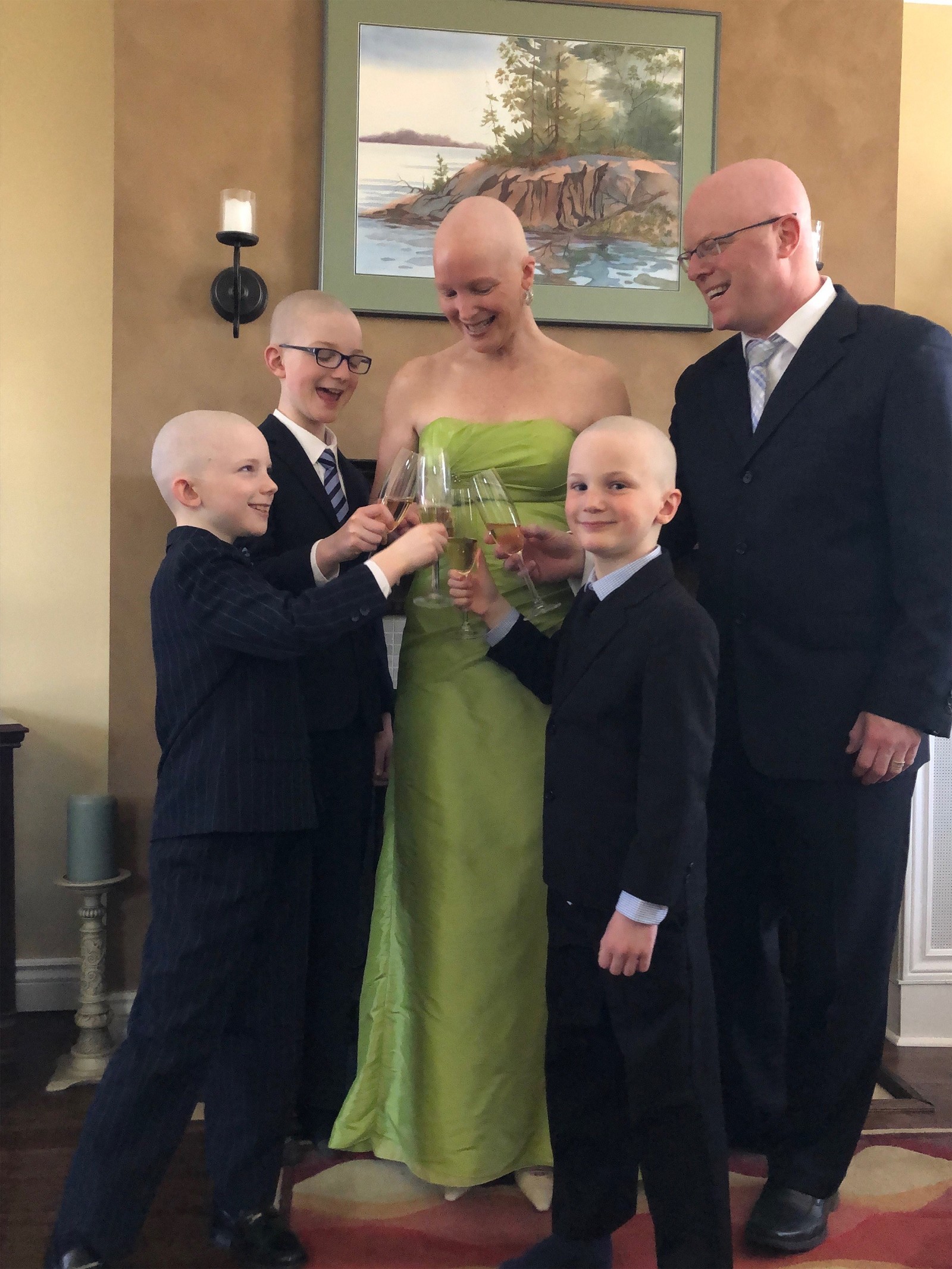
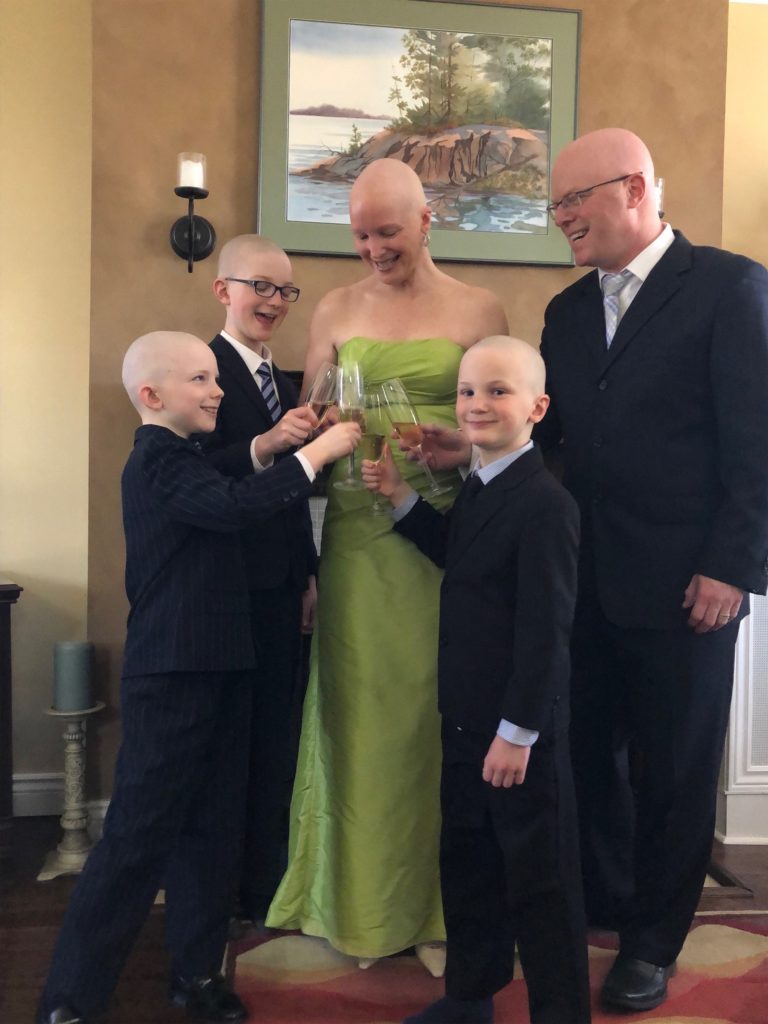
Of course, hockey games weren’t the only concern when it came to family. As a mother with three young sons aged 8, 11, and 13 at the time, travelling out of the region for treatment would have been much more difficult. Discussing her cancer diagnosis with her children wasn’t easy in any case. But, Mary-Jean said, they were troopers.
“I like to speak openly and frankly, so they knew about everything. They embraced my hair falling out – they all shaved their heads to match me.”
Now, almost two years since her journey began, Mary-Jean remembers back to the two curling teams she was part of at the Bearskin Airlines Hope Classic. One member of the teams wore a pink shirt to signify that 1 in 8 women will get breast cancer in her lifetime.
“It was weird that we had that as our theme that year,” Mary-Jean said. “We’d even chosen someone else on our team to wear the pink shirt before we found out that I was our 1 in 8.”
Like most women who find their breast cancers early, Mary-Jean is now a breast cancer survivor. She encourages women to get tested immediately if they suspect something’s wrong. Cancer Care Ontario recommends that most women ages 50-74 should get routine screening for breast cancer every two years. Those who may have put it off during COVID should book an appointment now.
“I did a story about the drop in cancer tests, and they underlined that it was safe to come to the Hospital for screening. And I can attest to that. I always felt very safe through all my procedures.”
For more information about the Linda Buchan Centre for Breast Cancer Treatment and Assessment or to book a mammogram, please call: (807) 684-6323.