

New Calming Room Helps Youth in Crisis

Youth in crisis will have a new space to calm down thanks to support from Safeway employees through the Thunder Bay Regional Health Sciences Foundation. A new calming room in the Child and Adolescent Mental Health Unit (CAMHU) at the Thunder Bay Regional Health Sciences Centre will provide a safe space for inpatients experiencing “dysregulation” – an acute moment of overwhelming thoughts and emotions.

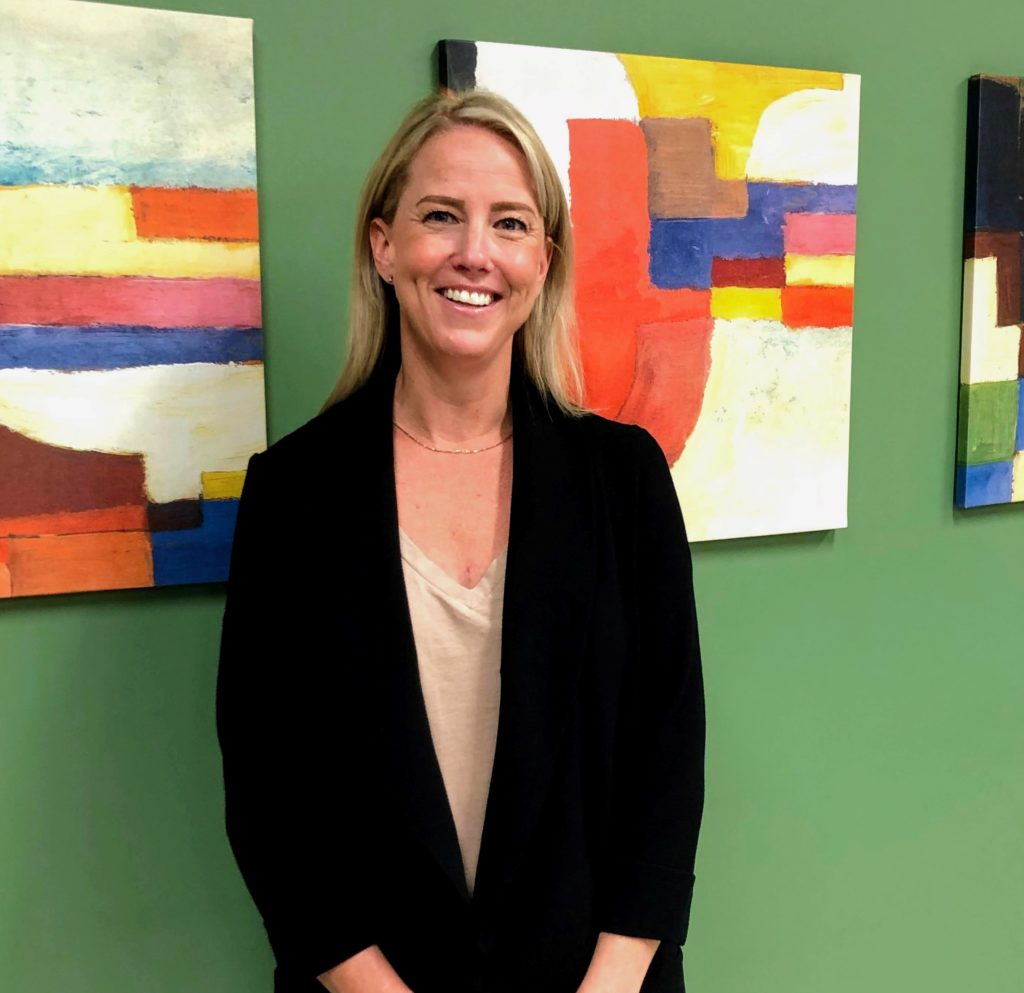
“Sometimes youth in our unit are processing things that can be quite traumatic,” said Jenny Stewart, CAMHU Manager. “They might be experiencing a flashback to a traumatic event or have difficulties processing. They may also have difficulties regulating their emotions, which can result in unsafe actions.”

The converted room will help reduce sensory distractions, provide calming sounds and visuals, and will be free of harmful furniture. Someone could be in the room with them, but they may also just wish to be left alone, depending on the situation, Stewart said. Two observation windows ensure they are always safe while they are calming themselves.

Stewart said that there isn’t an “average” amount of time the room might be used. There will be times when it could be used every day or it might only be used a handful of times per month – it is entirely patient driven. The eight-bed acute/crisis care unit provides care for youth from across Northwestern Ontario. Children and adolescents stay in the unit on average between three and eight days until they are stabilized.

 “Currently CAMHU doesn’t have a space specifically designed for those experiencing moments of intense emotion or who need to regulate their feelings. It’s more helpful for them to have a separate – and safe – area to deal with crisis,” Stewart said.

The calming room will be another available tool when needed. When it’s not needed, the multi-purpose room can be used for other activities.

Calming Room Built Thanks to Safeway Employees

The new calming room will be funded thanks to a donation from the Safeway Employees donation program. Dawson Road Safeway Manager Alex Siciliano said that the donation program allows the employees to direct their donations to charities of their choice. The program pools donations from employees at the five Safeway locations in Northwestern Ontario: two in Thunder Bay and one each in Kenora, Fort Frances, and Dryden. The Community Involvement Team then determines where to direct donations based on employee input. The Safeway Employees donation program has been a great supporter of the Thunder Bay Regional Health Sciences Centre, donating over $167,000 since 1999 and supporting various programs throughout the hospital.

“It’s an opportunity for employees to give to charities that are near and dear to their hearts,” Siciliano said. “Employees get to choose from a list of charities.”

He said that child and youth mental health is extremely important, particularly during COVID.

“Child and youth mental health is important to everyone in the community. That’s especially true now with the impact COVID has had on our younger generation.

“I’m proud to work for a company that allows its employees to choose a charity that’s close to home,” Siciliano said.

The calming room is currently in the planning stages and should be completed in 2022.
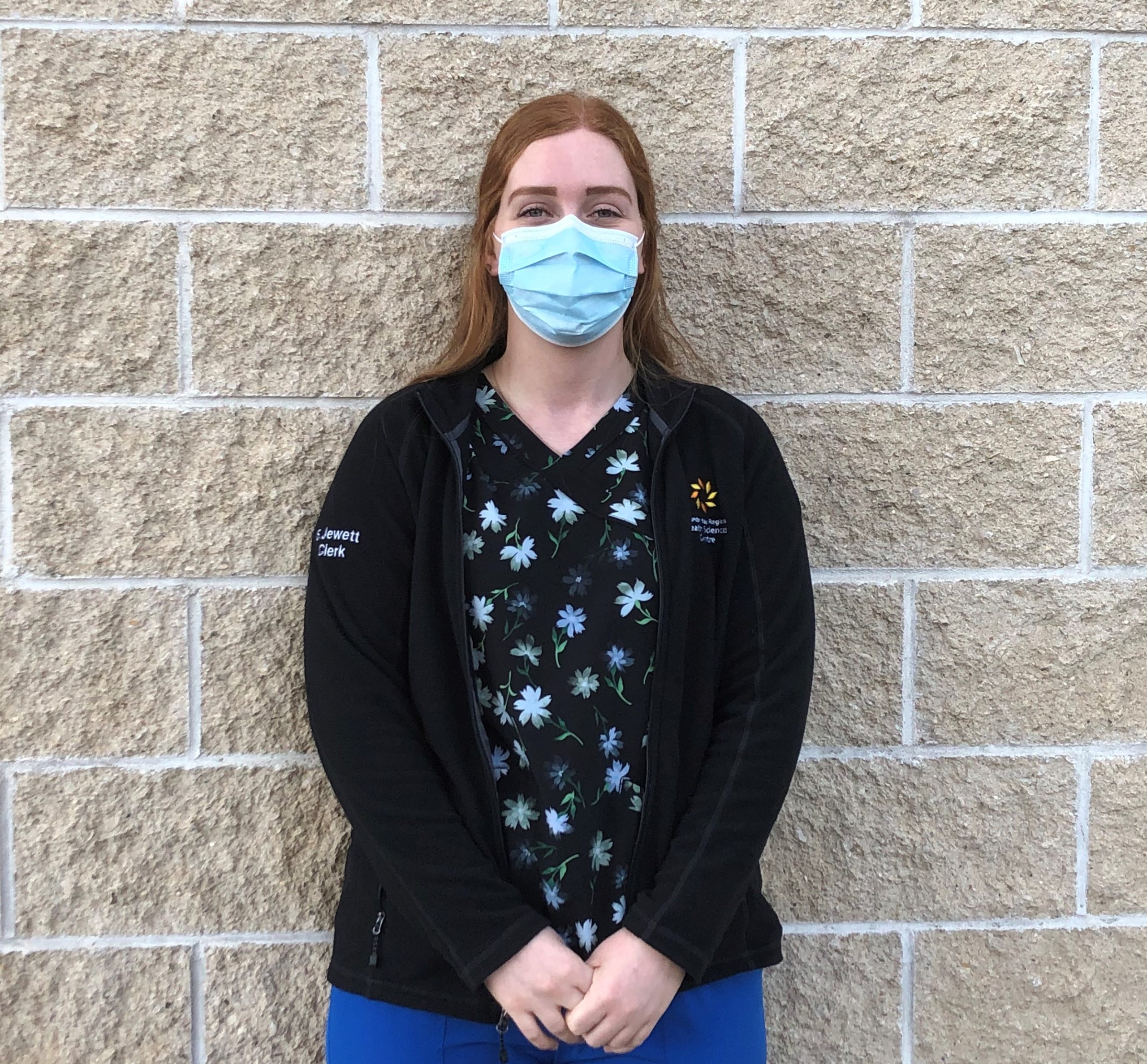
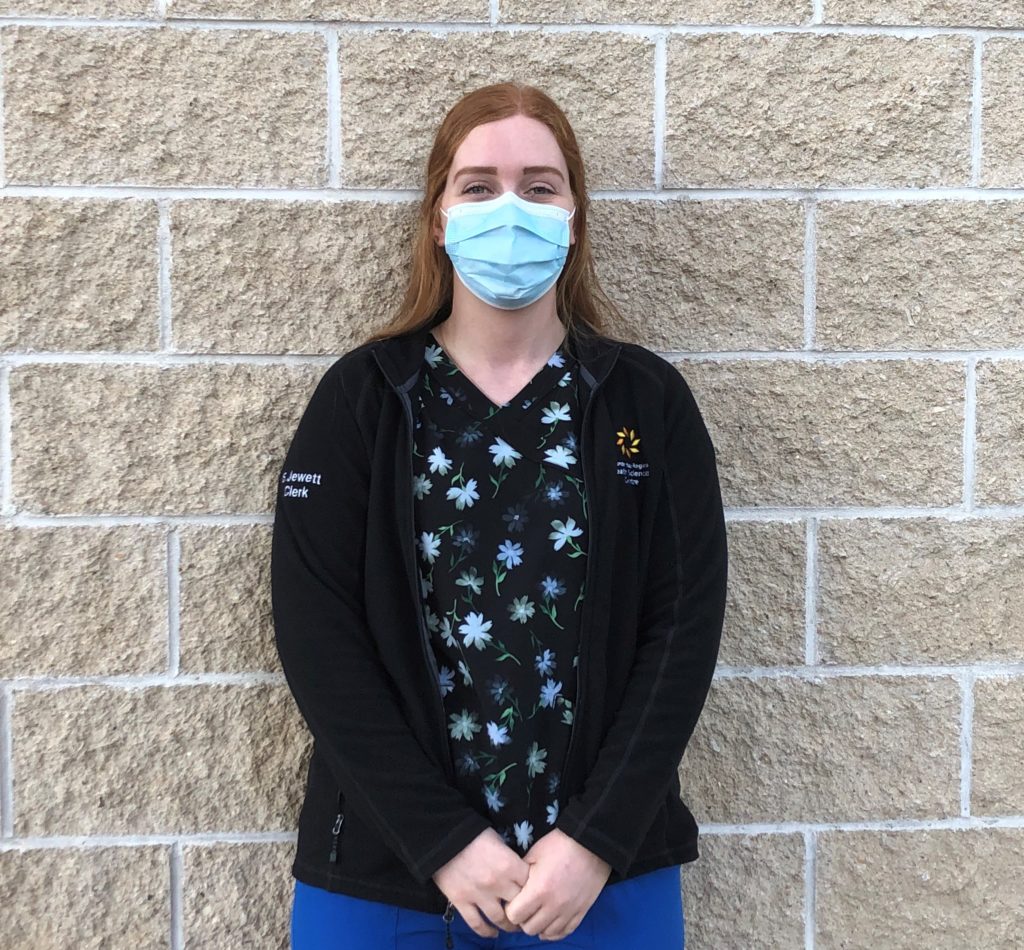
Diabetes Awareness Month Profile: Samantha Jewett

It’s Diabetes Awareness Month, and we’re highlighting staff at Thunder Bay Regional Health Sciences Centre who play a vital role in diabetes care. Today, we’re sharing a Q & A from Samantha Jewett, a ward clerk at the Centre for Complex Diabetes Care (CCDC).

What does it take to be a ward clerk?

To be a clerk at the CCDC, you need to be able to multi-task efficiently. You need to have the ability to take care of patients in front of you while having the telephone ringing. You also have to be compassionate and be able to empathize with our patients.

What inspired you to work in diabetes care?

I was inspired to learn more about diabetes. I wanted to explore the clinical aspects of the condition and learn how it is impacts a person’s everyday life.

What is unique about your role?

My role is unique because I am often the first person the patient meets when they enter our clinic. I’m there to help the patients in a variety of ways; I call the patients to remind them of their appointments, help them to contact different clinicians, and assist with getting medications refilled by the doctor/nurse practitioners.

How does your role impact patient care?

Not only am I the person who handles schedules and reminds patients of their appointments, I also collect any questions or concerns a patient may have about their diabetes and direct it to the appropriate clinician. If a patient is having trouble with their blood sugar or anything to do with their diabetes, they usually call the main phone line and speak to me.

Promoting a healthy lifestyle is part of your daily messaging to patients. Do you have any personal tips on how to stay healthy?

Set goals, celebrate the little victories, and make mental health a priority. Setting realistic personal goals give us something to work toward. Celebrating the little victories helps to not get discouraged when results aren’t showing. You start to realize that you are moving forward and all the hard work is paying off. Lastly, mental health is just as important as physical health.

Any final thoughts?

Working at the CCDC for the last year has shown me how strong people living with diabetes truly are. They put so much work and care into every decision and action they make, decisions and actions that many of us take for granted.

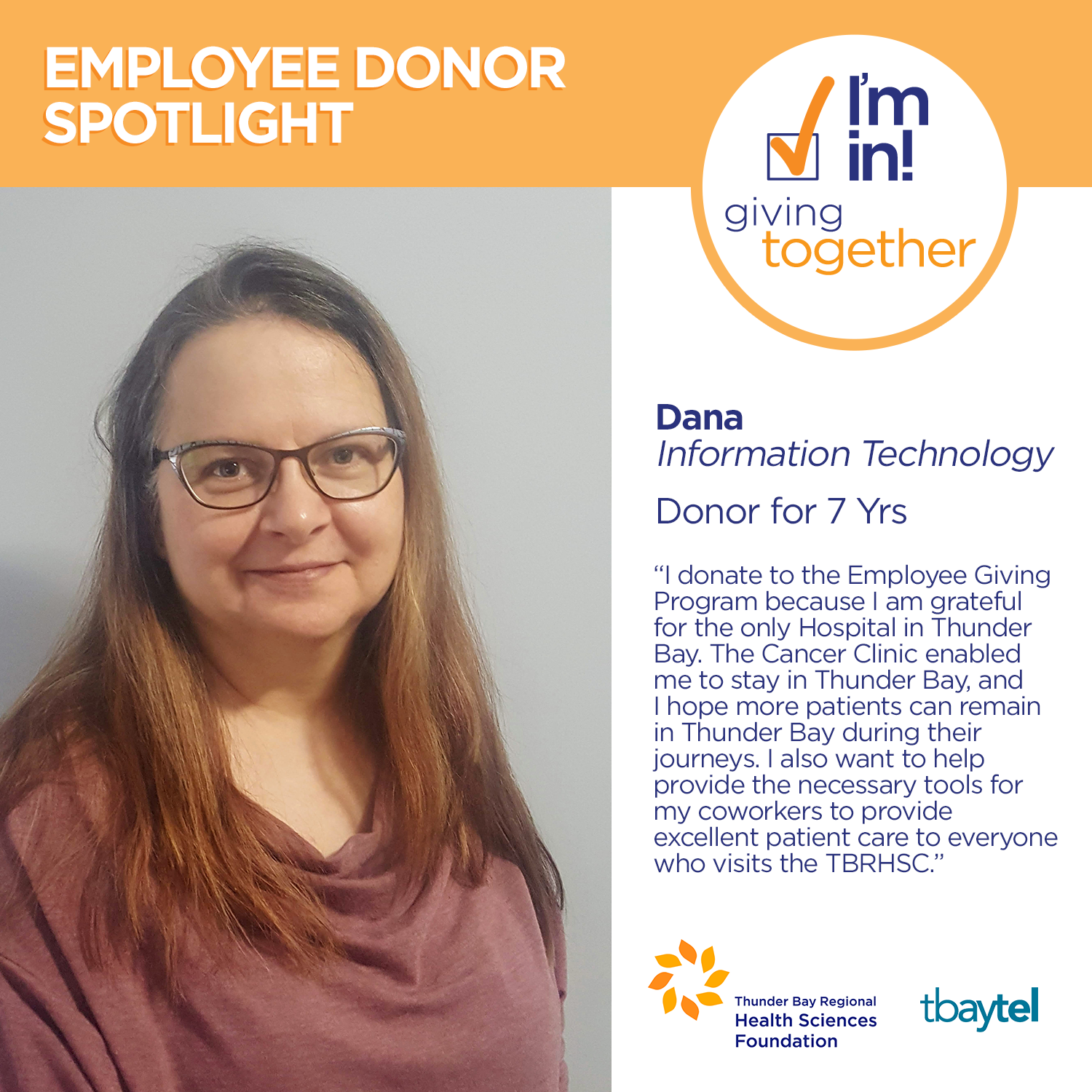
Employee Donor Spotlight: Dana, Information Technology

Todays’ Employee Donor Spotlight is shining on another one of our amazing Employee Giving Committee Members!

Dana works in the Information Technology department of Thunder Bay Regional Health Sciences Centre and has been an employee donor for 7 years. As a committee member she also helps choose the equipment her fellow employee donors will fund next! We asked her why she donates:

“I donate to the Employee Giving Program because I am grateful for the only Hospital in Thunder Bay. The Cancer Clinic enabled me to stay in Thunder Bay, and I hope more patients can remain in Thunder Bay during their journeys. I also want to help provide the necessary tools for my coworkers to provide excellent patient care to everyone who visits the TBRHSC.”

Thank you, Dana!

Employee Donors are Hospital staff who donate through payroll deductions, helping to fund medical equipment in the area that means the most to them. Their dedication to better local healthcare is shown in both the hard work they do and their donations. Thank you to Tbaytel, who matches annual Employee Donor contributions up to $7,500!

If you’re a Hospital employee you can sign up, too! Learn more at www.healthsciencesfoundation.ca/imin.

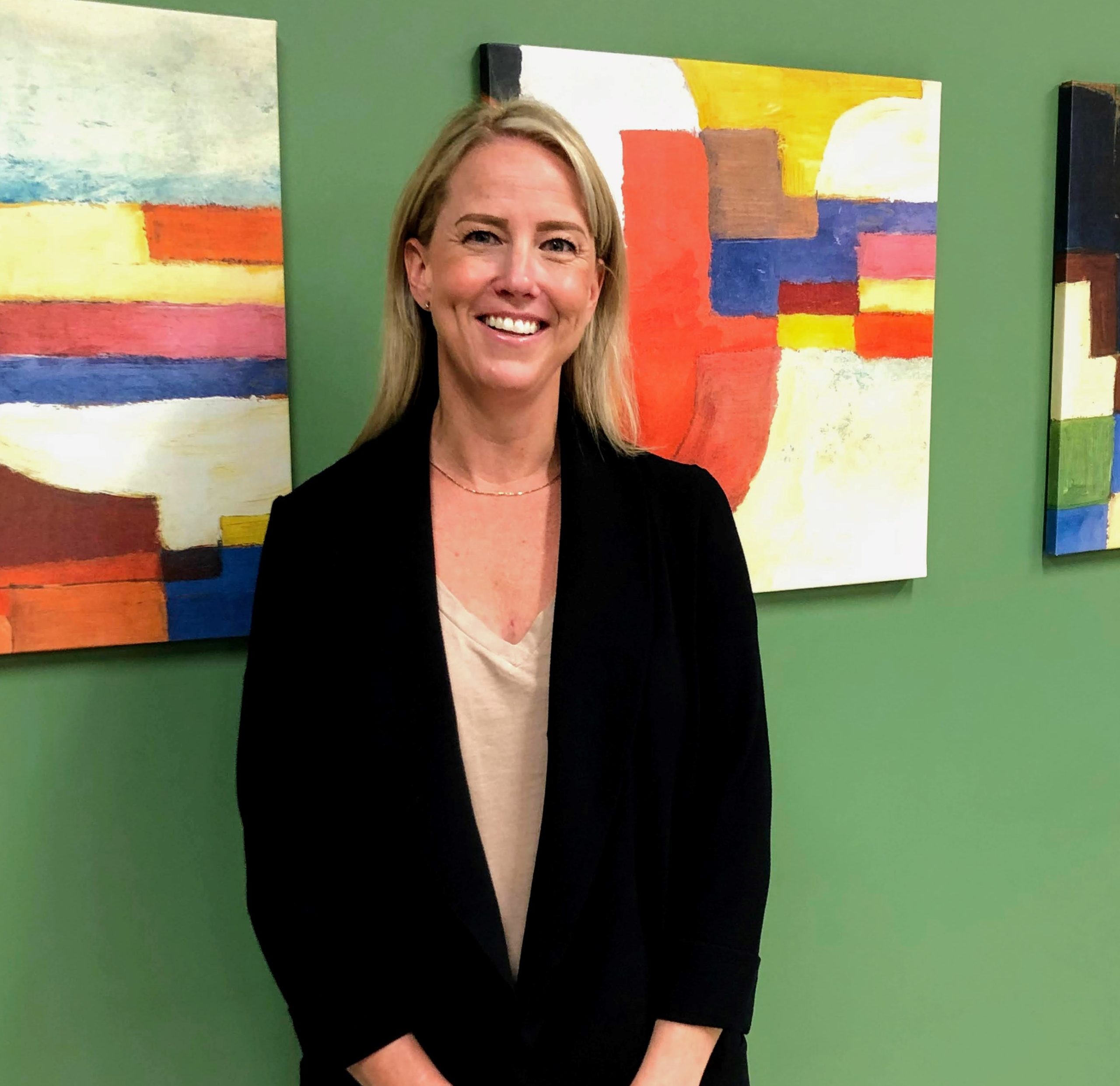
Regional Bariatric Care Profile: Meet Sarah Miller

Throughout the month of November we are highlighting staff at Thunder Bay Regional Health Sciences Centre who play a key role in bariatric care. Today, we’re sharing a Q & A from Sarah Miller, a Registered Dietitian at the Regional Bariatric Care Centre (RBCC).

What does it take to be a Registered Dietitian?

To become a Registered Dietitian, the completion of an undergraduate degree in food and nutritional sciences, an internship practicum and national licensing exam are required. Dietitians help simplify the science of nutrition to provide advice and information that meets the needs of their clients, while supporting healthy living

What inspired you to work in bariatrics?

Working in other areas in health care, I witnessed the inequities for people living in larger bodies and with obesity. Patients are often blamed for their excess weight and it is assumed that their weight is the cause of any or all health concerns they report. Working first hand with these patients, I knew their struggle was complicated and seemed somewhat out of their control. Learning about the science and etiology of obesity has helped me understand the complexities in order to educate patients and health care providers about this disease.

What is unique about your role?

I am passionate about providing excellent patient care and helping people improve their quality of life. My role in this highly specialized area, allows me to do that. I work with our local multidisciplinary team, and provincial group of Registered Dietitians in bariatric medicine. I am also a hub team member of the Project ECHO Ontario Bariatric Network, a virtual interactive education and capacity building program that supports health care providers in delivering quality care to their patients living with obesity or who have received specialty care from a Bariatric Centre of Excellence.

How does your role impact patient care?

Weight bias, stigma and discrimination is rampant in our schools, workplaces, health systems and media. 64% of adults with obesity report experiencing weight bias from a health care professional. This results in these patients avoiding the health care system. We provide access to evidence-based and people-centred health care services for individuals living with obesity. It is very rewarding to see patients improve their health and quality of life.

Promoting a healthy lifestyle is part of your daily messaging to patients. Do you have any personal tips on how to stay healthy?

Make time for meal planning. Start by dedicating 10 minutes each day to consider what the rest of the day (or next day) looks like for food access and meals. Make a plan for how to access healthy foods and reduce barriers. Be gentle with yourself. No one is a “perfect eater. “

Any final thoughts?

Visit the Obesity Canada website https://obesitycanada.ca/weight-bias/bust-the-bias/ for their “Bust the Bias” series. These educational videos provide research and evidenced-based information that clears the air on common misconceptions about obesity.

We need your feedback: Strategic Plan 2026

Despite the pressures and volume on the Hospital, we continue to move forward on the Strategic Plan. We are working to set aspirational goals for our strategic areas of focus and working on the actions and initiatives necessary to achieve our goals. In addition, to ensure we are getting this right, we are working on further engagement throughout the process.

We encourage all Hospital and Health Research Institute Staff, Professional Staff, Learners and Volunteers to review the latest version of the Strategic Plan below and provide valuable feedback by completing a short survey: https://www.surveymonkey.com/r/YQHXK2Q

Large Volume Infusion Pumps funded by Northern Cancer Fund and Thunder Bay 50/50

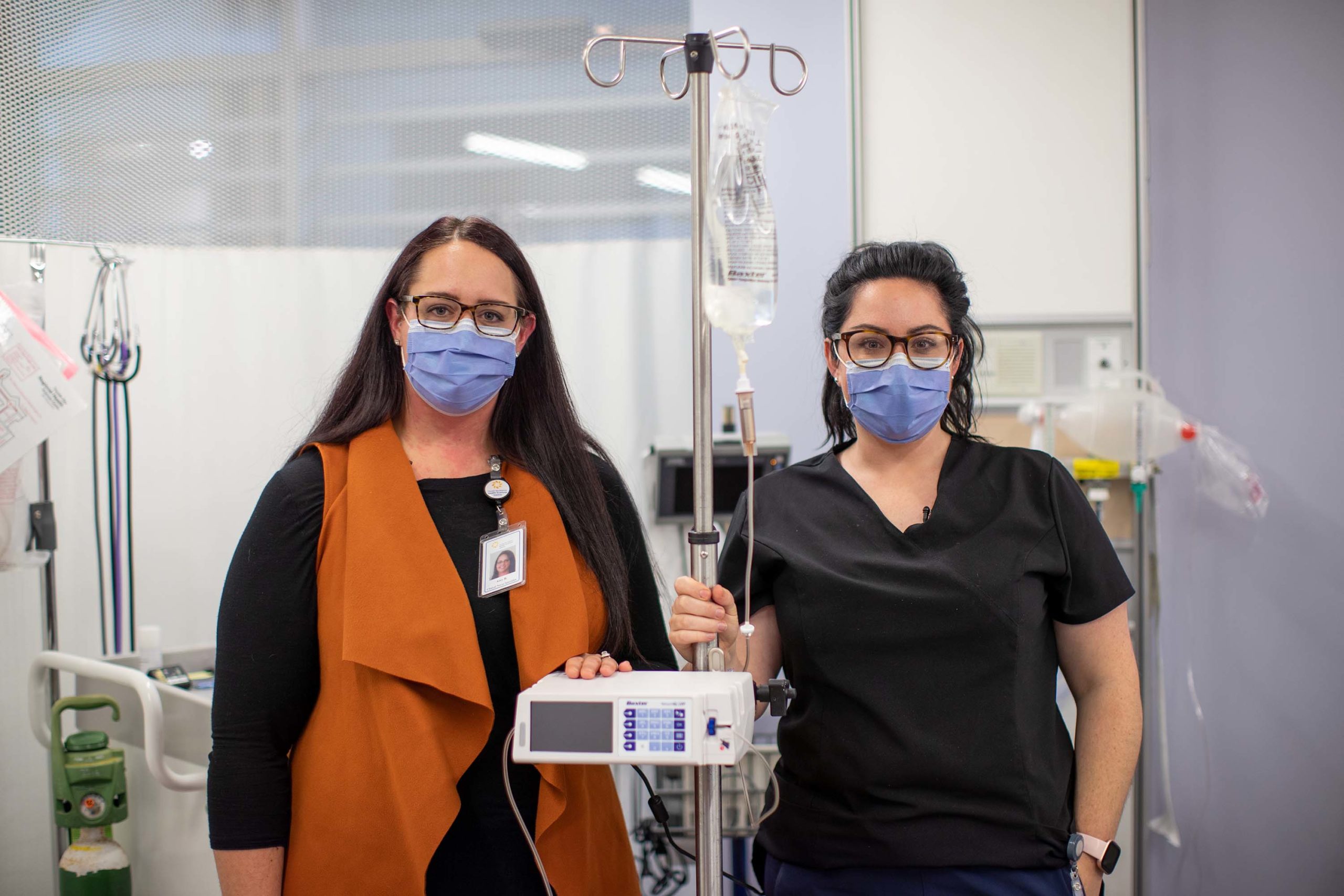
Amy Binch (Clinical Nurse Specialist in Medicine) and Stephanie Irwin (RPN in 2A).

The Thunder Bay 50/50 Draw has awarded winners over $5 million in prizes this year.  This is great news for our prize winners, and perhaps more importantly, every ticket sold has help fund vital medical equipment for patients in Thunder Bay and Northwestern Ontario!

A fleet of IV pumps are on their way to our Hospital, thanks to donors to our Northern Cancer Fund and Thunder Bay 50/50 participants.  Large volume infusion pumps (commonly known as IV pumps) are used in nearly all areas of the Hospital to safely administer medication and/or fluids intravenously. The hospital’s current fleet of IV pumps is in need of replacement – that’s 665 new pumps that are needed.

Thanks to donors and 50/50 supporters, the existing fleet of IV pumps is being replaced with new ones. These newer pumps are easier to use, and offer many great safety features to provide safer care for patients. Infusion pumps work by pulling fluids or medications from the bag and controlling the rate at which it goes into the patient.  Healthcare providers are able to program the pumps into the specified rate for treatment.

If you’d like to fund even more vital medical equipment the Thunder Bay Regional Health Sciences Centre, please donate directly at www.healthsciencesfoundation.ca/donate or purchase Thunder Bay 50/50 tickets at www.thunderbay5050.ca

Ebscohost from Home Password Change

Effective November 10, 2021, the current password for accessing our Ebscohost databases from outside of Thunder Bay Regional Health Sciences Centre (TBRHSC) will expire and be replaced with a new password. The password expires annually.

To get the new password, TBRHSC staff and physicians must email the library at library@tbh.net using their personal Groupwise accounts.

>