Regional Bariatric Care Profile: Meet Debbie Walsh

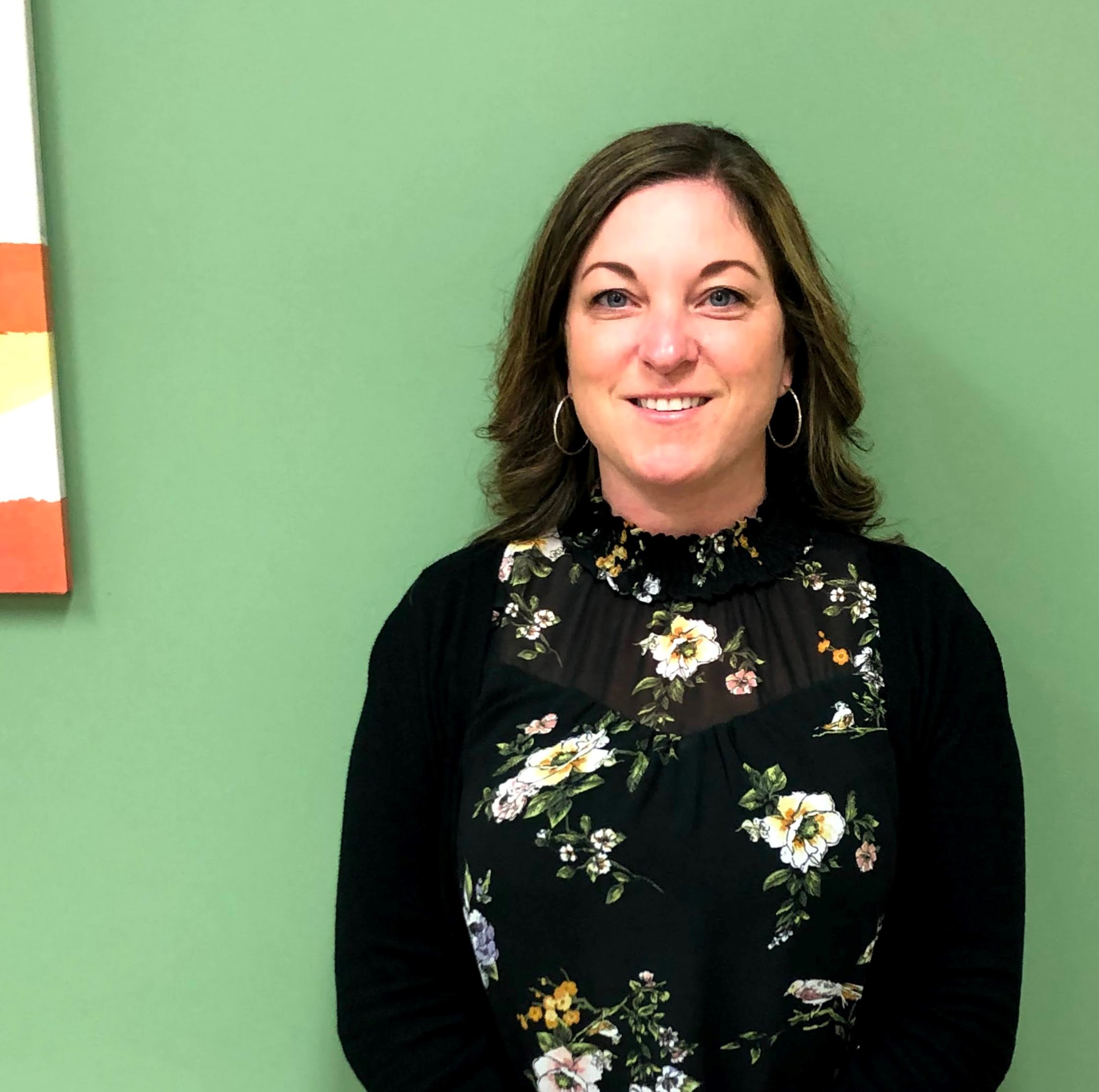
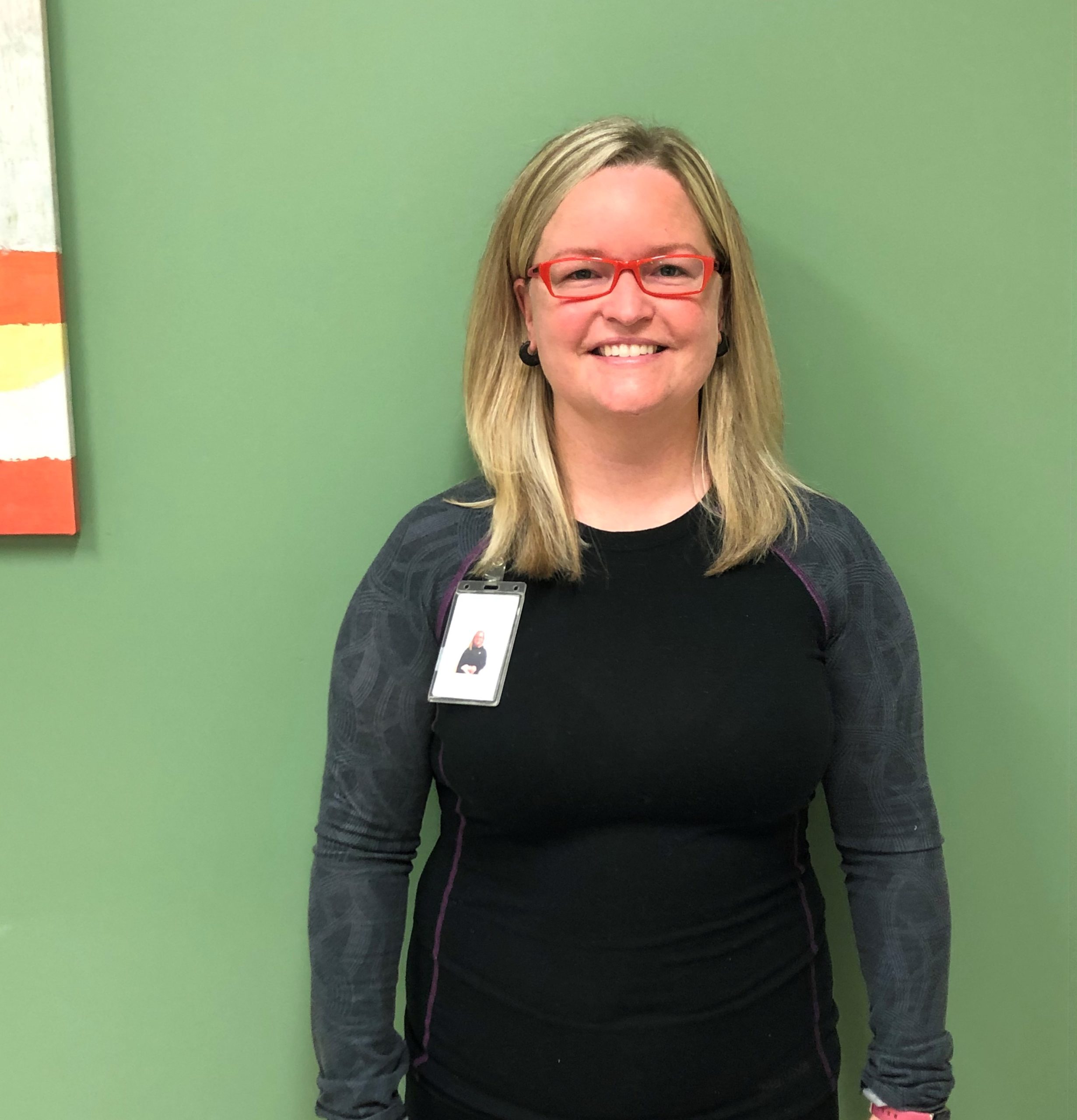
Throughout the month of November we are highlighting staff at Thunder Bay Regional Health Sciences Centre who play a key role in bariatric care. Today, we’re sharing a Q & A from Debbie Walsh, a kinesiologist at the Regional Bariatric Care Centre (RBCC) and Paediatric Healthy Living Program.

What does it take to be a kinesiologist at the Bariatric Care Centre and Paediatric Healthy Living Program?

Compassion is important to support people on their journey to improve their quality of life through physical activity. You also need to be patient, flexible and creative with your approach to exercise interventions. An understanding of the science of obesity as a chronic disease and strong motivational interviewing skills are also important.

What inspired you to work in Bariatrics?

I am passionate about exercising and helping others become more active. Having experience working in a clinical setting for chronic disease management, I felt my skills would be transferable to this field of practice. I saw an opportunity to help grow both programs through providing specialized exercise programs specifically tailored to our clients.

What is unique about your role?

Kinesiology is a fairly new role in bariatric care. This gives me the opportunity to be more creative in my practice. For example, I get to teach education classes, create new materials and provide exercise counselling. I have a role in both the medical and surgical bariatrics programs as well as our paediatric parent and teen groups on healthy living through exercise.

How does your role impact patient care?

Our clients have access to exercise programs (onsite and offsite) as part of their care plan. We have the Bari-Active program for our adult patients and a youth intro to fitness program for our paediatric patients. These programs are tailored to our patients’ needs and provides a safe and supportive environment for them to feel comfortable to exercise.

Promoting a healthy lifestyle is part of your daily messaging to patients. Do you have any personal tips on how to stay healthy?

Exercise for health rather than weight loss (i.e. sleep better, improved mood, stress relief). Rather than an all or nothing approach, focus on consistent, habitual exercise, making it part of your day. Do what you can even if you can’t do a lot. Track your steps to see your overall daily movement and remember that everything counts.
National Physician Assistant Day (November 27th)

On November 27th, Canadians celebrate National Physician Assistant Day, which recognizes the physician assistant (PA) profession and its contributions to health care in Canada. Working alongside physicians and other health professionals, PAs are having a positive impact on many aspects of health care from emergency room wait times, access to primary care, the quality of seniors care and access to health care in rural communities.

Join us in celebrating our PAs and thanking them for their important and life-saving contributions.

Learn more about the profession by visiting capa-acam.ca.

National Kinesiology Week (November 22-28)

This week, Thunder Bay Regional Health Sciences Centre is joining others across Canada to celebrate National Kinesiology Week (November 22-28).

Kinesiologists are regulated health professionals who study human movement and the relationship between physical activity and health. They are committed to enhancing quality of life through the promotion of physical activity and workplace health & safety, the prevention and management of injury and chronic disease, and the overall improvement of health and performance. They are leaders in the prevention of injury and chronic disease; they work with people of all ages and every level of function and physical ability to assess, track, manage and achieve a broad range of personal health goals. Exercise is used to prevent and manage injury and manage chronic disease.

Kinesiologists ultimately aim to encourage the health and wellbeing of individuals through the implementation of movement and exercise. They work with patients to reach their health and personal lifestyle goals. Through body composition testing, the assessment of physical abilities, and the instruction of proper exercise form, Kinesiologists ensure that patients are motivated and have the resources required to be healthy and move efficiently.

In a health care system that focuses on remedial care, Kinesiologists are becoming increasingly valued as health care providers who focus on preventative care. Many chronic diseases such as diabetes, cancer, and heart diseases can be prevented with a healthy lifestyle including a balanced diet and regular exercise. Kinesiologists have been specially trained as exercise therapists to remove barriers and encourage individuals of all abilities to remain active through all stages of life.

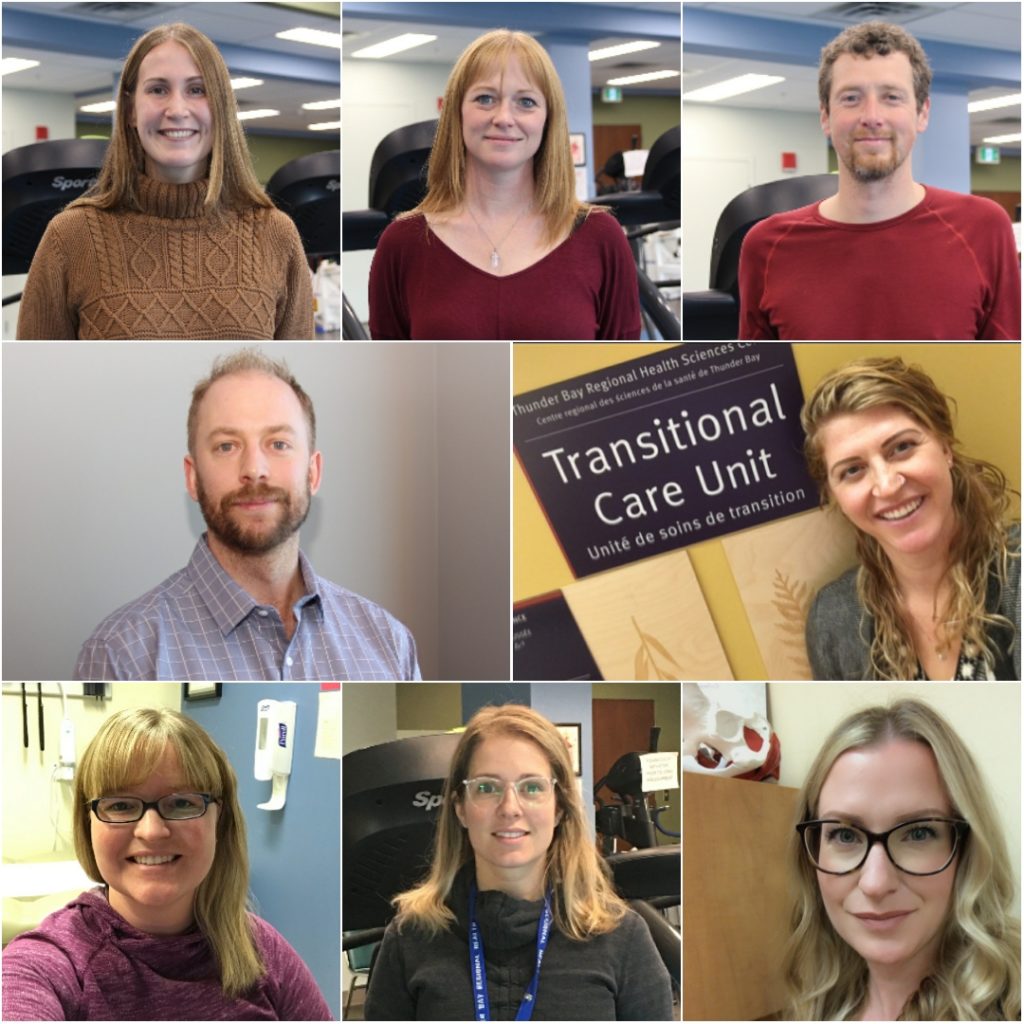
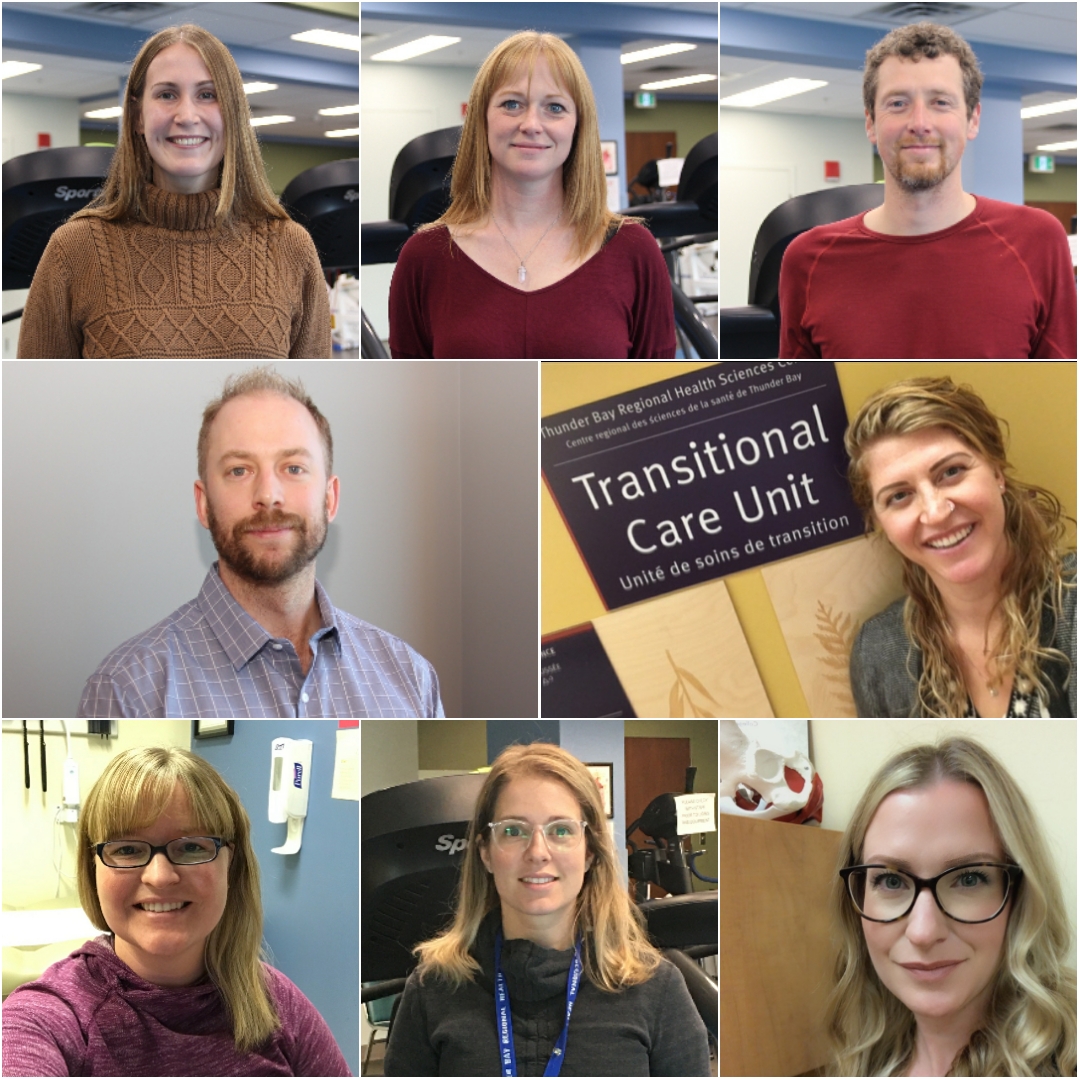
There are Kinesiologists working in Programs and Services throughout our Hospital, including Cardiac Rehab (Sarah Chadwick, Katherine Chisholm, Duncan Hutchison, Casey Ruberto, Kyle Baysarowich), the Regional Bariatric Care Centre & Peadiatric Healthy Living Program (Debbie Walsh), the Maternity Centre (Keri Gerlach), and the Transitional Care Unit (Keri Gerlach, Shannon Baysarowich).

So this week, please join us in thanking our Kinesiologists for their important contributions to patient care.

Clockwise: Sarah Chadwick, Katherine Chisholm, Duncan Hutchison, Shannon Baysarowich, Keri Gerlach, Casey Ruberto, Debbie Walsh, Kyle Baysarowich.

Over $4.1M granted to fund equipment at the TBRHSC

The Thunder Bay Regional Health Sciences Foundation is excited to announce that over $4.1 million has been approved to fund equipment for the Thunder Bay Regional Health Sciences Centre. This funding was made possible by donors to the Thunder Bay Regional Health Sciences Foundation and proceeds from the Thunder Bay 50/50 draw.

“Different departments of the hospital applied for these grants to fund equipment that will really help Hospital staff provide the best possible care to patients. The success of the 50/50 draw allowed us to fund more grants than ever before. We are going to be able to purchase some vital equipment and make facility improvements that will really benefit both patients and staff,” says Glenn Craig, President and CEO of the Thunder Bay Regional Health Sciences Foundation.

In total, 28 grants ranging from $5,000 to $1,000,000 were approved to be funded by the Foundation. They will benefit all areas of the Hospital. Some of the grants include:

  • $100,000 to fund Automated Medication Dispensing units for all inpatient units at the Hospital
  • $250,000 to fund Microbiology Plate Streakers which will help diagnose a range of diseases
  • $120,000 for capital equipment for infant care in the Labour &Delivery department
  • $21,000 for a high-definition video camera head for the OR – Urology Department

The grants will not only benefit the local Hospital, but also hospitals in the region. Grants have been approved for equipment replacement and upgrades in Kenora, Dryden, Fort Frances, Terrace Bay and Marathon.

“This funding was made possible by the generosity of our donors, and the supporters of our 50/50 draw,” says Parker Jones, Chair, Board of Directors, Thunder Bay Regional Health Sciences Foundation. “The continued support has been incredible, and we cannot thank the community enough. We are so excited to be able to use these dollars to improve care not only locally, but in the regional communities as well.”

“These equipment and facility upgrades are going to benefit not only our patients, but also our health care workers, who we have relied on so heavily during the past 18 months. These grants will allow us to give them the tools necessary not only to provide exceptional care to our patients but also to improve their own experience,” Says Rhonda Crocker Ellacott, President & Chief Executive Officer of the Thunder Bay Regional Health Science Centre and Chief Executive Officer of the Thunder Bay Regional Health Research Institute.

For a complete list of approved grants, visit https://www.healthsciencesfoundation.ca/equipment-funded or see the attached PDF.

VIDEO: The Thunder Bay Regional Health Sciences Foundation has announced $4.1M in grants to benefit healthcare in Northwestern Ontario. Grants will help purchase equipment and make facility improvements at the Thunder Bay Regional Health Sciences Centre and regional hospitals.

Access the video here:

Accreditation Canada Simulated Survey: Thank You

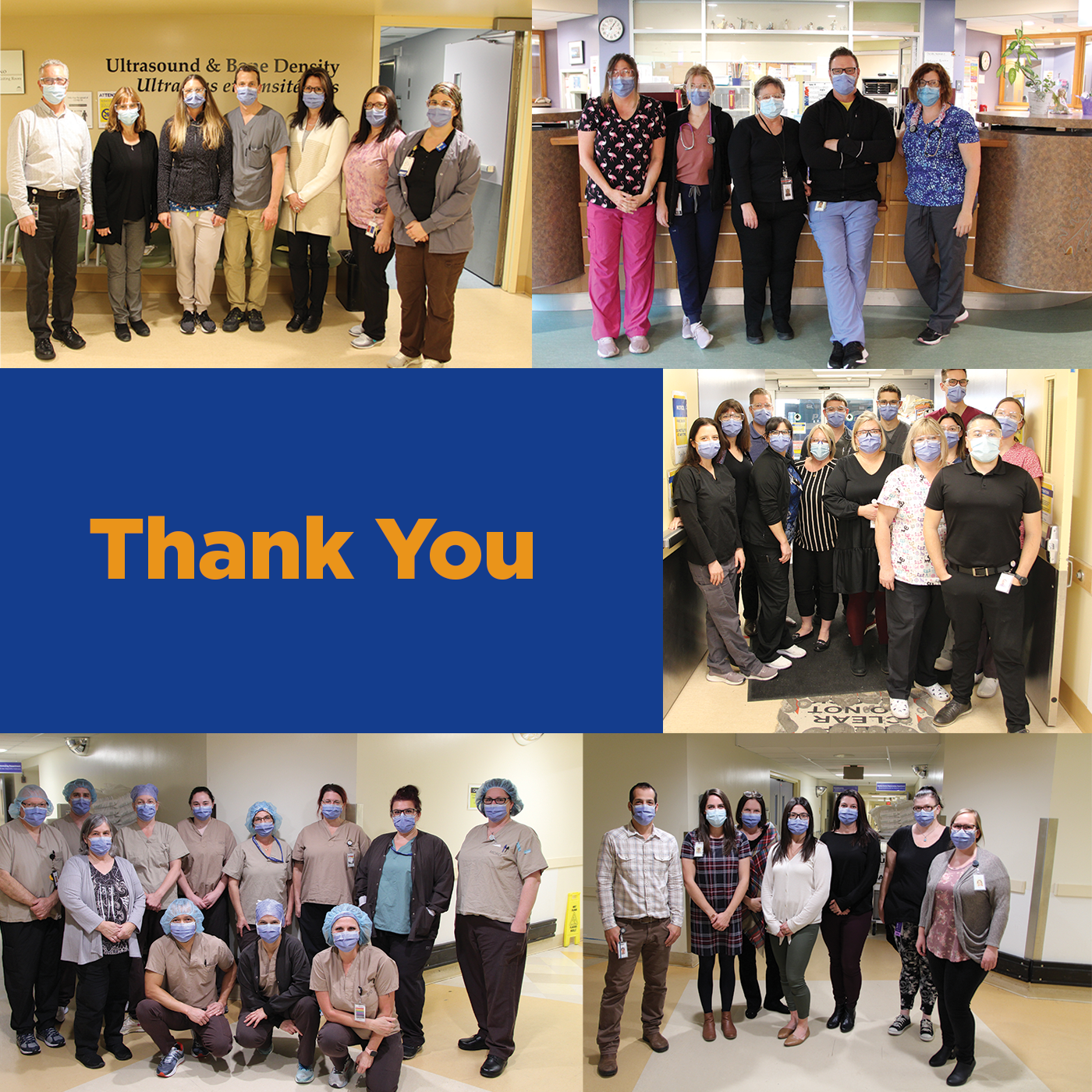
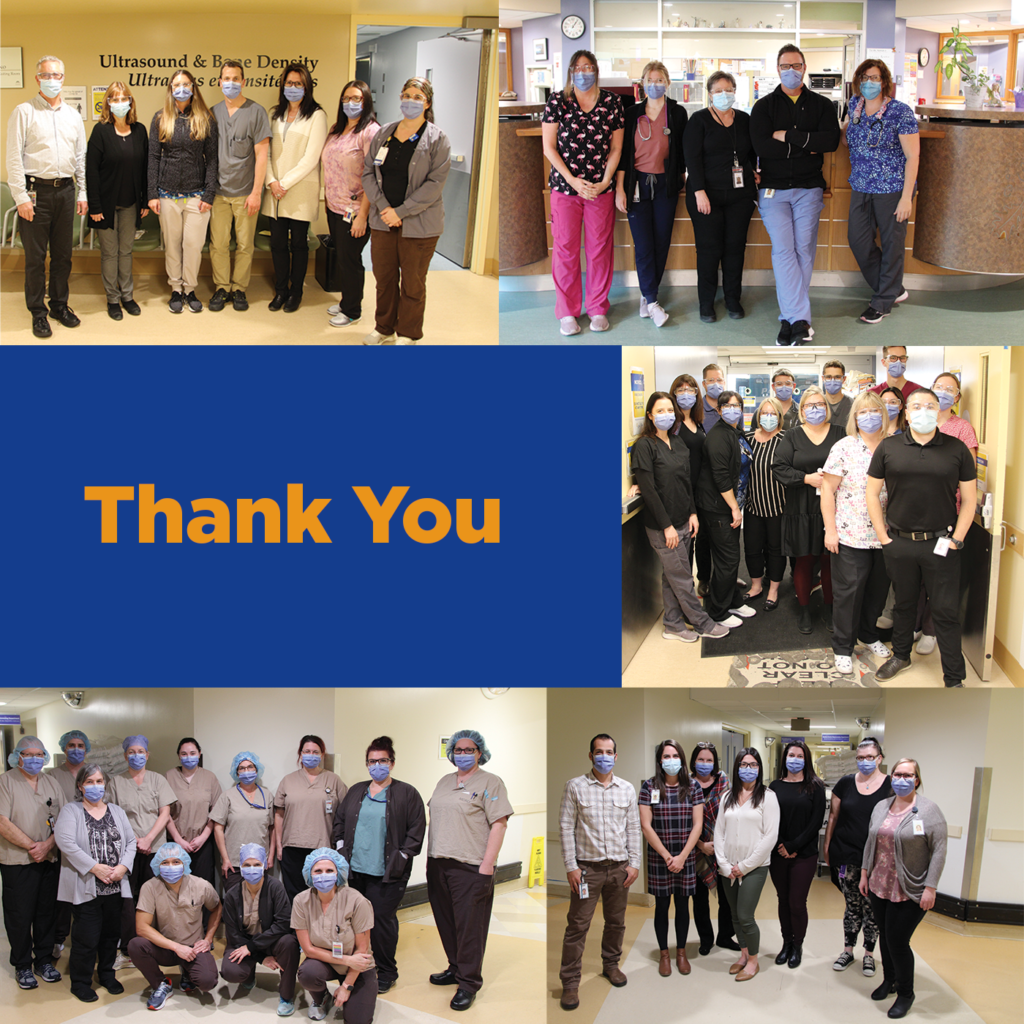
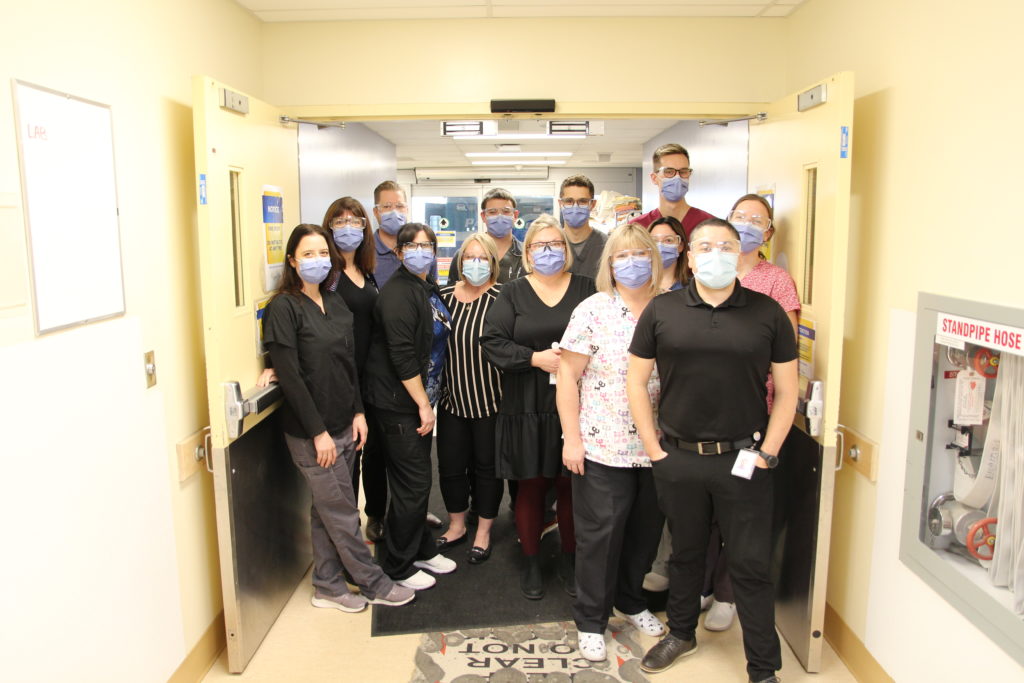
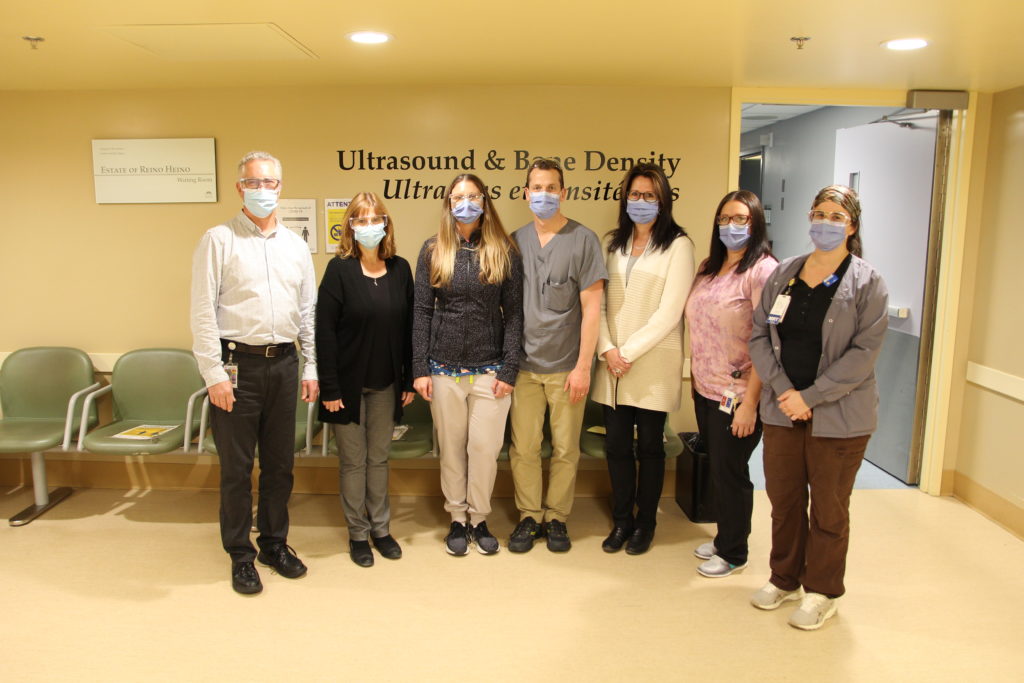
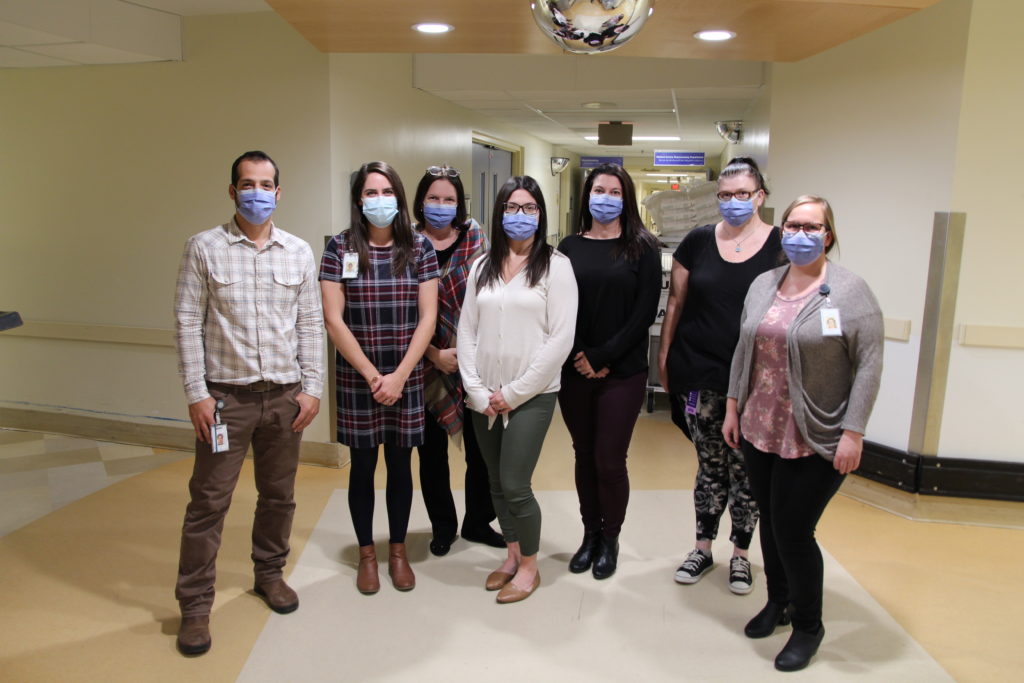
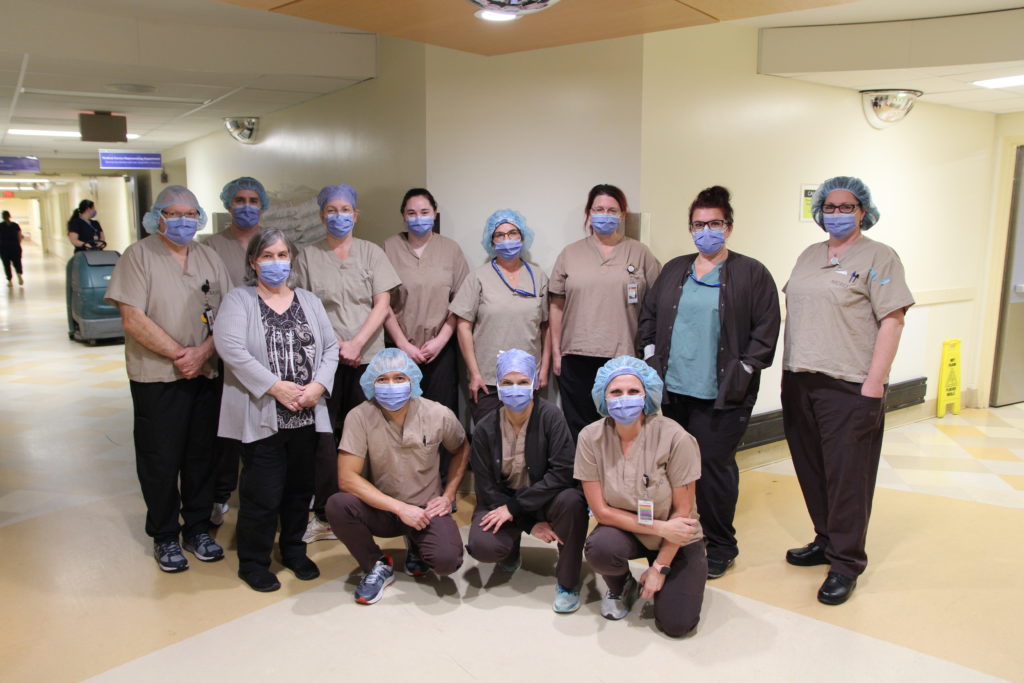
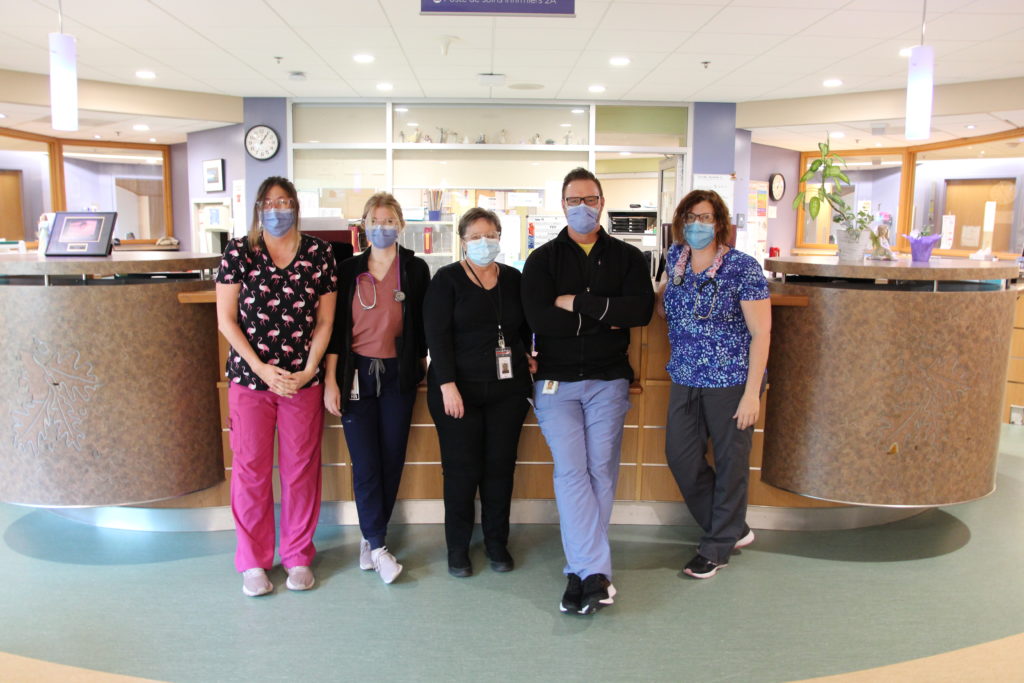
A big THANK YOU goes to the teams who participated in the Accreditation Canada Simulated Survey on Monday, November 8th and Tuesday, November 9th. Well done to Diagnostic Imaging, 2A, Infection Prevention and Control, the Emergency Department, Medical Device Reprocessing Department and the Centre for Complex Diabetic Care.

For more information about our Hospital’s Accreditation efforts, please contact Sheri Maltais (maltaiss@tbh.net) and Chitra Jacob (jacobc@tbh.net) or visit tbrhsc.net/accreditation.

Emergency Department
Diagnostic Imaging
Infection Prevention and Control
Medical Device Reprocessing Department
2A

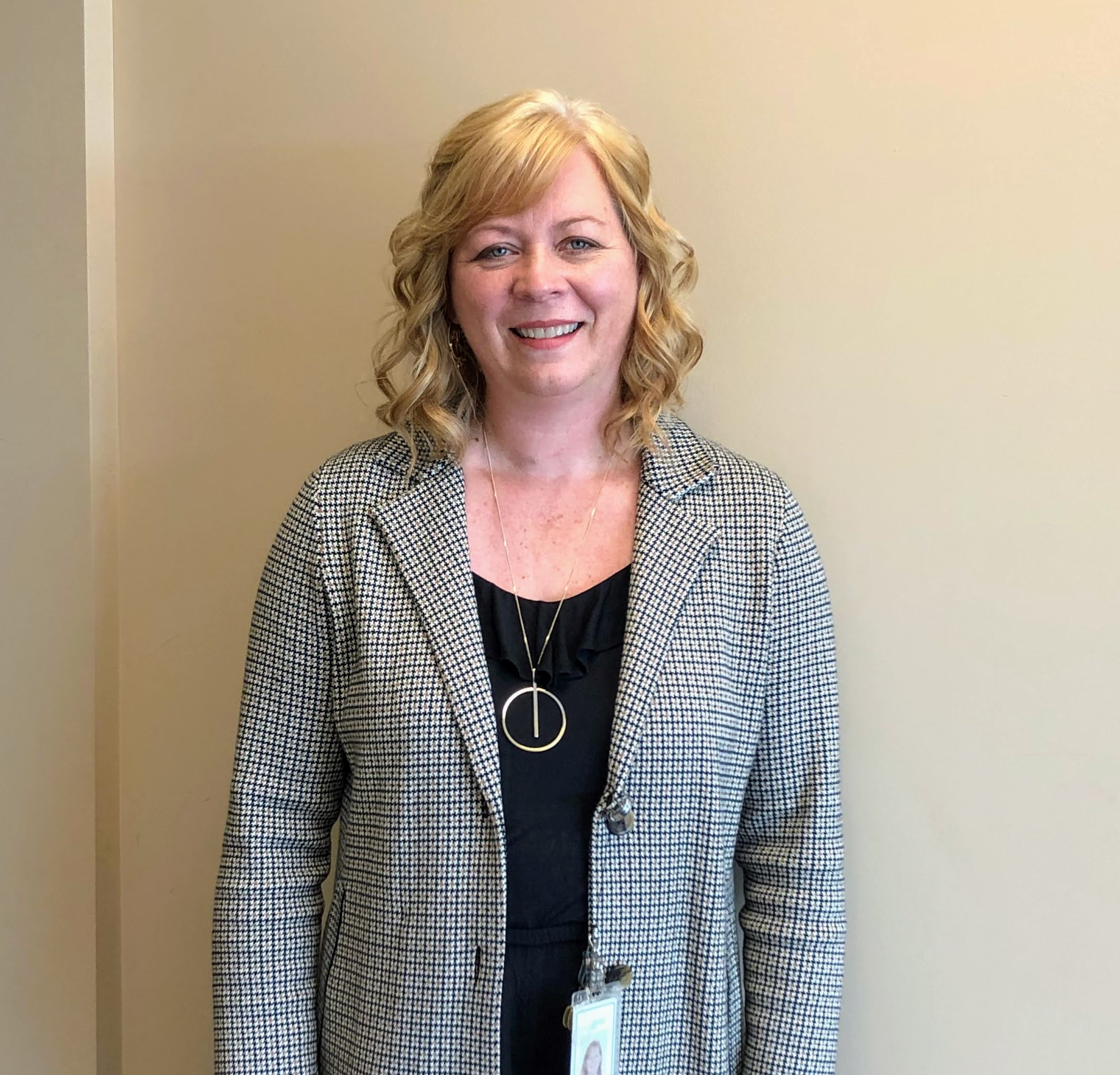
Regional Bariatric Care Profile: Meet Tanya Burgess

Throughout the month of November we are highlighting staff at Thunder Bay Regional Health Sciences Centre who play a key role in bariatric care. Today, we’re sharing a Q & A from Tanya Burgess, a Registered Nurse at the Regional Bariatric Care Centre (RBCC).

What does it take to be a Registered Nurse?

To be a Registered Nurse (RN) at the RBCC it takes dedication to our patients and enhanced knowledge of our patient population. We see patients who suffer from numerous health conditions and our job is to support and educate them in their journey to attain a healthier lifestyle.

What inspired you to work in bariatrics?

I was inspired to work in bariatric care to continue my personal goal of helping others. Having been a RN for over 21 years, I have worked in many areas of the organization. About 10 years ago, I was presented with an opportunity to work at the RBCC. I work as part of an interdisciplinary team and together, we assist our patients on their journey to pursue a healthier lifestyle. We see dramatic positive health outcomes from our patients. It is truly inspiring.

What is unique about your role?

As a RN at the RBCC, I help support patients pursuing bariatric surgery. I help our patients navigate the surgery process ensuring they are well educated and feel comfortable and safe during their assessment process for surgery.

How does your role impact patient care?

In my role, I assist in the surgery planning. I book all of our surgeries and perform all of our patients’ pre-admission appointments. In my opinion, this allows our patients to continue feeling safe and comfortable in our clinic and allows for ample time to provide health teaching specific to our surgery for patients and their family members.

Promoting a healthy lifestyle is part of your daily messaging to patients. Do you have any personal tips on how to stay healthy?

Taking care of our personal health both physically and mentally is very important. My suggestions include getting enough rest, staying well hydrated and incorporating daily activity. Our body and mind requires down time to increase our concentration and memory. Hydration is crucial to our whole health. Allowing time for an activity you enjoy on a daily basis is important. Finding an enjoyable activity ensures sustainability.

Diabetes Awareness Month Profile: Sharon Howk Ventrudo

It’s Diabetes Awareness Month, and we’re highlighting staff at Thunder Bay Regional Health Sciences Centre who play a vital role in diabetes care. Today, we’re sharing a Q & A from Sharon Howk Ventrudo, a psychologist at the Centre for Complex Diabetes Care (CCDC).

What does it take to be a psychologist?

A psychologist holds a master’s and/or doctoral degree in psychology that involves 6 to 10 years of university, studying how people think, feel, and behave. It helps to have a personality that is warm, empathic and approachable. Being self-aware, committed to diversity, grounded in ethics, sensitive and patient helps make for an effective approach and better relationships with patients.

What inspired you to work in diabetes care?

I have always had an interest in health psychology and the mind-body-spirit connection. By approaching our health in a holistic manner (addressing physical, emotional, social, spiritual and intellectual health), we can try to optimize wellness. If one area is compromised, most likely other areas will be as well. Working at the CCDC provides the opportunity to work with these five aspects of holistic health and help people live each day in the healthiest, happiest way possible.

What is unique about your role?

Working at the CCDC is unique because a psychologist can specialize in health psychology and also has the chance to work with an inter-professional medical team. There is specific focus on how biology, psychology, behaviour and social factors influence health and illness.

How does your role impact patient care?

My role is to promote health, as well as to help prevent and treat chronic disease. My goal is to understand how patients react to, cope with, and adjust to a chronic illness. I want to encourage self-management of diabetes in daily life and improve quality of life.

Promoting a healthy lifestyle is part of your daily messaging to patients. Do you have any personal tips on how to stay healthy?

Whether it is a new diagnosis of diabetes or something else that is unwelcome in your life, use it as motivation to focus on what is important to you and give yourself some well-deserved self-care.

‘Good Catch’ Winners

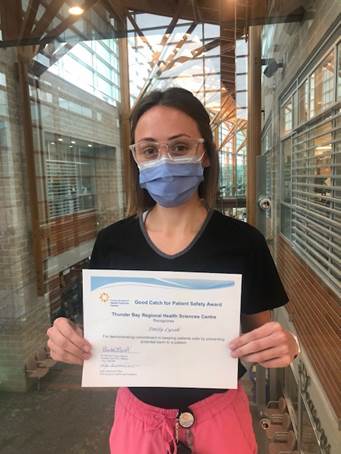
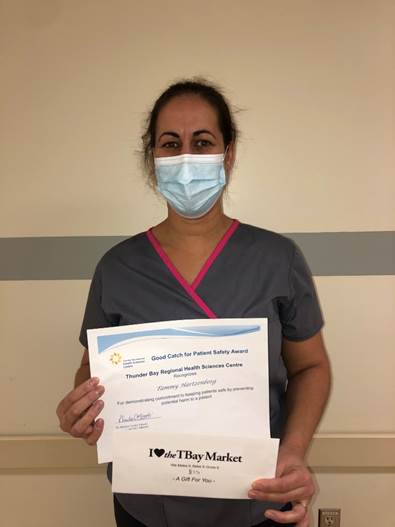
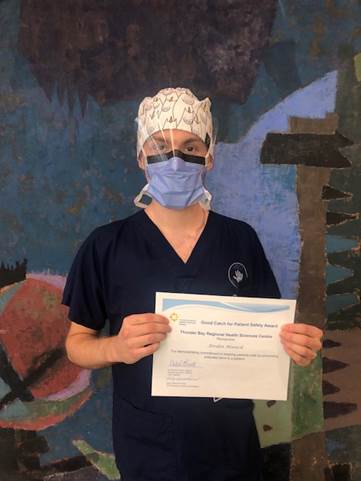
Congratulations to Emily, Tammy, and Jordan – winners of the ‘Good Catch’ Awards that were kicked off during Canadian Patient Safety Week (October 25-29).

Good Catch Awards highlight individuals, groups or departments who demonstrate their commitment to keeping patients safe by reporting a near miss. A ‘good catch’ (or near miss) is an event or situation that could have resulted in harm, but did not reach the patient because of chance or timely intervention. Reporting these events can help to identify gaps in order to prevent future adverse events from happening.

Each recipient was awarded a certificate and $25 gift card to the Thunder Bay Country Market.

New winners will be randomly selected every quarter so please continue submitting your near misses! Near miss reports are submitted through the Incident Learning System (patient safety incidents). Click on the ‘safety reporting’ icon from your Novell home page, or go to the iNtranet and choose ‘Safety Reporting’ under ‘Informational’.

For more information, contact Katherine Mayer, Patient Safety Specialist at mayerk@tbh.net.

>