Shared on behalf of Amy Carr, Chief Human Resources Officer
June Day is scheduled for Monday, June 14, 2021. The following ONA Departments will be CLOSED:
– Ambulatory Care (all clinics closed aside from the infusion rooms) – Cath Lab – Centre for Complex Diabetes Care (CCDC) Inpatient Service (new referrals) – Endoscopy (on call coverage) – Gyne Laser Clinic – Internal Medicine Clinic – Multi-Care Kidney Clinic – Nurse Led Outreach Team (NLOT) – Operating Room (limited for non-elective cases) – Ophthalmology Laser Clinic – Peripherally Inserted Central Catheter (PICC) Line Service – Recovery Room (limited for non-elective cases) – Rehabilitation & Healthy Lifestyles Program – Screen For Life Coach – Stroke Program (non ONA staff working) – Surgical Day Care – Utilization Coordinators
The following ONA Departments will remain OPEN:
– Bariatric Surgery Clinic (non ONA staff) – Cancer Centre – Centre for Complex Diabetes Care (CCDC) (only Dietitian & Pharmacist available) – Clinical Trials – Consultation Liaison Service (psychiatry staff only – no nursing staff) – Diagnostic Imaging (exception: interventional procedures requiring Nursing support) – Fracture Clinic – Infection Control (minimum staffing/operations) – Lab Out-Patient Clinic – Maternity Centre – Occupational Health & Safety – Paediatric Out-Patient Clinic (limited staff) – Paediatric Healthy Living Clinic (Bariatric) – Pre-admission Clinic – Renal Services – Sexual Assault/Domestic Violence Treatment Centre – Telemedicine (non ONA staff working)
A stroke is a medical emergency. If you suspect that you or someone you know is suffering from a stroke it is important to call 911 immediately. 1.9 million brain cells die every minute after a stroke and calling 911 is the single best thing that you can do get support as quickly as possible.
What are the Signs of a Stroke?
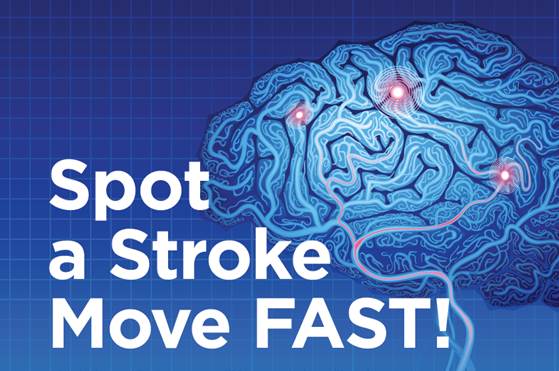
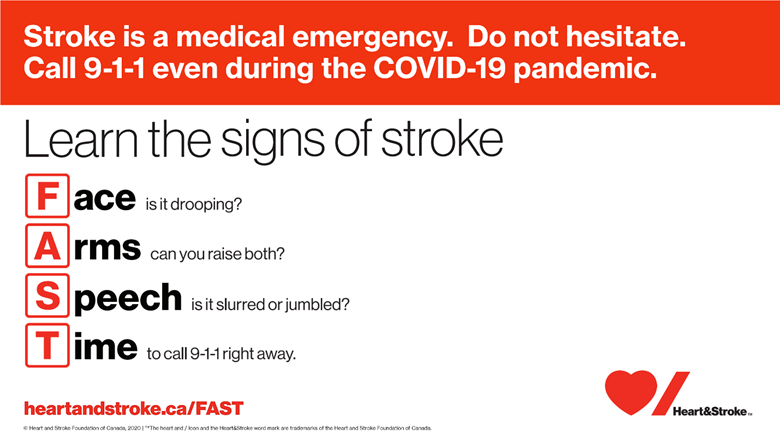
The FAST Acronym is a national public awareness initiative through Heart and Stroke. FAST is a universal tool that can be used by anyone and anywhere to support identifying stroke symptoms.
FAST
F is for FACE. Is the person’s face drooping or do they have an uneven smile?
A is for ARM. Can the person raise both arms? Often when someone is experiencing a stroke, they are only able to list one arm or when lifting both one arm drifts down faster than the other.
S is for SPEECH. Does the person have difficulty speaking suddenly? Is their speech slurred or jumbled? Can they speak but are having trouble understanding you or following directions?
T is for TIME. If someone is experiencing any sudden changes with their FACE, ARMS, or SPEECH they or a bystander should call 911 immediately.
Chair, Board of Directors, Thunder Bay Regional Health Sciences Centre
When this pandemic began more than fourteen months ago, the common phrase being used was “we are all in this together”. Admittedly as we saw, the realities of this slogan were tested at times in society as people experienced a roller-coaster of challenges and emotions. However, one place that has been a consistent source of reliability and inspiration for communities in Northwestern Ontario has been Thunder Bay Regional Health Sciences Centre and all of the amazing people who make it what it is.
This past month, that spirit of being in this together was on full display as our Hospital became the first to accept seriously ill patients from Winnipeg. The story was featured prominently in the national media with CEO Rhonda Crocker Ellacott appearing as our spokesperson. As you know, our historic collaborative relationship with Manitoba goes both ways depending on what’s happening. Sometimes they help us. Sometimes we help them as we are at the moment as they struggle with the highest per capita case rates in all of North America. We will always be there for our neighbours – and we will be there without having any impact on the service we provide our communities as case numbers in our region continue to decline while vaccinations increase.
On the operations side, I am pleased to report that we are projecting a year-end. While the Hospital incurred significant financial costs to deal with the Covid-19 pandemic, the Ministry of Health has provided hospitals in the province with both pandemic funding and working capital relief funding to address these pressures. Looking ahead, I am encouraged and excited by the work being done on the TBRHSC Strategic Plan 2026. As discussions begin to shift to recovery in our province, we know health care challenges won’t disappear and we need to be ready for continuing our momentum post-pandemic. Our Strategic Planning Advisory Committee has identified six key priorities areas to pursue: Patient and Family Centred Care; Comprehensive Health Human Resource and Human Resource Strategies; Anti-racism, diversity, inclusion, health care equity for all patients and staff; Technology infrastructure and digital; Integrated and aligned strategy for the Research Institute with the Hospital, and Advocacy strategy, at local, regional, and provincial levels.
In the beginning of COVID-19 ravaging our region fourteen months ago, you remember front-line workers were met with applause as heroes – some came home to hear everyone on their front steps banging pots and cheering as a sign of appreciation. As the pandemic dragged on, much of that has faded away in volume as people struggled with their own issues. However, in my conversations with people in the community, it is clear that while their volume has been reduced, their trust and appreciation for our staff has never been greater.
And, while we are not in the clear just yet, the clear signs of optimism in the air are encouraging and should be appreciated and welcomed. We have been through a great deal. We have suffered inexplicable losses. However, while I can’t speak for other parts of the country, I feel confident in saying that through it all, our staff and the people in our communities have been there for one another. We have all been in this together and that is a testament to all of you.
As summer approaches, I encourage everyone to get outside and enjoy the warmer weather. Please continue to follow directives on social distancing and masks. Take care of each other.
Sent on behalf of John Ross, Director, Medicine, Patient Flow, & Partnerships
It is with mixed emotions that I announce Deb MacCabe’s retirement, effective June 4th, 2021.
Deb has always been a quiet and reserved person who requested not to have anything formal to announce her retirement, but me being me, I could not allow this without sharing a few thoughts.
Over the past 20 years, Deb has held many leadership positions here at our Hospital. In 2002, Deb was recruited to help merge two emergency departments into one where she eventually became Manager. Other positions and programs that Deb has been involved with include Administration Coordinator, Manager of 2B Medicine, and finally Manager of CCDC and Bariatrics.
There are many people in leadership positions here at our Hospital, that at some time or another, reported directly to Deb. Most would agree that one of Deb’s greatest attributes was the support she showed for her staff no matter the circumstances. Deb and I had many “what were you thinking” type of meetings that she turned into a learning opportunity on how I could improve. I’ll be forever grateful for these lessons.
Please join me in wishing Deb, and her husband Gord, a happy and well-deserved retirement.
Sent on behalf of Kelly Meservia-Collins, Executive Vice President, Research, Quality & Academics
I am pleased to announce that Annette Klement has accepted the position of Executive Assistant, Research, Quality & Academics, effective July 12, 2021.
Annette is an accomplished administrative professional with over 14 years of experience, with many years spent in a healthcare setting. Most recently, Annette held the position of Administrative Assistant to the Executive Director of the St. Joseph’s Foundation of Thunder Bay.
In this position, Annette will be responsible for the administrative coordination of the Research, Quality & Academics portfolio. With her diverse skill set, along with her organizational and communication skills, Annette will be a great asset to my team. Please join me in congratulating and welcoming Annette to her new rol
Stroke is a medical emergency and anytime you believe that someone is having a stroke, you need to call 911 immediately.
What is a stroke?
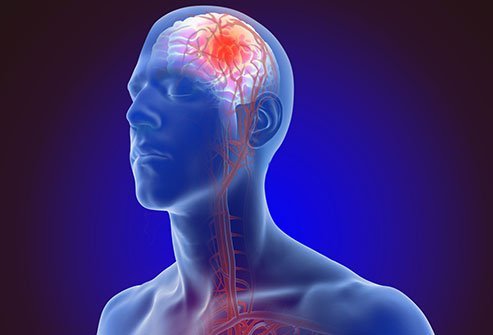
A stroke is when there is a sudden loss of blood to a section of your brain. There are two types of strokes. The first type is an ischemic stroke. These strokes occur when there is a blockage in the brain causing the loss of blood flow. This is the most common cause of a stroke. The second type of stroke is called a hemorrhagic stroke. This stroke occurs when there is a bleed within the brain.
Are strokes common?
The Heart and Stroke Foundation of Canada indicates that strokes continue to be the 3rd leading cause of death and the leading cause of disability in Canada. Each year 62,000 people are treated in Canadian hospitals for stroke – equalling 1 stroke every 9 minutes. Currently there are 400,000 people living with the effects of stroke. This is expected to double within 20 years.
What are the signs of a stroke?
The Heart and Stroke Foundation of Canada has a national campaign to support the public in determining if someone may be experiencing a stroke.
Even during the COVID-19 pandemic, strokes have not stopped. If someone has a sudden onset of one or more of these symptoms it is important to call 911 immediately as the person may be experiencing a stroke.
Why call 911?
Unlike other illnesses or conditions, a stroke cannot be reversed. It is critical to get to the Emergency Department as quickly as possible in order to receive appropriate imaging and treatment. Treatments for stroke can only be given within hours of symptom onset. The faster the person receives treatment the more likely it is that damage to the brain can be minimized. Therefore, getting the right treatment quickly is the best way to minimize disability.
Is calling 911 really faster and safer?
All paramedics in Ontario are trained to complete a stroke screening tool and a stroke severity assessment. If the person is displaying symptoms of stroke, paramedics begin to speak with the hospital immediately. They provide them with details about the symptoms, when the person was last known or seen to be well, and other clinical information. In many communities the neurologists are not always at the hospital. This allows the hospital to connect with the appropriate physician to let them know a patient experiencing stroke symptoms is on their way. This way the physician is at, or close to the hospital when the patient arrives to the Emergency Department saving valuable time. Even if you live a short distance from the hospital, by calling 911 you are activating a number of supports and resources behind the scene that are supporting the coordination of your care.
When someone is experiencing stroke-like symptoms, transporting them by car to the hospital can be dangerous. Stroke symptoms do not always stay the same – they can improve but they can also worsen. Paramedics have the training and supplies to support care if symptoms worsen, for example if breathing becomes difficult.
Thanks to You, Our Donors, We’re Improving Healthcare for All Northwestern Ontario
Our donors are at the heart of everything the Thunder Bay Regional Health Sciences Foundation is able to accomplish. Every advance in healthcare in the last 20 years is a direct result of your generosity. You are the real heroes, generously giving the funds that make it happen.
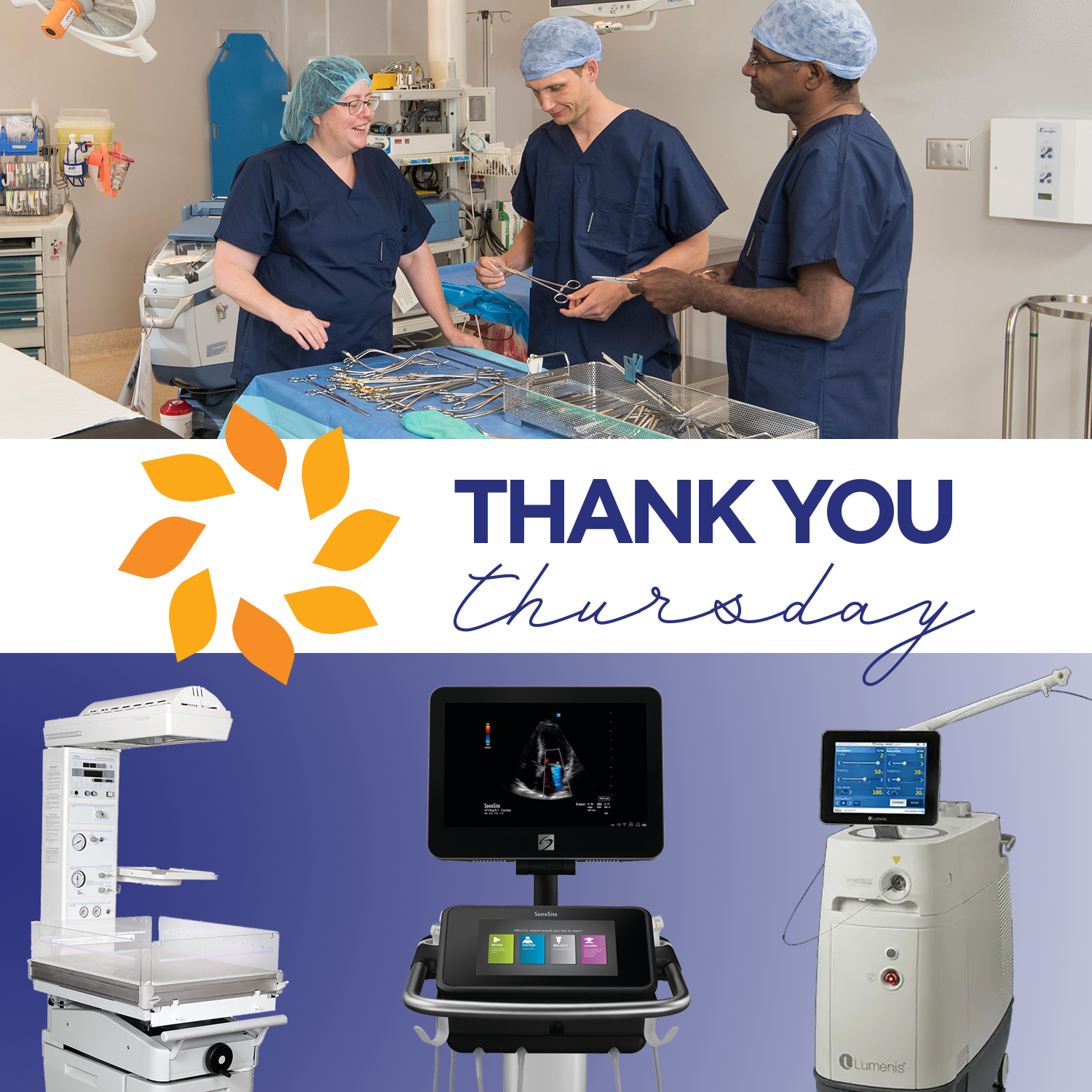
On this page you’ll read about four new pieces of equipment that are changing lives for patients across Northwestern Ontario. Each helps the Thunder Bay Regional Health Sciences Centre provide care and treatment right here in our region.
That means there are fewer patients travelling thousands of kilometres to Toronto or elsewhere and back for care. It also means faster critical care for patients who need it. As you’ll read, in some cases it means providing care right here in Thunder Bay that isn’t available anywhere else in the province.
All thanks to you!
Today, on Thank You Thursday, I want to personally thank everyone who has donated to makes lives better for patients at our Hospital. That includes event participants, volunteers, and anyone who has given money or time to help make closer-to-home healthcare a reality in Northwestern Ontario. You are the heroes of successful healthcare stories every day. Thank you!
Together, for better.
Glenn Craig President & CEO, Thunder Bay Regional Health Sciences Foundation
Thank You Donors – For the Healthcare You Bring to Northwestern Ontario!
Thanks to you, our generous donors, we’re getting faster, safer, and better care at the Thunder Bay Regional Health Sciences Centre all the time.
Take for example our 24/7 vascular surgery services. It wasn’t that long ago that amputation rates in Northwestern Ontario were three times higher than the provincial average. Many amputations were due to the fact that we didn’t have the right surgical services here to save the limb. Emergency situations with deep or crushing vascular injuries are also dangerous for patients. Every moment counts for patients who need the specialty services of a vascular surgeon.
Thanks to your donations, you are literally saving life and limb. Today, the growing vascular program at our Hospital can handle 80% of all vascular surgeries, which means less travel, faster care, and better outcomes for our patients. That number will be closer to 100% once we have full cardiovascular surgery services with your support of the Our Hearts at Home Cardiovascular Campaign.
And, thanks to you, we are the only site in Ontario to have the new MOSES laser for kidney stone removal. This equipment is minimally invasive, making it a safer surgical option with faster recovery time. The cutting-edge system also keeps better control of the kidney stone fragments to ensure the whole stone is removed. The MOSES laser will be working double duty as another treatment option for patients with benign prostatic hyperplasia or BPH, which causes an enlarged prostate.
You have also helped critical care patients in our ICU. Portable ultrasound units have been called the “stethoscope of the 21st century”. The multipurpose device can image parts of the body for safer assessments without the patient ever having to leave the ICU. Ultrasound can also provide image-guided treatments such as directing needles for greater precision while draining fluid build-up.
And did you know that you give care for patients from the moment they are born? Sometimes newborns who undergo assessments at birth need more protection than an infant warmer can provide. Your donations helped Labour and Delivery purchase specialized equipment with some of the same features of an incubator. That means baby is warmer, more comfortable, and better protected.
You, our donors, should be proud of all you’ve done so far. Thanks to you, patients in Thunder Bay and Northwestern Ontario are receiving more and more world-class treatments right here. That means less travel, better care, and more options.
To learn more about how your donations are helping patients every day at our Hospital, keep an eye on this Health Page in the Chronicle-Journal every Saturday. You can also read stories online at: www.healthsciencesfoundation.ca/latest-news
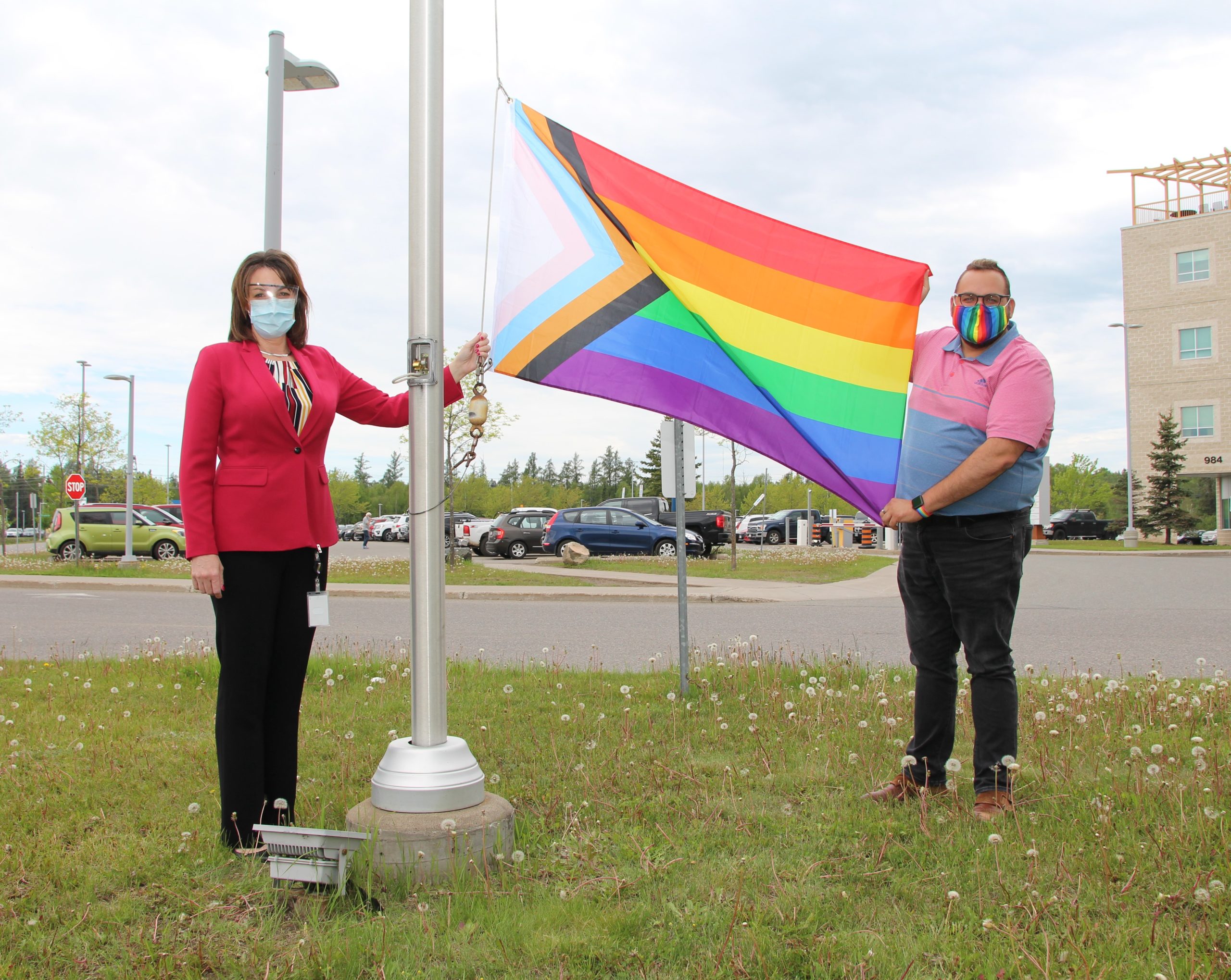
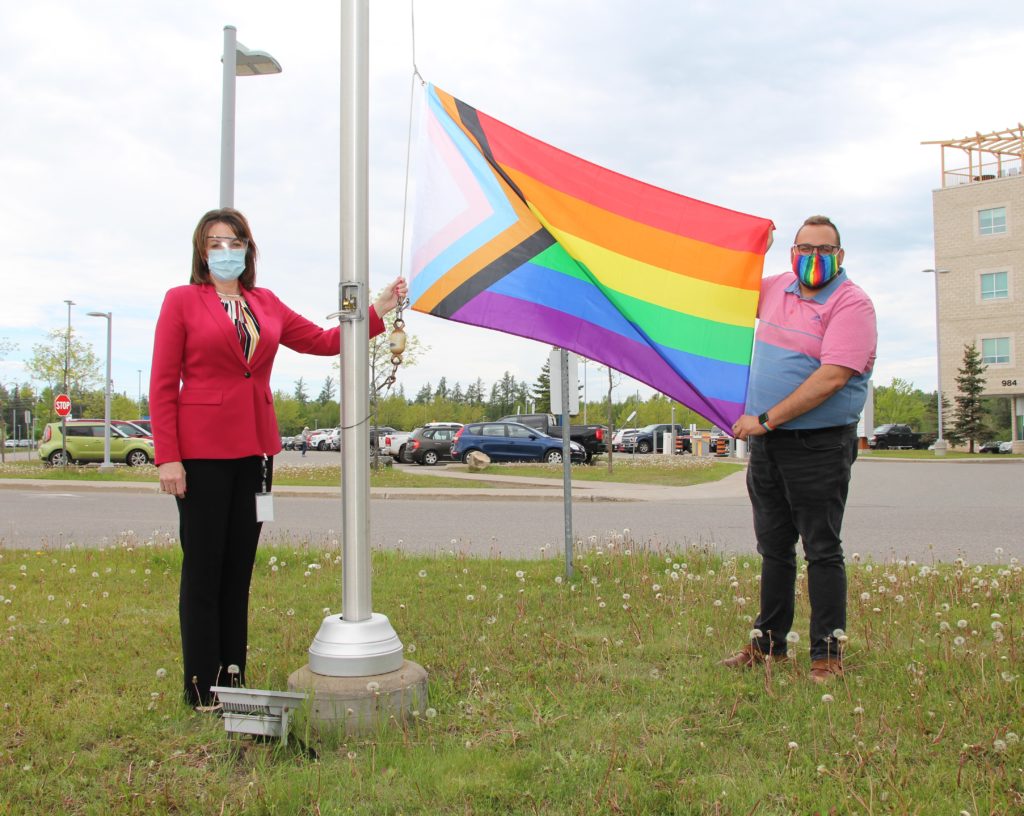
Dr. Rhonda Crocker Ellacott, President and CEO of TBRHSC and CEO of Thunder Bay Regional Health Research Institute and Jason Veltri, President of Rainbow Collective and Contract Procurement Specialist with the Northern Supply Chain at TBRHSC.
June is Pride Month, and Thunder Bay Regional Health Sciences Centre (TBRHSC) is showing its support by raising the Progress Pride flag today.
Pride Month recognizes the impact that Two-Spirit, Lesbian, Gay, Bisexual, Transgender, Queer and Intersex people, including Allies have had in the world.
“TBRHSC must continue to be a leader by building a health system that not only supports our Two-Spirit, Queer and Transgender communities but that it also works to build relationships to ensure the Hospital is meeting the needs of our 2SLGBTQIA+ communities,” said Jason Veltri, President of Rainbow Collective and Contract Procurement Specialist with the Northern Supply Chain at TBRHSC. “As a proud employee at TBRHSC, our regional acute care hospital sees how important it is to provide a welcoming space free from discrimination because of one’s sexual or gender identities. Today is another important day as TBRHSC recognizes Pride Month by raising the Progress Pride flag that shows support for the Trans, BIPOC and queer communities and continues its work to become a leader in diverse and inclusive health care.”
Launched in 2021, Rainbow Collective of Thunder Bay is growing into an impactful Gender and Sexual Diversity (GSD) Social Movement that mobilizes people from all over to take action and create a meaningful and lasting impact across Thunder Bay and Northwestern Ontario. They aim to achieve this by celebrating people of all sexual or gender identities, promoting respect without prejudice, providing education to build more inclusive communities and advocating for those who are still struggling to see themselves in our communities.
“Our Hospital is proud to celebrate Pride Month and demonstrate our commitment to a kind, accepting and inclusive culture for all,” said Dr. Rhonda Crocker Ellacott, President and CEO of TBRHSC and CEO of Thunder Bay Regional Health Research Institute. “As a leader in providing safe, quality and innovative acute care to Northwestern Ontario, our Hospital strongly believes that quality health care without discrimination should not be a privilege, but an expectation. Raising the Progress Pride Rainbow flag is an important symbolic reminder that our Hospital must continue to do its part to help break down the systemic barriers to accessing health care that the 2SLGBTQ+ community often faces.”