Sent on behalf your Nursing Practice Team: George Fieber, Julie Vinet & Martin Sabourin
Are you supportive and looking to lead practice change?
Do you want to empower your nursing practice?
Consider joining our Nursing Practice Council as your practice area representative!
Building on the work completed by a planning group comprised of frontline staff, Clinical Nurse Specialists and Nursing Practice Leaders in September of 2020, plans are moving ahead to create a Nursing Practice Council. The Nursing Practice Council will provide a forum for nursing representatives from across the organization to participate in discussion, referral or decision-making processes that impact safe nursing practice and quality patient care, in alignment with the mission, vision and strategic plan of Thunder Bay Regional Health Sciences Centre.
If this opportunity excites you complete the attached “Expression of Interest” and email it to nurses@tbh.net by November 12th, 2021. Contact Julie Vinet, Nursing Practice Leader at vinetj@tbh.net with any questions or additional information you may have.
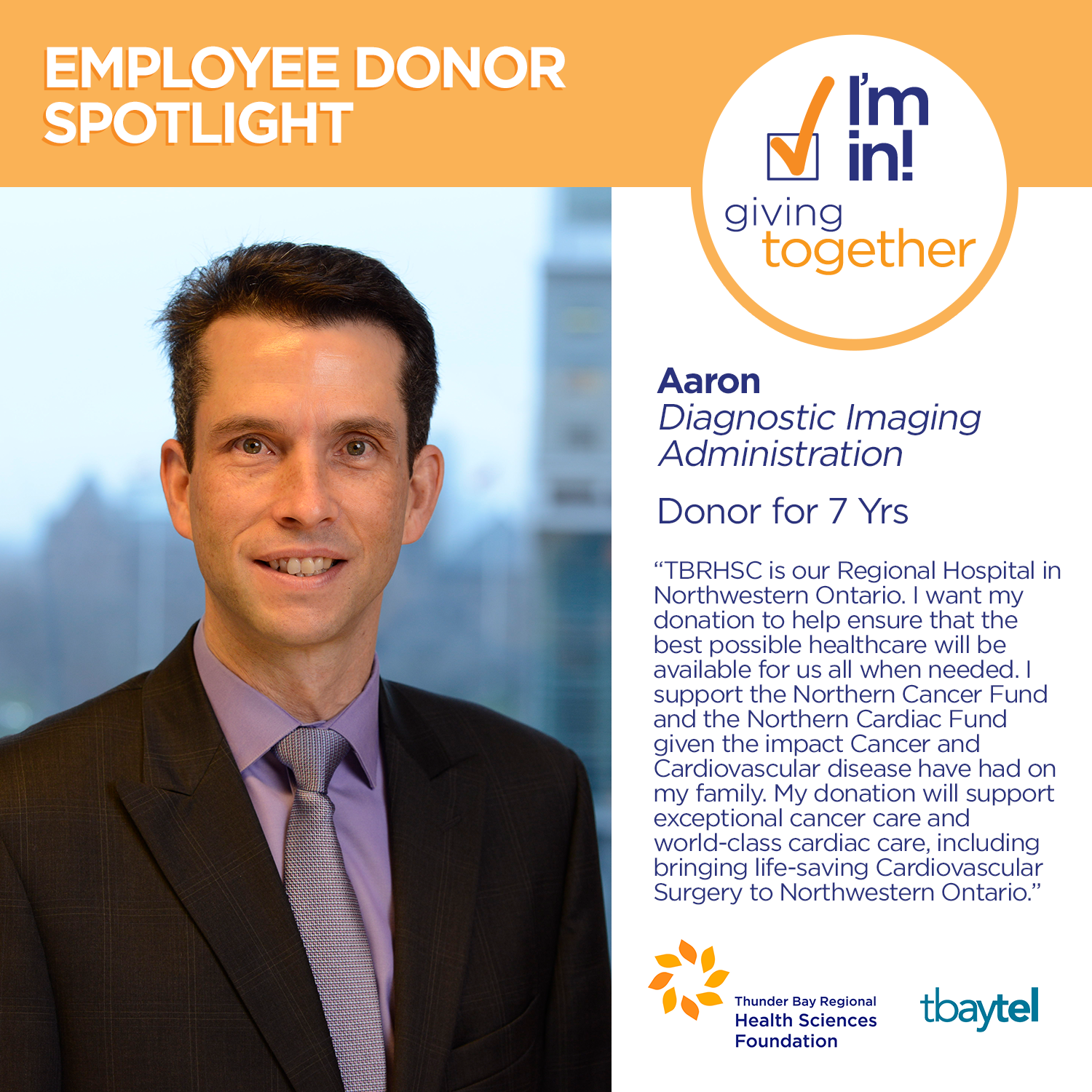
This week’s Employee Donor Spotlight is Aaron, who works in the Administration area of the Hospital’s Diagnostic Imaging department. He’s been an Employee Donor for 7 years!
“TBRHSC is our Regional Hospital in Northwestern Ontario.” says Aaron, “I want my donation to help ensure that the best possible healthcare will be available for us all when needed. I support the Northern Cancer Fund and the Northern Cardiac Fund given the impact Cancer and Cardiovascular disease have had on my family. My donation will support exceptional cancer care and world-class cardiac care, including bringing life-saving Cardiovascular Surgery to Northwestern Ontario.”
Thank you, Aaron!
Employee Donors are Thunder Bay Regional Health Sciences Centre staff who donate through payroll deductions, helping to fund Hospital equipment in the area that means the most to them. Their dedication to better local healthcare is shown in both the hard work they do and their donations. Thank you to Tbaytel, who matches annual Employee Donor contributions up to $7,500!
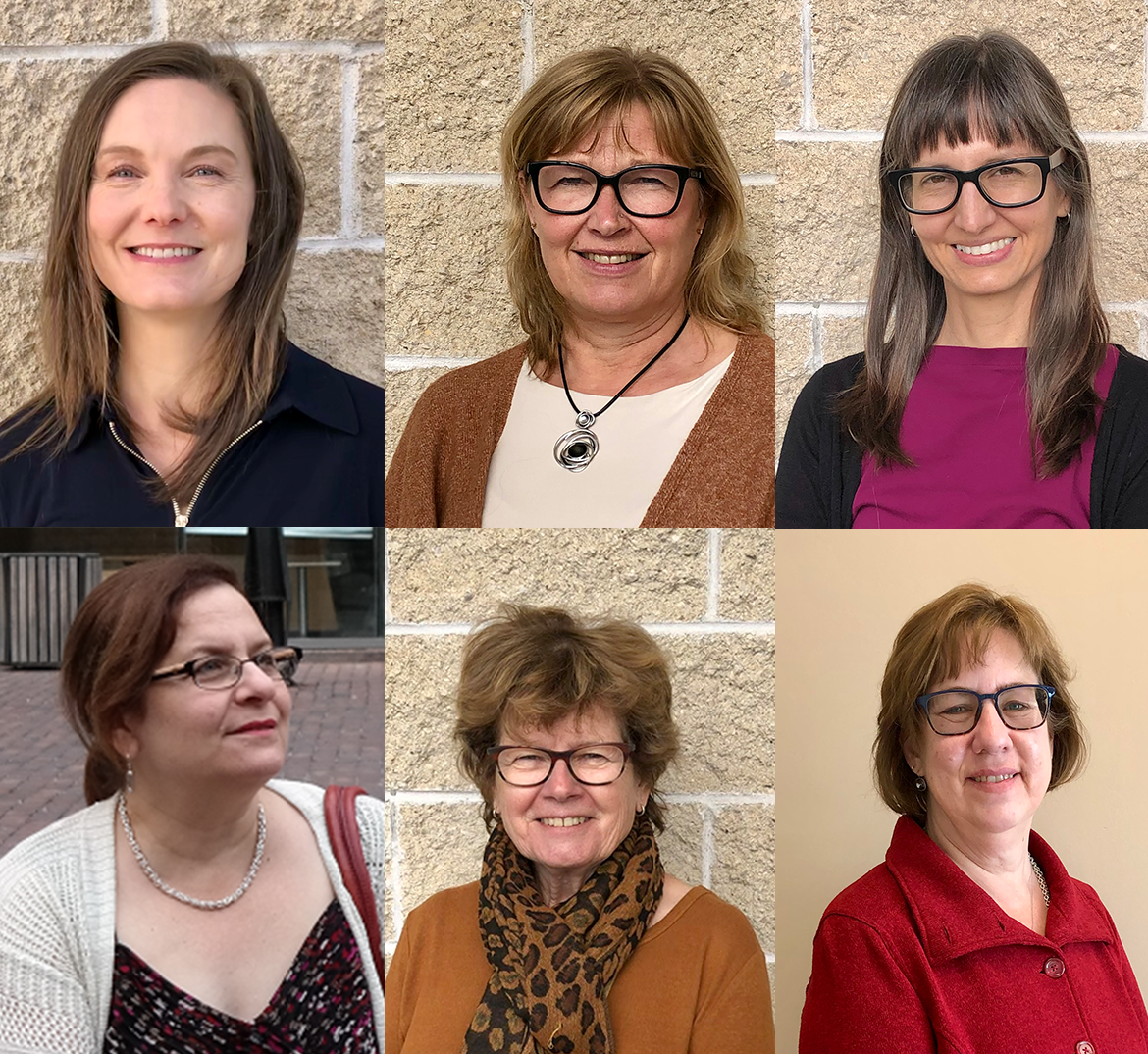
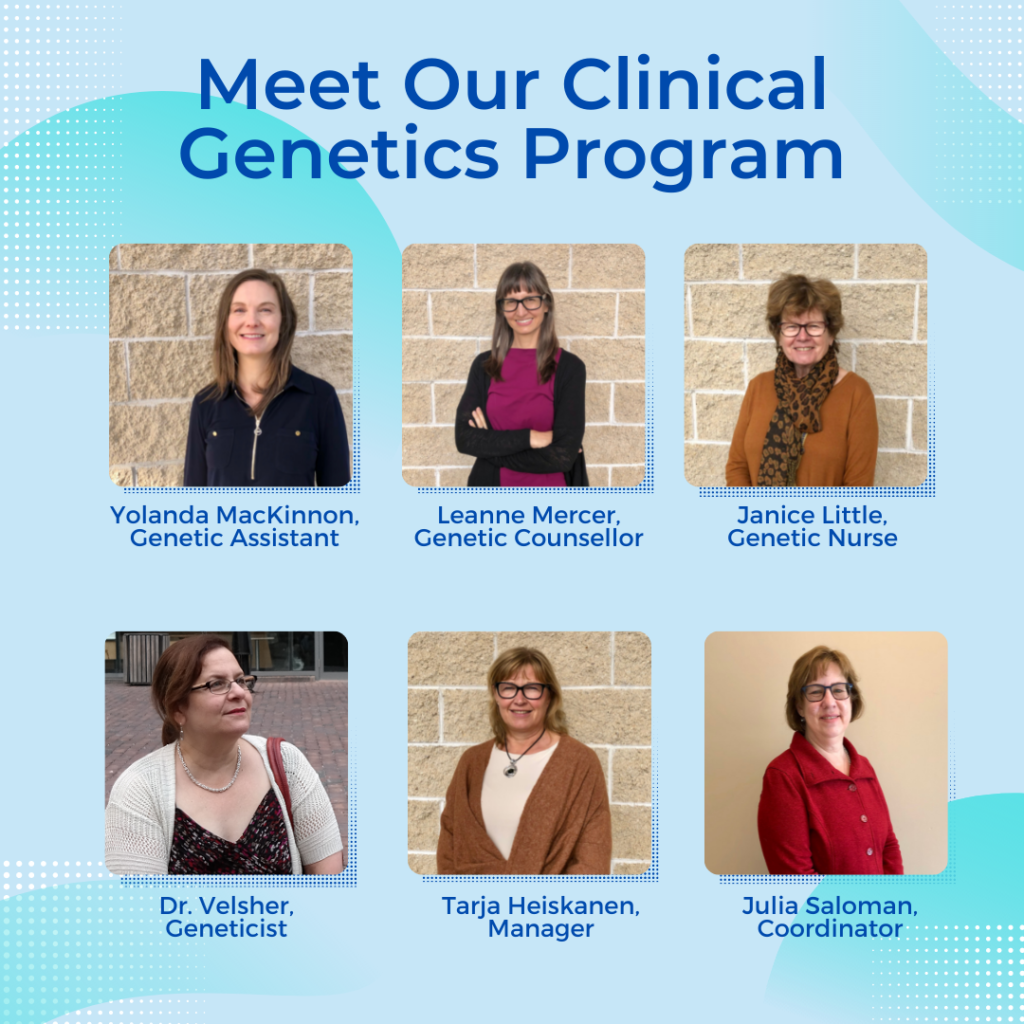
This day provides an opportunity for us to recognize and celebrate our hardworking Clinical Genetics Program team.
Each year, the Clinical Genetics Program at Thunder Bay Regional Health Sciences Centre sees approximately 800 referrals. The program offers consultations to individuals and families who are affected by, or are at-risk for, inherited and/or genetic conditions.
Please join us in showing our appreciation and thanking our Clinical Genetics Program for their contributions!
Learn more about the Clinical Genetics Program and genetic counselling by visiting www.tbrhsc.net/genetics.
Dr. Peter Voros, Executive VP, Patient Care Programs, Regional VP, Cancer Services, North West Regional Cancer Program and Amanda Björn, Executive Vice President: People, Culture, & Strategy
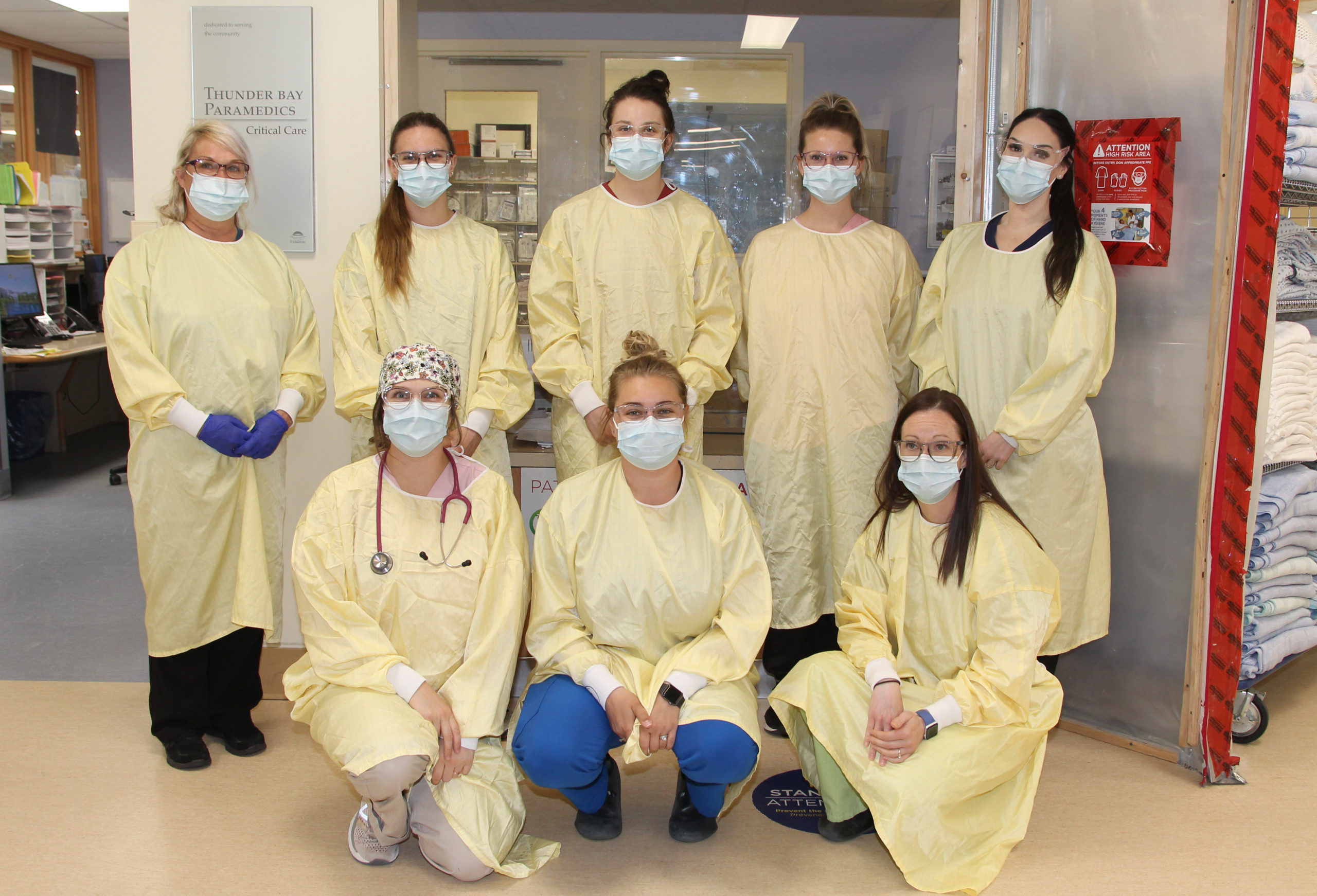
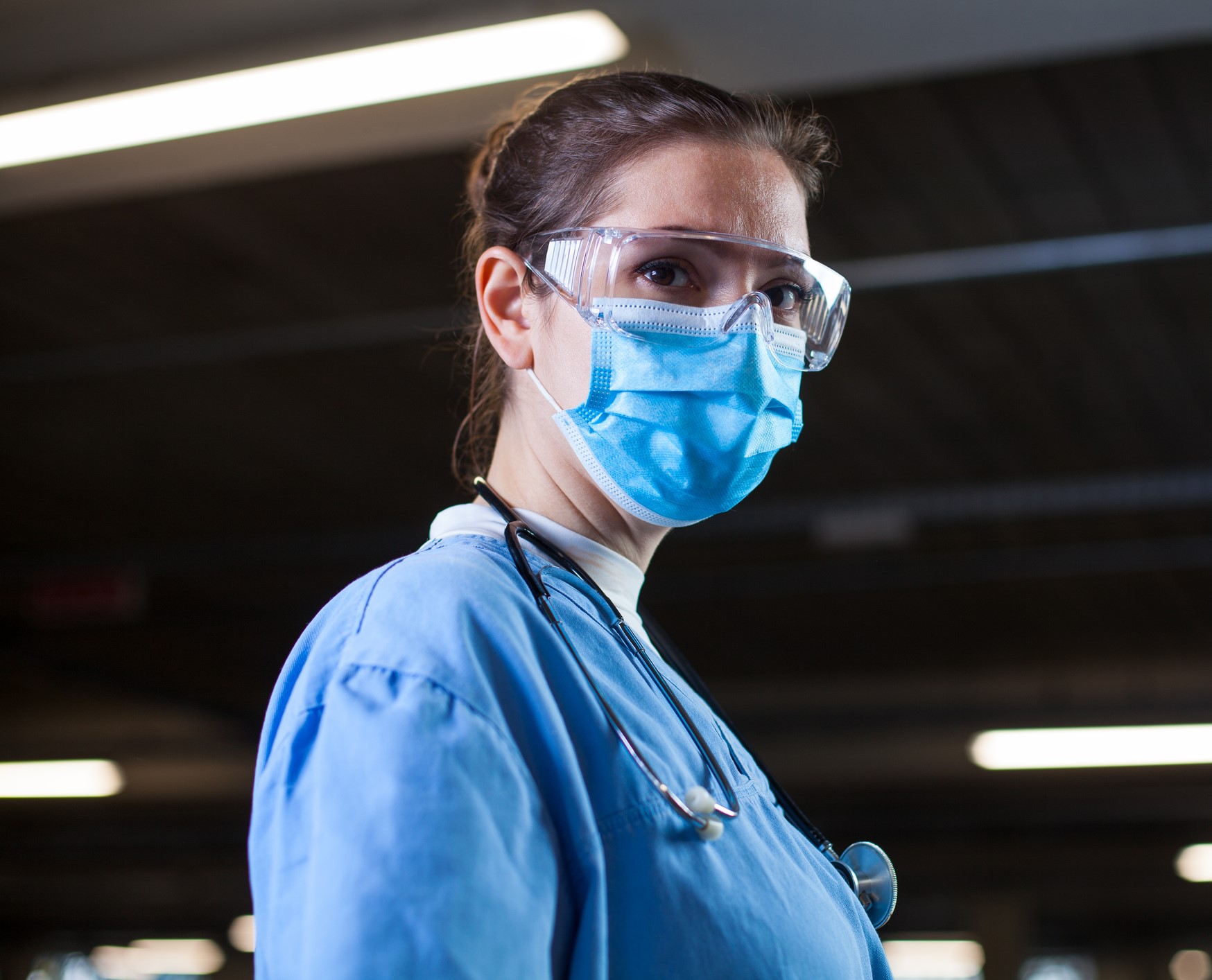
Personal Protective Equipment compliance remains a key component in preventing the spread of COVID-19 and keeping Thunder Bay Regional Health Sciences Centre (TBRHSC) staff, patients and visitors safe.
Masks are still required at all times and in all TBRHSC locations, unless;
The worker is alone in a private office.
The worker is in a designated break area.
The worker is in a meeting area/room in a non-clinical area where distancing of two metres can be maintained.
Eye protection remains mandatory for all staff, when working in clinical areas. This includes the donning of eye protection when entering any clinical space, which includes inpatient units and outpatient areas. Eye protection is not mandatory in non-clinical areas unless providing direct patient care or within two metres of a patient. Non-clinical areas (i.e. hallways, administrative areas) do not require eye protection unless patient interaction is anticipated.
It is vital that all workers adhere to the Hospital’s eye protection and masking guidelines in order to enhance safety and protect themselves, their colleagues, our patients and the community. The Ontario Ministry of Health guidelines indicate that contact with a positive COVID-19 person is considered high risk if eye protection was not worn.
Visitors and patients are also encouraged to wear their own eye protection.
A simulation survey will be conducted on Monday, November 8th and Tuesday, November 9th.
Richard Bedard from Accreditation Canada will be on site on both days to prepare the organization for the upcoming Accreditation Survey on May 16-19, 2022. Richard has worked in health care for more than 30 years and has experience in administration, leadership, clinical care, and professional practice. He brings with him practical experience in acute care, long term care and primary care. To read his full biography, please find it attached.
What is Accreditation?
The accreditation process offers Thunder Bay Regional Health Sciences Centre (TBRHSC) a valuable opportunity to measure ourselves against national standards of excellence and ensure quality & safety in the delivery of our programs and services.
What will happen during the Simulation?
The surveyor will use a survey tracer to determine if standards are met and identify areas needing improvement. Required organizational practices (ROPs) and high priority processes will be reviewed during this time. The mock interviews are designed to be a learning experience for teams.
What is a Tracer?
A tracer is a quality improvement tool to help surveyors determine if standards are met – the surveyor will observe and interact with a wide variety of team members, patients and families to gather evidence about the quality and safety of care and services in a particular service area.
Please note the surveyor is observing processes & procedures – not evaluating individual team member’s performance during a tracer.
The following areas will be included in the November 8 & 9th Simulation Survey:
Leadership
Quality Risk Management
Human Resources
Inpatient Unit – 2A
Ambulatory Care Clinic – CCDC
Infection Prevention and Control
MDRD
Diagnostic Imaging
Emergency Department
Please find attached the two day schedule. Sheri Maltais (maltaiss@tbh.net) and Chitra Jacob (jacobc@tbh.net) are available to answer questions, provide further information or support, or you can visit tbrhsc.net/accreditation.
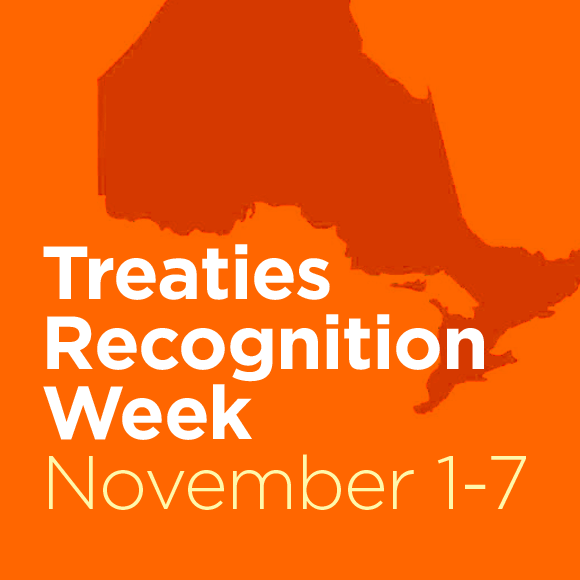
In 2016, Ontario passed the first legislation of its kind in Canada declaring the first week of November as Treaties Recognition Week (November 1-7).
This annual event honours the importance of treaties and helps residents of Ontario learn more about treaty rights and relationships. By learning more about our collective treaty rights and obligations, we can create greater understanding and nurture relationships between Indigenous and non-Indigenous peoples.
Treaties Recognition Week also represents one of many steps on Ontario’s journey of healing and reconciliation with Indigenous peoples. Launched in 2016 in response to the Truth and Reconciliation Commission’s Calls to Action to increase treaty awareness, it provides the public with an important opportunity to learn why treaties matter to all Ontarians.
We encourage you to check out the many virtual events being offered this year to promote understanding around treaty rights, treaty relationships and their relevance today:
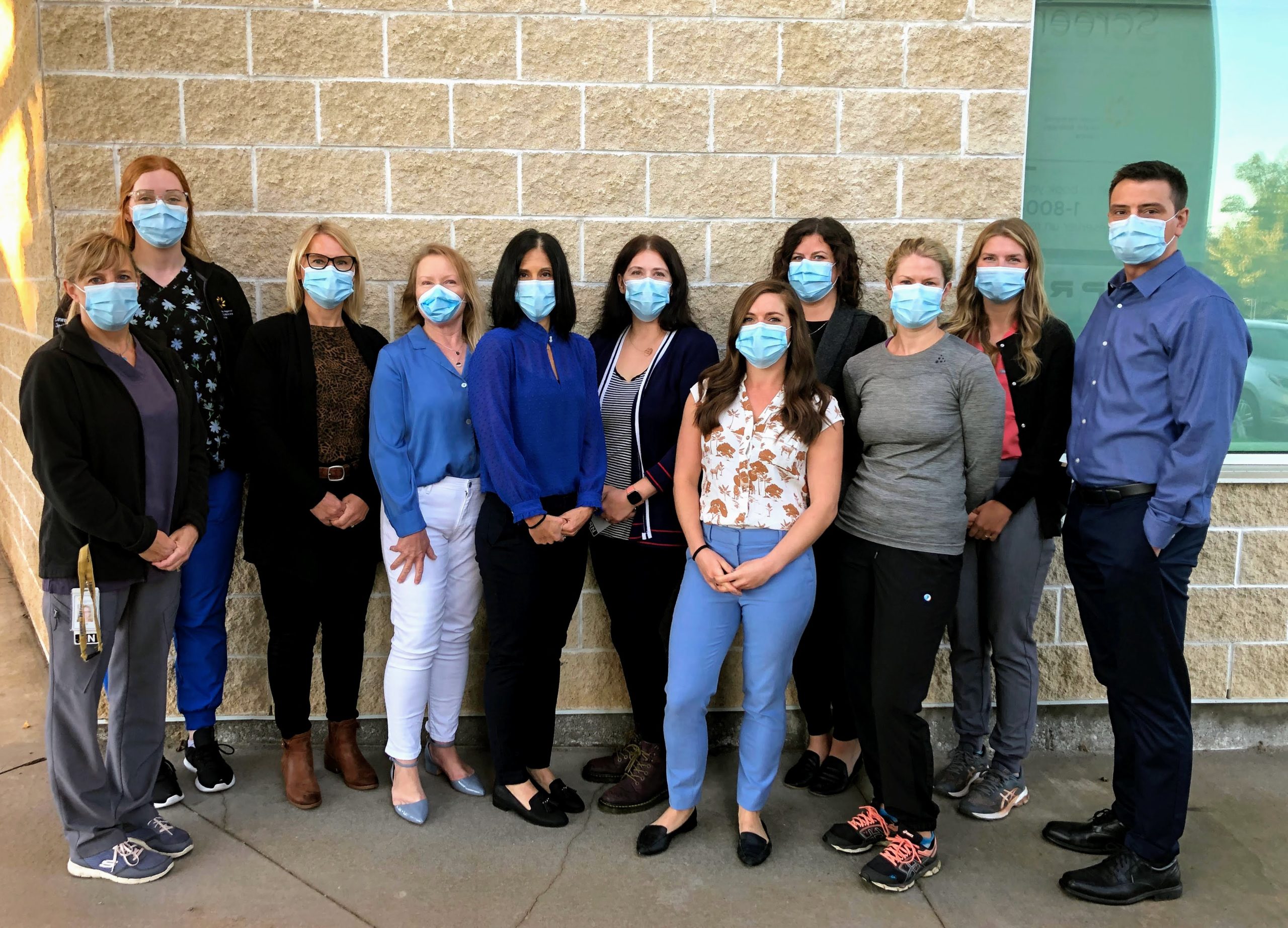
The Centre for Complex Diabetes Care (CCDC) team at Thunder Bay Regional Health Sciences Centre.
November is Diabetes Awareness Month. Diabetes is a chronic disease in which the body cannot produce insulin or cannot use insulin properly. Insulin regulates the amount of sugar in our blood. Our bodies require sugar for energy, but too much sugar in our blood can cause damage to our organs.
According to a recent report by Diabetes Canada, about 10% of Ontarians are living with diabetes. While people with diabetes make up only a small percentage of Ontario’s population, Northwestern Ontario has more people suffering from the illness than the provincial average.
There are different types of diabetes and they range in severity. The Centre for Complex Diabetes Care (CCDC) at Thunder Bay Regional Health Sciences Centre (TBRHSC) provides care to adults with diabetes in Northwestern Ontario who require intensive management. Approximately 15% of people living with diabetes fall into this category.
“Diabetes affects the population of Northwest Ontario at a higher incidence than the rest of the province,” explains Jacqueline Veneruz, manager of diabetes care and bariatric medicine programs at TBRHSC. “People living with diabetes may require different levels of support for learning how to live with and manage this chronic condition. The CCDC aims to provide this support based on the individual needs and personal goals of each patient.”
The CCDC serves the Northwest region from White River to the Manitoba border with two physical locations: in Thunder Bay, at the TBRHSC, and Sioux Lookout, at the Meno Ya Win Health Centre. To make the program more accessible
Staff at the Centre for Complex Diabetes Care to those living across the region, phone or telemedicine visits are done to provide this health care service closer to home. Patients are referred to the CCDC by a primary care provider (physician or nurse practitioner) and will be accepted if they meet the criteria for intensive management.
“Patients eligible for CCDC services may be experiencing barriers to accessing health care, like geography, language, mobility challenges, or lack of a primary care provider, have other medical conditions related to diabetes, have high blood sugar or frequently visit the hospital for reasons related to diabetes,” Veneruz says.
Since other illnesses can also lead to increased blood sugar, the CCDC provides services to adults admitted to TBRHSC. This service contributes to in-hospital services by assisting with in-hospital diabetes management, and ensuring patients have the resources and follow-up they need when discharged.
Patients referred to the CCDC will receive care from a multidisciplinary team of specialized practitioners that support them in managing diabetes during their daily lives. The CCDC team consists of a physician, nurse practitioners, registered nurses, a pharmacist, registered dietitians, a social worker, a psychologist, an occupational therapist, a physical therapist, a foot care specialist, and a wound care specialist. Access to care from the CCDC is available to patients as needed, with the ultimate goal of seeing patients graduate from the program after one year with the knowledge and skills to manage their diabetes.
NOSM, TBRHSC and TBRHRI collaborate on the appointment of a joint Associate Scientist focused on social accountability and health education systems
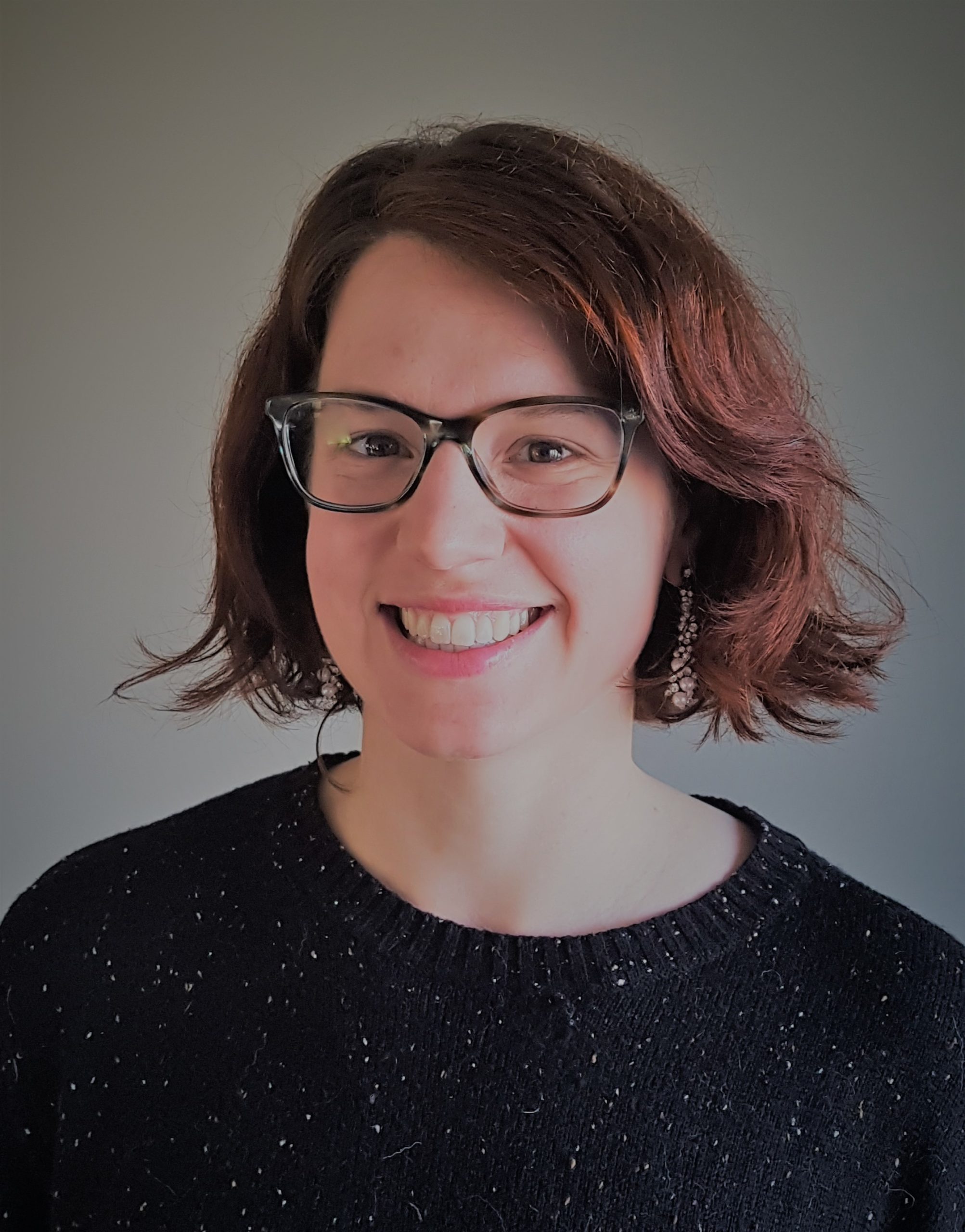
Dr. Brianne Wood, Social Accountability and Learning Health Systems Associate Scientist.
The Northern Ontario School of Medicine (NOSM), in partnership with the Thunder Bay Regional Health Research Institute (TBRHRI) and the Thunder Bay Regional Health Sciences Centre (TBRHSC), announce Dr. Brianne Wood as the inaugural joint Social Accountability and Learning Health Systems Associate Scientist for a two-year term.
Dr. Wood will focus on the development, implementation, and evaluation of learning health systems research in Northern Ontario and support the integration of educational and health systems research. She will assist in the development of data infrastructure, evaluation processes and strategies that support health system education and foster sustainable research collaborations. This new role will be situated within the research mandate of the Centre for Social Accountability at NOSM and the Academic mandate at TBRHSC.
With a PhD in Epidemiology from the University of Ottawa, Dr. Wood specializes in integrated knowledge translation and person-centered cancer screening. While completing her PhD, Dr. Wood worked as a health system epidemiologist in Northern Ontario. Her experience includes health equity impact assessments, health system performance measurement, and primary health care capacity.
As Associate Scientist, Dr. Wood will support primary health care research, quality improvement, and capacity-building in Northern Ontario and serve as the Director of NORTHH (the NOSM Research Toward Health Hub—a practice-based research network for primary health-care providers) also within NOSM’s Centre for Social Accountability. Aligned with TBRHSC’s aim to provide the highest quality of care, Dr. Wood’s work will help ensure patient and population needs guide continuous improvement initiatives, education and research.
“Brianne Wood is an established, well-respected academic leader who specializes in both health systems research and health professions education research in Northern Ontario. A key strength is her in-depth knowledge of socially accountable research best practices,” says Dr. Erin Cameron, Academic Director of the Centre for Social Accountability at NOSM. “The aim of her new role is to guide applicable, socially accountable, community relevant health research efforts that will inform research, education, and health service delivery.”
NOSM’s new Centre for Social Accountability (CFSA) is the only one of its kind in Canada. The Centre will result in improved health of Northern Ontarians while extending beyond NOSM’s commitment to being socially accountable in our education and research programs and advocating for health equity. The CFSA’s integrated approach in the areas of policy leadership and advocacy; research and innovation; education; and community impact will produce a deeper and broader understanding on a range of issues affecting population health outcomes inside and outside the medical system. In this way, the Centre’s social accountability research defines and strengthens the School, making NOSM and its partners more effective in the achievement of this critical mission.
Lisa Simmik has more experience than most with cardiac problems – and the travel away from Thunder Bay that goes along with it.
Since the age of 40, Lisa has had numerous angiograms, angioplasties, bypass surgery, and other procedures. That first event 20 years ago was dismissed initially as indigestion. Later, an angiogram found that she had a 100% blockage in her main artery to the heart with 98% and 96% blockages in two others.
“The hardest thing for me was that I was a single mother at the time,” Lisa said. “I had a 13-year-old daughter and a 10-year-old son, and you start wondering, what’s going to happen now?”
Back then, Thunder Bay didn’t have angioplasty services, and Lisa had to travel to Ottawa for care. Three months after her angioplasty in Ottawa, the blockages were back. It would become a terrifying pattern.
“The doctors in Ottawa said that I had a choice: I could become a cardiac cripple or I could live life. I decided then and there that I was 40, and I was not going to sit and watch TV for the rest of my life. I was not going to let it keep me down.”
Lisa saw firsthand how important closer-to-home care is. In 2015, she was able to stay in Thunder Bay for her angioplasty. Now, thanks to the Our Hearts at Home Cardiovascular Campaign, patients will also be able to get cardiac surgical services.
“When I heard they were going to have full cardiac surgery services here I thought, ‘Yes! That’s what patients need. That’s what families need.’ Now everything will be in one place, right here at home.”
Families are more on her mind lately. Thankfully, Lisa hasn’t had any issues since 2015. She is living a healthy life, taking care of herself, and of course always watching for the signs that all might not be well. But Lisa’s two children are now older, and she is starting to wonder how much the genetics of her condition were passed onto her children. Her daughter has already been in Emerge once with chest pains. Even though she was still in her 20s at the time, Lisa wanted to make sure it wasn’t the same type of heart condition.
“It turned out to be something completely different, but it’s the first thing that goes through your mind,” Lisa said.
Prevention is the best medicine. But closer-to-home cardiac care is a clear second. That’s why Lisa wants to bring life-saving cardiac care services like cardiovascular surgery to Thunder Bay.
You can help Lisa and all cardiac patients in Northwestern Ontario by donating to the Our Hearts at Home Cardiovascular Campaign. Even as you are reading this, doctors and Hospital staff at the Thunder Bay Regional Health Sciences Centre are planning a full cardiovascular care program including surgery right here in Thunder Bay. That means fewer people travelling for care, fewer family disruptions, and more support for patients when they need it most.