Take Our Kids to Work Day (November 3rd)

9:00 a.m. to 2:45 p.m.


Drop Off: 9:00 am Enter through the main entrance to pass through Screening and meet outside Auditorium A & B (Level 3).

Registration: 9:00 am – 9:30 am in Auditorium A & B (Level 3)

Lunch: 12:10 pm – 12:40 pm in Auditorium A & B (Level 3)

            *Students will be provided lunch*

Pick Up: 2:45 pm in Auditorium A & B (Level 3)

PLEASE NOTE:

  • Please complete all three (3) of the required forms (see below) and return to Human Resources (fischerk@tbh.net) by October 29th, 2021 at 4:00 pm:
    • Registration Form
    • Photo Consent Form
    • Proof of double vaccination (Send your vaccination receipts)
  • Please ensure your son or daughter wears appropriate footwear, as we will be going into maintenance areas.
  • If your son or daughter will be leaving the group to spend time with you, please let us know beforehand.
  • If your son or daughter would like to be grouped with a friend, please let us know on your registration form so we can accommodate the request.
  • Due to COVID-19 restrictions, this year’s event will be limited to 36 participants. If the numbers of applications exceeds 36, preference will be given to students who demonstrate an interest in a career in healthcare.
  • Masks and googles will be required at all times, except when eating. These will be supplied by the Hospital. Proof of double vaccination must be shown prior to November 3rd.
  • Our Hospital’s Internal Pandemic Response Level is currently Green (Recover and Prevent). In the event this changes and the Hospital moves to an Internal Pandemic Response Level of Orange or higher, the TOKTWD event will be canceled and rescheduled at a later date.

“Take Our Kids to Work Day illustrates the importance of education, skills development and training while giving students the opportunity to experience the world of work and the variety of career opportunities that await them.”
Cancer Program Staff shows their Halloween Spirit

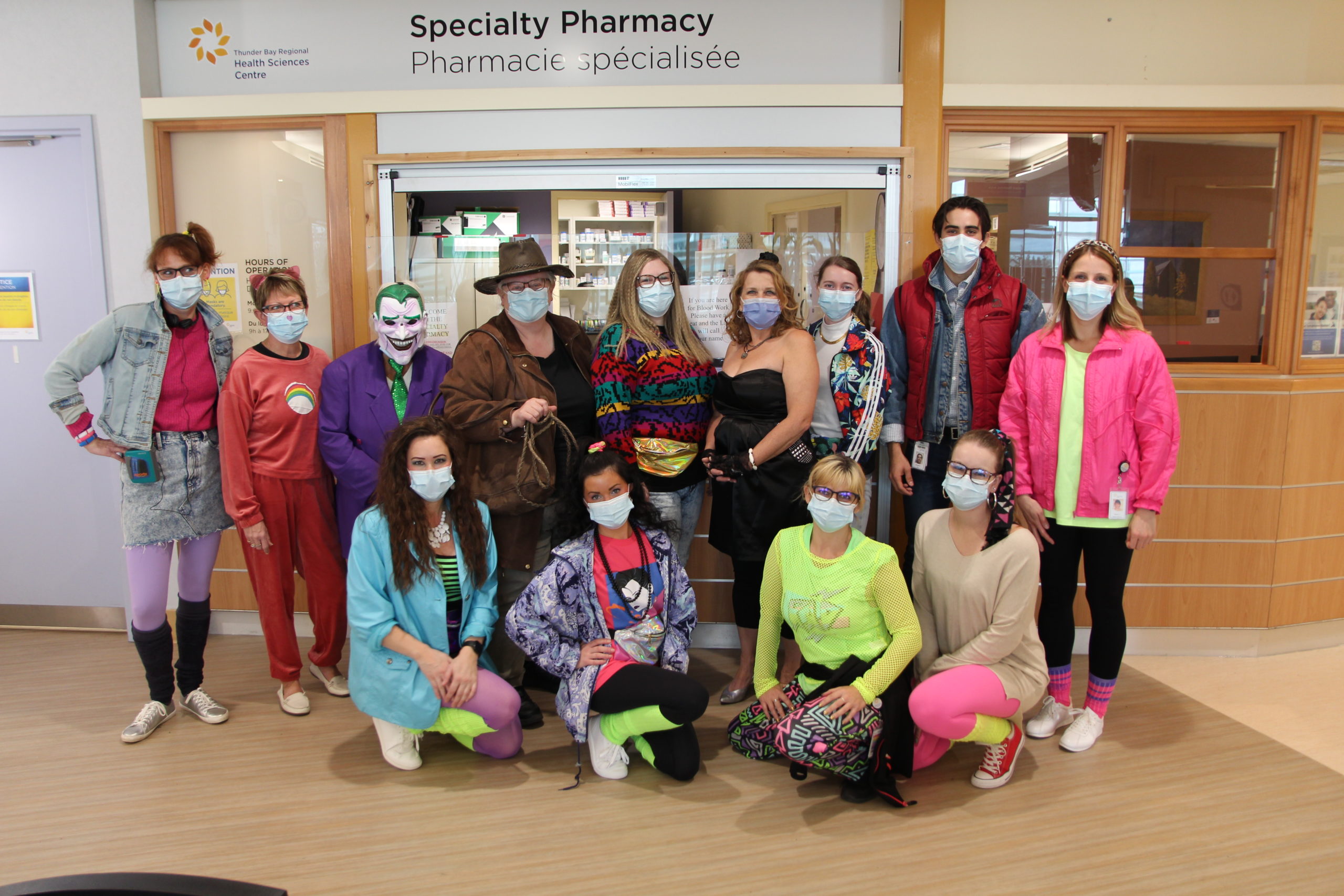
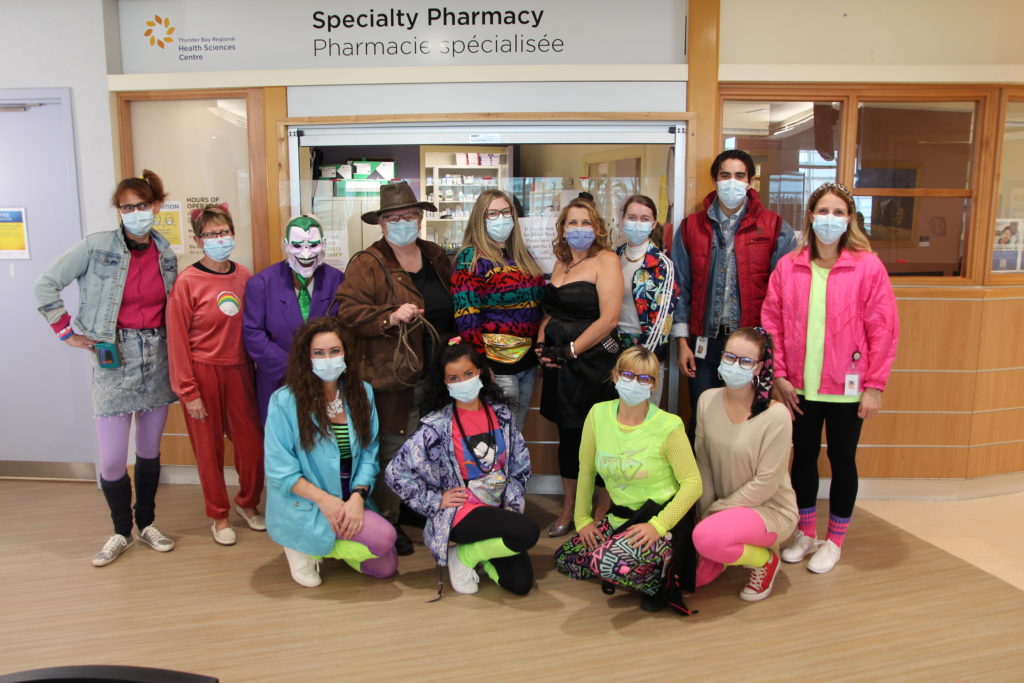
Staff in the Cancer Program at Thunder Bay Regional Health Sciences Centre got into the Halloween spirit today and showed off their brightly coloured 1980’s-themed outfits. Their playful costuming brought joy and smiles to patients and staff that they encountered throughout the day.

If you’re celebrating Halloween this year, please do so safely by taking the proper pandemic precautions. Our friends at the Thunder Bay District Health Unit have some great tips on how to stay safe. Visit TBDHU.com/halloween to learn more.

Thunder Bay 50/50 awards October Grand Prize Winner $682,892

Terri MacDonald of Rosslyn, ON won $682,892 in the October Thunder Bay 50/50.

October’s Thunder Bay 50/50 awarded a lucky winner $682,892 cash.

The Grand Prize winner of this month’s jackpot is Terri MacDonald from Rosslyn, ON along with her brother Jamie MacDonald.

Terri was definitely shocked when she received the phone call notifying her that she won the October Grand Prize.  She could not wait to share the exciting news with her brother Jamie, who she purchased the tickets with and will be splitting the winnings with.

“The community support for the Thunder Bay 50/50 has been incredible.  It has allowed us to fund so many different pieces of equipment for our Hospital which we may not have been able to do otherwise,” says Glenn Craig, President and CEO of the Thunder Bay Regional Health Sciences Foundation. “October is Breast Cancer month, so we decided to allocate half of the proceeds from the October draw to Breast Cancer care in Thunder Bay and Northwestern Ontario.”

This was the ninth month of the Thunder Bay 50/50, which is a monthly raffle support of Thunder Bay’s Hospital, with a new Grand Prize draw on the last Friday of every month. Over $5.6 Million has been won since the 50/50 launched in January. Proceeds go towards purchasing vital, highest priority equipment needs for the Thunder Bay Regional Health Sciences Centre.  Half of October’s proceeds will be going towards Breast Cancer Care.

November’s Raffle is Live

The November draw of the Thunder Bay 50/50 is now open, with four Early Bird Draws, the first one happening on Friday, November 5, 2021.

Tickets are available online only at www.thunderbay5050.ca:

•    $10 for 5 numbers
•    $20 for 30 numbers
•    $50 for 150 numbers
•    $75 for 300 numbers  (Best Value)

** Must be purchased by 11:59 p.m. ET on Thursday, November 25 to be eligible for the Grand Prize draw on Friday, November 26, 2021.

Questions about the draw can be sent to info@thunderbay5050.ca. Ticket purchasers must be present in Ontario to purchase. Lottery licence RAF1199631.


VIDEO: Glenn Craig, President & CEO of the Thunder Bay Regional Health Sciences Foundation calls the Grand Prize winner to notify them their number was selected in the draw. 

Access the video here:

•    Download link: https://drive.google.com/file/d/1-v6AttukpLPNpYgaHCMxqp-jqXC630qz/view?usp=sharing
•    YouTube link: https://youtu.be/vHGZfffXhXw

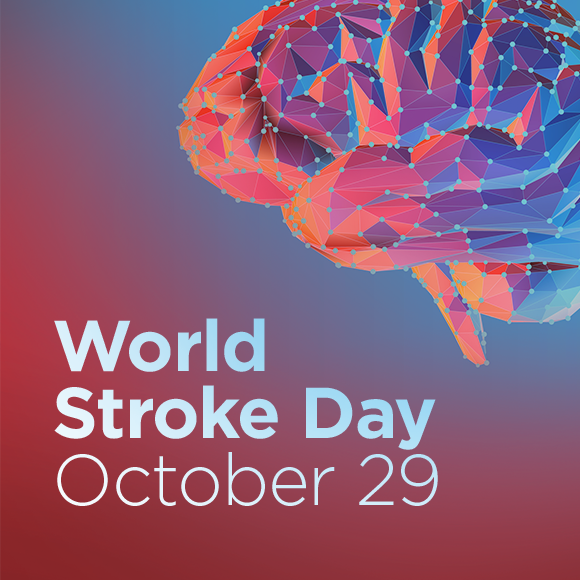
World Stroke Day (October 29th)

Each year on October 29th, the World Stroke Organization hosts World Stroke Day. The goal of World Stroke Day is to have a global platform for the stroke community to increase awareness and drive action on stroke around the world. For more information please visit https://www.world-stroke.org/world-stroke-day-campaign

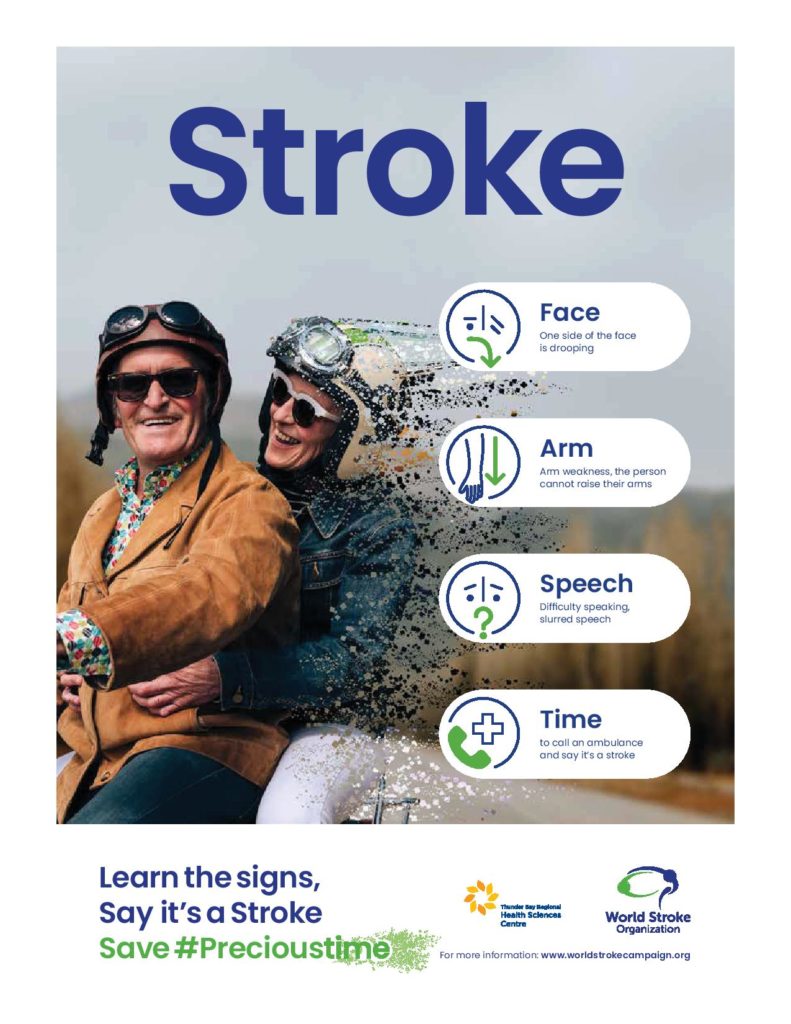
Globally, over 13 million people will have a stroke each year and around 5.5 million people will die as a result. The goal of this year’s campaign focuses on saving precious time and the need to act FAST (Face, Arm, Speech, Time) when someone is experiencing stroke symptoms, as well as how the FAST action can improve quality of life of stroke survivors.

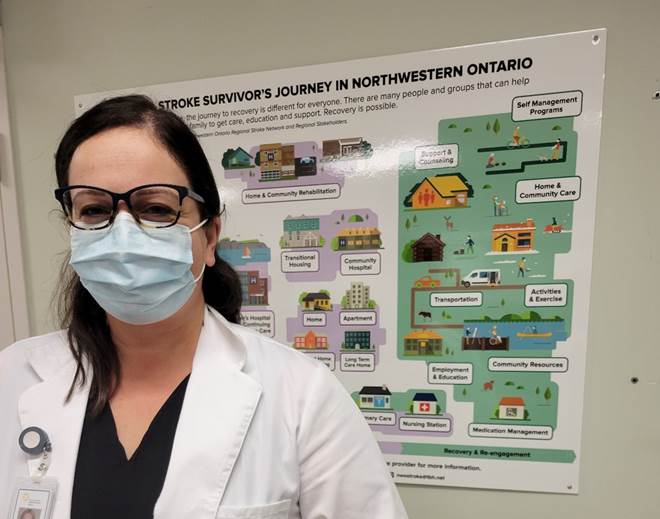
World Stroke Day Feature: Christina Johnson, Nurse Practitioner for Stroke

Christina, can you tell us about your previous work with the Stroke Program at Thunder Bay Regional Health Sciences Centre (TBRHSC)?

I was working with the Regional Stroke Program as one of the Clinical stroke nurses approximately three years ago while I was completing my Masters in Public Health and Primary Health Care Nurse Practitioner Electives. My role included staff support, education for patients, families and staff, data collection, policy and procedures and support at Code Strokes.

What are the goals for the Stroke Nurse Practitioner pilot position?

The Nurse Practitioner (NP) pilot position was created to help expand the role of the clinical stroke nurse. The clinical stroke nurse is a vital position in this program. As a NP, I have the additional ability to help with admissions, discharges and transfers. This includes writing orders and prescriptions, as well as giving report to transferring physicians to help expedite patient flow. Reducing length of stay to keep in the parameters is a top goal. Being able to help the Neurologists when they are in clinic or at a Code Stroke helps to decrease any pending issues. As this is a new role, there will be many more tasks and ideas that will be realized on the job, and I am up to the challenge to build this role to the best of my potential.

When should a physician or other medical professional get in touch with you?

I am in close contact with the Neurologists and have a great relationship with them. Other disciplines can reach out to me with stroke questions and concerns at any time. Currently, my working hours are Monday to Friday, 0730-1530.

How can you be reached?

I can be reached at my office number 684-6710 and through Switchboard.

Respiratory Therapy Week: Meet the Pulmonary Function Testing Team

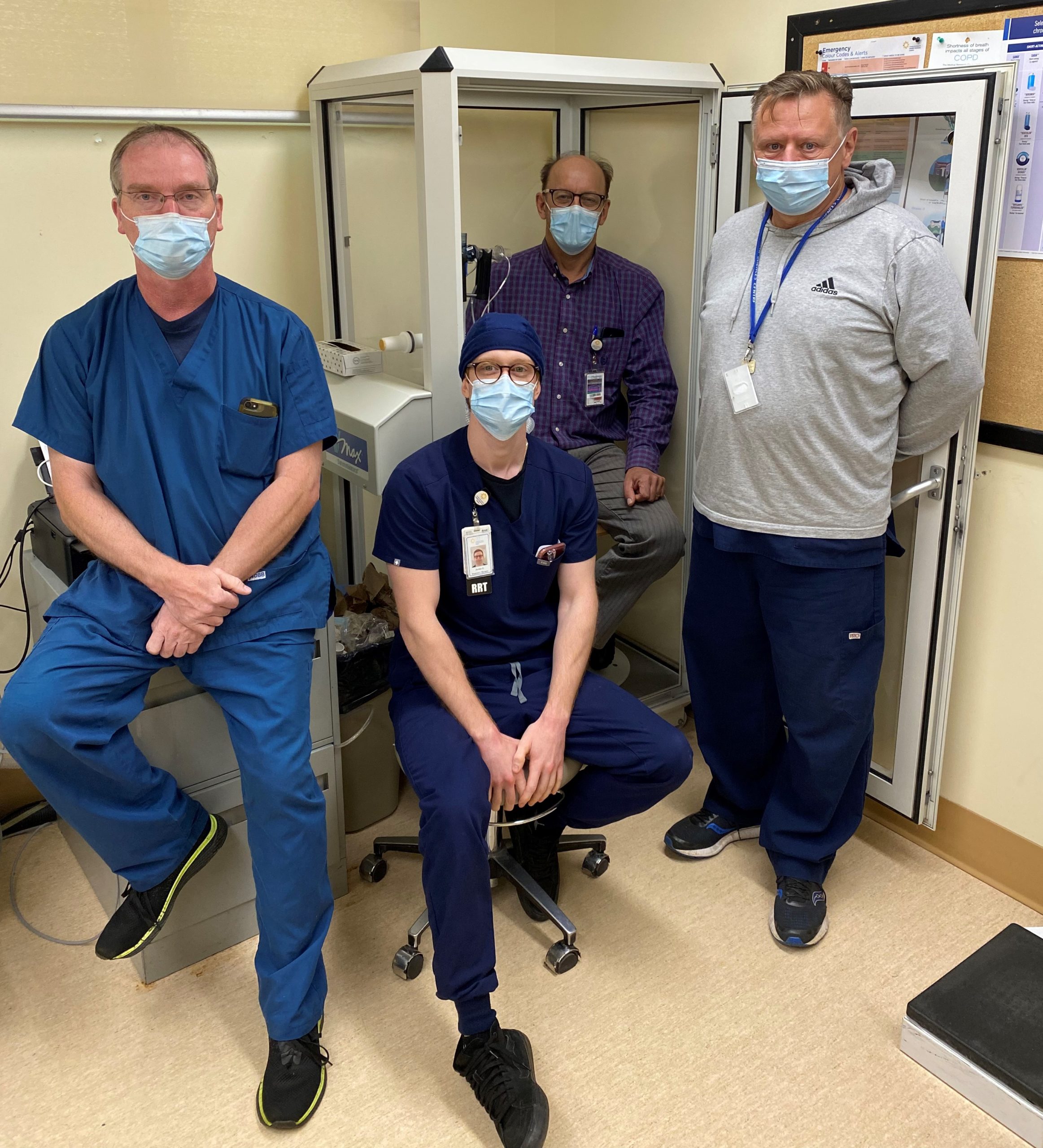
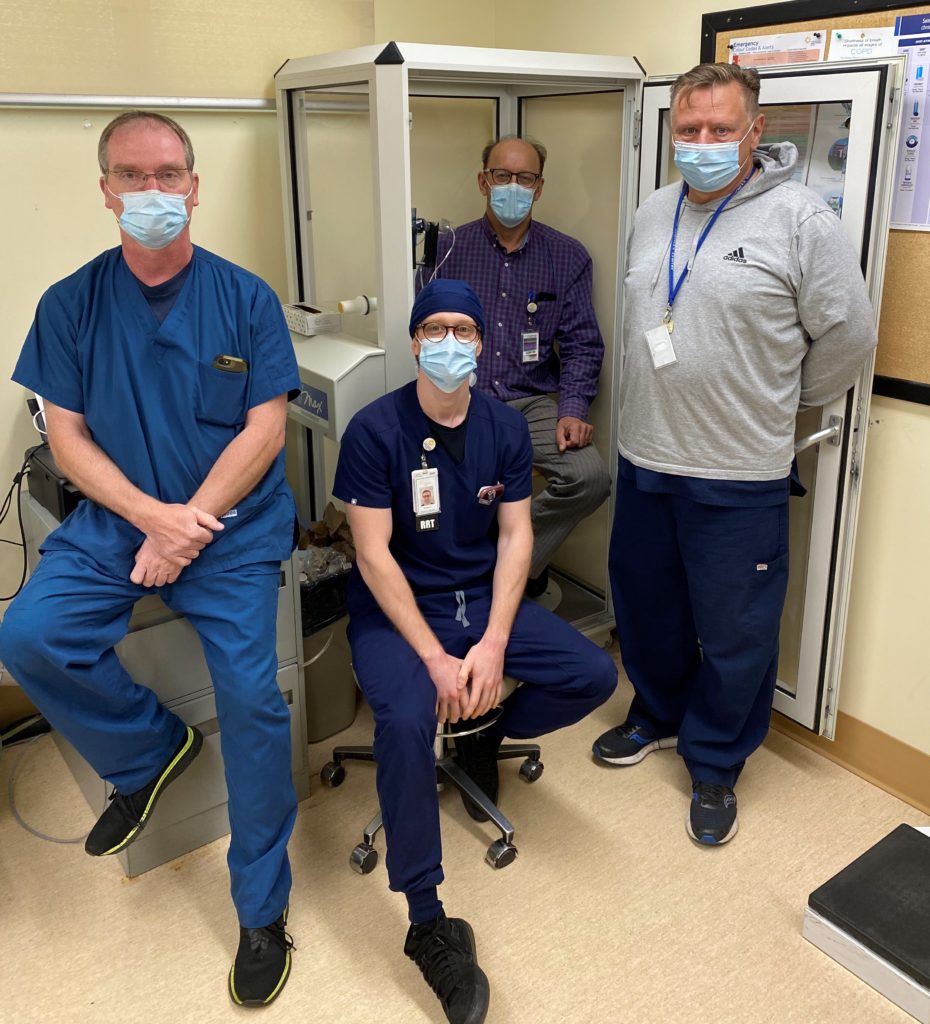
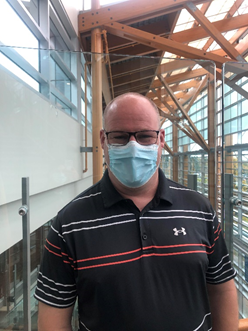
Meet the Pulmonary Function Testing team! Dave, Jordan, Jeff, Dennis, and Hayley (not pictured) play an important role in pulmonary diagnostics.

Pulmonary Function Testing occurs in a plethysmograph (an airtight “box”) which can measure many different types of breathing techniques. By doing these measurements, they help clinicians diagnose and treat pulmonary illnesses such as asthma, COPD, interstitial lung disease, and allergies.

It’s another example of how valuable Respiratory Therapists are to the health care system.

Enhancing Patient Experience through Care Partner Liaisons

Patient Safety Week (October 25-29) Feature

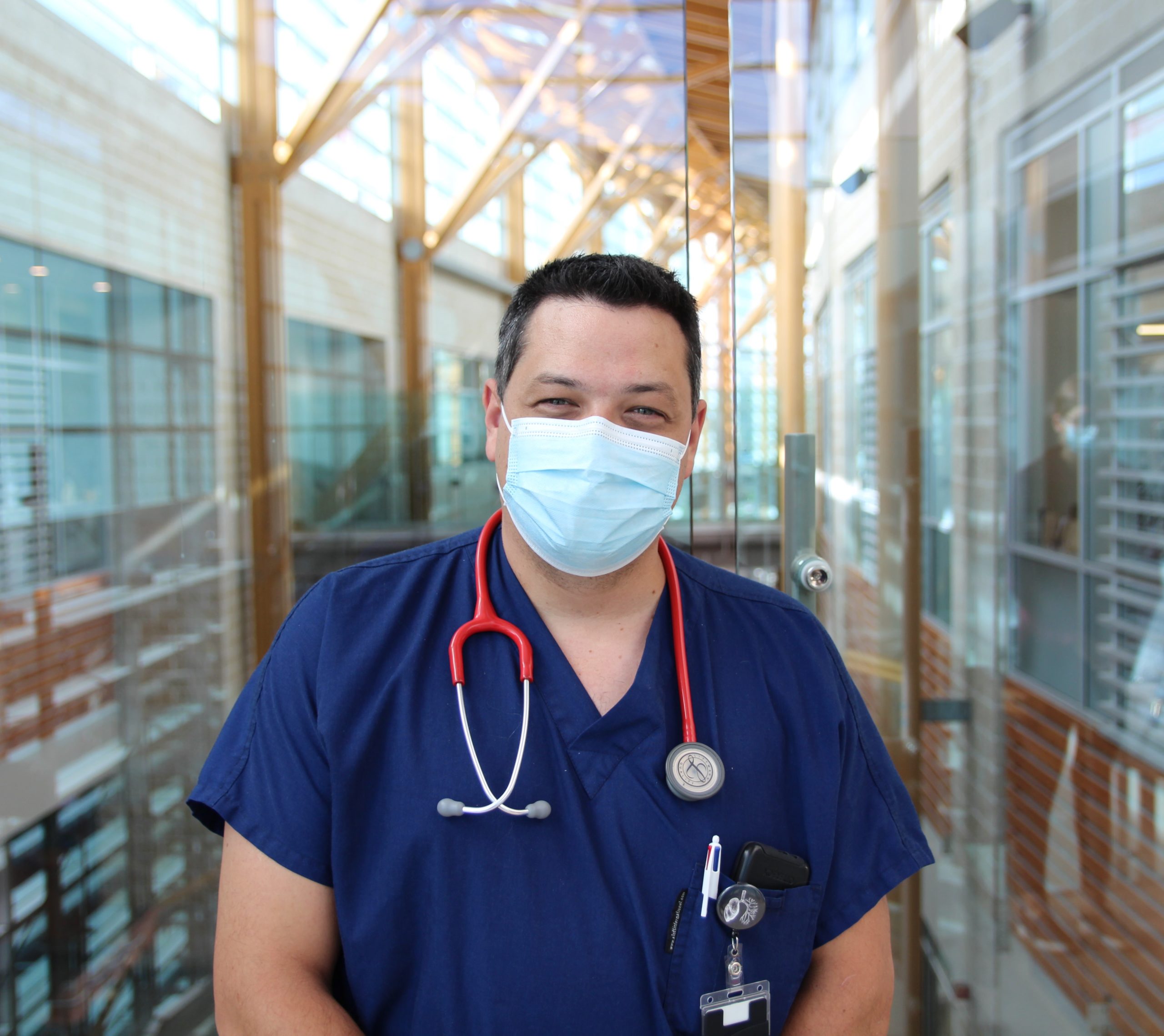
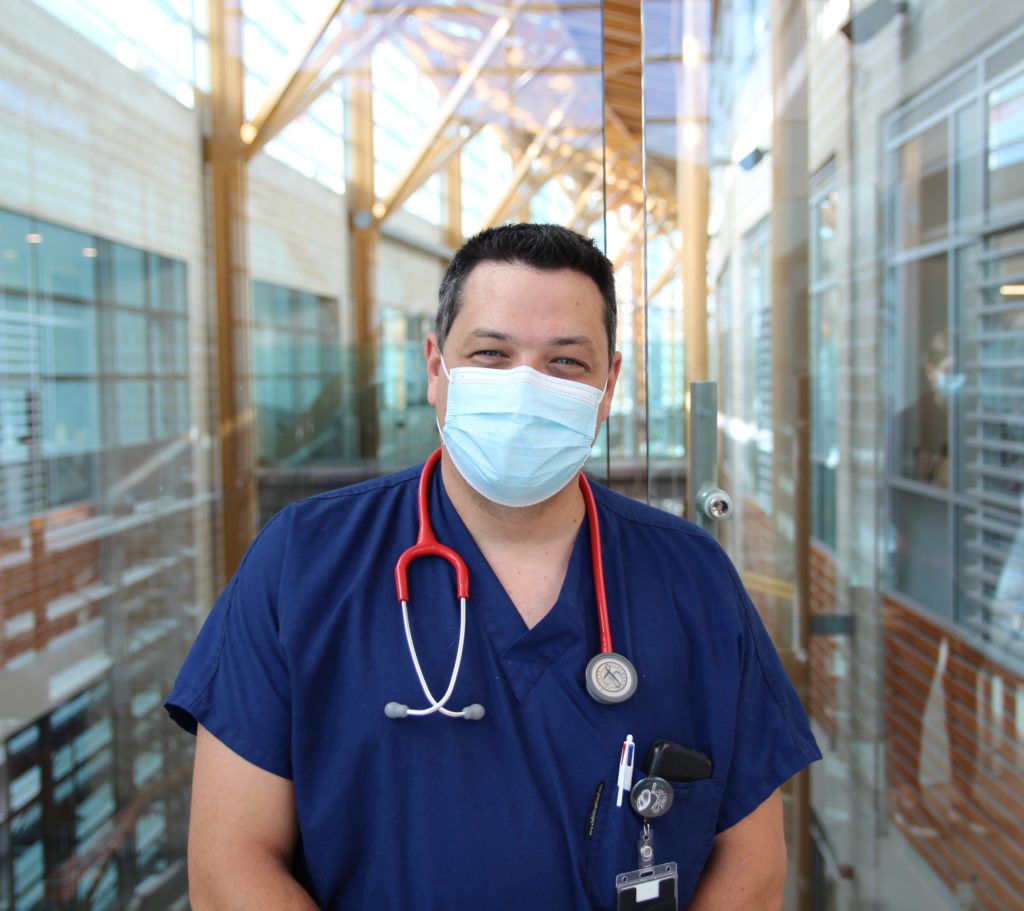
October 25-29 is Canadian Patient Safety Week. This year, the theme highlights Care Partners (CPs) and Essential Care Partners (ECPs). Ian Casey, Registered Nurse and Care Partner Liaison (CPL) at TBRHSC (pictured above) shared how our Hospital continues to be committed to Patient and Family Centred Care.

Who helps prevent falls and knows their loved one’s daily routine? Care Partners (CP) and Essential Care Partners (ECP) do. CP/ECPs are individuals identified by the patient who will provide physical, psychological and emotional support. In honour of this year’s theme for Canadian Patient Safety Week, an annual campaign that inspires extraordinary improvement in patient safety and quality, CP/ECPs are highlighted for their integral and essential part of care provision.

To highlight how Thunder Bay Regional Health Sciences Centre (TBRHSC) has enhanced the communication between the health care team, patient and CP/ECPs, Ian Casey, Registered Nurse and Care Partner Liaison (CPL) answered several FAQs associated with the CPL position at TBRHSC.

Explain the overall role of the CPL position, and why it was created?

The role of CPLs include three main components: communication, education and advocacy. CPLs act as a resource to enhance the communication between the health care team, patients, CPs, and ECPs. The role was initially established as a result of heightened pandemic visitor restrictions, however the need for CPLs has remained even as limitations have eased.

What are daily tasks of the CPL?

CPLs aim to connect with new patients and their families within 24 hours of admission. During this visit, the CPL reviews essential resources, such as Virtual Visitation, ECP/CP qualifications, infection control and safety precautions, and PPE use and responsibilities. Since the CPL is the main point of contact for CP/ECPs, they collaborate with the health care ream, unit manager, Patient Advocate, and other staff members with any patient concerns regarding care and services.

How have CPLs enhanced patient, family and staff experiences at TBRHSC?

The addition of the CPL position has helped to eliminate many issues stemming from pandemic restrictions. The CPL role has reduced anxiety and concerns of patients receiving care or services, informs available resources, and supports an optimal patient and family experience that is consistent with our Hospital’s mission while reflecting the core values of Patient & Family Centred Care.

How can staff, patients, or families connect with a CPL?

Currently, CPL are providing coverage 7 days a week through 1 full-time, and 2 part-time staff. In addition to general needs, the CPL can be contacted about patients after they have been admitted to the Hospital (in- patients) at (807) 684-7865.  For support through the Emergency Department (ED), The ED Liaison can be contacted at (807) 630-6272 to support patients as out-patients or after they are admitted, but still in the ED.


CP/ECPs are not just ‘visitors’ but provide consistent support to a loved one throughout their care journey – improving patient safety, experience of care and outcomes. Canadian Patient Safety Week runs from October 25 to October 29, 2021. For more details, resources and education, visit www.healthcareexcellence.ca and click ‘Canadian Patient Safety Week’ under the tab ‘What we do’.

Breast Cancer Awareness Month Profile: Leona DiCasmirro

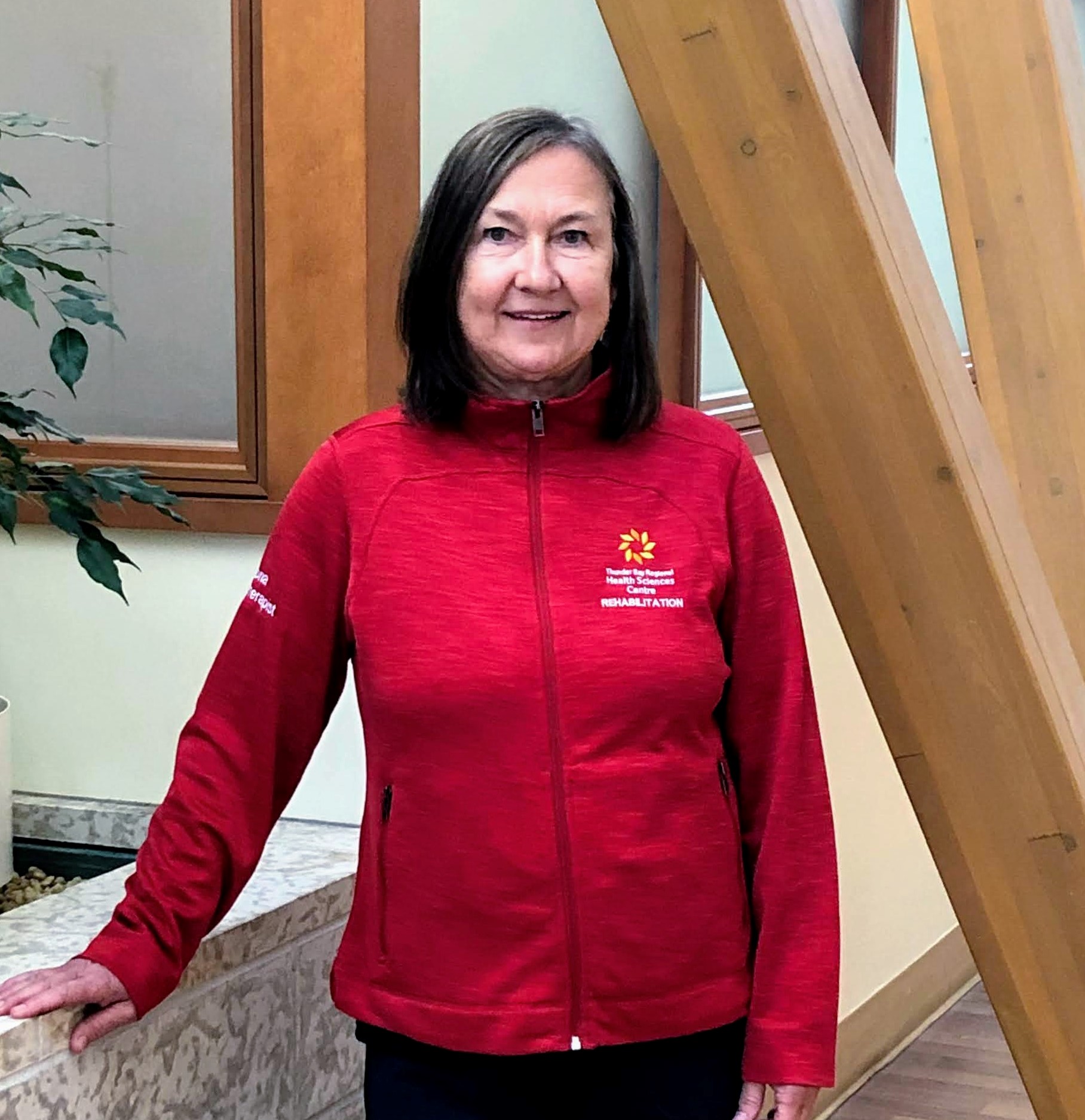
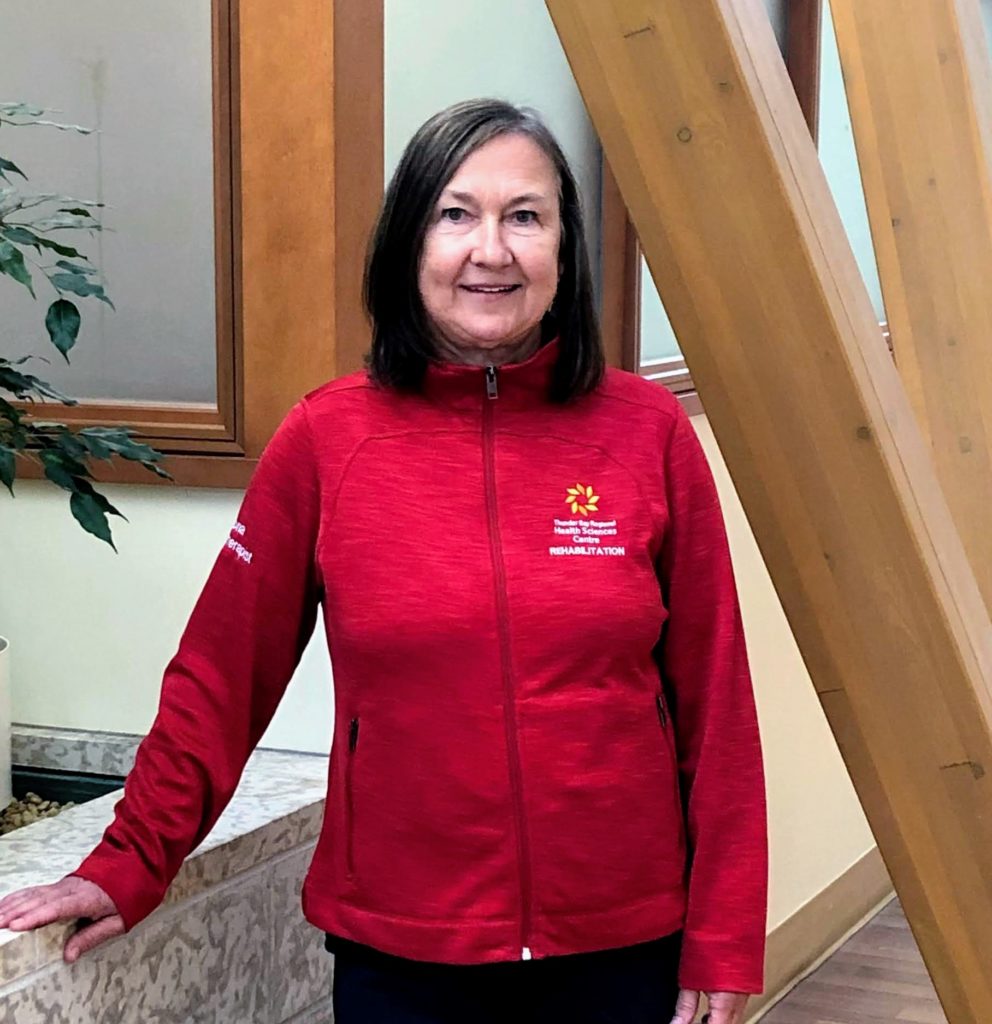
It’s Breast Cancer Awareness Month, and we’re highlighting staff at Thunder Bay Regional Health Sciences Centre who play a vital role in the breast cancer journey. From cancer screening to cancer treatment, there are hundreds of caring professionals that you will meet along the way. Today, we’re sharing a Q & A from Leona DiCasmirro, a physiotherapist at the Regional Cancer Centre.

Describe your role for us.

I am a registered physiotherapist who has completed clinical training hours and certification in manual lymph drainage and complete decongestive therapy. In my role, I work closely with breast cancer patients, their families and other healthcare professionals to help identify and assess lymphedema signs and symptoms, help prevent, control, and manage lymphedema, and help empower breast cancer patients to return to their daily activities.

What does it take to be a registered physiotherapist?

I went to school for physiotherapy and also have advanced knowledge, clinical experience and training that applies specifically to breast cancer and lymphedema.

What is unique about your role?

Lymphedema isn’t a word you hear every day, but those who are at risk or have the condition are often fearful. Patients want to be educated and supported. There is no cure for lymphedema but it can be managed with early detection, a treatment plan, and a self-management care plan.

What inspired you to work in cancer care.

My 10 years of clinical experience in palliative care physiotherapy and pain and symptom management paved the road for me to further my education, training and certification in lymphedema management.

How does your role impact patient care?

My role helps cancer patients develop a better understanding of lymphedema. Cancer patients during their journey will learn the benefits of exercise, what steps they need to take to provide self-care and self-management for lymphedema, how to manage signs and symptoms, and how to prevent complications associated with lymphedema.

Respiratory Therapy Week: Meet Steve

Steve is a Registered Respiratory Therapist (RRT) who has worked in acute and critical care here at Thunder Bay Regional Health Sciences Centre (TBRHSC) since 2012. Steve shares a passion for education and best practice approaches through all the literature he reviews. Steve is an excellent resource to all of his colleagues and nurses at TBRHSC. He enjoys working in all areas across all patient populations.

Thank you, Steve, and all the RTs out there for your commitment to patient care.

Respiratory Therapy Week: Meet Alana and Rose

Happy Respiratory Therapy Week!

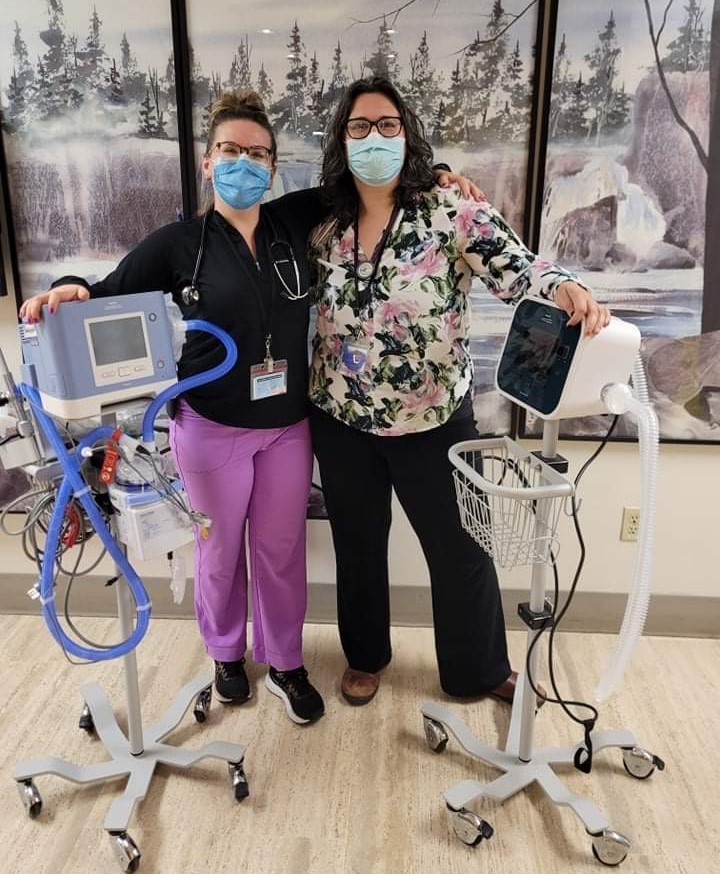
Today, we’re putting the spotlight on Alana and Rose, two Registered Respiratory Therapists (RRTs) who work at St. Joseph’s Care Group.

Alana is in charge of all the inpatient’s respiratory responsibilities, and Rose focuses on outpatient services, including the outpatient ventilator program and pulmonary rehab. Thank you, Alana and Rose, for all of your vital contributions to patient care!

>