During the month of October, our Hospital participated in the Sit Less, Move More Challenge hosted by Thunder Bay District Health Unit. The Sit Less, Move More Challenge is a workplace challenge that encourages city and district residents to sit less and move more while at work. Reducing and breaking up sitting times is beneficial to health. Our staff were encouraged to track their movement throughout the month.
As an organization, we moved a total of 5782 minutes. Thank you to all of our staff who participated in the challenge!
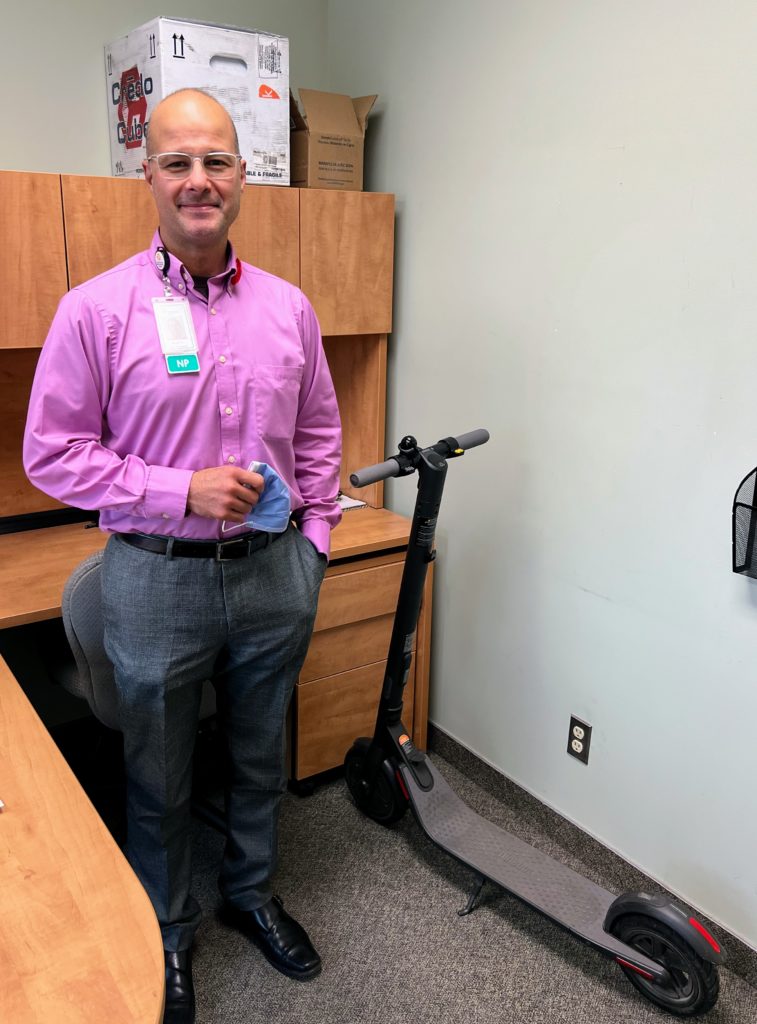
Congratulations to Rajesh who was the top mover on our Hospital’s team. He moved a total of 4210 minutes throughout the month of October. Rajesh stays on the move with lots of walking during his shift, choosing to take the stairs and riding his e-bike to work. For being the top mover at our Hospital during the challenge, Rajesh has been awarded a $100 gift card to Fresh Air.
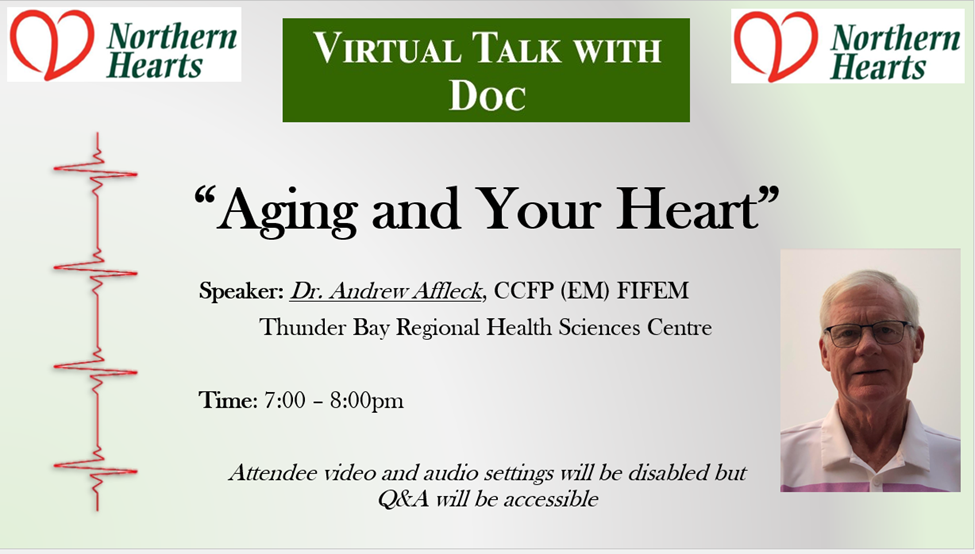
Although you cannot see it, your heart normally shows the effects of aging over time. Dr. Andrew Affleck will review how the heart and arteries normally age, how it can affect your lifestyle and what you can do to keep your heart healthy.
Dr. Andrew Affleck, CCFP(EM) FIFEM was an emergency physician in Thunder Bay for 35 years and is passionate about cardiac care. He is a volunteer board member of Northern Hearts.
Dr. Affleck’s presentation is part of Northern Heart’s “Virtual Talk with Doc” programming that focuses on providing education and heart-healthy programming to help reduce heart disease in Northwestern Ontario. The online webinar will utilize the Zoom platform and be held on November 17th, from 7:00-8:00pm. There are no fees to attend but registration is required.
If you require further information regarding the webinar, please contact Kayla Waddington, Program Coordinator, Northern Hearts at northernhearts@tbaytel.net
Join mental health and resiliency strategist, Shannon Gander, for upcoming virtual workshops that aim to empower employees and workplace leaders to achieve better mental well-being for themselves and others at work.
Register today and share this invitation with your coworkers!
All workshops are FREE!
Workshops will be hosted by Thunder Bay District Health Unit and offered over Zoom.
Workshops will be recorded and a link to the recording will be shared with registered participants afterwards.
Elevate Your Mental Health – The 3 Be’s for Mental Well-Being After Challenging Times Looking to elevate your mental health? Want to better understand actions that help pandemic recovery and protect your mental health and the well-being of others? In this session, we will unpack the 3 Be’s for exploring a toolkit of strategies that contribute to mental wellness both individually, in work teams and in our families without adding more to the “to-do” list. This workshop is perfect for those that want to increase their awareness, prevent burnout and learn deliberate actions for flourishing and taking care
Choose from:
Thursday, November 24, 2022 from 10:30 am to noon; or
Tuesday, November 29, 2022 from 7:00 – 8:30 pm
Psychological Health & Safety in the Workplace – The Key Factors for Resilient, Engaged & Thriving Teams
Do you worry about burnout and the impact that the pandemic has had on your staff? Are you kept up at night trying to figure out how to be an even better leader? Do you feel too busy to research how to support a resilient and engaged team? Organizations that incorporate psychological health and safety into their workplace culture are shown to be more productive, have higher levels of employee satisfaction, engagement and retention. Whether you are a formal or informal leader, if you are interested in exploring the psychosocial factors that help staff to be well at work, this session is for you. You’ll get to reflect on what’s most important now for leading others while finding your own stability, preventing your own burnout and bolstering your resilience
Shared on behalf of Adam Vinet, Vice President, Patient Experience & Chief Nursing Executive and Regional Vice President, Cancer Care Services, North West Region and Peter Myllymaa, Vice President, Operations, Clinical and Support Services, and Chief Financial Officer
Planning is well underway for the implementation of the UKG Dimensions Staff Scheduling System.
A critical early step for this project is the collection of the embedded internal ID number on your Hospital ID badge. This number will be used to link your ID badge to your employee scheduling and payroll profile. Your internal ID will also be used for future systems such as Meditech Expanse.
Starting the week of November 7, we will be mobilizing a team to scan all Employee Badge IDs (directly from staff). The team is working with your manager to set up times to visit your unit and will also be setting up pop-up booths during the entire month of November.
Over 3000 ID badges will need to be scanned, so please help the team when they visit your unit. The scan will only take a minute.
If you are not on shift when the team stops by, don’t worry, they will be visiting units over several shifts to capture as many staff as possible.
Thank you so much for your cooperation. We are excited for you to see and experience UKG Dimensions Staff Scheduling when it goes live in 2023.
In the meantime, if you have any questions about the Internal ID collection, please contact:
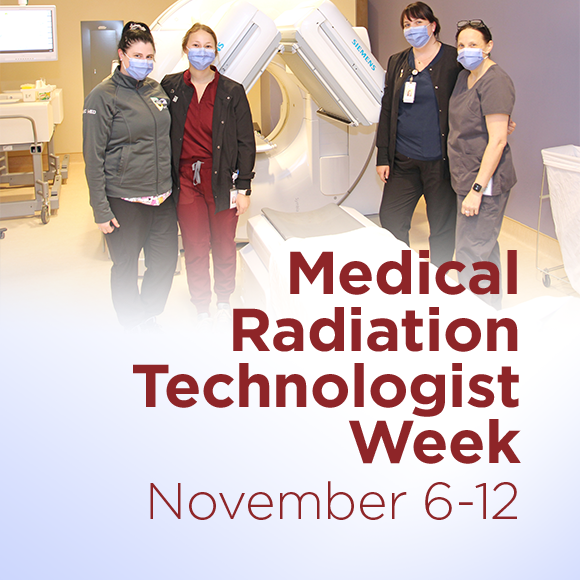
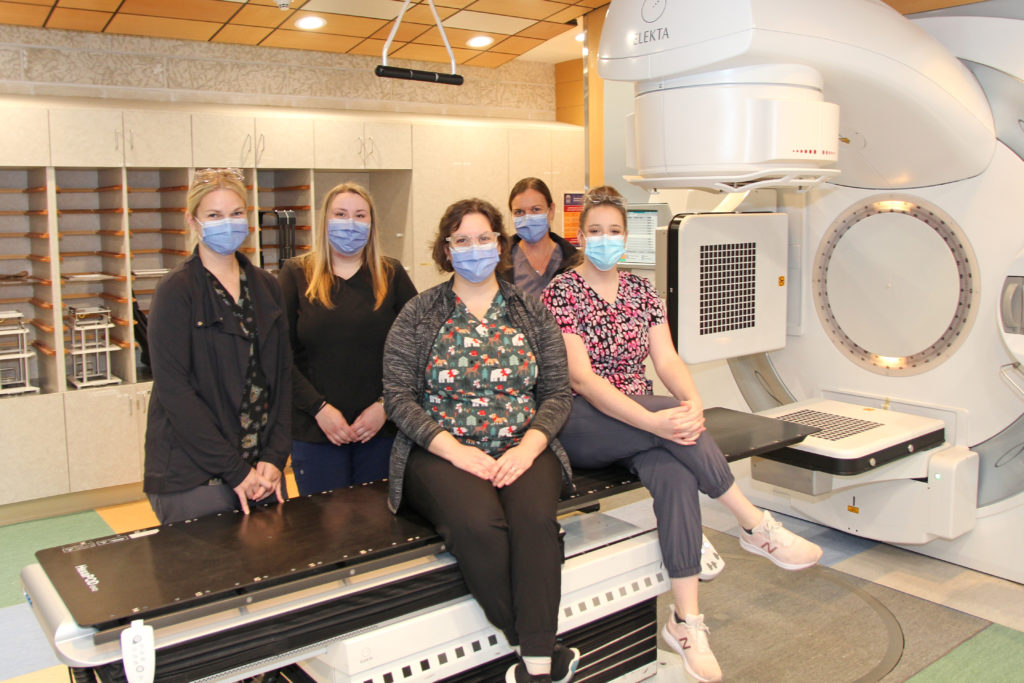
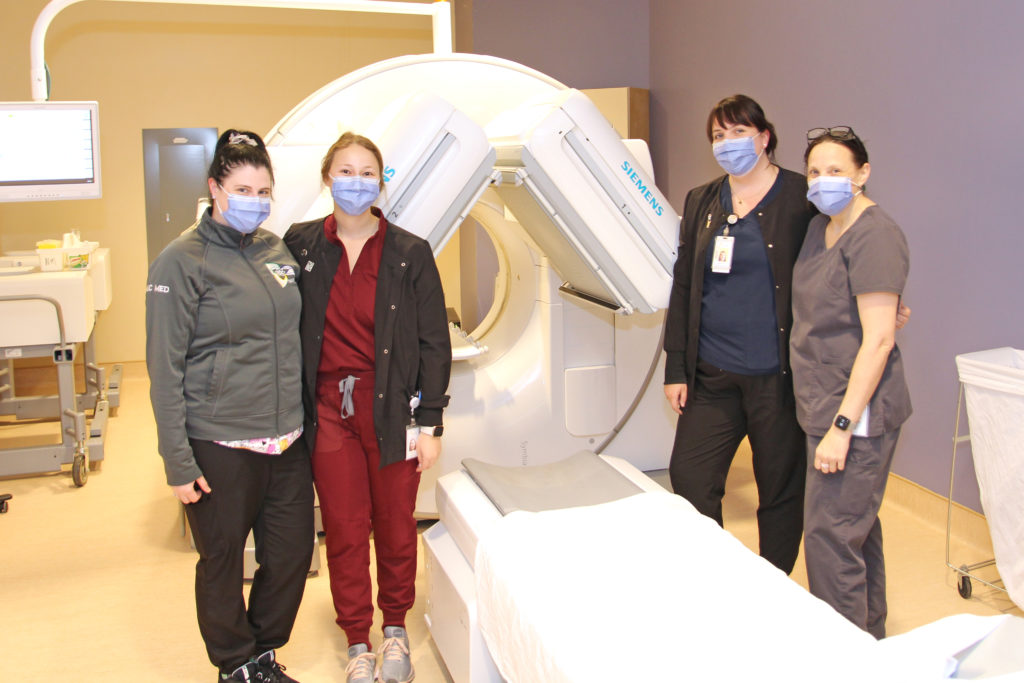
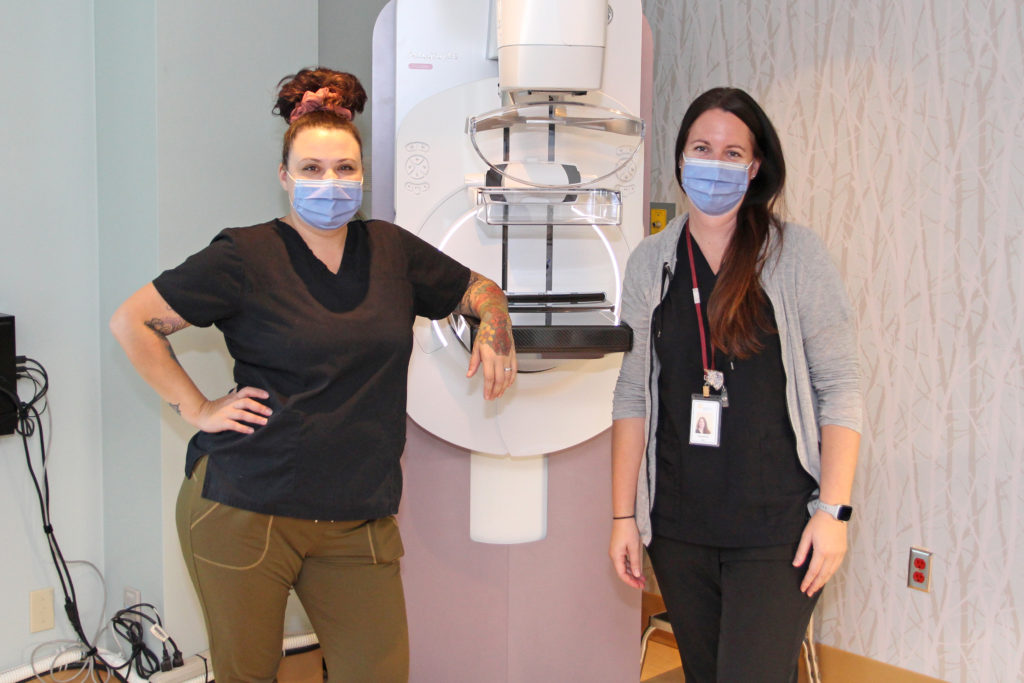
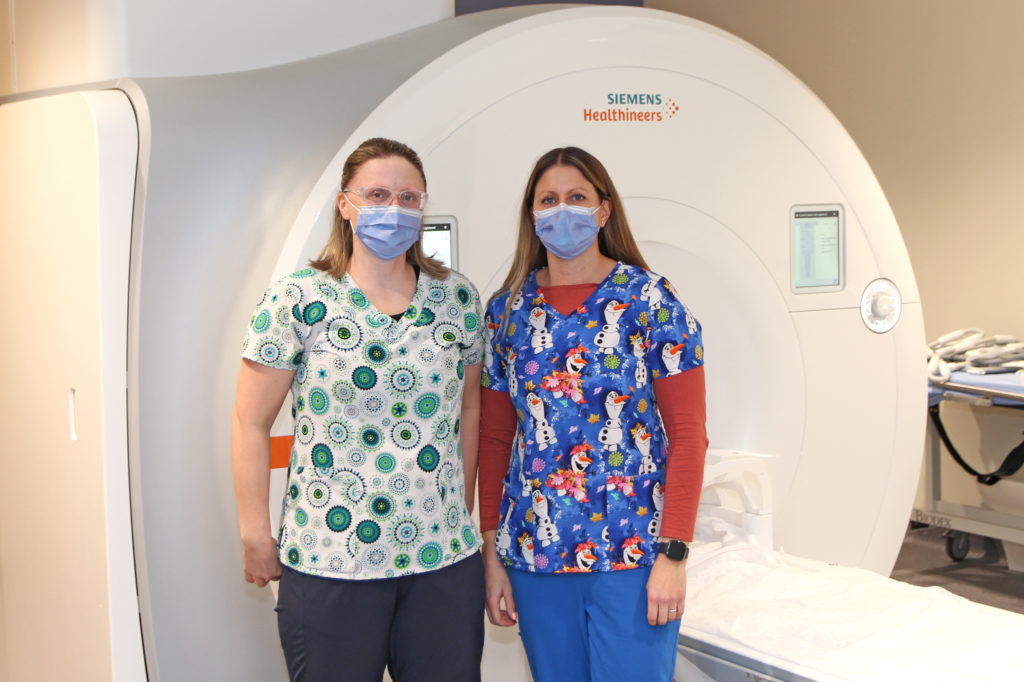
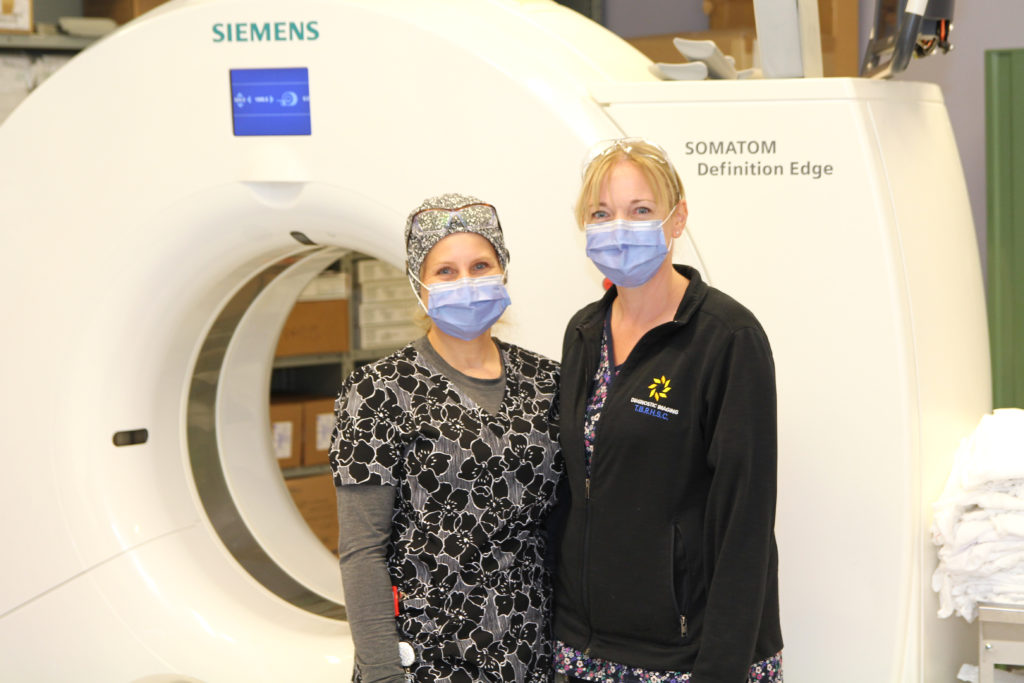
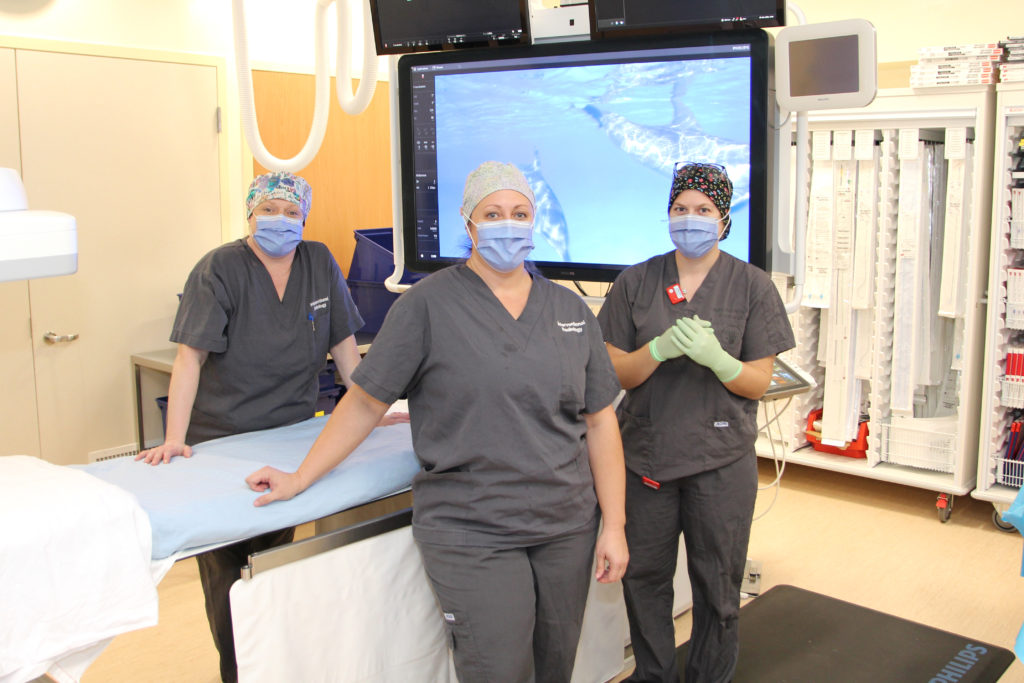
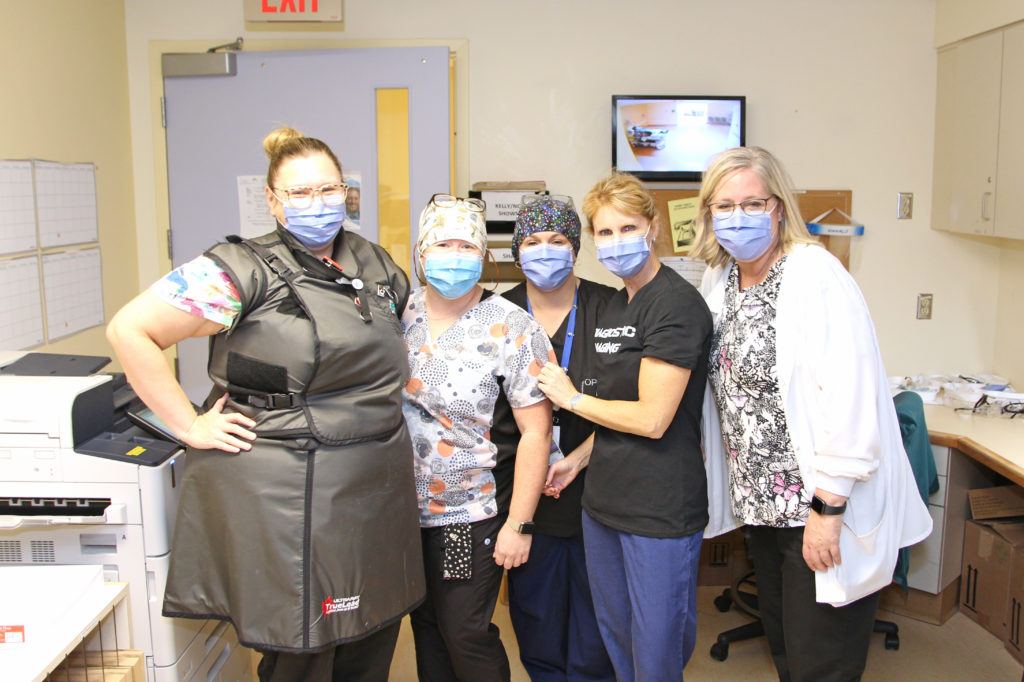
This week, we’re celebrating Medical Radiation Technologists (MRT) and Diagnostic Medical Sonographers (DMS) who play an integral role in patient care.
Medical radiation technologists (MRT) and diagnostic medical sonographers (DMS) perform diagnostic imaging examinations and administer radiation therapy treatments. So, if you have ever had an x-ray, CT scan, MRI, nuclear medicine procedure, ultrasound or radiation therapy, you have been in contact with an MRT or DMS. They can be found in emergency departments, operating rooms, mobile breast screening vans as well as diagnostic imaging departments and clinics.
MRTs and DMSs provide service to both the public and private sectors within the Canadian health care system. Their key role is in diagnosis and treatment, and they serve as advisors to radiologists, radiation oncologists and other healthcare providers. Because they deal with patients on the front lines, they also serve as patient advocates and educators. Some of them are also health care researchers, technical and therapy specialists, and interdisciplinary consultants. MRTs and DMSs play as part of the healthcare team − an essential link delivering care through technology.
In hospitals and cancer clinics, radiation therapists are key members of the cancer treatment team. More than half of all cancer patients receive radiation treatments, which may be given in conjunction with other forms of treatment.
Radiation therapists use focused beams of radiation to destroy tumours, while minimizing harm to healthy tissues. Alternatively, treatment may involve placing radioactive sources directly into the patient’s body.
To destroy cancerous tissue, radiation therapy involves exposure to higher doses of radiation than are required for diagnostic imaging. It is therefore vital that the radiation be precisely targeted and the dose to the patient be carefully monitored.
The radiation therapist plays another important role: counselling patients on possible side effects from treatment and providing advice on how to minimize them.
Nuclear medicine technologists carry out diagnostic imaging and treatment procedures. They obtain the images that help pinpoint the nature of a disease and how it is affecting the body. Their work also enables doctors to monitor a patient’s response to treatment.
Nuclear medicine involves the use of radiopharmaceuticals to evaluate the function of specific organs in the treatment and management of disease.
Some of the main uses of nuclear medicine are to:
Evaluate coronary disease
Study how the brain, heart, lungs, kidneys and other organs are functioning
Determine the location of tumours
Monitor the progression of cancer and the results of cancer treatments
Diagnose hormonal disorders
Mammography to detect breast cancer in its earliest stages.
A magnetic resonance technologist produces diagnostic images using equipment that generates radio waves and a strong magnetic field. Extensive knowledge of physics, anatomy, pathology and physiology allows MRI technologists to obtain images, monitor and care for patients during scans that:
Detect subtle abnormalities within the brain and spinal column
Examine tissue of the joints muscles, ligaments and tendons
Provide detailed studies of major organs including the breasts, liver, spleen, kidneys, the urinary system and the male and female sexual organs
View the workings of the heart and vascular system
Study body chemistry and functions
Computerized tomography (CT scans), i.e., detailed cross-sectional images of the body.
Technologists also work in interventional radiology, assisting with procedures that use imaging to guide catheters, balloons, stents and other tools through the body to diagnose and treat disease without open surgery.
At a physician’s request, the radiological technologist produces images of a body part or system using equipment that emits x-rays. The radiologist — a doctor who specializes in interpreting x-rays — studies the images and dispenses advice that helps the treating physician make a diagnosis and prescribe an appropriate course of treatment for the patient.
Technologists are responsible for the quality of the x-ray images and for providing the correct view of specific body structures or systems, whether on film, a computer monitor, or a television screen.
Some procedures require that barium and/or a dye called contrast medium be given to patients to highlight organs and structures that would not otherwise be seen.
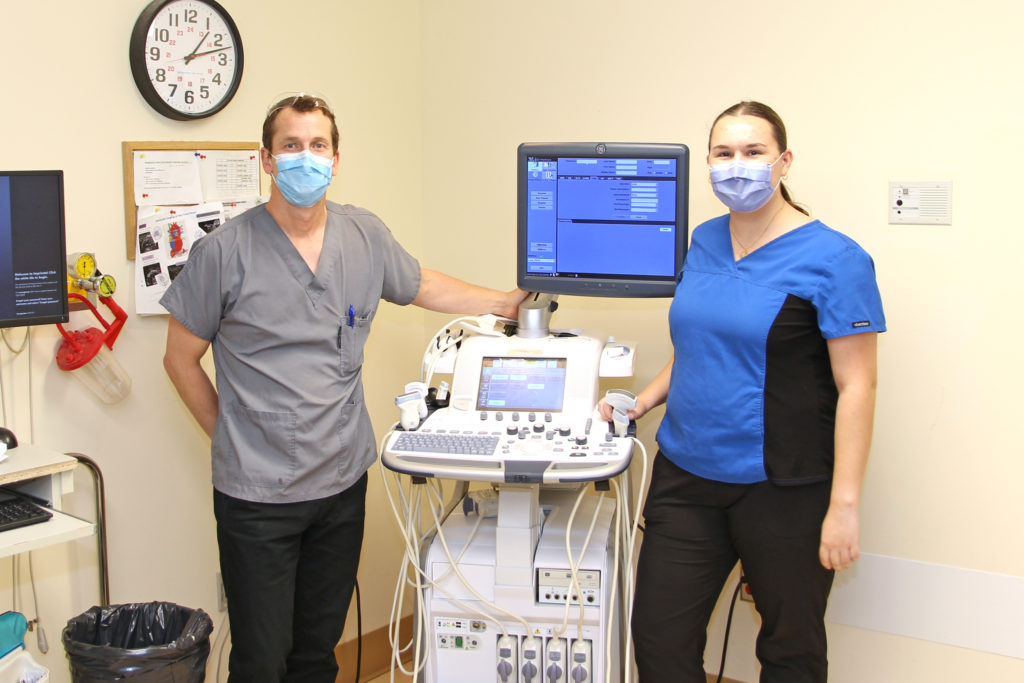
Diagnostic ultrasound is a medical investigation which uses high frequency sound waves (ultrasound) to assess organs, tissues, and blood flow inside the body and produce images. Sound waves develop ultrasound images of what’s going on inside the body. Ultrasound exams provide key diagnostic information to doctors about a patient’s medical condition and assist in their treatment and care. Diagnostic medical ultrasounds are ordered by doctors, performed by sonographers and interpreted and reported by a radiologist or other medical specialist with expertise in the field of ultrasound. Sonographers are medical professionals, specially trained to perform these tests. Hospitals employ all categories of sonographer; Generalist Sonographers often work in general diagnostic imaging departments; Cardiac and Vascular Sonographers may work in the cardiology or vascular units of tertiary care facilities.
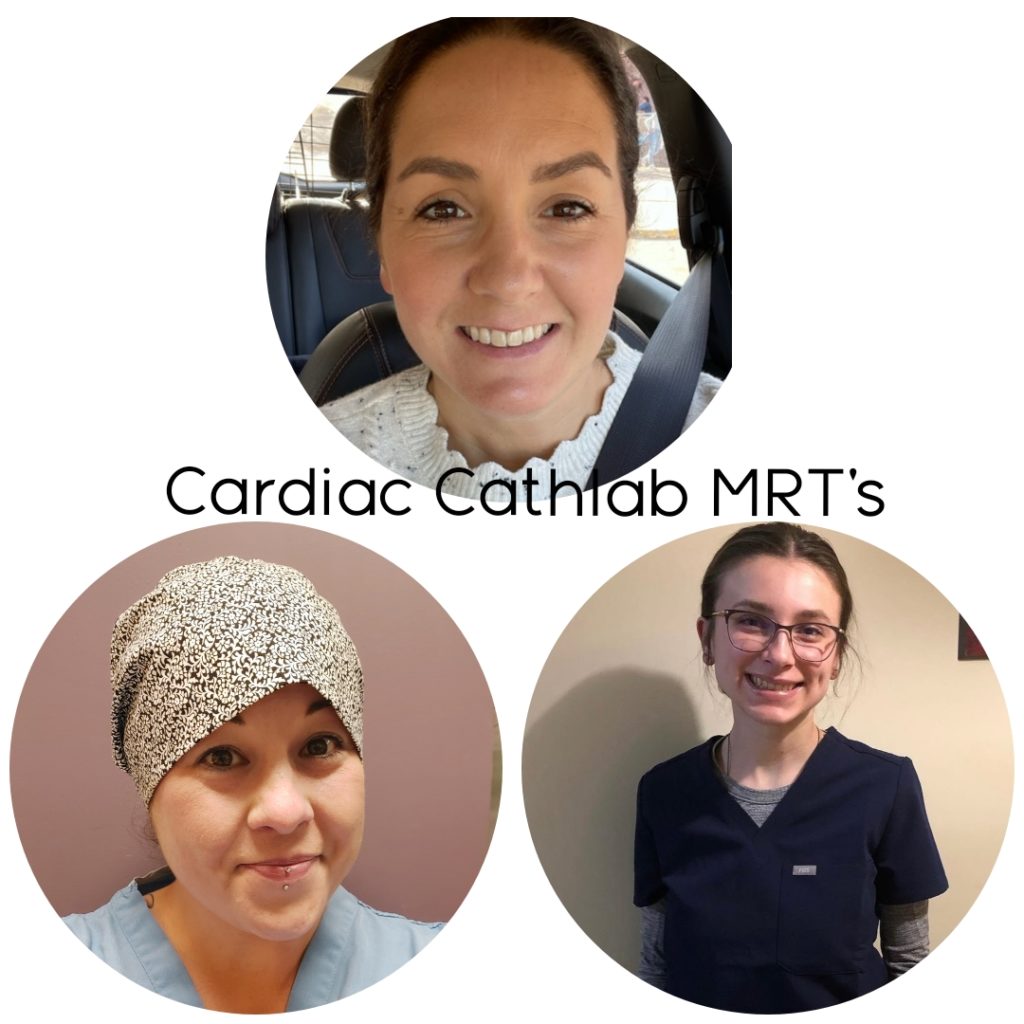
As an MRT in the cardiac catheterization lab you are primarily responsible for the safe operation of fluoroscopy, fostering ALARA (as low as reasonably achievable- in regards to radiation exposure) practices during procedures, assisting procedures in a sterile environment, and monitoring of patient hemodynamics during procedures. MRTs support coronary intervention by operating ancillary equipment for intravascular imaging, and coronary physiological testing. MRTs may also support research projects and participate in continuous quality improvement initiatives to enhance clinical care and operations.
For more information on these professions, you can visit the following websites:
In 2016, Ontario passed the first legislation of its kind in Canada declaring the first week of November as Treaties Recognition Week. Treaties Recognition Week honours the importance of treaties and helps Ontarians understand the significance of treaty rights, treaty relationships and their relevance today. By learning more about our collective treaty rights and obligations, we can create greater understanding and nurture relationships between Indigenous and non-Indigenous peoples.
Treaties Recognition Week represents one of many steps on Ontario’s journey of healing and reconciliation with Indigenous peoples. The week was launched in response to the Truth and Reconciliation Commission’s Calls to Action to increase treaty awareness and provide students and the public with an important opportunity to learn why treaties matter.
Learn more abut the role treaties play in all our lives and relationships with each other. You can also watch videos of Indigenous Elders and Knowledge Keepers highlighting the importance of treaties, treaty relationships and treaty rights in Ontario.
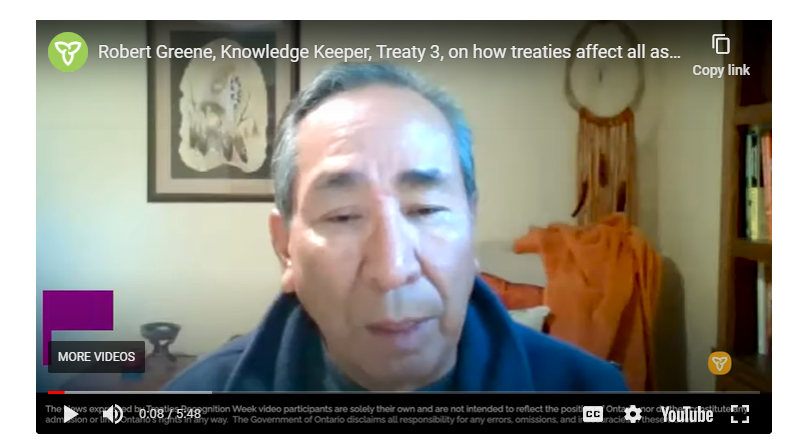
One video features Robert Greene, Knowledge Keeper, Treaty 3 (area spanning from west of Thunder Bay to north of Sioux Lookout, along the US border, to the province of Manitoba.)
Robert Charles Greene was born and raised on the reserve of Iskatewizaagegan No. 39 Independent First Nation (Shoal Lake Band No. 39) and is an Anishinaabe of the Ojibway Nation. He was sent away at 11 years old to attend the Cecilia Jeffrey Indian Residential School and graduated with honours from the Beaver Brae Secondary School in Kenora, Ontario.
He is a certified counselor and complex trauma therapist currently working as a Cultural Advisor, providing cultural and spiritual supports to Indigenous men who have mental health challenges. He has also worked as an Elder, Indigenous Spiritual Care Giver, independent consultant, and mental health counselor and therapist.
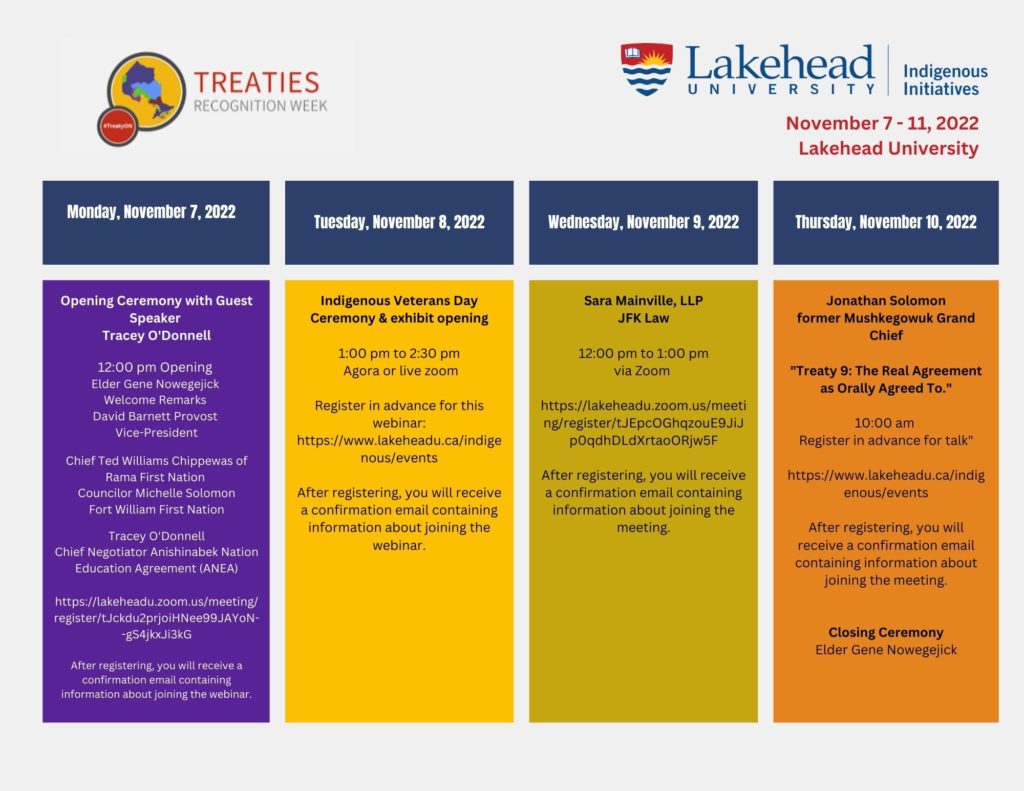
Also, Lakehead University’s Office of Indigenous Initiatives has a number of online events in recognition of Treaty Week (see calendar below) Visit their website to learn more and to register for events.
November is Diabetes Awareness Month around the world. One in three Canadians have diabetes, with many cases undiagnosed. This month is an opportunity to raise awareness about the disease and to increase general knowledge about diabetes.
November 14, is recognized as World Diabetes Day. This year the theme is Access to Care: Education to Protect Tomorrow. The Centre for Complex Diabetes Care (CCDC) wants to help you learn the facts about diabetes to better you understand this disease, its management and our local education programs.
The CCDC will be hosting an information booth on November 14 in the TBRHSC main lobby across from Seasons Gift Shop. Drop by to get information on diabetes, resources to enhance your knowledge, and enter a draw.