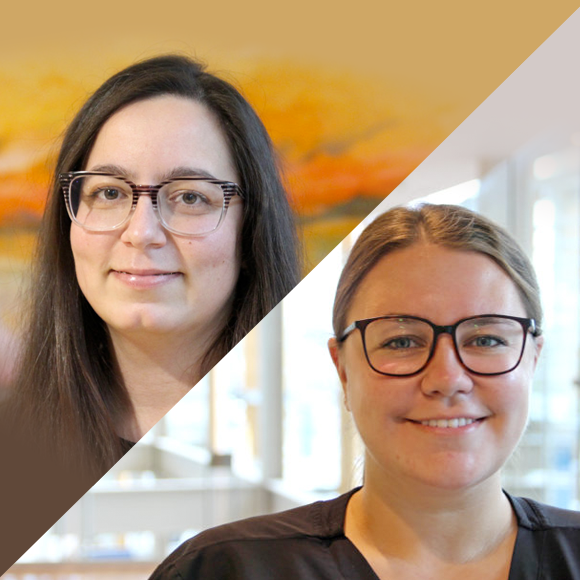
NP Week Spotlight: Lidija Dosen and Jillian Runke

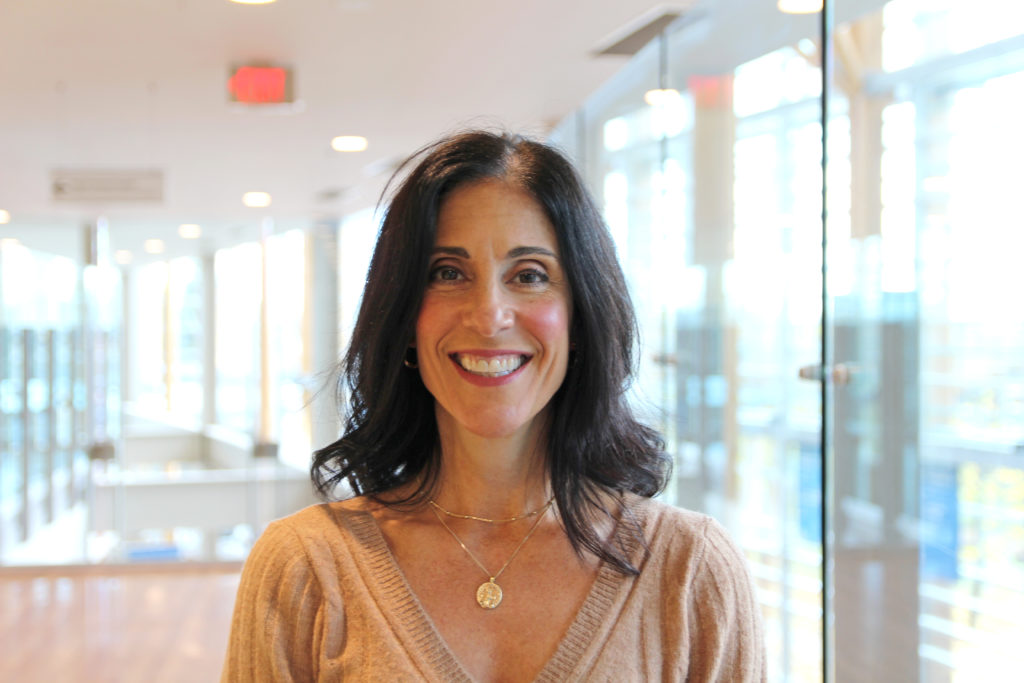
Nurse Practitioner Spotlight – Lidija Dosen
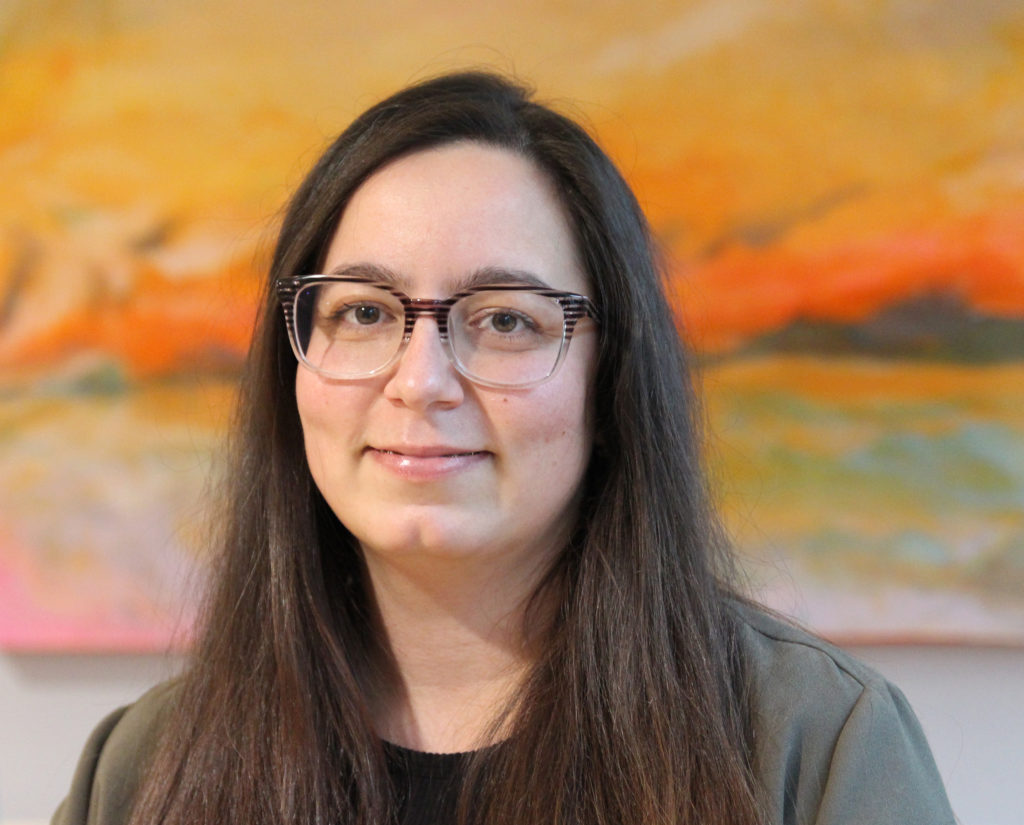
Why did you decide to become a Nurse Practitioner?

Wanting to take on a bigger role in patient care, I decided to become a Nurse Practitioner. In this role, I have more autonomy which enables me to provide an increased level of care.

Tell us about your role.

I’ve worked in the hemodialysis unit at TBRHSC for about three years now. I round on patients, provide advanced assessments, diagnose, and carry through treatment plans in conjunction with patient goals. As an NP here, I am fortunate enough to work with a wonderful, all-encompassing team that is able to provide excellent holistic care. Hemodialysis is a workplace like no other. Our patients come to us three days a week, so I have the privilege to get to know them well and it’s important to me to build good, trusting relationships with them. I think knowing our patients more, gives us an opportunity to adjust treatments to their needs which, hopefully, provides better outcomes and satisfaction of care.

What is the most challenging part of your profession?

Hemodialysis can be complex in and of itself. When adding on multiple chronic diseases with occasional acute issues, the learning curve can be steep. Luckily, I have a wonderful team that I’ve been able to learn a lot from and management that supports my ongoing learning.

What is the most rewarding aspect of your profession?

I feel fulfilled in my original goal of taking on a bigger role in patient care. I also love that I can always come to work and learn something new. Whether it’s learning a new skill or learning more about my patient, I find my work very rewarding. 

Advice for those considering a career as a Nurse Practitioner

The path won’t be easy. The learning never ends. The work is hard…but it is worth it!


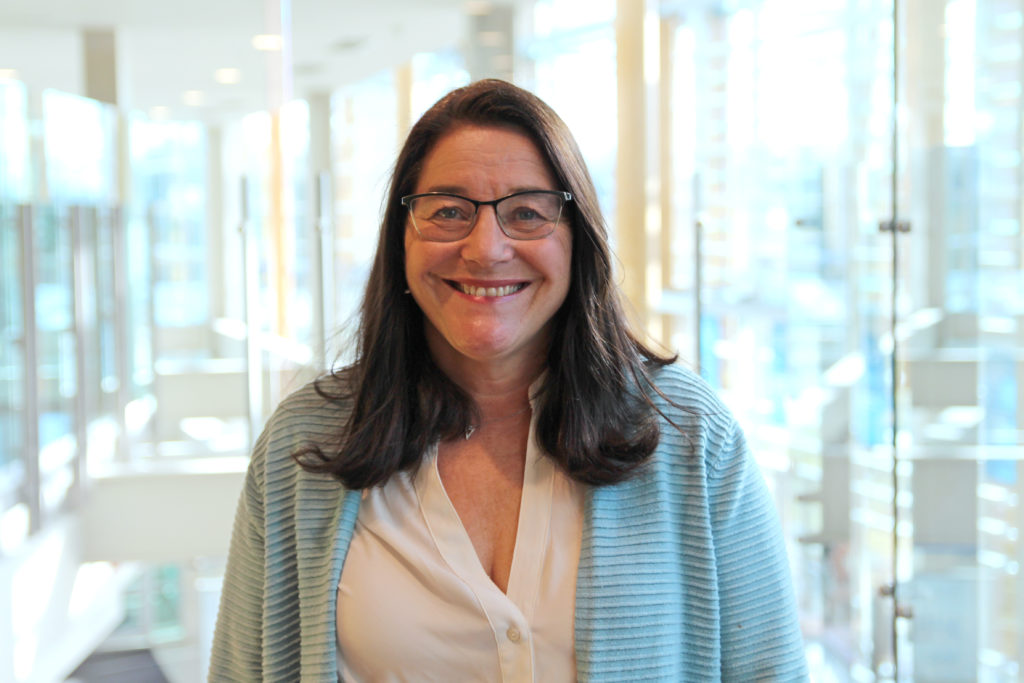
Nurse Practitioner Spotlight – Jillian Runke
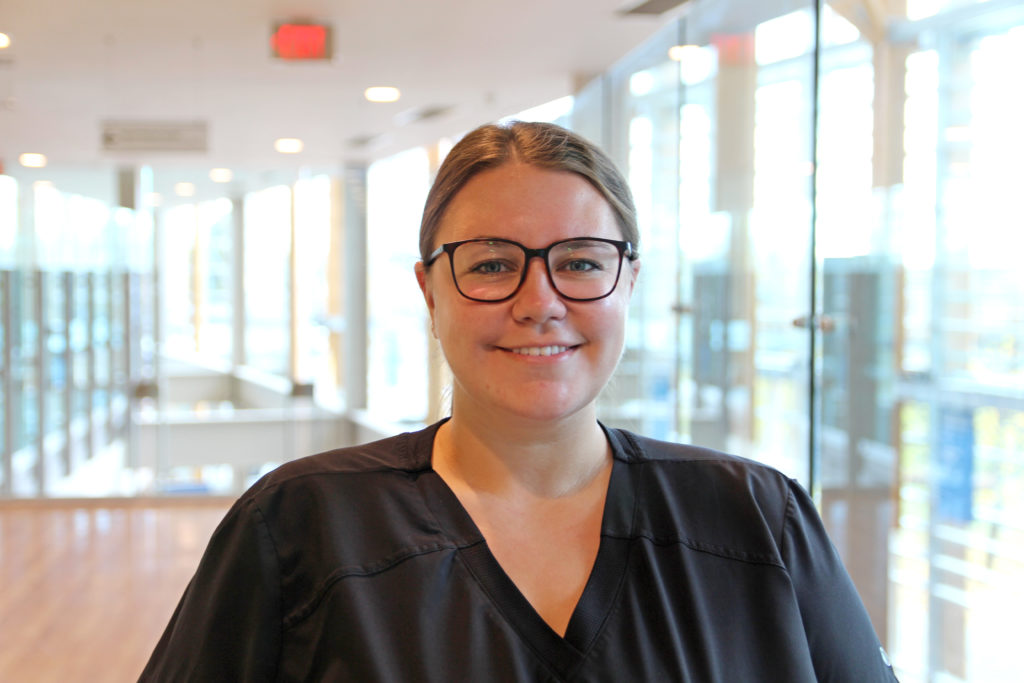
Education /Training

Bachelor of Science in Nursing, Master of Nursing Degree & Primary Health Care Nurse Practitioner. Pallium Palliative Core Course as an additional course pertinent to my role. 

Why did you decide to become a Nurse Practitioner?

Once I gained knowledge and experience working in the Emergency Department as an RN, the idea of being autonomous to make decisions for your patients independently was the most appealing factor into deciding to become an NP. 

Tell us about your role with the Nurse Led Outreach Team.

We are an outreach team of NPs that are located throughout the community within the long term care, retirement living and assisted living buildings. Our main goal is to assess and treat patients living in these settings, in their homes, at an attempt to reduce the number of emergency department visits. 

What is the most challenging part of your profession?

Day to day challenges with assessment and treatment include the complexity of patients due to chronic illnesses and comorbidities. Although, there are many other factors that affect treatment such as mobility, transportation and finances, which we also must take into account. 

What is the most rewarding aspect of your profession?

The most rewarding aspect is when we are truly able to help someone, in any type of way, whether it prevents an ED visit or if it simply makes their day to day life easier being able to be assessed and treated in their home.

Advice for those considering a career as a Nurse Practitioner?

Take the leap – it’s never too late for more education, the profession is growing and there are endless opportunities! 
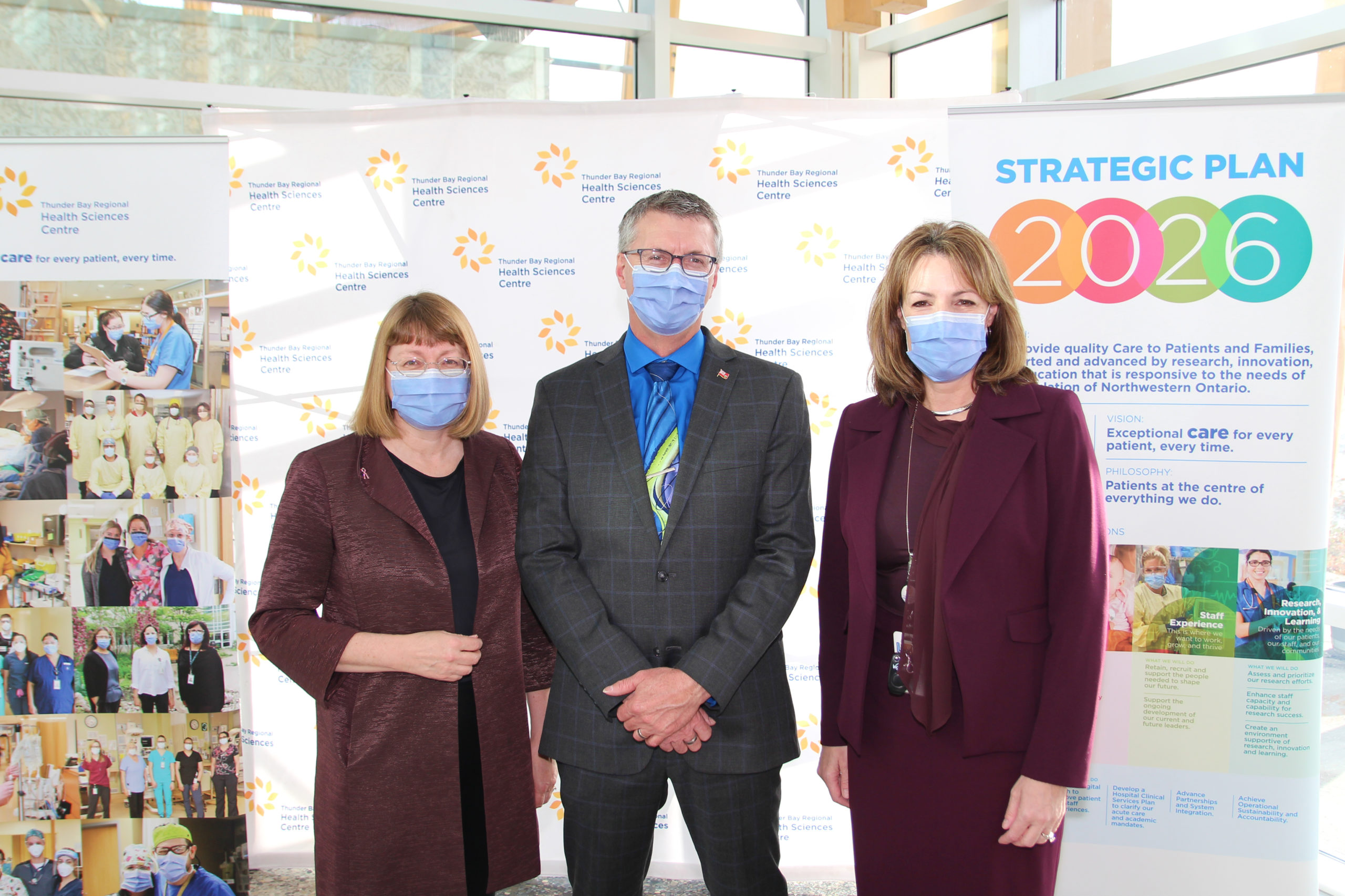
Cancer Care in Northwestern Ontario Getting a Huge Boost

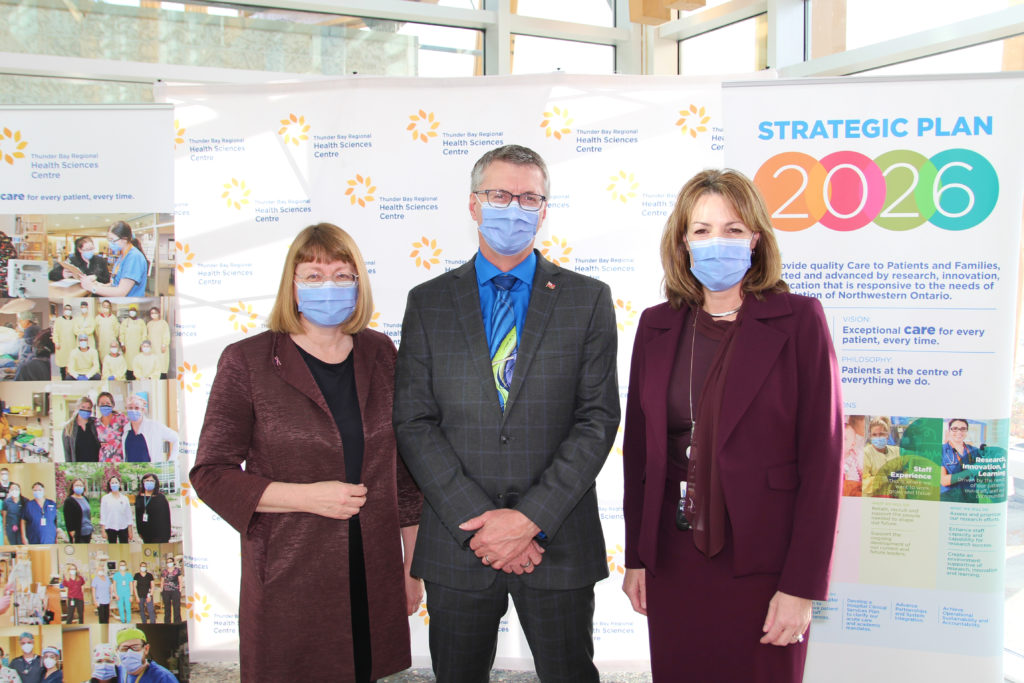
Pictured (From L-R): Dr. Margaret Anthes, Medical Lead, Radiation Oncology, Regional Cancer Care Northwest, TBRHSC; Kevin Holland, M.P.P. for Thunder Bay-Atikokan; and Dr. Rhonda Crocker Ellacott, President and CEO, TBRHSC and CEO, TBRHRI.

People who live in Northwestern Ontario will soon have access to improved cancer care services closer to home thanks to funding from the Ontario government, Cancer Care Ontario and the Thunder Bay Regional Health Sciences Foundation.

The total project costs come in at just over $13.2M. It includes the addition of a new, third Linear Accelerator (LINAC) and a new state of the art Positron Emission Tomography (PET/CT) CT scanner. The PET/CT and LINAC are essential components of leading edge cancer diagnosis and treatment.

“We have seen firsthand the benefits to the patient of being able to offer quality cancer care closer to home,” said Dr. Rhonda Crocker Ellacott, President and CEO of Thunder Bay Regional Health Sciences Centre (TBRHSC) and CEO of Thunder Bay Regional Health Research Institute (TBRHRI). “Now thanks to this funding and donations, we will be able to address any gap in radiation therapy treatment capacity in the region, while keeping up with state of the art technology to accurately diagnose and manage best cancer care. This is great news for the communities we serve.”

PET/CT combines two general types of imaging – nuclear and x-ray. The PET (nuclear) imaging “lights up” cancer cells where they are present and the CT (x-ray) imaging allows doctors to see exactly where in the body those lit-up areas are located. PET/CT imaging allows doctors to more accurately diagnose and manage disease and supports physicians in developing a treatment plan. The current PET/CT is an aging unit due for replacement. The LINAC is used for radiation treatments for patients with cancer. It delivers high-energy electrons to the affected area, destroying the cancer cells while sparing the surrounding normal tissue. The technology is essential in supporting cancer care.

“We are pleased to announce the addition of a third linear accelerator to our Hospital,” said Dr. Nicole Laferriere, Chief of Oncology and Medical Director at Regional Cancer Care Northwest, TBRHSC. “Radiation therapy treatment volumes have grown to require this additional piece of equipment. We have seen firsthand the benefits to the patient of being able to offer cancer care closer to home. Now we will be able to address any gap in radiation therapy treatment capacity in the region.”

“This announcement is a game changer for cancer patients in the Northwest,” said Greg Rickford, Minister of Northern Development and M.P.P. for Kenora—Rainy River. “Our government is focused on improving health outcomes for people across the North, and this investment will allow northerners to get the best quality of care closer to home with loved ones by their side.”

“This is just one example of how our government is investing in our public healthcare system,” said Thunder Bay—Atikokan M.P.P. Kevin Holland. “The funding and technology is essential to meet the growing need for radiation therapy in our region and will improve access to care for cancer patients in Northwestern Ontario.”

The people of Northwestern Ontario also played a critical role in today’s announcement through their support of the Thunder Bay Regional Health Sciences Foundation’s PET/CT campaign.

“Through the generosity of our donors, and with funds from the Thunder Bay 50/50, we will be contributing $500,000 to the PET/CT project,” said Katy Commisso, Chair of Governance of the Thunder Bay Regional Health Sciences Foundation Board of Directors. ”We are pleased to support this new replacement scanner, which will allow the Hospital to do more for patients with it than ever before.”

Beyond cancer care services, the new PET/CT scanner has advanced technology that can be used for other diseases including cardiac disease. PET/CT can give heart surgeons a 3D image of your heart – an important tool as our Cardiovascular Surgery program grows. It will make planning surgeries easier and ultimately lead to better results.

The new PET/CT scanner is anticipated to be operational and in use by August 2023, while the third new Linear Accelerator is expected to be in service for use by December 2023.

NP Week Spotlight: Sashalina De Agazio and Sharon Jaspers

Nurse Practitioner Spotlight: Sashalina De Agazio

Education
I graduated from the compressed Bachelor of Science in Nursing program at Lakehead University in 2012 and the Masters of Nursing, Primary Health Care Nurse Practitioner program at Queens University in 2020.

Why did you decide to become a Nurse Practitioner?
I became a nurse practitioner (NP) to increase my autonomy and to provide more comprehensive care for my patients.

Tell us about your role with Remote Patient Monitoring Surgical Transitions (SeamlessMD)?
I work in an outpatient clinic providing NP services for patients in Thunder Bay and Northwestern Ontario who have had shoulder, spine, breast, gynecological, and colorectal surgery for up to 30 days post discharge. Services include pain management, medication counselling, wound care or any surgical related concerns. I work collaboratively with NPs, surgeons, physiotherapists and other health care professionals.

What is the most challenging part of your profession?
There have been challenges with understanding the NP role in our health care system. However, we have a changing scope of practice and we are becoming more recognized.

What is the most rewarding aspect of your profession?
The most rewarding part of my job is being able to provide care to a wide variety of patients in the region and making a difference in their lives.


Nurse Practitioner Spotlight: Sharon Jaspers

Sharon Jaspers is a Nurse Practitioner at the Stroke Prevention Clinic at Thunder Bay Regional Health Sciences Centre. This outpatient clinic is a program under the NWO Regional Stroke Network. The Stroke Prevention Clinic is designed for people who had a recent TIA or mild stroke and to assist in strategies to prevent a reoccurrence of this event and hence prevent a disabling stroke. Her role is part of an interprofessional team that works collaboratively with two neurologists and well as the stroke program dietitian. She continues to be involved at the provincial level with working groups to enhance Stroke Prevention Care province wide.

Sharon’s background includes working as a Primary Health Care Nurse Practitioner for a local Community Health Centre and she is on faculty as Assistant Professor at NOSMU. 

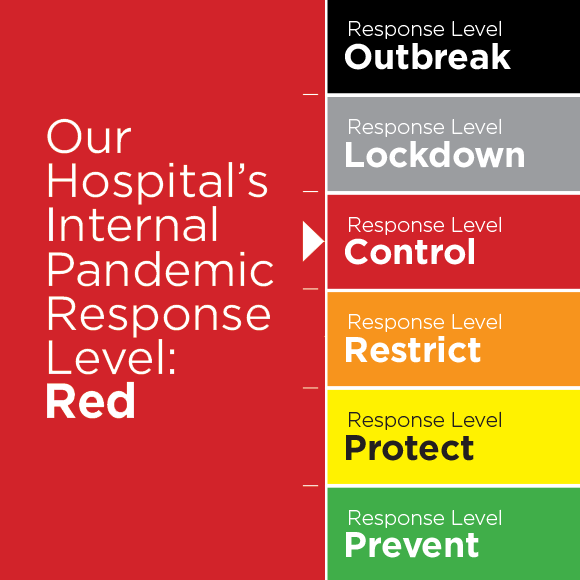
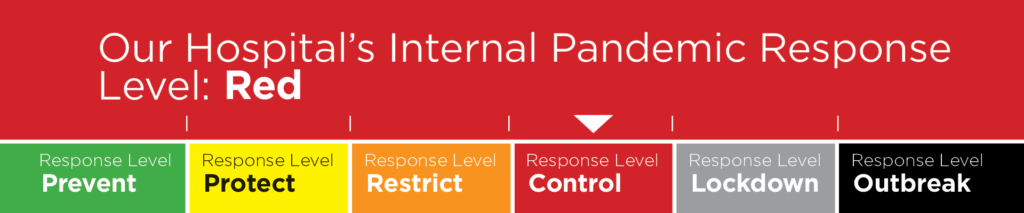
Hospital’s Internal COVID-19 Pandemic Response Level Moves from Orange (Restrict) to Red (Control)

Shared on behalf of Jennifer Wintermans, VP, Quality and Corporate Affairs, COVID-19 Lead, and Adam Vinet, VP, Patient Experience and Chief Nursing Executive, Regional VP, Cancer Care Services


Effective, Tuesday, November 15th, our Hospital will be moving its internal COVID-19 Pandemic Response Level from Orange (Restrict) to Red (Control).

This decision was based on the need to increase response activities and protective measures geared to decreasing transmission of viruses and preserving hospital capacity and staffing, as a result of the increased level of COVID-19, influenza and respiratory virus within the community.

The following restrictions and response activities will continue or be implemented in order to manage the complex fall viruses that we are experiencing:

  • Masking: Continues to be mandatory for all except for when eating or within a private office. Level 3 masking remains required at all times.
  • Eye Protection: Mandatory eye protection is required in all patient care areas or clinical settings, and in circumstances where face to face contact occurs (less than 2 metres) with no structural shielding in place.
  • Testing all new Admissions: Remains status quo and continue to test with exceptions as previously approved (Mat/LD, Out-patients)
  • In-person Meetings: Meetings should be virtual whenever possible. If an in-person meeting is considered essential, it must be scheduled onsite and follow all required precautions including masking and physical distancing. In-person meetings should also include a virtual option where room size does not permit adequate distancing or to accommodate individuals who are unable to attend onsite.
  • Contractors and Vendors: Essential and high priority contractors and technical support and essential vendors will be permitted. General suppliers and general sales people should not be present onsite.
  • Emergency Department Precautions: N95 masks required when treating patients that fail screening or require airborne and droplet precautions. All staff are required to wear Level 3 procedure mask and eye protection while on unit. Retrieve scrubs from pandemic storage if required.
  • Education and Simulation: No learner restrictions. All education on COVID-19 and IPAC measures to new staff will continue.
  • Physical Distancing: Mandatory Physical distancing where able of 2 metres.
  • Remote Work: Continue at the discretion of the program/department.
  • Essential Care Partners and Care Partners: Follow ECP Guidance for Level Red- Only 1 ECP and Manager discretion when considering alternatives or special circumstances.

All response activities are evaluated on an ongoing basis to ensure they are effective and appropriate by Senior Leadership Council and leaders across the organization.

Staff are reminded to complete the entrance screening tool prior to each shift, practice hand hygiene and wear PPE appropriate for the work environment.

We thank everyone for their continued cooperation and dedication to keeping our Hospital and community safe.

All Hospital COVID-19 updates, memos and resources are also available on the iNtranet at https://comms.tbrhsc.net/covid-19-information/.

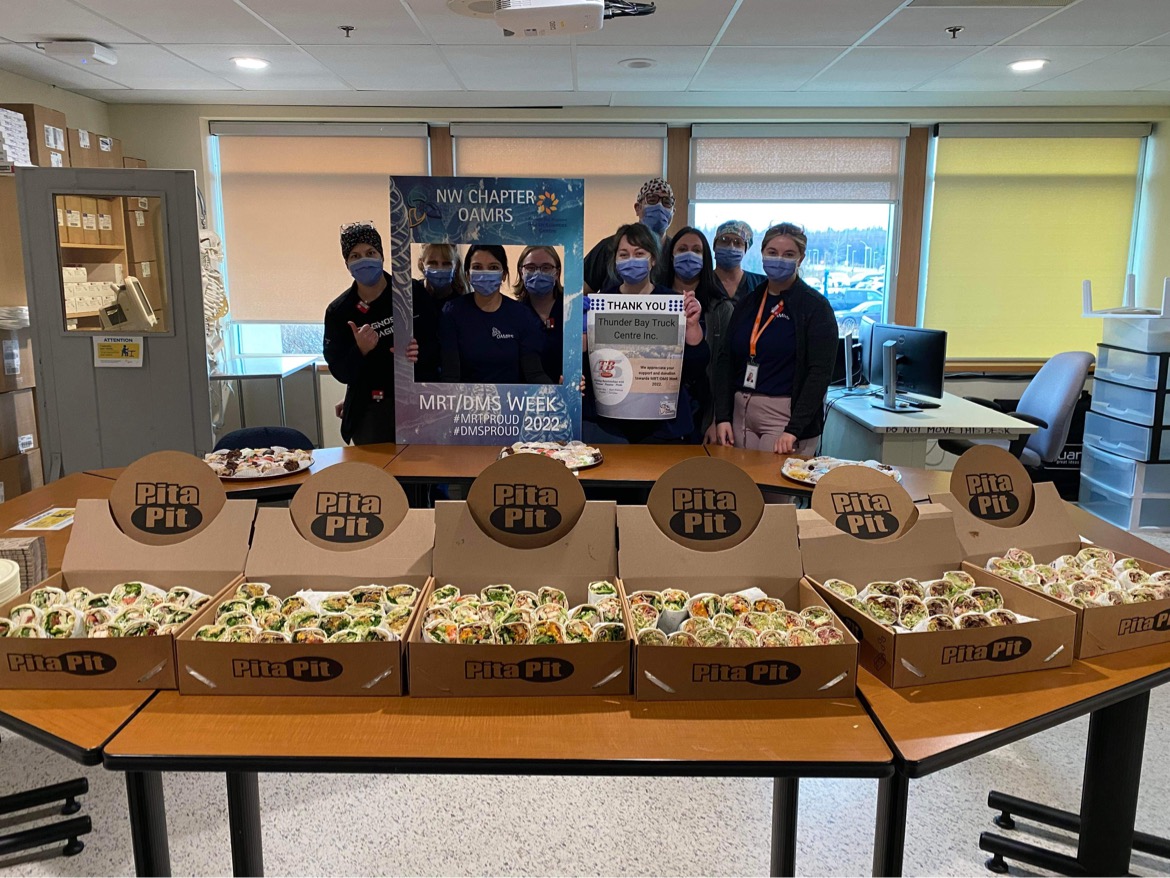
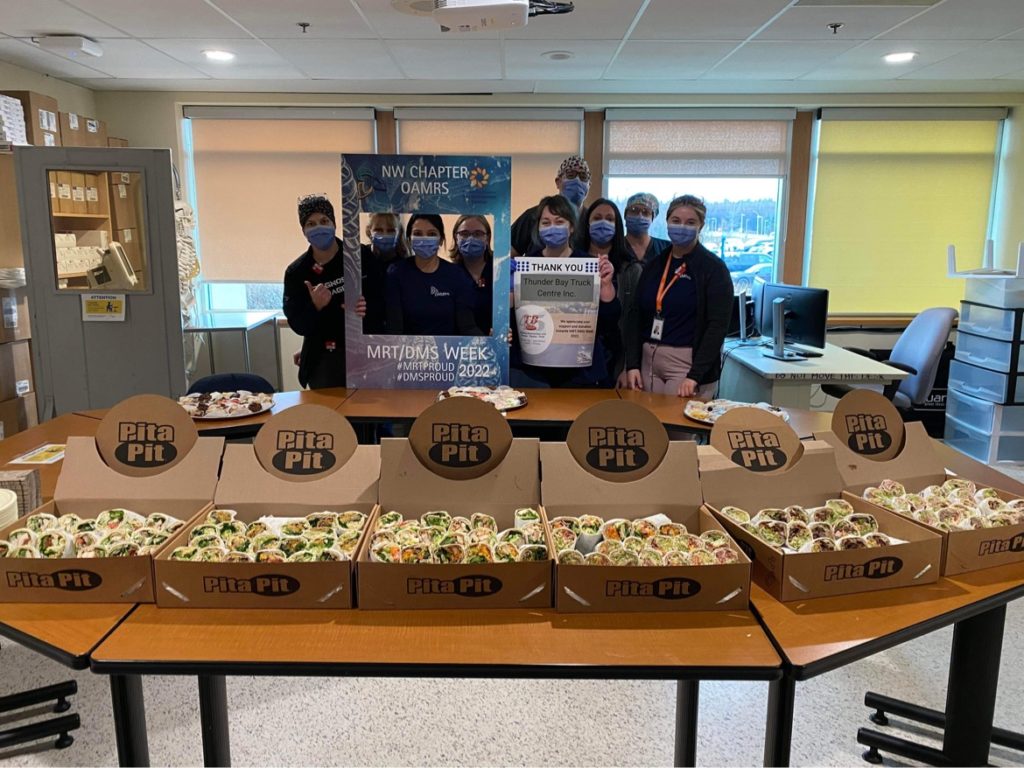
Thank you, Thunder Bay Truck Centre Inc.

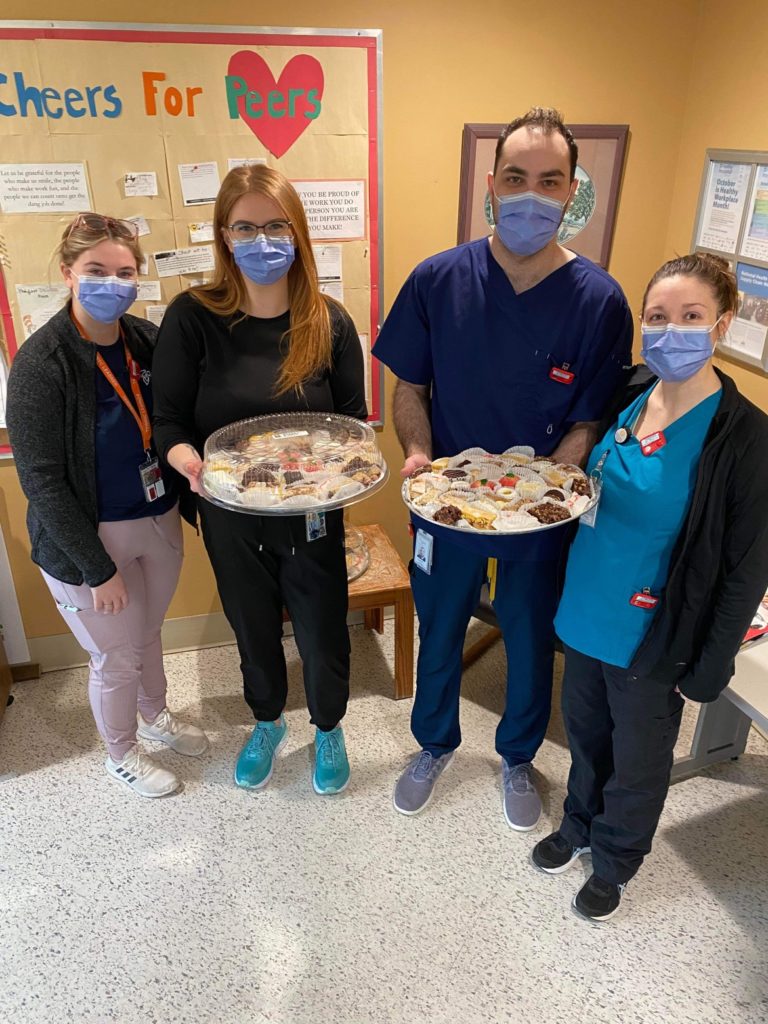
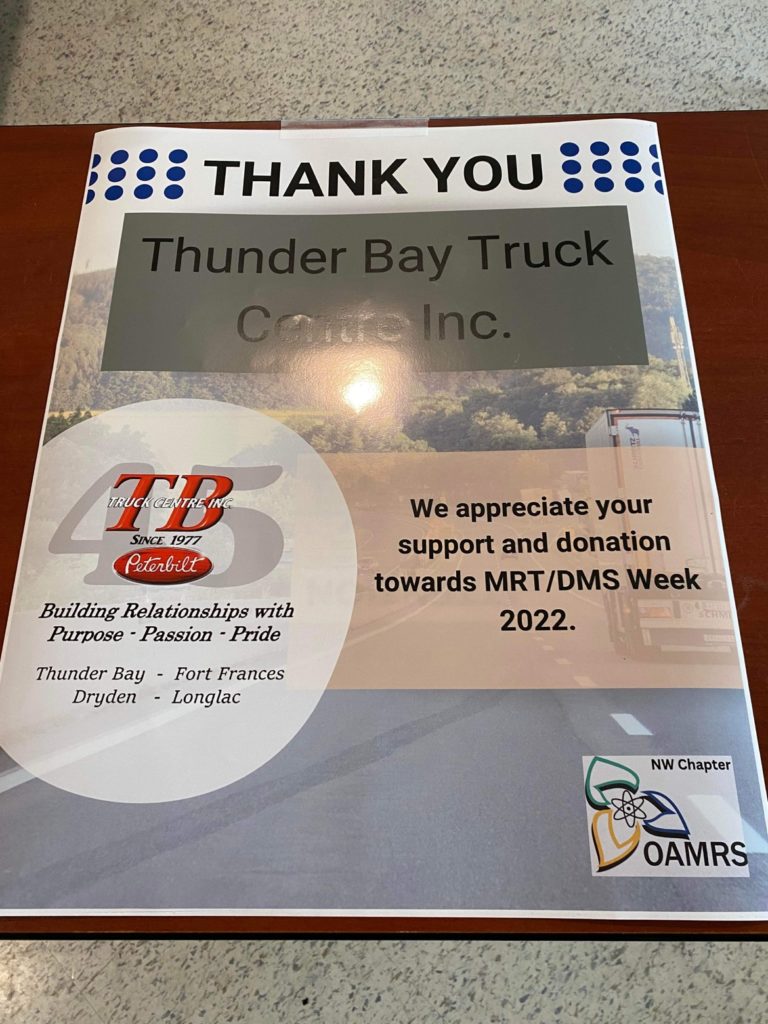
Thank you to the Thunder Bay Truck Centre Inc. for their generous donation of a Pita Pit lunch and treats from Nucci’s to celebrate Medical Radiation Technologist (MRT) and Diagnostic Medical Sonographer (DMS) Week last week (November 6-12).

Technologists and Sonographers appreciate the kind gesture and the support.

Nurse Practitioner Week 2022 (November 13 – 19)

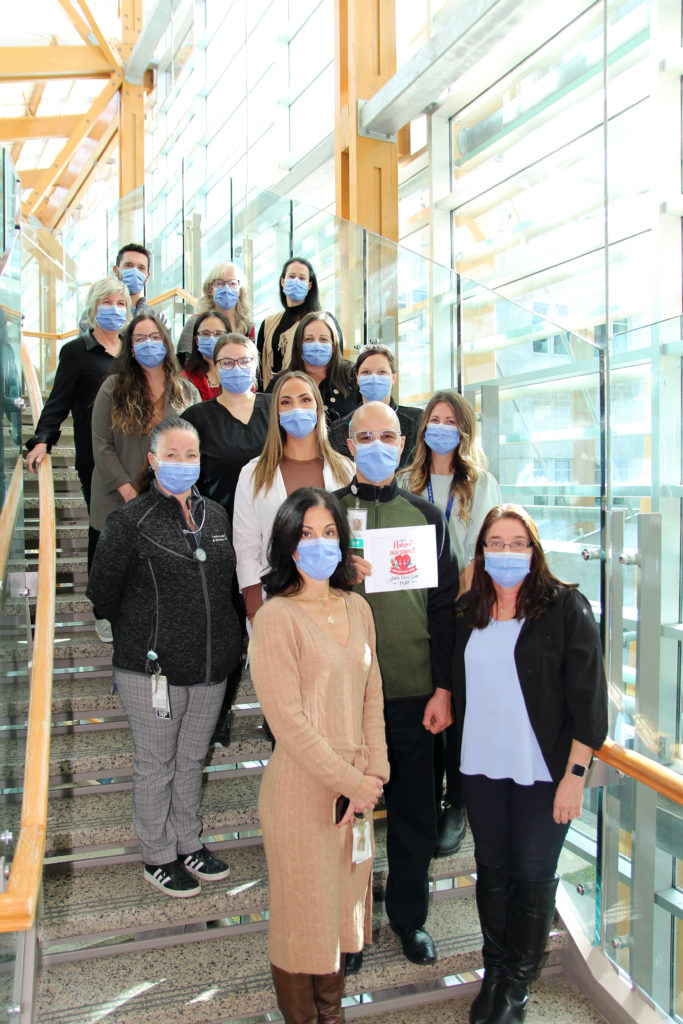
Nurse Practitioner (NP) Week is held annually the second week of November to recognize the exceptional care these health care professionals provide to communities across Ontario. At Thunder Bay Regional Health Sciences Centre, NPs provide a full range of services, such as ordering, performing and interpreting diagnostic tests; diagnosing and treating acute and chronic conditions; prescribing medications and treatments; and managing overall patient care. They play a vital role in multiple Hospital services including, but not limited to, Cardiology, Regional Stroke Program, Hospitalist Program and the Nurse Led Outreach Team that supports community long term care facilities.

Each day this week, we are spotlighting NPs to highlight some (but not all!) of the important roles they play at our Hospital and in our community. Please join us in thanking our past and present NPs for their vital contributions to patient care.

NP Week Spotlight: Allyson Adduno and Debra Bishop

Nurse Practitioner Spotlight – Allyson Adduno

Education /Training

Bachelor of Sciences in Nursing from Lakehead University; Master of Nursing and Nurse Practitioner – Adult Program from University of Toronto.  Certified diabetes educator current. 

Why did you decide to become a Nurse Practitioner?

A nurse practitioner (NP) is able to make a significant impact in a patient’s life by diagnosing illnesses, teaching about healthy living and prevention of disease to individuals and their families, preventing diseases and managing illness.  A unique characteristic of an NP is the ability to use the vast nursing background and combine with the art of medicine. 

Tell us about your role at the Centre for Complex Diabetes Care.

The Centre for Complex Diabetes Care is multidisciplinary team that works with patient’s who have diabetes with complex medical backgrounds.  My role is to assess, diagnose, manage and treat diabetes along with other chronic diseases while working to prevent the development or worsening diabetes related complications.  My goal is to work with the patient and their family to improve their quality of life and optimize their diabetes management.

What is the most challenging part of your profession?

The most challenging and frustrating part of my role is late diagnosis of diabetes.  Often times when a patient attends our program, they have unfortunately suffered a cardiovascular event or have at least one complication of diabetes.  Cultural beliefs, personal control, socio-economic status, mental health and low health literacy influences diabetes self-management in adults with type 2 diabetes that adds to the challenges in my role. 

What is the most rewarding aspect of your profession?

The most rewarding aspect of my role is having the opportunity to prevent complications related to diabetes and having the opportunity to improve of quality of life for patients living with diabetes. The other rewarding aspect of my profession is being able to provide education for diabetes management to my peers within Thunder Bay and our region. 

Advice for those considering a career as a Nurse Practitioner

If you want a profession that provides daily challenges, constant evolution, opportunities to learn everyday and to be the change agent in the health of patient’s and their families become an NP. “If it doesn’t challenge you it will not change you”.


Nurse Practitioner Spotlight – Debra Bishop

Education /Training

Bachelor of Science in Nursing, Primary Health Care Nurse Practitioner, Neonatal Intensive Care Course 

Why did you decide to become a Nurse Practitioner?

Early on in my nursing career, I discovered my passion for Women’s Health, particularly during the prenatal and post natal period, as well as newborns. As a Registered Nurse working 15 years mainly in the NICU, the Labor and Delivery and Maternal Child units I wanted to make a difference in the lives of the pregnant person before they delivered. Many have limited or no access to prenatal care. Providing access to early prenatal care as a profound impact on both the pregnant client, babe and families overall health.

Tell us about your role with at The Maternity Centre.

I work collaboratively with a multidisciplinary team which include Obstetricians, Family physicians and Allied health care professionals including social work, dietitian, exercise therapist, lactation consults. My role as a Nurse Practitioner at the Maternity Centre involves providing early access to prenatal care, postpartum care and newborns to 8 weeks of age. Many of my clients are struggling to meet the basic determinates of health, with early access to care their stories can be re-written with improved outcomes for both themselves and their families. Clients can self refer to myself and our allied health care team which removes barriers and improves access to care. In addition to providing prenatal/postnatal and newborn care I am able to work within my full scope of practices and provide primary health care that may include concerns around mental health, addiction and other complex medical needs.

What is the most rewarding aspect of your profession?

It is very rewarding to follow a pregnant person through their pregnancy journey from onset to 35 weeks (at which point OBGY/Family MD’s will take over) and then care for their new born baby(s). Pregnancy is a time of excitement and is filled with many questions/doubts and concerns. It is very rewarding to be able to help women and families through these moments. The ability to meet the pregnant patient where they are at, whether it be a 5 minutes or 60 minutes of my time is very important. For many clients early access and support means positive lifestyle changes that help to ensure a healthy pregnancy outcomes with positive lifelong changes.

Advice for those considering a career as a Nurse Practitioner?

Nurse Practitioners are an integral part of the health team. As an NP you have the autonomy and the education to assess/diagnose and treat clients, with the added benefit of being able to spend as much time with a client as needed. We have the privilege of being able to help clients with their complex social and medical needs. Each day is a new day, and no one day is the same. My advice for those considering becoming a NP is this: it is a privilege to be able to help people achieve better physical, mental and social health and I feel honoured every day to part of a client and their family’s journey.

World Diabetes Day (November 14)

Stephanie Chow, Nurse Practitioner, Centre for Complex Diabetes Care, Thunder Bay Regional Health Sciences Centre

November 14, 2022 is World Diabetes Day and this year’s theme is “Access to Diabetes Care.” For individuals living with diabetes, whether newly diagnosed or experienced in the journey, access to specialized care in Northwestern Ontario is available. There are two large diabetes education centres in Thunder Bay (Centre for Complex Diabetes Care and Diabetes Health), and many clinics have government funded services on site.

Both the Centre for Complex Diabetes Care (CCDC) and Diabetes Health have registered nurses and dietitians offering assessments and self-management education. Glycemic monitoring has evolved, with remote data sharing and sensor-based scanning devices, instead of capillary blood glucose testing (“finger poking”). This means improved data sharing, more convenient and less painful self-monitoring. As well, counselling professionals for both programs offer support and facilitate coping related to diabetes burnout, stress, emotional eating and other mental health barriers.

Diabetes Health invites self-referral for patients with established pre-diabetes or diabetes to receive individual or group education. Medication changes occur by the primary care provider. This centre uniquely offers intensive programing for paediatric, insulin pumps and maternity populations in an evolving field of technological and biomedical advancements.

Unlike Diabetes Health’s invitation to self-refer and long-term maintenance support, the CCDC requires physician or nurse practitioners referral to offer intensive case management for up to one year. Team composition differs from Diabetes Health by including two nurse practitioners, a pharmacist, an Indigenous liaison, an occupational therapist, and foot care/chiropody services. There is a specialized support team composed of a psychologist and social worker to address barriers overshadowing diabetes self-management.

CCDC nurse practitioners fill a gap in specialized services, particularly for those living with diabetes without a primary care provider without access to routine care. Services include advanced assessment, diagnosis, ordering and interpreting lab tests and diagnostic imaging, prescribing medication, and referral to specialists when indicated. Key areas of focus are establishing blood glucose targets and vascular management (cholesterol, blood pressure, kidney health, smoking cessation), as well as monitoring for complications (eye, nerve, kidney, feet, erectile dysfunction, peripheral vascular disease, heart, peripheral vascular disease, stroke). With the many advancements in medications over the past four years, patients can access treatments with demonstrated improved outcomes related to glycemic control, cardiovascular and renal protection in specific populations. Between nurse practitioner visits, follow up is provided by the interdisciplinary team depending on needs for support and education.

Individuals with interest in these programs should seek primary care services (family physician, nurse practitioner, walk-in clinic) to provide assessment, screening, or referral for those eligible. Diabetes Canada publishes full guidelines, and each chapter includes key messages to people living with diabetes. To learn more, visit guidelines.diabetes.ca.

Centre for Complex Diabetes Care team at Thunder Bay Regional Health Sciences Centre
Top row (L to R): Jacqueline Veneruz, Sharon Howk-Ventrudo, Stephanie Chow, Michelle Gernat, Julie Colbourn, Emma Ueffing
Bottom row (L to R): Alison Donovan, Allyson Adduono, Lynn Hubelit, Elizabeth Arbrour, Brenda Hay

Genetic Counsellor Awareness Day (November 10)

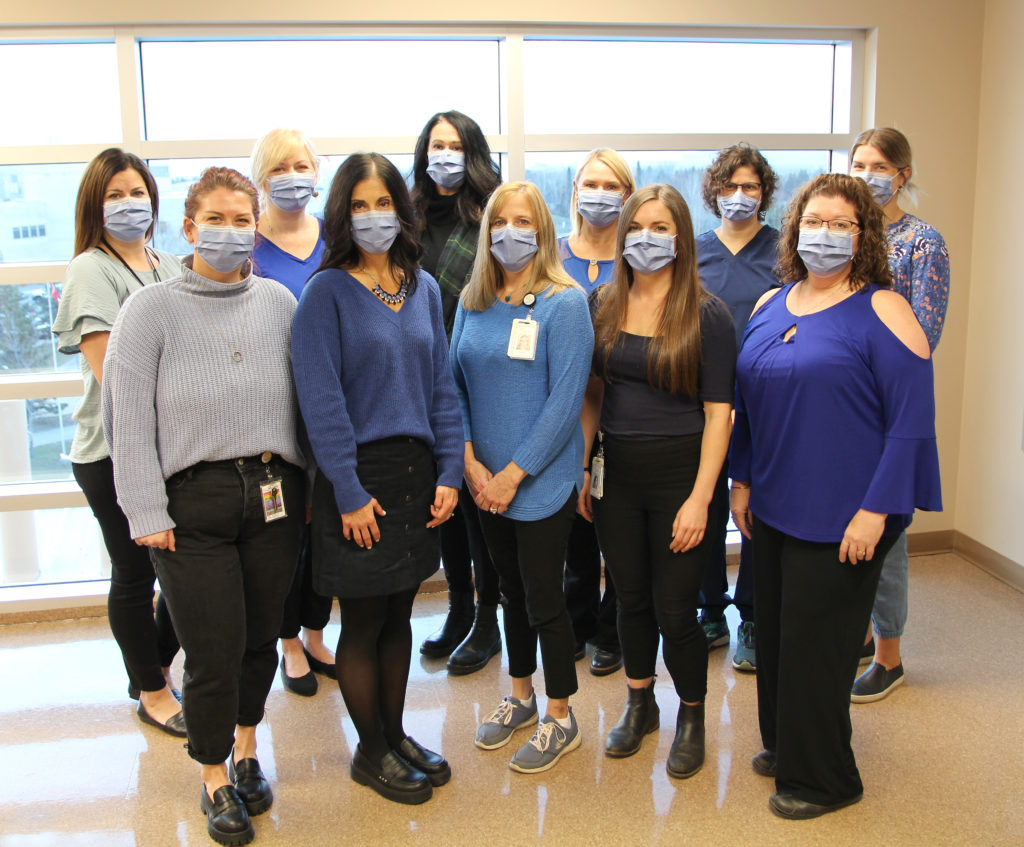
On November 10, we celebrates Genetic Counsellor Awareness Day. This day provides an opportunity for us to recognize and celebrate our hardworking Clinical Genetics Program team.

The Clinical Genetics Program offers a variety of services, including assessment and diagnosis of genetic conditions, medical information about genetic conditions, discussion about chances of passing on conditions, information about the management and prevention of inherited conditions and services that arrange and interpret laboratory test results.

When patients are referred to our Genetics Program, patients will see either a genetic counsellor or a geneticist based on their referral. Genetic counsellors are health professionals with specialized training in the areas of medical genetics and counselling. In a typical appointment, a genetic counsellor will discuss the chance that someone has an inherited genetic condition, if there is treatment for the condition, if genetic testing is available, as well as implications for other family members.

Join us in showing our appreciation and thanking our Clinical Genetics Program for their contributions!

For more information about our Hospital’s Clinical Genetics Program, visit https://tbrhsc.net/genetics.

>