Always call 55 for Emergency Codes & Alerts

Did You Know?

Switchboard connects more than 1500 call requests per day!

Why call 55?

When you call Switchboard at 55 to activate an emergency code or alert your call goes to a separate dedicated phone line for the quickest response possible. If you reach out to Switchboard by other means you may end up in the queue on hold, taking up valuable time.

Improving Response and Safety

Data indicates that many callers are not using the 55 line to activate emergency codes. 80% of all Code Yellow Search activation requests and 25% of all Alert 99 & Alert 99 Trauma calls were made using the generic Switchboard line in 2023. Improve response times and increase safety by calling 55 to activate an emergency code.

Always call 55 in an emergency!

Code Yellow Policy Update

Shared on behalf of Wayne Taylor, Code Yellow Executive Sponsor


The Hospital’s Code Yellow (EMER-70) policy has been revised.

Actions required:

  1. Read this memo and review the updated Code Yellow: Missing or Wandering Patient (EMER-70) policy to familiarize yourself with important process changes.
  2. Managers to ensure that the updated policy is added to their area’s emergency binder and that all workers review the attached safety huddles and policy.
  3. Areas are to update their sub plans (see templates attached) by February 29; please submit a copy to TBRHSC.EmergencyPreparedness@tbh.net

Policy changes:

  • Clarified that in all instances of a missing patient: a preliminary area search is required; we must attempt to call them using the contact information provided; and we must page them to return to the unit.
  • Additional clarification that only if a high-risk patient is missing, a Code Yellow-Search is initiated.
  • Use of eObservation to report area search results within 10 minutes of an overhead announcement versus previous process of notification to Admitting.
  • ILS reports must include a rationale for categorizing a patient as high risk when a Search has been called.
  • All Code Yellow Searches will desist at the 60 minute mark if not cleared before.· Incorporated police feedback regarding their preferred contacts.
  • External buildings response edited to match other recent policy updates.
  • Updated response algorithms.

Process Reminders:

  • All departments are required to maintain up-to-date Code Yellow sub-plans.
  • Code Yellow – Search is a Hospital-wide response to search for a high-risk patient (age 16 years or older) that is missing from within the Hospital and there is reason to believe they are still on Hospital grounds.
  • Code Yellow – Check is initiated to support the identification of a wandering patient (age 16 or older) who appears to be high risk and unaccompanied, found on or nearby Hospital property.

Education:

  • Safety Huddles (see attached)
  • Code Yellow – Search drills. More details to come!

If you have any questions, please reach out to Mēsha Richard, Lead, Emergency Preparedness (ext. 6552 or mesha.richard@tbh.net)

Thank you,
Wayne Taylor, Code Yellow Executive Sponsor & Director, Cardiovascular, Medicine & Renal Program (ext. 6677 or Wayne.Taylor@tbh.net.

Tips from the Paediatric Healthy Living Program

It is hard for children to try something new when they are afraid of failing. Teaching your child that it is okay to make mistakes can provide your child the opportunity to try a new challenge and build their confidence. Helping your child to understand that it is the effort they put in to trying something new or different that is important rather than the final result. Encourage your child to change their self-talk from “I can’t do that, I quit” to “I can’t do that YET – but with practice I’ll get there”.

For more resources on healthy living or to learn more about TBRHSC’s Paediatric Healthy Living Program, please visit our website at bit.ly/Paediatric-Healthy-Living-Program

Regional Bariatric Care Centre – Ask An Expert

Thunder Bay Regional Health Sciences Centre (TBRHSC) presents “Ask an Expert”, a series where team members from our Bariatric Centre of Excellence answer questions they commonly encounter. For more information on our Regional Bariatric Care Centre, please visit bit.ly/TBRHSC-RBCC. This month’s question is answered by Sarah Miller, Registered Dietitian.


I am worried that after bariatric surgery I won’t be allowed to eat anything “good” again. Is this true?

Bariatric surgery changes the way the body digests food. It is true that foods that are very high in sugar or fat can lead to stomach upset for some. It’s important to remember that in order to maintain good health, these foods should be minimized for all Canadians. However, a healthy diet and food relationship, can include eating all types of foods. After bariatric surgery, most foods can be enjoyed in moderation, such as having a smaller portion, or balancing with other foods. The bariatric team will help you consider your relationship with food, and teach you how to plan your favorite foods into a balanced meal plan.

February is Heart Month

What you should know about cardiac arrest

Responding fast can make the difference between life and death

February is Heart Month, a time to bring attention to the importance of cardiovascular health. Heart disease affects approximately 2.4 million Canadian adults, and is the second leading cause of death in Canada. Each year, an estimated 35,000 cardiac arrests occur in Canada.

Survival rates double if someone performs cardiopulmonary resuscitation (CPR) and uses an automated external defibrillator (AED).Recognizing the signs of cardiac arrest and responding fast can mean the difference between life and death.

Cardiac Arrest vs Heart Attack
Cardiac arrest is an electrical malfunction that stops the heartbeat, shutting down the heart. A person experiencing a cardiac arrest will collapse and be unresponsive. This is different from a heart attack, where a blocked artery slows or cuts off blood flow to the heart, but usually the heart continues beating. Typical heart attack signs are discomfort in the chest or upper body, shortness of breath, sweating, nausea and light-headedness. If you think you are having a heart attack you must call 9-1-1.

Cause of Cardiac Arrest
Some types of arrhythmia, an irregular heartbeat that can short circuit the heart’s electrical system, can cause cardiac arrest. About one quarter of heart attacks actually trigger cardiac arrest – either immediately or within an hour or two. Other rare contributors to cardiac arrest include drug overdose, major electrolyte abnormalities, or large clots that block flow to the lungs. In most cases the only way to correct a cardiac arrest is to deliver high quality CPR and a shock from a defibrillator.

Warning Signs

If you have fainted, a physician should evaluate you, as it may be a warning sign for a rhythm disorder that could cause cardiac arrest. Although fainting is a relatively common occurrence, if it occurs during physical activity, when swimming or from emotional excitement, it can be a warning sign of sudden arrhythmia death syndrome (SADS). Also, since heart attack can precede cardiac arrest, it’s critical to be aware of heart attack signsand get medical attention immediately. If you experience tightness in your chest, you should be aware that it isn’t necessarily from a pulled muscle. 

If someone has a cardiac arrest:

  • Phone 9-1-1 and shout for an AED.
  • Perform CPR pushing hard in the centre of the chest and then allow the chest to recoil fully before pushing again. Try to push 100-120 times a minute (fast!). 
  • Use an AED if available. Apply the stickers to the person, turn the machine on and it will tell you what to do next.

Response Time is Critical

In cardiac arrest you typically have about five minutes to restore circulation. CPR can keep blood moving through the body for a short period. An AED delivers an electrical shock that can restore the heart’s rhythm. Performing CPR and using an AED until emergency medical services take over can double the chance of surviving a cardiac arrest.

To learn more about heart education and heart health tips including support, prevention and recovery, visit the Heart and Stroke Foundation website at https://www.heartandstroke.ca/.


CEO’s Blog (January 31, 2024)

Rhonda

Hello, Boozhoo, Bonjour.

There has been some debate about this around the office, but I am of the belief that you can wish people a Happy New Year anytime in the month of January. So, just in the nick of time, please allow me to wish all of you the very best for the upcoming year!

Here at the Hospital and Health Research Institute it has been busy so far toward the end of last year and into 2024. Firstly, we have been fortunate to receive funding for various clinical areas. Last month, it was announced that funding in excess of $1.2 million would be provided for use in supporting Alternative Levels of Care and patient flow initiatives, available here. Last week, we were informed of additional funding for the Paediatric Transport Program, a much needed care team for our Hospital and region. I want to thank all the staff and leadership team members who have worked hard on the proposals to help make our case for this funding we’ve received to better treat the communities we serve.

Throughout the months of December and January, we also had an influx of paediatric patients needing care and an increase in visits to our Emergency Department. Let me just say that the incredible teamwork of our departments to manage through these times did not go unnoticed. It is through the efforts of our front-line staff and professional staff, a contribution that gives us the ability to have our patient flow initiatives maintained; resulting in patients of all ages getting the care they need in a timely manner. Thank you for your work and leadership in care over these capacity pressure periods. 

As I am sure you have heard me say before, we are unique and face challenges not encountered by other academic hospitals. The demand for acute care needs is higher than any other area in the province and the care we provide expands well beyond our community. As the only tertiary acute care and academic hospital, we support populations in areas that are remote and have limited care services. So, it was validating to see the Office of the Auditor General of Ontario substantiated many of the challenges and limitations we experience in our Northern Hospitals in a Value-for-Money Audit Report. The report provides recommendations to the Ministry of Health and Ontario Health for addressing hospital services in Northern Ontario to ensure there are more effective and appropriate health care services to manage the unique health care needs of our region. We have developed good relationships with our regional representatives in the provincial government and will continue to strongly advocate on your behalf.

In case you missed the latest Health Research Speaker Series that featured Dr. Hazem Elmansy, please know you can catch the next one on February 22 with Dr. David Savage, an Emergency Physician at TBRHSC and Assistant Professor at NOSM University. This Speaker Series is part of our commitment to bring awareness to the importance of clinical research and connecting to clinical practice.

One other note, Wake the Giant Training is a great way to learn more about creating a more inclusive space. The online training module provides insight into some of the realities that Indigenous Peoples may face when using our Hospital or coming to our city. I am happy to say that I have completed my training and found the learnings to be beneficial to my work and diversified my perspectives.

Finally, another thank you is well deserved to all who provided their meaningful input by taking the 2023 Employee and Professional Staff Engagement Survey. The survey was completed by all staffing and professional staff groups and our participation rate was just over 63% – a high rate of return in surveys. On first glance, the comments validate the challenges we know are part of our workdays, such as staffing. Please know that your participation in this survey provides us with the details needed to improve our workplace and make it a place you enjoy. We will be communicating the results over the next few weeks and engaging with you again as we build our action plans for addressing the key areas and also celebrating the successes. As always, your feedback on these blogs or any other matter is always welcome and valued. You can reach me at: rhonda.ellacott@tbh.net.

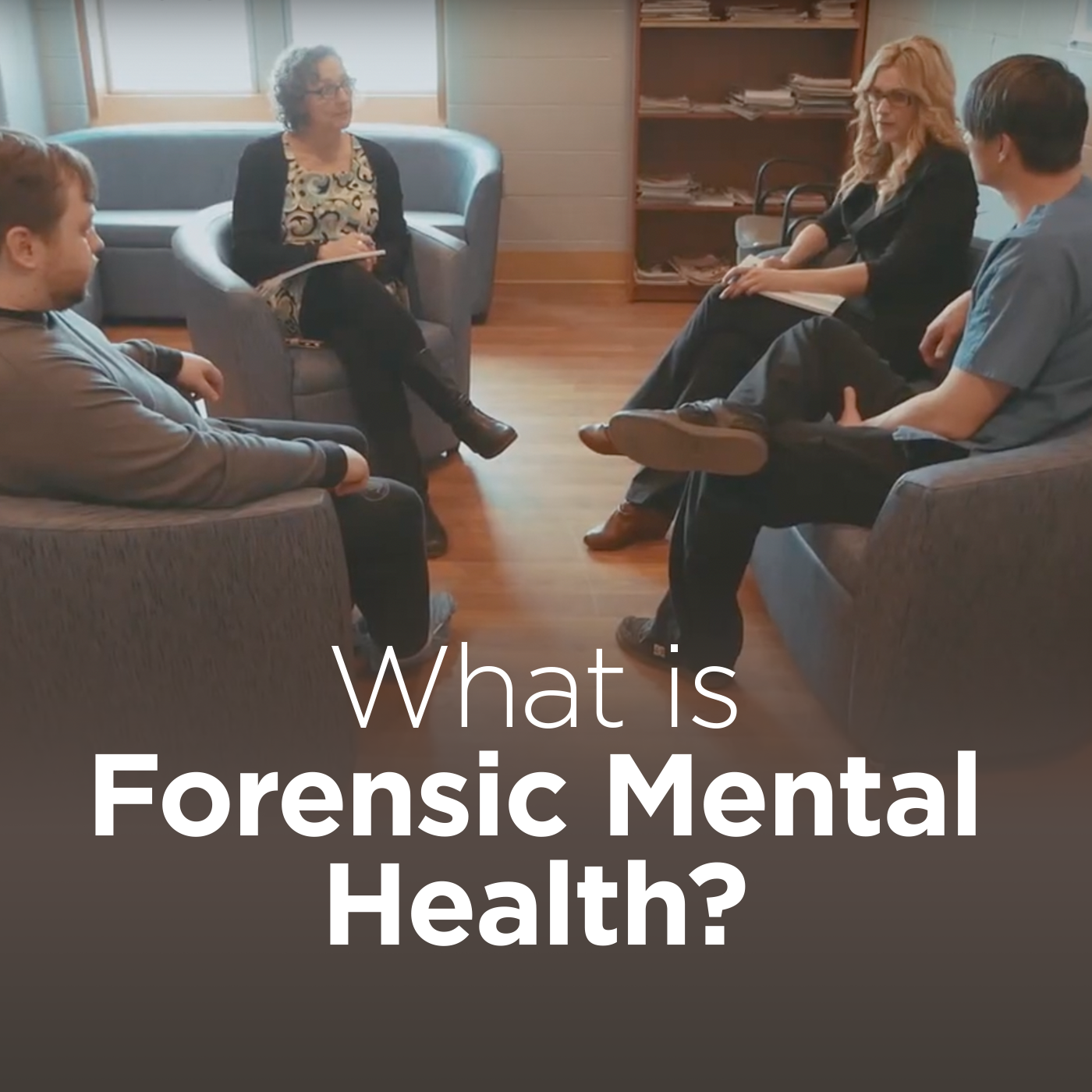
Forensic Mental Health at TBRHSC

“Forensic” means related to or associated with legal issues. Forensic Mental Health (FMH) services provide care and support to people experiencing mental illness that have come into contact with the criminal justice system.

At Thunder Bay Regional Health Sciences Centre, we provide both inpatient and outpatient forensic mental health services to patients from all across Northwestern Ontario.

For more information, check out our video here –> https://youtu.be/1PFaGQcdF_Y

Stayed tuned for a series of posts where we will be sharing information on forensic mental health, services available and more.

You can also learn more about forensic mental health at Thunder Bay Regional Health Sciences Centre on our website.

Reminder – Planned Overhead Paging System and Fire System Outage (February 1)

Shared on behalf of Ryan Sears – Director, Capital & Facility Services


Please be advised the Thunder Bay Regional Health Sciences Centre (at the 980 Oliver Road location only) will execute a planned impairment of its entire Overhead Paging System and Fire System on Thursday, February 1, 2024 for approximately seven (7) hours – starting at 11:00 p.m. to facilitate deactivation of the fire system related to planned system upgrades.

Our Facilities and Security teams will be enacting and overseeing our Fire System Impairment and Fire Watch procedures, as included in the Fire Plan for our site.

During this impairment, no Hot Work will be authorized. Further, any high risk work that could result in an elevated risk of fire, heat, or smoke should not be planned – please review this within your department and plan to discontinue high-risk activities (i.e. construction, repairs, hot showers, etc.). Should you observe activities that may be of concern during the impairment, contact your Supervisor or Manager to discuss.

While the Hospital’s Overhead Paging System is out of service, alternate measures will be applied to notify the organization of Emergency Codes and Alerts. Staff will continue to activate all Codes using extension 55. Please see the attached policy for guidance (EMER-10-B-2 “Overhead Paging & Fire System Loss”).

Key things to remember during an outage:

  1. Regularly monitor email for emergency code and alert notices issued by Switchboard.
  2. Respond to emergency codes and alerts through alternate communication measures, e.g., paging, radios, emails, runners, etc., as appropriate – and activate response as required.
  3. Be vigilant in reviewing department activities during the period of fire system impairment.
  4. Clinical leads are encouraged to collaborate with their teams to consider alternatives to paging patients back to units, such as collecting Patients’ mobile phone numbers.

Further, in event of fire during this impairment, please execute all steps as outlined in Code Red Policy (EMER-30) and your area sub plan. Should you discover a fire – “REACT”:

R – Remove persons in immediate danger

E – Ensure doors are closed to confine fire or smoke

A – Activate the fire alarm by pulling the nearest pull station

C– Call Switchboard at Ext 55 to report the location of the fire

T– Try to extinguish the fire if trained to do so or continue to evacuate

The contractor for the fire system work is Troy Life & Fire Safety. The Building System Operator is onsite and reachable at cell number 629-7005. Further support will be provided by Security (684-6509) and the on call Facility Manager (cell number 629-3119) as required.

If you have any questions or concerns regarding the above, please contact Ryan Sears.

>