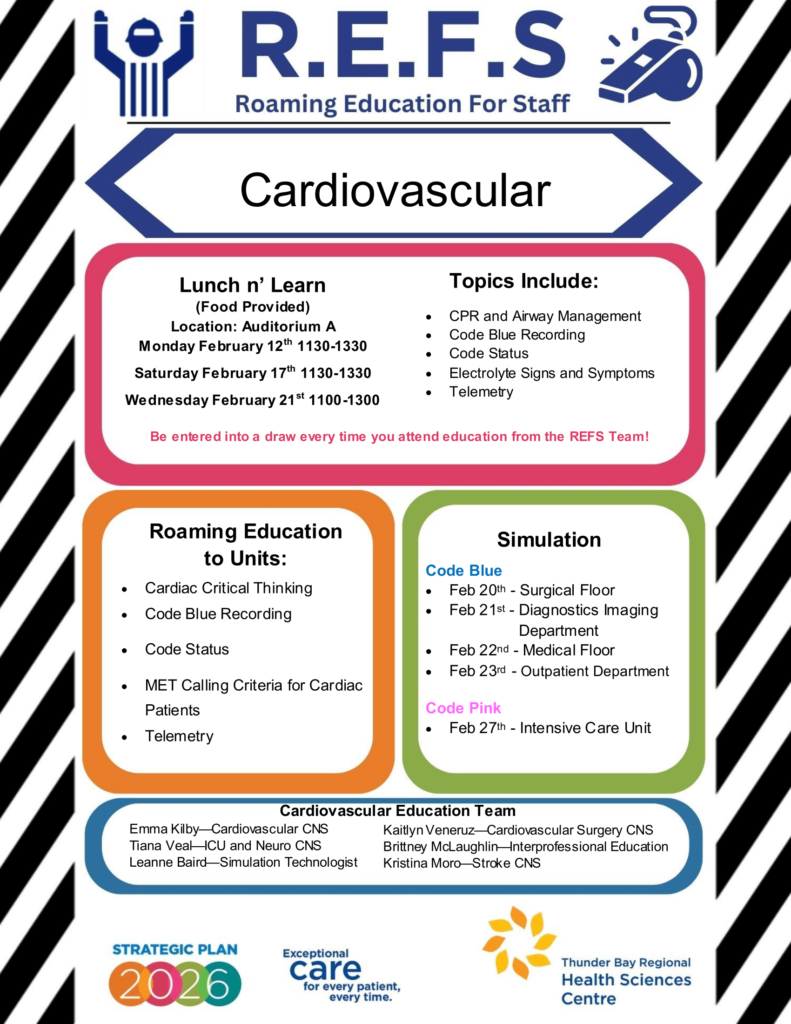
Administration and Hazardous Drug List – Protocol Change


Heavy menstrual bleeding (or heavy periods) affects about 30% of women and can have a significant impact on quality of life.
In most cases, heavy flow and cramping make it harder to do day to day activities. In more serious cases, heavy periods can result in significant time off work or school which limits a person’s ability to earn money or get good grades. People with heavy menstrual bleeding can miss out on scholarship opportunities or chances at job promotions.
The team of gynecologists at TBRHSC specialize in diagnosing and treating heavy menstrual bleeding. They work in Thunder Bay as well as in smaller hospitals in the region and are continually working to improve coordination and access to care for patients across Northwestern Ontario.

Each year thousands of medical students graduate and become resident physicians in Canada.
Thunder Bay Regional Health Sciences Centre (TBRHSC) is home to 75 Thunder Bay based residents in medical specialties such as Family Medicine, Orthopedics, Paediatrics, Psychiatry, General Surgery, Internal Medicine and Obstetrics and Gynecology. In addition, we hosted 156 elective residents in 2023 from other medical schools across Canada.
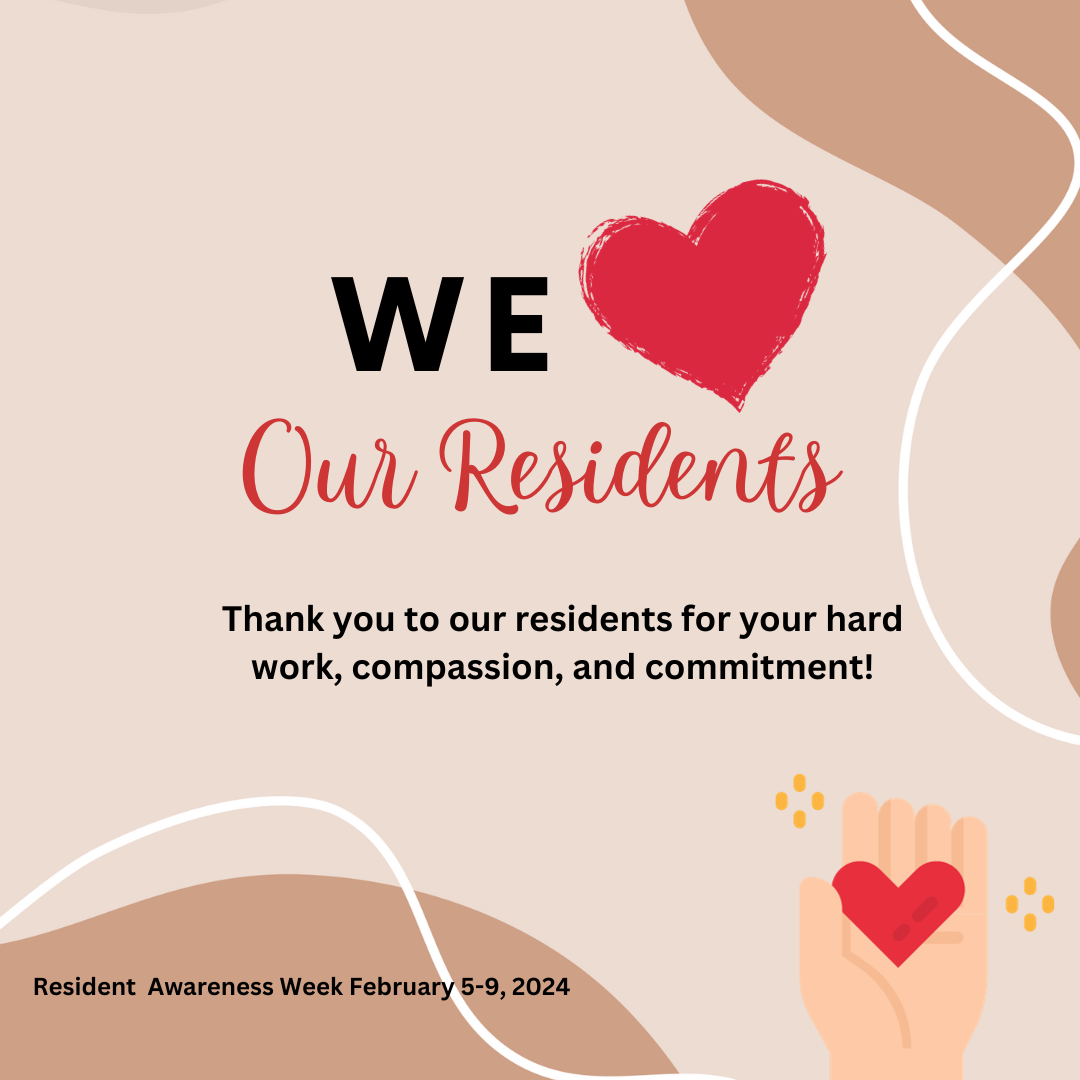
With Resident Awareness Week (February 5 – 9) upon us, we want to take the time to recognize the contributions of our residents.
Medical residents are integral members of the care team; they work many long hours and give years of their lives to providing exceptional care to their patients. They are committed learners, leaders and care providers.
For all they do, TBRHSC would like to recognize and thank our residents for their dedication, achievements and tremendous contributions to excellence in care across our organization.

This World Cancer Day, we take a moment to recognize cancer care within our communities, and work towards a cancer-free future.
While we live in a time of inspiring advancements in cancer prevention, diagnosis and treatment, many who seek cancer care hit barriers. Income, education, geographical location and discrimination based on ethnicity, gender, sexual orientation, age, disability and lifestyle are just a few of the factors that can affect care.
This year’s World Cancer Day’s theme, “Close the Care Gap”, we look to eliminate health inequities, ensuring that everyone has access to quality health services when, where and how they need them.
To learn more about World Cancer Day, visit https://www.worldcancerday.org/


February is Psychology Month. Psychology is rooted in science that seeks to understand our thoughts, feelings and actions. It is a broad field – some psychology professionals develop and test theories through research while others work to help individuals, organizations, and communities function better. Still others are both researchers and practitioners.
Psychology Month is celebrated every February to highlight the contributions of Canadian psychologists and to show Canadians how psychology works to help people live healthy and happy lives, help their communities flourish, help their employers create better workplaces, and help their governments develop effective policies. Please join us in thanking the Psychologists and Psychological Associates who work at our Hospital and serve our community.
The Canadian Psychological Society’s theme of Psychology Month for 2024 is the climate crisis. For more information, or to view this month’s featured videos and podcasts, visit their website.

February is Black History Month in Canada. It is a time to honour the legacy and achievements of Black Canadians while celebrating the rich cultures of the Black community.
This year, the TBRHSC will celebrate Black History Month by highlighting the outstanding work of Black Canadians who have contributed to health care throughout the month. Stay tuned throughout for more highlights on this important history and ongoing work.
For more information on Black History Month visit: https://www.canada.ca/en/canadian-heritage/campaigns/black-history-month.html

Did you know that Thunder Bay Regional Health Sciences Centre (TBRHSC) participates in the co-operative education placement program?
Co-operative education (also known as high school co-op) provides secondary school students with an immersive learning experience in a safe, culturally responsive environment. The co-operative education program aligns with our Staff Experience strategic pillar and our mission as an academic health sciences centre, allowing students to learn about TBRHSC and to apply their skills and interests in different areas of the Hospital.
Placements have been offered in a variety of areas of the Hospital including Medical Device Reprocessing, Intensive Care Unit, Child Life Therapy, Cafeteria, Informatics, Capital Planning, Nutrition & Food Services, Pharmacy, Centre for Complex Diabetes Care (CCDC) and the Maternity Centre. Students are able to engage in unique learning opportunities that are not only memorable, but allow for them to gain practical, hands on work experience that enhances their resume. In addition, the program can help students decide on a post-secondary career path, and may find themselves working at TBRHSC in the future!
Each student has a direct supervisor in their placement area, available to support them and answer any questions.
Here is what our supervisors have to say about the co-operative education experience:
This was a good learning opportunity for Alexa to see patient care (in Cardiac Diagnostics) and also project planning in the Northwest Regional Stroke Network. She did some great work looking at survey results. I hope she found the experience rewarding, and while she has expressed an interest in nursing, this placement exposed her to additional job opportunities in health care.
Trina Diner, Manager, Northwest Regional Stroke Network, Neurology, Cardiac Diagnostics and Cardiac Rehabilitation
TBRHSC is the perfect opportunity to expose students to a variety of roles in health care. Through partnerships with various programs, Alexa was able to spend time in ICU, 2C and nursing orientation training. Not only does it benefit the students it actually benefits our organization as well. It is a win-win. I enjoyed having the opportunity to work with a high school student as they are trying to decide where their future will be in health care.
Keli Cristofaro, Community Engagement Specialist, Northwest Regional Stroke Network
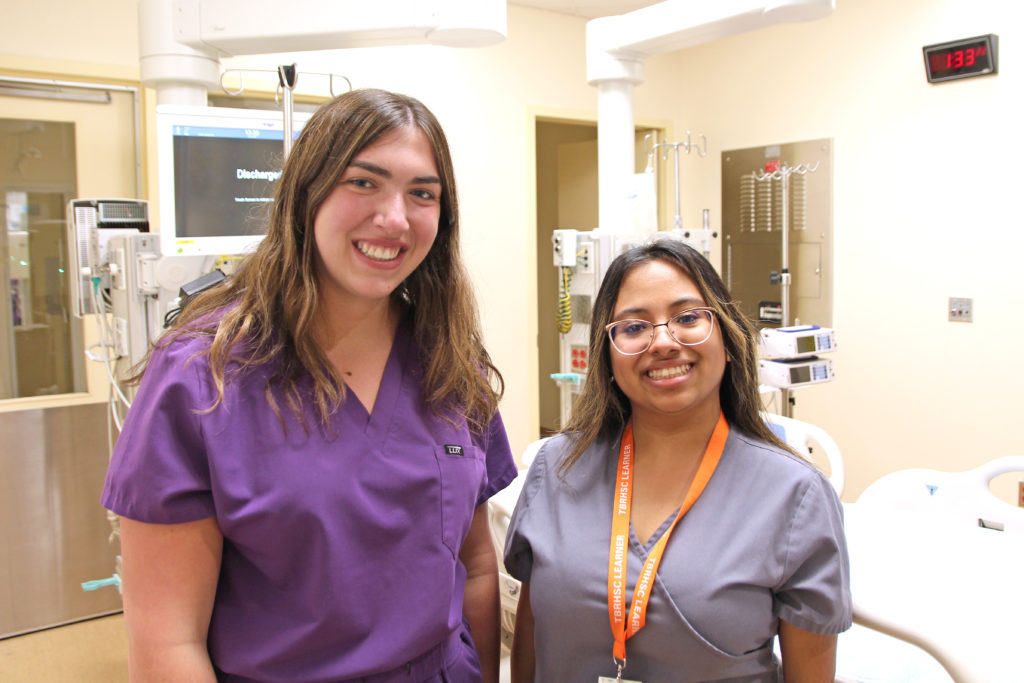
The ICU hosted two co-op students this semester – Natalia and Emma. They took on the responsibility of restocking supply carts and equipment. They shadowed nursing, respiratory and clerical staff and observed how a nursing and respiratory assessment is completed by critical care staff, intubations, arterial line placement, and echocardiogram, accompany patients and staff to tests including CT, MRI and Interventional Radiology. Emma’s most memorable experiences included watching the physicians place chest tubes and central venous lines as well as her day in NICU and Labour and Delivery. She also got the opportunity to observe a cardiac catheterization and follow through with the patient. Natalia’s most memorable experiences were observing bronchosopies, complex wound dressings and observing a code blue. Both students are planning a career in health care; Natalia would like to do nursing, Emma would also like to do nursing school then medical school. It has been a pleasure to have these students as a part of the critical care team the last four months.
Edith Hart, Manager, Critical Care and Respiratory Services
CCDC provided a shared department experience between the Maternity Centre, Pharmacy and CCDC. The student was immersed in the world of diabetes by shadowing all of the staff and clinicians, and had the opportunity to meet with patients and learn how each team member contributed to the plan of care. In CCDC, the student worked with clerical staff to assist with calling patients with appointment reminders, and sending mail outs.
Kelly Keeler, Manager, COVID-19 Assessment Centre, Medical Transitions Clinic, Internal Medicine Clinic, Telemedicine, CCDC, Bariatric and Paedatric Healthy Living Programs
We really enjoyed having our high school co-op student Ryan for this fall. Ryan picked up skills fast and was able to complete tasks given to him quickly. He was enthusiastic about the co-op and did a great job the whole time. Our staff enjoyed showing him aspects about our job and answering questions he had about computer systems. I hope we can see him back here in the future.
Luke Perrier, IT Support Lead
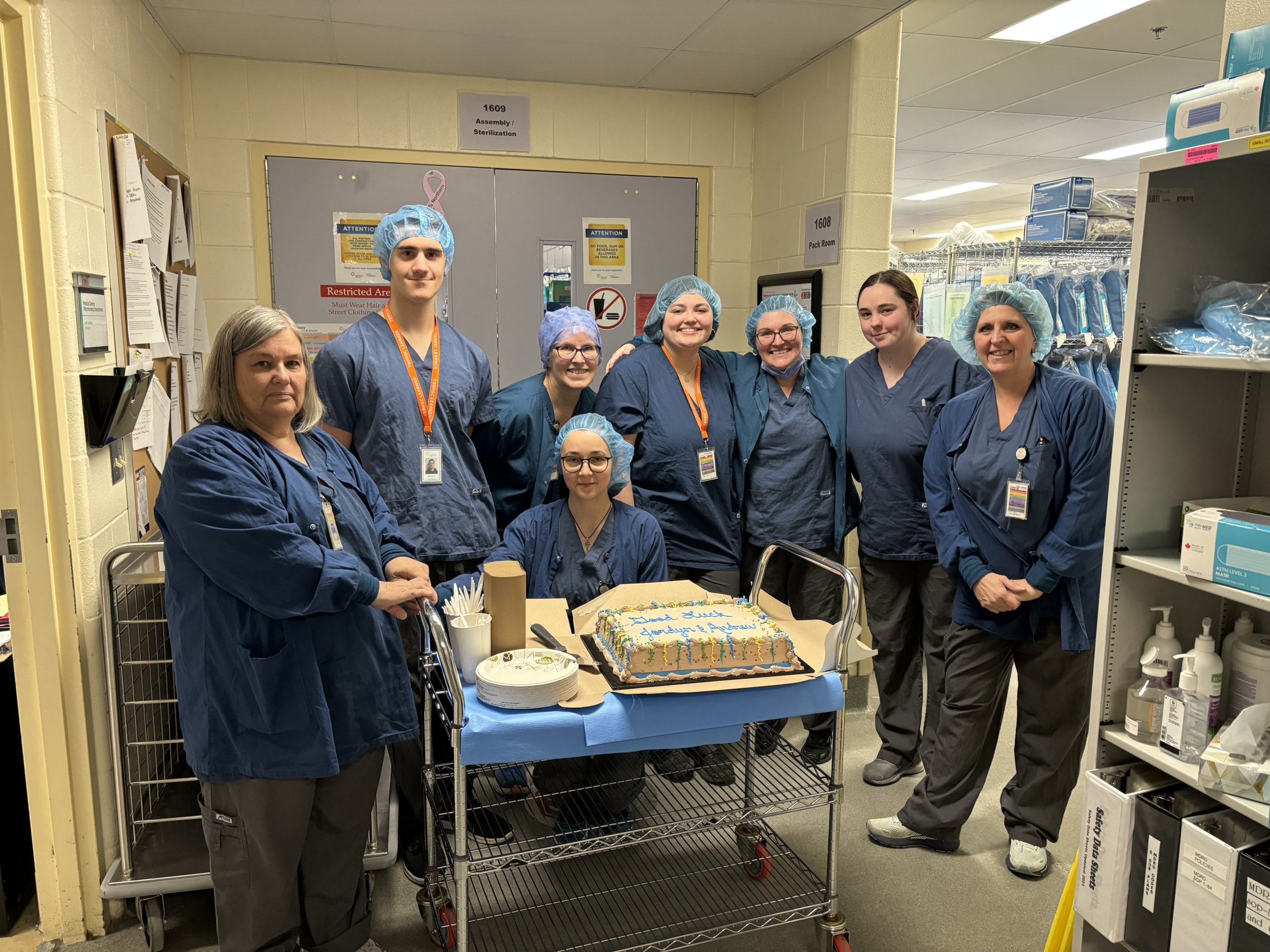
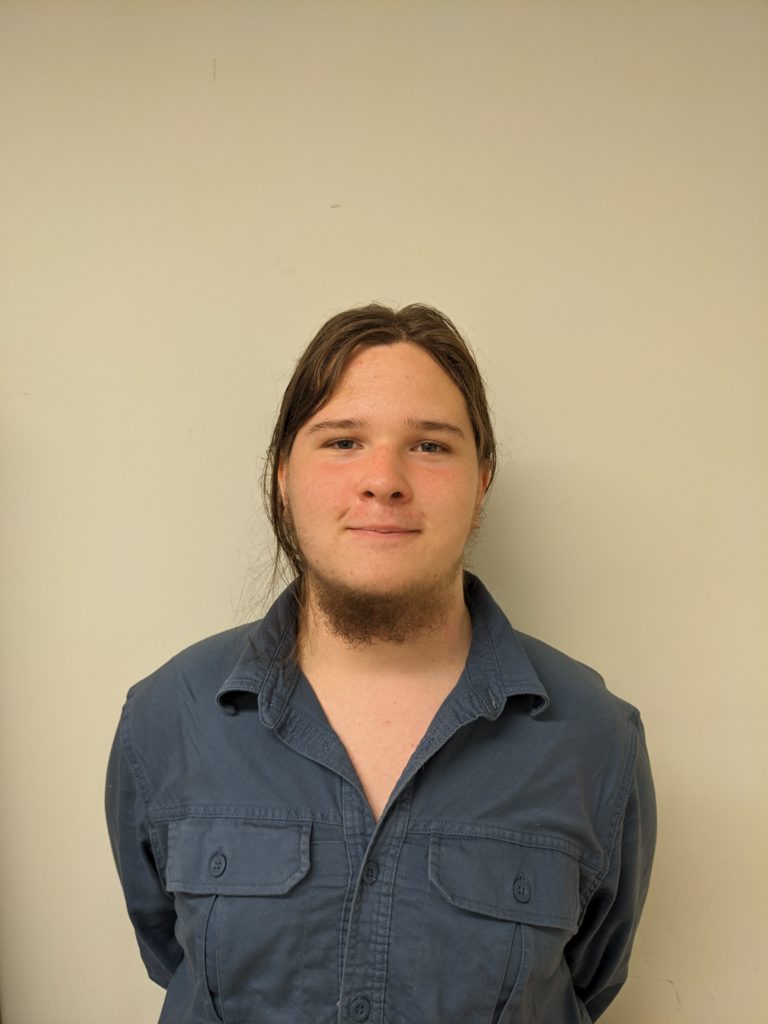
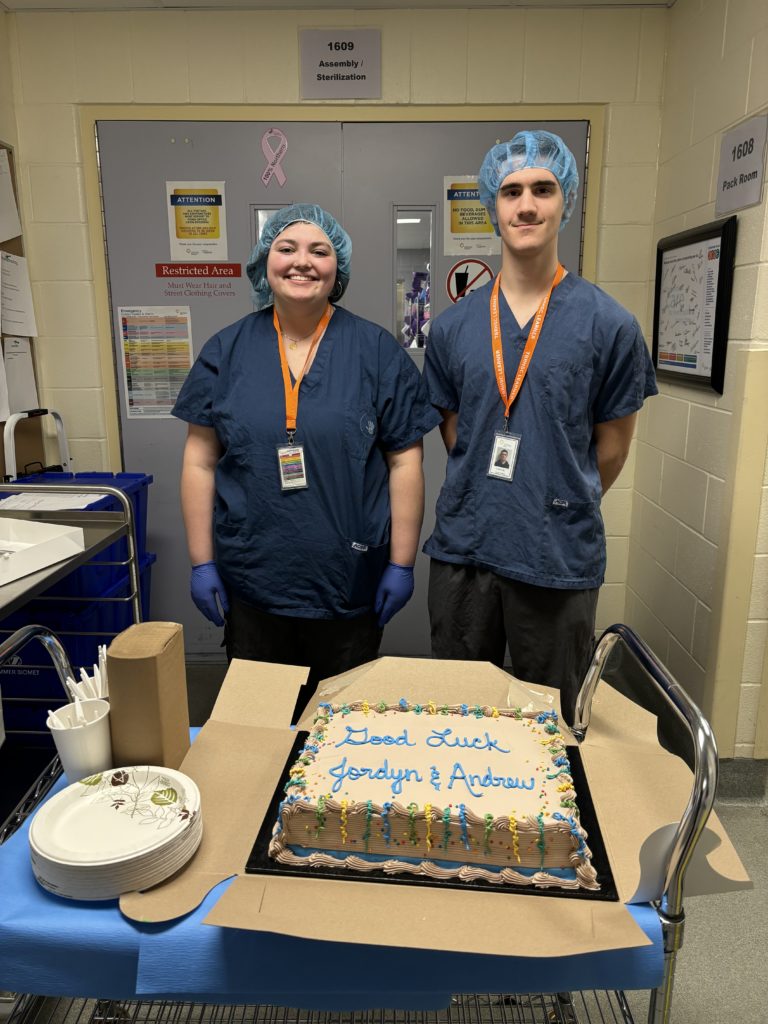
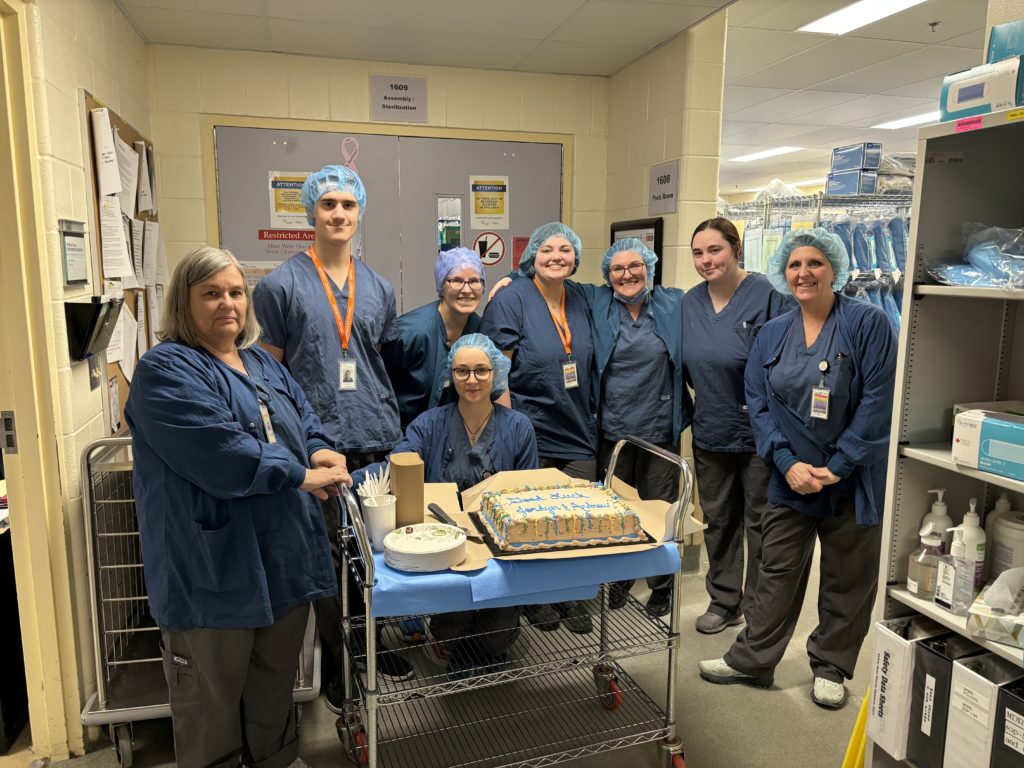
Medical Device Reprocessing Department staff at TBRHSC were honored to work with the high school co-op students as they take great pride in the work they do and want to share it. Our students, Jordyn and Andrew, did not know very much about our department when they started, but left with an abundance of knowledge about how instruments are reprocessed for surgeries. They watched how they were washed, packaged, sterilized and distributed to all areas of the hospital. They always arrived excited to find out who they were going to work with that day as they formed many friendships with the staff. We surprised them on their last day with cake and a card signed by all. Overall it was a great experience for both staff and students and we wish them well in the future.
Jodi Lewicki, Manager Medical Device Reprocessing Department
Participating in a co-op placement at TBRHSC can help students see the possibilities that the future can bring and it assists us in developing our future workforce. Students create community connections while observing the value of education, and of being engaged, and compassionate members of the community.
High school student Emma found the placement to be a great learning experience.
“I believe this was a great opportunity, especially as someone taking nursing next year,” said Emma. “It was cool to observe how nurses care for the patients in Intensive Care. I enjoyed learning from them and observing certain procedures done by the physicians.”
Thank you to all the high school students who chose TBRHSC for their co-operative education placement!
Each semester the high schools receive a list of the available co-operative education placements. To learn more about future high school co-op placement opportunities, please contact the Human Resources Department at humanresources@tbh.net.
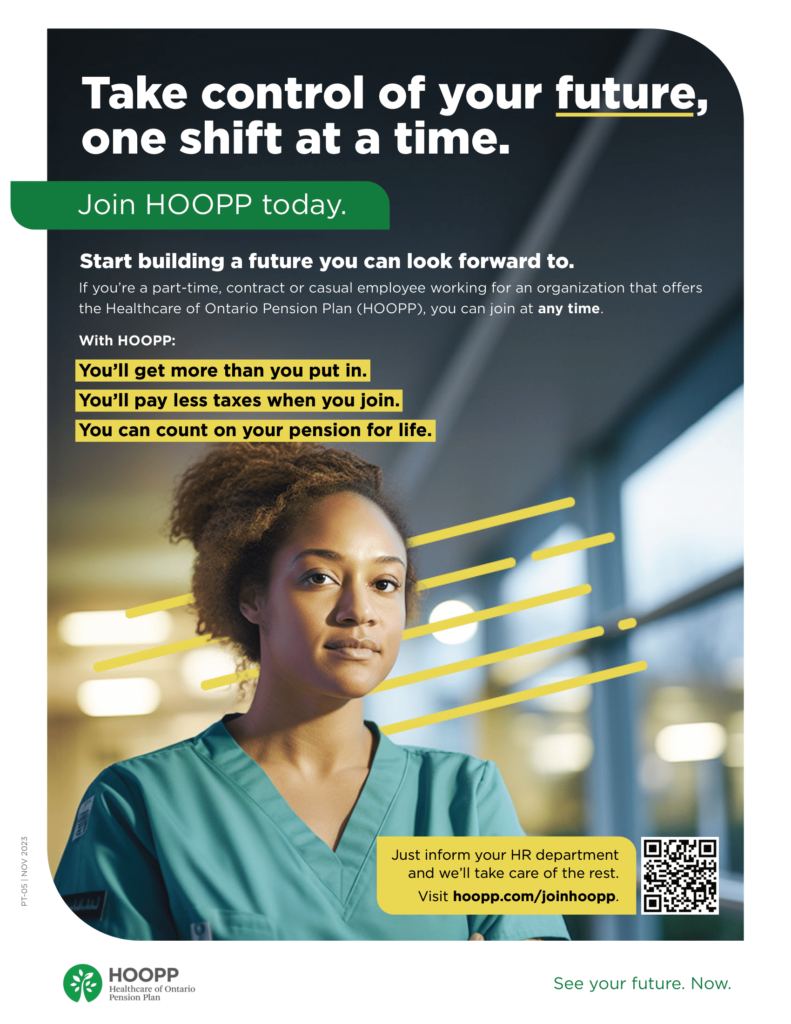
If you’re a part-time, contract or casual employee, you can join the Healthcare of Ontario Pension Plan (HOOPP) at any time during your employment here at Thunder Bay Regional Health Sciences Centre.
For more information, click the handout below, or contact HR at humanresources@tbh.net.

Nominations are now open for the City of Thunder Bay’s 12th annual respect. Awards. The respect. Awards, created by the Respect Initiative Working Group and sponsored by Diversity Thunder Bay, recognize individuals, businesses, and organizations that have demonstrated leadership in enhancing diversity, inclusion, equity and respect for others.
Two respect. Awards will be presented this year: one for an individual and one for an organization or business.
“The respect. Awards offer an opportunity to recognize the exceptional efforts of those who work to make Thunder Bay a better place to live and work,” said Lee-Ann Chevrette, Community Safety & Well-Being Specialist. “It is important to highlight these efforts so they might inspire others to create positive change, and help make Thunder Bay a community where everyone can feel safe being exactly who they are.”
The respect. Award recipients will be announced on Wednesday, March 21, 2024, during Diversity Thunder Bay’s 18th Annual Celebration event, which marks the United Nations International Day for the Elimination of Racial Discrimination.
The respect. initiative is a join initiative of the Anti-Racism & Equity Advisory Committee and Community Safety & Well-Being Thunder Bay.
Nominations close on Friday, Feb. 16 at 4:30 p.m. For more information visit www.thunderbay.ca/respect.