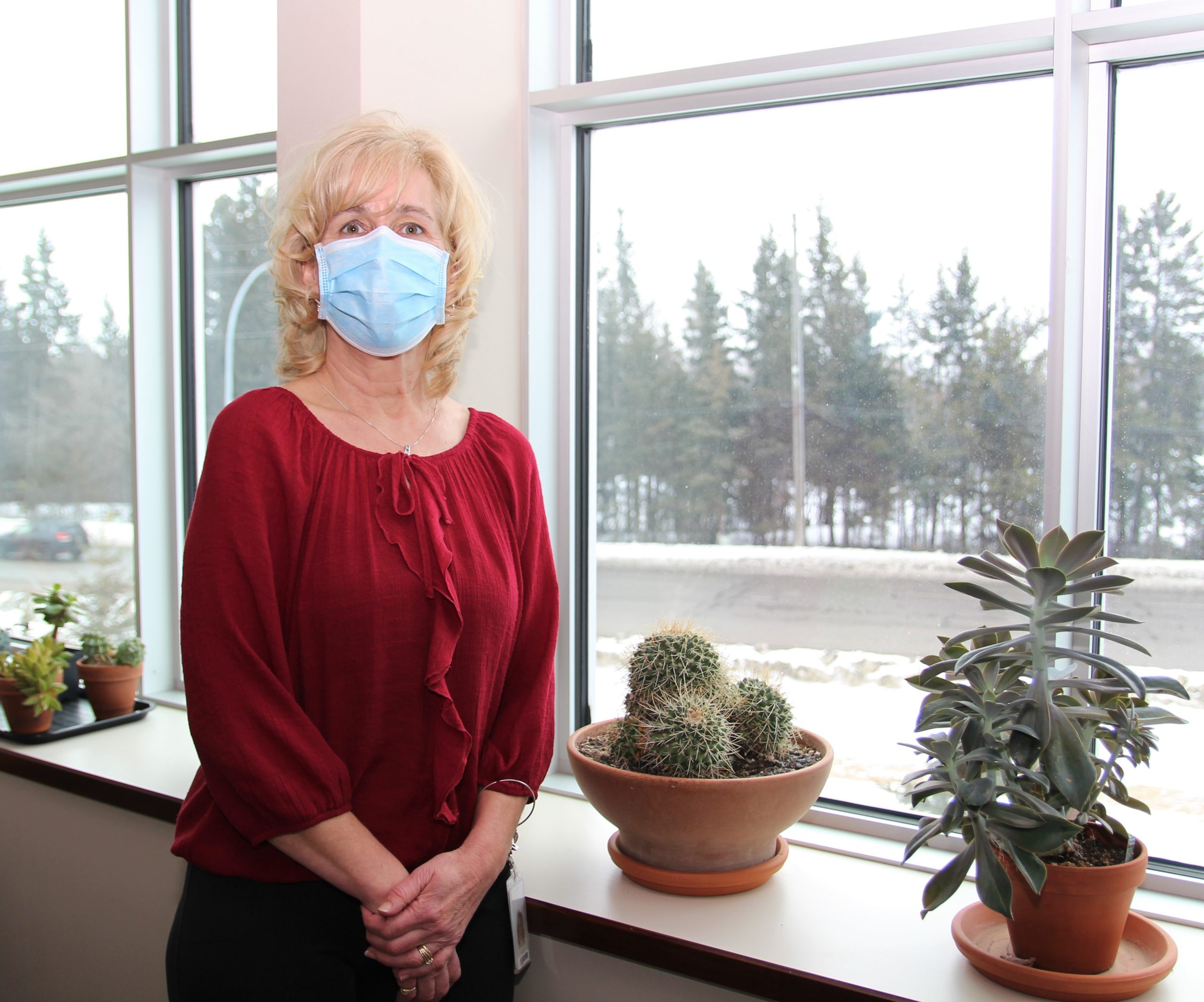
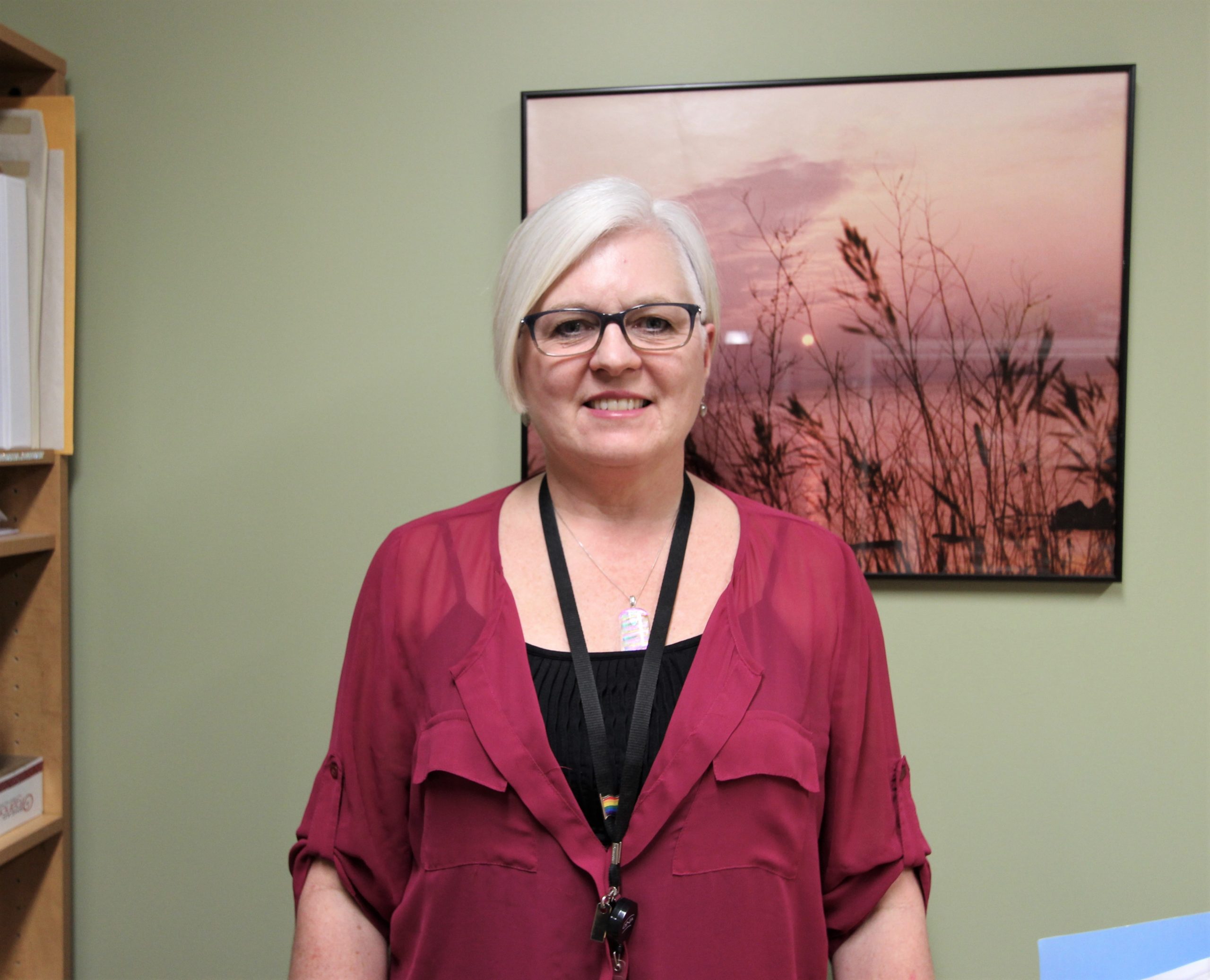
Heart Month Profile: Kathy Bogacki, Regional Cardiovascular Triage Nurse, Cath Lab

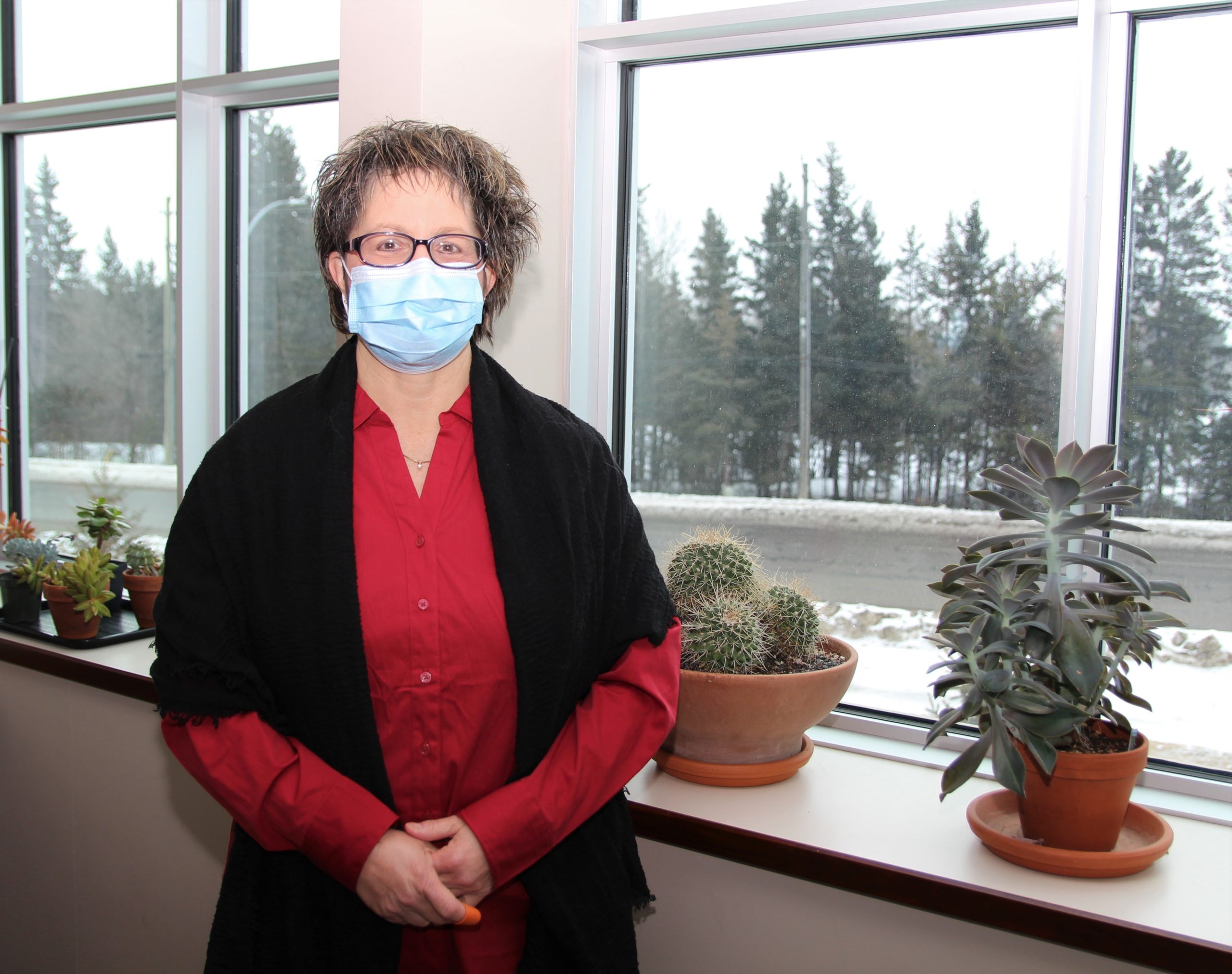
It’s Heart Month, and we’re highlighting staff and departments at Thunder Bay Regional Health Sciences Centre (TBRHSC) who play a vital role in cardiovascular care. Today, we’re sharing some Q&A with Kathy Bogacki, a Regional Cardiovascular Triage Nurse in our Cardiac Catheterization Lab (Cath Lab).
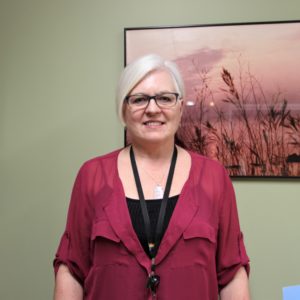
What does it take to be a Regional Cardiovascular Triage Nurse in the Cardiac Catheterization Lab (Cath Lab)?

Organizational skills and the ability to do several things at once help me to succeed in this triage role. I’ve been a Registered Nurse for many years have varied experience in surgery, cardiology, intensive care and the Cath Lab. This experience supports me to help guide patients through their individual referral processes outside of Northwestern Ontario, for cardiac surgery, angioplasty, ablations, internal defibrillators, valve replacements, congenital heart problems and transplant workups.

What is unique about your role?

I am the only person in this role in Northwestern Ontario which gives me great pleasure to serve the residents of this region. I am the personable type and value being able to interact at the bedside with patients in the hospital. I interact with patients and their family members through phone calls to decrease their anxiety about their upcoming travel and appointments. I also participate in rounds throughout the hospital to support and guide staff with the questions they have for their cardiology patients.

What inspired you to work in cardiac care?

My first love was surgical nursing and to have the experience of nursing with the Cath Lab team provided me the opportunity to enjoy a similar experience of an operating room setting. While many people know about the serious medical condition of a heart attack, in the Cath Lab we call them “STEMI’s” and we have a “call team” ready to react when a Code STEMI is activated. Being a part of that call team was a gratifying and rewarding experience. It allows us to provide direct care to many anxious patients who wondered if their treatment would be successful. Having the opportunity to work directly with patients has provided me with the skills to work in my current triage role. I am able to educate nurses and family doctors, patients and families; not only here at TBRHSC, but across our entire region as well.

How does your role impact patient care?

I am only a phone call away from our regional partners to help triage patients from their home towns and back. I am able to provide information for the health care professionals as well as the patients. It is stressful being told that you need to fly to southern Ontario for a procedure. I am able to ease that anxiety by providing information about the upcoming surgeries or procedures, details about the hospital they’re being sent to and many others. I can also provide information about accommodations, flight suggestions and specific details of what patients and families can bring with them for a positive experience. The COVID-19 pandemic has prevented many family members from traveling with their loved ones. If I can provide answers to their questions before they depart, then that will provide a smoother transition for the patient.

On the concept of practice what you preach, do you have any personal tips on how to stay heart healthy?

Try to maintain a little balance with foods and exercise and make sure you don’t forget to laugh.  But as I tell many patients “Be a little bad, the good die young”.
Update: Comprehensive Cardiovascular Surgical Program at TBRHSC

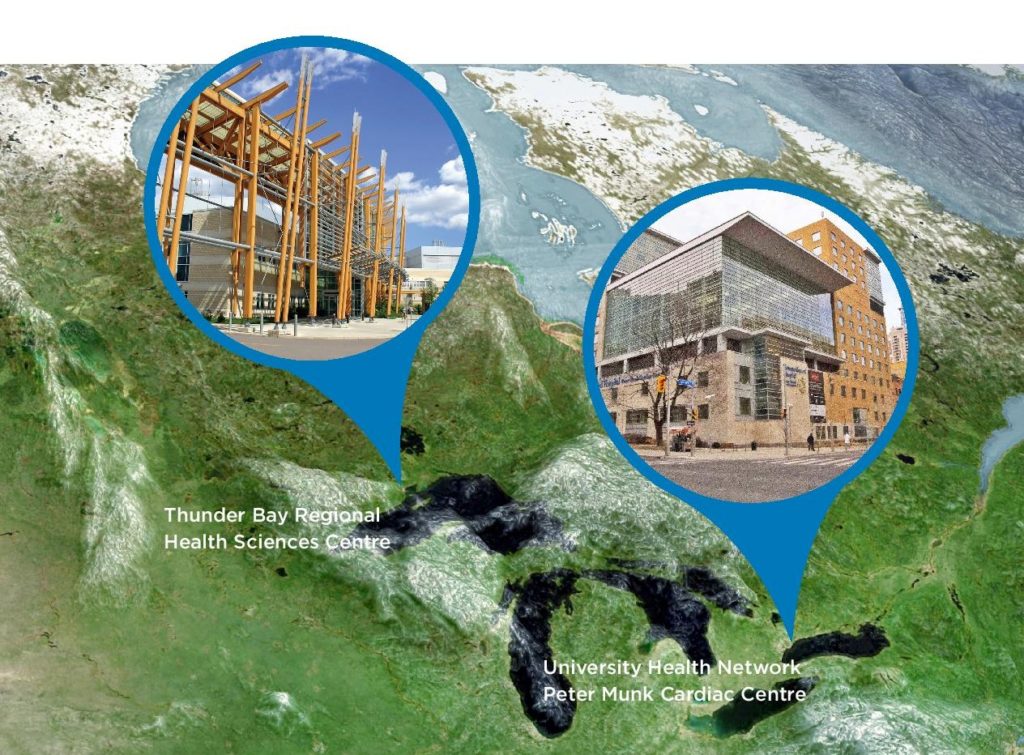
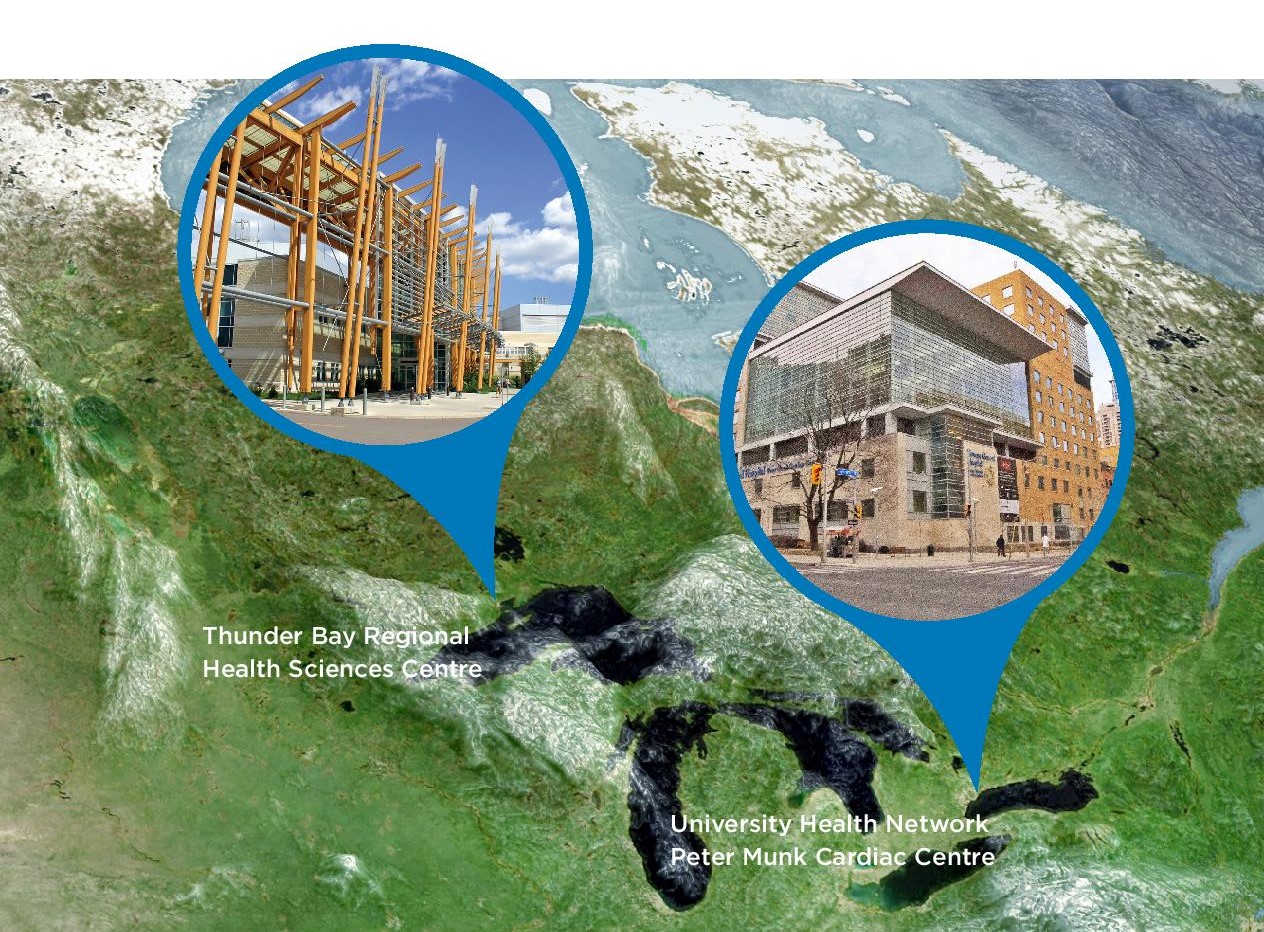
In order to bring safe, quality health care to our patients, the Thunder Bay Regional Health Sciences Centre (TBRHSC) developed a partnership with the University Health Network’s Peter Munk Cardiac Centre (UHN-PMCC) and together, a corridor of services was created using a ‘One Program on Two Sites’ model for cardiovascular care.

The purpose of this model is to save lives and limbs and to reduce the burden of cardiac and vascular disease in Northwestern Ontario by improving access to essential services right here at home. With UHN-PMCC as our partner, we are ensuring that our care is top-notch and that our patients and families will receive the very best care possible. Our partnership allows us to extend the reach of UHN-PMCC’s centre of excellence into Northwestern Ontario so patients may benefit from leading edge advancements in cardiovascular care.

Vascular Surgical Services

The vascular component of the comprehensive cardiovascular surgery program launched in 2015 with the introduction of its first phase of procedures, which included non-invasive vascular diagnostics, general vascular and dialysis access procedures, non-complex endovascular aneurysm repair (EVAR) and both minor and major vascular surgeries including lower extremity occlusive disease repair.

The second phase of development in collaboration with UHN-PMCC will also see continued vascular surgical services provided to a wide variety of patients with vascular disease in Northwestern Ontario, including major vascular surgical procedures and emergent vascular trauma surgery. This service will provide both elective and urgent vascular surgery to residents of Northwestern Ontario while continuing to refer more complex endovascular and open surgical candidates to UHN-PMCC.

Cardiac Surgical Services

The completion of the second phase of development for the Comprehensive Cardiovascular Surgery program at TBRHSC will see the provision of coronary artery bypass grafting (CABG) and heart valve replacements for patients with cardiovascular disease in Northwestern Ontario.

Our future cardiac surgical services will provide both elective and urgent surgeries to our residents while continuing to refer more complicated advanced surgical candidates to UNH-PMCC for more complex management.

With the goal to improve access to high quality cardiac and vascular surgical services for Northwestern Ontario residents, the University Health Network’s Peter Munk Cardiac Centre will share their clinical expertise to support the development of TBRHSC into a fully operational surgical site for selected cardiovascular case types. Wherever possible, care will be delivered ‘close to home’. The cases that are complex and outside of the criteria established for TBRHSC will be managed at the UHN-PMCC. In this manner, the appropriate level of care is offered to all patients, ranging from routine to complex, across two sites.

The development and planning of our ‘One Program on Two Sites’ model is currently in the second stage of the capital planning process known as the functional program development stage. Numerous cross-functional working groups from both TBHRSC and UHN-PMCC have worked together to design and prepare the clinical programs and services along with the physical elements and spatial requirements for the next submission required by the Ministry of Health in order to reach our goal of providing residents of Northwestern Ontario with high quality cardiovascular surgical services, right here at home.

For more information, please contact Wayne Taylor, Manager and Clinical Project Lead, Cardiovascular Sciences Program via email at taylorw@tbh.net

Heart Health: The Pandemic Way

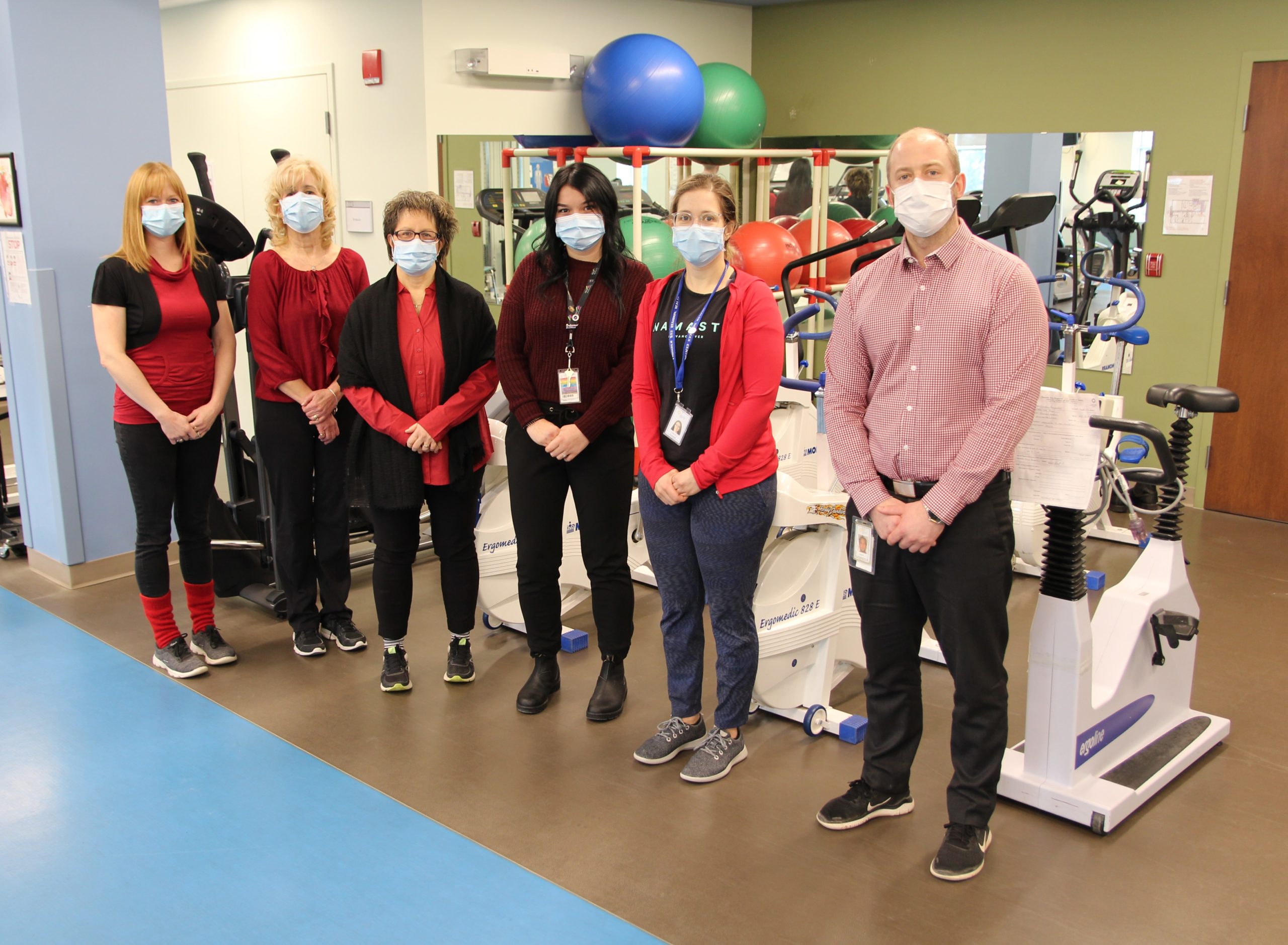
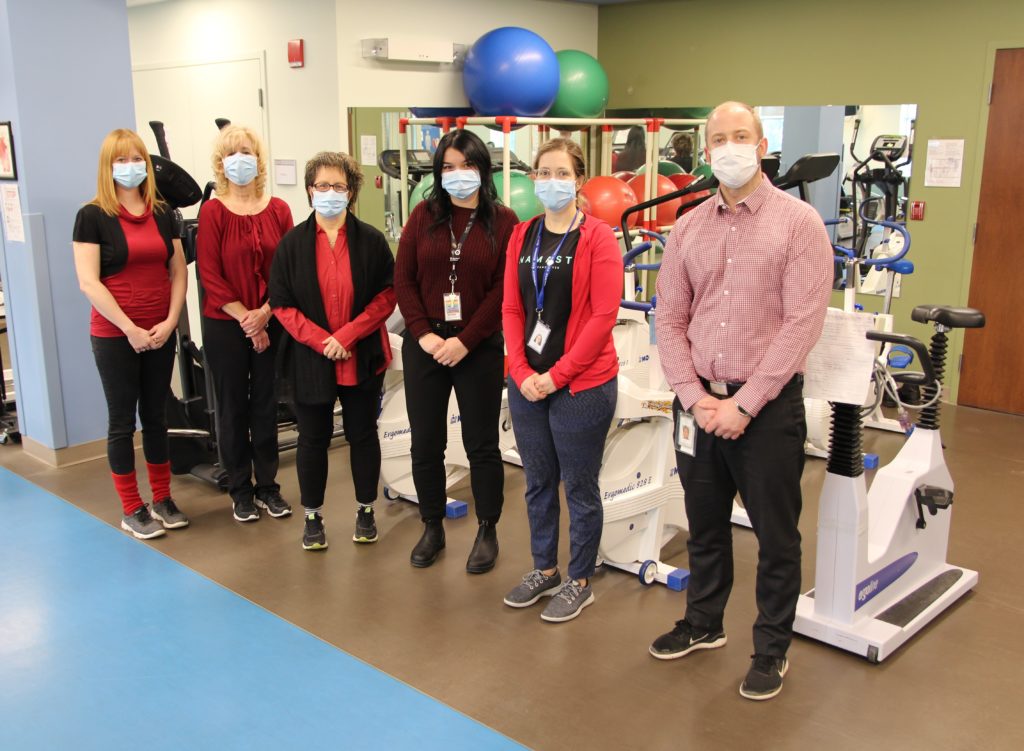
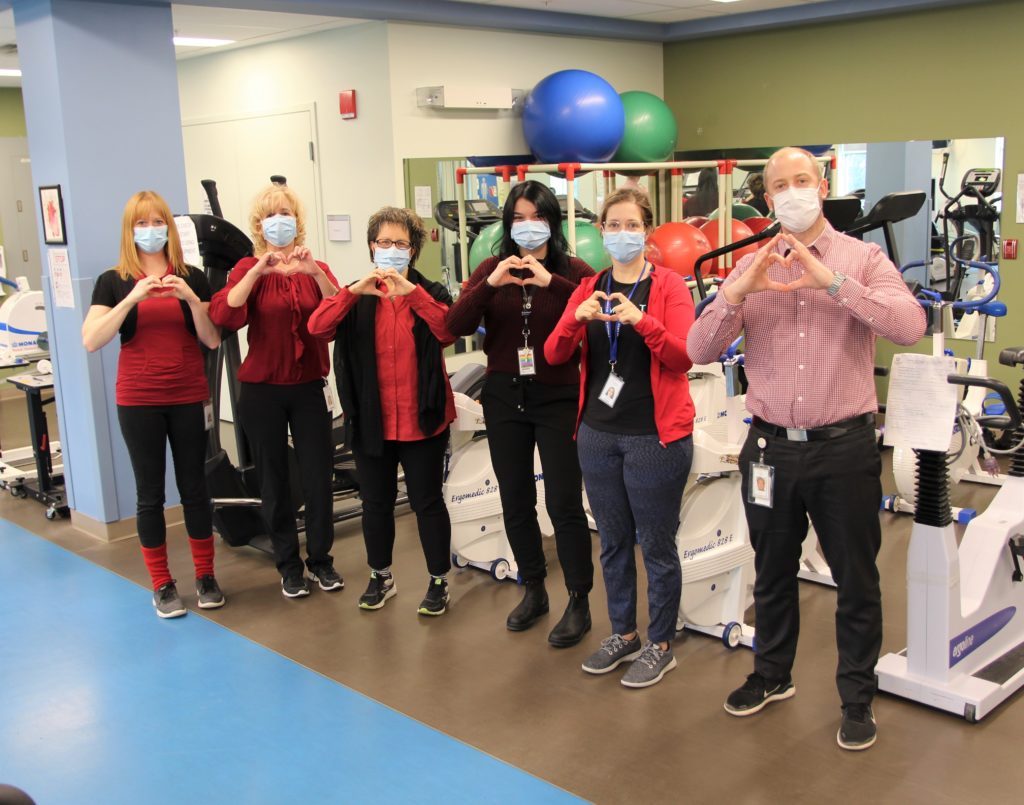
February is Heart Month and staff with the Cardiovascular Rehabilitation Program at Thunder Bay Regional Health Sciences Centre want you to take control of your heart health, the pandemic way.

The COVID-19 pandemic has severely impacted each and every one of us. However, throughout the hardships and social isolation, the past year has also shown us how truly important our health and wellness is. February is Heart Month and staff with the Cardiovascular Rehabilitation Program (Cardiac Rehab) at Thunder Bay Regional Health Sciences Centre (TBRHSC) want you to take control of your heart health, the pandemic way.

Nine out of ten Canadians are living with one or more heart disease risk factors. There are certain risk factors that we cannot control, like age, sex, ethnicity and heritage, family and personal medical history, and personal/environmental circumstances. However, the other risk factors are modifiable, meaning that simple changes in your daily routine can help to prevent heart disease from occurring or happening again. But what kind of changes can you make during a global pandemic?

Exercise and Physical Activity: “The gyms may be closed, but there are still great ways to get exercise throughout your day,” said Katherine Chisholm, a Registered Kinesiologist with the Cardiac Rehab program at TBRHSC. “Many local gym facilities are offering virtual training sessions that require little to no equipment – and if that doesn’t interest you, try that old treadmill or stationary bike collecting dust in your basement, or visit a local recreational trail. Maybe try Zumba to your favorite song, or a new YouTube fitness video – try anything and everything until you find something you love and then do that for 30 minutes, every day.”

Obesity: Currently, 60% of Canadian adults are overweight, doubling their risk for developing heart disease. “With the added stress of being home bound, we have more time to eat mindlessly and to make excuses to not exercise,” continued Chisholm. “A food and exercise log act as great resources to keep track of our healthy habits and avoid unnecessary weight gain. Try setting weekly goals to monitor your progress, or keep an eye on how your clothes fit as a rule of thumb. Remember, weight fluctuates so do not be discouraged if you notice changes throughout your fitness journey.”

Healthy Eating: Eating fresh food can be a challenge when we have to limit our public outings to the local grocery store. “Before your next visit to the grocery store, plan your meals and ingredient list for a healthy shopping experience,” said Nicole Strong, a Registered Dietitian with the Cardiac Rehab program at TBRHSC. “There are a variety of shelf stable foods, such as grains, canned vegetables, and canned or dried legumes that you can fill your pantry with. You can also fill your freezer with a variety of vegetables, fruits, lean meats, fish, and seafood. Always be mindful of portion sizes, and what’s in your food. The ingredient list is a great spot to look. Be aware of the extra sugar, salt, and fats that have been added to the food that is sold.”

 Being Smoke-Free: Smoking triples your risk for developing heart disease and increased stress directly impacts our cravings throughout the day. “If you are currently a smoker, any reduction in smoking can improve your overall health,” said Strong. “There are smoking cessation programs available throughout the city, at some family health teams, the Thunder Bay District Health Unit, and within the programs at TBRHSC.”

Limiting Your Alcohol: Canada’s Low Risk Alcohol Drinking Guidelines recommend no more than 2-3 drinks per day. “Alcohol intake increases your risk of heart disease, may make symptoms of a pre-existing disease worse, and can even affect how some medications work in the body,” said Strong.

Stress: Fear of contracting or spreading COVID-19 is very real, and this added stress directly affects our cardiovascular health. “Acknowledge your feelings of anger, frustration or fear and remind yourself it is okay to feel this way”, said Rae-Anne Robinson, a Register Social Worker with the Cardiac Rehab program at TBRHSC. “Engage in healthy habits, use your favorite stress busting hobbies or breathing techniques when needed, use reputable sources for information and take a break from the constant media exposure, and keep in touch with your loved ones with regular phone calls or virtual visits. But most importantly, remember you do not have to face these challenges alone. You can ask for help through your local professional supports.” This Heart Month, take control of your heart health by relieving the added pressures caused by the COVID-19 pandemic.

For further questions about your risk for heart disease, talk to your primary care provider.

Heart Month Profile: Dena Szura, Clerk, Cardiovascular Rehabilitation Program

It’s Heart Month, and we’re highlighting staff and departments at Thunder Bay Regional Health Sciences Centre who play a vital role in cardiovascular care. Today, we’re sharing some Q&A with Dena Szura, a Clerk with the Cardiovascular Rehabilitation Program (Cardiac Rehab).

What does it take to be a Clerk in the Cardiovascular Rehabilitation Program (Cardiac Rehab)?

Multi-tasking and organizational skills are essential. Our program provides care for Thunder Bay as well as 12 regional sites in Northwestern Ontario. I am responsible for maintaining a database of the clients referred to Cardiac Rehab as well as connecting with all clients by phone or by mail. I provide clients with an overview of the program and gauge their interest. If they are interested, I will book them for 12 appointments over 12 weeks, including individual appointments in our clinic with our nurses and doctor, a variety of education sessions with our nurses, Kinesiologists, Social Worker and Dietician and a one-on-one with our Registered Dietician. Currently, our clinic is virtual so most of these appointments are organized via Webex or by telephone. We also utilize Telemedicine for our regional clients.

What is unique about your role?

I am the first point of contact for these clients. Their care journey with us will sometimes last for three to six months. We get to form trusting relationships and a sense of community with these clients as we help them on their road to recovery.

What inspired you to work in the Cardiac Rehab Program and in cardiac care?

I was looking for a change from my previous position and the opportunity came up to work in Cardiac Rehab. At the time, I was working behind the scenes and had minimal client interaction. I was really interested in working with and having more interaction with clients. It was great timing and it feels like it was meant to be.

How does your role impact patient care?

I am the first person that the clients see when they walk in the door. I want to make them feel welcomed and let them know that they are in a caring and comfortable environment. I receive all calls and make sure their questions are appropriately answered.

On the concept of practice what you preach, do you have any personal tips on how to stay heart healthy?

I am aware of cardiac risk factors and the importance of prevention so that inspires me to exercise 45 minutes each day, three to four times a week, in addition to daily stretching. I try to eat healthy and take additional supplements. I also have started juicing, not to replace meals, but to supplement my meals with micronutrients. I also drink a lot of water.

Any final thoughts?

It is with mixed emotions that I contemplate retirement in the next couple of years. It is not just a job for me. We have such a great group of staff and volunteers that I am among family when I am here. I hope to be able to continue to be a part of Cardiac Rehab in some way in the future.

Take a Mindful Moment: Namaste with Dave

Mindfulness is learning to be in the present moment, on purpose and not bringing judgment to whatever is occurring. Incorporating just a few minutes of relative peace and stillness into your day, even in an environment that is extremely busy, allows the body and mind to recuperate and build resilience. Help manage your stress and build balance into your life by taking a few moments to relax and rejuvenate with a guided mindfulness class.

Dave Gladun, our staff member who facilitates  ‘Namaste with Dave’ mindfulness classes at our Hospital, has been running this popular class since 2014. While in-person classes have been put on hold, Dave has recorded three short videos featuring relaxation and meditation techniques that can be helpful during times of stress or when chaos is a part of your day. Try one or all of these videos which are available in 5, 15, and 30 minute breathing space options.

Visit www.tbrhsc.net/namaste

Heart Month Profile: Lauri Fieldhouse, RN, Cardiovascular Rehabilitation Program

What does it take to be a Registered Nurse in the Cardiovascular Rehabilitation Program (Cardiac Rehab)?

The Registered Nurse (RN) role in Cardiac Rehab works as a case manager for the more medically complex clients, along with providing medical treatment when required in the gym for all participants. We meet with all clients before starting them in the Cardiac Rehab program and do a complex nursing assessment. Strong assessment skills and nursing intuition are important skills in working with our client population. Many cardiac clients are fearful of what lies ahead following a cardiac event and we play a large role in helping them regain a sense of control over their lives and confidence in their abilities.

What is unique about the role?

A unique aspect of working in Cardiac Rehab is our outpatient population. We work with clients with heart disease and those that have had cardiac interventions in an inpatient or outpatient settings. We work with clients over a prolonged period of time and are able to observe progress in their abilities and recovery.

What inspired you to work in the Cardiac Rehab Program and in cardiac care?

I was working on the cardiovascular unit at McKellar Hospital and was approached by my manager at the time to fill in for a few shifts in Cardiac Rehab. I found the work very fulfilling. When an opportunity for a permanent position came up, I took it. The work fit well with my lifestyle at the time being a mother to three children, with two under the age of four. I have come to like it so much that I stayed.

How does your role impact patient care?

The RN role prepares client charts, performs nursing assessments for new clients, provides education virtually on cardiac medications and is a resource person for other staff. This role brings interesting opportunities to provide very comprehensive care and advocate for the best possible care for our clients, something that requires diligent attention, but is very rewarding as a nurse.

On the concept of practice what you preach, do you have any personal tips on how to stay heart healthy

I eat a balanced diet along with an adequate daily fluid intake (aiming for 8 glasses of water). I maintain a healthy weight and check my blood pressure 4-6x/year to make sure it is in normal range. I walk daily for 30-60 minutes along with accessing yoga/stretching videos on YouTube to do in the evening 2-3x/week. I access friends virtually to be my regular sounding boards when I need to de-stress. My faith is also important to me and helps me stay focused and grounded during these uncertain times.

Any final thoughts?

Working in Cardiac Rehab for the last 20 years has been so rewarding. I have touched the hearts of so many clients in that time and it has been a privilege to help in some way in their cardiac recovery journey. Thunder Bay has a small town feel and I often find myself running into Cardiac Rehab participants in one way or another. That’s something I have really enjoyed. Our wonderful team at Cardiac Rehab has become my second family and are a great support system during trying times.

Heart Month Profile: Cardiovascular Rehabilitation Program

Recovering from a heart attack or other event related to cardiovascular disease can be difficult and sometimes frightening. Often, a patient won’t know where to start. The doctor may provide some tips about diet and exercise, but the patient can quickly become overwhelmed with information.

That’s why Thunder Bay Regional Health Sciences Centre developed the Cardiovascular Rehabilitation Program (or Cardiac Rehab). This unique program helps those recovering from and living with cardiovascular disease to get the guided exercise, education, and counselling they need. The program is designed to help people lead a more independent and healthy lifestyle. Participants will learn more about their risk factors and how to reduce them with strategies for living an active, healthy, and smoke-free life.

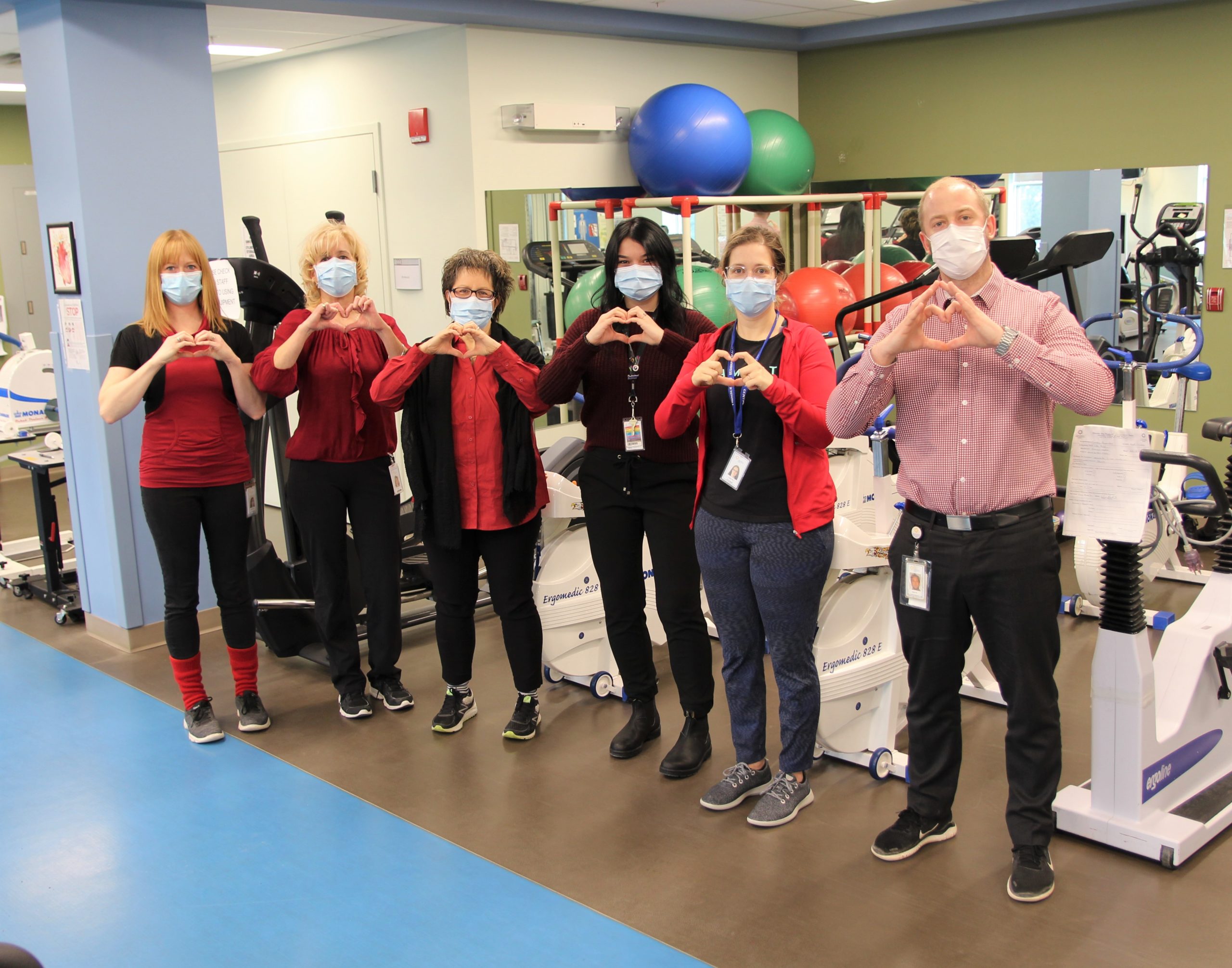
The Cardiac Rehab team is made up of administrative staff, Registered Nurses, Registered Kinesiologists, a Registered Dietician, a Social Worker and a physician. This team of experts works diligently to provide thorough care to those attending and help them on their road to recovery.

Nearly 450 participants were enrolled in Cardiac Rehab each year before the COVID-19 pandemic brought on major changes to the program. The Cardiac Rehab team adapted quickly to the challenges created by the pandemic and used this opportunity to develop an excellent virtual program to bring education, care and exercise programs to patients in their own homes and communities. Since implementing this last year, the Cardiac Rehab team has successfully helped 693 participants in their recovery journey.

Thank you to the Cardiac Rehab team for helping us recognize Heart Month and for working tirelessly to provide care for our community and region.

Heart Month Profile: Carolyn Gagnon, NP, Cardiovascular and Stroke Unit (2C)

It’s Heart Month, and we’re highlighting staff and departments at Thunder Bay Regional Health Sciences Centre (TBRHSC) who play a vital role in cardiovascular care. Today, we’re sharing some Q&A with Carolyn Gagnon, a Nurse Practitioner on the Cardiovascular and Stroke Unit (2C).

Describe your role for us.

I am a Nurse Practitioner (NP) within the Cardiovascular Sciences Program. I work with all the cardiologists on a day to day basis and see patients for consultations, admissions, transfers and discharges. The NP team follows the majority of cardiac patients throughout their hospital stay and provides ongoing care, education and collaboration with other services and team members. I see patients after major heart attacks when they are in the Intensive Care Unit and follow them throughout the stay until discharge. On the Cardiovascular and Stroke Unit (2C), I see all patients under the care of a cardiologist throughout their hospital journey.

What does it take to be a Nurse Practitioner (NP)?

From an education stand point – after working as a Registered Nurse (RN) for three years I returned to school to become a NP, also known as a RN with extended class. I am currently in the process of obtaining my Master’s degree.

From a working stand point – it takes good time management, strong communication skills and the ability to establish working relationships with a variety of interdisciplinary team members within the hospital.

What is unique about your role?

NPs bring a nursing perspective into a medical model view. Both professions are trained differently and I think bringing those two models together allow for the best holistic approach for the patient and hopefully improve outcomes/satisfaction.

I am able to listen to staff concerns, provide education and promote a positive team environment, as well as working alongside physicians, where I am able to learn and ask questions. This allows me the ability to relay information back to the patients, families and staff throughout their hospital journey. All of this allows the patients and family to gain knowledge of their condition/disease, promotes self-management of chronic conditions and ensures a more positive hospital experience and hopefully an improved overall outcome.

What inspired you to work on 2C and in cardiac care?

Cardiology is so fascinating! It affects everyone. I started my nursing career on 2C and worked there until I went back to school. I worked as a primary care provider for five years before returning to the Cardiovascular Sciences Program as a NP and truly feel at home here. I learn daily and am so excited to see the upcoming advancements that TBRHSC has in store for the Cardiovascular Sciences Program.

How does your role impact patient care?

I hope my role within the program impacts patients in a positive way. I enjoy being the consistent person that patients and families see throughout their hospital journey. TBRHSC is busy and chaotic and can be overwhelming at times. I take the time to sit and talk with patients and families about their diagnoses, care/treatment plan, discharges and follow-up and provide ongoing daily education throughout their stay. I think knowledge is key to compliance once discharged. I encourage questions and ensure all follow-up is known. Coming from primary care, I am aware of some barriers with communication from acute care to community and have tried to fill in the gaps. This will allow a more seamless transition of care back to their primary care provider and ease the stress on the patient upon discharge.

On the concept of practice what you preach, do you have any personal tips on how to stay heart healthy?

I try to decrease my stress and make time for myself out of my busy schedule. My goal is to take a minimum of 10,000 steps per day and have made an effort to increase my water intake throughout the day.

Any final thoughts?

I am privileged to have amazing colleagues and am honored to be nominated during Heart Month by the 2C staff. Thank you for always being so supportive of the NP role within this team.

Angiography Exterior Work Notice

Sent on behalf of the Capital Planning Department


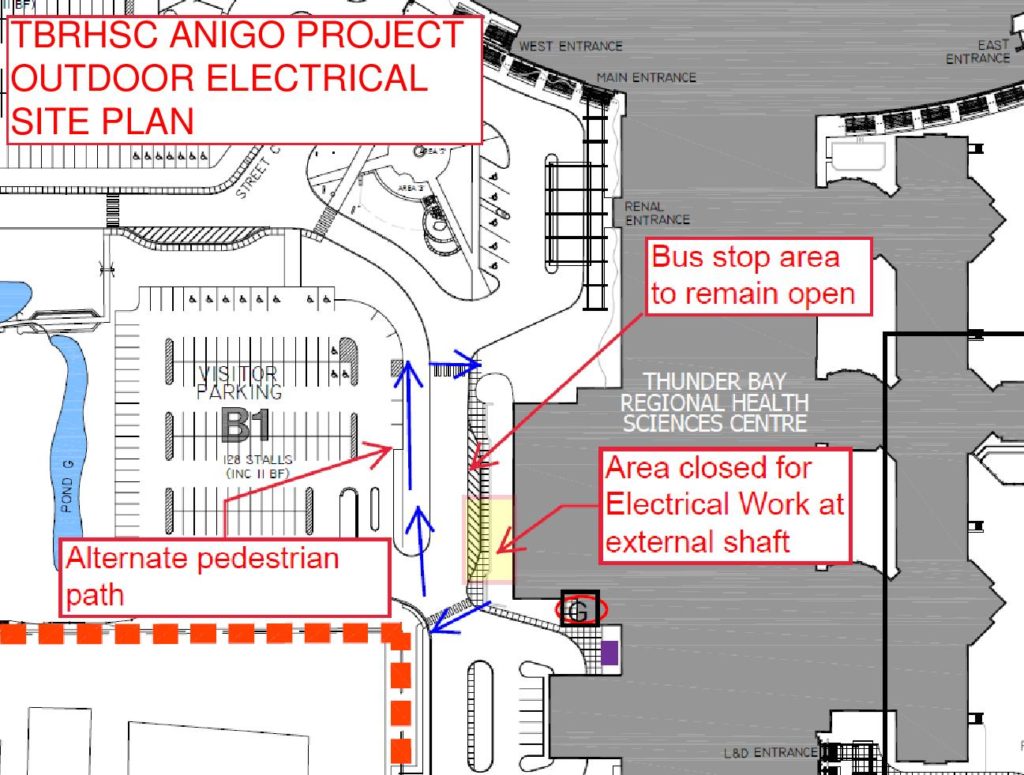
On Tuesday, February 23rd, White Pine will be completing exterior electrical work to support the Angiography equipment replacement project. A small section of the sidewalk will be unavailable while this work is underway and an alternate pedestrian route has been identified.

Please reference the attached diagram for the specific location of the work zone and remember to use caution when around this area and try to avoid it if possible. Thank you in advance for your patience and understanding.

>