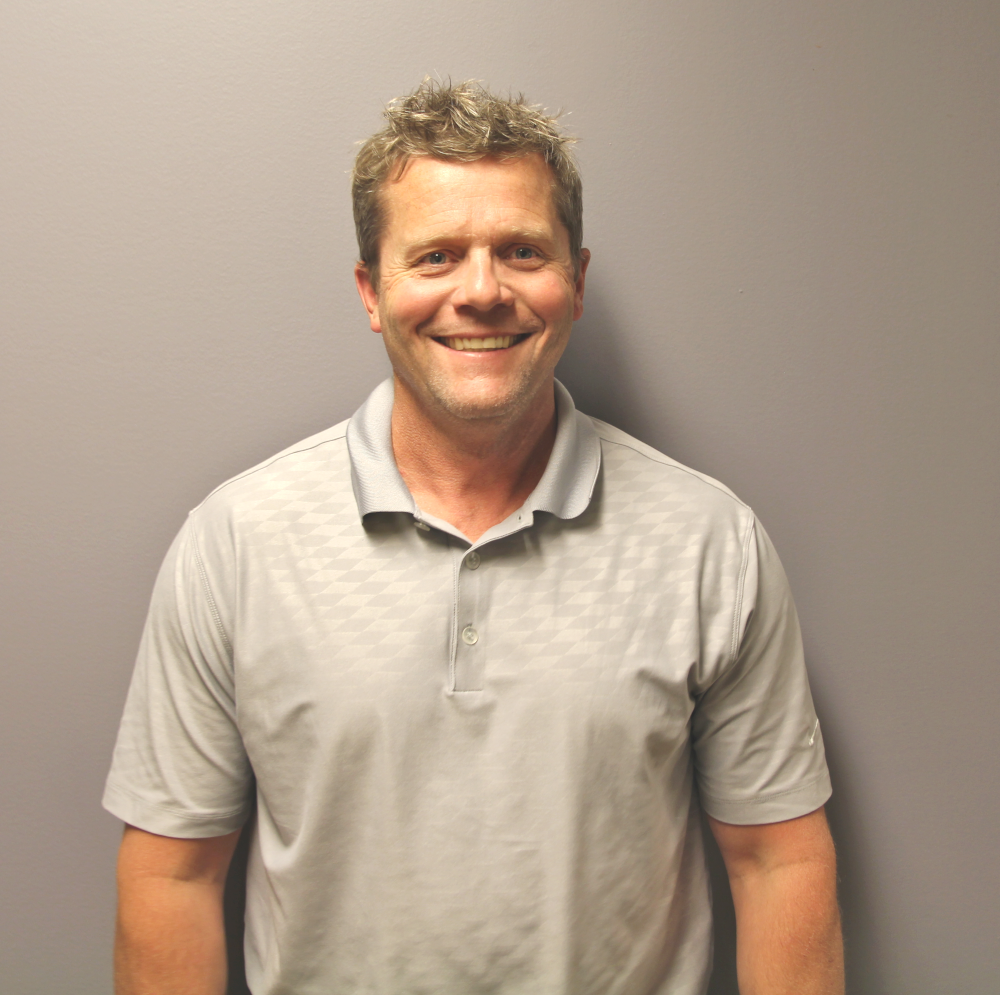
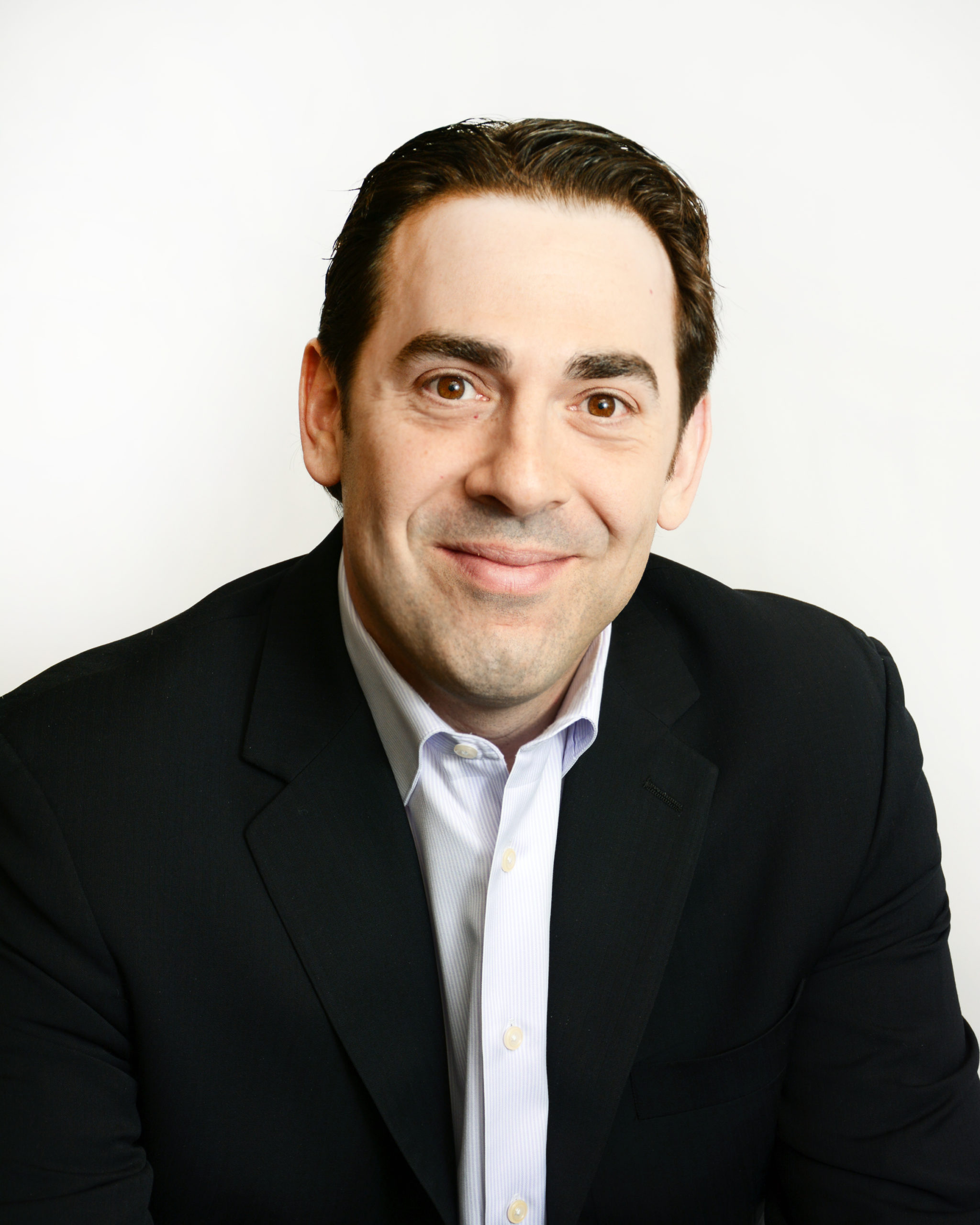
Report from Matt Simeoni

Chair, Board of Directors, Thunder Bay Regional Health Sciences Centre
I am very proud that our hospital is one of the first Ontario hospitals to distribute the COVID-19 vaccine. This role to imperative to the fight against COVID-19 in our community, and there is an extraordinary effort behind it. In collaboration with the Thunder Bay District Health Unit (TBDHU), our hospital team is working to distribute vaccines as fast as possible, based on vaccine supply and provincial direction.

Already, significant milestones have been achieved, such as completing all second doses for Long Term Care residents in Thunder Bay consenting to be vaccinated, and the establishment of a larger vaccine clinic Lakehead University’s Bora Laskin Faculty of Education building. These achievements are made possible through partnerships, perseverance, and dedication. I am grateful to all involved.

Like most of you, I am eagerly waiting for the day when my loved ones can be vaccinated against COVID-19. That time will come. To learn more about Ontario’s vaccine rollout plan, please visit: https://covid-19.ontario.ca/covid-19-vaccines-ontario. In the meantime, we can all do our part to stop the spread of COVID-19 by following the public health guidelines. It has been a long and difficult year for many of us, in various ways. While pandemic fatigue is challenging our patience, and must be acknowledged, we must continue to be vigilant.

I want to take this opportunity to extend, on behalf of the Board of Directors, endless appreciation for the people working – both on the front lines and behind the scenes – to make safe, quality, patient and family centred care possible every day. I also want to thank the community for your patience, and for understanding the challenges that come with the need to protect acute care for all.

I would also like to acknowledge TBRHSC Board representative, Douglas Judson, for serving as one of the inaugural Co-Chairs of the newly formed Regional Services Committee of the Board. Douglas, who lives and practices law in Fort Frances, brings tremendous value to this role. This Committee will support the regional mandate and goals of TBRHSC, St. Joseph’s Care Group and all regional system partners, to advance a more integrated system of care and services that will improve the care experience and outcomes for patients of Northwestern Ontario.

In addition, congratulations are extended to Board member Dr. Sartia Verma on well-deserved recognition. The Medical Post is an online information source for Canada’s physicians. In February, the Medical Post published their 2021 Power List, a compilation of Canada’s 30 most powerful, influential and impactful doctors. Dr. Verma, Dean of the Northern Ontario School of Medicine and TBRHSC Board member, was prominently featured on that list for her commitment to bringing high-quality health care to the north, her championing of diversity and her valuable new perspectives on how to meet the needs of our region’s unique patient populations.

Finally, progress continues on the next integrated Strategic Plan for TBRHSC, and Thunder Bay Regional Research Institute. Our first priority is to hear from you. Your input and ideas will shape the future of health care; stay tuned for more information coming soon.
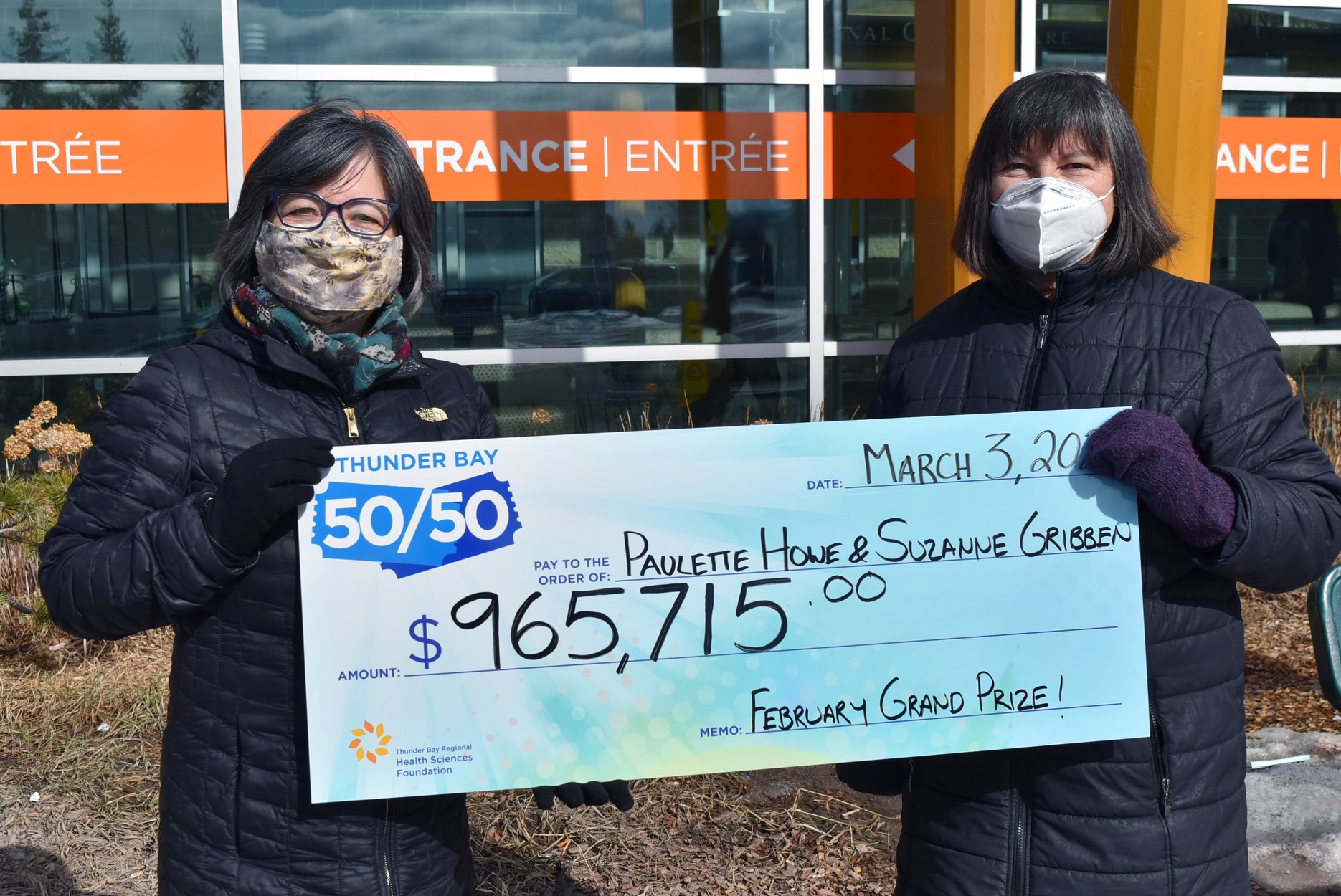
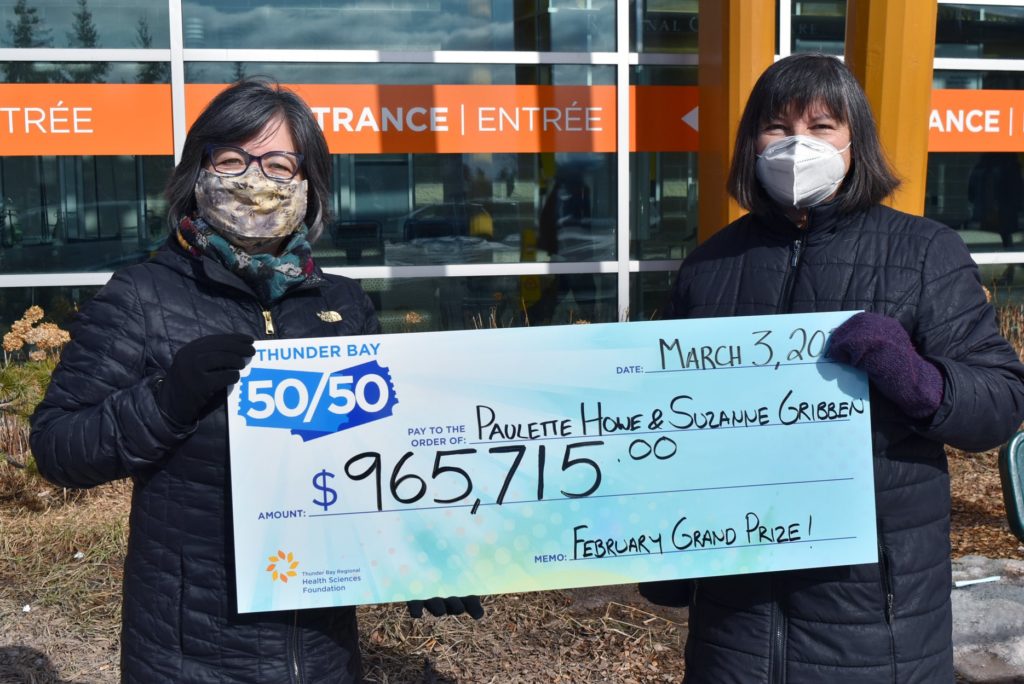
Meet February’s Grand Prize winners of $965,715!

Congratulations to February’s Grand Prize Winners: Paulette Howe & Suzanne Gribben!

“Get our tickets ready. We’re going to win.” said Suzanne Gribben, on the phone to her sister Paulette Howe last Thursday night. “I need you to call me tomorrow morning when we do.”

For her part, Paulette said, “The timing was a bit off. I knew I wouldn’t be available right at draw time, but I didn’t think too much of it. I kind of laughed it off.”

Little did they know that their lives were about to change.

On Friday morning, the morning of February’s Grand Prize draw, Paulette had been out skiing in the morning and wasn’t having a great day. “I did a complete yard sale,” she recalled, “but luckily, after picking myself up, and checking to see if I had any broken bones, I determined I was ok. I got myself back together, and went home. By the time I got there I was hungry, and a bit grumpy. You know how it is. When you’re tired and you want something to eat, and your body is feeling a bit sore, your mind just isn’t at its most positive.”

But soon after getting home she noticed a missed call, and saw an email to contact Glenn at the Health Sciences Foundation.

“I didn’t even take my jacket off,” she said. “I knew this was something that needed immediate attention. I called him right away.”

The rest… as they say… is history.

“Of course I was in absolute disbelief after I got off the phone with Glenn.” Paulette said, “One never expects to win. Really. I’ve never won anything in my life.”

As soon as she hung up the phone she knew she needed to tell Suzanne ASAP. “I couldn’t call her though,” she said. “This was news that needed to be delivered in person! But, the drive up Rosslyn Road, from my house to Suzanne’s house, that normally takes me 7 minutes, felt like it took 4 hours. It was just so slow that day.”

Eventually the sisters connected and could not contain their excitement.

“To be honest, the past 3 days, my brain has just been in this fog,” said Paulette. “It’s slowly starting to sink in that we won.”

“We’re so very grateful for this prize, and so happy to know that the net proceeds of the draw will support the Hospital,” said Suzanne and Paulette.

As for plans for their winnings?

“My husband already has a list,” laughed Suzanne.

“Also, travel!” said Paulette. “As soon as we can we would love to do some big trips – like New Zealand, a river cruise through Europe or even maybe South Africa.”

“We’ve traveled together with our spouses for years,” said Paulette, “and we can’t wait to celebrate this win with another trip.”

Congratulations again to February’s Grand Prize Winners: Paulette Howe & Suzanne Gribben!

YOU could be the next big winner in the Thunder Bay 50/50! Buy your tickets at www.thunderbay5050.ca

This month’s take-home prize is already at $66,000 and rising fast! Will March be your lucky month?

Every Thunder Bay 50/50 funds vital medical equipment right here at our Hospital, bringing better health care to your family and friends in Thunder Bay and Northwestern Ontario.

There is a new Thunder Bay 50/50 Grand Prize draw on the last Friday of every month! Anyone over 18 who is in Ontario at time of purchase can participate.

Note: Tickets do not carry over from monthly draw to monthly draw.

Good luck!

Lottery Licence RAF1199631

Getting Back on Track

Q & A with Thunder Bay Regional Health Sciences Centre’s John Ross

(Originally published in the March 2021 edition of The Walleye Magazine)

“I’m the person that’s in charge of moving people in and out of the building,” John Ross says, describing his role at the Thunder Bay Regional Health Sciences Centre. Ross is the director of medicine, patient flow and partnerships at the hospital, and is the head of its COVID-19 incident management team’s situation table. Not only is he responsible for making sure patients are where they need to be when they come to the health sciences centre, he’s also in charge of the institution’s planning around discharging patients, and organizing the after-care they need. We spoke with Ross about how the hospital is dealing with a backlog of non-emergency surgeries, and how he feels his job has changed in the past 12 months.

The Walleye: How has your role evolved over the past year?

John Ross: When we first started this [the pandemic], I was in the planning section, the head of planning. We had to do a lot of […] things like locking the doors, having screening at doors, just different things like that—decreasing our capacity to meet the needs of what we expected to COVID to cause. Probably around January or February of this year, as things started to slow down and we started to ramp up our services again, trying to catch up—the [operating room] is running basically at 120% capacity from what it did two years ago—we went into more of a situation unit. We try to balance what’s coming in with coming out for our capacity—reporting on any outbreaks, reporting on what’s happening in the community, where difficulties are—and feeding that up to the [incident management team] on a regular basis, so that we can adjust to things on the fly as they’re happening.

TW: What kinds of surgeries have been postponed over the past year?

JR: Everything. Hips, knees, plastics, cataracts, abdominal surgeries, cancer surgeries, everything. We want to be back up to where we were a year ago [editor’s note: Ross says it will likely take until September for that to happen]. [Having] people waiting for surgeries just causes more problems. And that’s another problem, even with our general medicine types of patients. For a long time, people weren’t coming in because everybody was scared of COVID—these people stayed home when maybe they should have been in here getting treatment, and they got sicker. So we’re finding that our length of stays on patients is a little [longer] than what it was even last year, and people are showing up to our facility really sick. By stopping what we were doing previously didn’t really help anything; it wasn’t in the best interests of anybody.

TW: Why the slowdown in surgeries?

JR: The province told us that we had to decrease our capacity, decrease the amount of surgeries that we were doing when this first started, right? The province wanted us to make capacity [free up beds and staff] in the building; they wanted us to stop all the elective surgeries […] because nobody had any idea what was going to happen. We were all thinking about Italy at the time, the worst-case scenarios, and we were all trying to get ready for that. Fortunately, that didn’t happen, and we dodged a bullet there. But the province was actually instructing us that we needed to slow down and we needed to get ready for the worst, and that’s what we did.

TW: How has the past year changed how you do your job?

JR: I’m much more aware of community needs and regional needs than I was previously. It was always part of my job to support the region and the community in what they needed from the hospital, but I’m way more aware of […] what’s happening with them and where their barriers are, and we’re trying to work with them to support them where we can at the hospital. What I’m really excited about is the compliance of Thunder Bay as a whole, basically following the rules outlined by the province. We have very [few] people here who are refusing to wear masks, everybody comes through and checks in […] and hand-washing has increased significantly. We have some rules that we’ve had to establish that aren’t very nice, like the [hospital] visitation rules and the care partner rules. Nobody likes that here—we want to have people coming in and visiting, we think it’s part of the healing process—but because of what’s going on in the community, we can’t. We’ve had very little pushback from any of these things that we’ve had to do as far as our patients and their families.

Announcement: Coordinator Women & Children’s Program

Sent on behalf of Crystal Edwards, Director, Women & Children’s Program, Dr. Teresa Bruni, Medical Director, Women & Children’s Program


We are pleased to announce that Danielle Reszitnyk has accepted the position of Coordinator, Women & Children’s Program.

Danielle has been a Registered Nurse at Thunder Bay Regional Health Sciences Centre for 8 years with her most recent experience working in Child & Adolescent Mental Health. Since joining the TBRHSC, Danielle has worked on the Nursing Resource Team in Adult Mental Health, Forensic Mental Health, 2A & 2B Medicine. As a front line nurse, Danielle has frequently performed duties of unit leader, supervising floor staff, organizing patient flow, preparing policies, and collaborating on program planning for her department.

In her spare time, Danielle has been an active and dedicated volunteer with a local non-profit Camp Gitchigomee, for the past 14 years. Her volunteering with this organization has included various leadership roles, most recently as the President of the Board of Directors.

Danielle’s has consistently shown strong leadrship and team building, frequently empowering her colleagues to make their department the best that it can be. Danielle will be a great addition to the Women & Children’s Program Leadership. Please join us in congratulating and welcoming Danielle into her new role which will commence April 12, 2021.

I survived the widowmaker heart attack

Frank Rizzuto’s cardiac journey

Frank Rizzuto was only 40 when he had a `widowmaker` heart attack. Despite a tough year afterwards, Frank is grateful for the care he received, both in Thunder Bay and Southern Ontario. He is excited for the future when cardiac surgery will be available closer to home.

It was Family Day weekend in 2017. A Monday night around 9 p.m. Frank Rizzuto and his father were downstairs watching the Vikings game. As he said, “I can recall it like it was yesterday.”

It was less than two months after his 40th birthday and the uneasiness and pain came on out of the blue. “I thought I might be having panic attacks,” he said. “I was just trying to breathe through the pain that would come up from my knees to my shoulders. I’d clamp up into a ball and try to wait it out.”

He ended up taking some Robaxacet the next morning when he was still experiencing back pain and called in sick to work. “I never call in sick,” he emphasized. Finally after laying on the kitchen floor, he called his wife Mel, who came home from work and took him to the Hospital. By then, it was close to 3 p.m.

“When I got to the Hospital they immediately gave me Aspirin. Because I have a history of a bicuspid aortic valve, they were concerned that I might have a dissected aorta and it was shown that I had a possible tear when I had my C.T. scan. Immediately my family was called in to say goodbye because this was life-threatening and I had to be flown to Hamilton for any chance of having it repaired,” he recalled. “That was pretty terrifying.”

Once in Hamilton, it was determined that Frank did not have a dissected aorta, but instead that he had had a heart attack due to a completely blocked left anterior descending artery (aka the artery that brings fresh blood and oxygen to the heart). If blocked, as it was in Frank’s case, the heart can stop very quickly, which is why this type of heart attack is often called ‘the widowmaker’. He ended up staying in Hamilton for about a week, before being able to return home.

In May 2017, Frank was able to return to work, and also started in the cardiac rehabilitation program in Thunder Bay. “Ironically, my father-in-law, who’d had a quadruple bypass in January of 2017, was also in rehab with me,” said Frank. “Thankfully, for whatever reason, he skipped a day in June, which was good because I went into full cardiac arrest when I was on the rower. The team at the rehab program went into action right away and they saved my life.”

Frank was, once again, flown to Hamilton where an Implantable Cardioverter Defibrillator (ICD) was put in his chest to help regulate his heart rhythm. In the following six months, he was going into heart failure every six to eight weeks and the medications he was taking were making him sick. “It took about an entire year to get my meds settled,” he said.

Back to Hamilton went Frank again – this time for an ablation consult, but he was told it would be several years before he could have it done due to a waiting list. He returned to Thunder Bay and met with Dr. Nigro who informed him his left ventricle was about 60% scar tissue and that he had congestive heart failure. Because of this, he was sent to the London Hospital in late November 2017, where he underwent about a week’s worth of testing. His ICD fired while at the Hospital in December 2017 and he ended up having his cardiac ablation done in January 2018. Altogether he was away for two months.

“The first year, I was really mad,” he recalled. “I mean, I had everything taken away from me overnight. And I had so many procedures, and my meds made me feel so sick. However, I have chosen, since then, to focus on the positive.”

Following his time in London, Frank re-joined the cardiac rehab program, which he completed twice. “I liked it so much I volunteer there now,” he laughed. “Well, I did until COVID hit. I remember how scared I was to do the program, because it made me realize that I’m not invincible. So now I like to welcome the new people and help them feel at ease, and make sure they know they’re not alone. It’s a lot of fun there. We crack jokes, I dance – it’s important to be able to smile again.”

“I lived through a really awful heart attack at a fairly young age and I’m happy to still be alive,” he said. “I can still recall so many of the people that helped me get through this journey – especially the Nurses – both here and in other cities. They were amazing. I would throw down my hat to them anytime.”

The one thing he thinks about, but doesn’t dwell on, is how his journey and the outcome might have been different had Thunder Bay had cardiac surgery when he had his heart attack. “I was sent to Hamilton because it was believed I had a dissected aorta, although it wasn’t confirmed. If we’d had cardiac surgery here, they could have taken me up to the Cath Lab to look at my heart, and they would have found the blockage right away, and potentially been able to save a good portion of my left ventricle. But they couldn’t take the chance that my aorta might go at any time. If we’d had surgery, that backup would have been available and I would never have had to leave. I’m not bitter and I know my team made the right decision for me. But I do think about future patients and I’m grateful to know they will have access to the care here that I so desperately needed.”

Our community will soon have full access to cardiac surgery, meaning people like Frank can have life-saving care here at home. The Our Hearts At Home Cardiovascular Campaign is raising funds to make this a reality. Donations are gratefully accept to fund the specialized medical equipment needed for cardiac surgery.

Online: www.OurHeartsAtHome.ca
Phone: (807) 345-4673

Heart Month Profile: Simon, Ibn Sina Simulation Lab / Interprofessional Education Department

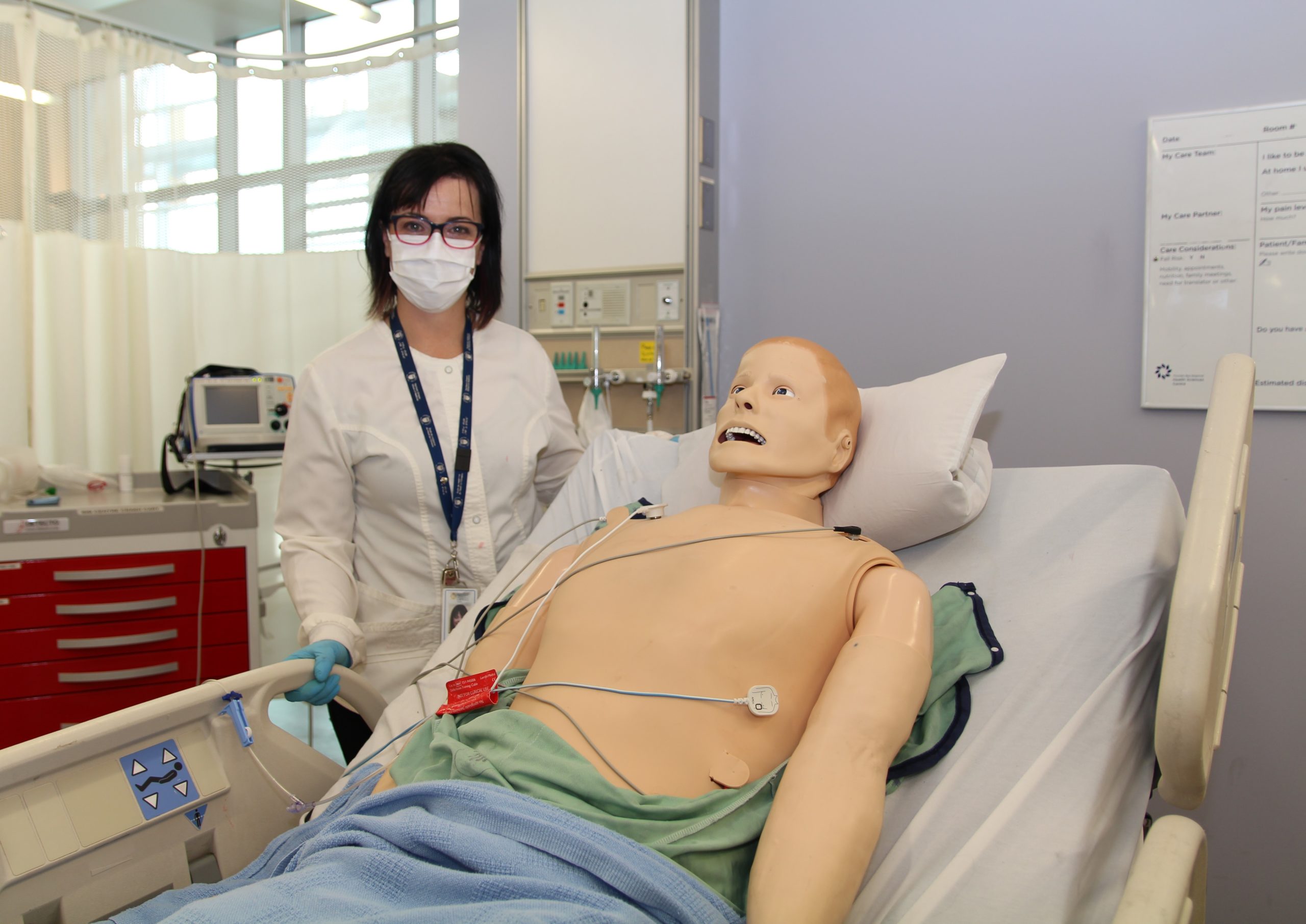
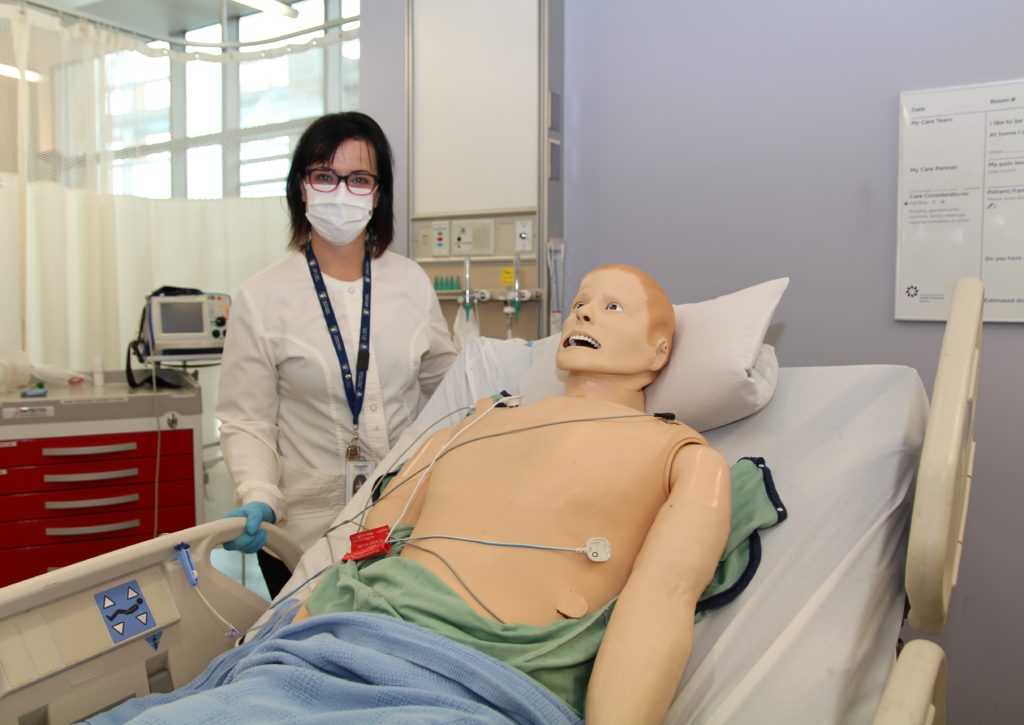
February was Heart Month, which gave us an opportunity to highlight staff and departments at Thunder Bay Regional Health Sciences Centre (TBRHSC) who play a vital role in cardiovascular care. Today, we’re featuring one more unique member of the team. Meet Simon, the high-fidelity mannequin in the Ibn Sina Simulation Lab / Interprofessional Education department (pictured here with Leanne Baird, Simulation Technologist at TBRHSC).


What is your role?

My name is Simon and I am a high-fidelity mannequin. I allow health care professionals at TBRHSC to practice many lifesaving skills, including Advanced Cardiac Life Support (ACLS).  Nurses, physicians, residents, medical students, and Registered Respiratory Therapists all have a role in ACLS.

What does it take to be a high-fidelity mannequin in the Ibn Sina Simulation Lab / Interprofessional Education department?

Well, I will not sugar coat this. My job is tough. Yes, I do get to lay in bed but when I am working, it is grueling. I don’t get paid, but I signed up for this job knowing that my number one priority is to make sure that everyone I work with develops stronger skills.

What is unique about your role?

Unlike a real person, I am a willing participant for repeated heart attacks. I allow people to practice their chest compressions and can even show them on my monitor just how effective they are. I can easily switch between 32 different heart rhythms and when I am hooked up to the heart monitor, my heart rhythm and rate are demonstrated on real hospital equipment. I can be defibrillated (shocked) and have cardioversion and pacing performed. I can also simulate 16 different heart sounds from any area of my high-tech, artificial heart. I have lost count of the number of times that I have received a shock but would guess it is in the thousands!  Some of my other features include having a realistic airway which allows for the insertion of a breathing tube. I breathe, have pulses, have seizures, and have eyes that can react to light. I can also bleed, sweat and cry. With a little bit of help (usually from Leanne), I can speak too!

What inspired you to work in the Ibn Sina Simulation Lab / Interprofessional Education Department and cardiac care?

As a high-fidelity mannequin, I am specifically designed for this type of role. I didn’t necessarily decide to work in the Ibn Sina Simulation Lab /Interprofessional Education department but they chose me.  I am proud to be one of the mannequins and task trainers in the department.

How does your role impact patient care?

When simulation participants come to me in the Ibn Sina Simulation Lab, or I go visit them in their departments, the goal is always to learn. It is always stressed that all participants are intelligent, capable and care about doing their best with the desire to improve. After repeated practice with me, all participants become more competent in their abilities. Participants can practice on me and make consequence-free mistakes in a safe environment, so when it’s time to take care of real patients, they’ve already learned the best way to provide care. This ultimately leads to better patient outcomes.   

On the concept of practice what you preach, do you have any personal tips on how to stay heart healthy?

My only advice is to listen to the health care professionals, stay active and eat well.

Any final thoughts?

Staff at TBRHSC are well prepared to care for patients and families because they have trained repeatedly on me. To find out more about simulation or to inquire about booking a training session, staff can contact the Interprofessional Education Department.

Bay Village Coffee Delivers Treats for Staff

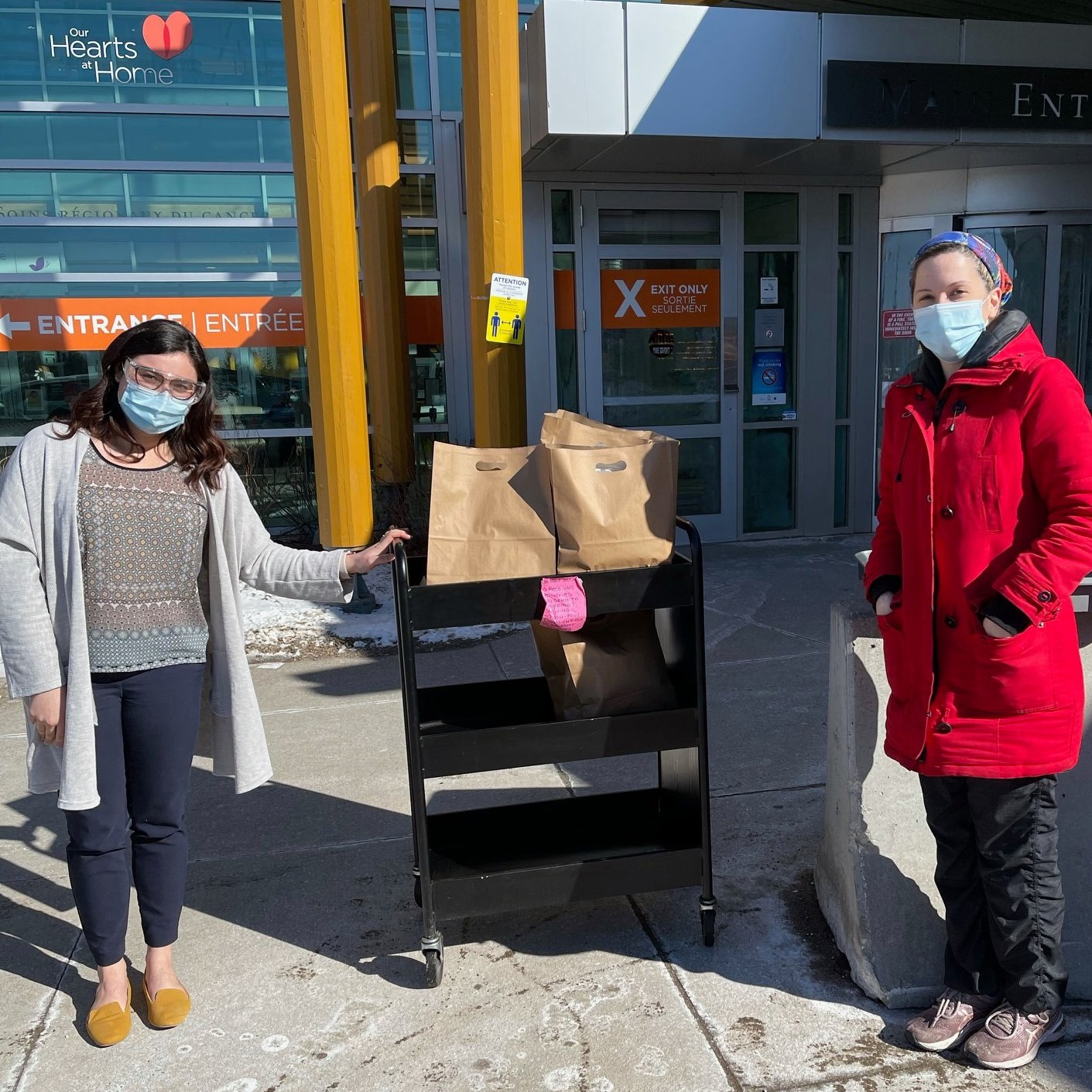
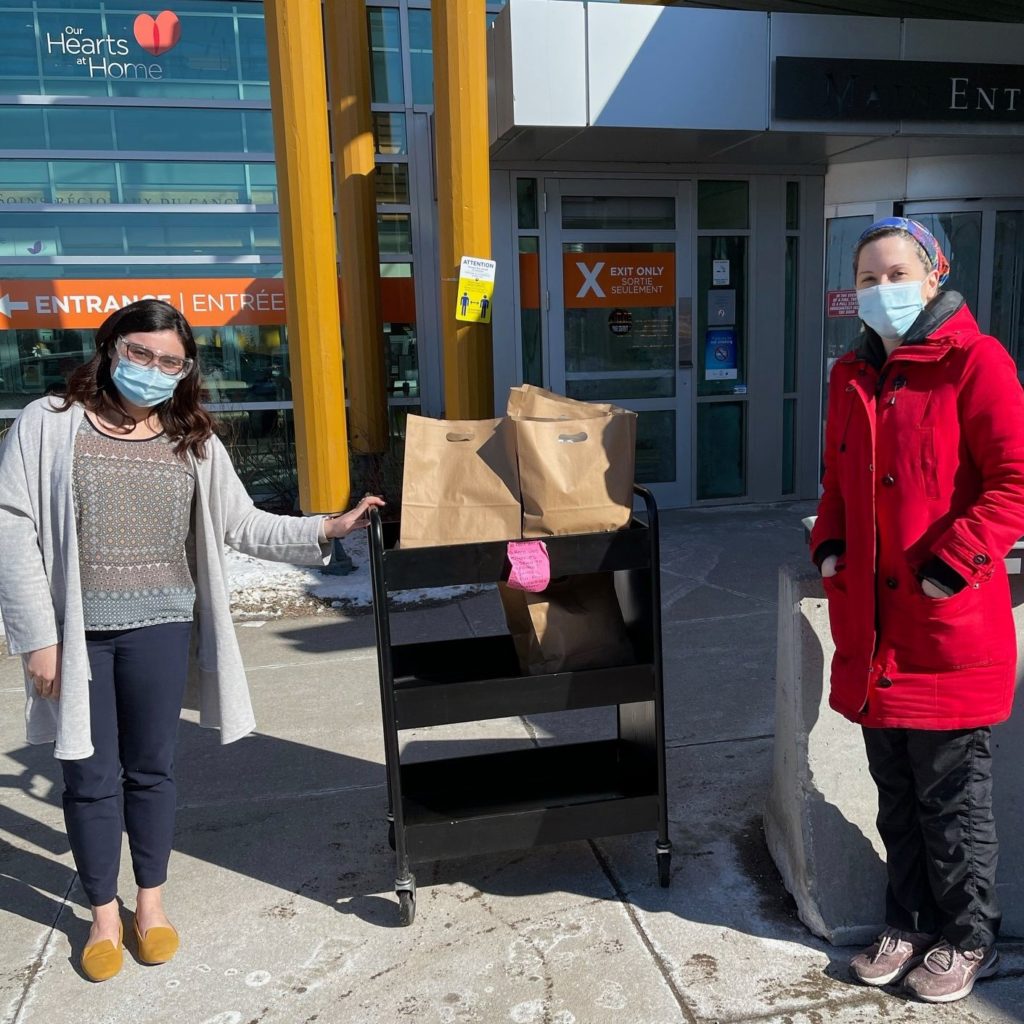
Yesterday morning ICU, Emergency, and 2C staff at Thunder Bay Regional Health Sciences received a delicious treat from Bay Village Coffee!

Their now famous “heart cookies” were purchased by customers to pay it forward to Hospital staff. For each cookie sold in February, Bay Village Coffee will also be donating $2.50 to the Thunder Bay Regional Health Sciences Foundation’s Our Hearts at Home Cardiovascular Campaign to bring full cardiovascular surgery to Thunder Bay and Northwestern Ontario.

Thank you Bay Village Coffee and everyone who payed it forward!

Blessed with world-class care

Paul Carr was shocked to find out he had a heart attack. He said, “All I can say about the entire time I was in the Hospital was that the care was, without a doubt, world-class.”

Paul Carr might have a particular hill on Lakeshore Drive to thank for his life. For it was when he was out cycling that he felt an unusual tightness in his chest while going up the hill that fell at the 18 km mark of his 50 km ride.

“I’d recently finished my career in education and was teaching part time at Lakehead University, which gave me more time to focus on my fitness,” he recalled. “In particular, I took up road biking, which I really enjoyed. I was a fitness buff and in relatively good shape.”

“It was during one of my rides, that I initially noticed some pain my chest while going up a hill. Thinking it was just indigestion, I took a small break, and continued to finish my ride,” he said. “A few days later, I went back to do the exact same 50 km ride, and again, I got that same feeling at the exact same spot, but still thinking it wasn’t anything concerning, I finished the ride.”

“The next day was Saturday and I was in a golf tournament. Part way through the round, I found myself struggling to push my cart up hill,” he said. “That, along with the symptoms I’d been having on my rides, concerned me.”

However, it wasn’t until Monday that Paul drove himself to the Emergency Department after feeling unwell on Sunday.

“When I walked into the Emergency, it became apparent to me that I was coming face-to-face with my mortality,” he said. “I was finally getting to the point where I was accepting that something was wrong, and I had been denying it previously. I was somewhat emotional and a bit fragile.”

Paul got checked right away and bloodwork determined he had had a heart attack. “I was very, very surprised, as was the doctor who indicated I had no risk factors for heart disease. I was fit, I didn’t smoke, and I ate well. I never thought it would be me!”

“I can clearly remember thinking ‘I’ve got lots of life left to live and I still have kids in school’.”

“All I can say about the entire time I was in the Hospital was that the care was, without a doubt, world-class,” he said. “You have a certain expectation that the clinical care will be very good, which it undeniably was, but you don’t necessarily think about the caring that goes along with it. When I think of ‘caring’, I think about the whole experience I had, from being treated with respect and kindness, to the little things like a reassuring hand squeeze when I went into the Cath Lab for my stent. I really don’t think that anything about my stay in the Hospital could have been improved.”

Following his treatment, Paul, like many others, participated in the cardiac rehab program. “It was outstanding,” he said. “Along with cardiac unit, they gave me my life back. I’ve been able to play hockey, bike, ski, golf and more and, I have the energy to do so. I think so many people wonder when and if they’ll be able to get back to ‘normal’ after a heart attack. My entire treatment certainly gave me the confidence and encouragement that I could.”

“I consider myself very fortunate to have been given a second chance and am so grateful to everyone who was involved in my care,” said Paul. “When you go to the Hospital, at least in my case, I was worried, emotional and wasn’t myself. Even then, I was treated with such caring. Cardiac care is truly a team effort, and by that I mean, every single person plays a role; in the clinical care, in the caring they provide and in the funds that are raised to support the equipment we have here.”

“We are extremely fortunate to have the level of care we have in our community,” he said. “I was so impressed with my care that I became a Patient Family Advisor for the Hospital. It’s my way of giving back and supporting the Hospital as we continue to grow and expand our health care offerings, such as cardiac surgery. Thanks to my role, I’ve been able to see just how well we compare to other Hospitals and we are truly outstanding, as shown by our Accreditation Canada scores. It makes me very proud of the work that’s done at our Hospital and the people who do it. I’m happy I’m alive to contribute to our future.”

Media Release: Hospital responds to increasing COVID-19 cases

The COVID-19 situation is constantly evolving. As of February 27th, there are 35 patients admitted to Thunder Bay Regional Health Sciences Centre (TBRHSC) who are COVID-19 positive. Of those, 10 are in the Intensive Care Unit (ICU). The overall capacity is approximately 75%.

TBRHSC’s Incident Management Team (IMT) is meeting on a daily basis to implement a safe and appropriate response. Ensuring the availability of specialized acute care services is a priority.

We implore everyone in our community to do their part by following the public health guidelines. Stay safe by staying home except for essential purposes. Accessing care in urgent situations is essential. During the first wave of the pandemic, some community members avoided the hospital out of fear. As a result, in many cases, health care conditions worsened. Those who need urgent care can safely access it at our hospital.

Dr. Zaki Ahmed, Chief of Staff and critical care physician who also provides care in the COVID-19 Care Unit, noted, “If we need to triple our capacity to provide critical care, our plans allow us to do just that. We are ready to respond to our community’s increasing needs during this pandemic.”

In order to address increasing numbers of patients in our hospital who are COVID-19 positive, a number of measures have been taken. These include:

  • Expanding the dedicated COVID-19 Care Unit to the entire 3A unit. This ensures patients who are COVID-19 positive are cared for in a safe and isolated environment;
  • Expanding the Intensive Care Unit (ICU) to provide intensive care to patients in alternate locations within the hospital;
  • Focusing on more day surgeries and short-stay procedures. This enables health care providers and support staff to work in the areas of highest need.

We have plans in place to escalate or ramp down our response as the situation requires. More importantly, we know our teams have the expertise, will and commitment to serve our community safely and responsibly. Our teams are trained to be professional, nimble, and compassionate. You are our most valuable resource. We are entirely committed to protecting the dedicated people who make patient care possible.

We are in this together.

>