Urgent Care From the Comfort of Home

(Originally published in the April 2021 edition of The Walleye. Story by Caitlund Davidson)

Thunder Bay Regional Health Sciences Centre’s Virtual Emergency Department

Urgent care from the comfort of home is proving to be a welcomed and convenient care option for residents in Thunder Bay who’d rather avoid a trip to the Emergency Department.

Thunder Bay Regional Health Sciences Centre (TBRHSC) launched its Virtual Emergency Department (ED) on January 4th, 2021. The Virtual ED offers same-day virtual assessments with emergency department physicians to people living in Thunder Bay and the surrounding area who are older than 17 years of age, have a non-life-threatening medical issue, and either don’t have a primary care provider or are unable to obtain timely access to one.

“Patient feedback to-date has been very positive, particularly during the pandemic, for those who remain anxious or hesitant to go to the ED, have difficulties getting around, or have no primary care provider,” said Lisa Beck, Director of Trauma, Prehospital Programs, Emergency, Critical Care and Nurse Led Outreach Team at TBRHSC. “We’re pleased to see that people of all ages are accessing this service for a variety of symptoms and conditions. Currently, we see an average of 12 patients per day through Virtual ED appointments and have some capacity to increase those numbers should the demand warrant it.”

Of those who have accessed the Virtual ED since its launch on January 4, 2021, almost 90% rated their overall experience as ‘very good’ or ‘excellent’ and 98% said that they would access this service again.

Each virtual appointment is booked for 15 minutes, allowing time to establish a connection with the patient’s device, review patient details, perform the assessment and determine next steps. Referrals to community programs, specialists, diagnostic imaging procedures, lab work and/or prescriptions may be provided to the patient upon discharge.

Not only does the Virtual ED benefit the patients accessing the service, it also has positive benefits to the ED, its staff, and others who need urgent medical care.

“The ability to successfully treat some patients virtually reduces avoidable visits to the ED, increasing capacity for those with more urgent needs,” explains Beck. “It also enables the ED to make better use of available space to ensure appropriate physical distancing for those who do need to attend the ED in person, resulting in an even safer environment.”

The Virtual ED is a pilot project that will run for 6 months, ending on June 4, 2021. However, Beck hopes to see the program continue beyond that. “Patients will be sent an evaluation survey link following their virtual appointment and we are encouraging everyone to complete it so we can learn more about their experience and identify ways to improve,” she said. “Based on the results and feedback, we would look to continue offering the service past the trial period and expand to service areas outside of Thunder Bay.”

The virtual assessments are offered Monday to Friday between 12:00 pm – 6:00 pm and can be booked by visiting www.tbrhsc.net/VirtualED. Same-day appointments are made on a first-come, first-served basis to those who are eligible. Appointments take place through secure video chat. To participate, patients need a computer or smartphone with video, a quiet space, and internet access.

Point of Care Risk Assessment and PPE

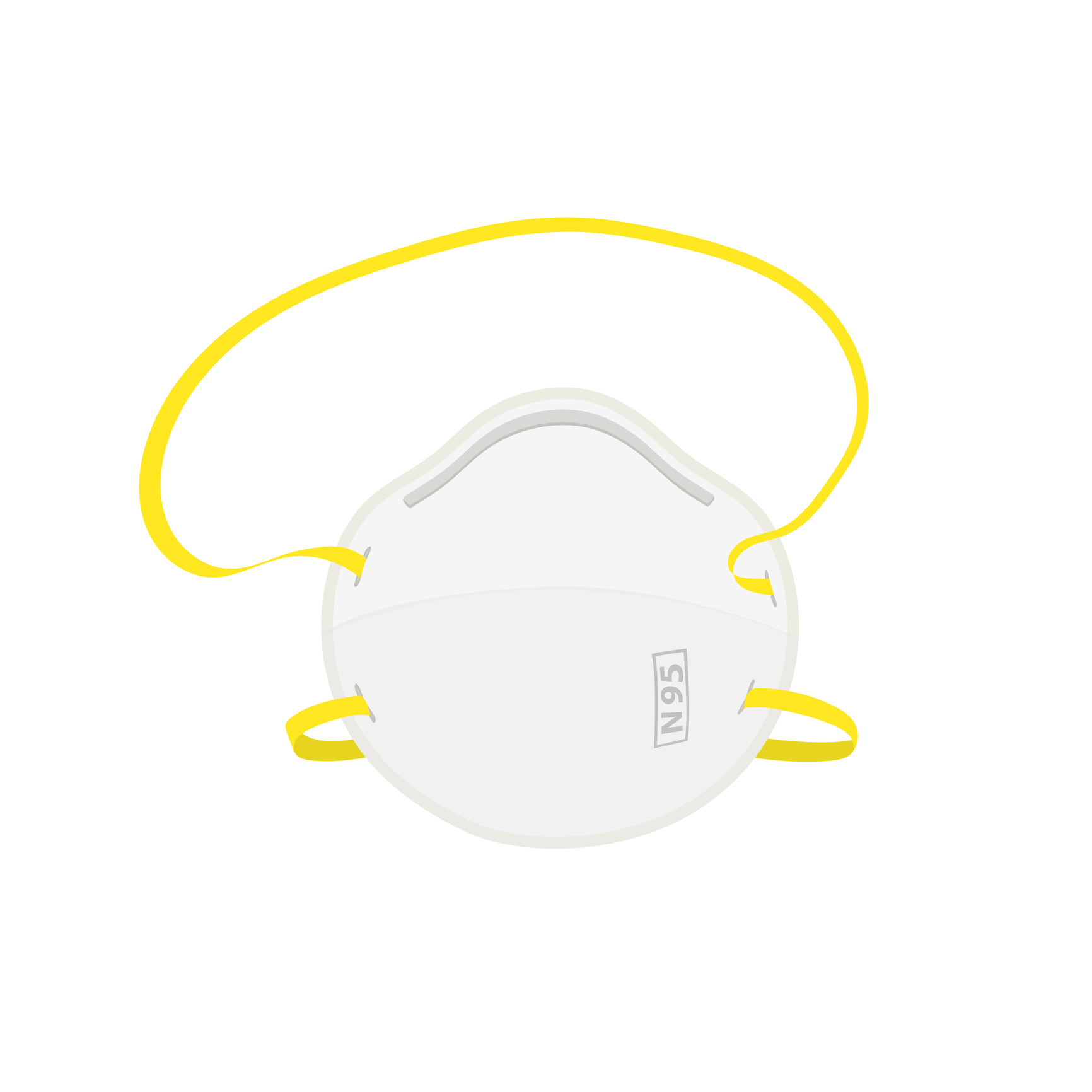
Interprofessional Education (IPE) has updated a learning video to incorporate the point of care risk assessment as well as how to properly don and doff Personal Protective Equipment (PPE) with an N95 mask. 

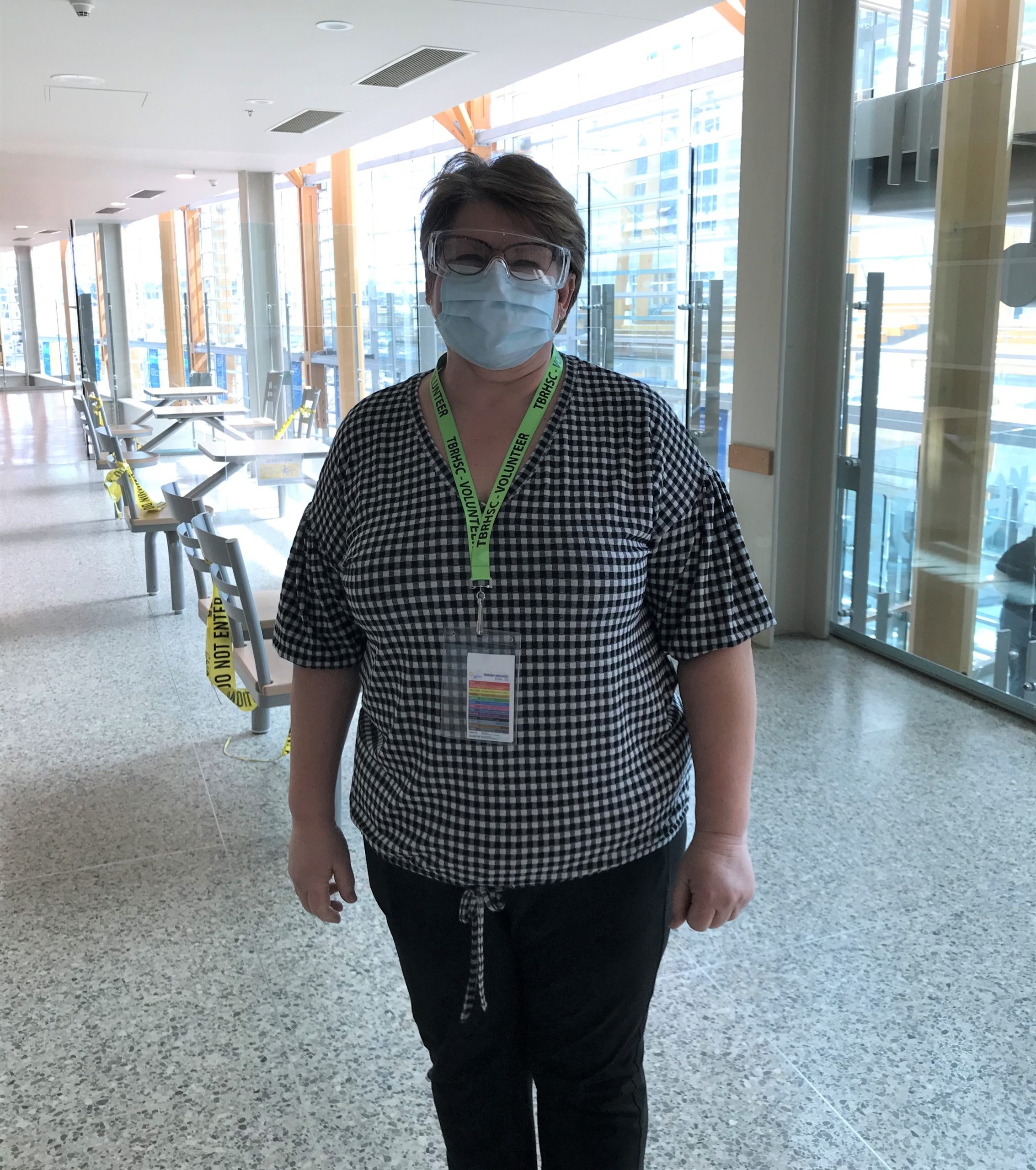
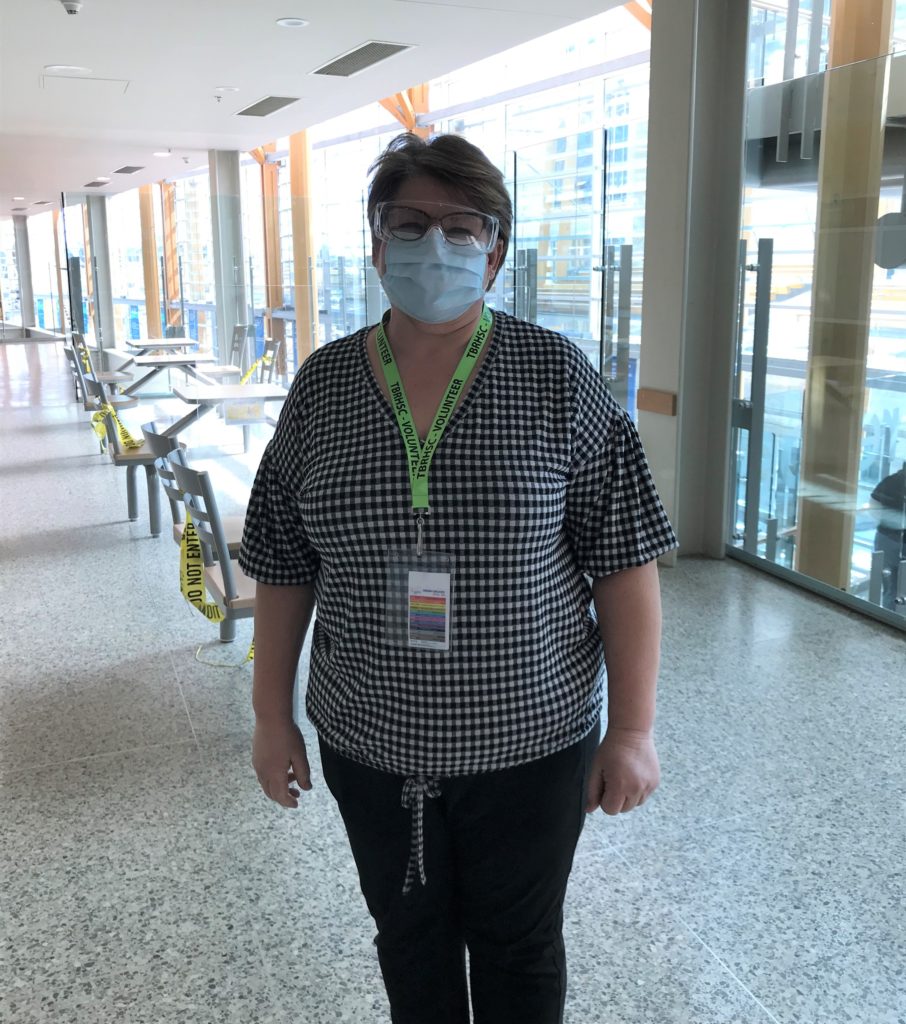
HELP Volunteer: Rachel Macesemchuk

The Hospital Elder Life Program at the Thunder Bay Regional Health Sciences Centre (TBRHSC) is proud to highlight our volunteer Rachel Macesemchuk.

Hospital Elder Life Program (HELP) is a delirium prevention program that aids in the improvement of cognitive and functional outcomes in patients 65 and older. HELP does this by having trained volunteer facilitate interventions that prevent delirium which include orienting patients to their surroundings, facilitating activities that keep them cognitively active, encouraging fluids and keeping them mobile within the limitations of their physical condition.

Rachel attends her volunteer shifts with a very positive and compassionate demeanor that aids to improve patient experience at TBRHSC. If you talk to Rachel after completing her weekly shift with the HELP program, she always has a story about how she has connected with a patient. Many times Rachel is able to connect with a patient about how they have a pet they are missing while they are in the hospital or about their connection with a family member. Rachel truly contributes to making everyone she meets feel comfortable and continuously shows empathy for patients and their families.

Rachel is friendly, kind and puts her heart into everything that she does. These qualities were evident from Rachel’s first shift with the Hospital Elder Life Program. The most evident quality Rachel demonstrates is her desire to help others especially the senior patients at the TBRHSC. Thank you for your commitment and dedication to our patients Rachel!

Memo: Directive # 2 and Our Hospital

Sent on behalf of Dr. Rhonda Crocker Ellacott, President & CEO, TBRHSC, CEO, TBRHRI and Dr. Peter Voros, COVID-19 Incident Manager, EVP In-Patient Care Programs


Our Hospital, like others across the Province, continues to respond to the evolving COVID-19 pandemic. We are committed to protecting the health and safety of staff, professional staff, patients and the community while also addressing the acute care needs of the people we serve.

As of April 21st, Ontario’s Chief Medical Officer of Health issued an amended Directive #2, replacing the Directive #2 issued on May 26, 2020. The new Directive #2 requires that all non-emergent and non-urgent surgeries and procedures be paused, with the exception of surgeries and procedures performed in pediatric specialty hospitals.

Emergent and urgent surgeries will not be impacted. All patients will also continue to have access to other health services, including services that are peripheral to surgical services. Our Hospital will be pausing non-emergent/non-urgent services as identified by the main principals in the Directive, which are to preserve system capacity and deal effectively with the impact of COVID-19.

Decisions about the pausing of surgeries/procedures will follow the principles outlined in Directive #2 (https://www.health.gov.on.ca/en/pro/programs/publichealth/coronavirus/docs/directives/RHPA_professionals.pdf) including, proportionality, minimizing harm to patients, equity and reciprocity. Our clinicians are best positioned to determine this based on an individual patient specific needs assessment and a fair and transparent process.

We will continue to work closely with system partners, locally, regionally and Provincially as the current situation evolves. We are monitoring closely as there is the potential for further action in an expeditious manner, and we must ensure that we are well positioned to pivot, if necessary, to a further reduction of surgeries and procedures. Additionally, we have plans in place to add critical care capacity, while supporting additional non-critical care surge to ensure our continued focus on those with the highest needs.

Thank you for your responsiveness, professionalism and commitment during these challenging times.

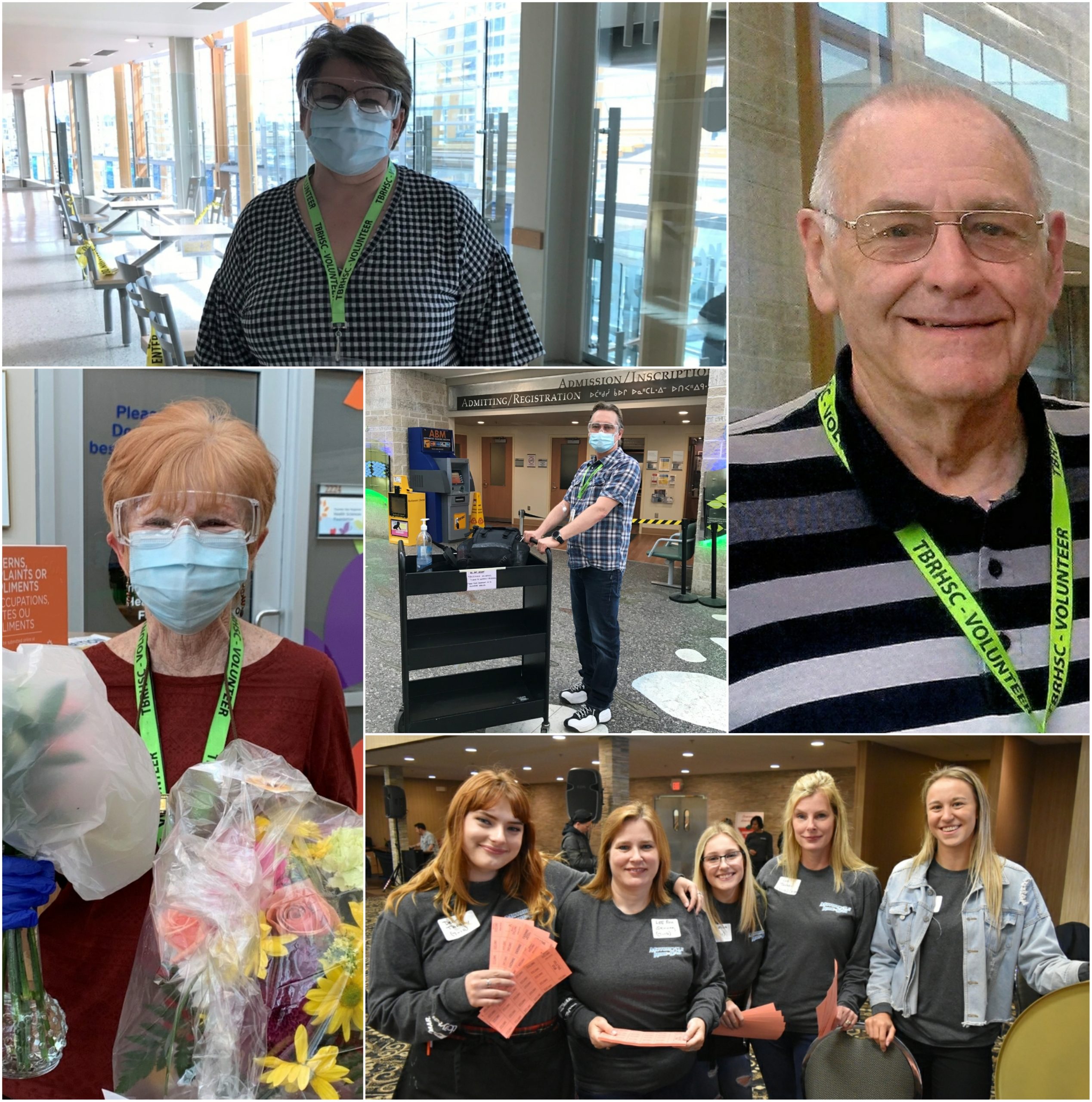
National Volunteer Week: Celebrating Volunteers and Patient Family Advisors

A message from Dr. Rhonda Crocker Ellacott, President and CEO, Thunder Bay Regional Health Sciences Centre and CEO, Thunder Bay Regional Health Research Institute


Volunteers and Patient Family Advisors are vital to our organization.

Each year, during National Volunteer Week, we make a special effort to recognize the valuable contributions of hundreds of volunteers who give generously of their skills, energy, and everyone’s most valuable resource – time.

Volunteers come to give back to the Hospital and the Health Research Institute to support us in an advisory capacity, or help out with fundraising.

While volunteers represent a wide array of ages and backgrounds in our community, they all have one thing in common – they make a tremendous impact on the experiences of patients and families from all over Northwestern Ontario.

Thank you as well for being our finest ambassadors, not only within the Hospital and Health Research Institute, but also in the community.

I would like to recognize our volunteer Board Members. Thank you to all of our Board Members who so generously share your time, your energy, and your skills to enhance our patients and their care partners’ experience and the Hospital’s programs and services. Thank you to all of our Board Members with the Health Research Institute who commit to advocating for our Mission to be an international leader in health technology research and other strategic health innovation, that improves the health of the people of Northwestern Ontario and beyond.

Before the pandemic, hundreds of Volunteers and Patient Family Advisors were active in countless ways to support patient and family centred care at the Thunder Bay Regional Health Sciences Centre, the Thunder Bay Regional Health Research Institute and Thunder Bay Regional Health Sciences Foundation. Fortunately, for our Hospital, a few of those volunteers have been able to continue volunteering on-site, remotely, or virtually.

I would also like to acknowledge those who stepped back from volunteering this year to protect themselves and others, either due to personal choice or in large part because our Hospital, like most in Ontario, limited most or all volunteer activity during the pandemic. As Volunteer Canada says, “The value of one person staying home helps protect their network, the power of many people keeping their distance helps protect the community.” 

Thank you for everything you do to support our Hospital and community.

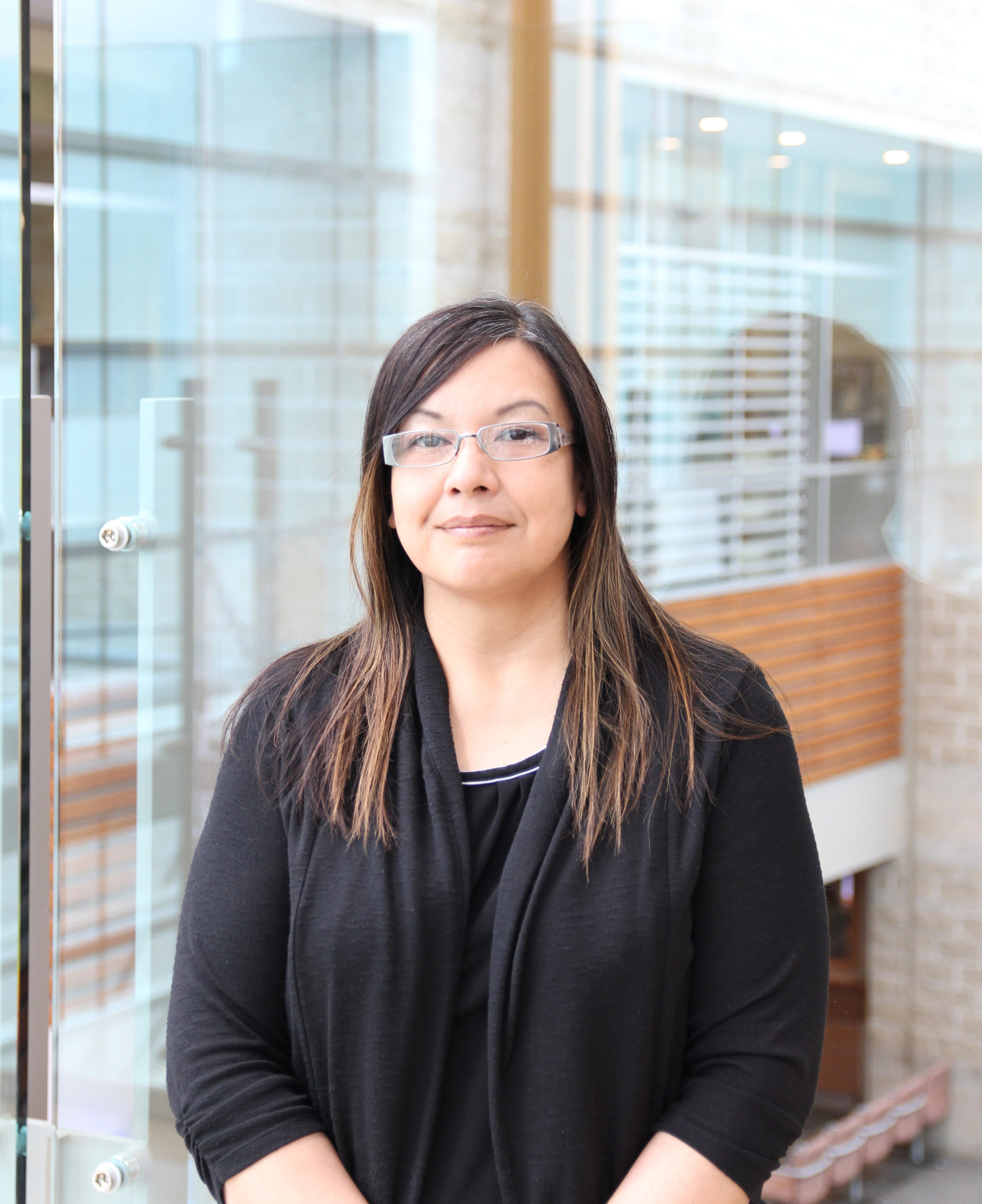
Meet Angela Kakepetum: Indigenous Patient Navigator

Angela Kakepetum is an Indigenous Patient Navigator at the Thunder Bay Regional Health Sciences Centre (TBRHSC). She provides a variety of supports to Indigenous patients and their families.

For many people living in remote First Nation communities across Northwestern Ontario, coming to Thunder Bay Regional Health Sciences Centre (TBRHSC) for medical treatment is their first trip to Thunder Bay. Adjusting to the city away from home can be challenging, especially for those who cannot speak English.

Angela Kakepetum, along with Liaisons and Indigenous Patient Navigators (IPNs) in other areas of our Hospital, provide a number of services for Indigenous patients, including:

  • Interpretive services in Cree, Ojibway, and Oji-Cree;
  • Support before, during, and after clinical appointments/procedures;
  • Linking patients and families to community resources;
  • Tele-visitation services with remote family members;
  • Information and education in a culturally-sensitive manner;
  • Liaise and advocate between the care team, patients, and families;
  • Assistance with discharge planning.

Kakepetum is originally from Sandy Lake, where she was raised by her grandparents in their traditional way of life and native language, Oji-Cree. Kakepetum worked as a prevention outreach worker at Tikinagen to coordinate community events and provide support to people of all age groups. She moved to Thunder Bay in 2006.

With 30 years of experience in various service roles, including at Wequedong Lodge and Flavours Cafeteria at TBRHSC, Kakepetum’s knowledge and background, along with a passion to help others, make her an asset to the Hospital and the IPN program.

“I know what it’s like to have to leave your home community to access health care services,” Kakepetum says. “I am looking forward to working with everyone and helping patients feel comfortable and supported when they come here.”

To learn more about Indigenous Patient Navigators and the additional services and supports available for Indigenous patients and families, please visit http://tbrhsc.net/home/indigenous-health-services/ .

Angela Kakepetum is available to provide services to any area in the Hospital. She can be reached at (807) 633-3992 or kakepeta@tbh.net.

>