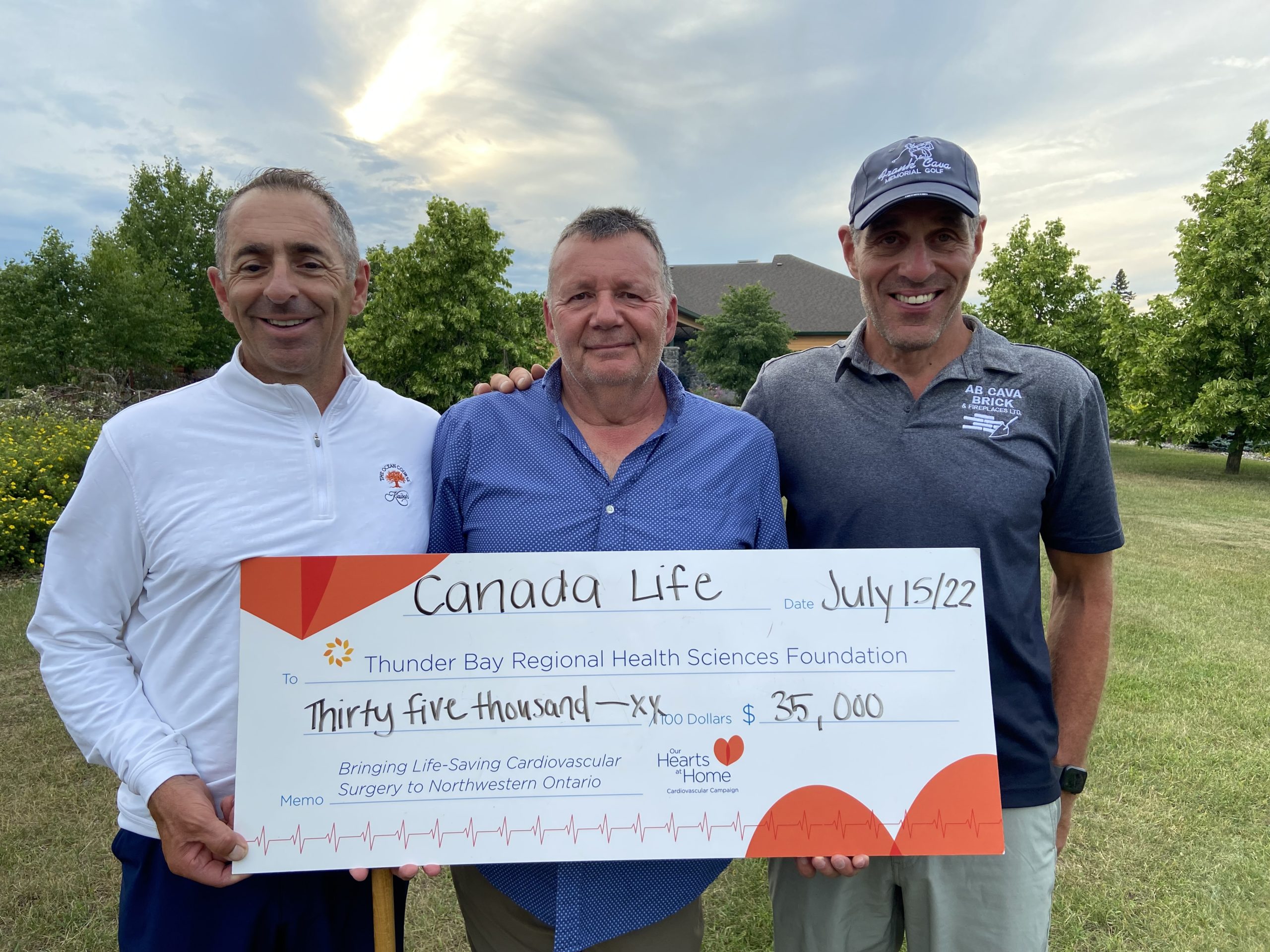
Canada Life contributes $35,000 to help bring cardiovascular surgery services to NWO

On Saturday, in a surprise announcement at the Canada Life Cava Memorial Golf Tournament, Canada Life unveiled a $35,000 contribution supporting Thunder Bay Regional Health Sciences Foundation’s cardiac campaign.

“Canada Life is pleased to gift $35,000 to the Foundation’s Our Hearts At Home cardiac campaign to bring cardiovascular surgery to Thunder Bay. This will help increase accessibility to life-changing surgical programs for Northwestern Ontarians with cardiovascular disease,” says Mike Rigato, Vice-President Advanced Advisor Practices, Canada Life. “We recognize how stressful and difficult travel for cardiac surgery can be for patients, families, and caregivers. That’s why we’re proud to support the establishment of these important services right here in Thunder Bay. Together, we can take the necessary steps to help build a stronger, healthier community for all.”

Canada Life’s funding will go towards helping the Thunder Bay Regional Health Sciences Foundation establish a local cardiovascular surgery program and facility.

“This gift is going to help make a difference for so many people in Northwestern Ontario,” says Terri Hrkac, Senior Director of Philanthropy, Thunder Bay Regional Health Sciences Foundation. “We are exceptionally grateful for Canada Life’s generosity and their longstanding support of the Foundation over the years. Their support has been instrumental in the development of our cancer and cardiac programs.”

A significant portion of the hospital’s cardiac program is already well underway, with vascular surgery happening 24/7 at the Thunder Bay Regional Health Sciences Centre. Three dedicated vascular surgeons perform life and limb-saving procedures, while the hospital’s two cardiac cath labs see hundreds of patients each year for a variety of diagnostic, scheduled, and emergency procedures.
Complete cardiovascular surgery is the next step in the full program, and the hospital and project teams are currently working with the Ministry of Health and Long-Term Care in the planning and design of the cardiac surgery program and facility.

The Canada Life Cava Memorial Golf Tournament has raised over $600,000 for local charities and foundations since its inception. This year, proceeds will be dedicated exclusively to the Thunder Bay Regional Health Sciences Foundation in support of the Ibn Sina Simulation Lab.

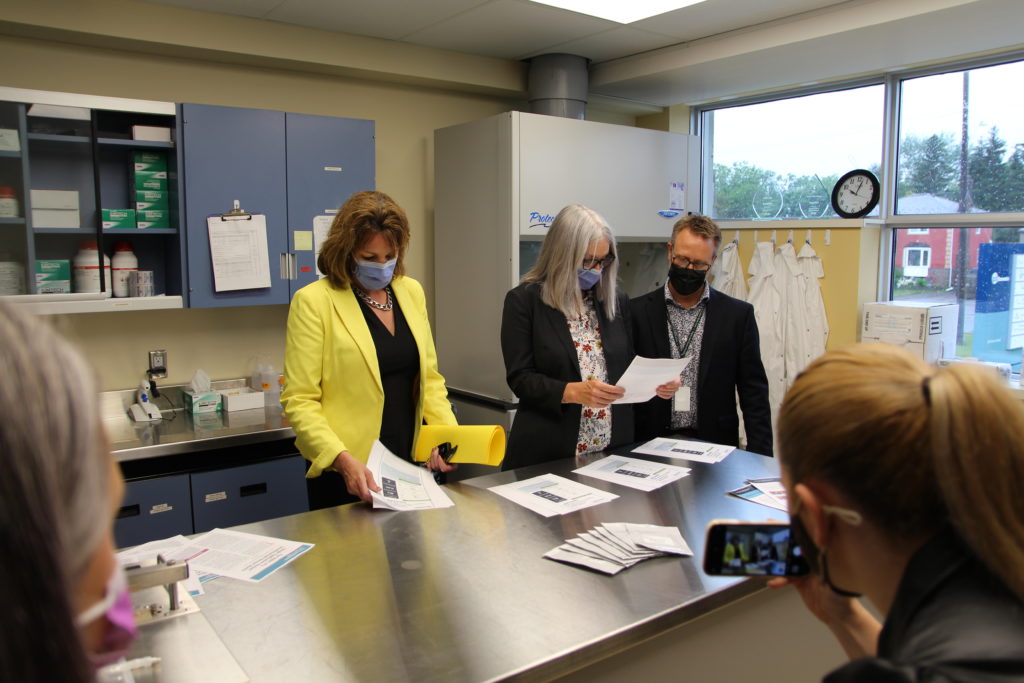
Photo Caption – Mike Rigato, Vice-President Advanced Advisor Practices, Canada Life pictured with Mark Bruzzese and Rory Cava, Organizing Committee, Canada Life Memorial Golf Tournament.

Canada Life and design are trademarks of The Canada Life Assurance Company.

About The Canada Life Assurance Company

Canada Life is a leading insurance, wealth management and benefits provider focused on improving the financial, physical and mental well-being of Canadians. For more than 170 years, individuals, families and business owners across Canada have trusted us to provide sound guidance and deliver on the promises we’ve made.

On January 1, 2020, Great-West Life, London Life and Canada Life became one company – Canada Life, and today, we proudly serve more than 12 million customer relationships from coast to coast to coast.
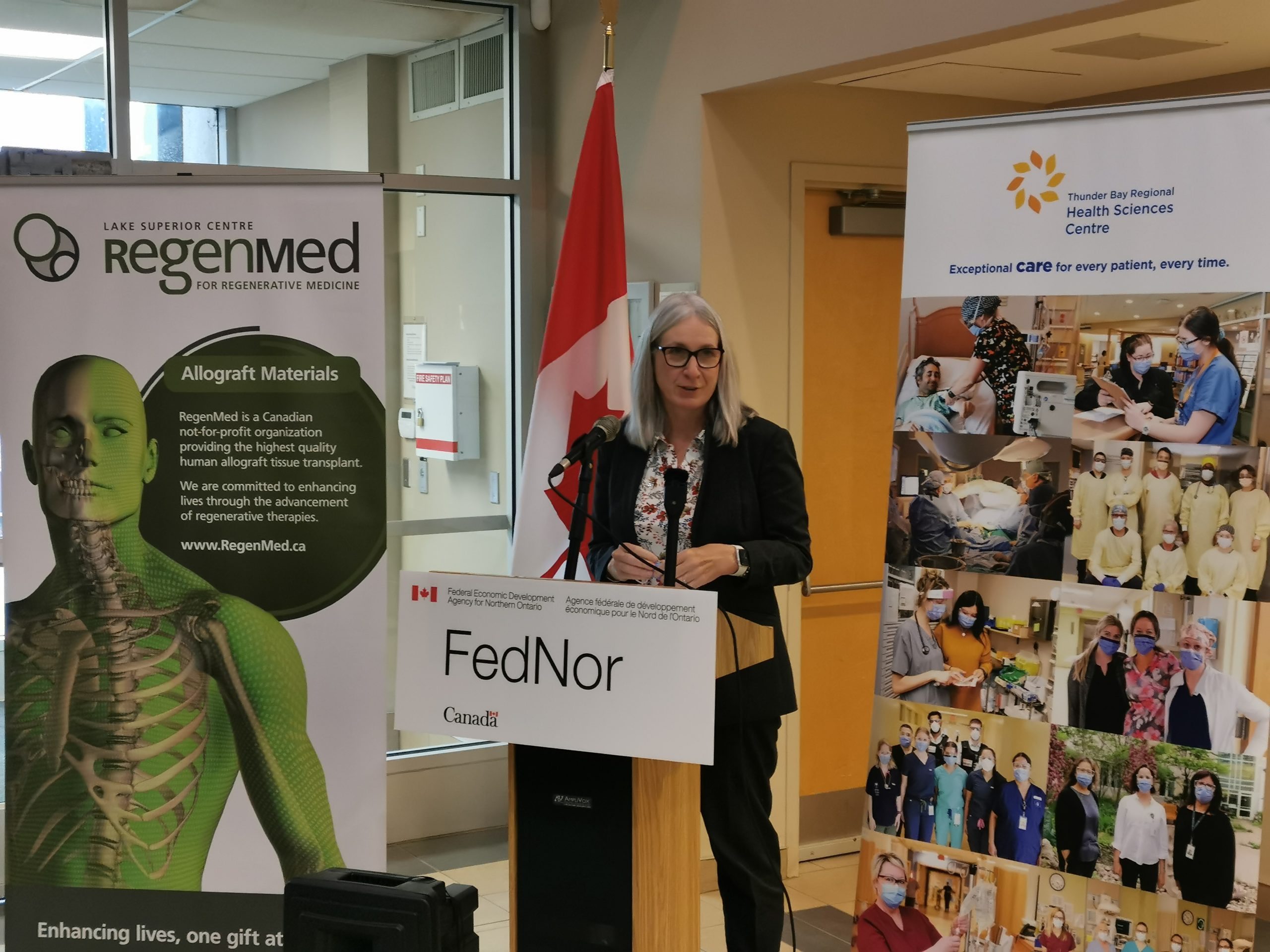
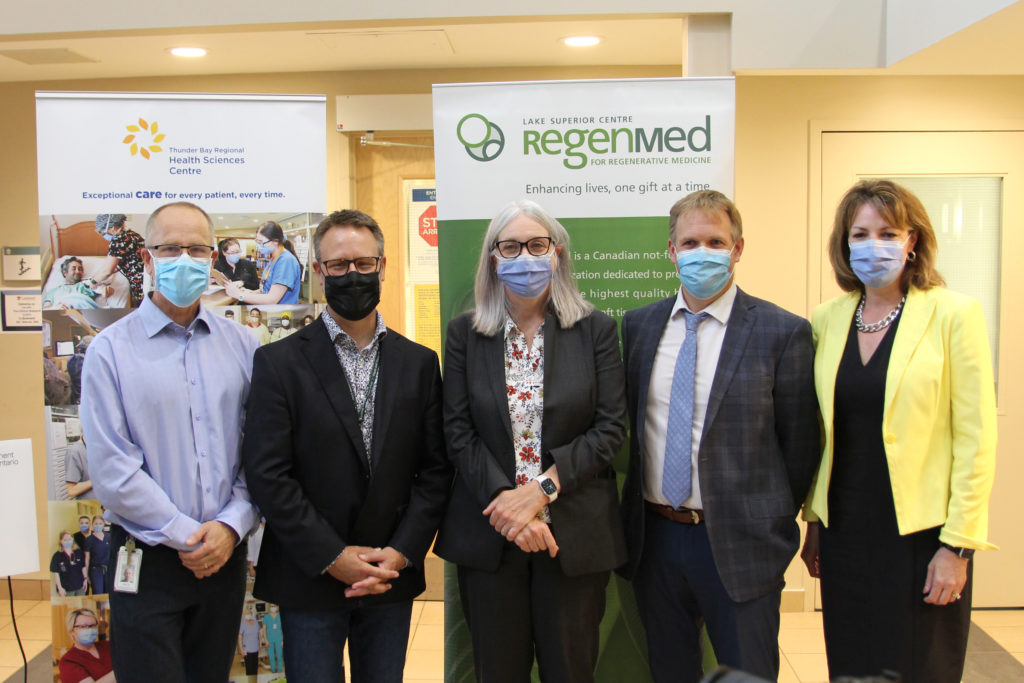
FedNor invests more than $2.3 million in medical technology and innovation in the Thunder Bay region

Via the Federal Economic Development Agency for Northern Ontario (FedNor)


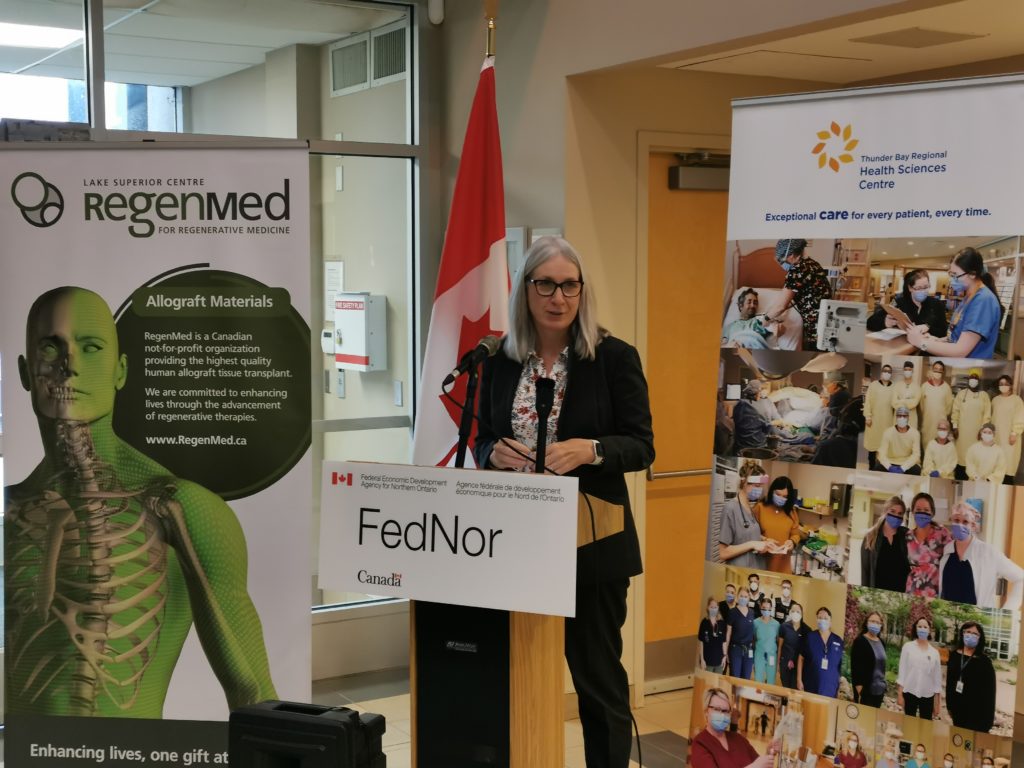
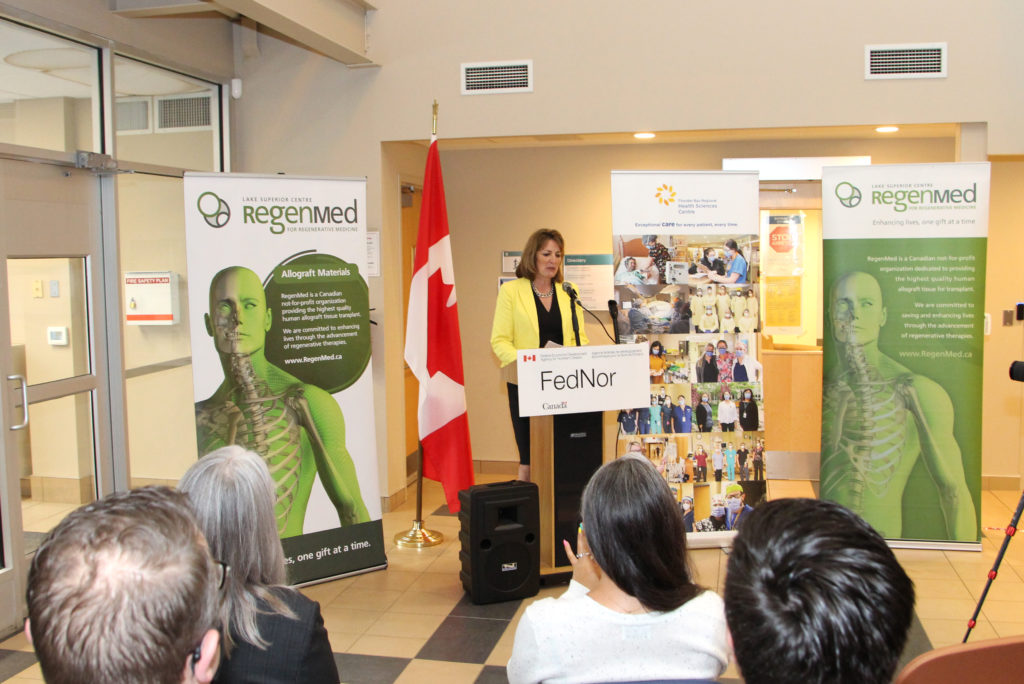
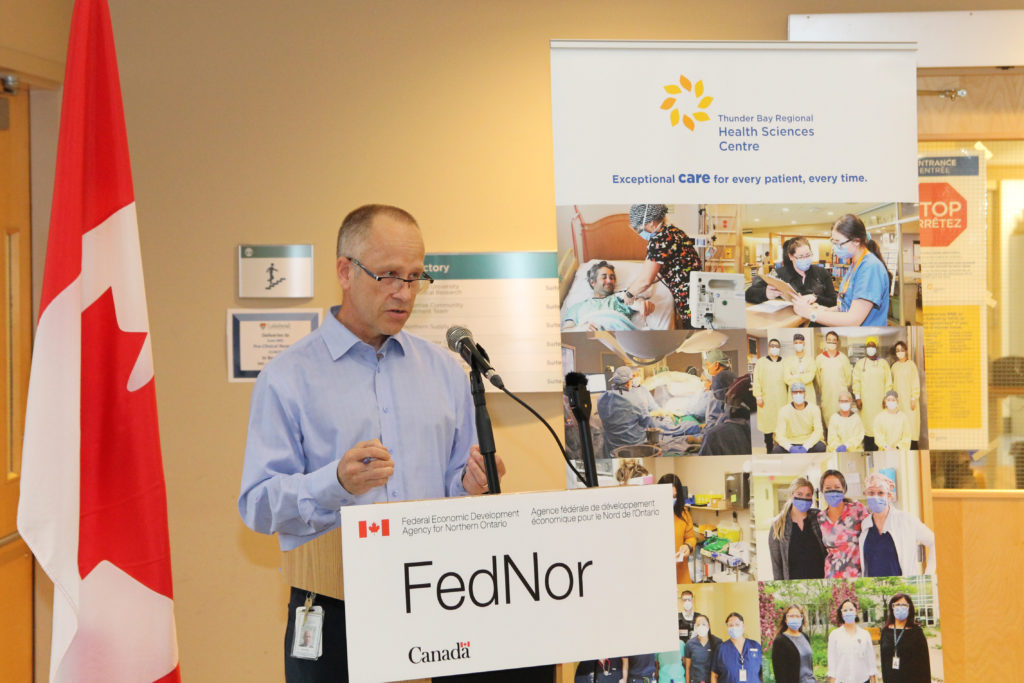
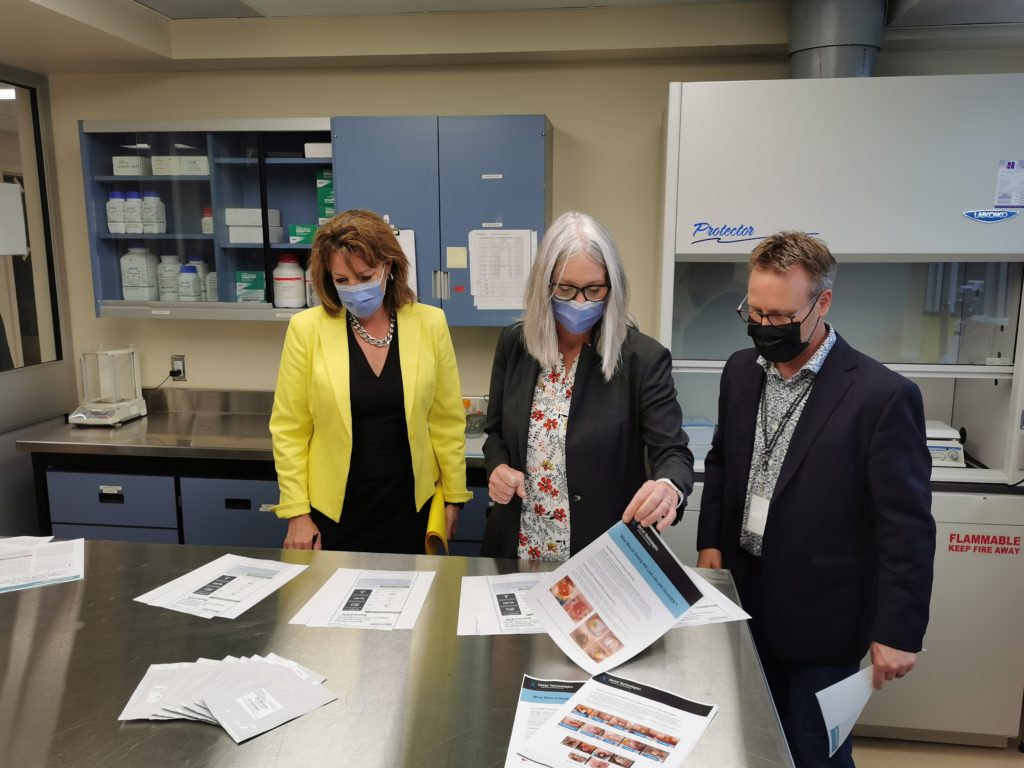
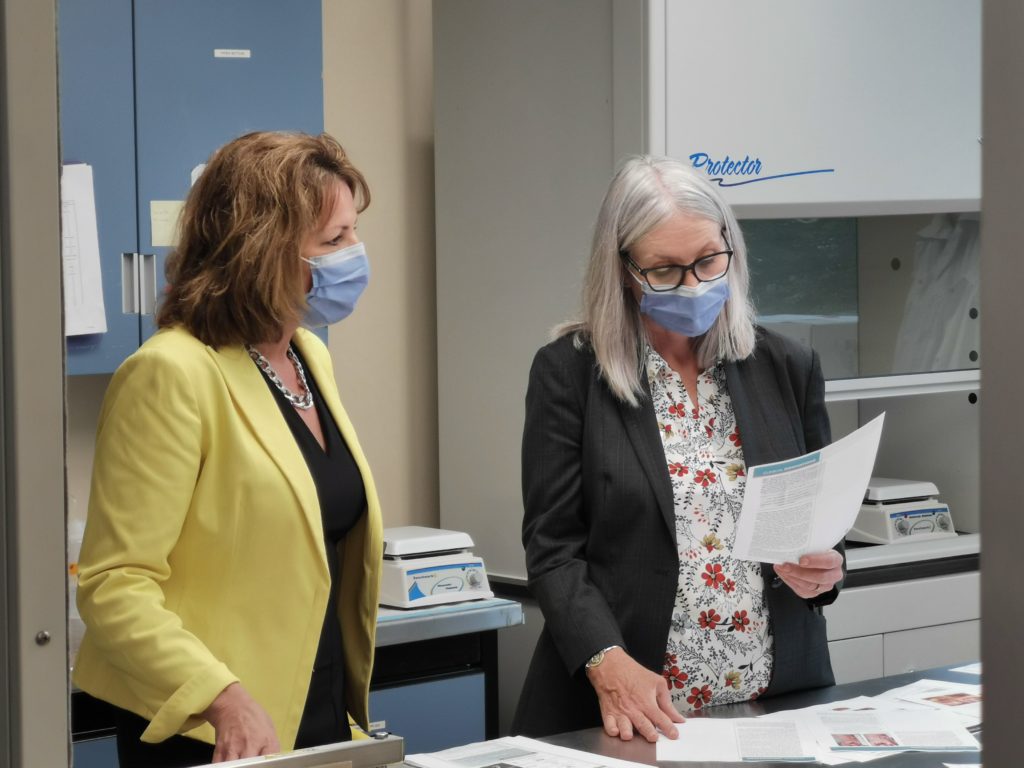
From L-R: Peter Myllymaa, Vice President, Operations, Clinical & Support Services and Chief Financial Officer of TBRHSC and Chief Operating Officer, TBRHRI; David Stezenko, Executive Director of RegenMed; Patty Hajdu, Minister of Indigenous Services and Minister responsible for FedNor, and Member of Parliament for Thunder Bay—Superior North; Byron Ball, Vice President, Infrastructure & Planning and Chief Financial Officer, St. Joseph’s Care Group; Dr. Rhonda Crocker Ellacott, President and CEO of TBRHSC, and CEO of TBRHRI.

Backgrounder

The Government of Canada supports the growth of medical technology and innovation to help build and maintain strong regional economies while improving foundations of local health services for Canadians. FedNor’s support of the medical sector ensures that Canadians everywhere experience the high quality of living for which Canada is recognized globally.

The Honourable Patty Hajdu, Minister of Indigenous Services and Minister responsible for FedNor, and Member of Parliament for Thunder Bay—Superior North announced today a FedNor investment of $2.3 million in support of three medical technology and innovation projects in the Thunder Bay region. The funding will support medical research and development, create and maintain jobs, and enable future growth opportunities.

Thunder Bay-Superior North initiatives supported by FedNor

Thunder Bay Regional Health Sciences Centre
$1,912,115

Enhancing technology

The Thunder Bay Regional Health Sciences Centre (TBRHSC) will receive $1,228,005 to enhance and expand its Radiopharmacy/Cyclotron technology, which makes radioactive isotopes for medical imaging and research. Specifically, this project will enable TBRHSC to supply markets outside Thunder Bay with radio-chemicals and isotopes, which will generate revenue streams to assist with sustainability and growth, and will create three new jobs. This investment will help maintain Canada’s position as a global leader in health innovation through long-term, sustainable growth, while also supporting a regional health centre.

Expanding research

In addition, TBRHSC will receive $684,110 to renovate and upgrade its medical imaging suite and purchase cutting-edge equipment to expand the research and development capacity. Specifically, this funding will support both upgrades and additions to Magnetic Resonance Imaging (MRI) equipment, installation of a new spectrometer, commercialization of new technologies and products, and will create six new jobs.

These projects are receiving funds provided through FedNor’s Regional Economic Growth through Innovation program.

Lake Superior Centre for Regenerative Medicine
$412,661

The Lake Superior Centre for Regenerative Medicine (RegenMed) will receive $412,661 provided by FedNor’s Northern Ontario Development Program to purchase and install a patented acellular dermal matrix product that will improve health outcomes for diabetes and other chronic wound and burn patients. Specifically, this project will enable faster and more effective tissue harvesting while also lowering costs, which will allow RegenMed to support additional medical science organizations across Canada and will create four new jobs.

New website for the Trauma Program at TBRHSC

The Trauma Program at Thunder Bay Regional Health Sciences Centre (TBRHSC) is pleased to announce their new website, www.tbrhsctraumaprogram.ca. Launched in April 2022, the website provides up-to-date information on programming, trauma resources and professional development opportunities. 

The new website features:

  • Regional Injury Prevention Programs – programs include Stop the Bleed, P.A.R.T.Y., Youth Injury Prevention, TIIPS and webinars
  • Regional Training and Certification – courses offered include Rural Trauma Team Development, Trauma Nursing Core, Advanced Trauma Life Support, Regional Critical Care Response and Stop the Bleed
  • Learning Management System (LMS) – the platform used to administer, track progress, and deliver programming
  • North West Regional Trauma Network – regional stakeholders working on quality improvement and education initiatives; trauma resources can be found here
  • Trauma Ask – where you can ask questions directly to the TBRHSC Trauma Team

Our goal is to improve trauma care for all people in Northwestern Ontario, and the launch of the new website is a tool to help us achieve that. If you have any questions, comments or want more information, please reach out to us at traumaprogram@tbh.net.

Radiation Therapist Jolene Jarva Passionate About the Benefits of Tbaytel Tamarack House

Radiation Therapist Jolene Jarva Passionate About the Benefits of Tbaytel Tamarack House

Every year in Northwestern Ontario, thousands of people will require lifesaving treatment for cancer, which could mean staying in Thunder Bay for weeks at a time. In this sparsely populated region – the size of France – Thunder Bay Regional Health Sciences Centre is the only site where regional patients can travel for most cancer treatments. The whole experience can be daunting.

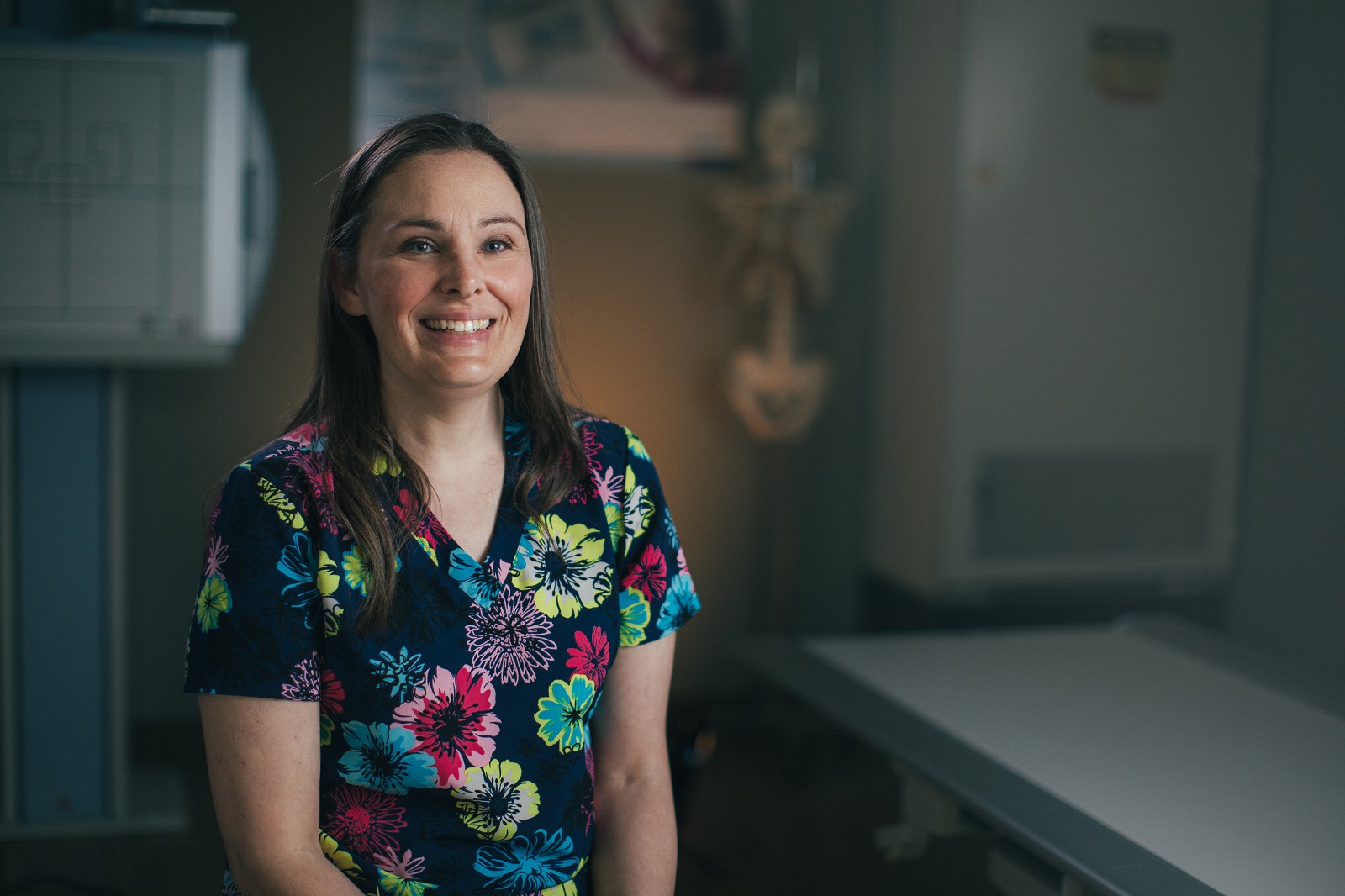
Jolene Jarva, a radiation therapist at Regional Cancer Care who treats regional patients every day, sees the difficulty up close. “I don’t think local people realize what’s at stake, and how lucky they are to live where they can have their treatment and then go home,” she says. “A cancer diagnosis is awful. But cancer diagnosis and having to be away from home – for upwards of eight weeks sometimes – means you might have to stay at a hotel for $150 a night, find a way to get food, get to and from appointments, find someone to watch your children, and if you’re not feeling good, and on your own, then what? It’s not just treatment they’re facing,” Jolene emphasizes. “I think Tbaytel Tamarack House is the next best thing to home.”

During COVID, patients had their own room with private washroom, a fully stocked shared kitchen, and access to laundry, but many of the wonderful things that make Tbaytel Tamarack House special were curtailed: no access to lounges where people gather all the time, a small fitness area for exercise was closed, plus all sorts of activities and workshops couldn’t happen like groups from the community who host dinners – including the radiation therapy group, or the local firefighter who comes in and does caricatures.

COVID or not, Tbaytel Tamarack House is more than just a place to stay. “Sometimes, when a patient is staying at Tbaytel Tamarack House alone, other families step in to help take care of them and make sure they’re doing OK, or people end up travelling together back and forth from the region for treatment,” Jolene says. “It’s really great to see how people watch out for one another.” Without Tbaytel Tamarack House, these connections just wouldn’t happen.

As a radiation therapist, Jolene is part of a team that treats cancer patients for the course of their treatments – perhaps 35 or 40 times. “We get really close with our patients,” Jolene says. “If regional patients don’t have family, their treatment team and the people from Tbaytel Tamarack House are sometimes the only people they’re seeing, and they just need somebody to talk to.”

Many people don’t know about Tbaytel Tamarack House unless they or someone they know has had an experience with cancer, but once patients are in the cancer system, they’re definitely made aware. “Everyone raves about it,” Jolene says. “I’ve never heard anything bad about Tbaytel Tamarack House and prior to COVID, I’d say 90% of our out-of-town patients stayed there and it was often fully booked. I say it’s a port in a storm.”

Tbaytel Tamarack House only charges the amount the Northern Health Travel Grant gives so patients don’t have to pay until they are reimbursed, so they’re never out of pocket. “I always fear – especially right now with the price of everything going up – that Tbaytel Tamarack House could be cut,” Jolene says. “For some people, this could be the deciding factor on whether or not they have cancer treatment and I feel that people shouldn’t have to face financial barriers for cancer treatment.

“Tbaytel’s support for Tamarack House means a lot to me,” Jolene says. “Thousands of regional patients who come to Thunder Bay for treatment every year benefit from Tbaytel’s commitment to take care of its neighbourhood.”

Tbaytel Tamarack House is a home away from home. It’s more than a hotel room. It’s a place where regional cancer patients can stay and feel safe and supported in their medical journey.

Since 2005, Tbaytel Tamarack House offers lodging for out-of-town patients and their companions for the duration of cancer treatment. It offers 20 bedrooms with private bathrooms, kitchen facilities, a lounge, entertainment, laundry area, and 24-hour on-site attendant.

Note: During COVID-19, Tbaytel Tamarack House has changed how it provides services, following TBRHSC protocols.

Ongoing financial support is essential to ensure Tamarack House is available for regional patients. If you can give, visit www.healthsciencesfoundation.ca/tamarack

Upcoming Mock Code White Drills

Two mock Code White drills will take place this week on July 19 and 21.

All clinical departments are requested to send one staff to participate.

Responders and observers are encouraged to participate in a hot wash debrief at the conclusion of each drill.

Memo – Code White Update

Update on Emergency Department Workplace Violence Prevention Work

Sent on behalf of Adam Vinet, Vice President, Patient Experience and Chief Nursing Executive Regional Vice President, Regional Cancer Care, Amy Carr, Director, Human Resources and Interim CHRO, Co-Chair ED Workplace Violence Prevention Committee and Lisa Beck, Director Trauma Program, Critical Care, Emergency, Respiratory Services & Nurse Led Outreach Team,Co-Chair ED Workplace Violence Prevention Committee

In follow-up to the ongoing activities being done with respect to Emergency Department (ED) workplace violence, the TBRHSC ED Workplace Violence (WPV) Prevention Committee continues to implement strategies and deploy extra security as we work to improve the safety in our Hospital.

As of today, we are pleased to inform that we have completed the following:

  • Initiated a public campaign to bring awareness to the issue and needs
  • All Security in the ED have completed hospital-based Non-violent Crisis Intervention training
  • Increased police presence and partnerships
  • Increased security measures in higher risk areas as needed
  • ED Task Force members completed a preliminary prioritization of the potential solutions and strategies to address root causes of violence that were identified at a recent ED WPV Prevention Design Event

Next steps:

  • The WPV Prevention Committee will meet on July 26th to review the Design Event results and Task Force prioritization to strategically identify the next projects that will help to prevent and decrease the incidence of violence
  • Further exploration and root cause analysis to determine source of escalation event will be conducted
  • Ongoing reporting and monitoring of progress towards our performance improvement targets

We continue to work towards having an environment free from all forms and sources of violence, aggression, intimidation, threats or verbal abuse.  We will be applying the strategies learned from above work to other areas of the Hospital to further enhance workplace safety and protect our staff, patients, families and visitors to our Hospital. 

Any concerns or questions about these initiatives can be addressed to your Manager or contact Human Resources.

Memo – Update on Emergency Department Workplace Violence Prevention Work

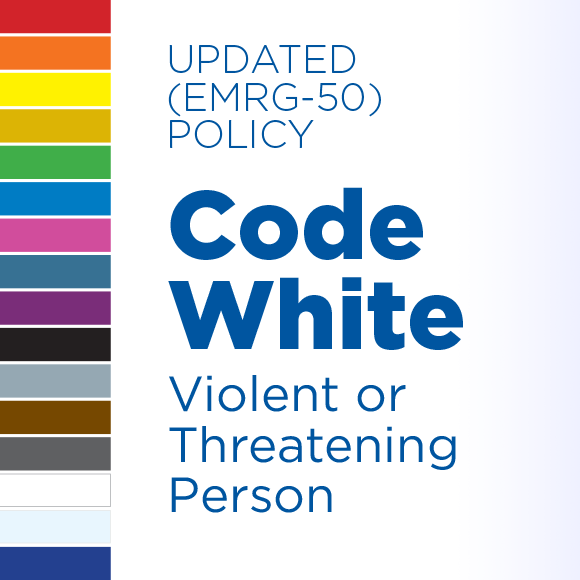
Policy Update: Code White – Violent or Threatening Person

Sent on behalf of Crystal Edwards, Code White Executive Sponsor, Director, Women & Children’s and Adult & Forensic Mental Health Programs

The Hospital’s Code White – Violent or Threatening Person (EMER-50) policy has been revised.

Actions required:

1. Read this memo and review the updated Code White (EMRG-50) policy to familiarize yourself with important process changes.

2. Managers to ensure that updated policy is added to their area’s emergency binder.

Policy changes:

· Revised to reflect Infection Prevention and Control guidelines.

· Code White Response Team has been clarified to include a minimum of 7 responders: 2 security guards, 1 staff from all clinical departments, and AMH staff with restraints.

· More detail regarding responses for Inpatient vs. Outpatient vs. Non-Patients.

· New one page “Hot Wash” Debrief form used immediately after the conclusion of a Code White in order to document initial responder feedback, including recommendations for improvement.

Process Reminders:

· Code White is called when a person is threatening/violent inside the Hospital (980 Oliver Rd). Police are to be contacted via 9-911 for all situations occurring outside the Hospital.

· Code White is initiated by calling Switchboard. Workers in the immediate area of the aggressor are to remove themselves and others from danger and assist the Code White Response Team as necessary. Switchboard will announce “[Protected] Code White + location”. If the level of threat may overwhelm the Hospital’s internal response capacity, Police will be contacted via 9-911.

Upcoming Education:

· Safety Huddle (see link below)

· Mock Code White drills (July 19 & 21) with support from Inter-Professional Education.

· Hot Wash training video.

Memo – Code White Update

Safety Huddle – Updated Code White

EMR-50 Code White

Cellular Outage Updates and Operational Impacts

Shared on behalf of Peter Myllymaa, Vice President Operations, Clinical & Support Services & Chief Financial Officer


As a result of cellular outages affected by Rogers/Tbaytel cellular services, we are asking that you note the following alternatives and requests if you are experiencing impacts related to cellular service outages.  

  • All staff are to utilize the landline when contacting the Staffing Office at (807) 684-6150.
  • All physicians and on-call clinical staff to be contacted through Switchboard at (807) 684-6000 if unable to contact through regular channels. 
  • All Respiratory Therapists (RT) should be paged overhead by calling Switchboard at (807) 684-6000 until RT pagers are provided and further notification is received. 
  • All staff and professional staff are asked to consider connecting with their Manager by calling the department landline to assist with any unit needs.
  • All physicians and professional staff should report in to their Department Chiefs or contact Medical Affairs at (807) 684-6564.
  • The Patient Advocate Office direct landline is (807) 684-6211 and the Care Partner Liaison office is (807) 684-7865.  

Additionally, we have been informed that ‘911’ cellular service is limited at this time and we are anticipating an increase in patient visits to our Emergency Department that will be a higher acuity as a result. We are asking all staff to consider extra shifts if able, and reach out to the Staffing Office at (807) 684-6150.   

Further updates will be communicated as required.  Thank you for your cooperation.

Essential Care Partner/ Care Partner Guidance in Response Level Yellow

Shared on behalf of Jennifer Wintermans, VP, Quality and Corporate Affairs, COVID-19 Lead; Adam Vinet, VP, Patient Experience and Chief Nursing Executive, Regional VP, Cancer Care Services


To align with the move to COVID-19 Response Level Yellow (Protect) on July 4, 2022, please note that for any Essential Care Partner (ECP) and Care Partner guidance, the Version 12 Guidance document should be referenced under the Yellow “Protect” category.

The document can be found on the iNtranet: https://comms.tbrhsc.net/wp-content/uploads/2022/03/Guidance-Document-Essential-Care-Partner-and-Care-Partner-Guidelines-March-11-2022-version-12.pdf

ECPs should be reminded of mandatory masking and follow the requirements as per ECP guidelines. Physical distancing should continue to be encouraged.

Any deviations or exceptions from the guidance document should be managed at the unit level and as per the appeals process indicated within the guidance document.

All Hospital COVID-19 updates, memos and resources are also available on the iNtranet at https://comms.tbrhsc.net/covid-19-information/.

TBRHSC’s Top Commuter

During the month of June, our Hospital participated in the TBay on the Move Active Commute Challenge. This Challenge encouraged staff to rethink their ride to work by choosing an active mode of transportation such as walking or cycling, or using public transit. Actively commuting to work is a great way to incorporate physical activity into your daily routine and help the environment.

As a community, we have reduced our greenhouse gas emissions by 4195.88 kg and travelled 20,496.68 km.

Our Hospital finished in second place for large workplaces and were awarded two city bike racks. Our team was able to save 348.35 kg of greenhouse gas emissions and commuted a total distance of 17,01.11 km.

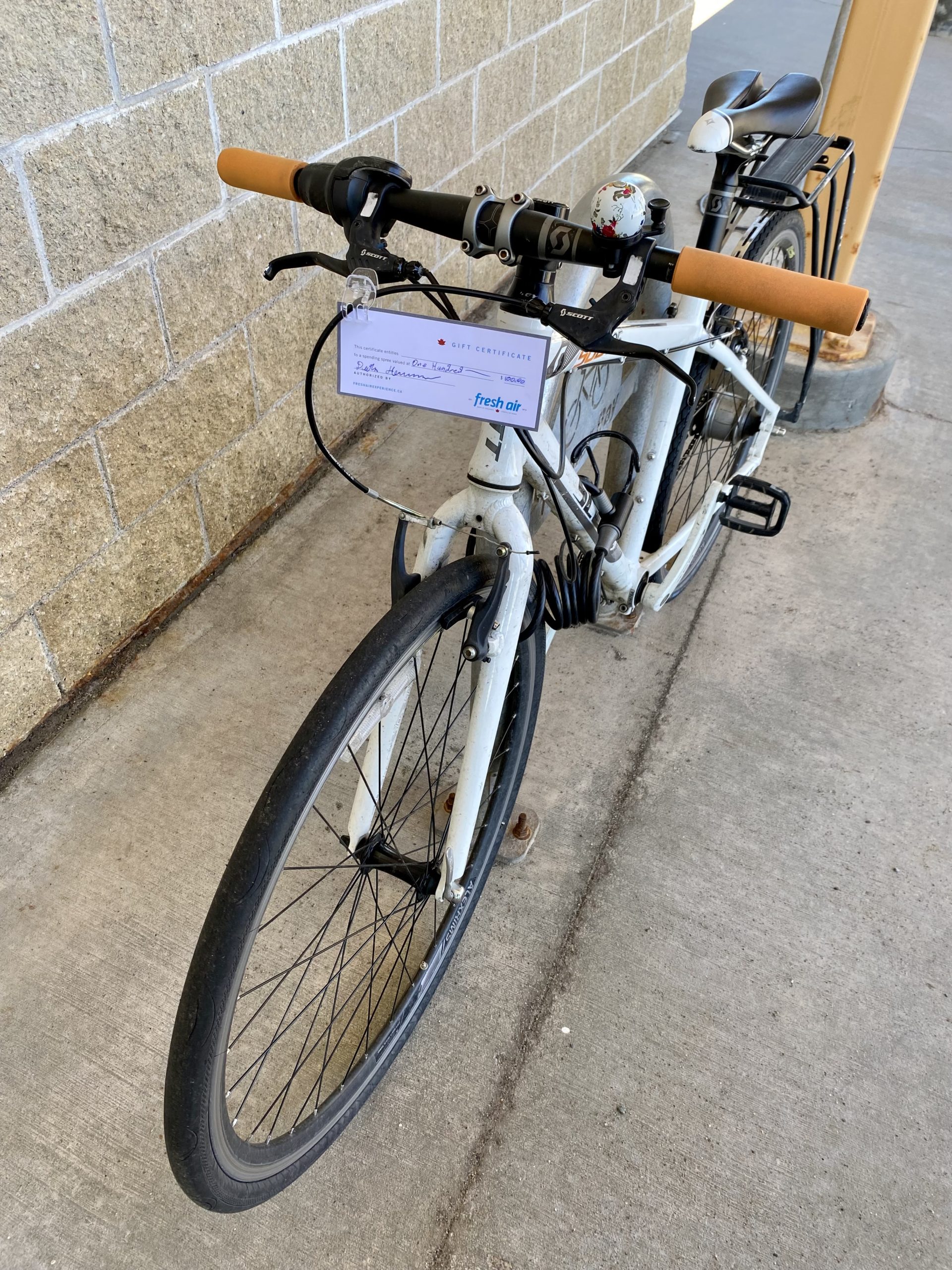
Thank you to all of our staff who participated in the challenge! Congratulations to Govind, who was the top commuter on our Hospital’s team as of July 1st. He commuted a total distance of 180.83 km throughout the month of June with cycling being his main choice of transportation. For being the top commuter at our Hospital during the challenge, Govind has been awarded a $100 gift card to Fresh Air.

>