Transition of Pandemic Response Protocols – Phase 1


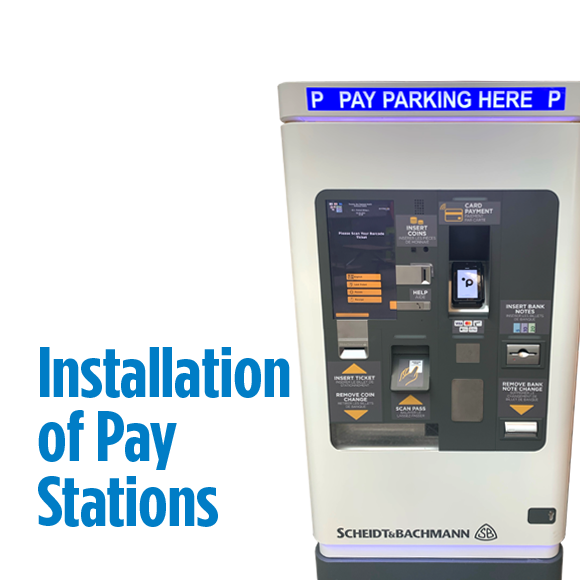
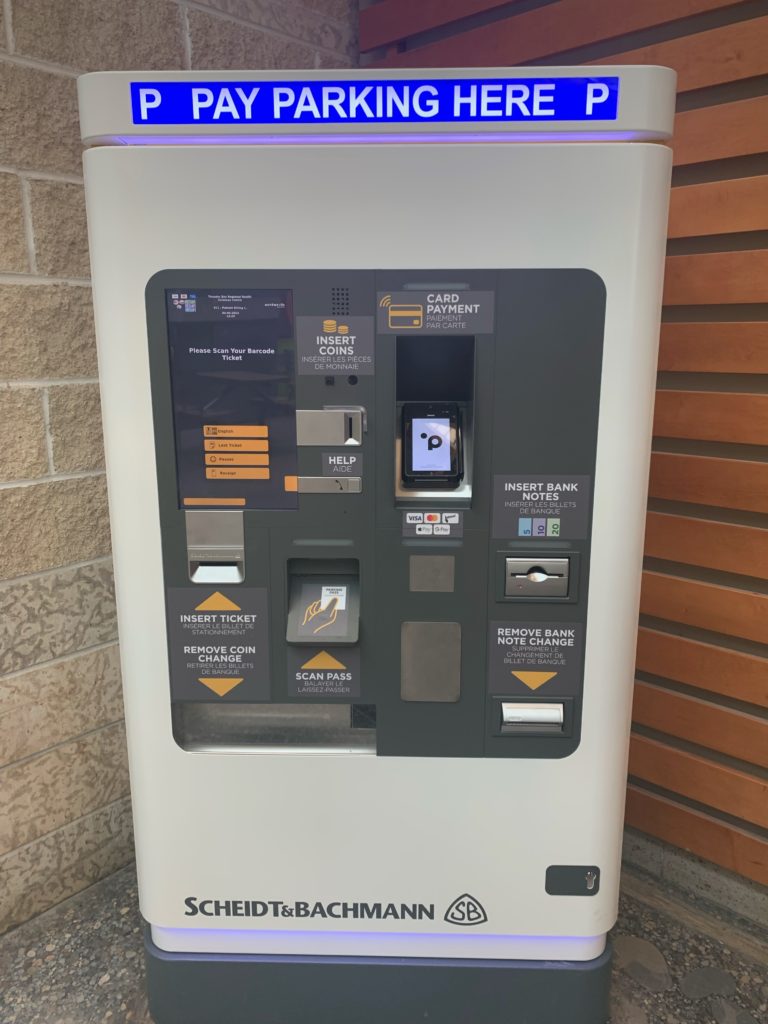
In January, Thunder Bay Regional Health Sciences Centre (TBRHSC) introduced a new parking system for patients, families and visitors. Instead of a chip coin, people now receive a paper ticket when entering parking lots. Parking equipment has been upgraded in D – Deer Lot, C2 – Coyote Lot, I – Turtle Lot, B – Bear Lot, B2 – Moose Lot, and A1 – Eagle Lot. This upgraded, modern, easy to use parking system will ensure that patients, families and visitors have convenient and timely access to the Hospital.
For the final stage of the project, the pay stations inside at the Main Entrance, Emergency Department and the external buildings are being replaced. Exit stations are being upgraded with pin pads so that visitors have the option to pay via credit, debit or Apple Pay upon exit as well.
For the transition, we will have extra security onsite to assist visitors with the new stations. We appreciate your patience while we are transitioning to the new system.
To learn more about parking at TBRHSC, please visit https://bit.ly/TBRHSC-Parking. To read TBRHSC parking Frequently Asked Questions, visit https://bit.ly/Upgraded-Parking-System-TBRHSC.

We’re happy to share this recent ‘Thumbs Up’ about our Hospital staff (from the March 18th edition of the Chronicle Journal):
THUMBS Up to the pediatrics ward at the Regional hospital. “We (unfortunately) just had a stay there with our two-year-old. They were absolutely awesome with her and supportive of mom – her care partner, too. The nurses and doctors work so hard and it did not go unnoticed. As a care partner, also really appreciated the volunteers who would come to check in. was able to take; shower and run for a coffee while they played with my daughter. Not somewhere you ever want to be, but they all made it so much easier.”


Spring has sprung! April’s Health and Wellness Challenge focuses on creating healthy habits. Spring is the perfect time to introduce new healthy habits into your routine.
Sticking to new habits can be challenging. Start with simple changes. Simple ways to freshen up your spring wellness routine include making water your drink of choice, making sleep a priority and reading a book.
Your monthly inspiration:
Throughout the month of April, submit the title of the book that you are currently reading. TBRHSC’s top ten most popular book list will be released at the end of the month on Informed. Submit your responses to haley.shipston@tbh.net.

For Ethics Week, we are featuring a different TBRHSC department daily to see what sorts of ethics questions they encounter.
What does your department do?
The Informatics Help Desk is responsible for handling over 6000 tickets per month to facilitate communication and collaboration between Information Technology (IT) / Information Systems (IS) and other programs/departments throughout our 12 regional hospitals. We are the first point of contact for almost 10,000 customers/users where we help to resolve and prevent issues with IT hardware, software, security, and user access.
What ethics questions come up in your area?
Every day the Informatics Help Desk deals with ethical questions! The Help Desk is often seen as the gatekeepers of information. Balancing the need for someone to access information to do their job but ensuring they have the right or the approval to access that information is key.
Our team deals with highly sensitive information daily with the utmost care and confidentiality. We strive to maintain an excellent reputation in protecting privacy and complying with the regulations that govern us.

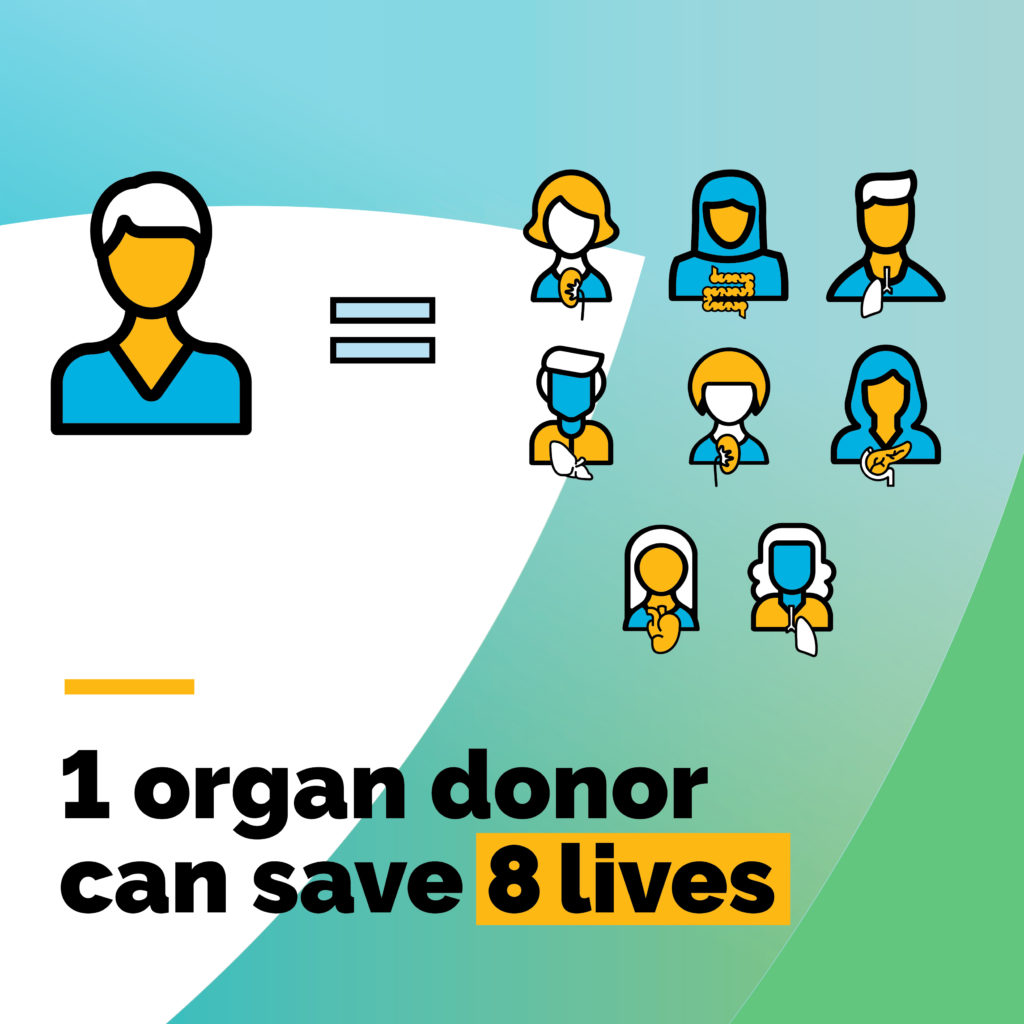
April is BeADonor Month in Ontario. The goal during BeADonor Month is to inspire those who have not yet registered to consent for organ and tissue donation. The more Ontarians register to donate, the greater the chance to save those who are in need of a transplant. Registering only takes two minutes when visiting beadonor.ca and can give hope to more than 1,500 Ontarians waiting for a life-saving transplant
Did you know? One organ donor can save up to eight lives.

Happy Ethics week! Join us as we celebrate ethics at Thunder Bay Regional Health Sciences Centre (TBRHSC).
Ethics Week is a chance to learn about ethics, talk about the ethical issues we face, and to raise awareness about the supports available to patients, families, staff, physicians, students, and volunteers at TBRHSC.
** Answer our Ethics Question of the Week and quiz to be entered for a chance to win a $25 gift certificate to Goods & Co. https://www.surveymonkey.com/r/R79P5W8**
Ethics affects us all. Anyone struggling with an ethics question can contact the Bioethicist for support or access decision-making resources on the intranet.
Bioethicist: Michelle Allain – allainm@tbh.net | 684-6538
By Graham Strong
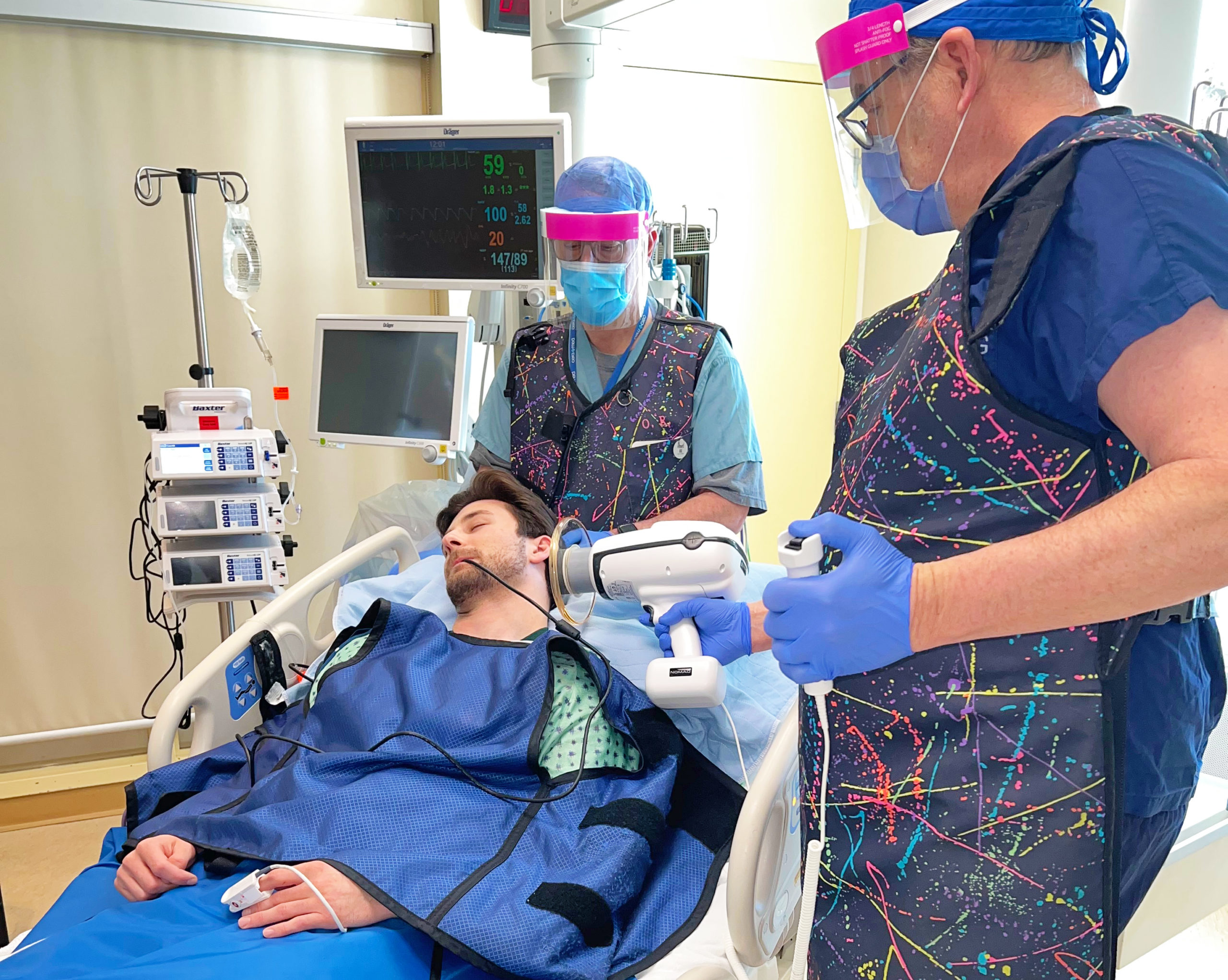
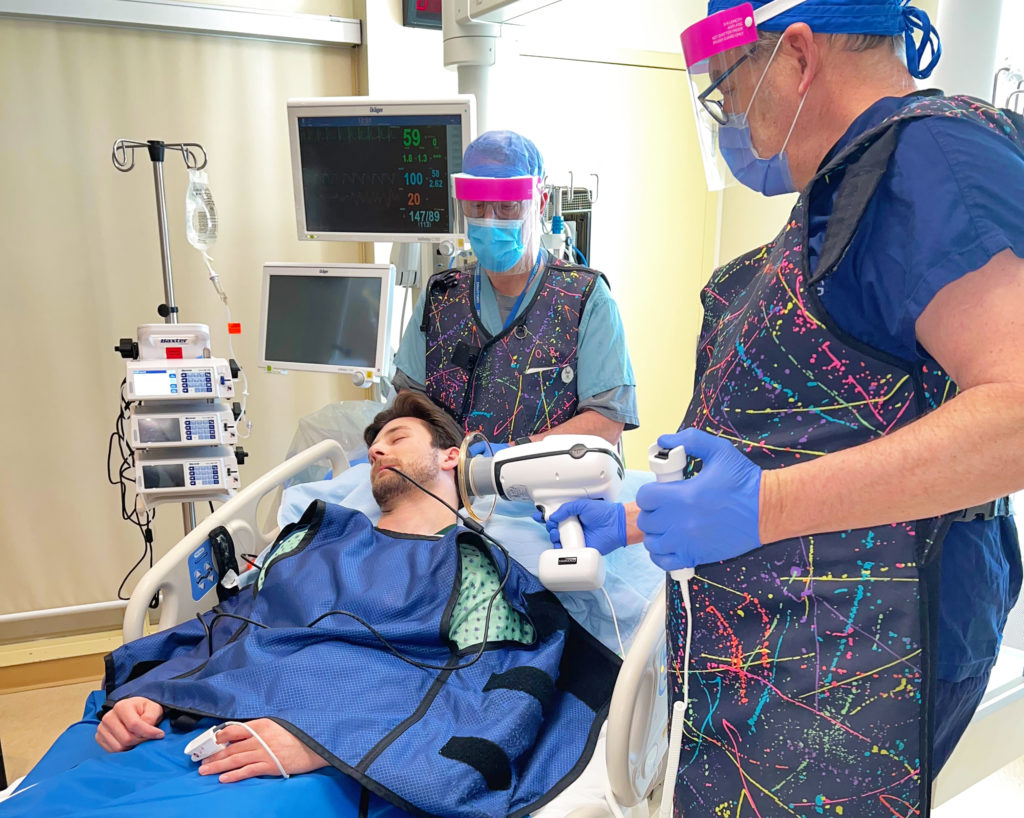
Sometimes what the dentist can see during an exam is literally just the tip of what’s happening underneath. That’s why X-rays are the standard of care for patients. However, many patients including some in Critical Care (ICU), oncology, and cardiac are not mobile enough leave their room. Now, thanks in part to a Thunder Bay Regional Health Sciences Foundation Family CARE Grant, those X-rays will come to them.
The Department of Dentistry at the Thunder Bay Regional Health Sciences Centre purchased a portable X-ray unit with this funding. The hand-held device moves where the dentists move and can be used right at the patient’s bedside. Dr. Bruce Pynn, Chief of Dentistry & Oral Maxillofacial Surgery at our Hospital, called it “magical.”
“You can use it in any room in the Hospital now,” Dr. Pynn said. “You attach the sensor to your laptop, and Poof! you get the image directly. That’s the new digital world.”
Dr. Pynn said he’s called for dental consults throughout the Hospital. For example, he could be called to the ICU to investigate a neck abscess, which is often caused by dental issues. However, patients may be intubated or there may be other circumstances that prevent them from leaving their rooms. Even if they could be moved, they may be unconscious and therefore unable to hold themselves up.
“We have a new Panorex X-ray in Diagnostic Imaging, which shows you all the teeth and jaws in one image. But you must be able to sit or stand to take those images,” Dr. Pynn said.
When mobility is an issue, Dr. Pynn said that the only option is to do a visual exam, talk to family members for a medical/dental history, and track down any past X-rays. However, that sometimes takes days, which in turn slows down diagnosis and treatment.
The new portable unit solves all those problems.
“We dentists always like to have a current X-ray because there could be something going on below the surface that you can’t see,” he said. “This new unit improves patient care and safety.”
Any patients at our Hospital who are not able to go for X-rays will benefit from this new technology. Dr. Pynn said it will also be useful for forensics.
As far as Dr. Pynn knows, our Hospital is one of a handful in Canada and only the second site in Ontario to get this new unit. The first was the University Health Network (UHN) in Toronto, where Dr. Pynn’s friend and colleague Dr. Michael Glogauer pushed for Health Canada approval to bring this technology to Canada. Dr. Pynn said that the Health Sciences Centre now has the trifecta of dental imaging capabilities in Ontario: Panorex, digital X-ray in the operating room, and now the portable unit – again, something that only UHN can say as well. However, given the unit’s price and flexibility, he expects that other hospitals and even dentist’s offices will quickly adopt this new imaging method.
Generous donors are improving patient care at our Hospital every day! Funding for the hand-held X-ray unit came jointly from a Family CARE Grant and the Thunder Bay Dental Association. You can help fund similar projects that take a relatively small amount of money to make a big difference in patient care. Make your donation online at healthsciencesfoundation.ca/donate-now and type “Family CARE Grant” in the Message box. You can also call our Donation Centre directly at (807) 345-4673.

Shared on behalf of Phil Thompson, Director, Support Services
Manager, Strategic Sourcing and Distribution
I am pleased to announce, Blake Rathje has accepted the position of Manager, Strategic Sourcing and Distribution, effective April 13, 2023. Reporting to myself, Blake will oversee the Purchasing and Stores departments, with a focus on Strategic Sourcing and Supply Chain.
In the past 10 years, Blake has held various roles working in supply chain management, both in the private sector at Bombardier Transportation, Northern Supply Chain (NSC) as Interim Manager, Strategic Sourcing and Mohawk Medbuy Corporation (MMC) Strategic Sourcing Manager. Through these roles, Blake has developed a strong understanding of the Ontario Broader Public Sector Procurement Directive, Interim Measures, and the trade agreement such as CETA and the CFTA. He was responsible for leading and managing diverse procurement projects involving needs assessments, identifying cost savings opportunities, market research, competitive tenders, contract negations, and vendor performance.
Blake has a Bachelor of Business Administration and Certifications in Human Resources and Health Care Supply Chain.
Coordinator, Purchasing and Distribution
Jennifer Svane has accepted the role of Coordinator, Purchasing and Distribution.
Reporting to Blake, Jennifer will oversee day-to-day activities in Purchasing and Stores
Jennifer started at McKellar Hospital in 1995 as a Stationary Engineer in Maintenance. In 1999, Jennifer moved into Stores. Having held various positions in Stores, she has gained extensive experience in Supply Chain, detailed knowledge of products within our hospital, and general Hospital functions. Most recently, Jennifer held the position of Coordinator, Material Management.
Please join me in congratulating Blake and Jennifer in their new roles.