TBRHSC Implements Digital Asynchronous Video Technology

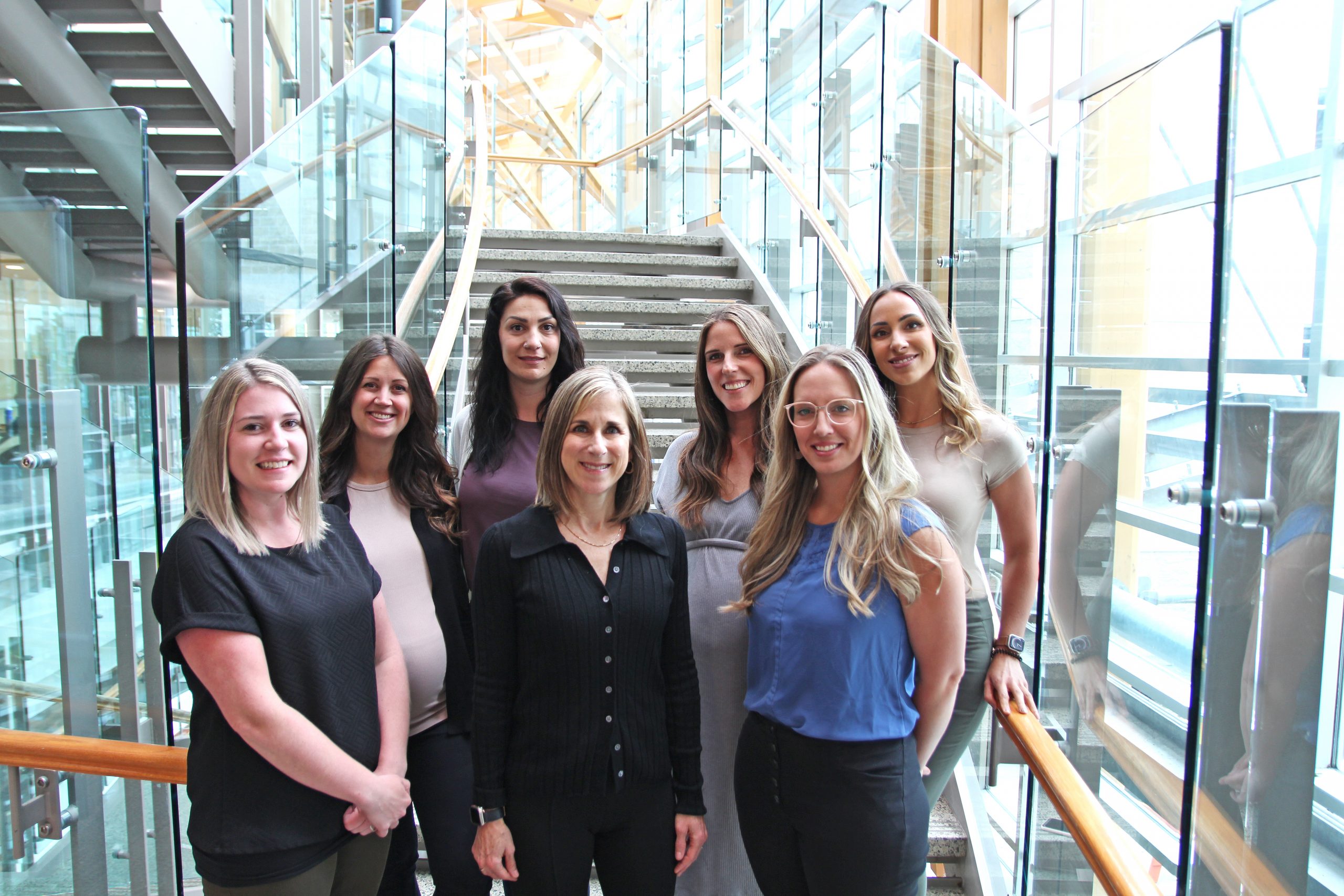
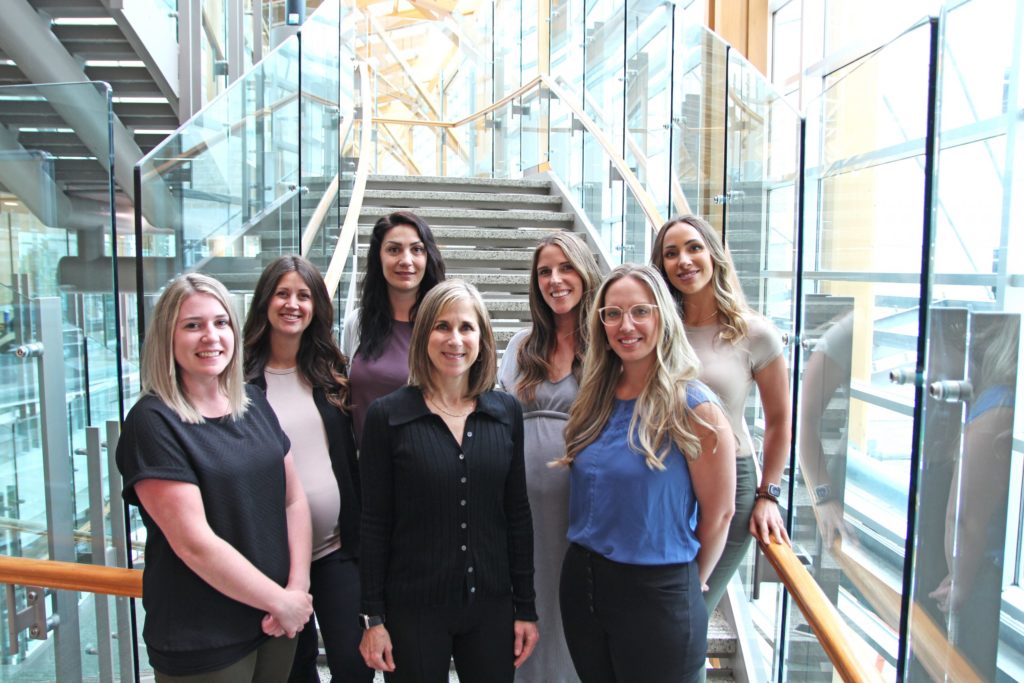
Thunder Bay Regional Health Science Centre’s Surgical Remote Patient Monitoring (RPM) Team (L-R back row): Stephanie Tempelman – Nurse Practitioner, Keri Matos – RPM Clerk, Kayley Heppler – Nurse Practitioner, Sashalina DeAgazio – Nurse Practitioner (L-R front row): Brittany Dzijacky – RPM Clerk, Caroline Fanti – Director, Regional Surgical Services, Corine Armstrong – Nurse Practitioner.

Thunder Bay Regional Health Sciences Centre (TBRHSC) is integrating digital, asynchronous video technology into their clinical workflows for surgical patients using technology developed by Health Care Transformation. TBRHSC’s goal is to improve patients’ experience with access to an online video library that reinforces what they will learn from their health care team regarding pre-operative instructions and post-operative follow up. Patients, caregivers and families can stream modern videos from home at their convenience and in their language.

“We have already been using digital tools to engage our surgical patients, for example, SeamlessMD. By enhancing pre-op communications with video, we convey the information in a standardized, engaging way,” says Caroline Fanti, Director of Regional Surgical Services, TBRHSC. “Our team has been extremely excited not only about the additional tools we will have to communicate with our patients but also how it empowers our patients and families by giving them access to the information they need, at their fingertips.”

In just under two months since launch, the videos have garnered nearly 1,000 views. The feedback received has been overwhelmingly positive, including over 97 per cent of respondents conveying they find the videos helpful. These videos also include multilingual captions to serve the diverse Canadian population.

Dorise Barrett, a recent TBRHSC surgical patient, utilized the SeamlessMD platform and viewed the asynchronous videos.

“The videos were helpful as a reminder of what to do and when, and to highlight the information that my health care team provided,” says Barrett. “I also found the [SeamlessMD] app had lots of information, and the nurses were quick to respond to my questions.”

Kayley Heppler, a Nurse Practitioner who works in the Surgical Transitions and Remote Patient Monitoring program at TBHRSC, has found the videos helpful in preparing patients for surgery.

“The patients come in knowing what to expect in terms of getting ready for surgery, general pre-op and post-op directions,” says Heppler “It gives them the opportunity to formulate any questions in advance, and the ability to be more self-directed in their health care journey.”

“Thunder Bay Regional Health Sciences Centre is one of the organizations leading the way towards the future of care delivery,” says Meghan Nechrebecki, Founder and CEO at Health Care Transformation. “To rely on verbal and written pre-op education is inefficient for nurses and ineffective for patients. Async video allows patients to re-watch the information as often as needed and with their partners and other loved ones who play an important role in their care.”

Through the async video analytics, TBRHSC is already tracking improvement in both nurse and patient experience and compliance.

To find out more about surgery at Thunder Bay Regional Health Sciences Centre, or to view the videos, visit bit.ly/TBRHSC-Surgery.
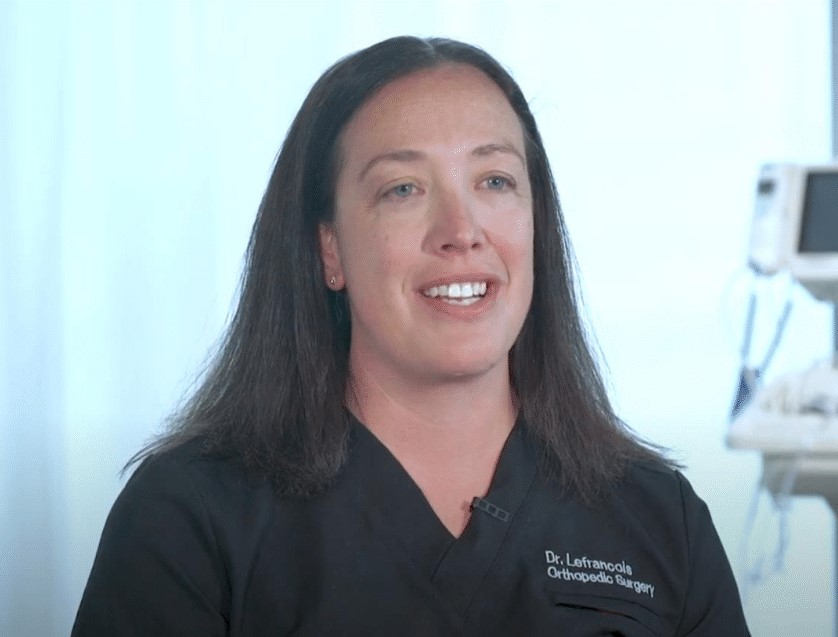
SP2026: Staff Experience (Video)

Thunder Bay Regional Health Sciences Centre plays a key role in health care for the people of Northwestern Ontario. As the only academic health sciences centre in the region dedicated to providing complex, acute and specialty care, we teach the next generation of health care providers and, through the Thunder Bay Regional Health Research Institute, advance medical research.

With the launch of the Strategic Plan 2026 jointly with the Health Research Institute, we outlined our priorities of: Equity, Diversity & Inclusion; Patient Experience; Staff Experience; Research, Innovation & Learning. These directions, along with supports, will lead us to a stronger, healthier and Sustainable future.

Research has shown that patient outcomes are directly related to the quality of the work environment. Because of our remarkable staff, our Hospital is a leader in patient and family centred care.

But, like all hospitals in Ontario, we must compete for health care workers and plan for future human resource needs. To improve Staff Experience, we are taking action to foster a work environment that is safe, where staff feel supported and valued. And, where staff have the opportunity to learn, grow and thrive.

June Staff Health and Wellness Challenge Wrap Up

Throughout the month of June, staff were challenged to actively commute and share the trails that get their hearts pumping and spirits soaring. Thank you to everyone who participated and submitted their favourite trails. Here are some beautiful photos from taken by our colleagues. Visit https://www.alltrails.com/ to check out the staff-recommended trails listed below.

  • Finger Point Trail at Pigeon River Provincial Park
  • Mazukama Falls at Kama Hills Provincial Nature Reserve
  • Wolf River Falls
  • James Duncan Trail at Big Trout Nature Preserve
  • Top of the Giant at Sleeping Giant Provincial Park             

SP2026: Equity, Diversity, & Inclusion (EDI) Steering Committee

strategic

As part of our commitment to keeping staff engaged and informed on the Strategic Plan 2026, Strategy and Performance is sharing updates in alignment with the identified priorities: Equity, Diversity & Inclusion, Patient Experience, Staff Experience and Research, Innovation, & Learning.

The July 5th, 2023 Operational Updates and Strategic Planning Meeting featured the Equity, Diversity, and Inclusion (EDI) Steering Committee.

Visit the Strategic Plan 2026 page on the Hospital’s corporate intranet, where these presentations, along with other resources can be found.

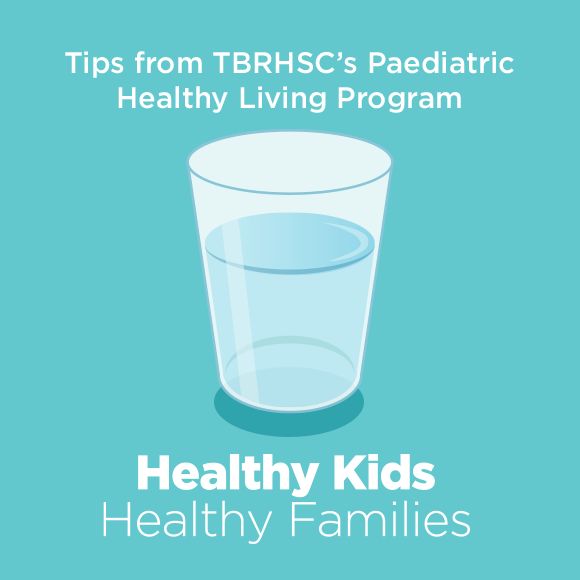
Tips from TBRHSC’s Paediatric Health Living Program

When your child is thirsty, consider offering water first. Water is important for hydration, and adequate intake can promote a healthy body weight, improved brain function and reduced risk of cavities. You can add fresh or frozen fruit to make water more interesting. Some delicious combinations are pineapple/mint and orange/lime. Homemade smoothies are also a great way to add in fruits and vegetables. Blend ingredients with unsweetened dairy or non-dairy milk. Limit pop, sports drinks, sweetened milks and juice as these beverages contain high amounts of sugar.  High intake of sugar sweetened beverages may contribute to increased risk of chronic diseases such as obesity and diabetes. 

For more resources on healthy living or to learn more about TBRHSC’s Paediatric Healthy Living Program, please visit our website at https://bit.ly/Paediatric-Healthy-Living-Program.

Announcement – Clinical Nurse Specialist, Addictions and Mental Health

Shared on behalf of Andrea Raynak, Director, Nursing Practice


I am pleased to announce that Giulia Daniele has accepted the position of Clinical Nurse Specialist, Addictions Medicine & Mental Health.

Giulia graduated from Lakehead University with a Bachelor of Science in Nursing and has been working in the discipline of mental health ever since. Giulia began her career in Adult Mental Health and the Psychiatric Intensive Care unit, and then transitioned to the Mental Health Assessment Team. Within this role, she quickly progressed to the Lead Registered Nurse who provided comprehensive mental health assessments virtually to patients all over Northwestern Ontario. Furthermore, she partook in data collection, policy development and survey creation which will be asset to the CNS role and its six associated competencies.

Giulia has demonstrated her passion for life long-learning; she has her Canadian Nurses Association certification in Psychiatric and Mental Health Nursing, and is currently completing a Masters of Health Administration through the University of Regina. Giulia also has her Lean Healthcare Black Belt Certification.

Please join me in welcoming Giulia to the role.

Thunder Bay 50/50 Draw Supports New Renal Water Purification System

Thunder Bay 50/50 Draw Supports New Renal Water Purification System

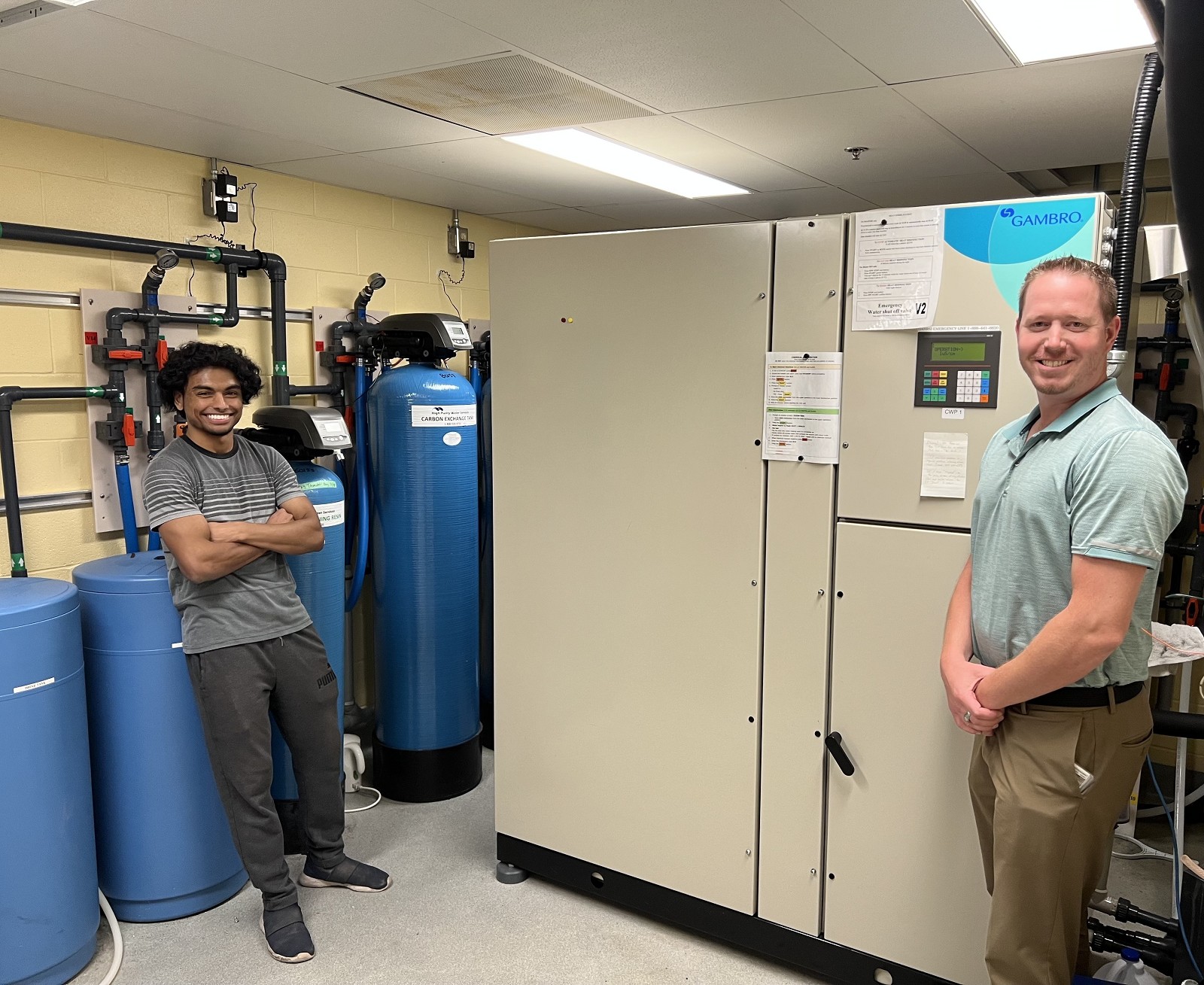
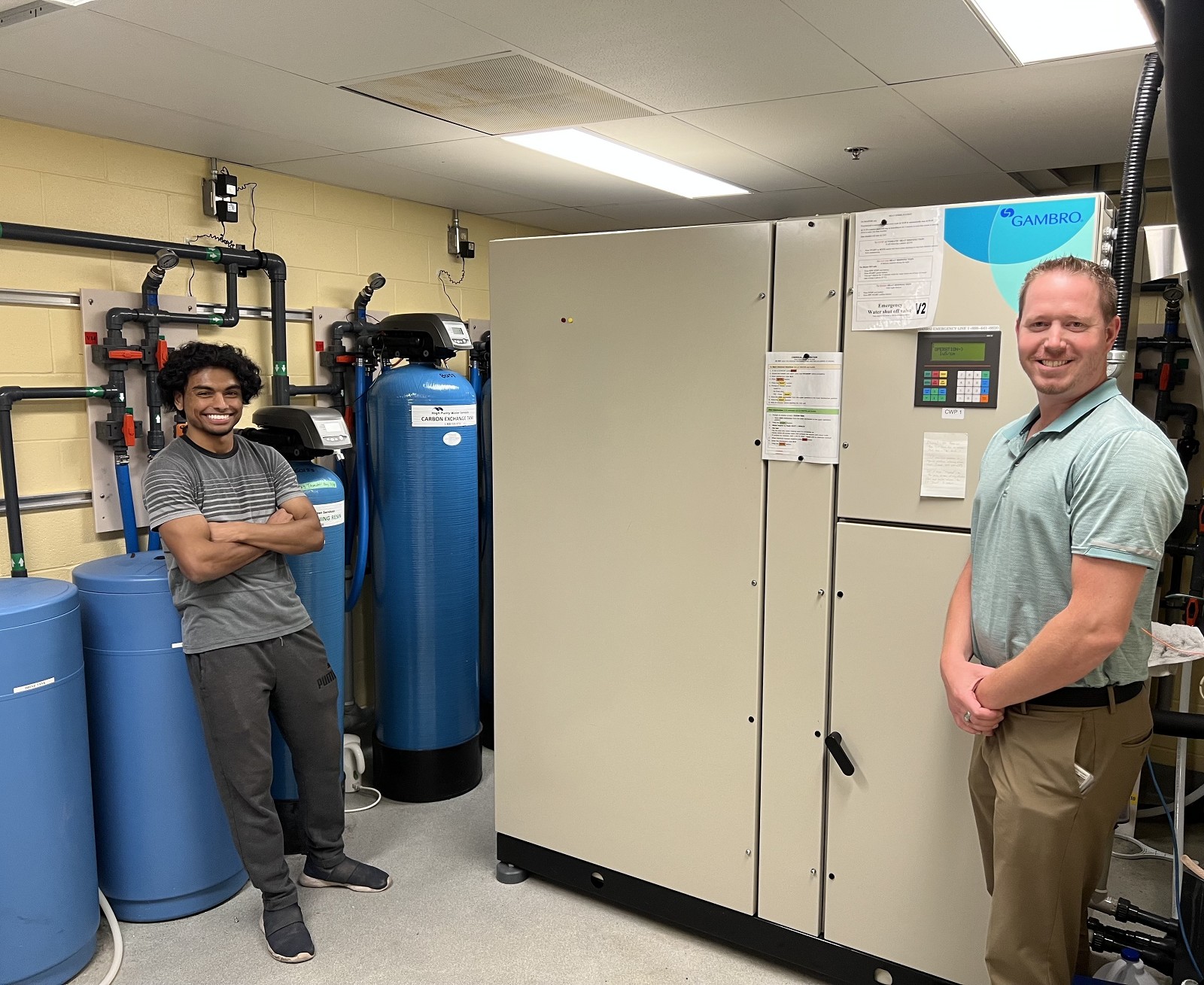
The Renal Department at the Thunder Bay Regional Health Sciences Centre is in desperate need of a new water purification system. The current system, which was installed when the Hospital was built 20 years ago, is now near the end of its serviceable life. Without it, dialysis patients wouldn’t be able to get the life-saving treatments they need.

“The water purification system is the heart of dialysis,” said Allyson Hoard-Mann, Manager, North West Regional Renal Program. “It’s not really thought of all that much, but it’s essential for life-saving treatment. It’s a hidden gem.”

Dialysis is a medical process to help clean the blood, a job normally done by the kidneys. But for people who experience any sort of kidney failure due to injury or disease such as diabetes, dialysis replaces those blood-cleaning functions. Without dialysis, toxins quickly build up in the blood, and patients can die within days or weeks.

Currently, over 220 patients come to our Hospital for dialysis. Some come three or four times per week. A handful needs daily treatment. If disaster struck and the whole system went down for any length of time, the Hospital would need to quickly find alternative treatment plans.

“We have an emergency plan, God forbid if that ever happened. As part of that plan, we’d have to evaluate many factors such as how long the system was down and how long to get replacement parts to get back up and running. ” Hoard-Mann said. Some patients could possibly go to Sioux Lookout or Fort Frances for treatment, but not all. “In the worst-case scenario, we’d have to fly patients to southern Ontario.”

That’s why it’s so important we replace this new water purification system now, before we experience that worst-case scenario.

Water purification systems are needed for dialysis because although city tap water is safe and clean to drink, it’s a much different story when you talk about adding it directly to the blood stream. Minerals and chemicals that your digestive system can easily process can be poisonous to your blood. These include naturally occurring ions such as calcium and trace amounts of metals. They also include chemicals added to the water such as chlorine used to keep the water bacteria-free.

“All the minerals, metals (calcium, magnesium), contaminants, chlorine, chloramines, and bacteria need to be removed from the water so that it is 99% pure,” said Hari Selvarajah. He’s one of three Biomedical Technologists in Renal along with Mike Smit and Michael Boimistruck who manages the water purification system operations. “This is to ensure conductivity, temperature, and pH levels of the dialysis fluid are accurate as possible.”

The new water purification system, which includes two separate units, can purify water faster using less energy than the current system. Two units are important so that if one breaks down, the other will be able to keep up. However, the new units include two pumps themselves, which means it won’t stop completely if one pump breaks down. This gives an extra measure of backup safety.

“It has very good built-in redundant back-ups, and operates far more efficiently than the current machines,” Selvarajah said.

If you bought a ticket in June’s Thunder Bay 50/50 draw, then you’ve helped bring this life-saving equipment to our Hospital to ensure none of our dialysis patients need to leave the region for dialysis treatment. There is still time to help – and this month’s draw has already surpassed $600,000. Buy your tickets online at: https://www.healthsciencesfoundation.ca/5050

>