Downtime Notice – Retain – Email Archive (March 7-8)


Here is the link to Daily Trivia: https://erw-trivia.tbrhsc.net/.
The week is dedicated to celebrating the people – medical staff, employees, teams, volunteers, Patient Family Advisors and donors – who are making a difference for patients and families in Northwestern Ontario through their outstanding service and dedication.
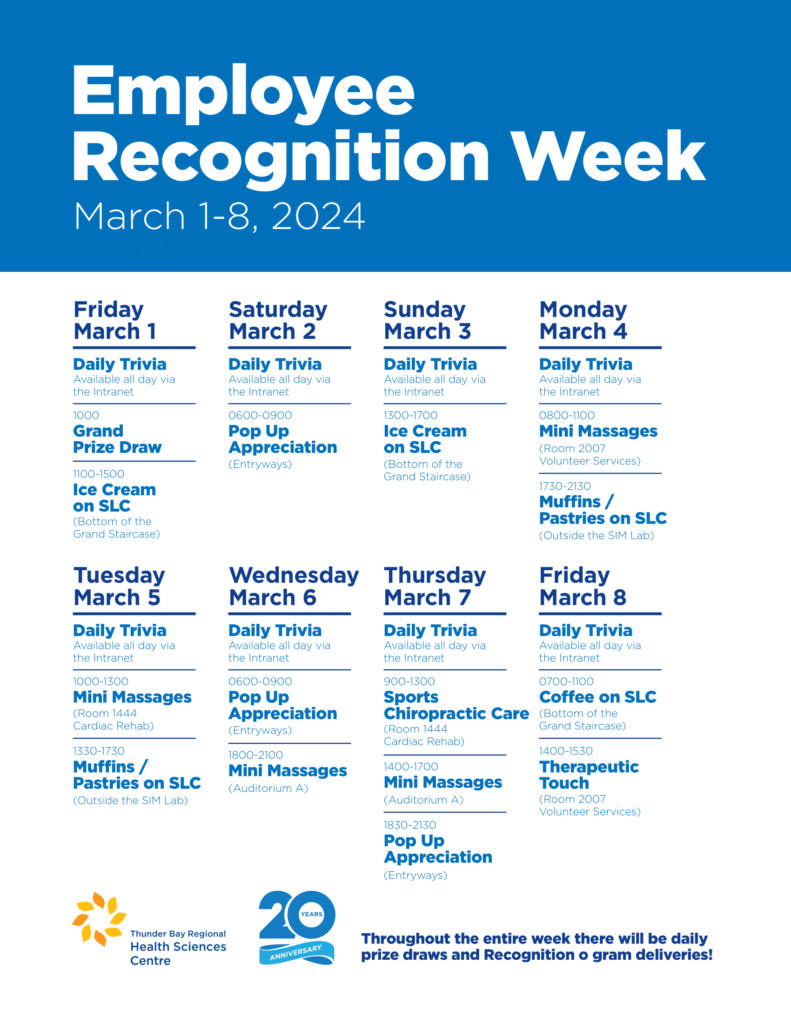
From March 1-8, staff are encouraged to visit the Intranet, read the Daily Informed Newsletter and check our social media to learn more about special Employee Recognition Week prize draws, daily trivia, Recognition-O-Grams and more! Check out the Human Resources iNtranet page for more information.
Happy Employee Recognition Week!
March is National Social Work Month, and Social Work Week (March 4-10) provides an opportunity to raise awareness of social workers as part of the health care team and acknowledge the critical role they have at our Hospital.
Social workers help patients and families address the impact of illness and treatment. Tremendous stress often stems from hospitalizations that are sudden and, at times, related to catastrophic illness or injury. Social workers, as part of the health care team, provide assessment and appropriate interventions to aid the patient in achieving optimum recovery/rehabilitation and quality of life.
Social workers often have specific expertise in areas such as general medicine, emergency work, paediatrics, geriatrics, oncology, neurology, psychiatry, and palliative and end-of-life care. Thank you to all of the social workers who make a positive impact on the lives of thousands of patients who receive care at our Hospital.
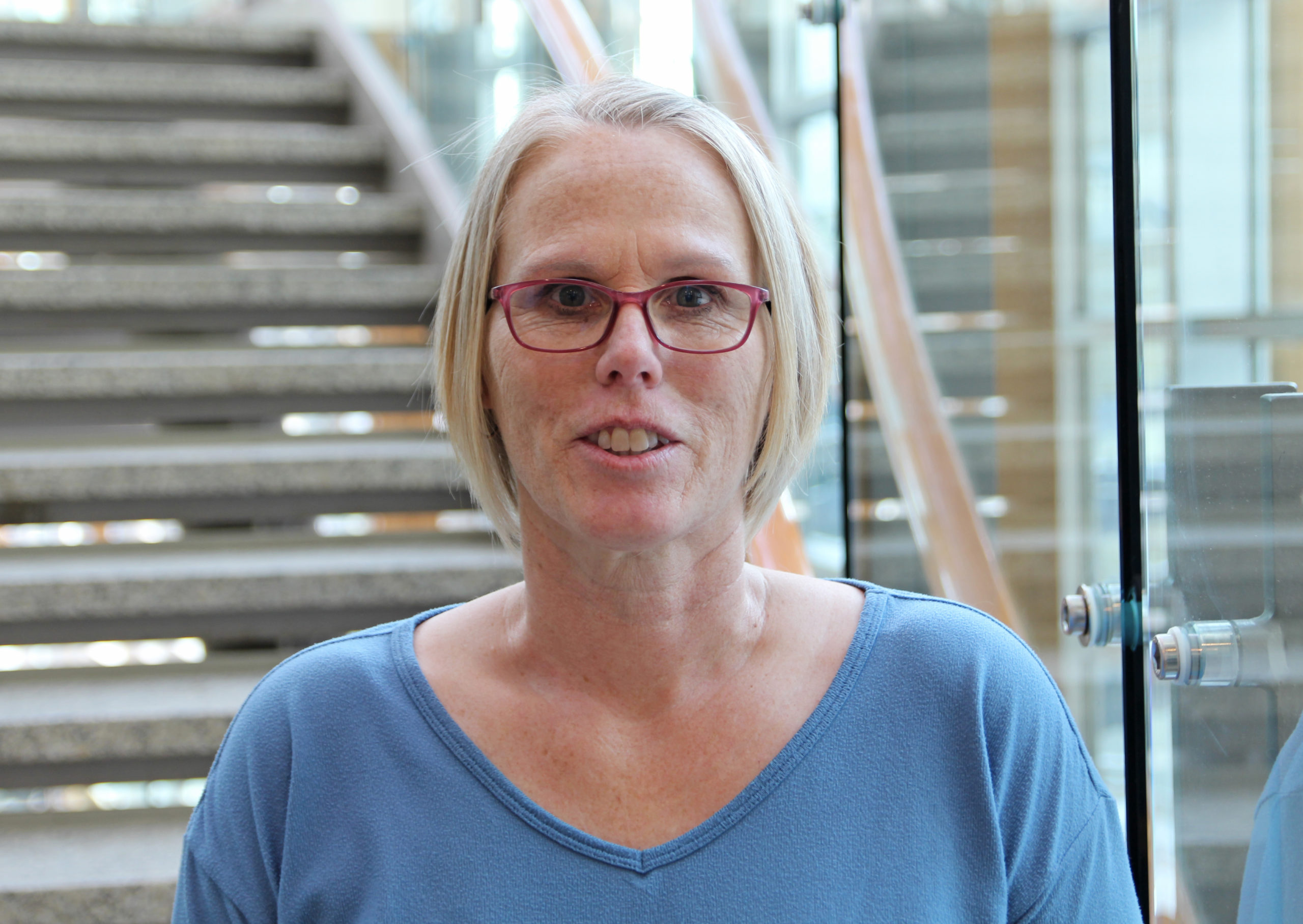
We connected with Karrie Walker, Registered Social Worker in the Trauma and Critical Care Unit at Thunder Bay Regional Health Sciences Centre, to find out more about why she chose the profession of social work.
What inspired you to work in social work?
I started out working with youth as a Child and Youth Worker and making the move to social work seemed like a natural transition. I like the challenge of figuring things out and helping people through difficult times.
What is unique about your role?
My role is unique because each person’s situation is unique, and I never know what someone will need my help with. I get to help patients from all across Northwestern Ontario. Every day brings something new – for example, helping a critically ill patient by finding family, or assisting the Office of the Coroner.
What do you love about your job?
I am passionate about this job because I am able to provide emotional support and resources to patients and families during a very difficult time in their lives. Like I said, the role is dynamic and every day is different.
Learn more about the profession by visiting the Ontario Association of Social Workers website.

Laptop, wireless mouse and webcam, (Kim D.). Donated by ACO.
Ninja Airfryer, (Curtis Ball). Donated by Youngs Insurance Brokers Inc.
Two Wake the Giant Music Festival tickets, (Elisabeth Coppin). Donated by Wake the Giant.
$100 Serenity Salon and Spa gift card, (Kaileigh Bell). Donated by Serenity Salon and Spa.
$25 Pizza Hut gift card and Bluetooth speaker, (Angela H.).
$25 Pizza Hut gift card and Bluetooth speaker, (Anna Jousmaki).
$25 Pizza Hut gift card and Bluetooth speaker, (Holly Hebert).
$100 Cheese Encounter gift card, (Karen Roberts). Donated by the Cheese Encounter.
$100 Cheese Encounter gift card, (Alexa Meitz). Donated by the Cheese Encounter.
$25 Starbucks gift card and water bottle, (Miranda W.). Donated by HealthHub.
$25 Starbucks gift card and water bottle, (Debra Everts). Donated by HealthHub.
$25 Entershine Bookshop gift card, Free Boston Pizza, Bluetooth speaker, and water bottle, (Rebeka T.).
$25 Entershine Bookshop gift card, Free Boston Pizza, Bluetooth speaker, and water bottle (Adriana D’Angelo).
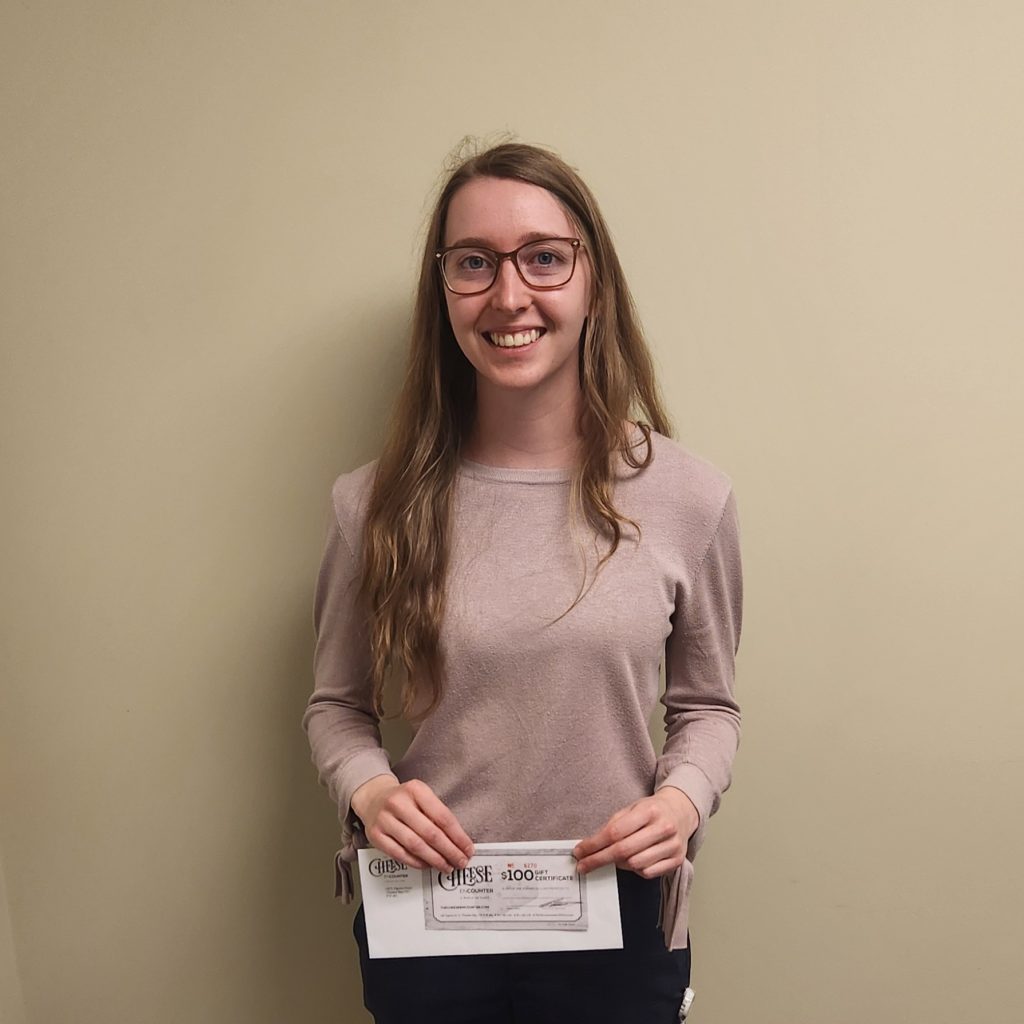
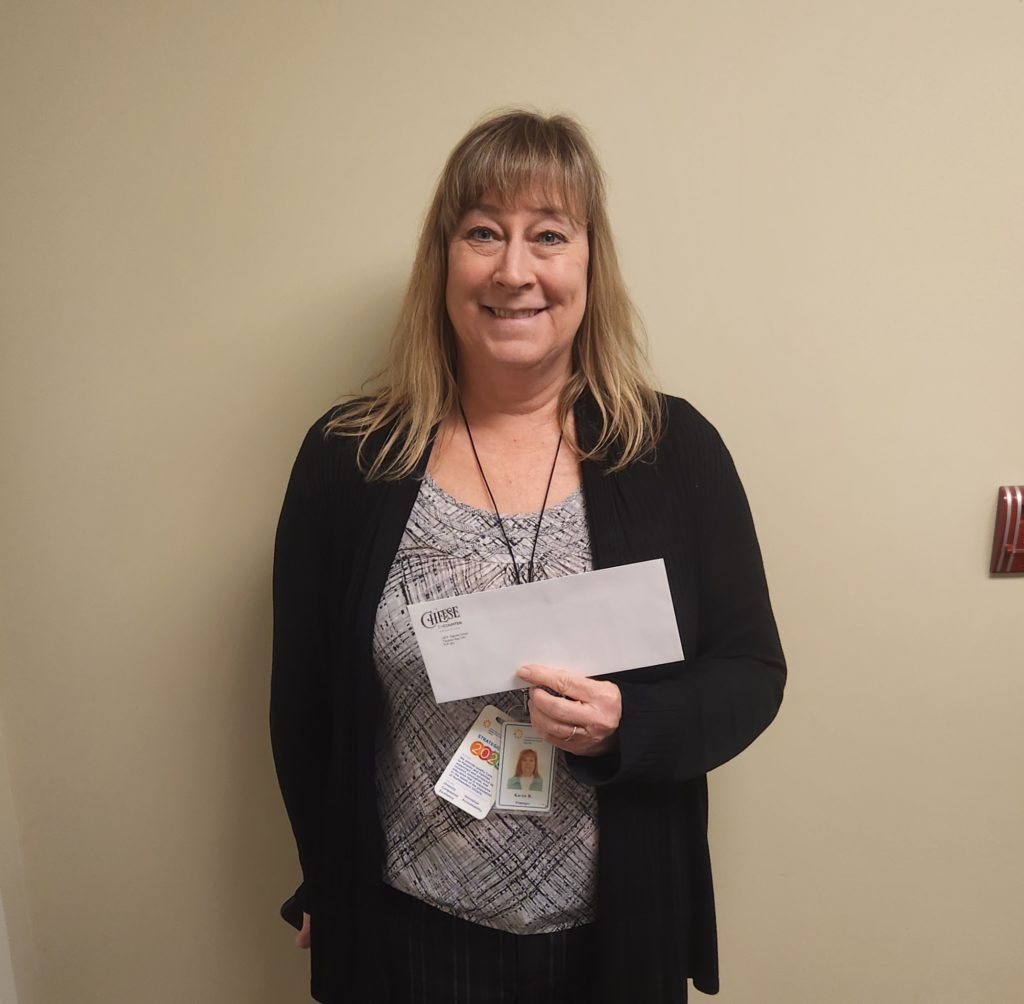
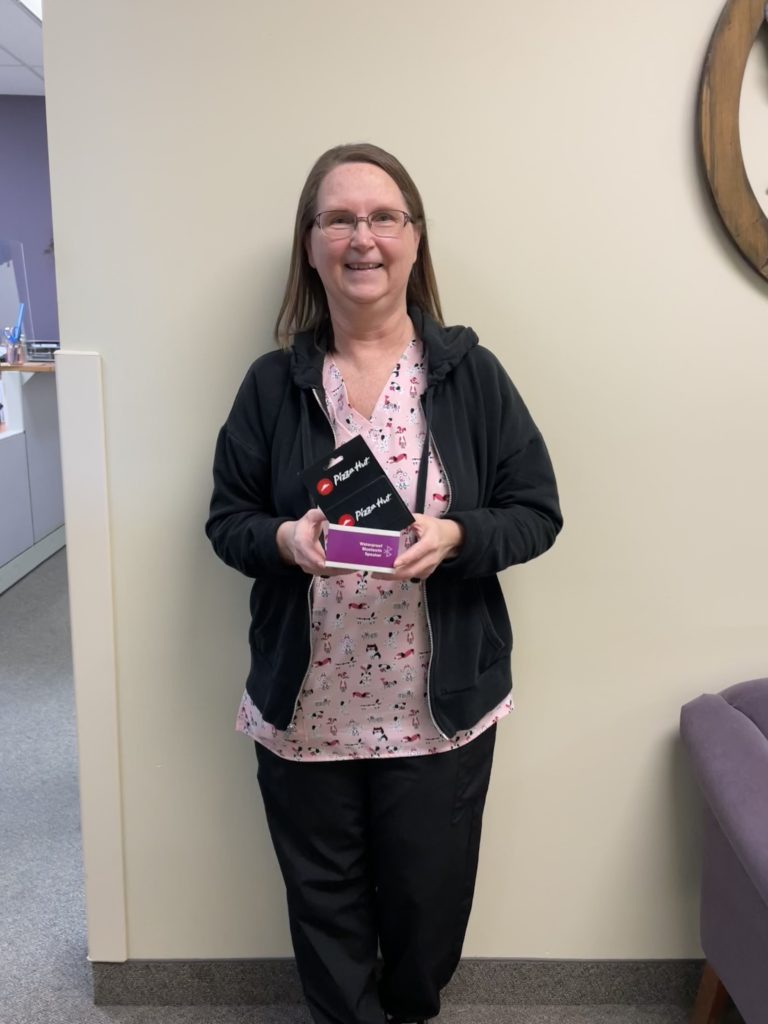
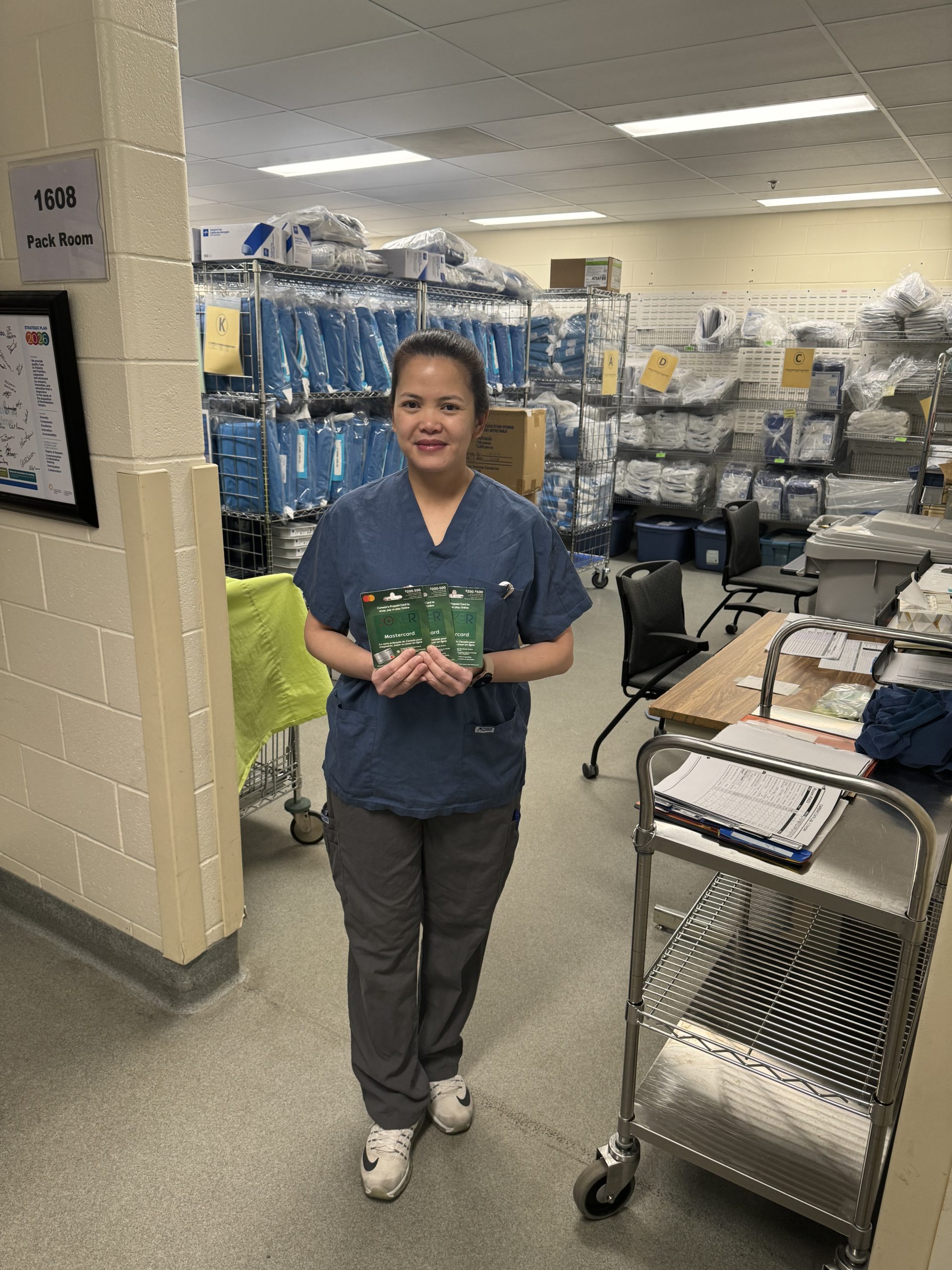
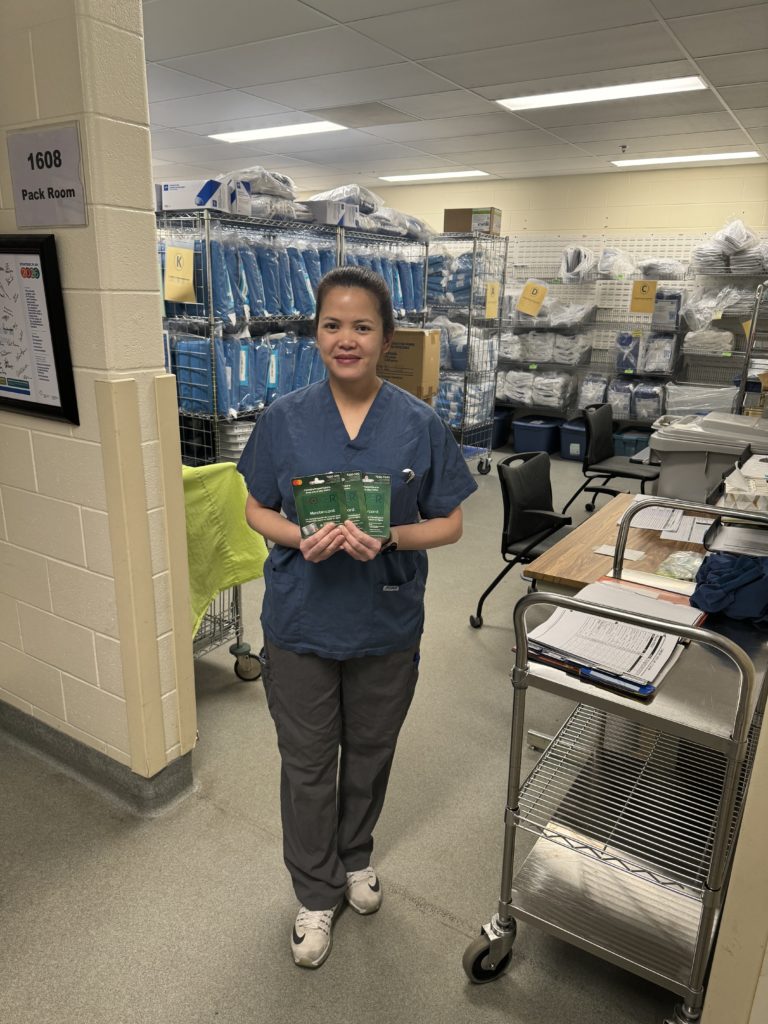
Remember to participate in the daily trivia to be entered into the draw raffles. Prizes range from gift cards, air fryers, computers, and more!
Check out what is happening this Employee Recognition Week (March 1 to 8) here.
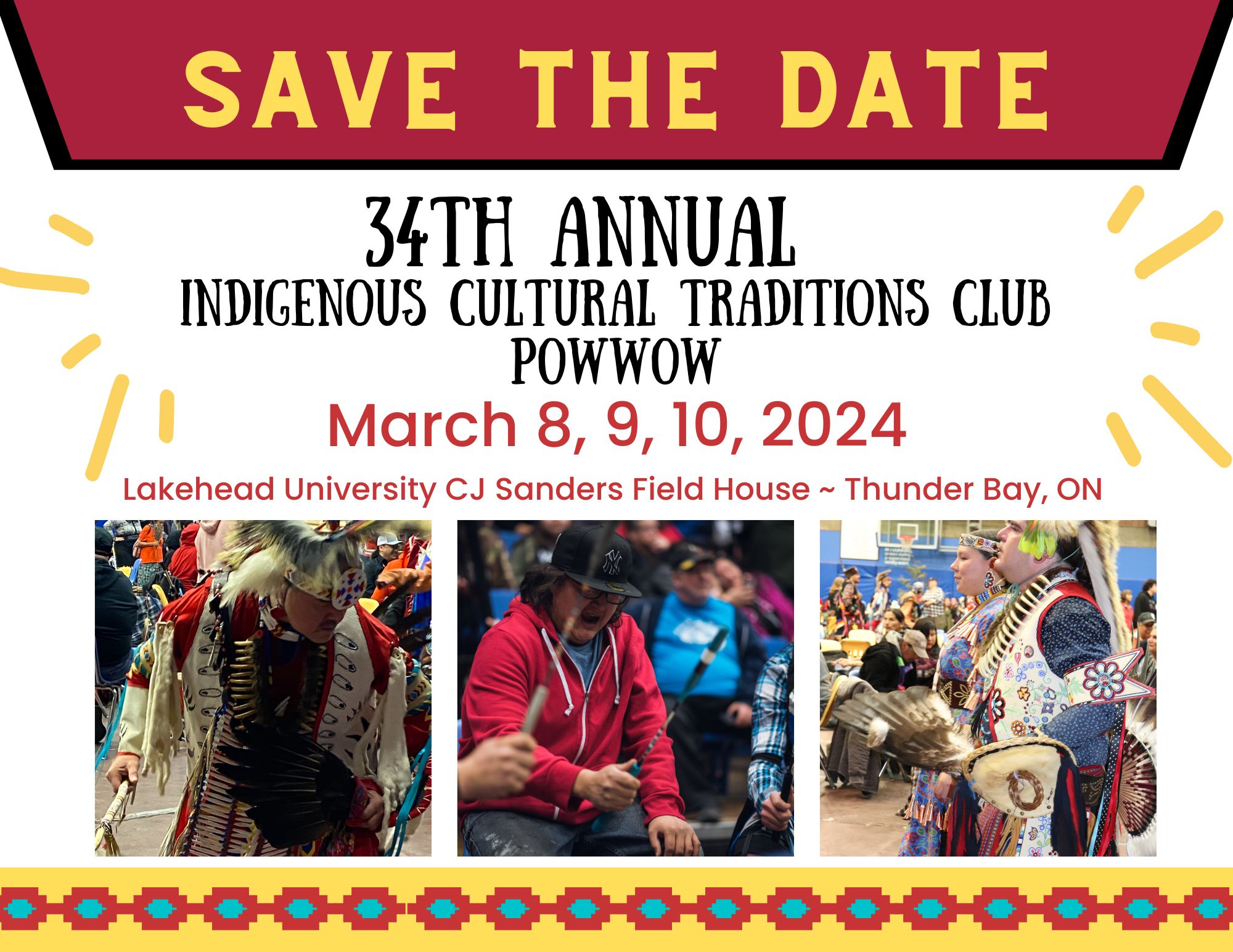
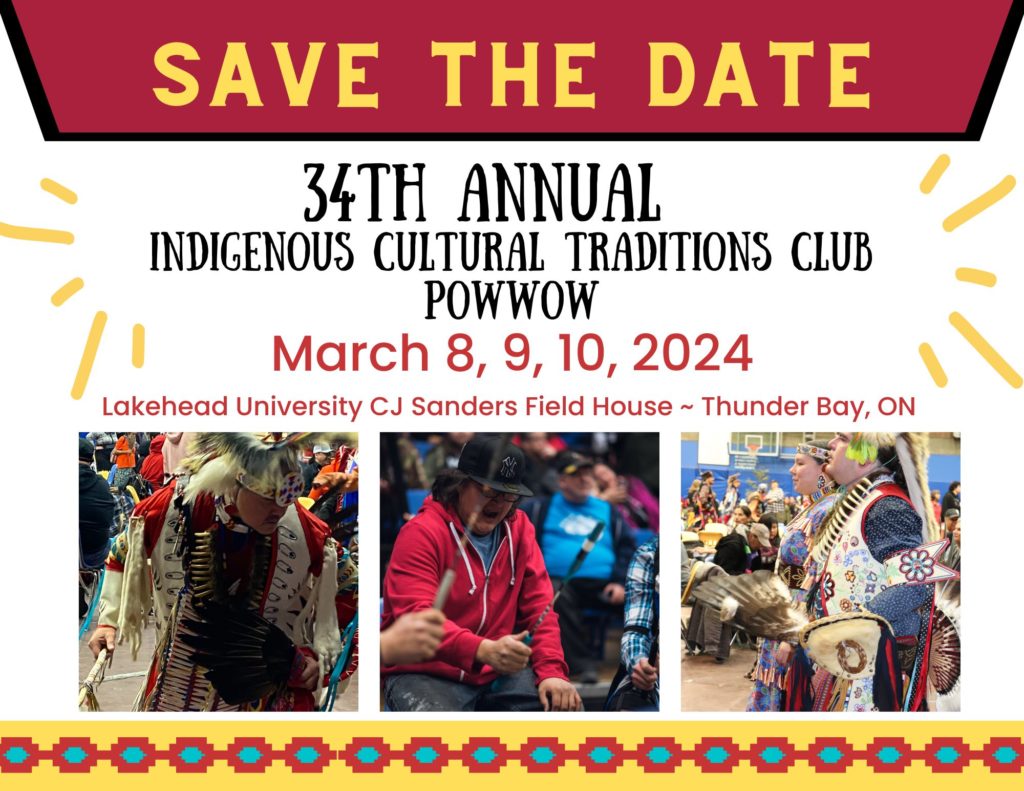
Indigenous Cultural Traditions Club, formerly Lakehead University Native Students Association (LUNSA), is holding its 34th annual powwow at the Lakehead University Fieldhouse, March 8-10, 2024.
The goal of Indigenous Cultural Traditions Club is to promote the spirit of unity among Indigenous students at Lakehead University through social, cultural, and recreational events in addition to promoting cultural awareness between club members and the greater population. The annual powwow is the club’s signature event that showcases tremendous talent and entertainment, free of charge, while reinforcing traditional aspects of Indigenous culture such as drumming, dancing, singing, and giving thanks.
Everyone is welcome to attend!
Volunteers are needed, email jjthomp4@lakeheadu.ca for more information.

The Maternity Centre at Thunder Bay Regional Health Sciences Centre (TBRHSC) provides prenatal care for the residents of Thunder Bay and surrounding region. Our team is committed to providing evidence-based maternity care that is safe, respectful and culturally sensitive.
No referrals are necessary to access care at the Maternity Centre.
During pregnancy, you are welcome to call the Maternity Centre to schedule an appointment with one of our prenatal care providers. All of our programs are accessible with your Ontario health card.
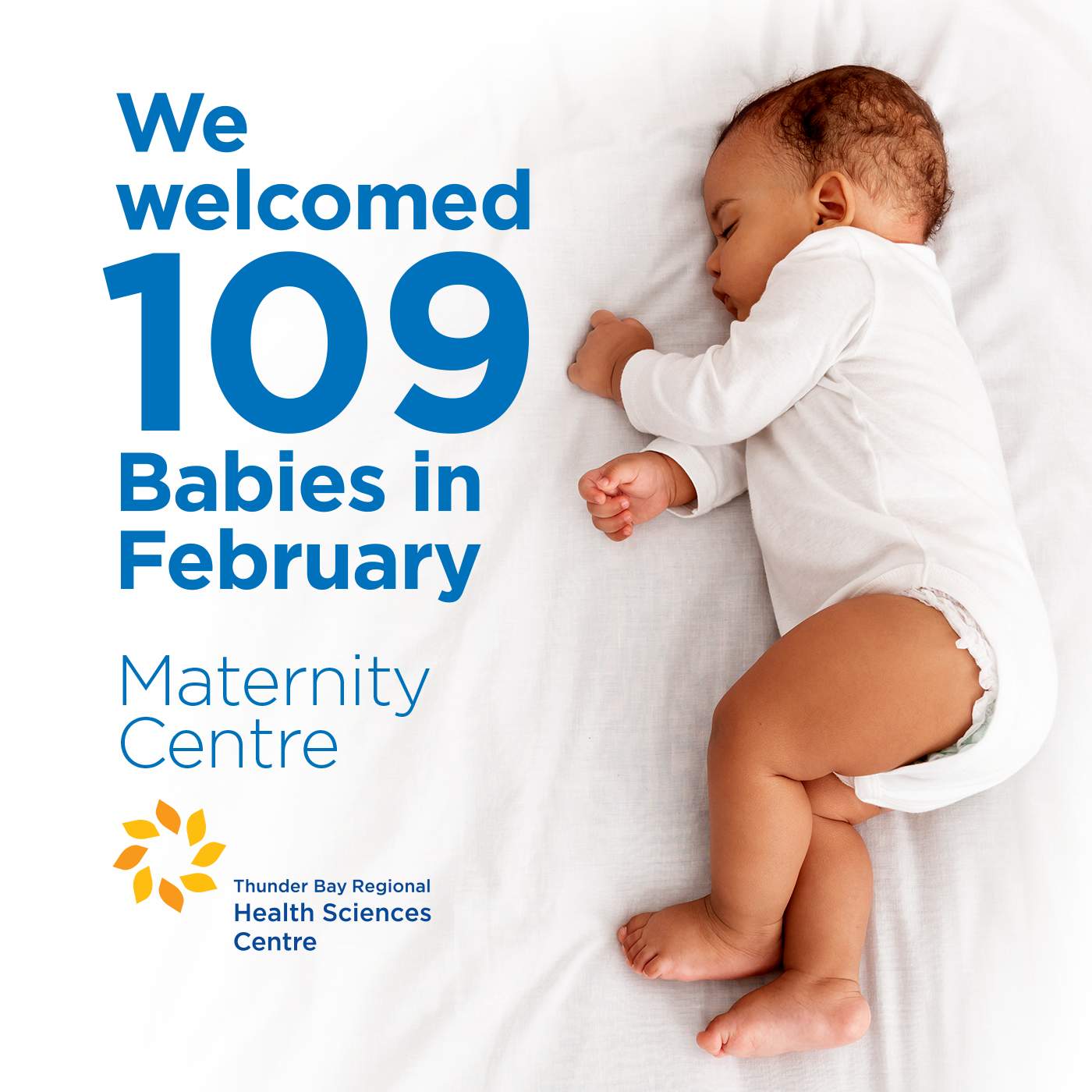
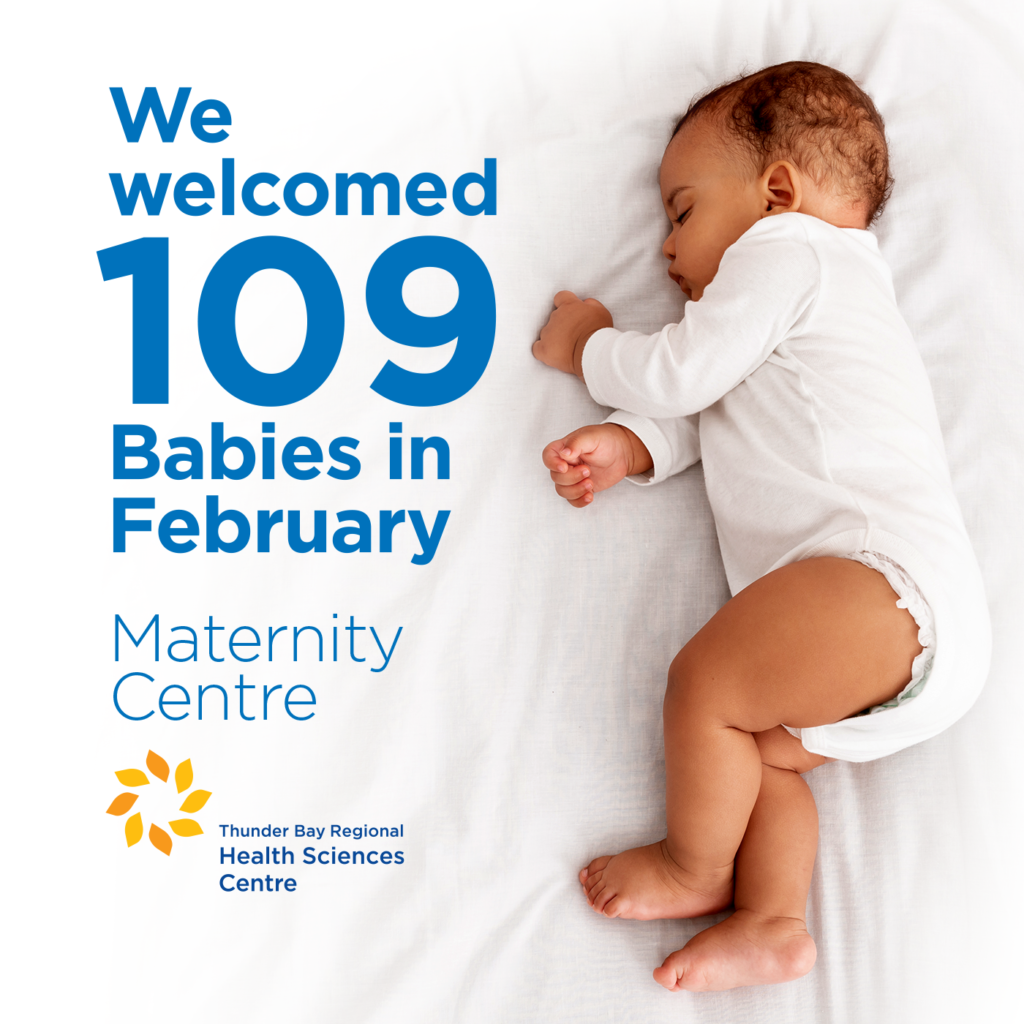
This week’s Maternity Centre Mondays post welcomes the 109 babies born at TBRHSC during the month of February. Congratulations on the new bundles of joy!
Find out more by visiting bit.ly/TBRHSC-Maternity-Centre.
We’re celebrating 20 years of Thunder Bay Regional Health Sciences Centre (TBRHSC). Throughout the year, we’ll be taking a trip down memory lane to revisit some of our most significant milestones.
Thank you to our dedicated staff, donors to the Thunder Bay Regional Health Sciences Foundation, community members and partners in health who have played a vital role in building exceptional healthcare for patients and families in Northwestern Ontario.
📅 𝟮𝟬𝟬𝟲 (📸)
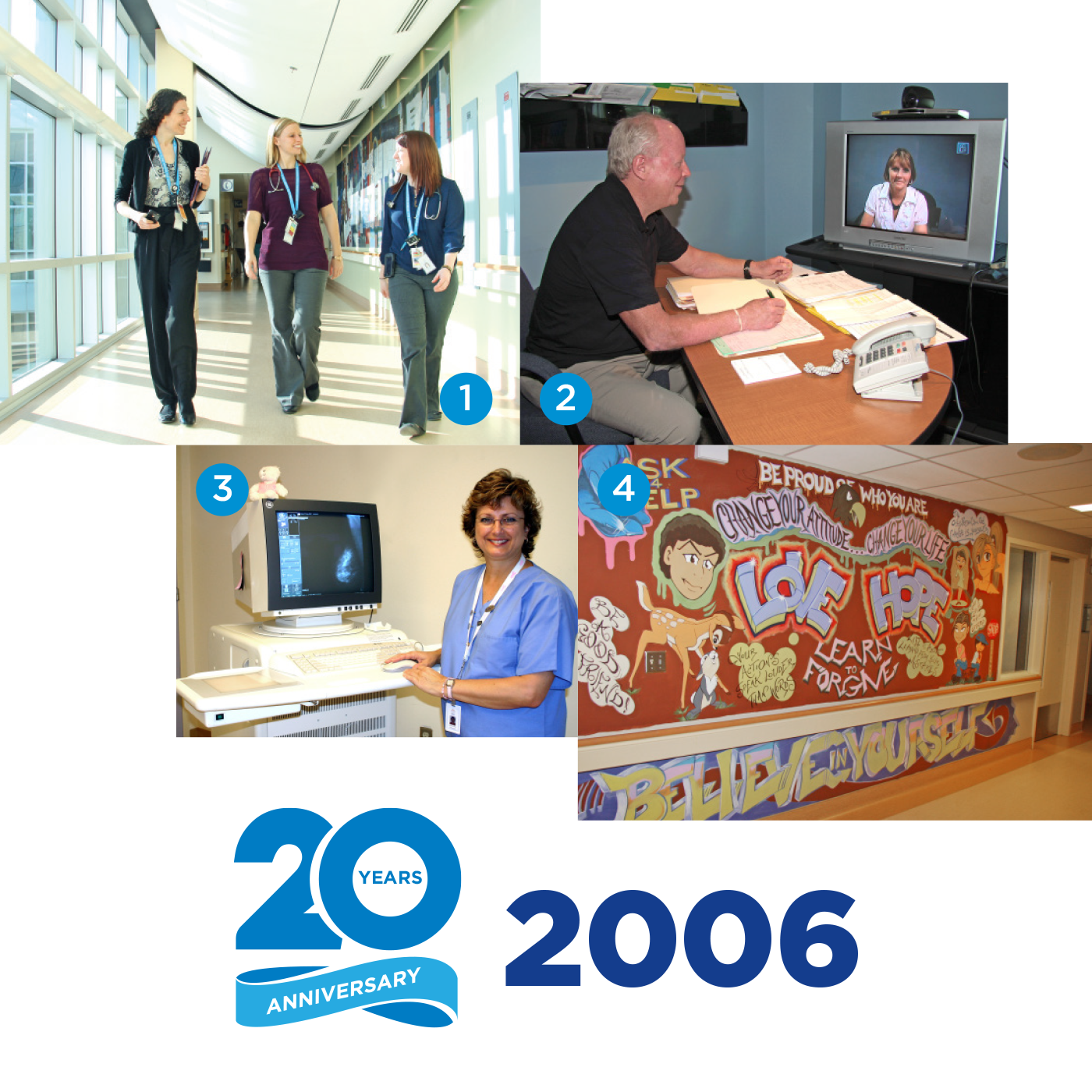
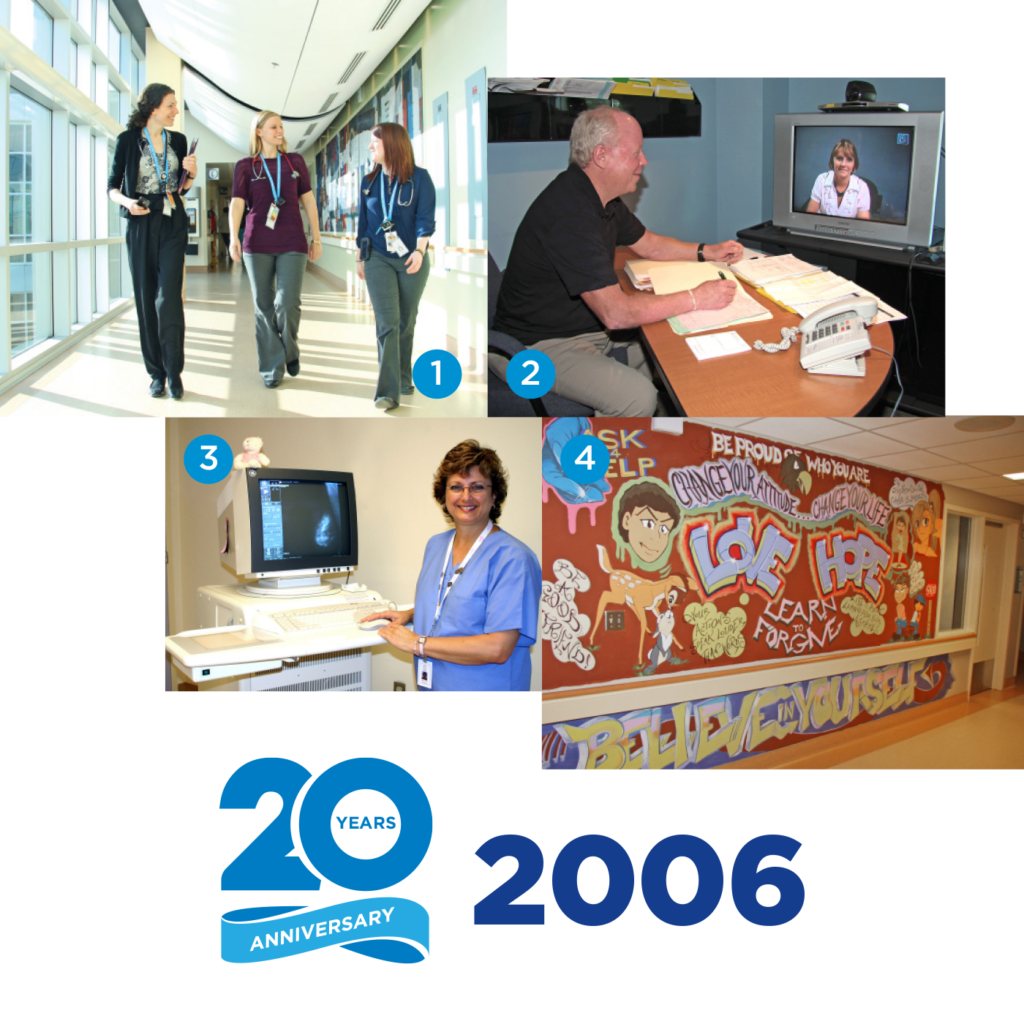
1) TBRHSC was formally recognized as a Teaching Hospital by the Ministry of Health and Long Term Care.
2) The expanded use of telemedicine extended the reach of health care service throughout Northwestern Ontario.
3) The Linda Buchan Breast Assessment Centre opened to provide breast screening and assessment services.
4) The Child and Adolescent Mental Health Unit opened to serve young people with serious and complex mental health disorders.
Visit www.tbrhsc.net/20years for more milestones.

One in four people in Northwestern Ontario are living with obesity. On World Obesity Day, we want to bring attention to this complex illness, and let you know that we can help.
At the Regional Bariatric Care Centre (RBCC) we have a specialized team who can provide treatment options for adults living with obesity and weight-related complications.
The RBCC interdisciplinary team works with patients living in Northwestern Ontario to support improvements in health and quality of life.
For more information, visit our website at bit.ly/TBRHSC-RBCC.