Suspect Stroke? Minutes Matter!

Do not delay access to stroke care. Recognize FAST: Face-Is it drooping? Arms-Can you raise both? Speech-Is it slurred or jumbled? And Time, to call 911 or your local emergency number. The goal of this video is to have an increase in the number of NWO residents who recognize stroke and call 911 or their local emergency number. Minutes matter!

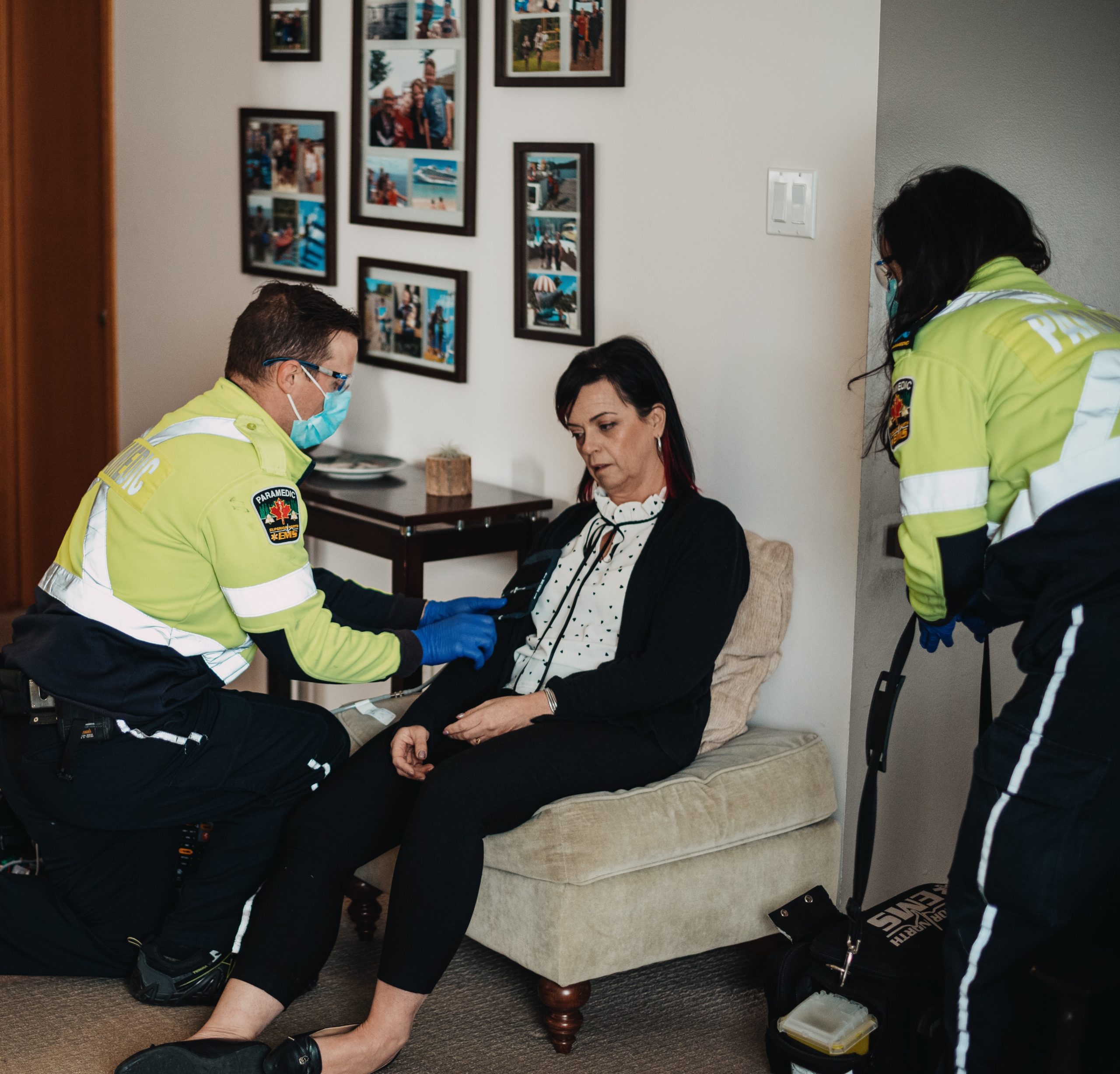
Stroke is a medical emergency. This video highlights a patient and family member’s stroke journey while simultaneously demonstrating the delays while self-transporting (split screen left) and the benefits of time savings when accessing EMS (split screen right) to the emergency department.

Northwestern Ontario residents drive to the hospital instead of accessing emergency medical services (EMS) when suspecting stroke. The importance of accessing EMS in stroke care is imperative in our Northwestern Ontario region due to the vast geography.

“We need to be aware of the benefits of calling 911 or your local emergency number and the expertise that first responders and paramedics bring to stroke care,” states Dr. Hassan, Medical Lead for the Northwestern Ontario Regional Stroke Network. “They are trained to recognize the signs of stroke and mobilize the patient quickly, remotely notifying the emergency department, resulting in saving time.”

Do not delay access to stroke care. Recognize FAST: Face-Is it drooping? Arms-Can you raise both? Speech-Is it slurred or jumbled? And Time, to call 911 or your local emergency number.

To learn more about stroke, visit the Northwestern Ontario Regional Stroke Network website: http://nwostroke.ca

In 2018, the Northwestern Ontario Regional Stroke Network (NWORSN) team embarked on a bedside research project called “Why 911”. They collected data from patients and families on the Regional Stroke Unit at Thunder Bay Regional Health Sciences Center to determine how patients came into the emergency department upon the onset of stroke symptoms. The project was intended to gather information directly from patients and families to help understand why they arrived via EMS or self-transport to the hospital. The NWORSN team utilized the patients’ journeys to drive system change.

The goal of this video is to have an increase in the number of NWO residents who recognize stroke and call 911 or their local emergency number. Minutes matter!

Special thank you to our cast, crew and production team:

  • Keli Cristofaro, Creator / Director, NWORSN, TBRHSC
  • Jessica McAnulty, Co-Creator / Social Worker, Regional Stroke Unit, TBRHSC
  • Bryan Popowich, Executive Producer, Westfort Productions
  • Matt Popowich, Creative Director, Westfort Productions
  • Patrick Chondon, Photographer, Westfort Productions
  • Jordan Wiberg, Audio Engineer / Sound Designer, OK Mixing Studio
  • Leanne Baird, Simulation Technologist / Stroke Patient, Medical Affairs, TBRHSC
  • Justin BeauParlant, Actor / Spouse, Westfort Productions
  • Jessica MacRae, Paramedic, Superior North EMS
  • Kevin Bragnalo, Paramedic, Superior North EMS
  • Peter Hayes, Clinical Nurse Specialist, ED, TBRHSC
  • Kristina Visser, Regional Stroke Clinical Nurse Specialist, NWORSN, TBRHSC
  • Dr. Ayman Hassan, Neurologist / Stroke Medical Lead, NWORSN, TBRHSC
  • Trina Diner, Manager, NWORSN, TBRHSC

Westfort Productions: https://www.westfortproductions.com
Thunder Bay Regional Health Sciences Centre (TBRHSC): https://www.tbrhsc.net
Northwestern Ontario Regional Stroke Network: http://nwostroke.ca
Data Drives Change at the Northwestern Ontario Regional Stroke Network

The Northwestern Ontario Regional Stroke Network, part of Thunder Bay Regional Health Sciences Centre (TBRHSC), collects and reviews data on the stroke system of care, including how patients arrive at the hospital, rehabilitation, and follow up services, to help drive the delivery of quality care for the people of Northwestern Ontario. Data from 2020-21 shows that stroke care in the region is keeping pace with the province for most reported indicators. Northwestern Ontario is performing well, with almost 70 per cent of people diagnosed with stroke receiving access to Designated Stroke Unit care.

TBRHSC is one of 41 hospitals in Ontario with a specialized stroke unit. Established in 2015, the Regional Stroke Unit is dedicated to caring for patients with stroke and staffed by a specialized team of health care professionals. Stroke unit care has been proven to saves lives and improve outcomes. People who receive stroke unit care are also more likely to return home, and regain independence compared to patients who receive less organized forms of care.

The region has the opportunity to improve referral rates to secondary stroke prevention services after discharge from the Emergency Departments. Data reveals that 30 per cent of people presenting to Emergency Departments in Northwestern Ontario with a stroke or transient ischemic attack (TIA) were not referred to stroke prevention services. The Secondary Stroke Prevention Clinic at TBRHSC addresses stroke prevention in a coordinated and interprofessional manner, based on best practices. Care includes investigations to determine possible causes of the stroke or TIA as well as providing patient and family education. Patients referred to the clinic are seen by a neurologist, nurse practitioner and a dietitian. Regional patients are linked in Northwestern Ontario to either one of four Community Stroke Prevention Clinics (Kenora, Fort Frances, Sioux Lookout and Marathon), or the Family Health Team in Dryden. Patients are assisted to monitor risk factors and assist with lifestyle strategies to prevent reoccurrence.

“By reviewing our annual stroke data we are able to drive improvements,” said Trina Diner, Manager of Regional Stroke Network and Neurology Services. “The Northwestern Ontario Regional Stroke Network continues to look for ways to address unique regional challenges and build on successes to achieve the ultimate fewer strokes and better outcomes for the residents of Northwestern Ontario.”

One important indicator for the public to remember is to call 9-1-1 when experiencing stroke symptoms. Dr. Ayman Hassan, Neurologist and Medical Lead said, “The Stroke Network encourages patients and their families learn the signs of stroke (Face, Arms, Speech and Time) and act FAST. If the signs of stroke are suspected, call 9-1-1 or your local emergency number right away.  The quicker you act, the greater likelihood of accessing brain saving treatment.”

To learn more about stroke care in Northwestern Ontario, please visit www.tbrhsc.net/nwostroke/.

Debbie Anderson’s Retirement

Shared on behalf of Georgia Carr, Manager of Laboratory Services


Debbie Anderson, Laboratory Administrative Assistant & Office Supervisor, will be retiring on June 30, 2022.

Debbie obtained her Honours Diploma in the Medical Office Assistant program at the Toronto School of Business Career Canada College in 2002. In addition throughout the years, she has also obtained specialized learning in the areas of office suite computer software systems, medical terminology, transcription, chemistry, biology and phlebotomy.

Debbie began her healthcare career at McKellar General Hospital in 2003 in Health Records, which involved dedicated service throughout the amalgamation. Following this, Debbie transitioned through many roles, including Dictation Typist at the Lakehead Psychiatric Hospital, Secretary at the TBRHSC’s CCDC & Maternity Centre, Secretary with the Ontario Breast Screening Program, Clerk III in the Laboratory Services Pathology Office & lastly, becoming the Laboratory Administrative Assistant and Office Supervisor.

This distinctive background has provided Debbie with a unique knowledge base which is beneficial to the lab, overall. Debbie is a key member of the team, with a myriad of duties which includes facilitating varied requests for key stakeholders such as physicians including pathologists, programs and servicing clients both internal and external, lab professionals, etc.

Please come and say goodbye to Debbie between 10:00 a.m. and 10:30 p.m. on June 30 (lab lunch room #1706). Treats will be available. Lastly, Debbie is known for her good sense of humor, kind demeanor and dedication. She will be greatly missed. We wish Debbie the best of luck.

National Indigenous Peoples Day (June 21)

National Indigenous Peoples Day (June 21) is a day for all Canadians to recognize and celebrate the unique heritage, diverse cultures and outstanding contributions of First Nations, Inuit and Metis peoples. Although these groups share many similarities, they each have their own distinct heritage, language, cultural practices and spiritual beliefs. For generations, many Indigenous peoples and communities have celebrated their culture and heritage on or near this day due to the significance of the summer solstice as the longest day of the year.

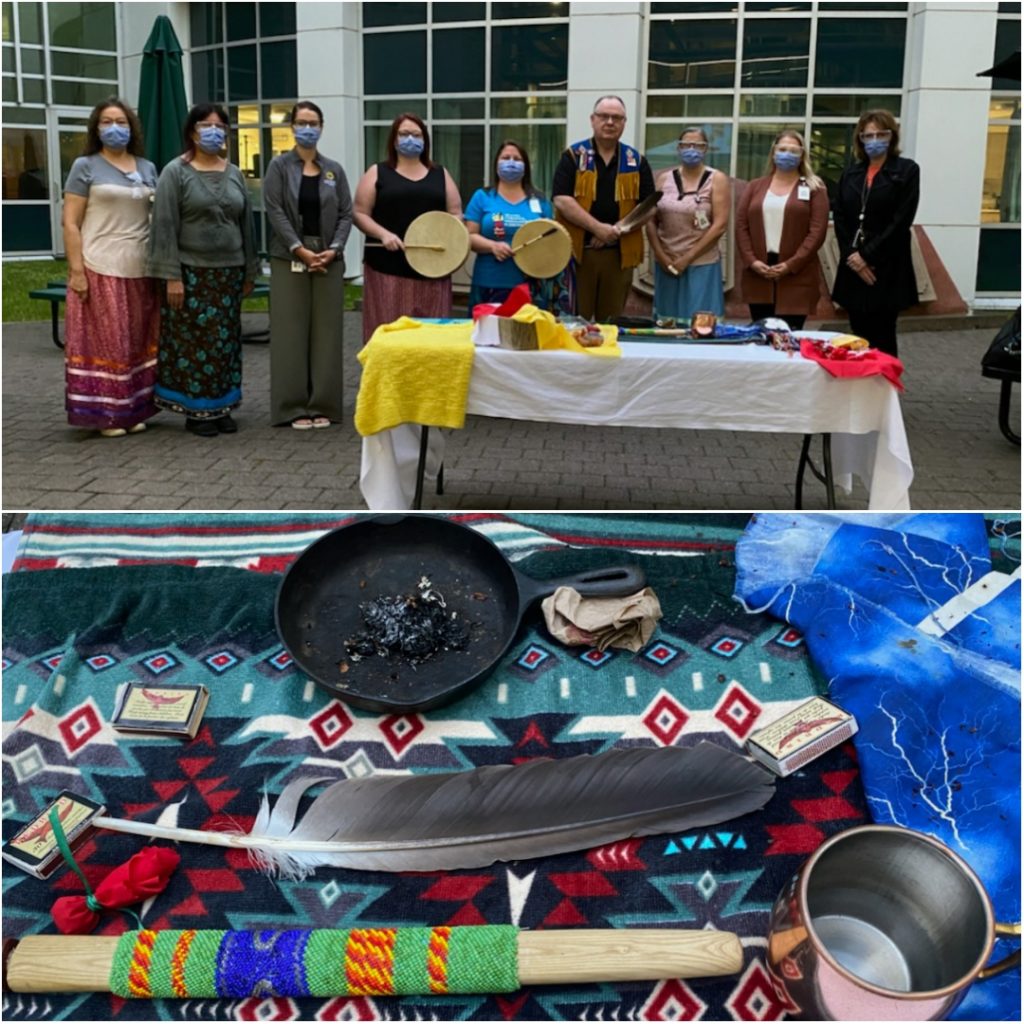
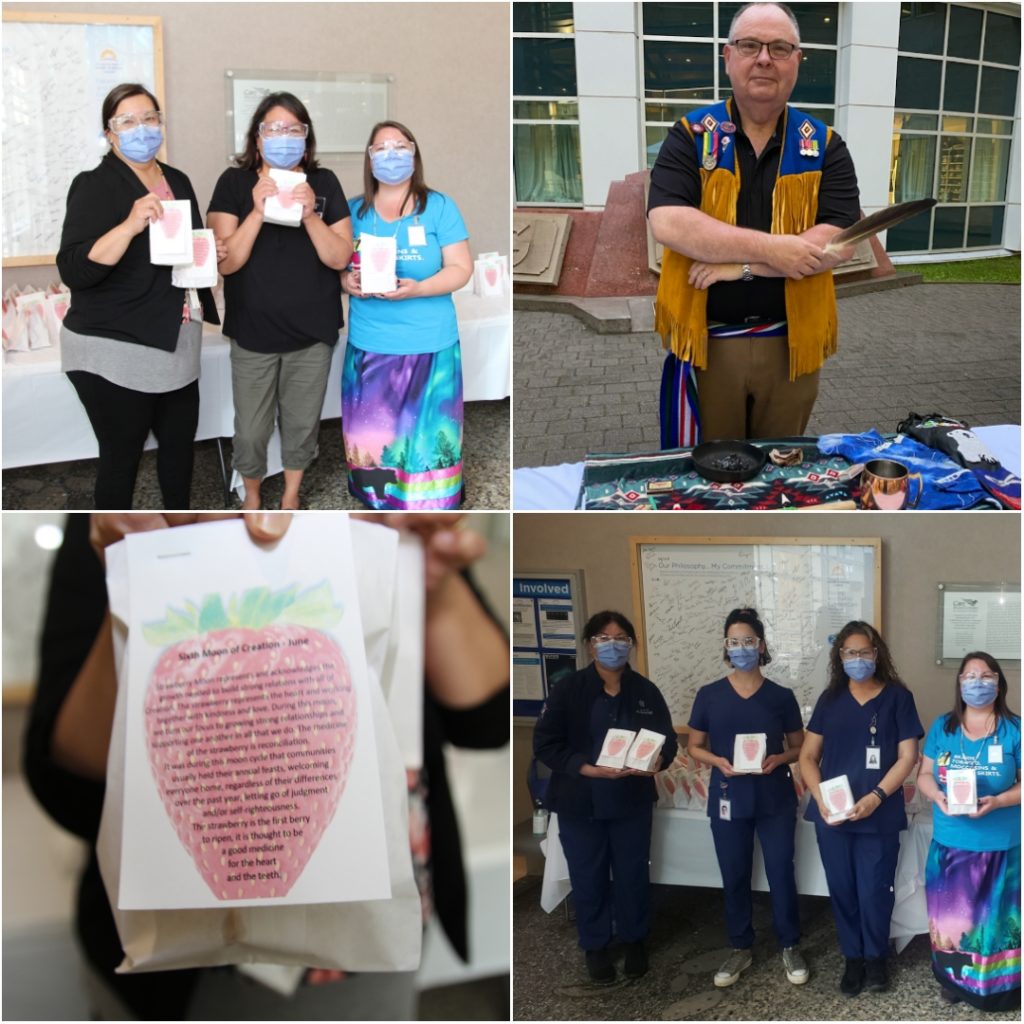
On the morning of June 21, we invited staff to join a Sunrise Ceremony in the Hospital’s Cafeteria courtyard to celebrate the start of National Indigenous Peoples Day. At noon we shared bannock with staff for a midday snack which included a brief teaching about the sixth moon (also known as the strawberry moon). We hope others in the community had the opportunity to participate in similar festivities today to acknowledge the significance of this important day.

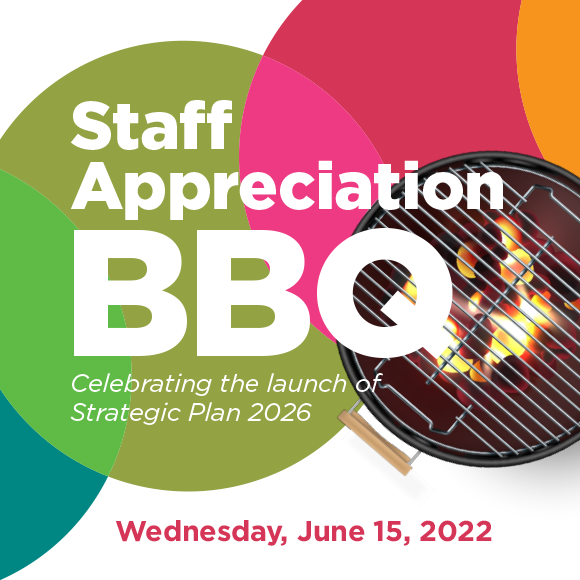
Staff Appreciation BBQ and Launch of Strategic Plan 2026: TODAY, 12pm-3pm

Shared on behalf of Rhonda Crocker Ellacott, President and CEO, TBRHSC, and CEO, TBRHRI


On behalf of the Hospital, Health Research Institute and Health Sciences Foundation, I am excited to invite all staff, professional staff, learners and volunteers to a Staff Appreciation BBQ on June 15.

The BBQ will also coincide with the kick-off of our Strategic Plan 2026. Join us from 12:00 pm to 3:00 pm in the courtyard, outside of the Cafeteria.. The BBQ will include burgers (including a vegetarian option), salad, ice cream and some give-aways as a thank you for all that you do. All staff, professional staff, learners and volunteers are invited to attend. Snack boxes will be offered for staff on the evening shift of June 15.

The Kindness Carts will also be roaming throughout the Hospital during the week of June 13 to all departments providing snacks and small tokens of appreciation.

Please note that PPE will still need to be worn when attending the staff BBQ. Please utilize the designated eating spaces to enjoy your lunch, including some picnic tables that will be available outside.

We look forward to seeing many of you on June 15, to show our appreciation for your tremendous dedication to exceptional patient care, and to celebrate the launch of Strategic Plan 2026.

Northern Supply Chain is Joining Mohawk Medbuy Corporation on June 15

Shared on behalf of Peter Myllymaa, Vice President, Operations, Clinical & Support Services & Chief Financial Officer, TBRHSC


Thunder Bay Regional Health Sciences Centre along with all the member hospitals of the Northern Supply Chain would like to extend our appreciation to the staff of the Northern Supply Chain, for the incredible work and value add that they have provided since its inception.

The Northern Supply Chain (NSC) will be joining Mohawk Medbuy Corporation effective June 15, 2022.  The NSC was established in 2011 with an original agreement that included all of the hospitals of Northwestern Ontario, but has grown substantially since that time. In 2016, the services of the NSC were expanded to include 23 hospitals in the NE LHIN. In 2018, the NSC was awarded the contract to provide procurement services to the Ontario Association of Children’s Aid Societies, which represents 50 agencies across the province.

The NSC also continued to grow, through the provision of procurement services to non-member organizations that were seeking expert advice and guidance in procurement.   NSC delivers 8 streams of supply chain management services to the healthcare, child welfare, indigenous service provider and education sectors and manages $650 million in annual spend throughout Ontario for goods, services and capital.

Since its inception, NSC has resulted in $79 million in savings for its members and customers, which allows the scarce resources that are available to be redirected to patient care services.

In 2018, NSC was announced as the Canadian Supply Chain Organization of the Year by Healthcare Supply Chain Network for demonstrated excellence in relevant traits of teamwork, innovation, customer service, patient care and strategic planning in their daily operations.

The NSC was also instrumental in supporting Ontario Health North during the COVID 19 pandemic. As the North Region lead for PPE and Critical Supplies, NSC was responsible for sourcing, warehousing and distribution of PPE and critical supplies to keep our health system and broader public partners operations running and practitioners and staff safe. 

As the province moves towards a more standardized approach to procurement, the opportunity to partner with MMC will ensure that the members and customers will continue to receive the same exceptionally high level of support that they have become accustomed to over the years from NSC.

Please join me in thanking the team at NSC for their exceptional contributions over the years, and we look forward to continuing to work with this incredibly talented and dedicated team for years to come.

>