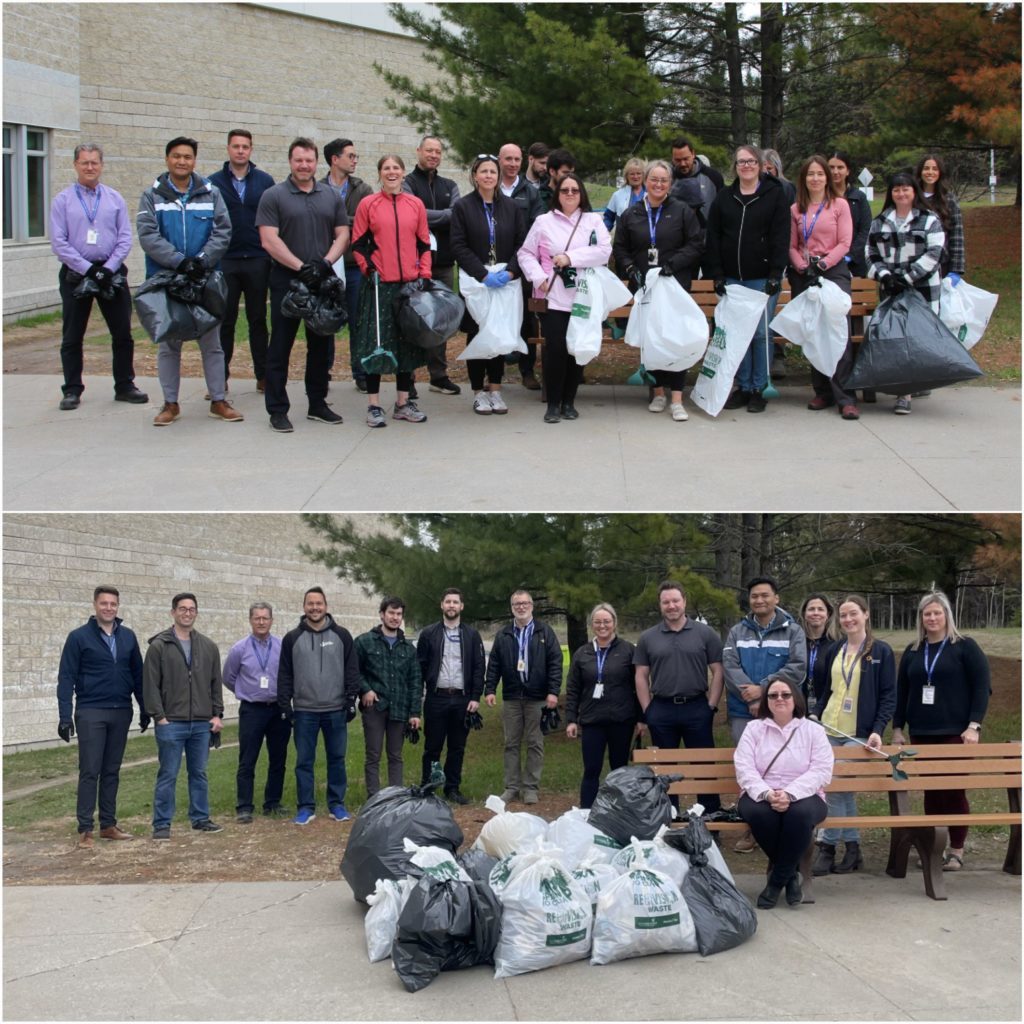
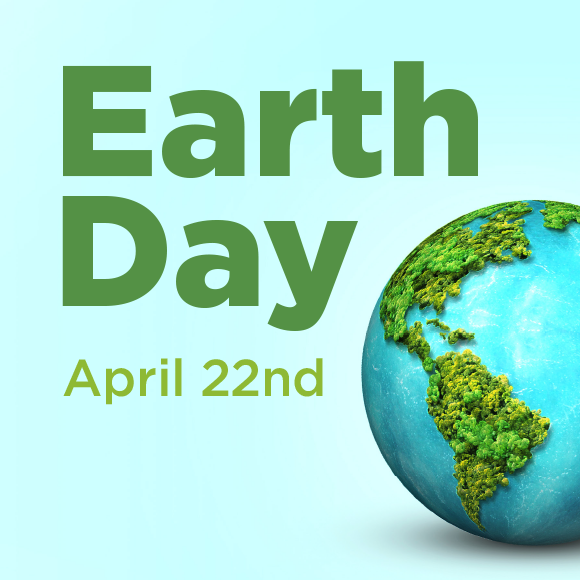
Every April 22, partners of all backgrounds come together to advance sustainability and climate action in commemoration of Earth Day.
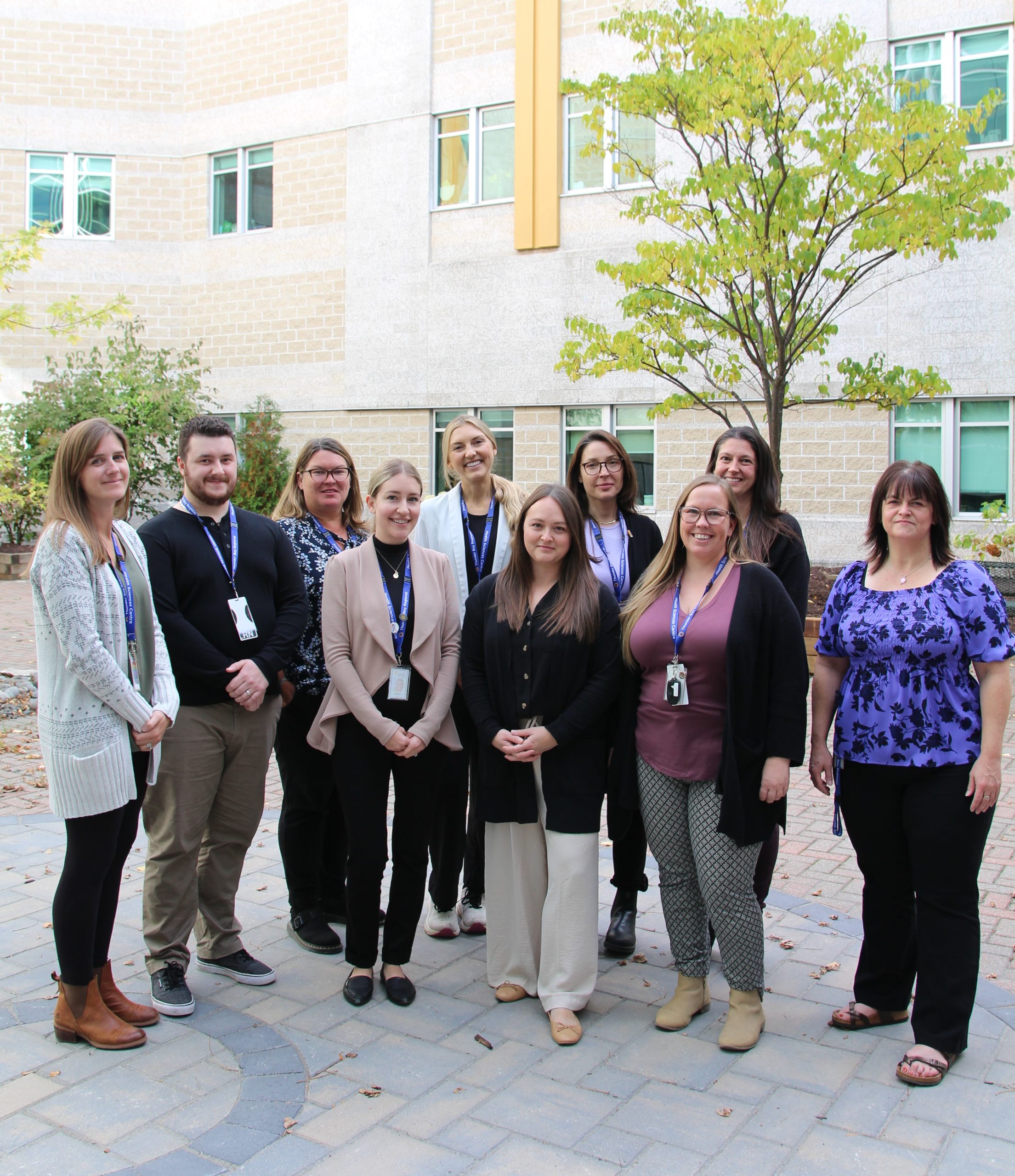
Thunder Bay Regional Health Sciences Centre’s Green Team is proud to be involved in the waste and energy reduction initiatives onsite which help reduce our Hospital’s environmental impact and carbon footprint. Our extensive recycling programs, in addition to our partnership with MEMO (Medical Equipment Modernization Opportunities) allow us to divert over 25% of our waste volumes from landfill and support developing nations in need of used medical equipment. Our Green Team also endorses other initiatives including introduction of paper straws; reduction in Styrofoam and single-use plastics; and other initiatives such as:
- Donations: Sent 75 decommissioned (end of service life) beds to MEMO, 4 to Confederation College, and 4 to Lakehead University
- Biodegradable gloves: TBRHSC disposes over 11million nitrile gloves per year. Our original nitrile gloves take well over a century to degrade. Our biodegradable gloves achieve 90% degradation in 490 days.
- Reusable Sharps Containers: TBRHSC moved to reusable sharps containers from the old disposable containers. The use of reusable containers prevents approximately 56,000 to 60,000 pounds of waste going to local landfill.
- ORCA: Waste food digestion system. This system diverts over 100 pounds of food waste per day from landfill.
- LEAN PATH: Auditing Program in Nutrition & Food Services to monitor food waste helping to design menus geared to patient preference.
- Moving to Ozone Laundry, TBRHSC has capital budget approval to purchase new laundry equipment using Ozone generators which allow us to use cold water resulting in large cost and environmental savings of over $100K/year.
- MDRD Renovation: once complete in 2028, MDRD will move to rigid containers from our disposable sterile wraps. Each year we spend over $400K on disposable sterile wraps. Moving to reusable rigid containers, we will save over $400K and prevent over 90K disposable wraps going into the landfill.
TBRHSC’s new Waste Management Contract has resulted in several steps to improve our source-separated waste recycling program and meet the requirements outlined in section 2(1) (d) of Regulation 103/94. Those efforts include:
- Enhancement of our current comprehensive recycling program: We are introducing a more structured approach to recycling across our organization, focusing on key waste streams such as cardboard, plastic and mixed recyclables.
- Live-load bailing for cardboard and plastic: These materials are now baled on-site and live-loaded for delivery to the Waste Management Transfer Site and then direct shipment to recycling facilities (MRF in Winnipeg), reducing contamination and ensuring cleaner, more marketable recyclables.
- Dedicated collection for comingled recyclables: We’ve arranged for a recycle bin exclusively for comingled recyclable materials, which are picked up separately to avoid cross-contamination and enhance diversion rates.
- Ongoing education: We will outreach specific departments to improve participation and compliance with recycling protocols. This includes updated signage and clear guidelines to support source separation.
TBRHSC reaffirms its commitment to environmental sustainability through targeted energy conservation and demand management initiatives that reduce our Hospital’s environmental footprint.
Recent projects include:
- Roof Replacement: a multi-year, multi-phased roof replacement that nearly doubles the building’s thermal resistance (R-value), significantly improving insulation and reducing heating and cooling demands.
- BAS and VFD Upgrades: advanced our building automation systems (BAS) to optimize real-time energy use, alongside upgrades to variable frequency drives (VFD) that enhance the efficiency of mechanical equipment by matching output to actual demand.
Together, these efforts form a broader strategy, with additional projects in development to further modernize infrastructure and operations. Through these measures, the hospital is working toward an ambitious goal of reducing overall energy consumption by 6% by 2035.
Some ways you can participate in Earth Day:
- Walk/Bike/Car pool/ Public transit to work
- Use reusable vs disposable when possible
- Plant trees, pollinator and vegetable gardens
- Participate in composting
- Set up a rain barrel or rain garden