At FYidoctors | Visique, every October is Enhancing Life Month. Throughout October, clinics and offices will be working together to raise money for the Enhancing Life Foundation and support registered charities of their choice. Each office selects a charity that is meaningful to them and raises funds to support their causes.
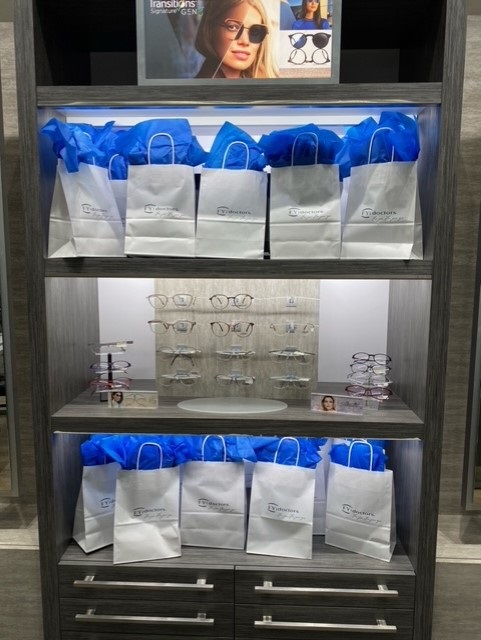
This October, FYiDoctors in Fort Frances has decdied to support the Tamarack House, which provides affordable accommodations for patients from regional communities who are in Thunder Bay to receive health care. To raise money, FYidoctors is selling surprise bags for $5.00 each. For $3.00, you will receive an eyeglass cleaner and cloth.
To donate, visit FYidoctors (808 Scott Street, Fort Frances) or you can make a donation by phone by calling (807) 274-8551. Donations are open until October 29th.
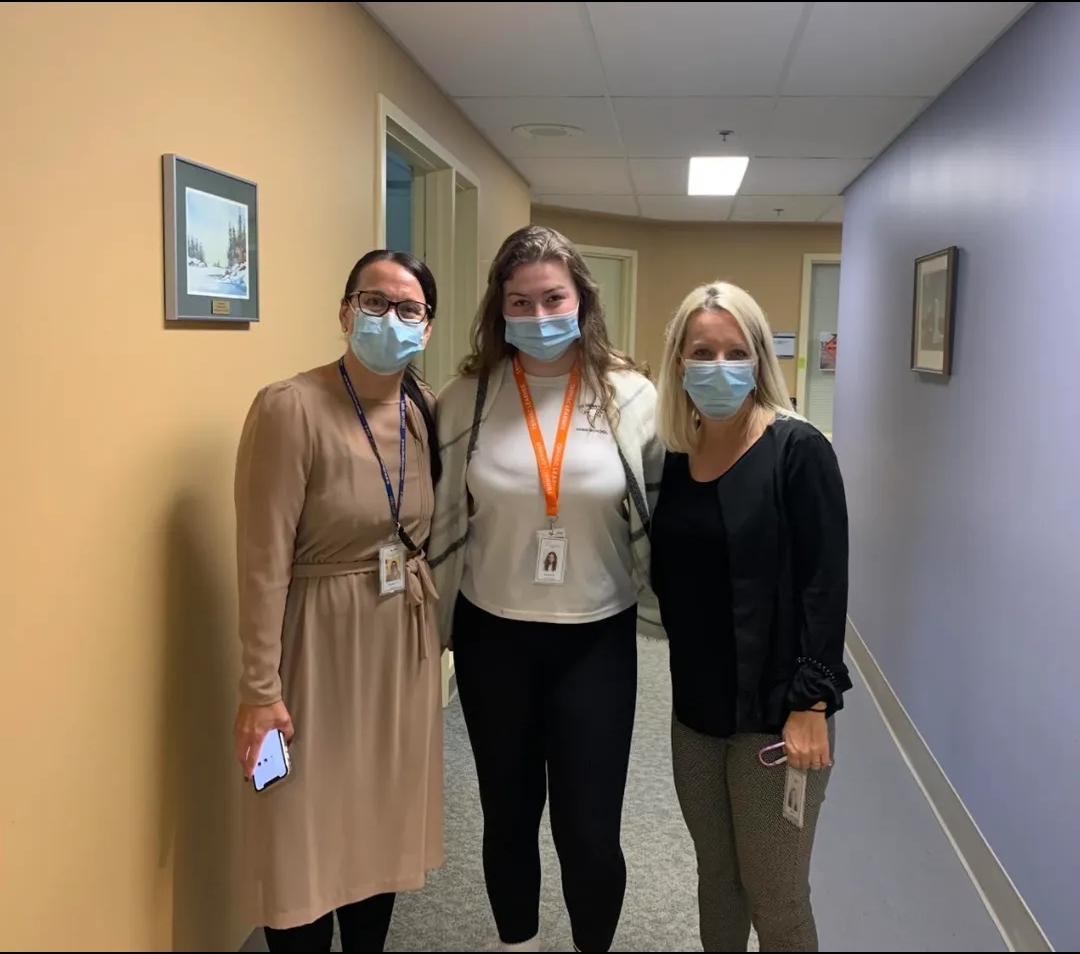
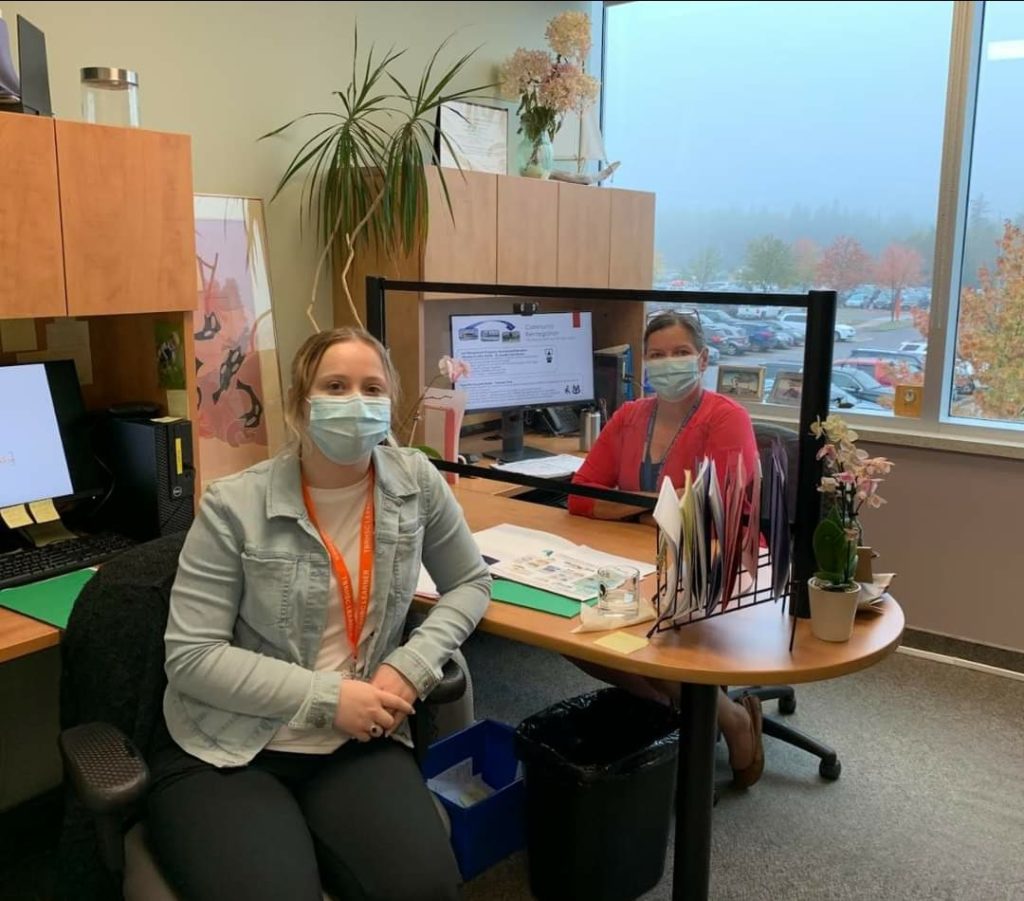
Deirdre, Kennedi and Mya are really enjoying their placement in the Cardiovascular Services Program at Thunder Bay Regional Health Sciences Centre.
They are all part of the SHSM (Specialist High Skills Major) Health Care Program. Through this, they have taken several related health care and science courses along with corresponding certifications such as First Aid and CPR, Infection Control, Sterile Techniques and COVID-19 Training. This placement is the perfect experiential learning component to their SHSM designation.
We would like to thank Meaghan and Kelsee for this opportunity. Being in a hospital setting is so beneficial to our students hoping to pursue an education and career in this field.
Special thanks to TBRHSC’s Co-op Placement Preceptor and Regional Development Lead, Keli, for her amazing organization and planning! Keli has our students rotating through the Cardiovascular Science Program’s various departments: The stroke Unit, the Surgical Program, Rehabilitation, Leadership, Diagnostics (Echo, ECG, Holter Monitoring and Stress Testing), Wound Care, Regional Development, Stroke Network and the Continuum of Care Week. Our students are learning a lot in several different areas. We can’t thank you enough for your time and patience. This is an extraordinary partnership!
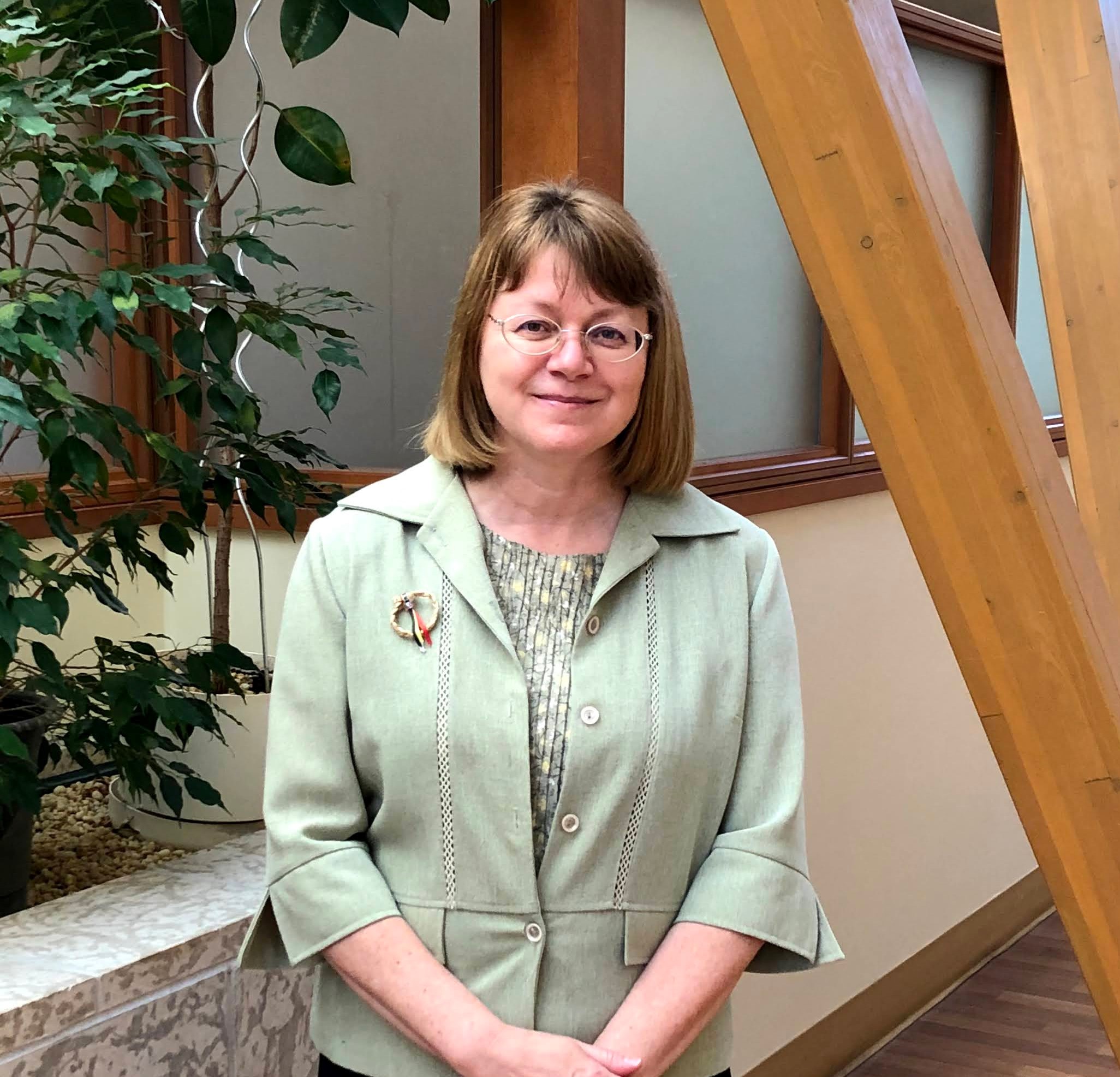
It’s Breast Cancer Awareness Month, and we’re highlighting staff at Thunder Bay Regional Health Sciences Centre who play a vital role in the breast cancer journey. From cancer screening to cancer treatment, there are hundreds of caring professionals that you will meet along the way. Today, we’re sharing a Q & A from Dr. Margaret Anthes, a radiation oncologist at the Regional Cancer Centre.
Describe your role.
I am a radiation oncologist and the Clinical Lead for Radiation Oncology at TBRHSC. Radiation oncologists treat cancer patients with radiation. There are many different types of cancer, however I have a special interest in treating breast cancer patients.
What does it take to be a radiation oncologist?
Most radiation oncologists have a university science degree, a medical degree, and specialty (residency) training in radiation oncology.
What is unique about your role?
I work as part of a team with other doctors including surgeons, medical oncologists, radiologists, pathologists, and other health care professionals like physicists, radiation therapists and nurses to treat cancer patients. Treatment is given for different reasons: to cure, to decrease the risk of relapse (preventative) or to help control symptoms (palliative). I then follow up with patients after radiation treatment for cancer surveillance and to monitor any symptoms.
What inspired you to work in cancer care?
I wanted to work with cancer patients and was interested in a field that combined my interests in medicine and math/physics. Radiation oncology seemed like the perfect choice.
How does your role impact patient care?
For breast cancer patients, radiation is given after surgery to decrease risk of cancer relapse in the breast. If cancer has spread to other parts of the body, radiation can be given to improve symptoms.
Every one in eight women living in Ontario will be diagnosed with breast cancer throughout their lifetime. With these stats in mind, chances are that you, or someone you know, is living with or has lived with breast cancer. Thankfully, the survival rates for breast cancer have been improving in Ontario, with the five-year survival rate increasing from 81% in the early 1990s to 88% today. Better survival outcomes have been attributed to advancements in breast cancer treatment and early detection programs. Early detection through routine cancer screening is important to find cancer early, when it is more easily treatable. It is recommended by the Ontario Breast Screening Program that women between the ages of 50 and 74, get screened every two years with a mammogram.
For Debora Prokopich Buzzi, a breast cancer diagnosis changed her life. “In 2007 after a baseline mammogram, two tumours, with two separate origins were discovered in my left breast. Up to this point I had no symptoms. Leading up to this shocking diagnosis, I was a very active woman. Working out five times a week, a non-smoker, a non-drinker; I was in the very best physical shape of my adult life.”
In order to treat her newly found cancer, Debora underwent a bilateral mastectomy, lymph node removal, breast reconstruction, and several rounds of chemotherapy. It was at this time that Debora’s life continued to change. Her level of fitness was not what it used to be and it was hard to stay motivated to move while experiencing constant pain and tingling in her hands and feet. Debora knew she had to do something to improve her health and make her cancer recovery more bearable. In 2009, she discovered the WE-Can exercise and wellness program.
“The WE-Can program changed my life! It enabled me to increase physical functioning, decreased fatigue and improved the quality of my life. The fear of what I couldn’t do was replaced by exercises that were modified for me. The support, encouragement and trust helped me regain the confidence to be a better version of the old me.”
This ten-week community-based, group-based program had a profound impact on Debora’s life and as a result, she continues to advocate for the program and encourage others that have had similar cancer experiences to do the same.
“Cancer is a becoming a chronic disease because people are living longer. Just because the active treatment may be over does not mean your journey has ended. Having support programs such as WE-Can available to women living with breast cancer can not only improve their quality of life during their treatment, but the many prosperous years to come following their diagnosis.”
Debora has now been living cancer-free for 14 years. She admits that it is hard to go a day without thinking about the chances of her cancer coming back. However, like many other breast cancer survivors, Debora continues to stay active and busy within the community.
Although you may hear the words “cancer-free,” the hard truth is that both the mental and physical side-effects of cancer treatment, can persist for many years. Although advancements in treatment have been on the rise, so have the number of cancer cases and thus, survivors. Having programs available such as WE-Can will not only enhance health and well-being, but foster a community of comradery and support. For women who have lived through a breast cancer experience such as Debora, there are always going to be good and bad days. It is how they turn a life-altering experience into a positive health journey that makes these women truly unique.
The Thunder Bay Regional Health Sciences Center/ Thunder Bay Regional Health Research Institute (TBRHSC/TBRHRI) research seed funding competition aims to support promising health research in order to advance research outcomes and capacity and preferably also facilitate applications for external funding.
Scope
This seed funding competition applies to basic science, clinical research, social inquiry, humanities scholarship, or other health research that addresses patient needs at TBRHSC/RI and/or in Northwestern Ontario.
Eligibility
Teams of at least two applicants can apply. The principal applicant must be a physician, scientist or staff (frontline or managerial) of TBRHSC/RI; if she or he has a current academic appointment, it cannot be of higher rank than assistant professor. At least one co-applicant must be a patient or learner at TBRHSC/RI or a resident of Northwestern Ontario.
Format
The application will consist of a maximum of five pages (single space, 12 Times New Roman font) in WORD software. The structure of the application must include these sections: Cover page (with title of application and the names of the applicants with contact information – including email address – of the principal applicant); Abstract and lay summary page (no more than 200 words in the Abstract, sectioned thus: Background, Questions/Hypotheses, Methods; and no more than 100 words in the lay summary, unstructured); Background (with a referenced literature review and clarification of the need for the proposed research as well as its alignment with the research strategic plan of TBRHSC/RI); Questions/Hypotheses (one or more); Method (study design, ethics procedures, data collection [including sampling and more], data analysis, and knowledge translation/exchange); Budget (total cash asked for with a maximum of $10,000, and line-by-line budgeting such as for personnel, equipment and other needs such as for external funding application resourcing if relevant, as well as in-kind contributions if any). If the applicants plan to use the results of this research to apply for external funding, an additional section should be added at the end, titled External Funding Plan (including how this research’s expected results may be used in such an application and what resources will be used for this application). Language used in the application should be respectful and grammatically correct.
Process
The submission shall include the application, the principal applicant’s curriculum vitae (CV) and the co applicants’ CVs/Biographies attached in an email sent no later than December 1st, 2021 to Dr. C. Mushquash, Associate Vice President Research (AVPR) and Chief Scientist at TBRHSC/TBRHRI (mushquac@tbh.net). Submissions that successfully pass screening for scope, eligibility, format and CVs/Biographies inclusion will be independently rated by two reviewers for background, questions/hypotheses, methods, budget and external funding plan (see evaluation form). Funding will be decided by a committee and communicated with rating and feedback to the principal applicants by December 31st, 2021. Funding will then be provided after processing by TBRHSC/RI’s Clinical Research Services Department and approval by the AVPR. A research report in publishable format should be emailed to the AVPR by July 1st, 2023. General queries can be sent to Daniel Horne at horned@tbh.net.
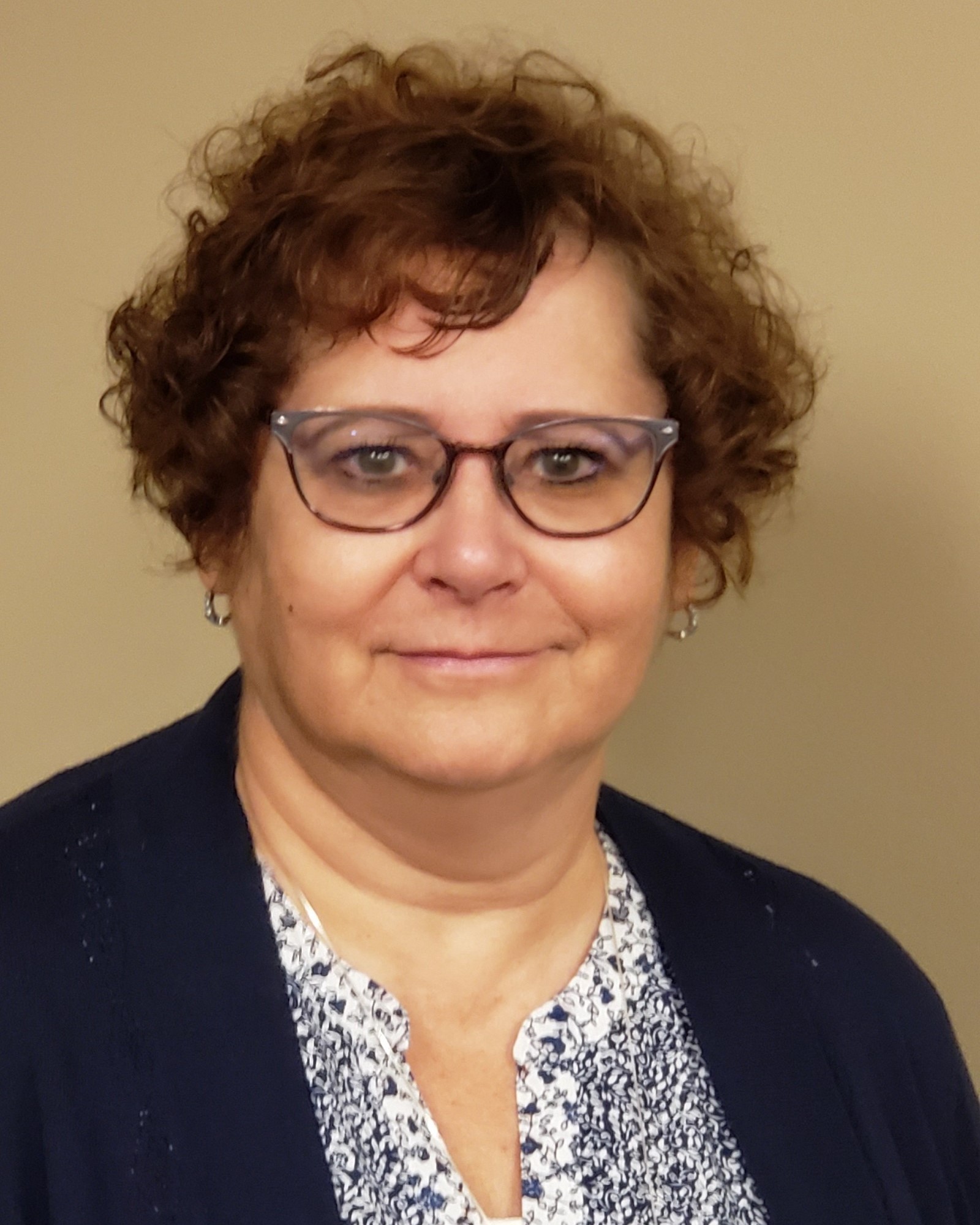
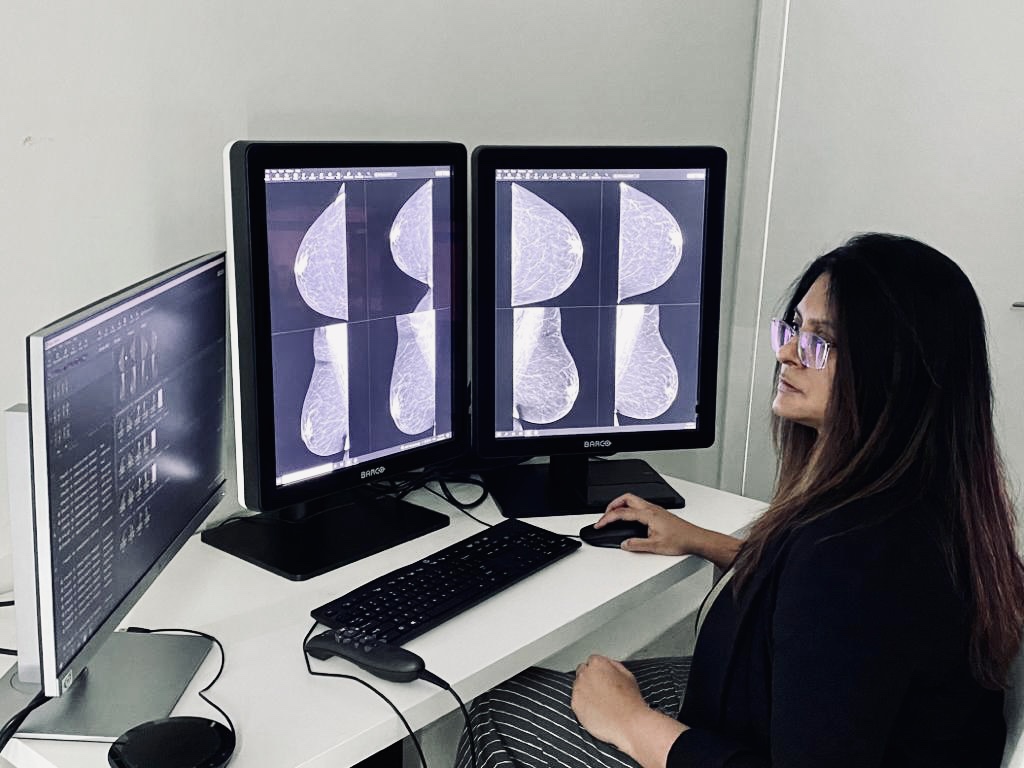
It’s Breast Cancer Awareness Month, and we’re highlighting staff at Thunder Bay Regional Health Sciences Centre who play a vital role in a patient’s breast cancer journey. From cancer screening to cancer treatment, there are hundreds of caring professionals that you will meet along the way. Today, we’re sharing a Q & A from Dr. Nishigandha Burute, a radiologist and Northwest Regional Breast Imaging Lead.
Describe your role for us.
I work as a general and breast radiologist at TBRHSC and Linda Buchan Center for Breast Imaging. My clinical role includes interpreting imaging studies including mammograms, sonograms, radiographs and cross sectional exams. As a part of the radiologist’s team in Diagnostic Imaging, I report general and breast-imaging studies and perform image-guided breast interventions. A portion of my time is also dedicated to teaching and research.
What does it take to be a breast radiologist?
Schooling to be a breast radiologist includes a medical degree, residency and a fellowship. One of the primary roles of a breast radiologist is interpreting mammograms. Breast radiologists typically read a large volume of mammograms with an aim to identify cancers early. This requires a calm and composed mind with focused attention and image interpretation skills. Breast radiologists form part of a large team of personnel including sonographers, mammographers, navigators and administrative staff that are all integral to delivering comprehensive patient care in the breast assessment setting. Successful delivery of care requires all members of the team to work in collaboration with a compassionate, empathetic and patient centered approach.
What is unique about your role?
As breast radiologists, we are often among the initial health care professionals who interact with patients as a part of their cancer care journey. This gives us a unique opportunity to understand and address patient concerns during this sensitive period and provide support along with relevant knowledge and information to help them make informed choices about their medical care.
What inspired you to work in cancer care?
As a student I enjoyed canvas painting and sculpturing. After my medical school training, diagnostic imaging seemed like an obvious choice for specialization that would allow me to work with images while applying my medical knowledge in the diagnostic setting. During my residency in diagnostic radiology, I did an elective in breast imaging in a large cancer care center. The impact of breast radiology on patient outcomes inspired me to take up further fellowship training in breast imaging that led to work associated with cancer care.
How does your role impact care?
Breast radiologists have a direct impact on patient care through the detection of abnormalities on screening mammography, further workup of these abnormalities and obtaining tissue samples by biopsy. We interpret scans that help diagnose the stage of breast cancer, monitor treatment response to surgery and conduct post treatment follow-up. Radiologists work as part of a multidisciplinary team liaising with medical and radiation oncologists and surgeons at the cancer center to provide comprehensive care to individuals with breast cancer.
Any final thoughts?
Being a breast radiologist in Thunder Bay and the Northwest Region has personally been a very rewarding experience. Both as a part of the Diagnostic Imaging department and the Prevention and Screening Clinical Services team, I am privileged to work with an extremely compassionate and dedicated team of clinical colleagues, technologists, coordinators, clerical and administrative staff who strive to bring the highest level of care to patients and their families in our region.
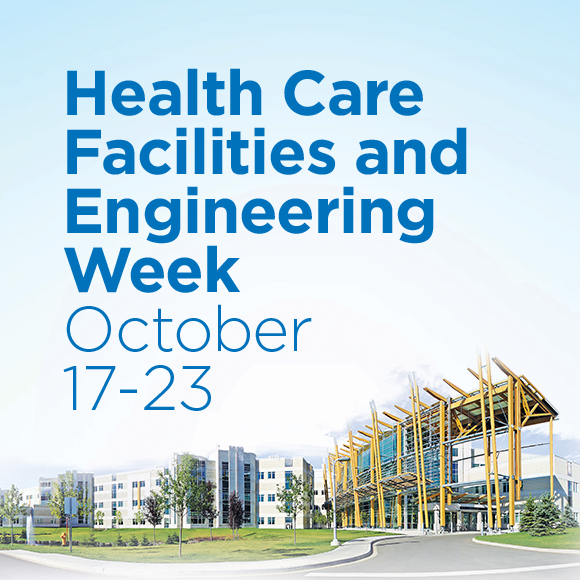
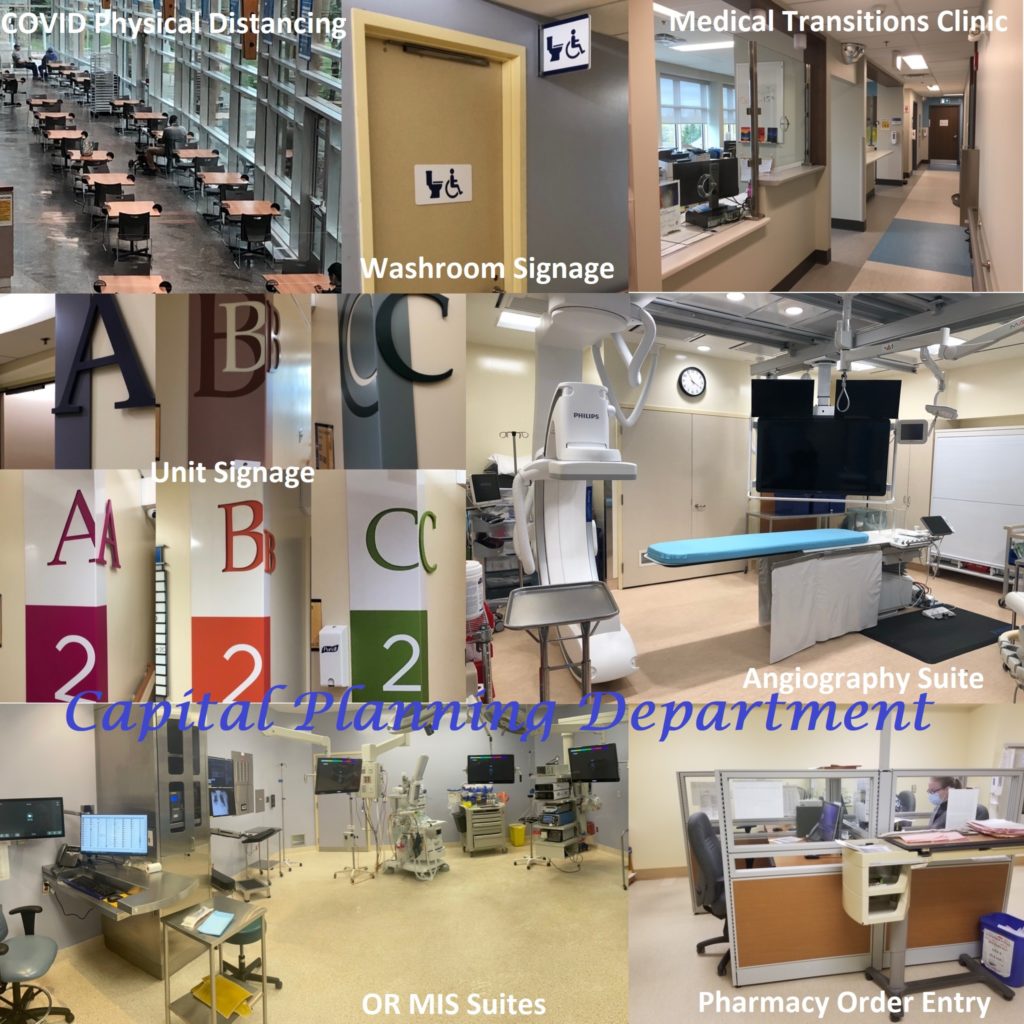
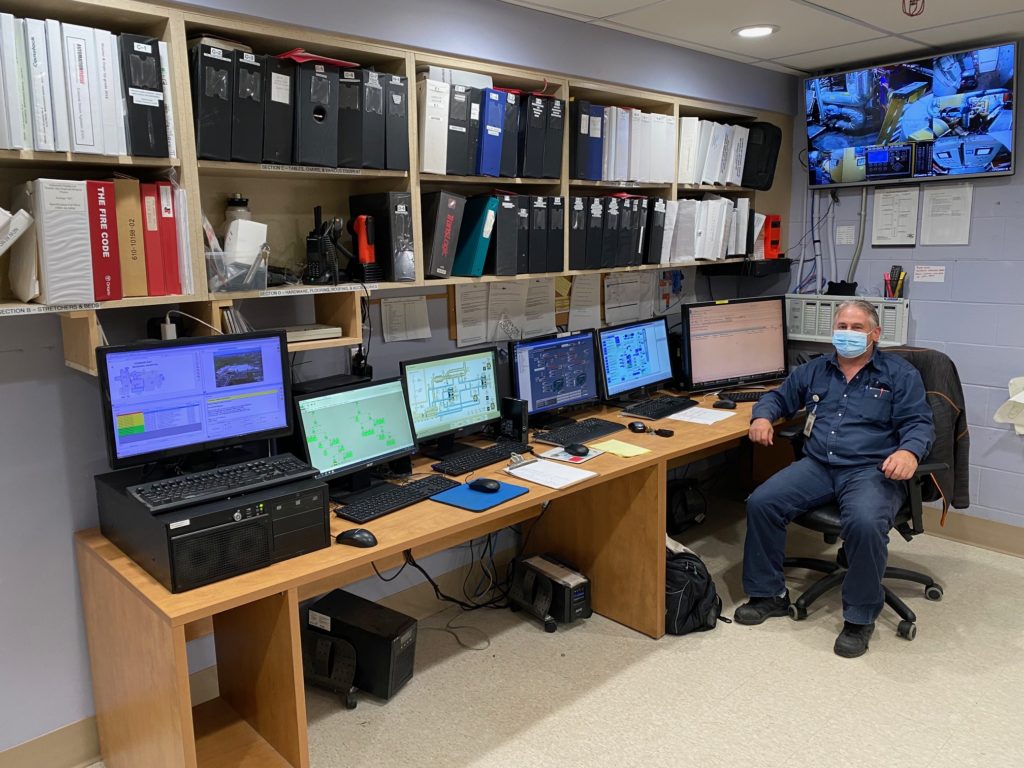
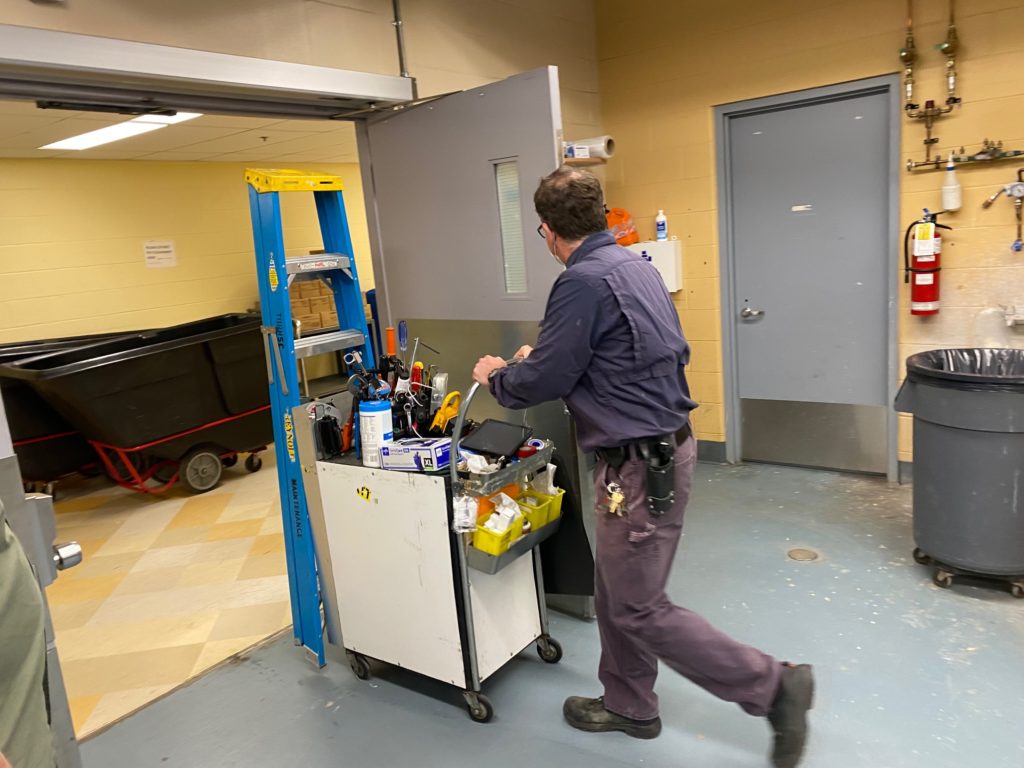
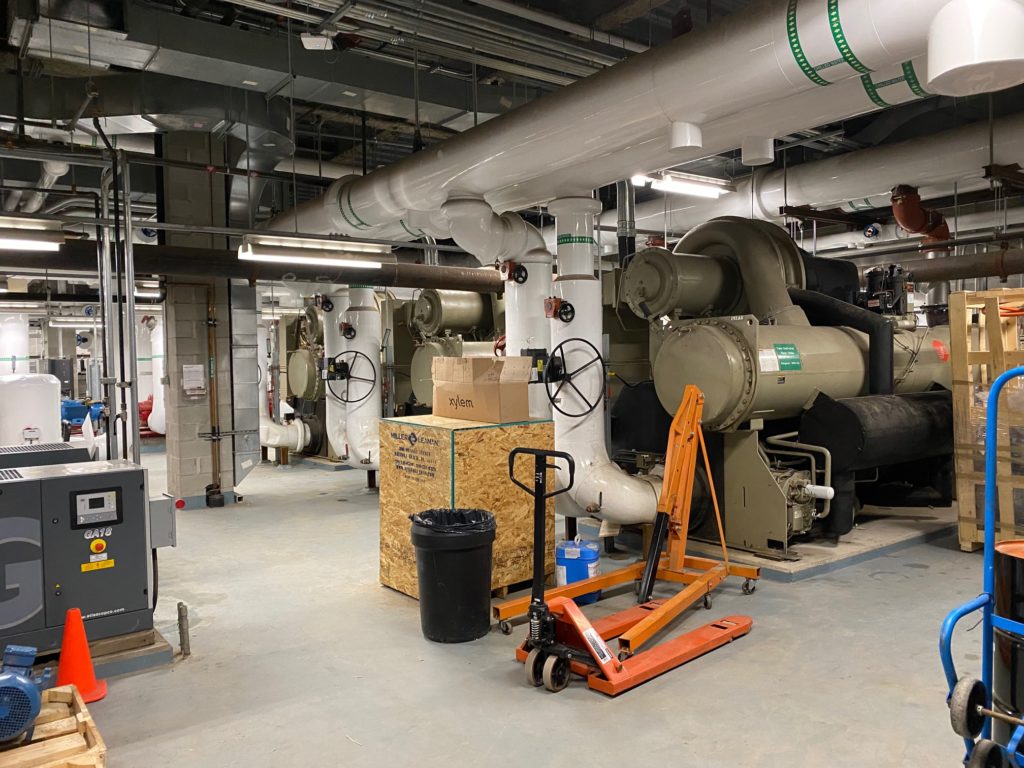
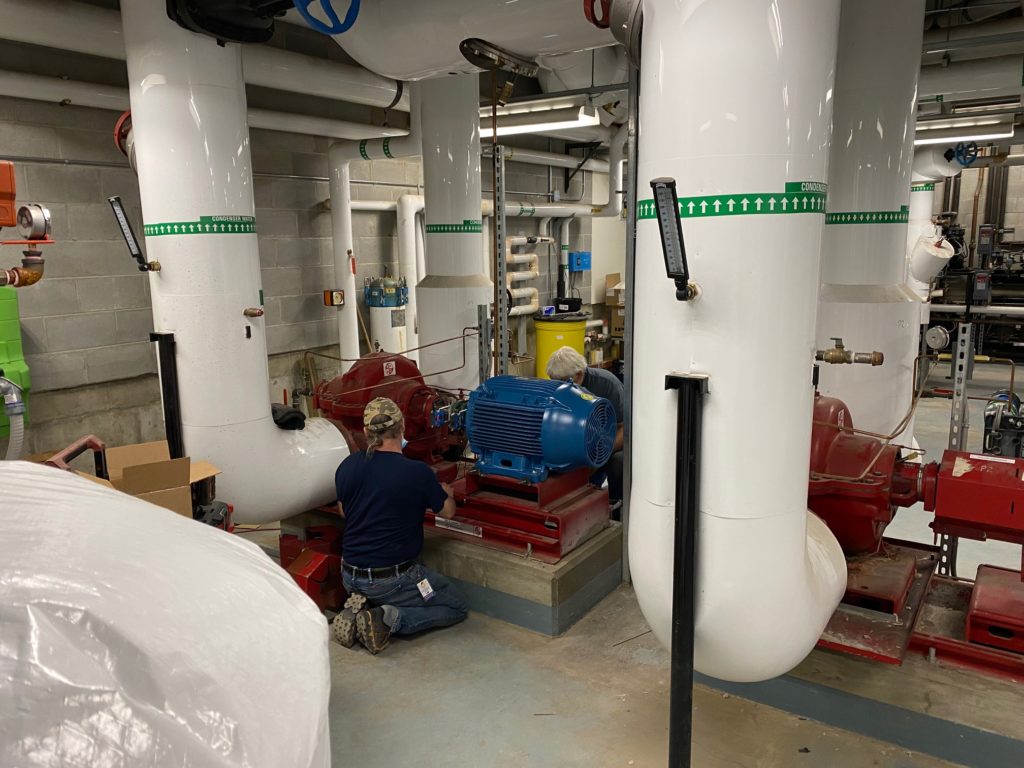
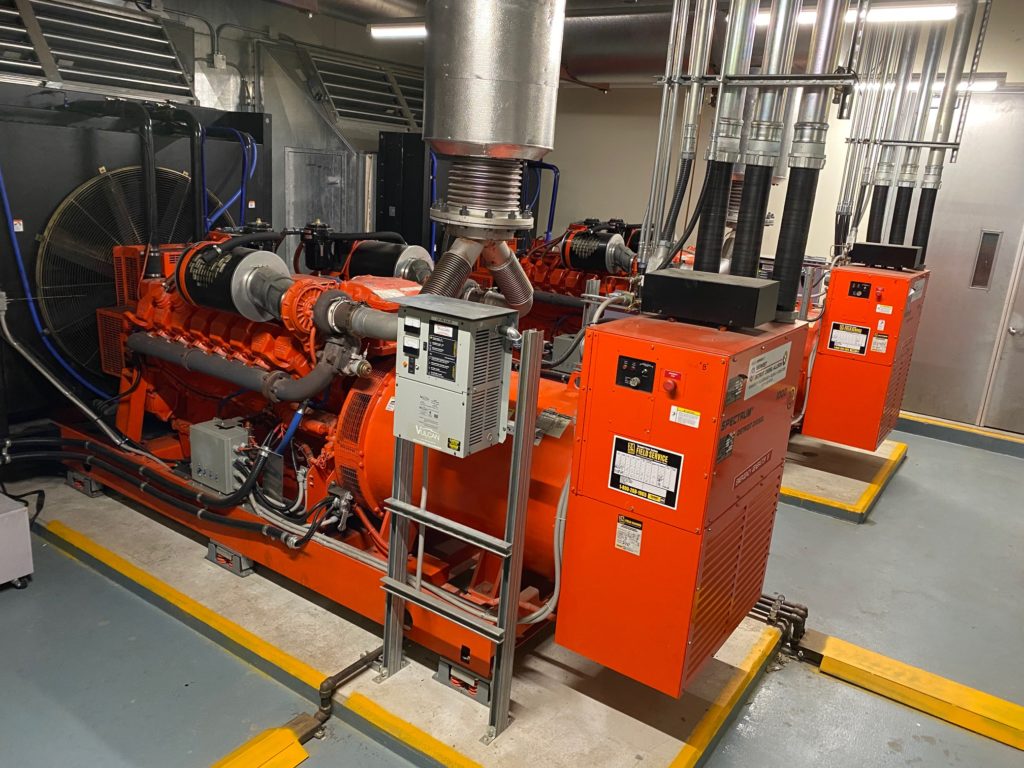
Health care plant maintenance, planning and engineering staff are our in-house professionals responsible for facilities management, planning, development and maintenance of complex health care systems, equipment and facilities. Our health care facilities rely on these staff to provide the necessary skills and resources to develop and manage the environment of care within our organization in an efficient manner and with the patient in mind. October 17-23 is Health Care Facilities and Engineering Week, and it is meant to recognize and honour the plant, maintenance, planning and engineering staff on behalf of all who benefit from them. Please join us in thanking these staff members for their contributions during this week.
Our Infection Prevention and Control (IPAC) Department plays a vital role within our Hospital. This team has worked tirelessly, even prior to the COVID-19 pandemic, to ensure the safest practices are in place and followed for both patient and worker. Typically, National Infection Control Week is about highlighting those efforts and educating staff and the community regarding infection prevention and control. This year we would like to not only remind everyone of the importance of self-education on this subject, but to celebrate and recognize the work and dedication our IPAC department provides our Hospital.