Shared on behalf of Jessica Logozzo, VP, Strategy and Regional Transformation, and Acting COVID-19 Lead
This week, the province issued a statement indicating that most masking requirements will be lifted on June 11, 2022, with a note that masks will still be required in long-term care and retirement homes. Masking is recommended in higher-risk congregate living settings, such as shelters and group homes.
While masking requirements in some locations are expiring, organizations may implement their own policies. Thunder Bay Regional Health Sciences Centre will continue to require masking while in Hospital and screening for patients and visitors at entrances. Although COVID-19 cases are declining, we are a high-risk setting where many patients are at heightened risk of infection. We remain committed to doing everything possible to keep patients and staff safe, including maintaining best practices in infection, prevention and control.
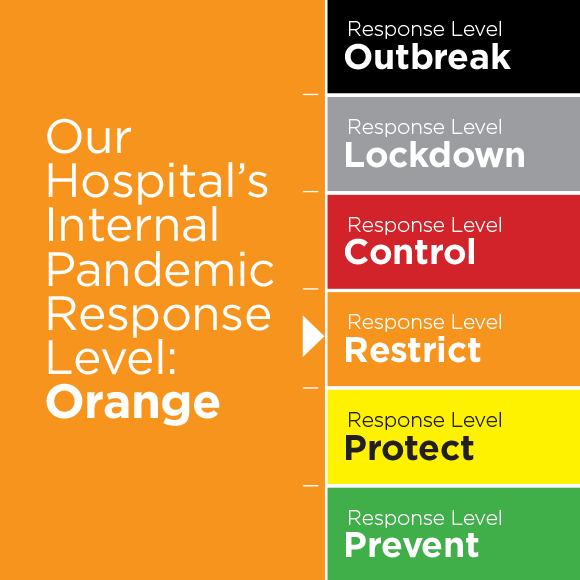
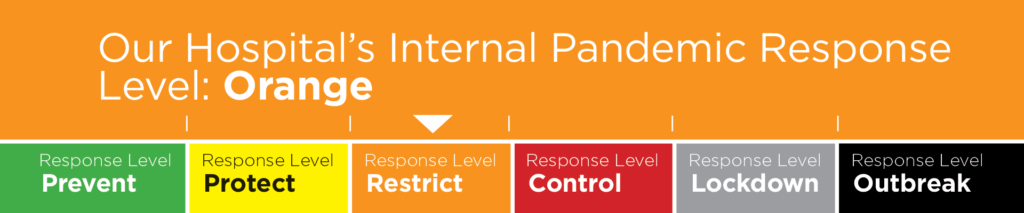
Thunder Bay Regional Health Sciences Centre’s internal COVID-19 Pandemic Response Level was recently assessed, and we remain at Level Orange (Restrict). We anticipate that COVID-19 activity will continue to decline and we will be reassessing the Response Level Yellow in the coming weeks.
A reminder about our masking requirements will be shared with the community today to ensure they are aware of our Hospital’s guidelines.
Thank you for your patience and commitment to the community as we continue to put patients at the centre of everything that we do.
Each year, a committee comes together to determine where funds raised by the Thunder Bay Regional Health Sciences Foundation will be allocated. In previous years, these funds came solely from donations and events, but since the pandemic put many things on hold, the Foundation was forced to pivot to come up with new ways to raise money for the Hospital. Thunder Bay 50/50 draw started in early 2021, and the success of the draw meant more dollars coming in, which means more grants could be approved, in turn purchasing more equipment for our Hospital.
Although there are more dollars available from the 50/50 draw, the process to purchase equipment and make upgrades in the Hospital remains the same. This ensures that these funds are allocated broadly, and fairly. In recent years, there have been higher demands for upgrades, as our once “new” Hospital is now nearly 20 years old. In addition to the age of the Hospital, expansion of our cancer centre and cardiovascular programs mean more funding is needed to help provide the best care for our patients.
Step 1: Departments Share Their Needs
Each year, a committee from the Hospital comes together to discuss and determine the equipment needs for each department. From there, departments are invited to submit their applications for equipment funding to the Foundation. No dollar amount is too big or small – in the past, grants have been approved for small items such as IV pumps, to larger items like automated medication dispensers, surgical tables, and even a new 3T MRI scanner.
In previous years, these funds came solely from donations and events. But, since the pandemic put many things on hold, we found an additional way to raise money for the Hospital: The Thunder Bay 50/50!
Step 2: Choosing the Grants
Once the Foundation receives all of the grant applications from the different departments, a committee reviews the applications. Members of the committee come from different backgrounds to represent a broad segment of the population. Each member has a different thought process and perspective – ensuring a non-biased evaluation of both Hospital and community needs.
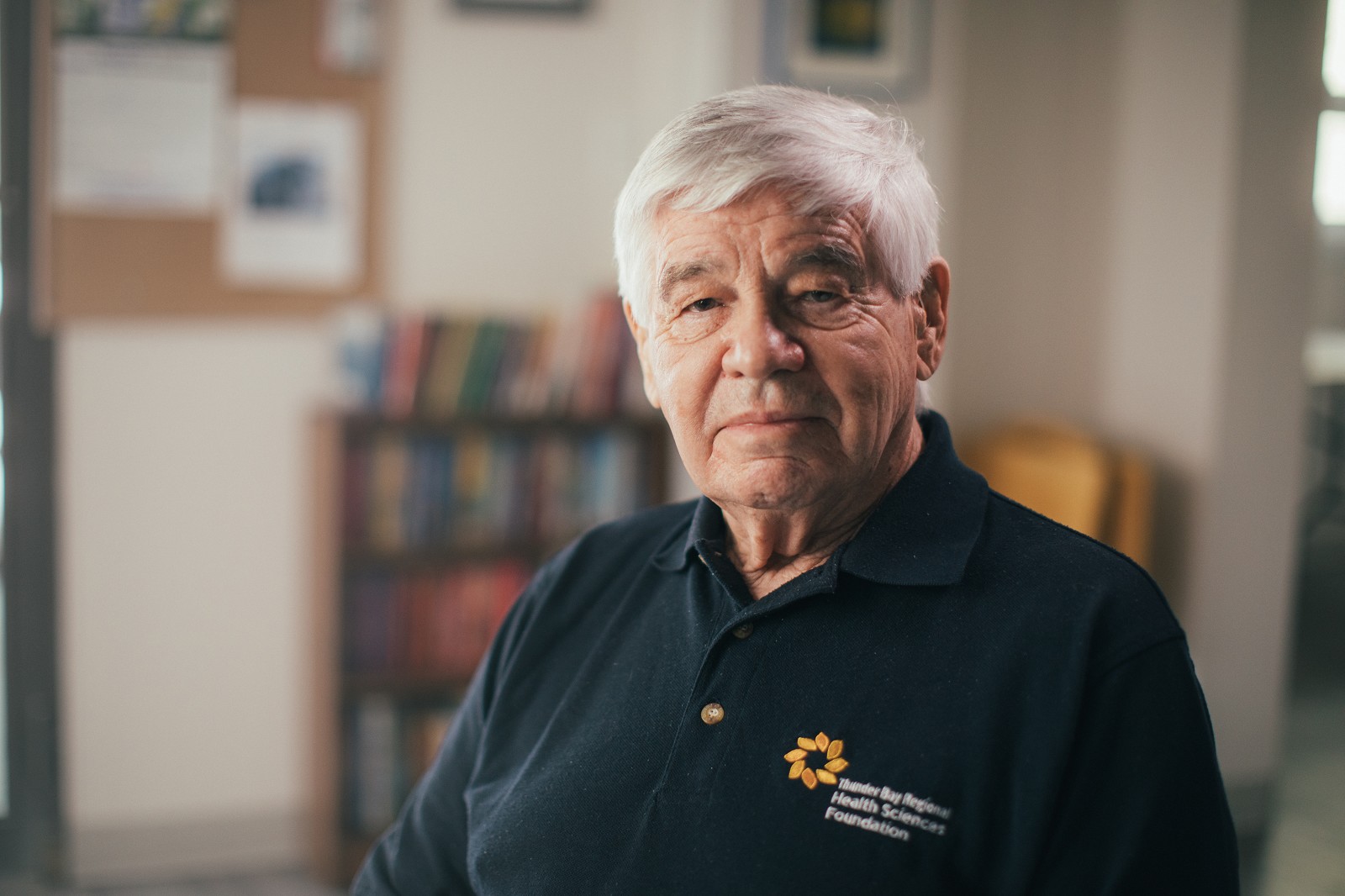
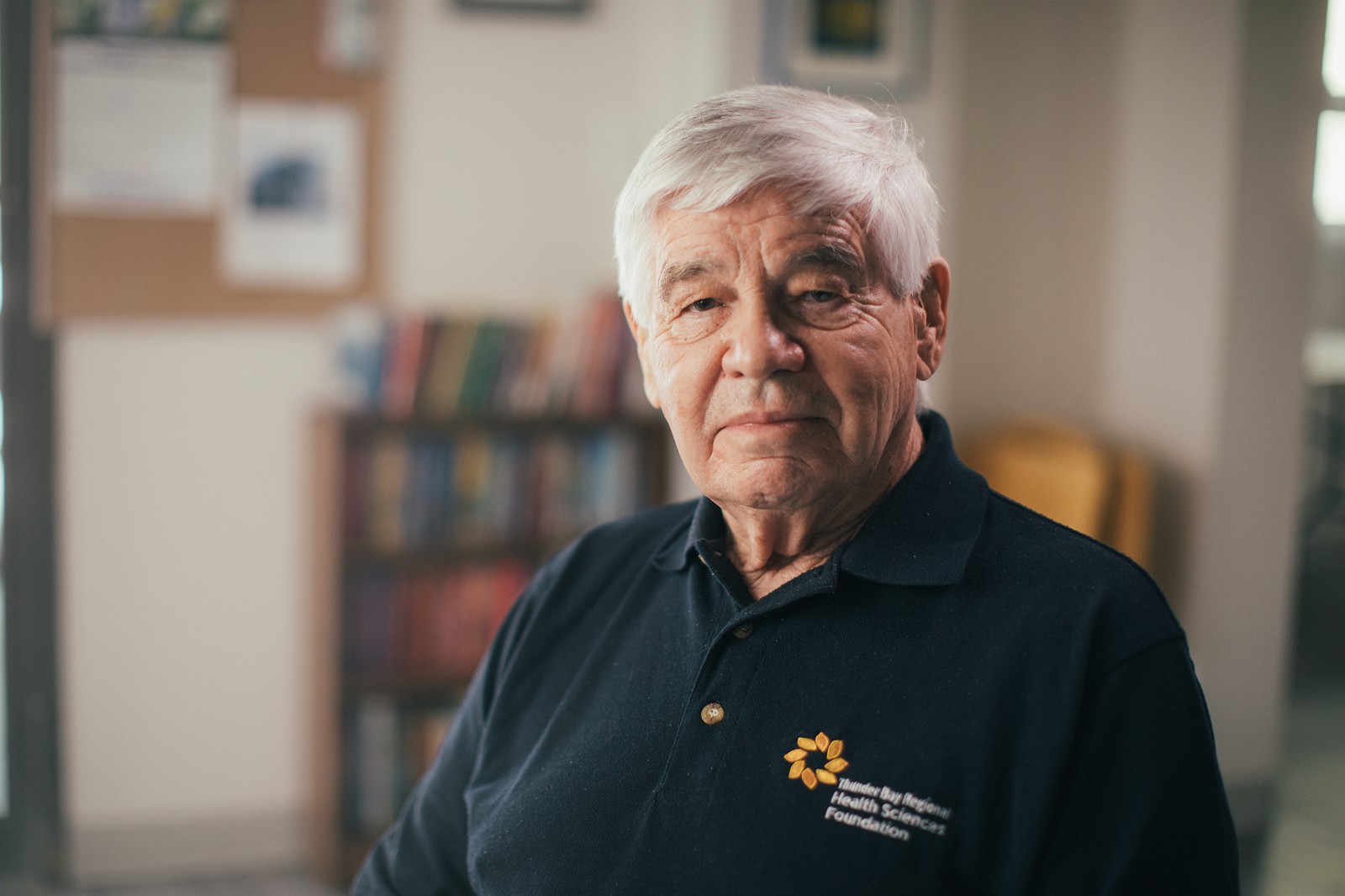
“I have participated in medical equipment selection for a number of years, dating back to my days at McKellar Hospital,” says Dr. George Doig. “Over time, the selection committee has become very diverse, and has grown from physicians and Hospital staff, to include other community members with different backgrounds, like business, finance, and even dentistry, to ensure transparency and fair representation. This is also great because everyone has a different perspective. I believe we do a good job making decisions that will best benefit healthcare in Northwestern Ontario as a whole, not just specific departments within the Hospital.”
When assessing the applications, the committee members follow strict guidelines, which includes a scoring matrix to determine the importance to both patient care, and what will most help the staff to provide that high level of care. When selecting grants for approval, members try and ensure that as many departments and areas of the hospital are represented, try to broadly allocate the funds available, and ensure everyone’s needs are met. The primary concern is that grants are funded that will in turn benefit patients the most.
“Our team considers all applications, and our thorough and diligent review process takes into consideration those that will benefit as many of our patients as possible, and in particular those that take into account the needs of the Hospital staff,” says Barry Streib, Grant Committee Member, Thunder Bay Regional Health Sciences Foundation. “Our Grant Committee reviews the applications first individually, and the committee then comes together to deliberate and discuss our thoughts on each. Our selections, once the team agrees, then proceeds to the Foundation Board of Directors for final approval. In this way we are able to share our perspectives with everyone to ensure the decisions made are for the benefit of the health care professionals to provide the best possible patient care at the Thunder Bay Regional Health Sciences Centre, and to our health care centres in the region.”
Step 3: Approval & Fundraising
Next, the list of grants is approved by the Foundation’s Board of Directors. Then we have the wonderful job of telling the departments that their grants were approved!
This is when fundraising can begin for certain pieces of equipment, through things like donations, events, and the Thunder Bay 50/50. Sometimes the money is made available right away, and the equipment can be ordered ASAP!
Step 4: Equipment is Ordered!
After their grants are approved and funds are allocated, departments can begin ordering the equipment for their unit! HOORAY!
FYI: The Grant Committee is currently reviewing the applications submitted for the 2022-2023 fiscal year, with approximately $6.9 Million in funding requested.
More equipment funded thanks to Thunder Bay 50/50 proceeds
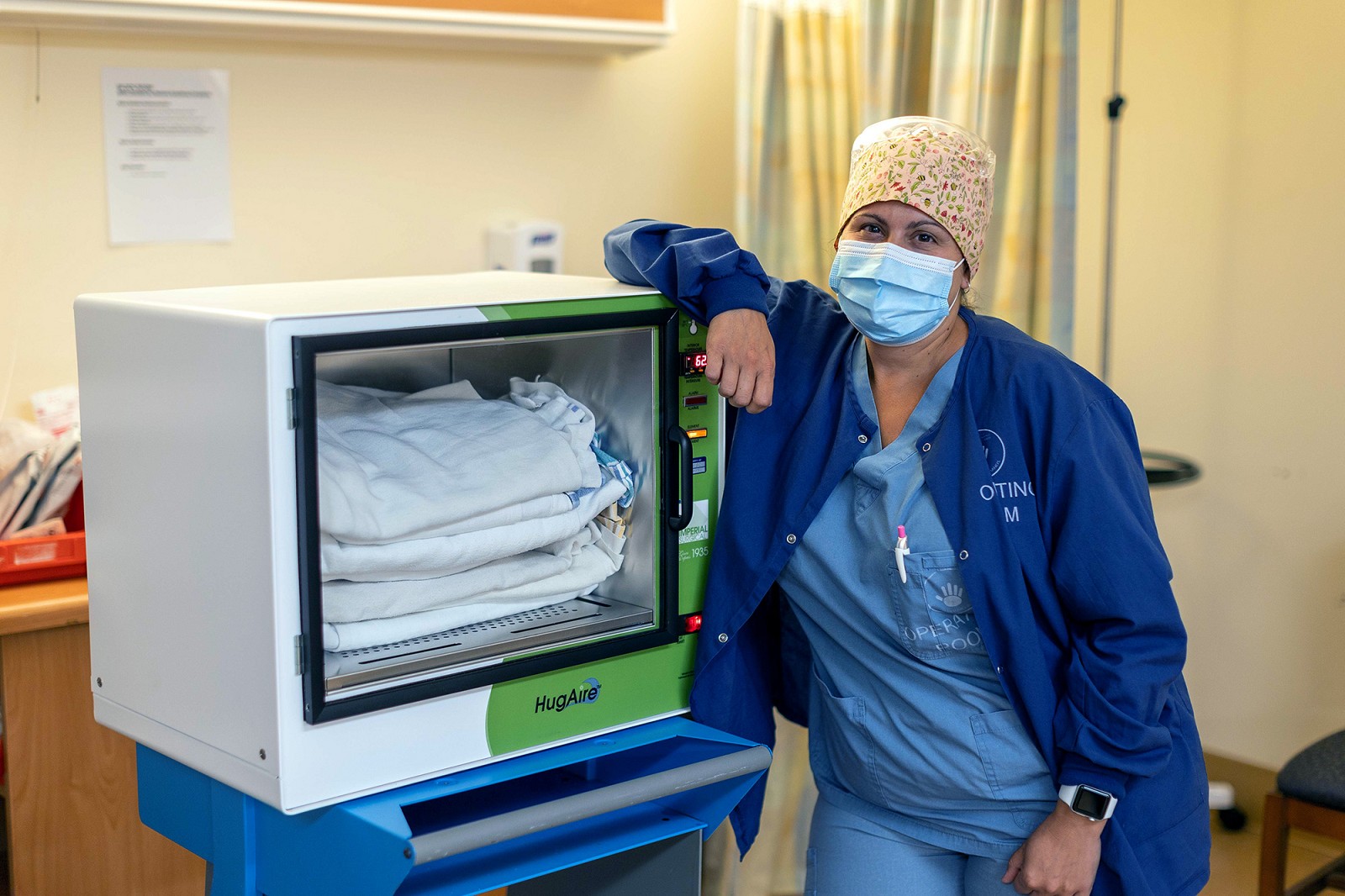
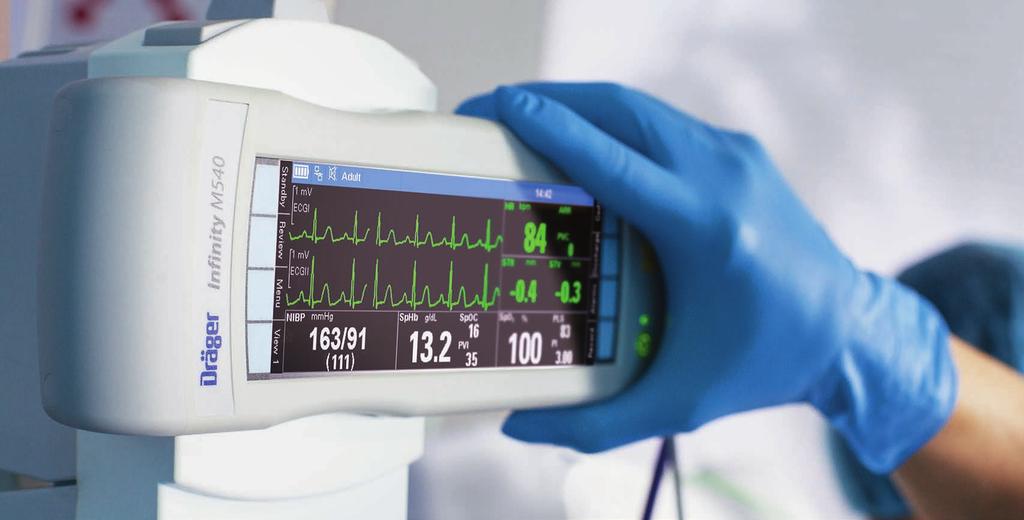
The Thunder Bay 50/50’s proceeds go towards funding the areas of highest needs, so grants from any department may be approved for funding with these dollars. This is unlike donations that go into specific funds, like the Northern Cancer Fund, Northern Cardiac Fund, or towards areas like research, paediatrics, urology, or mental health, to name a few. In 2021, over $4.2 Million in equipment purchases and facility upgrades were approved in the Grant Funding process, which is the most the committee has ever been able to approve. This is largely due to the increase of dollars that came in from the Thunder Bay 50/50 draw. Some of the items that were approved for funding include:
Replacement Digital Radiography X-Ray Equipment for the Fracture Clinic ($614,270)
Echocardiography machine for the Cardiovascular Sciences Program ($500,000)
Automated Medication Dispensing Units for the Pharmacy ($500,000)
A new Minimally Invasive Surgery Suite for the Operating Room ($327,067)
General Ultrasound Unit and Probes for Diagnostic Imaging ($180,000)
Delivery Carts, Infant Warmers, Bili Blankets, OR Tables and other equipment for Labour and Delivery ($120,000)
Portable Medial Lifts for various departments ($25, 600)
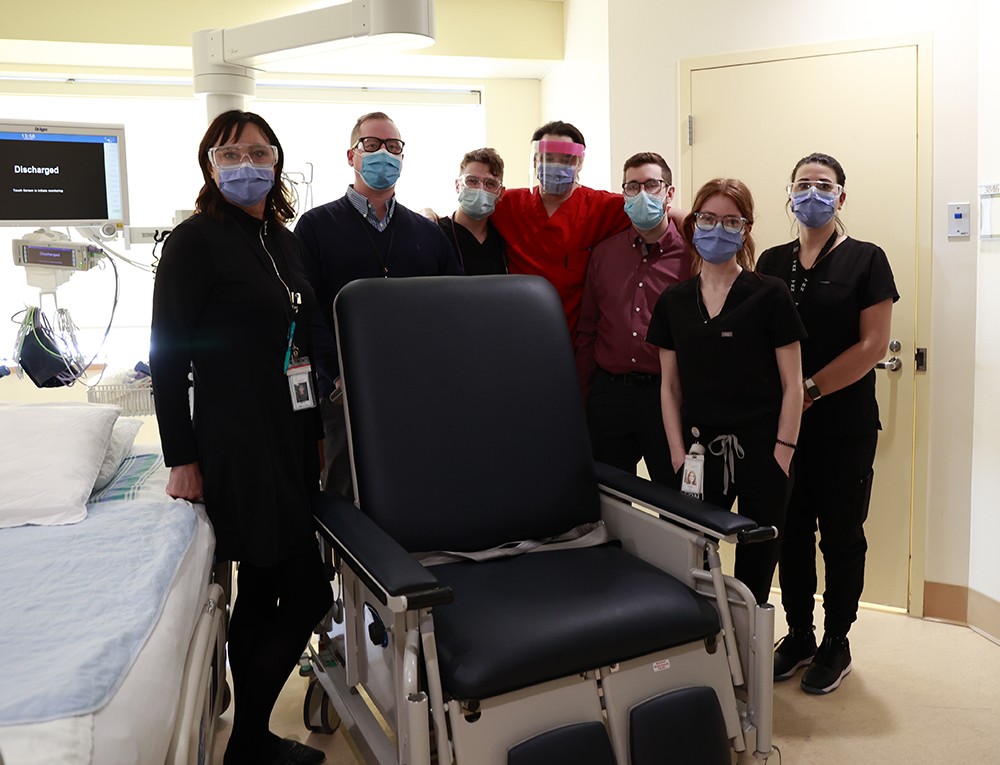
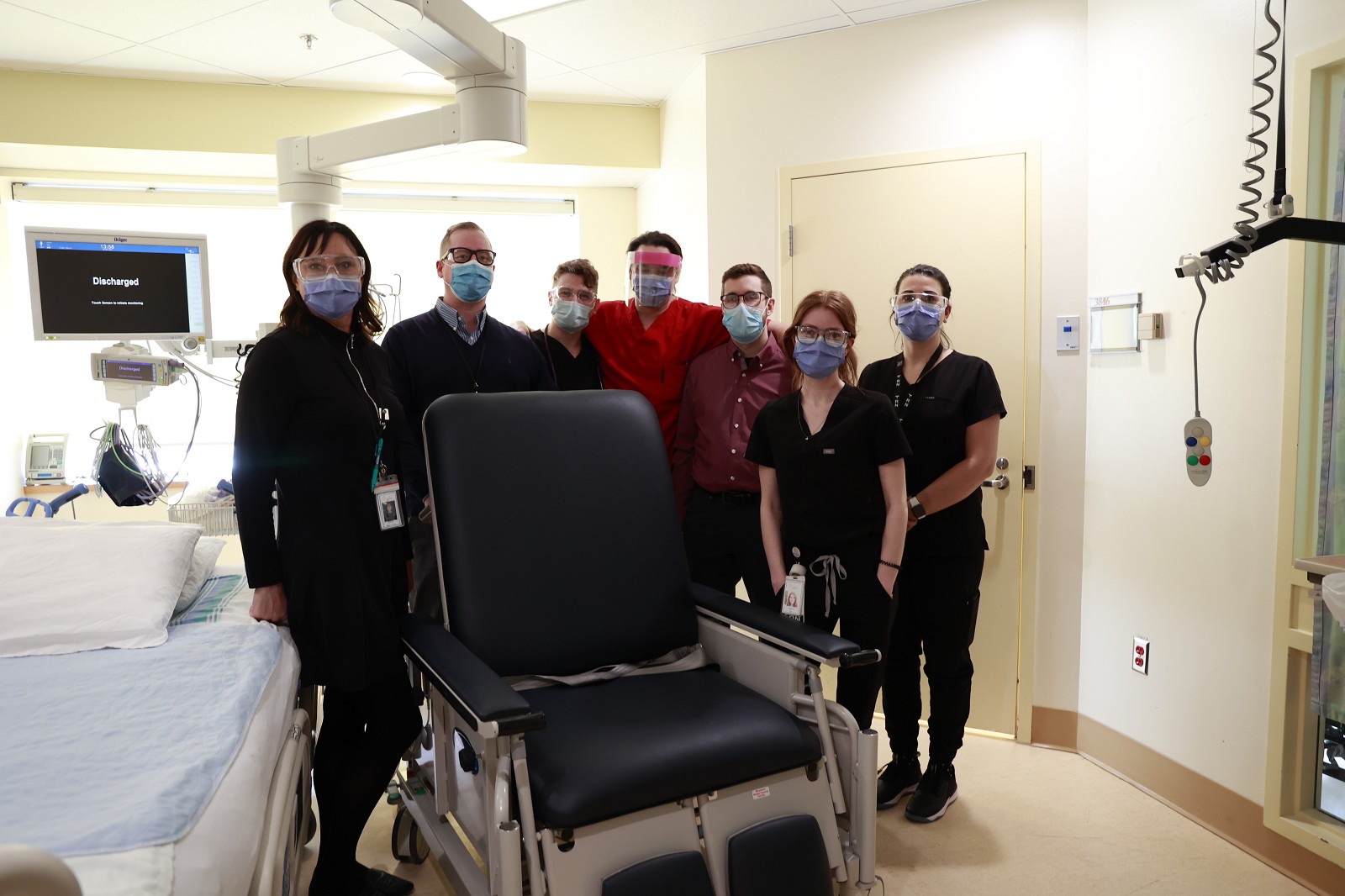
Bariatric Stretcher Chair for the ICU ($12,199)
As approved equipment purchases arrive at our Hospital, they are added to www.healthsciencesfoundation.ca/5050impact. Some of this equipment may take months between approval, purchase and delivery, so the website will continue to be updated as these items arrive.
In addition to the Grants that were funded, $1 Million from the 50/50 Draw has been allocated to the Our Hearts at Home campaign, for equipment purchases for the Cardiovascular Surgery program. The Hospital is currently working the Ministry of Health on the planning and design of the program and facility.
Dollars will also be going towards replacing one of the Cath Lab Suites, including a new C-arm, and also towards upgrades in the cancer centre, which will be a multi-year project that will include both equipment purchases and facility improvements.
To purchase tickets for this month’s draw, visit www.thunderbay5050.ca. Lottery License # RAF1222518.
According to a recent poll, four in ten Canadians do not know the signs of stroke as identified by the acronym FAST:
Face – is it drooping?
Arms – can you raise both?
Speech – is it slurred or jumbled?
Time – call 9-1-1 right away.
The acronym F.A.S.T. is a technique to learn and remember the signs of stroke. A stroke can be mild, moderate or severe, which is why a FAST evaluation and treatment are required.
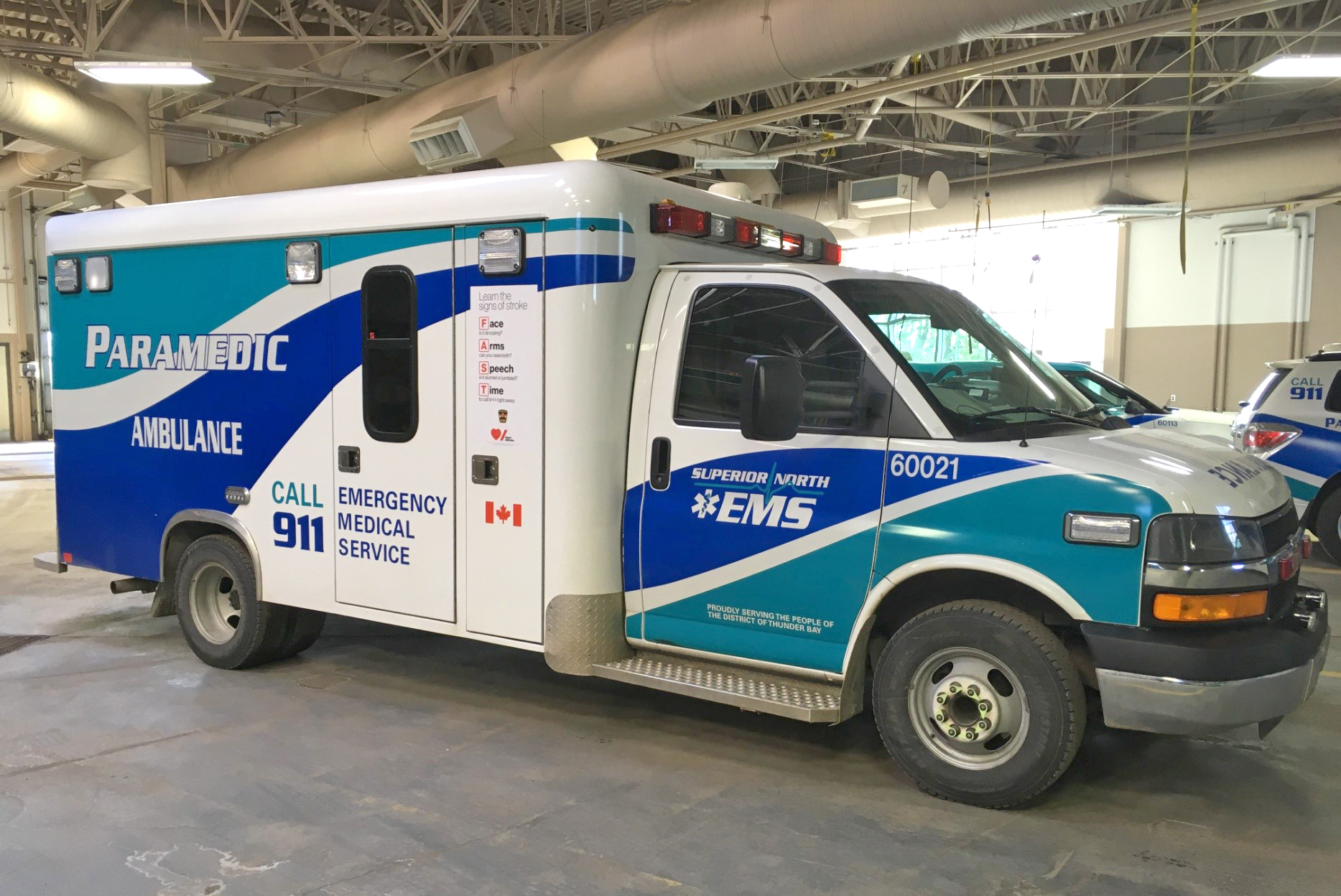
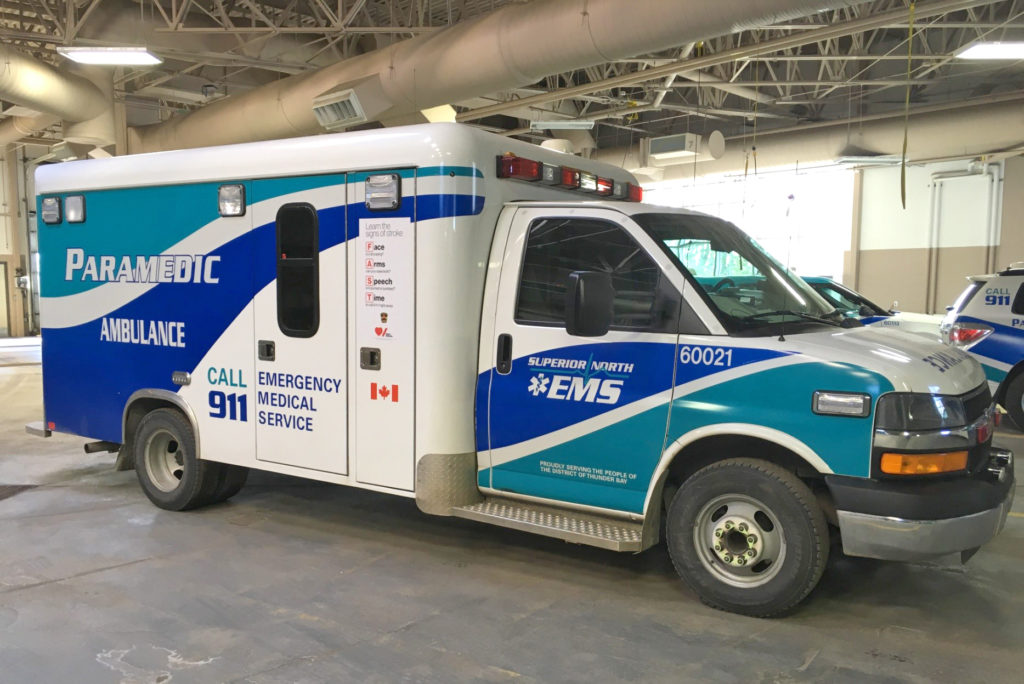
Calling 9-1-1 or your local emergency number is the best way for a person experiencing a stroke to receive the most efficient and timely care. In Ontario, only 60 per cent of people who experienced a stroke arrived to hospital by ambulance; looking specifically at Northwestern Ontario, that number drops to 55 per cent. Stroke is a medical emergency in which minutes matter, and when the ambulance arrives, the patient can start to receive care immediately. This is especially important in Northwestern Ontario, where the large geography results in longer travel times to the hospital.
Paramedics are trained to recognize the signs of stroke and start the time-sensitive management of stroke. They know which hospitals are best equipped to treat a stroke in the region. Paramedics will start to establish the patient’s medical history, which is essential to treatment; a family member is also encouraged to accompany the stroke patient to the hospital if further information is needed. The paramedics can pre-alert the hospital that a stroke patient is on their way, a critical piece in activating the processes of stroke care in the hospital before arriving.
The Northwestern Ontario Regional Stroke Network (NWORSN) recognizes that supporting the Emergency Medical System providers is vital to seamless stroke care. Additionally, there are dedicated volunteers in Northwestern Ontario, known as First Response Teams, who are on call 24/7. These teams can support suspected stroke patients as they prepare to hand off to the paramedics. The First Response Teams are a vital link between the suspected stroke patient and Emergency Medical Services (EMS).
This video demonstrates a patient’s stroke journey in two ways – the delays while self-transporting (split screen left) and the benefits of time savings when accessing EMS (split screen right) to the emergency department.
Sometimes the opportunity to do good just comes knocking. Take Anthony Kadikoff, a born and bred Northern Ontarian who landed in Fort Frances decades ago for a job at the paper mill. One of his co-workers suggested he might like to join the Elks, which he did, and when the Thunder Bay Regional Health Sciences Foundation (TBRHSF) was looking for a regional representative, Anthony, with his extensive Elks fundraising background, was a natural fit. He signed up for an initial 3-year term, but, as he says with a laugh, “You know how things are once you’re involved with a charity – just try to get out.”
When Anthony joined TBRHSF, the board was on the verge of supporting what is now Tbaytel Tamarack House – the entire top floor of the Medical Centre, just metres from the hospital. He remembers the launch of Home Away from Home, a campaign to raise funds to outfit and furnish the interior, and right away he travelled mile after mile to promote Tamarack House throughout the region, talking to people, reaching out to businesses, and providing communities with information.
From there, Anthony says, “the idea just took off and money started rolling in.” Anthony and his brothers personally pledged support for a patient room at Tamarack House, the Elks came on board with significant funds, regional folks and businesses were generous, and Tbaytel stepped forward to pledge $100,000 for naming rights, which, as Anthony recalls, “really sealed the deal for the acceptance and completion of Tamarack House.”
Aside from convenient lodging, Anthony feels the real benefit of Tbaytel Tamarack House is the camaraderie: “Patients and families are encouraged to get out of their rooms, there’s a piano there, TVs, card games, and the best feature is, you just go down the elevator and you’re at the cancer centre.” When he witnesses people from regional communities share stories, or gather around the piano, he sees them forget about their sickness for a while, and thinks this makes better outcomes – even cures.
Local support for Tbaytel Tamarack House extends to meals too. “Different committees and groups in Thunder Bay come walking in to the kitchen at supper hour with two or three big lasagnas, and then a bunch of salads come in, and it’s daily like that,” Anthony says. “It’s a wonderful sight. You don’t even have to go down the streets to a restaurant.”
Anthony credits his enthusiasm for Tbaytel Tamarack House to his stay at Amethyst House (Port Arthur General Hospital site) while his wife had cancer treatment: “It was just a wee place, but it was a welcome landing place as I travelled back and forth from Fort Frances.” Immediately, he saw the enormous benefit of Tbaytel Tamarack House – a comfortable place for regional cancer patients to make themselves at home without paying out of pocket because fees are equal to the amount patients receive from the Northern Health Travel Grant.
It’s easy to forget the thousands of regional residents who need access to facilities, expertise, and services at TBHRSC, often in times of medical crisis. “With distance, weather, disruptions and accidents, plus dealing with illness, travel can be tremendous and difficult,” Anthony says. “This inspired me to do the best I could to make Tbaytel Tamarack House a reality.” Sixteen years ago, Tbaytel believed that a place like Tamarack House was a sure way to help regional patients deal with cancer treatment and pledged to live up to their brand promise, “we take care of our neighbourhood.”
Since 2005, Tbaytel Tamarack House offers lodging for out-of-town patients and their companions for the duration of cancer treatment. It offers 20 bedrooms with private bathrooms, kitchen facilities, a lounge, entertainment, laundry area, and 24-hour on-site attendant.
Ongoing financial support is essential to ensure Tamarack House is available for regional patients. If you can give, or have a fundraising idea, please contact the Thunder Bay Regional Health Sciences Foundation @ 807-345-4673, email info@healthsciencesfoundation.ca or visit www.healthsciencesfoundation.ca/tamarack
Do you struggle to find enough time throughout your work day to squeeze in a workout? Sometimes it can be difficult to meet the recommended physical activity guidelines of 150 minutes a week of moderate to vigorous exercise. However, meeting these guidelines can be easier than you think – all you need is a comfy pair of shoes, a helmet, a bicycle and a destination.
Riding a bike is a low-impact form of exercise suitable for all ages. Cycling strengthens and improves leg mobility and increases cardiovascular fitness; it can also be good for mental health and brainpower. Like many forms of exercise, it can boost mood and reduce symptoms of depression, anxiety and stress. Interestingly, research has shown that riding a bike can even improve concentration and awareness, ultimately enhancing how the brain functions.
Another great thing about biking is that it is a mode of transportation. Whether it is riding to work, the store, soccer practice or wherever you need to get to, cycling is a great, time efficient way to combine regular physical activity into your daily routine. In case you are not convinced that you should dust off that old bike in the garage and take it for a spin, we asked a community expert, Kelsey Agnew, EcoSuperior’s Active Transportation Coordinator, to provide a few tips on how you can bike safely this summer.
Perform an ABC Quick check. Before getting on your bike, perform a check to ensure it is safe to ride:
Air: Check your tire pressure to ensure your tires are well inflated and there is no sign of air leakage.
Brakes and Bars: When using your brake levers, you should be able to fit two fingers between the lever and handlebar to ensure they are working effectively. Your right lever controls your rear brakes, while your left lever controls your front brakes. Also, give your handlebar a wiggle to ensure there is no movement.
Chain and Crank: Your crank, the pedal arms where your feet go when riding, should only move in a circular motion and not out to the side. Ensure your chain is tight, clean and properly lubricated.
Quick: Your quick release is located on your seat coast or on both wheel axles. Ensure the lever is pointing straight up and is tight, so that it cannot easily turn.
Protect your noggin. A helmet is important at any age. Make sure you have a certified helmet and that you are replacing it every three to five years. For a proper fit, the bottom of your helmet should be about two fingers distance from the top of your eyebrows and you should only be able to fit one finger between your chin and chin strap.
Use proper equipment. In addition to your helmet, it is important to wear closed-toe shoes, reflective clothing, sunscreen, or any other weather-appropriate apparel. If you need to carry items, using a backpack or pannier is safest. Having a bell or horn also helps keep you visible and enables you to communicate with vehicles, pedestrians and other bikers.
Make yourself known. You have every right to share the road as a cyclist. Ensure you keep about one meter distance from the curb or one meter from where you feel is safe. Use hand signals to communicate where you are going with vehicles or other bikers on the road. Make sure you are visible and predictable to help keep safe.
When is the best time to start cycling? Any time is a good time, but Thunder Bay District Health Unit (TBDHU) is encouraging members of the community to start now. The TBay on the Move Active Commute Challenge is a friendly workplace challenge to encourage people to rethink their commute to and from work throughout the entire month of June. This can include walking, biking, roller blading, paddling, using the bus, or any other form of transportation that does not involve driving. This challenge will not only encourage people to become more physically active, but has environmental and workplace benefits as well.
Leena Pehkonen, Public Health Nurse with TBDHU’s Healthy Living Program, is also an advocate for active transportation.
“41 per cent of Thunder Bay’s greenhouse gases are related to transportation,” Pehkonen explains. “By choosing active transportation we are reducing our carbon footprint, air pollutants and the need for non-renewable fossil fuels; all while saving us money at the same time.”
Pehkonen also indicates that this challenge can be beneficial for the workplace.
“We are hoping this challenge raises spirits, boosts morale and is a time to team up, encourage others and improve overall workplace productivity and satisfaction.”
By participating in the TBay on the Move Active Commute Challenge, you can track your progress, enter in to win prizes and (most importantly) enjoy your ride, or walk, or whatever active mode of transportation that you choose. This June, team up, get active, help the environment and enjoy a friendly competition amongst fellow colleagues and workplaces! If you are interested in learning more about the Active Commute Challenge or signing up, go to https://tbayonthemove.ca/challenges/.
Shared on behalf of Jennifer Wintermans, VP, Quality and Corporate Affairs, COVID-19 Lead, Adam Vinet, VP, Patient Experience and Chief Nursing Executive, Regional VP, Cancer Care Services
Effective Monday, June 6thour Hospital’s internal COVID-19 Pandemic Response Level will move from Red (Control) to Orange (Restrict).
The decision to move from Red (Control) to Orange (Restrict) is based on the decreasing number of positive COVID-19 cases in the community, region and province. As well, the number of COVID-19 hospitalizations at our Hospital has been steadily decreasing as we see less active COVID-19 cases in the community.
The move to Orange (Restrict) will affect the following response activities and Hospital operations as noted below:
Surgical Service Levels > Surgical services will remain at 90% of pre-COVID-19 levels and continue to be monitored as we look to increase our service levels as per Ontario Health direction.
Emergency Department Precautions > N95 masks will only be required when treating patients that fail screening or require A/D precautions. Pandemic scrubs to be returned to pandemic storages.
Education and Simulation > No learner restrictions. All education on COVID-19 to new staff will continue.
Essential Care Partners (ECPs) and Care Partners > No change.
Contact Tracing > No change.
Patient COVID-19 Testing and Screening > Continue mandatory testing of all admissions.
In-person meetings > Continue to keep in-person meeting to a minimum.
Please note that at this time there is no change to the use ofeye protection and it will remain mandatory at all times when within our Hospital with the exception of being in an office alone, or eating/ drinking in a designated eating area. We anticipate that COVID-19 activity will continue to decrease and we will be reassessing the Response Level Yellow and the change to eye protection in the coming weeks.
We thank everyone for their continued cooperation and efforts in keeping our Hospital and community safe.
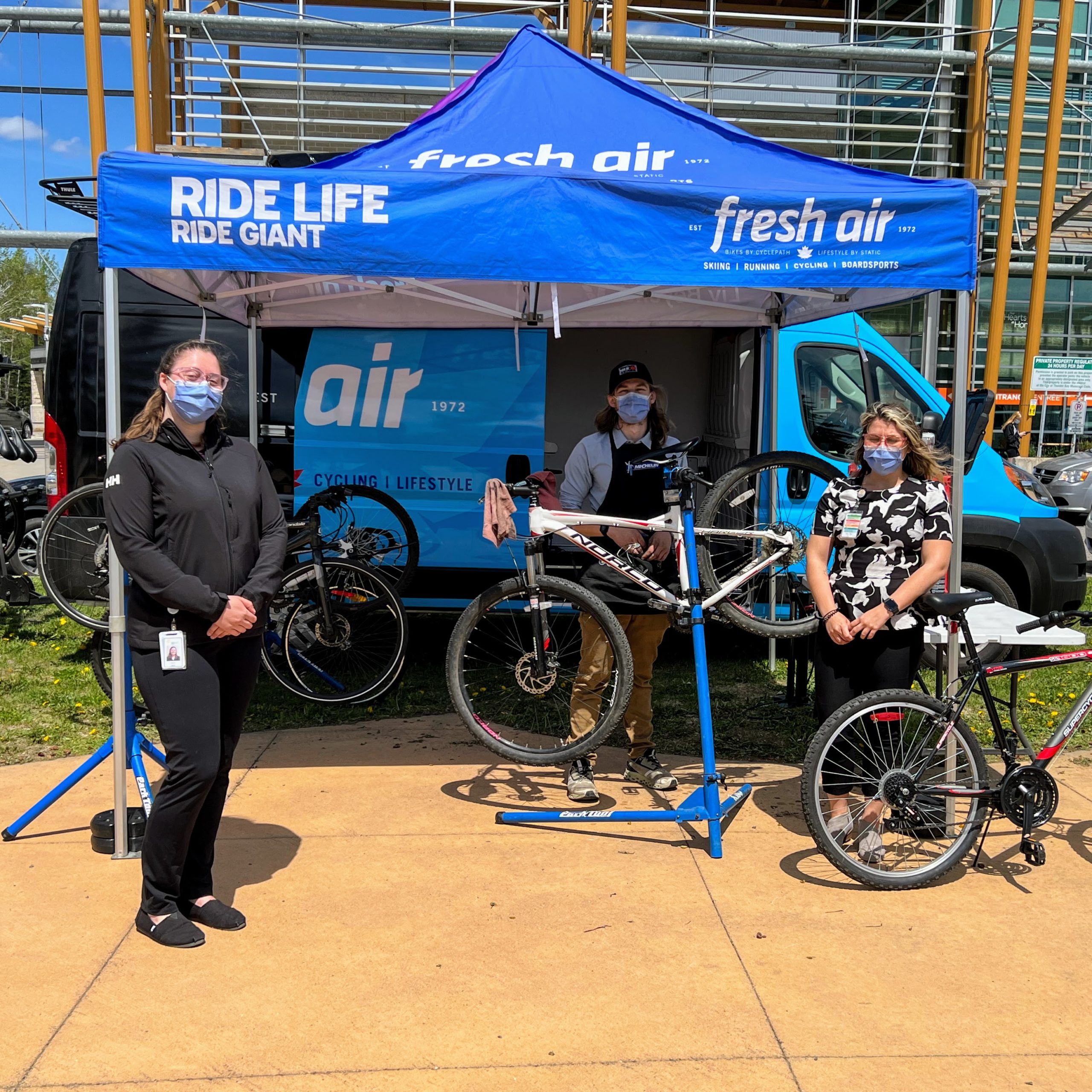
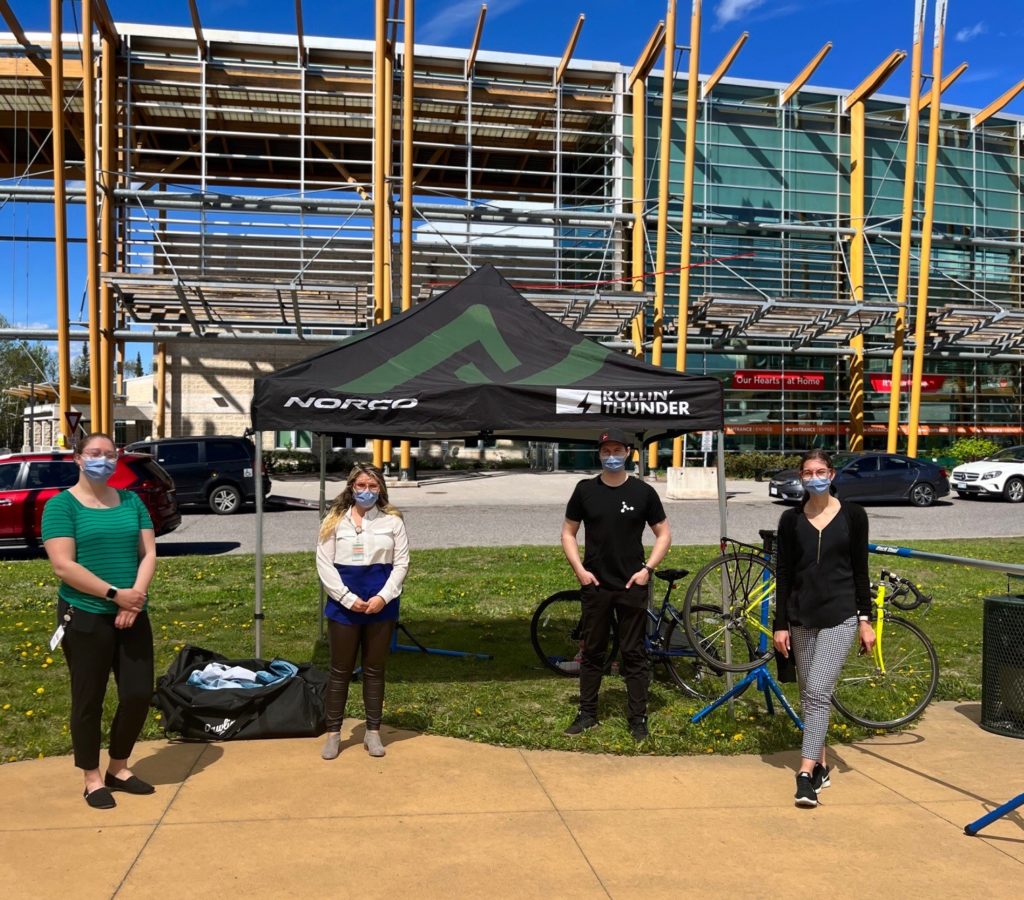
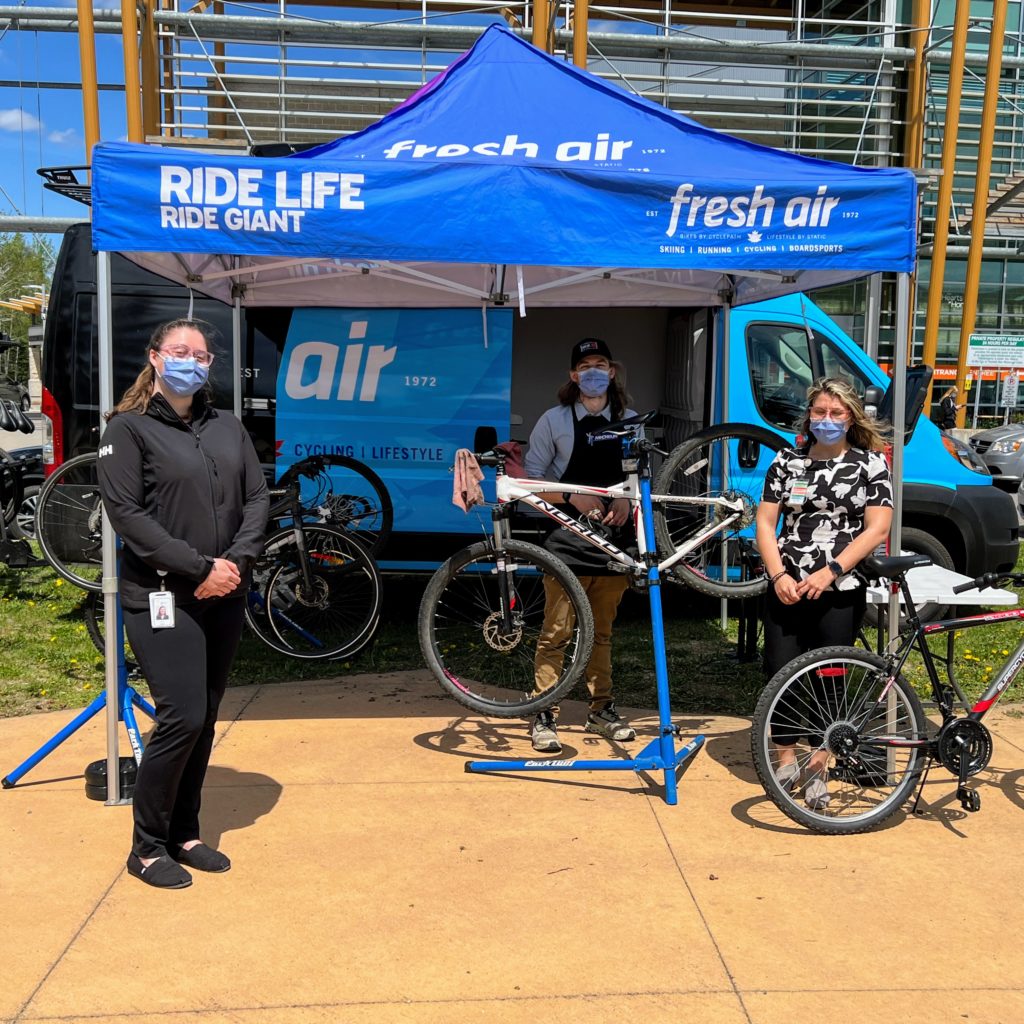
A big thank you to Rollin’ Thunder and Fresh Air who provided their expertise during a 4-day event hosted at out Hospital last week. During the event, our Hospital staff were able to get their bikes tuned up and ready to ride.
Bike tune-ups are important to ensure that your bike is in good condition and safe to ride.
If you missed this event, please consider making an appointment at one of our local bike shops to get your bike tuned up and in working condition to ride this summer.
Growing our own food can encourage many health-promoting behaviours such as healthy eating, getting outdoors and supporting our physical and mental health.
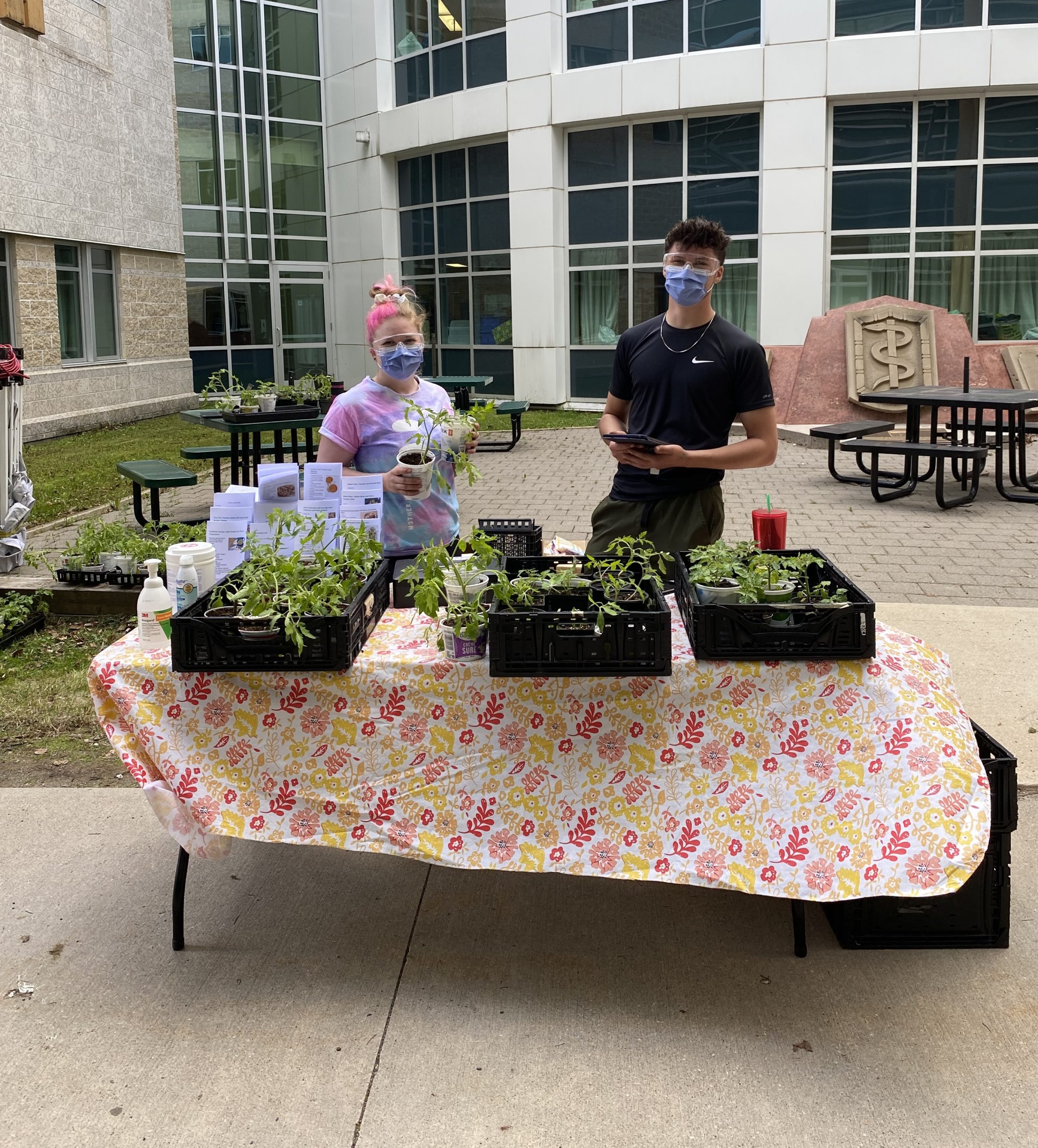
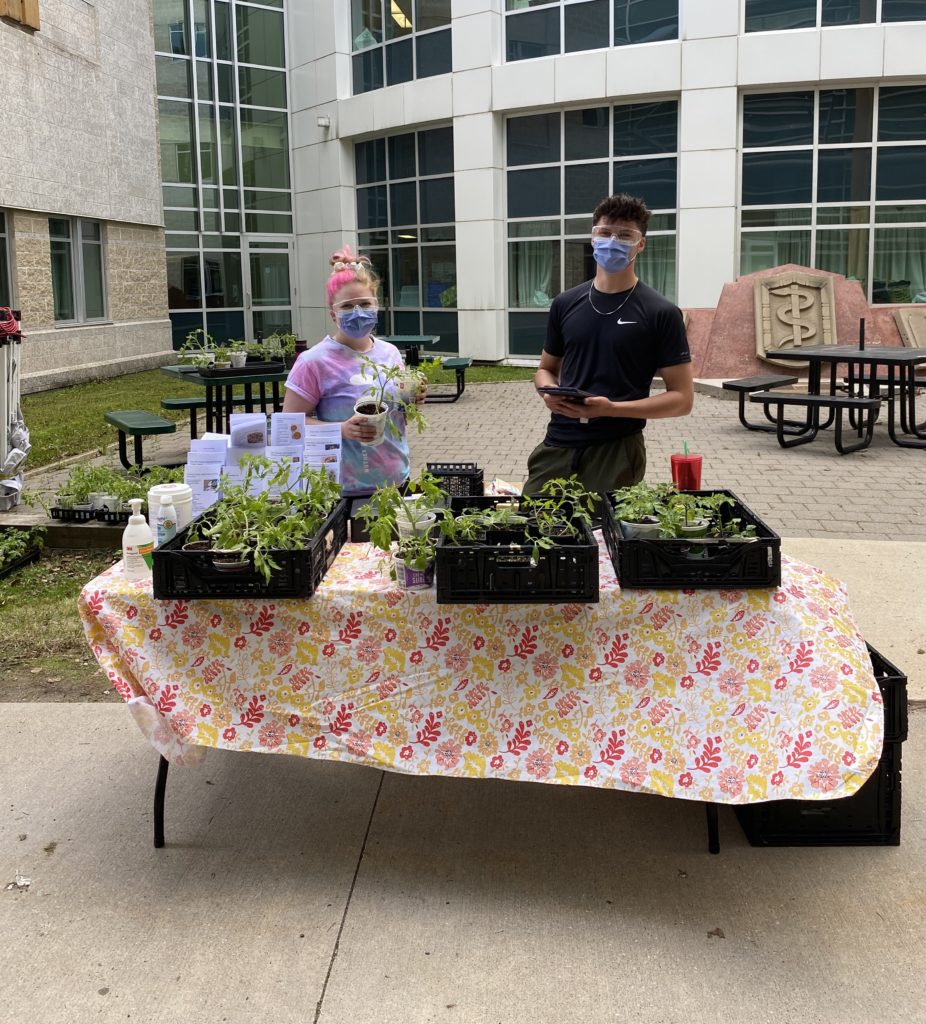
Last week, Roots to Harvest visited our Hospital to sell a variety of fresh and delicious tomato plants. We would like to thank them for making sustainable, low-cost and healthy food options accessible to our staff at Thunder Bay Regional Health Sciences Centre.
If you missed the opportunity to purchase a tomato plant, it is not too late. Go to https://www.rootscfc.org/ to support a great community-based organization.
Chair, Board of Directors, Thunder Bay Regional Health Sciences Centre
Here at Thunder Bay Regional Health Sciences Centre, we are proud of our reputation as a leader in health care. We know full well about the excellence, compassion and professionalism of our team. And, while we don’t need affirmation, it’s always welcomed whether it’s from the communities we serve or from Accreditation Canada, the organization responsible for assessing the standards at more than 1,200 organizations across Canada.
Last month, surveyors from Accreditation Canada visited our Hospital. Accreditation ensures we meet nationally endorsed standards, provide a formal process for ongoing evaluation, and allows for discussion of education and training. The preliminary results of the Accreditation visit are very positive, and we look forward to receiving and sharing details with the community when they are available.
The timing of these results couldn’t be better as we approach the official launch of Strategic Plan 2026. This blueprint for our Hospital’s success came with input and feedback from hundreds of interviews that included local community leaders, every department within our Hospital, our neighbouring Indigenous communities, patients, caregivers, partners and so many more. This Plan is a benchmark for collaboration and development, and we look forward to sharing its contents officially with the community later this month.
As this is my final report prior to the summer break, I wish to add a few notes of appreciation. The Board is very proud of our Hospital staff, professional staff, leadership and volunteers, all of whom have made tremendous sacrifices to help keep our community safe during the pandemic. We know many of you are exhausted, and have worked longer and harder and in more difficult conditions than ever. The Board is inspired by your relentless commitment to safe, quality, patient and family centred care. Thank you for your flexibility and resilience.
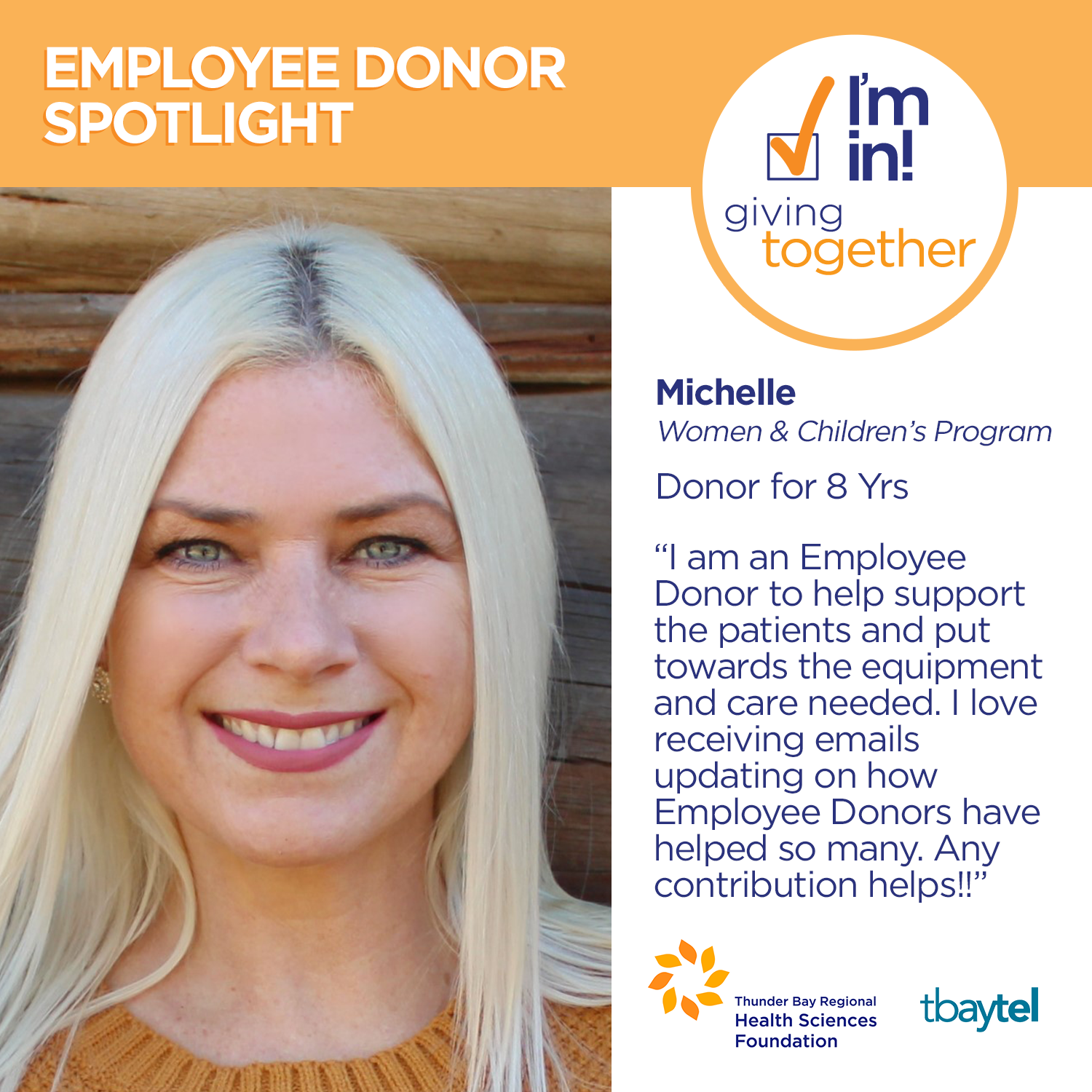
Today’s Employee Donor Spotlight is shining on Michelle from the Hospital’s Women & Children’s Program. Michelle has been an Employee Donor for 8 years!
She shares, “I am an Employee Donor to help support the patients and put towards the equipment and care needed. I love receiving emails updating on how Employee Donors have helped so many. Any contribution helps!!”
Thank you, Michelle!
Employee Donors are Thunder Bay Regional Health Sciences Centre staff who donate through payroll deductions, helping to fund Hospital equipment in the area that means the most to them. Their dedication to better local healthcare is shown in both the hard work they do and their donations. Thank you to Tbaytel, who matches annual Employee Donor contributions up to $7,500!