Did you miss the Virtual All Staff Town Hall on June 20th? A recording is now available for viewing here, along with the Staff Experience video that debuted during the presentation.
The informative session offered an overview on the tremendous progress we’ve made during the first year of our Strategic Plan 2026. Thank you to the presenters who joined us to highlight some of the successful initiatives that have launched over the past year.
We’d also like to hear from staff on how you would like to be kept informed and engaged on the Strategic Plan 2026 progress. Please provide your feedback by completing the short survey.
A reminder that the Virtual All Staff Town Hall will return in September. Thank you for your commitment to staying informed and engaged.
Thunder Bay Regional Health Sciences Centre (TBRHSC) presents “Ask an Expert”, a series where team members from our Bariatric Centre of Excellence answer questions they commonly encounter. For more information on our Regional Bariatric Care Centre, please visit bit.ly/TBRHSC-RBCC. This month’s question is answered by Rae-Anne Robinson, Social Worker, Regional Bariatric Care Centre at TBRHSC.
Does everyone with a larger body have obesity?
No. Body weight alone is not the defining factor of obesity. The belief that lower body weight is healthier is perpetuated in our society and health care system, but the reality is that healthy bodies come in all shapes and sizes. In fact, research demonstrates that many individuals who live in larger bodies are healthy, based on important health markers such as blood pressure and cholesterol levels. By definition, obesity requires that body weight impairs health and wellbeing, therefore not everyone who lives in a larger body is living with obesity.
This month’s question is answered by Rae-Anne Robinson, Social Worker, Regional Bariatric Care Centre at TBRHSC
Gear up for an active adventure this June! This month’s Staff Health and Wellness Challenge theme is ‘Actively Commuting’ and we’re all about discovering the wonders of physical activity.
Do you have a favourite trail that gets your heart pumping and your spirits soaring? Whether it’s a scenic hiking path, a thrilling cycling route, or a refreshing jogging track, we want to hear about the trails that invigorate your senses and keep you moving!
Physical activity is crucial in maintaining good health and overall wellbeing. Snap a photo and share the name of your favourite trail. Your responses can be submitted to Alivia.Cordileone@tbh.net. The list of trails and photos will be shared on Informed at the end of the month.
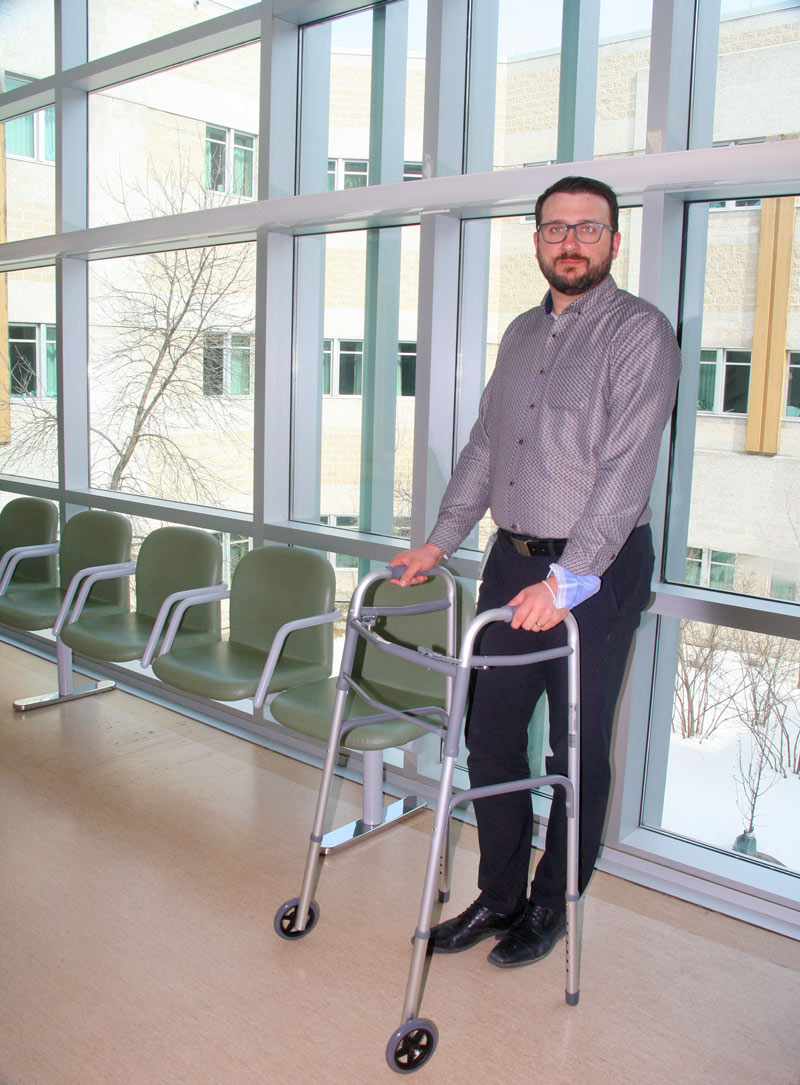
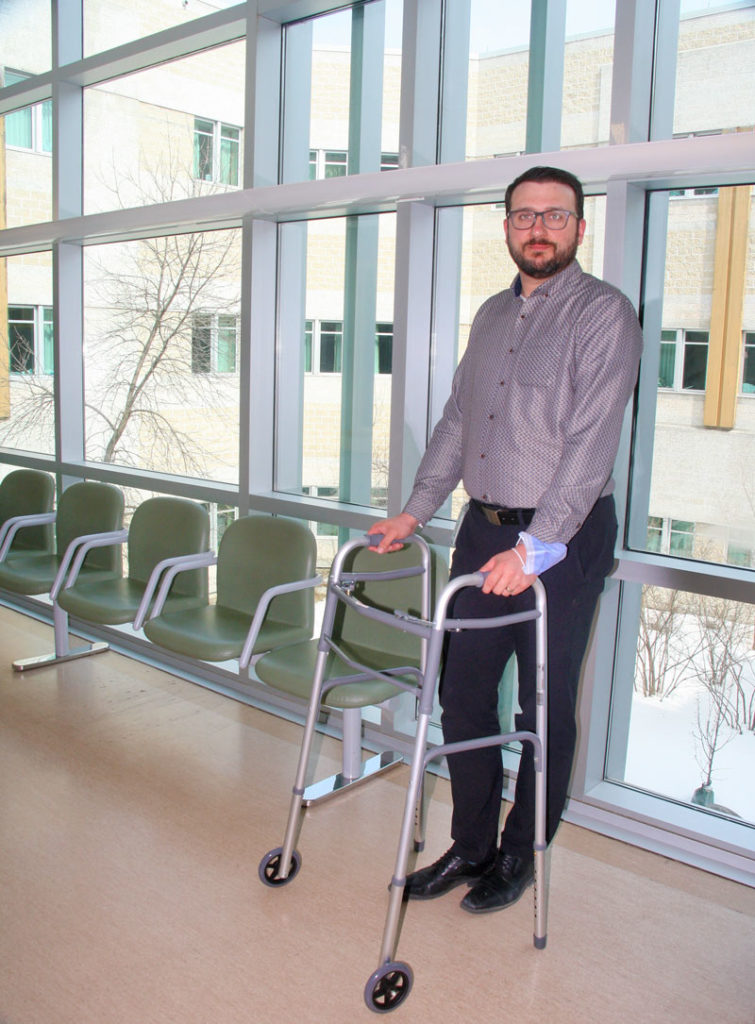
Matt Shonosky, 2C Manager, demonstrates how the 10 strong but lightweight walkers purchased with a Family CARE Grant help cardiac and stroke patients get up and mobile faster and with confidence.
For those recovering from a stroke or a heart attack, one of the best medicines is getting up and walking as soon as possible. Moving around builds strength, reduces the risk of muscle loss, and in the case of stroke patients, can help reconnect pathways in the nervous system for better recovery. But many patients feel unsteady on their feet – and that lack of confidence could lead to falls and other dangerous situations.
Thanks to a Thunder Bay Regional Health Sciences Foundation Family CARE Grant, patients in the 2C unit at our Hospital can now move around more confidently with the purchase of 10 new walkers.
“Recently, so many more patients are using them that there is sometimes a wait, which impedes their recovery and rehabilitation,” said Matt Shonosky, Manager of the 2C Medical, Cardiology, and Regional Stroke Unit at the Thunder Bay Regional Health Sciences Centre. “As our population is ageing, we’re seeing many more people who require a walker or some sort of assistance after (a stroke or heart attack).”
The old “bed rest-only” philosophy of yesteryear no longer applies for most patients. Now, the focus is getting up and moving as soon as possible.
“Evidence shows that patients who stay in bed longer will have a longer recovery. But patients who get up faster actually will recover faster and more fully,” Shonosky said. “For our stroke and cardiac patients, we like to get them up within 24 hours unless there is something preventing them medically.”
Faster recovery also means shortened hospital stays before returning home or going to St. Joseph’s Care Group for rehabilitation.
Previously, staff sometimes had to hunt to find a walker. Thanks to the Family CARE Grant, these 10 walkers are now dedicated for 2C use so patients can get up and mobile faster.
Patients will be safer, too.
“We’ll see a lot of patients doing what we call ‘furniture walk’,” Shonosky said. “That can increase fall risk because a chair might give out and roll away or they lose grip on a sink or something.”
The walkers don’t just give stability; they give confidence.
“Even if the patient doesn’t need the walker for weight-bearing, just having it in their hands can give them confidence to move around on their own,” Shonosky said.
These all-purpose walkers are height-adjustable, lightweight, and can be configured with wheels, skis, or nothing at all, depending on the needs of the patient. They have a low profile which makes them great for moving around patient rooms, but they are strong and stable so patients are safer.
Shonosky said that many patients work with a physiotherapist or an occupational therapist after an event for more specialized recovery exercises. These new walkers won’t replace that specialized care, but add to it.
“Patients are more agile and more independent with the walkers. They can build endurance so that they feel comfortable doing things on their own and not relying on staff or others to do everything for them.”
Often, the best ideas for patient care needs come from the frontline staff who work with patients every day – and this is another example. Thanks to our generous donors, Family CARE Grants provide the funding needed to get these great ideas off the ground. You can help! Please donate online at www.healthsciencesfoundation.ca/donate or call our Donation Centre at 807-345-4673.
June is National Indigenous History Month, a time for people across the country to recognize the history, heritage, resiliency and diversity of Indigenous Peoples and communities across Turtle Island (which refers to the continent of North America).
Long before Canada was formed, Indigenous Peoples flourished on Turtle Island through a strong connection to the land. They are part of Canada’s history and continue to play a significant role in its growth and future as First Peoples. We honour those that are survivors of residential schools, the 60’s Scoop, the families left behind, and Missing and Murdered Indigenous Women, Girls, Two-Spirited, and Gender Diverse Peoples.
Throughout the month there will be various events taking place at Thunder Bay Regional Health Sciences Centre (TBRHSC), St. Joseph’s Care Group and around the city and surrounding area. We encourage each of you to take time to honour, reflect, celebrate, and learn about the many languages, cultures and immense contributions of First Nations, Inuit and Métis peoples throughout the month and every month of the year.
Here are some ways to participate in National Indigenous History Month:
Complete the mandatory Wake the Giant Training on Dual Code LMS
Drop in Drumming Session – June 15 – 2:00 p.m. – Tipi Site
Staff are welcome to come listen to Indigenous Hand Drumming. Any staff members who are hand drum carriers are welcome to bring their drum and join in.
Lunch & Learn – Seven Grandfather Teachings – June 26 – 12:00 p.m. – 1:00 p.m. – Auditorium B
Shared on behalf of Paula Vangel, Manager, Indigenous Collaboration, Equity & Inclusion
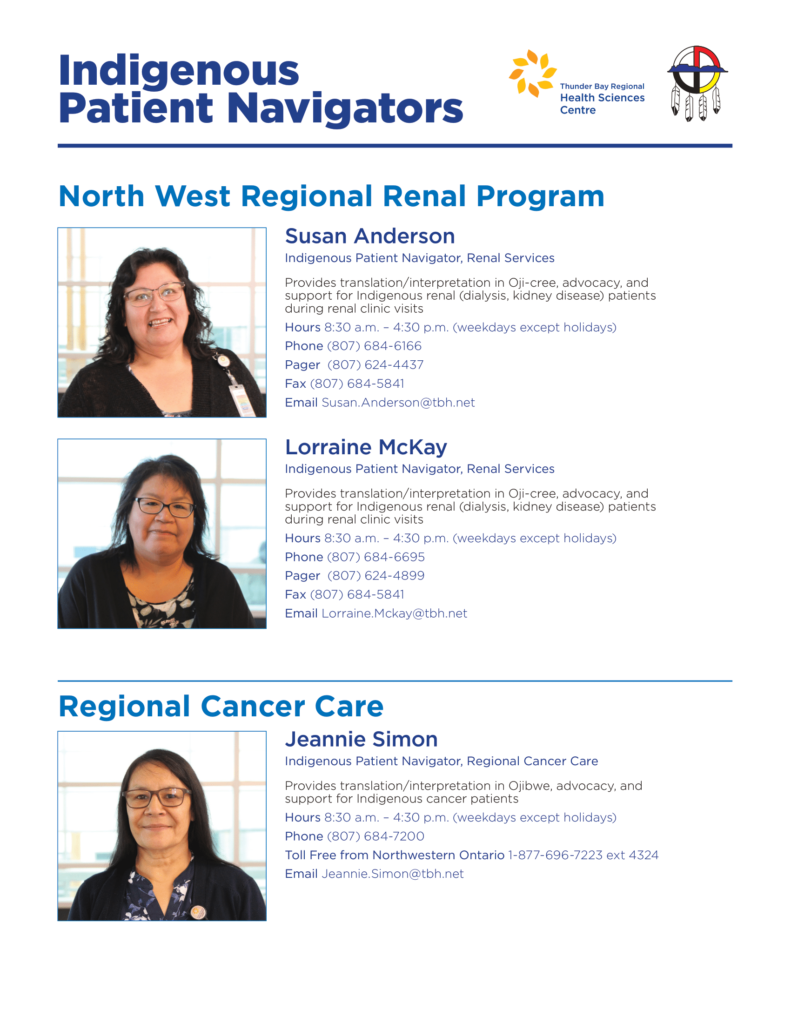
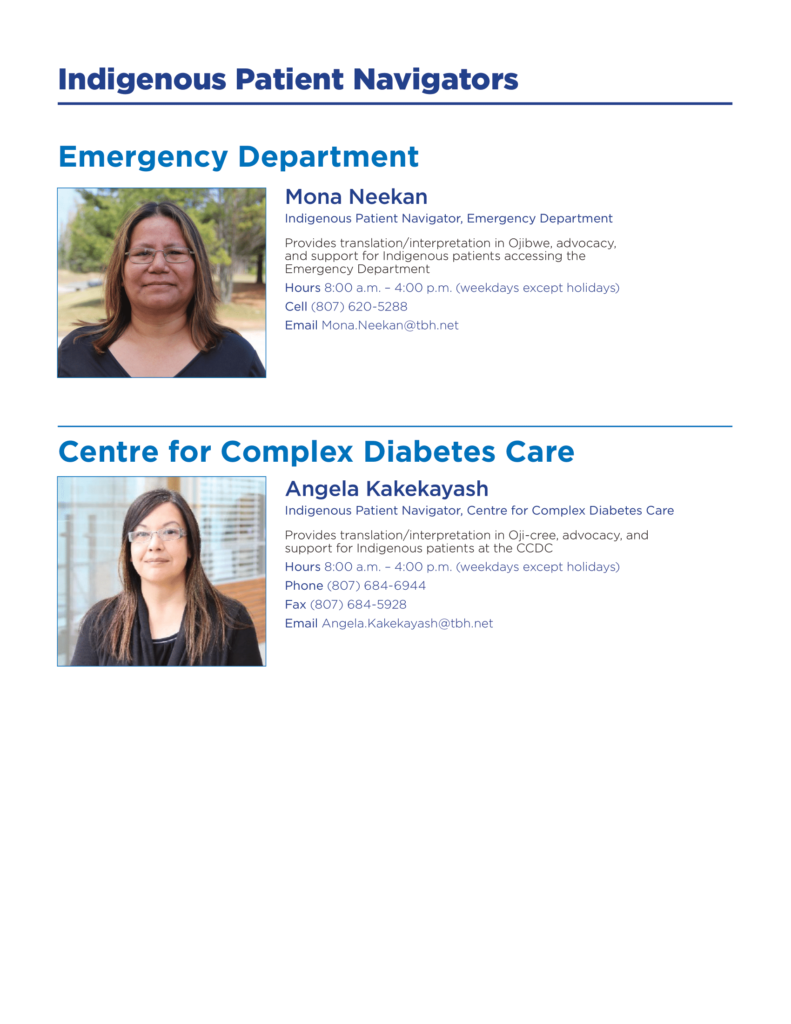
Indigenous Peoples, particularly those from remote Northern communities, face unique challenges in accessing health care. We aim to improve experiences and outcomes for Indigenous patients and families by providing care that is culturally relevant and sensitive, in a welcoming environment. With an increase in services available to support Indigenous patients and families within the Thunder Bay Regional Health Sciences Centre (TBRHSC), clarification between the three roles is required to assist in connecting Indigenous patients and families to the appropriate support.
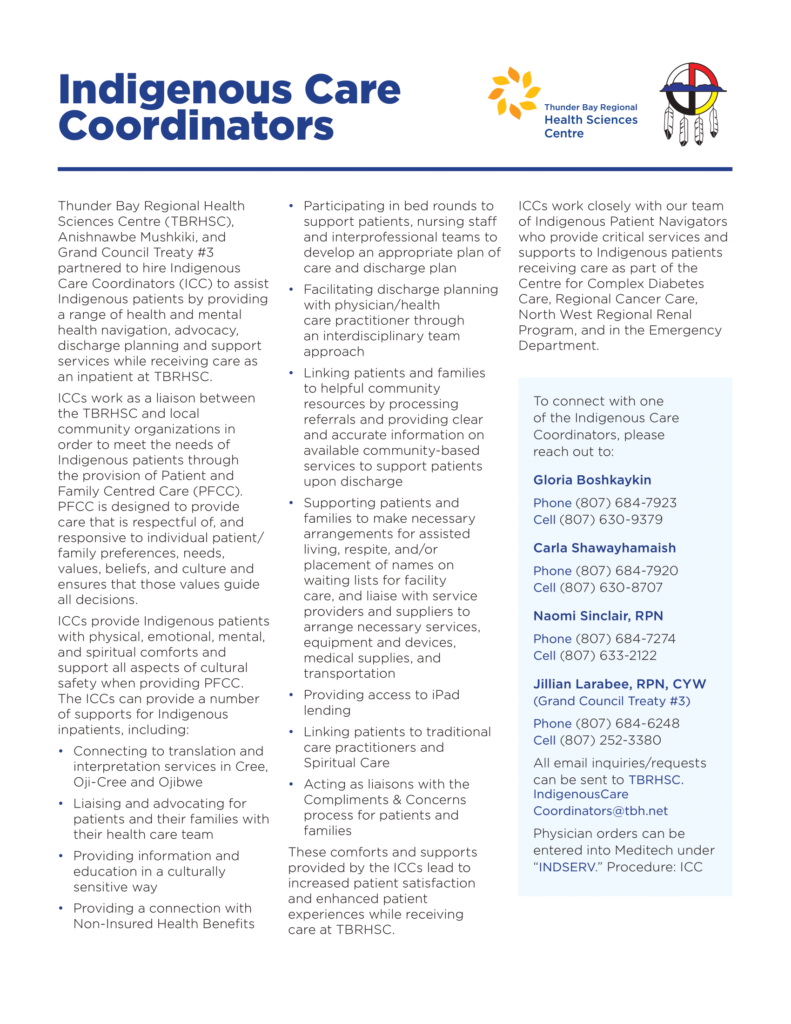
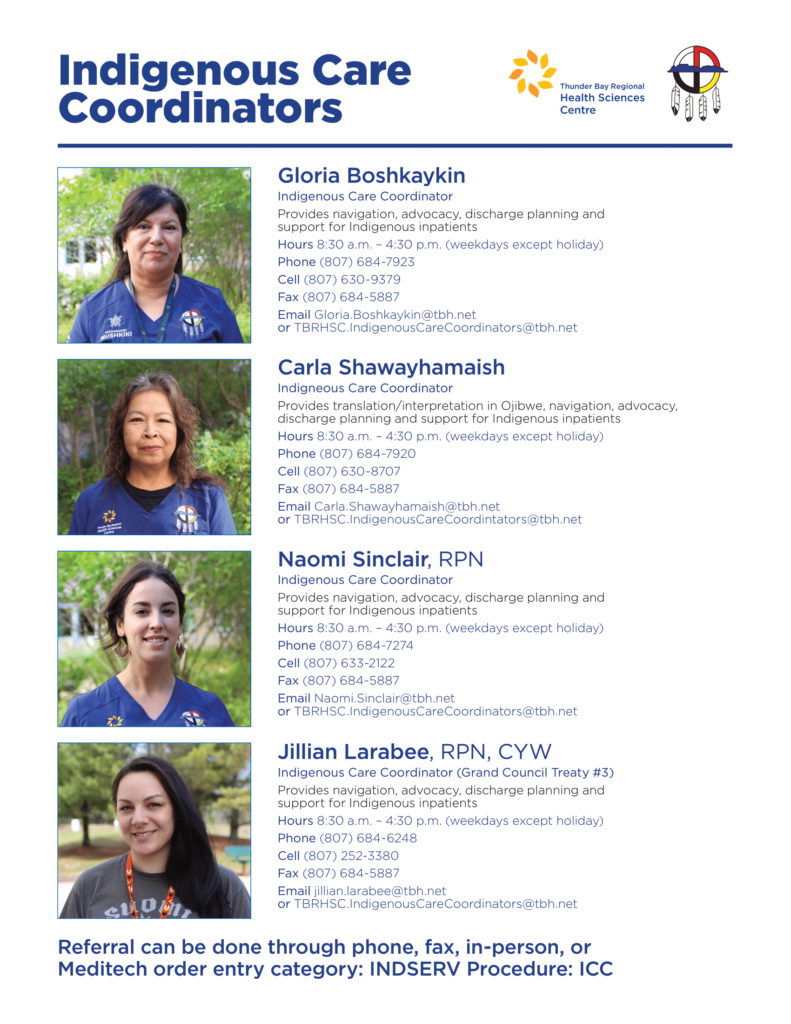
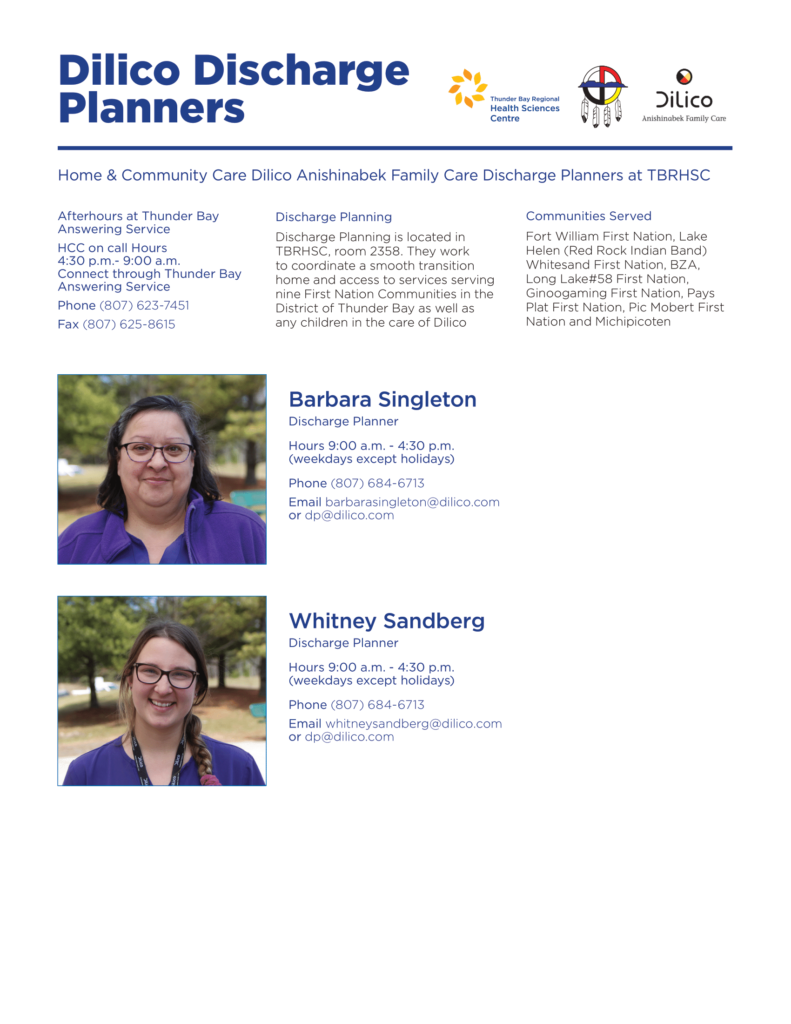
Attached is a contact sheet that has been developed to be utilized by all TBRHSC staff, professional staff, learners and volunteers on which support to contact. Additional information on supports and resources can be found on the iNtranet under Indigenous Health Information.
Indigenous Care Coordinator (ICC)
There are currently four ICCs within the Hospital that are available to provide supports to Indigenous patients and families receiving care as an inpatient. Please see the attached document outlining the role of the ICC. The ICCs fall under the supervision of Paula Vangel, Manager, Indigenous Collaboration, Equity & Inclusion.
Indigenous Patient Navigator (IPN)
There are currently five IPNs within the Hospital, one in the Cancer Centre, one in the Centre for Complex Diabetes Care, one in the Emergency Department and two in Renal. The IPN provides a number of services for Indigenous patients within their respective departments, including:
Interpretive services in Ojibwe and Oji-Cree
Support before, during, and after clinical appointments
Linking patients and families to community resources
Tele-visitation services with remote family members
Information and education in a culturally-sensitive manner
Liaison and advocate between the care team, patients, and families
Assistance with discharge planning
Each IPN falls under the supervision of the Manager in their respective department:
Debra Prete, Manager, Emergency Care Services
Allyson Hoard-Mann, Manager, Northwest Regional Renal Program
Karen Roberts, Manager, Clinic Operations, Nursing, Systemic Therapy, Palliative and Supportive Care
Jacqueline Veneruz, Manager, Diabetes Care and Bariatric Medicine Program
Dilico Discharge Planner
There are currently two Dilico Discharge Planners within the Hospital that are available to provide supports to Indigenous patients from one of the nine First Nation Communities serviced by Dilico.
The Dilico Discharge Planners fall under the supervision of Michelle Elliott, Manager of Home & Community Care at Dilico Anishinabek Family Care.
Please share this memo, contact sheet, and role of the ICC document with your staff and department.
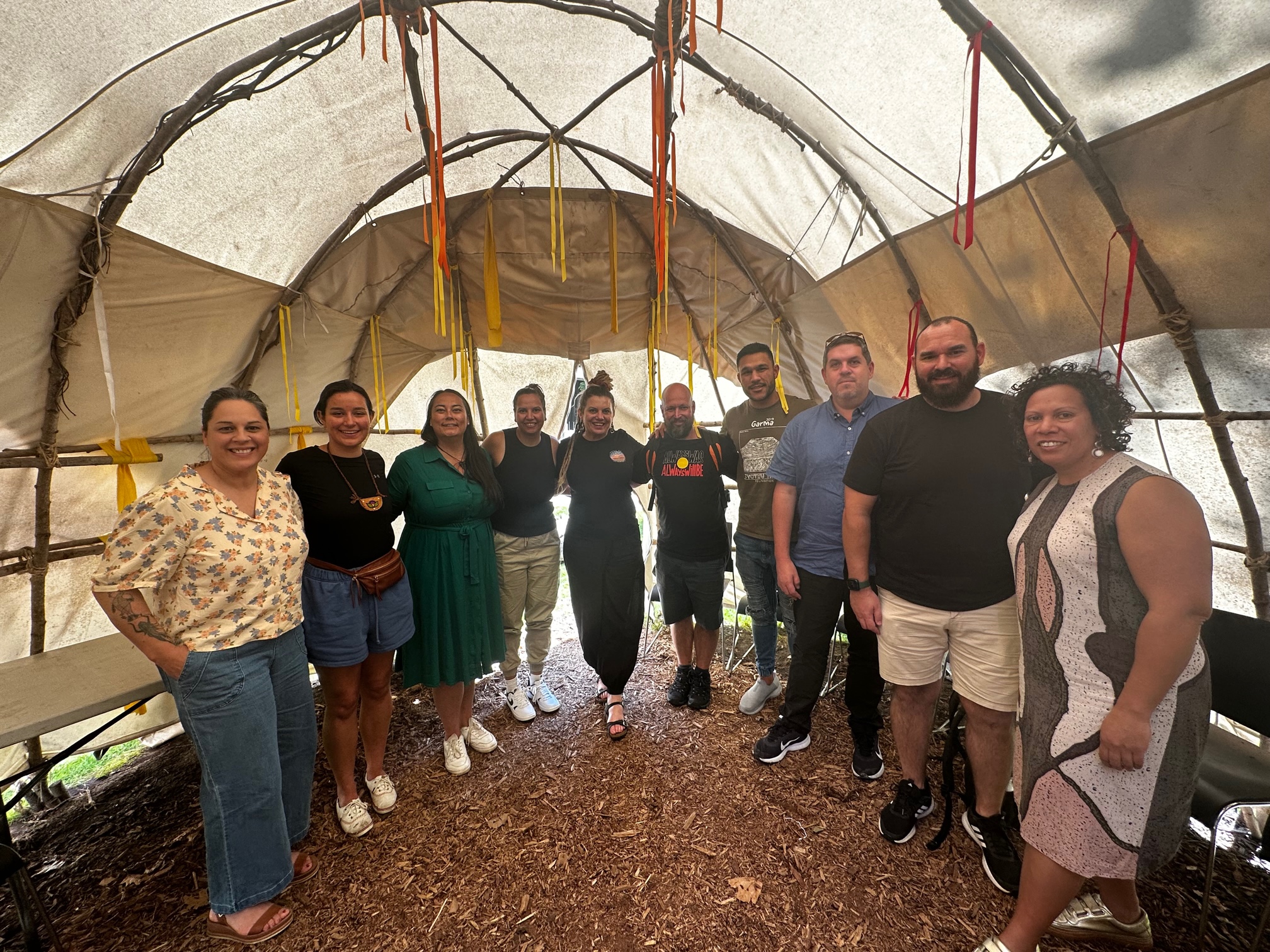
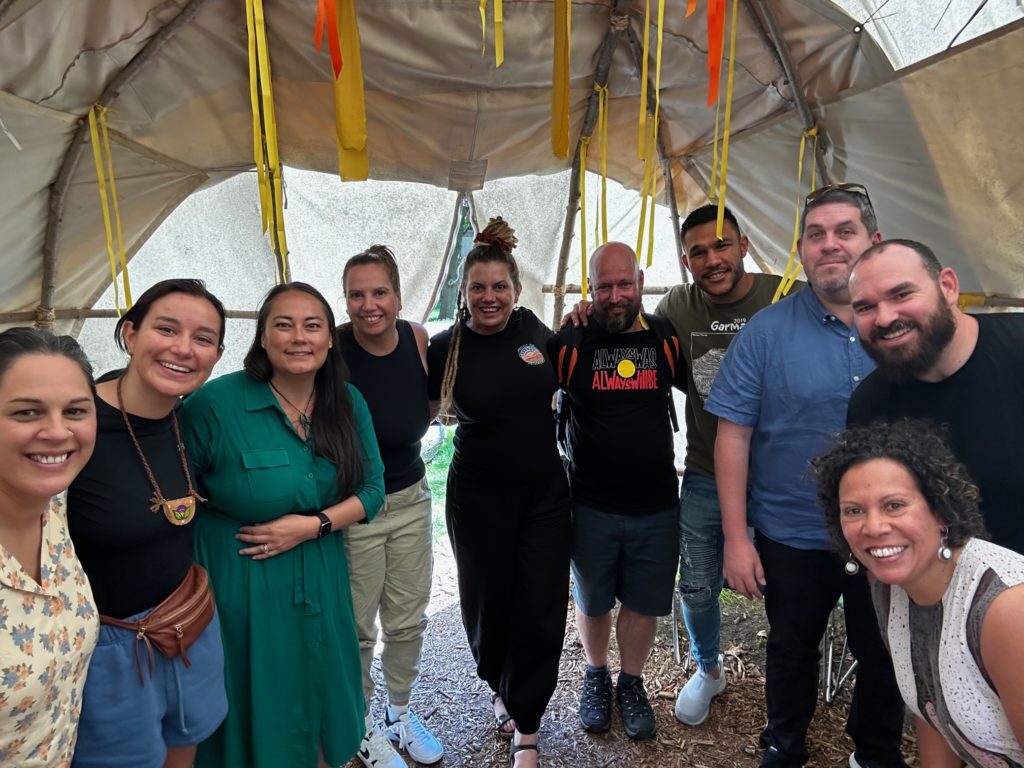
Dr. Miranda Lesperance (pictured 3rd from the left), Vice President, Indigenous Collaboration, Equity and Inclusion, recently had a unique opportunity to connect with Indigenous health leaders from Australia, to speak about advancing health equity and inclusion for Indigenous Peoples in Northwestern Ontario.
The goal of the Melbourne Poche Centre for Indigenous Health is to establish a new generation of Indigenous health leaders and researchers through Indigenous-led programs that build health leadership capital and create academic pathways and career networks in Australia and internationally.
The Leadership Fellows program at the Melbourne Poche Centre for Indigenous Health is designed for Indigenous early career staff with a health focus in academic, policy, clinical, or research roles in academia, government, health delivery, and community sectors. Poche Fellows are a select group of emerging and established Aboriginal and Torres Strati Islander leaders, and are outstanding individuals with incredible knowledge, interests, and skills.
The 2023 Poche Fellows were in Toronto, Ontario learning about Indigenous Health Leadership in Canada, and they invited Dr. Lesperance to speak to them about her role and portfolio at the Thunder Bay Regional Health Sciences Centre (TBRHSC), as well as the unique opportunities and challenges faced when delivering care to Indigenous populations in Northwestern Ontario. Dr. Lesperance also learned more about Indigenous health delivery and leadership in Australia after sitting in ceremony together at the Askaakamigokwewigamig (Mother Earth Learning Lodge) at the University of Toronto.
The Fellows had exceptional positive feedback on the comprehensive work that TBRHSC has undertaken as part of our Strategic Plan 2026, as well as in partnership with Indigenous communities and organizations in Northwestern Ontario. Further connections will be established with other hospitals in Australia to share best practices in improving Indigenous health outcomes in both Canada and Australia, and highlight the work that TBRHSC has done and will continue to do to improve Indigenous health outcomes.
We’ve passed the half way mark! If you are actively commuting, amazing. If you have not yet stepped out of the comfort of your vehicle, there’s still time! Try walking, biking, or public transit.
Every day that you log an active commute, you are eligible to win prizes. There are gift certificates to local businesses, brand-new bike racks for your workplace, and more. So keep logging those active commutes at www.TBayOnTheMove.ca
The Active Commute Challenge:
is a month-long challenge happening this June
encourages you to switch your ride and actively commute to / from work
is a friendly workplace competition – sign up to be a part of the TBRHSC team!
allows you to track your active commutes and see your progress
As part of our commitment to keeping staff engaged and informed on the Strategic Plan 2026, Strategy and Performance is sharing updates in alignment with the identified priorities: Equity, Diversity & Inclusion, Patient Experience, Staff Experience and Research, Innovation, & Learning.