Thunder Bay Regional Health Sciences Centre (TBRHSC) presents “Ask An Expert”, a series where team members from our Bariatric Centre of Excellence answer questions they commonly encounter. For more information on our Regional Bariatric Care Centre, please visit bit.ly/TBRHSC-RBCC. This month’s question is answered by Rae-Anne Robinson, Social Worker, Regional Bariatric Care Centre at TBRHSC.
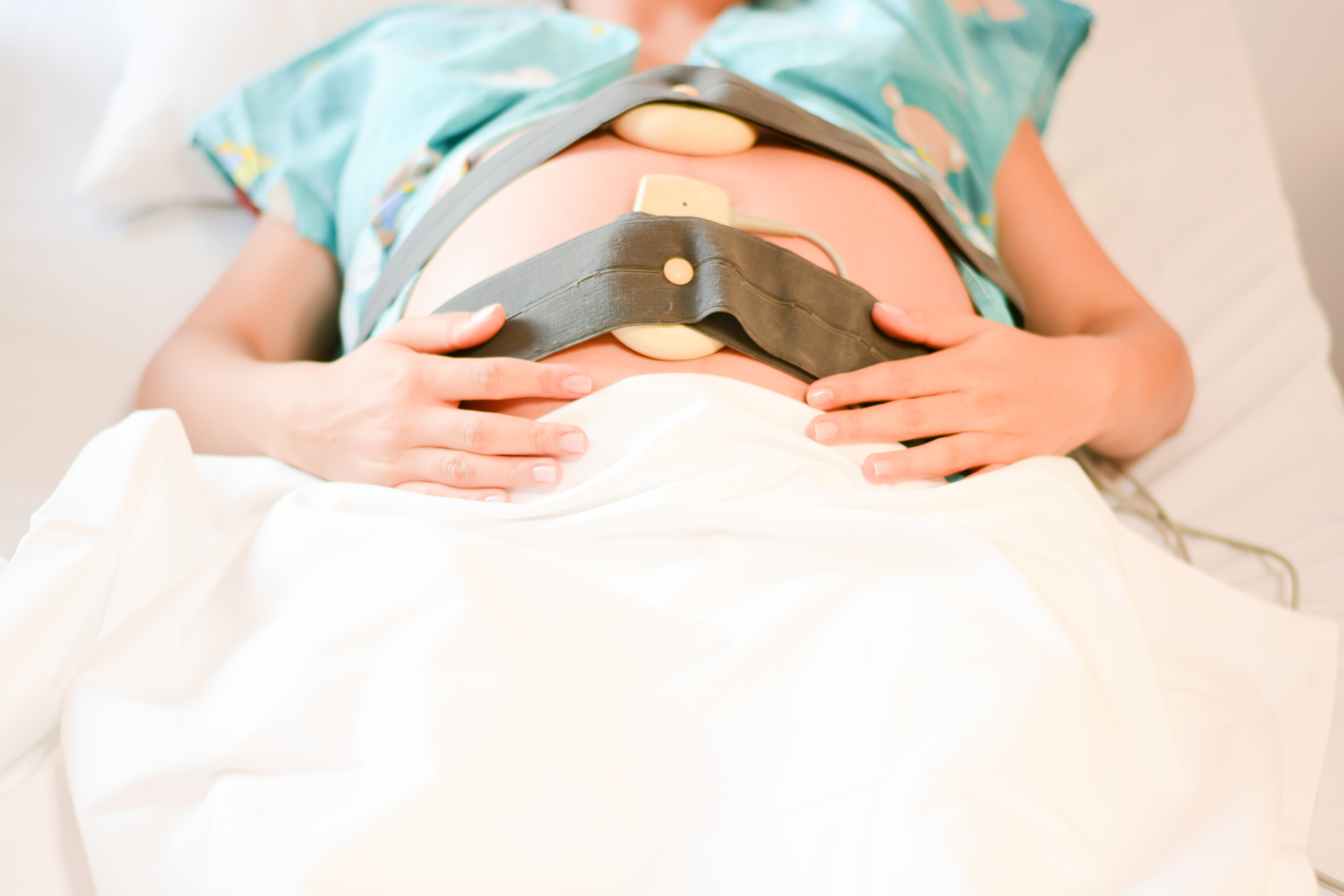
When I have concerns about my health, my weight is always blamed. Will this happen at the bariatric clinic?
No. The clinicians at the Regional Bariatric Care Centre are specially trained in the management of obesity, and provide a safe, supportive environment for their patients to discuss their health and weight-related concerns. When you visit the clinic, you can expect to be treated with dignity and respect.
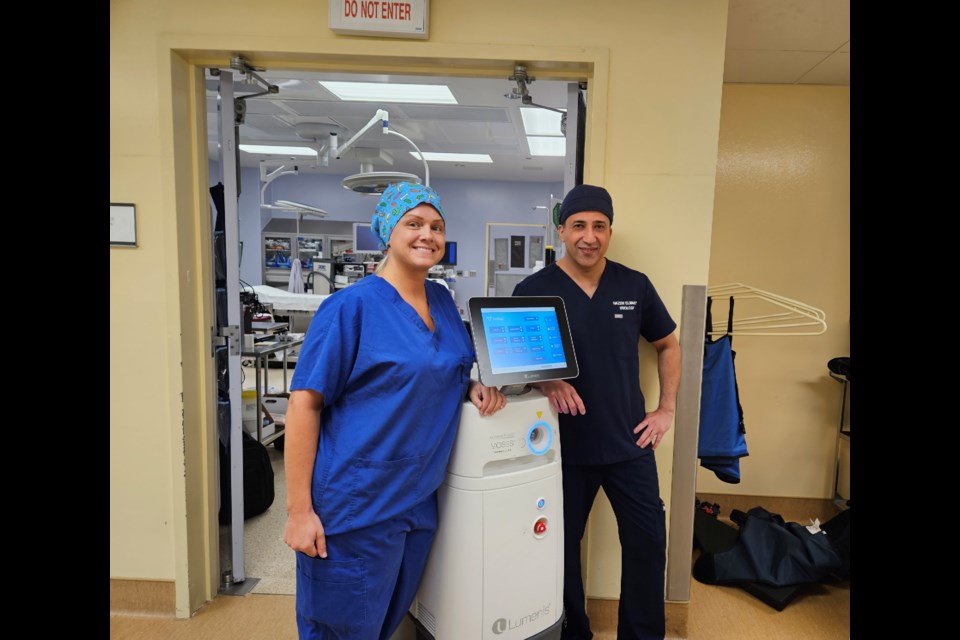
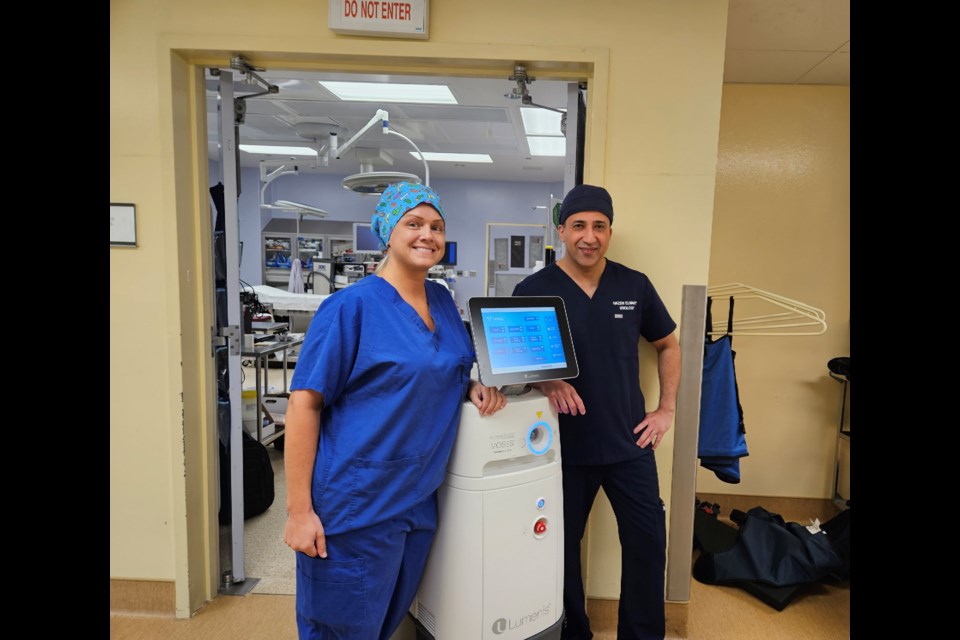
The only one of its kind in Canada is in Thunder Bay. It’s specialized laser machine that is used to target large kidney stones and treat enlarged prostates.
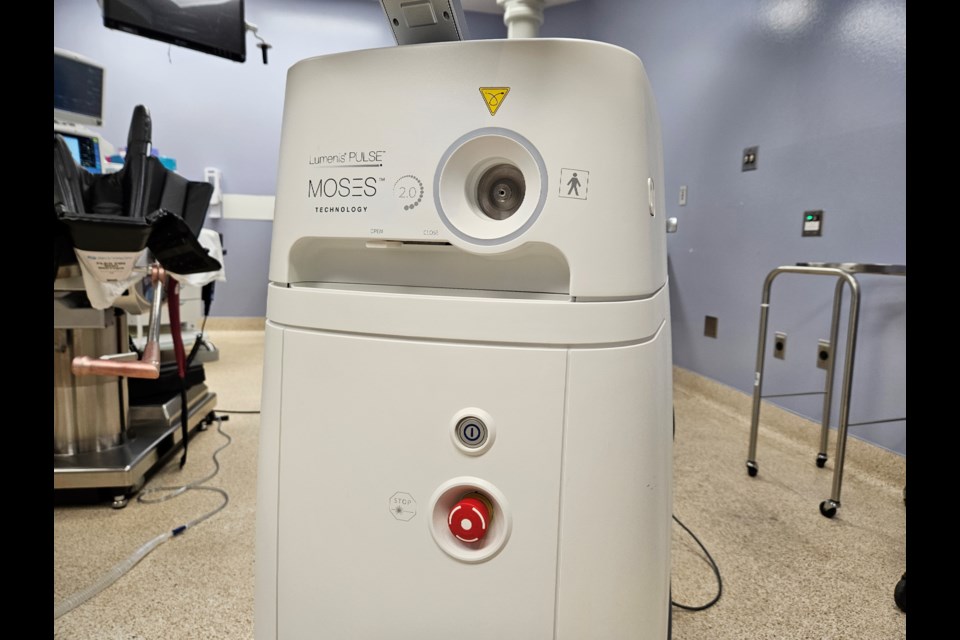
OR Registered Nurse, Jill Skogberg and Dr. Hazam Elmansy with the Moses 2.0 laser.
The forward-thinking and proactive work of a doctor and his team is putting Thunder Bay on the international map when it comes to treating enlarged prostates and kidney stones.
Dr. Hazem Elmansy, a urologist at the Thunder Bay Regional Health Sciences Centre, is the first doctor in Canada to use the cutting-edge technology MOSES 2.0 that treats patients with enlarged prostates and those with very large kidney stones.
At the beginning of June, Elmansy was the first doctor “to perform holmium laser enucleation of the prostate (HoLEP) using MOSES 2.0,” according to a release from the hospital. This type of laser technology is at the forefront of urological laser technology.
“[Patients have] felt it’s life-changing; they’ll be able to go home the same day with no catheter,” said Elmansy, adding that by using this specific machine, there is no re-treatment for those with enlarged prostates compared to using the first version of the device.
While those are the main uses for the Moses 2.0, it can also be used for “small stones, small prostates, scars in the urethra scars and the ureter bladder tumours as well, which is a new era,” says Elmansy.
He also noted that the machine’s technology allows him to get the work done faster, meaning patients spend less time with anaesthesia, and patients taking blood thinners won’t have to go off their medication to get the procedure done. There is also faster recovery time associated with using the Moses 2.0.
Registered nurse Jill Skogberg has been working with Elmansy for the past six years, but she’s been in operating rooms for almost 20. She notes that it’s a whole new ball game with this laser.
“With the new technology and our new surgeons, we’re at the forefront. We’re leading the way,” she said.
“All these things have cascading effects, [patients] not having to go on and off medications again and again and again and less anaesthetics.”
With all of the benefits to patients, the hospital also sees improved patient care, lower surgery-per-patient costs and shorter wait times for those seeking treatment.
Patients are travelling from all across the province and Canada to use the latest version of the laser.
Elmansy plans to attend three conferences in the coming months to talk about his special techniques in using Moses 2.0, including at a conference in Israel where he will be discussing his work in Thunder Bay.
It was the doctor’s forward thinking that brought the upgraded tech to the city. While following the developments of the machine and its software, Elmansy had the opportunity to speak to the hospital’s foundation team about upgrading. He even asked the hospital to install the specialty wall outlet two years before the machine even came to the centre.
The hospital was able to acquire the machine through fundraising efforts of the hospital’s foundation. This machine cost about $275,000.
“I would like to thank every donor. Their generous contribution allows us to incorporate cutting-edge technology to our urology practice and improve patient care in northwestern Ontario,” said Elmansy.
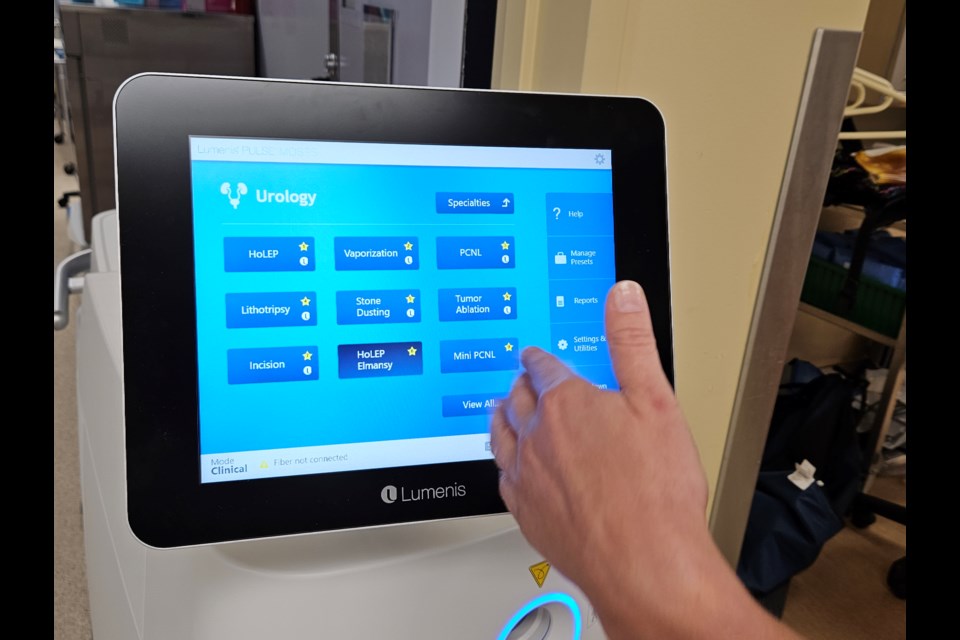
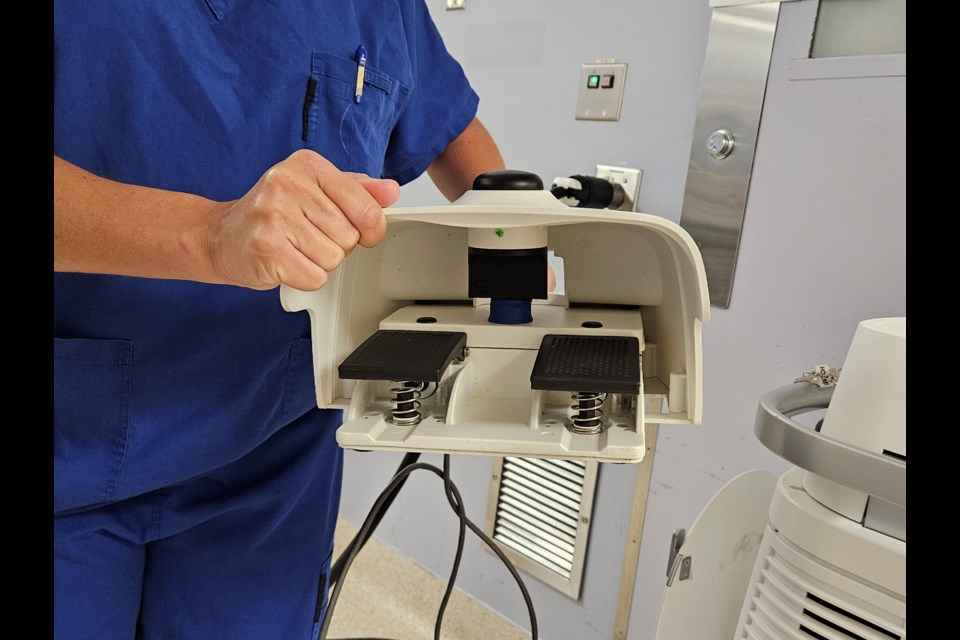
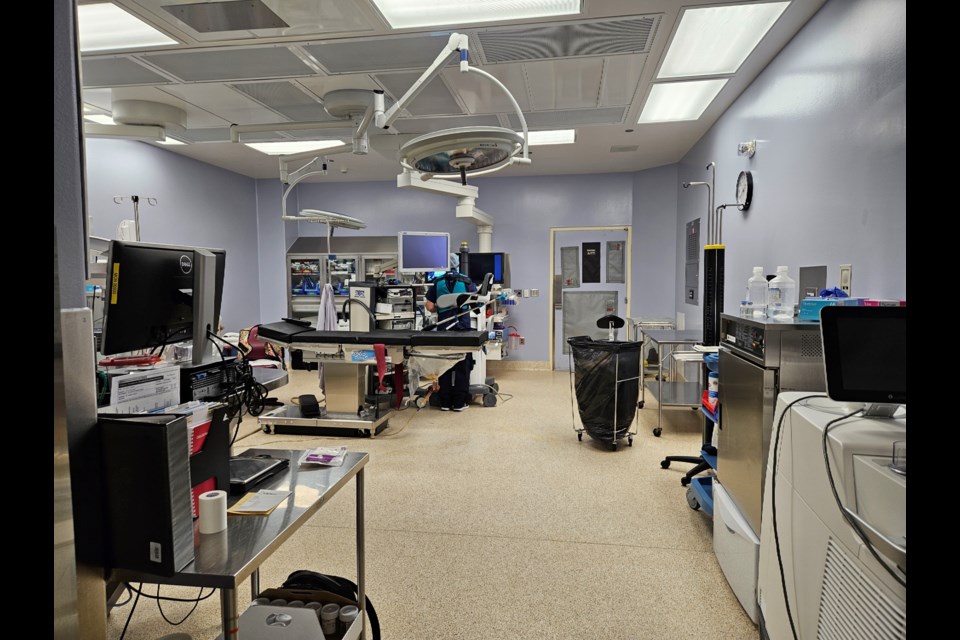
User interface of the Moses 2.0.Foot pedals for doctors to use the specialized laser equipment.The Moses 2.0 laser unit.Operating Room 8 is the only OR at TBRHSC outfitted to accommodate the Moses 2.0 laser.
Shared on behalf of Rose Lazinski, Manager, Occupational Health and Safety
The Occupational Health and Safety (OHS) department is pleased to be offering the Pfizer bivalent vaccine to all TBRHSC staff by appointment only.
The COVID-19 vaccine clinic will be held every Friday starting October 6, 2023 through to December 15, 2023. Hours of operation are 0800-1600hrs (8:00 a.m.-4:00 p.m.). Appointments can be booked by calling the OHS department at 684-6212.
To be eligible for the vaccine, you must be a health care worker, 18 years of age and a minimum of 6 months (168 days) since your last COVID-19 vaccine dose or confirmed COVID-19 infection. A confirmed COVID-19 infection is one that has been confirmed by molecular (i.e. PCR) or a rapid antigen test, or where you experienced symptoms after contact with a household member who had a positive test.
Staff must bring a piece of government issued identification in order to obtain the vaccine. Your health card or driver’s license is acceptable.
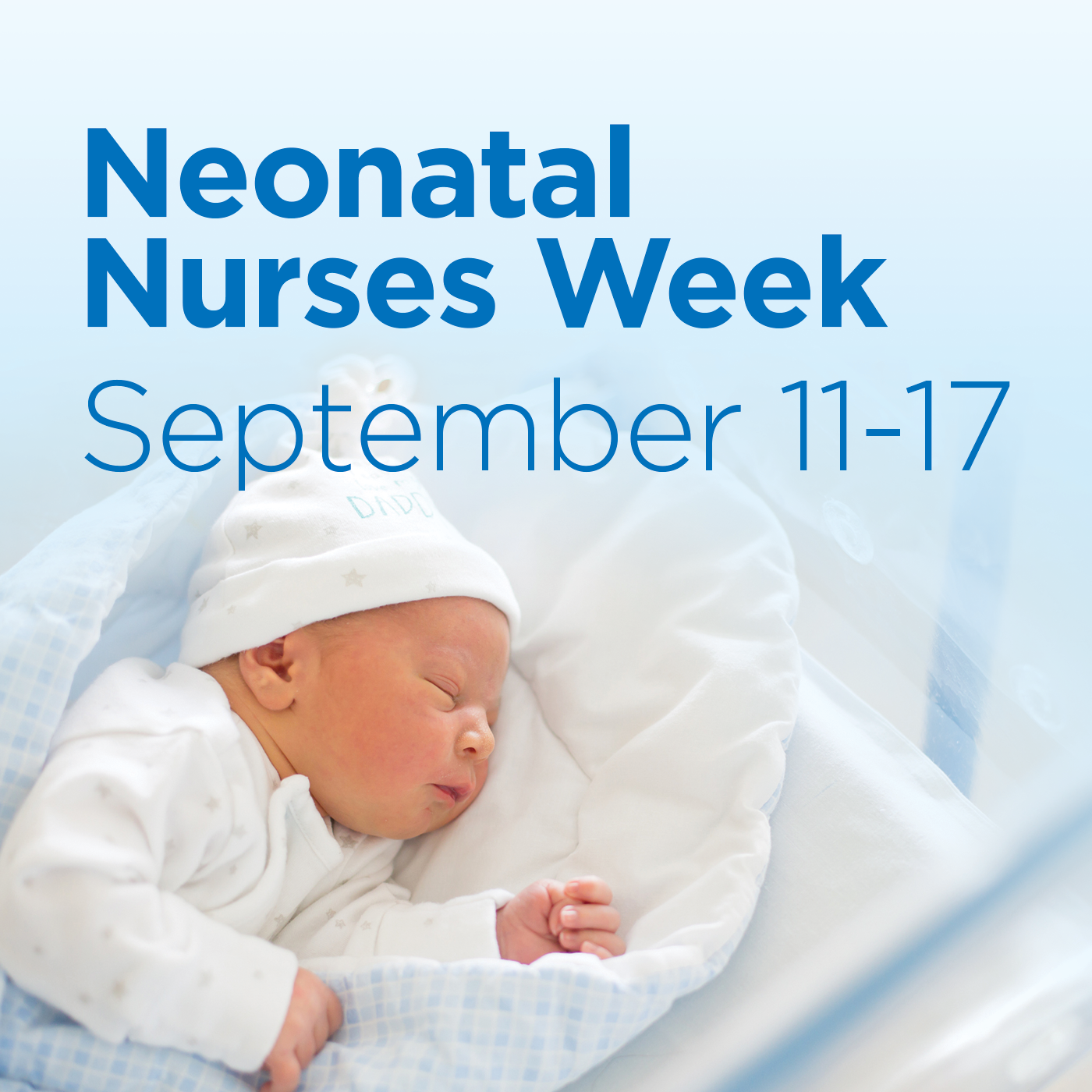
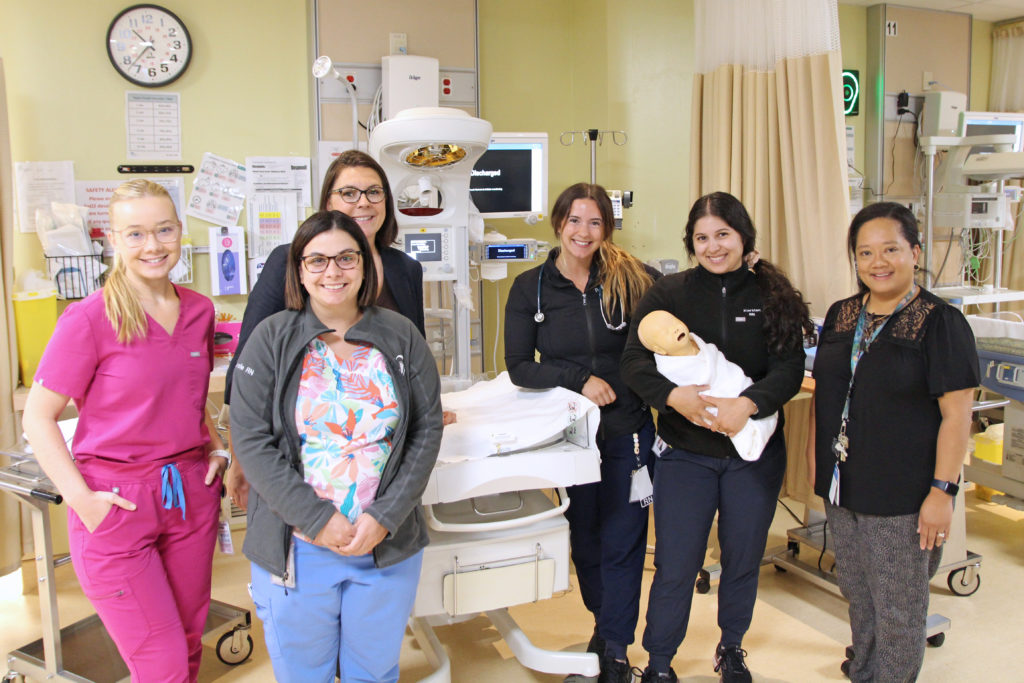
Neonatal Nurses Week (September 11-17) provides an opportunity to celebrate the hard work and dedication of neonatal nurses. The contributions of these health care heroes to the tiniest patients make a difference that lasts a lifetime for neonates and their families.
Pictured above (L-R): NICU nurses Kiersten Ek, Michelle Lauzon, Marta Nesti, Brianne Belanger, Giulia Pilato and Manager Jennifer Somera
Please join us in thanking our NICU nurses for their tremendous contributions to patient and family centred care.
Shared on behalf of Dr. Chris Mushquash, Vice President, Research and Chief Scientist and Dr. Miranda Lesperance, Vice President, Indigenous Collaboration, Equity & Inclusion
We are pleased to announce Madeline Reinikka as our new interim full time Executive Assistant, effective September 11, 2023 and ending March 31, 2025.
Madeline holds an Honours Bachelor of Arts degree in Indigenous Learning from Lakehead University and a postgraduate diploma in Human Resources, both of which she pursued because of her passion for Human Rights and Equity. She has a Black Belt in Lean Six Sigma, certification in Organizational Leadership, and is currently pursuing a Masters in Educational Leadership.
Madeline is joining us from Human Resources, where she has held various roles over the past five years. Most recently, she was an Employee Engagement Consultant, contributing to the Organizational Development portfolio and working on corporate initiatives related to the staff experience.
Outside of her formal roles and education, Madeline is very committed to volunteer work. At the Hospital, she sits on the Ethics Committee and Co-Chairs the Staff Advisory Committee. In the community, she is the Vice Chair of the Friends of the Thunder Bay Conservatory.
As the Interim Executive Assistant, Madeline will report to the VP, Indigenous Collaboration, Equity & Inclusion and VP, Research. She will support the work in both portfolios.
Madeline is located on Level 3 – Administration, directly between Office 3037 and Room 3032. She can also be reached via email madeline.reinikka@tbh.net and by phone at 684-7223.
Please join us in welcoming Madeline Reinikka to her new role