Shared on behalf of Ryan Sears, Director, Capital and Facility Services
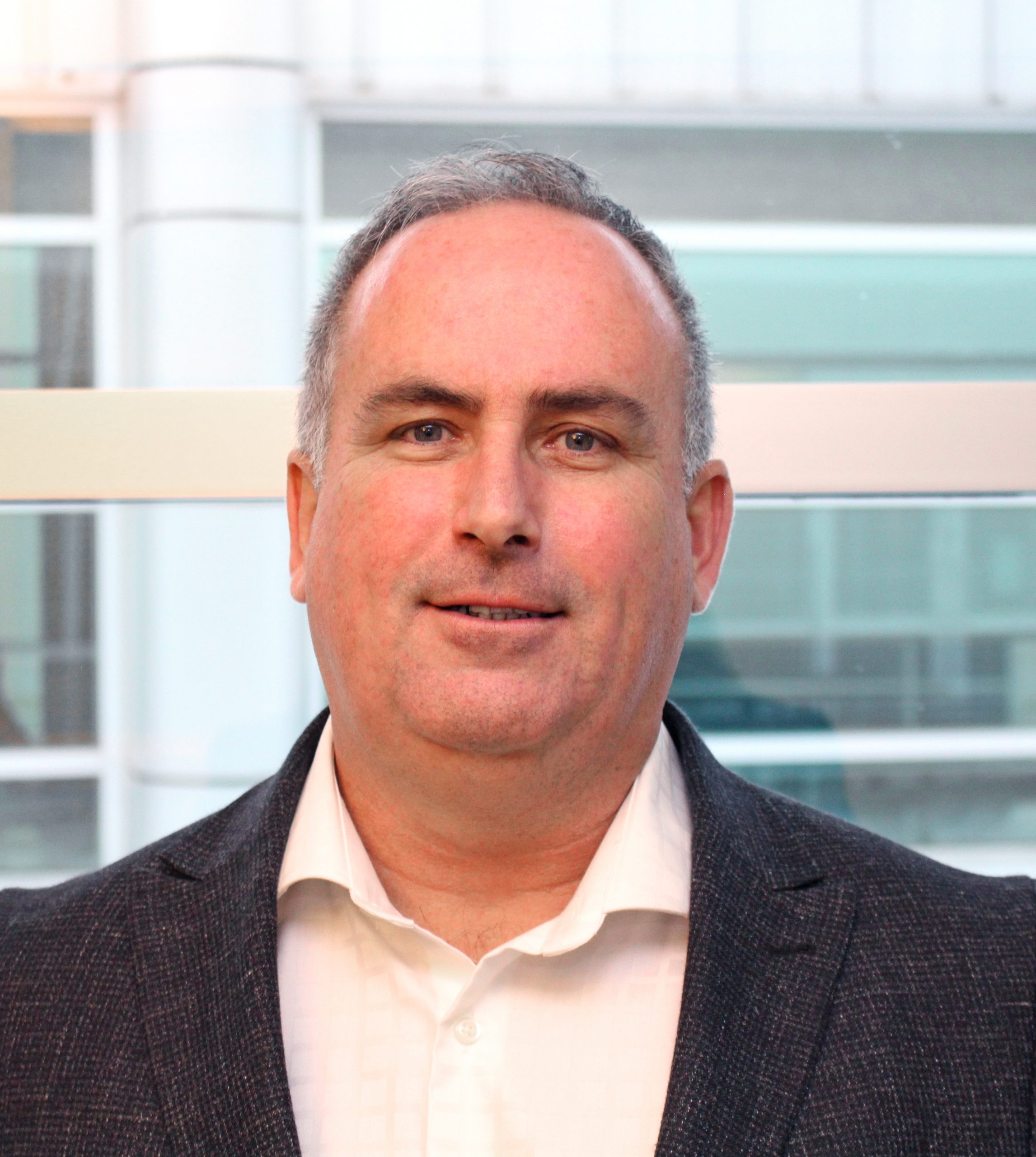
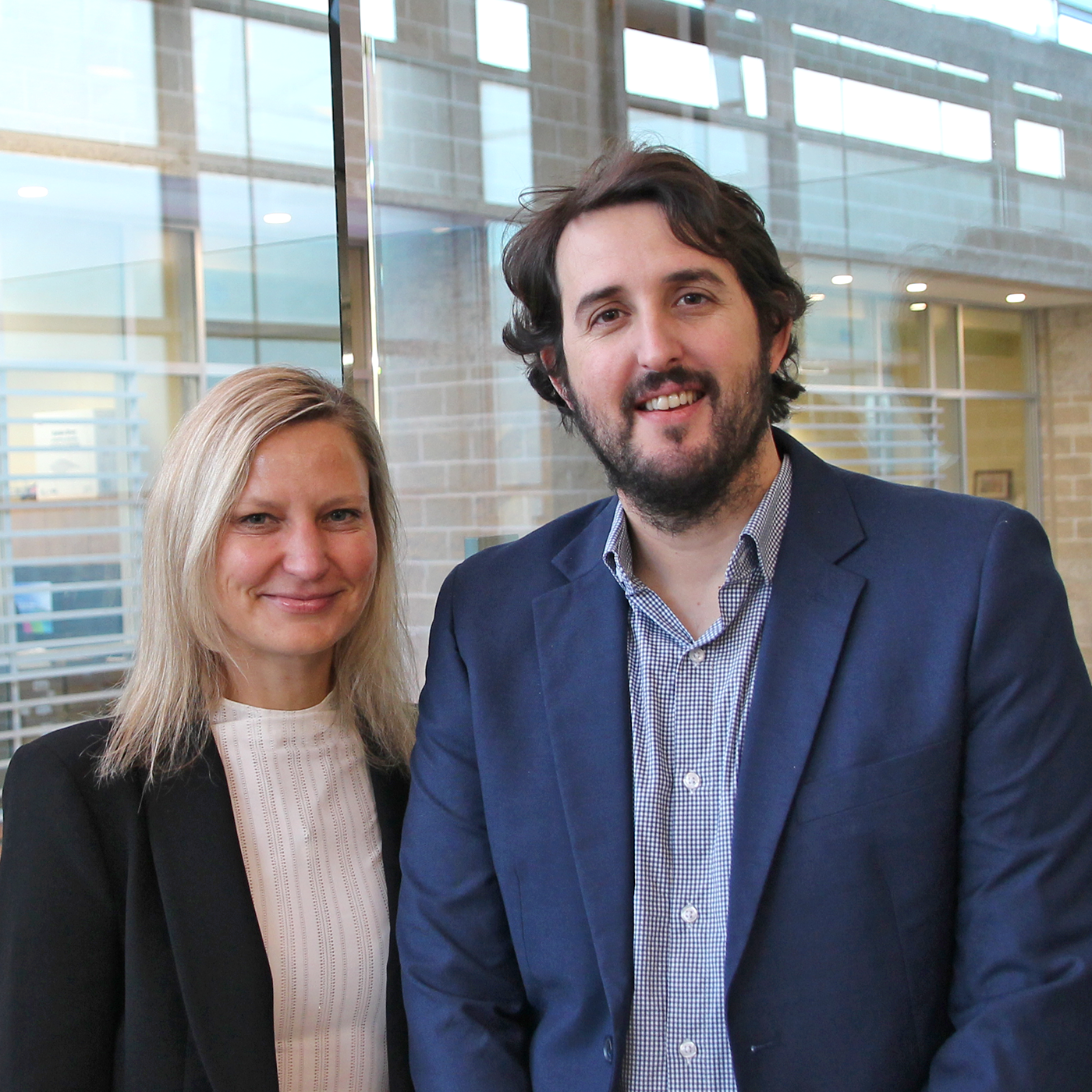
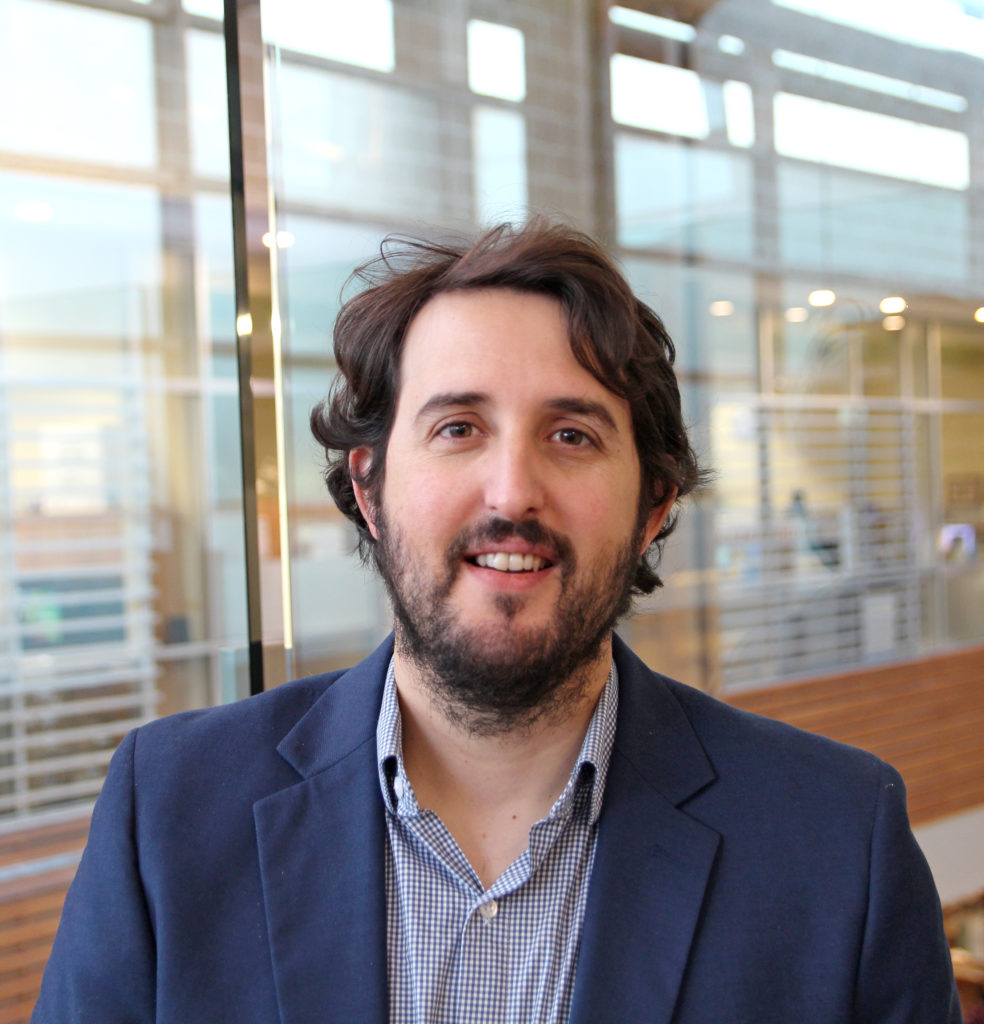
I am pleased to announce the appointment of Casey Ladouceur as the Manager, Capital & Program Development effective December 18, 2023.
Reporting to myself, Casey will be responsible for overseeing the operation of the Capital & Program Development department.
Casey is a licensed Professional Engineer and holds a Masters of Business Administration degree. Casey brings to the department great knowledge and leadership with 14 years of expertise in organizing business operations, contract management, financial oversight, resource management, and project operations. Prior to joining Thunder Bay Regional Health Sciences Centre, Casey worked at ERCO Worldwide as the Safety, Environmental, and Technical Manager and at True Grit Consulting Limited as an Air/Noise Specialist. Casey’s focus on team coordination, communication, collaboration, and problem solving will be an asset to our team.
I’d also like to extend my gratitude and thank Darin Pretto for stepping up to support the department by providing coverage for this role during the interim period. His dedication to patient and family centered care and commitment to the hospital ensured smooth operation for the team. We are sincerely thankful for your efforts. Darin will return to the Maintenance department where he will continue to support TBRHSC.
Please join me in welcoming Casey to the TBRHSC team and thanking Darin!
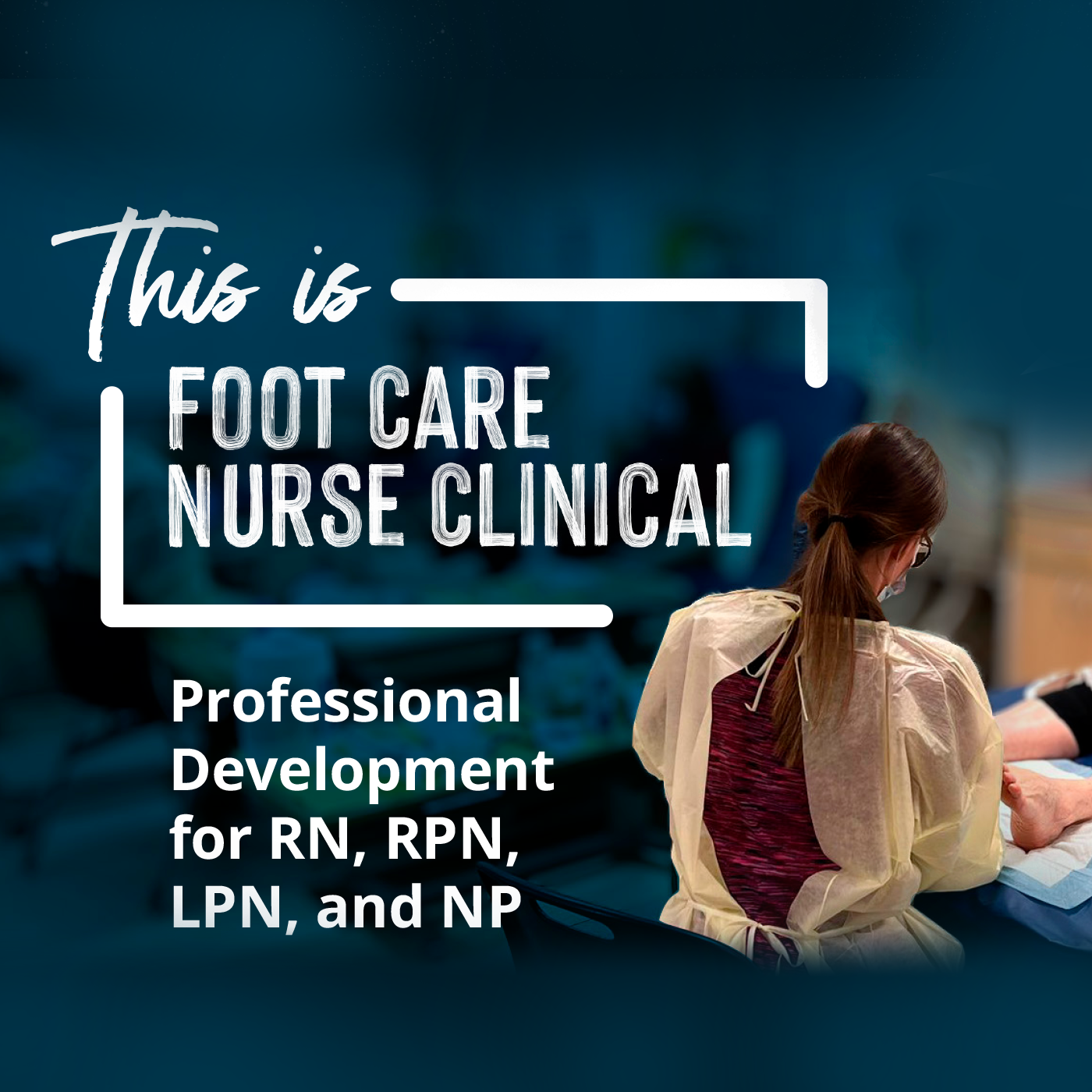
Confederation College’s Continuing Education Department is running a foot care course for nurses looking to gain additional certification. This course uses the Canadian Association of Foot Care Nurses’ National Competencies for Advanced Nursing Foot Care in Canada as Clinical Performance Standards and is led by a Foot Care Nurse Educator.
It has been brought to our attention that some of our customers have received a second billing for pervious purchases with us.
After investigating this with our debit company Chase Payment Tech, it was found that Chase in error had pulled the payment once in Canada then again in the US.
Chase has process refunds on all transactions that were duplicated to all Visa and Mastercard customers which should be received within the next 48hrs.
Please be advised that in no way are our units compromised and that we take all precautions to ensure we protect our customers and their information while purchasing with us.
The Maternity Centre at Thunder Bay Regional Health Sciences Centre (TBRHSC) provides prenatal care for the residents of Thunder Bay and surrounding region. Our team is committed to providing evidence-based maternity care that is safe, respectful and culturally sensitive.
No referrals are necessary to access care at the Maternity Centre.
During pregnancy, you are welcome to call the Maternity Centre to schedule an appointment with one of our prenatal care providers. All of our programs are accessible with your Ontario health card.
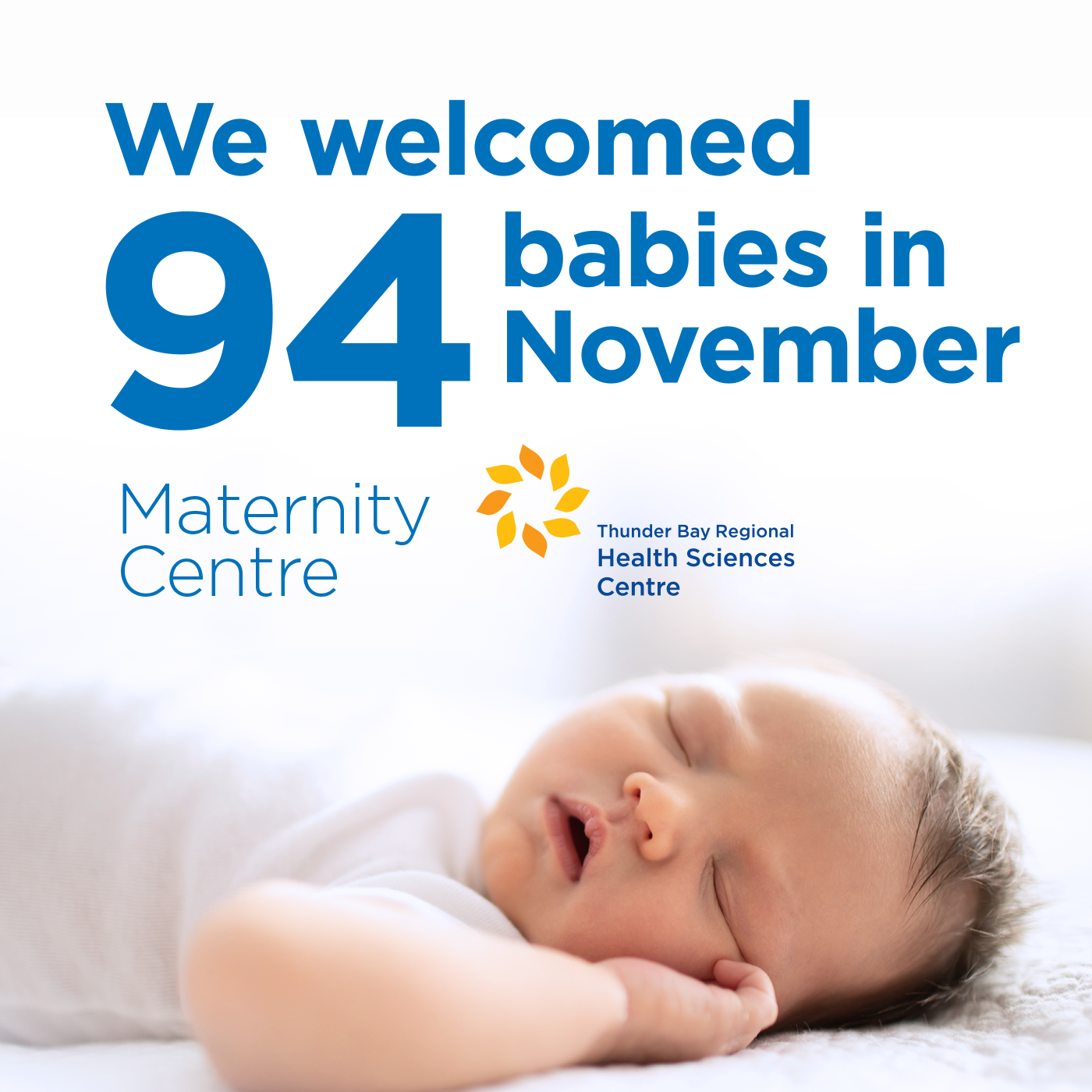
This week’s Maternity Centre Monday post welcomes the 94 babies born at TBRHSC during the month of November. Congratulations on the new bundles of joy!
Shared on behalf of Infection Prevention and Control
Please be advised that the COVID-19 outbreak has been declared over on 2A at Thunder Bay Regional Health Sciences Center as of Friday, December 8, 2023. All restrictions have been lifted.
Please share this information with the appropriate staff.
For more information, contact Infection Prevention and Control at 807-684-6094.
Chair, Board of Directors, Thunder Bay Regional Health Sciences Centre
With my final Board Chair report of 2023, I would like to take a moment to address our hardworking, dedicated staff and volunteers. Not only have they continued to provide safe, quality care to the patients, they have consistently demonstrated our core tenets of Patient and Family Centred Care (PFCC). And for all this and more, on behalf of the Board, I would like to offer a heartfelt thank you.
This fall we celebrated 14 years of PFCC, marked by the Sharing and Caring Together Event. The event highlighted our commitment to continuously evolving with respect to providing exceptional care to the people of Northwestern Ontario. Recent successes shared included the Paediatric cinema goggles used to help support children undergoing an MRI; the new Eat, Sleep Console which offers a more family centred approach to the evaluation and treatment for infants born to parents who struggle with substance use; and the introduction of personal support workers improving PFCC on surgical floors. These are exciting times, indeed.
This year, submissions for the Thunder Bay Regional Health Sciences Foundation’s Family CARE Grants coincided with the Sharing and Caring Together events. With the support of community donors, these grants empower staff to implement their ideas for improving the care experience for patients and families. One submission illustrated how renal patients can be better supported through a new weight-based movement program to help during their dialysis. Innovative approaches generated by those providing the care truly make a difference in a patient’s experience while in our Hospital. All submissions are truly impressive and will allow our physicians, staff and volunteers to better respond to the needs, values and preferences of our patients and their families. For this initiative, the 50/50 draws, and so much more, I would like to thank the generous donors and the team at the Health Sciences Foundation for their vital support.
Another essential group that I would like to acknowledge is our volunteers. International Volunteer Day is December 5, a day to celebrate and highlight the positive impact of volunteers in all areas of society. At our Hospital, volunteers lend their time and skills to support patients and families, and improve the way we work and provide care across the organization. A heartfelt ‘thank you’ goes out to our dedicated volunteers, and the staff and managers that make our volunteer programs a reality and further our Patient Experience strategic priority.
Teamwork is always evident in our Hospital and I would like to highlight some recent examples where we have excelled. The goal of providing comprehensive cardiovascular care closer to home continues to accelerate through the stages of development as project teams and partners unify their efforts with our Cardiovascular Surgery Project. Once completed, we will be able to provide the highest standard of care to all cardiovascular patients, whether requiring routine or complex interventions. Another example is the recently awarded innovation of our Stroke Program in receiving the 2023 RBC Innovation Hero of the Year award for their work with other organizational partners to use technology for more timely coordinated care. The Northwestern Navigate App was recognized as an innovative geo-mapping system that promotes evidence-based decision making to ensure patients receive faster stroke care. One other area I would like to note is our Hospital’s approach for enabling more life-saving opportunities through organ and tissue donation. The Clinical Team was honoured with the Provincial Eligible Approach Rate Award, through Ontario Health Trillium Gift of Life Network. For the first time ever our Hospital reached an eligible approach rate of 97 per cent for having organ and tissue donation discussions with eligible patients and families, impressively over the 90% provincial target.
It’s also worth highlighting that last month was Treaties Recognition Week (November 5-11); an important step towards healing and reconciliation with Indigenous Peoples. We recognize the importance of relationships with Indigenous and non-Indigenous organizations as we work towards an improved care experience in providing better health outcomes for Indigenous Peoples in our communities.
As I wrap up this month’s report, please allow me to wish you a safe and happy holiday season for all of you and your families. Know that your efforts here at TBRHSC are making a difference for the people we serve.
On behalf of the Board of Directors, I trust the 2024 year ahead will be one filled with joy and good health.
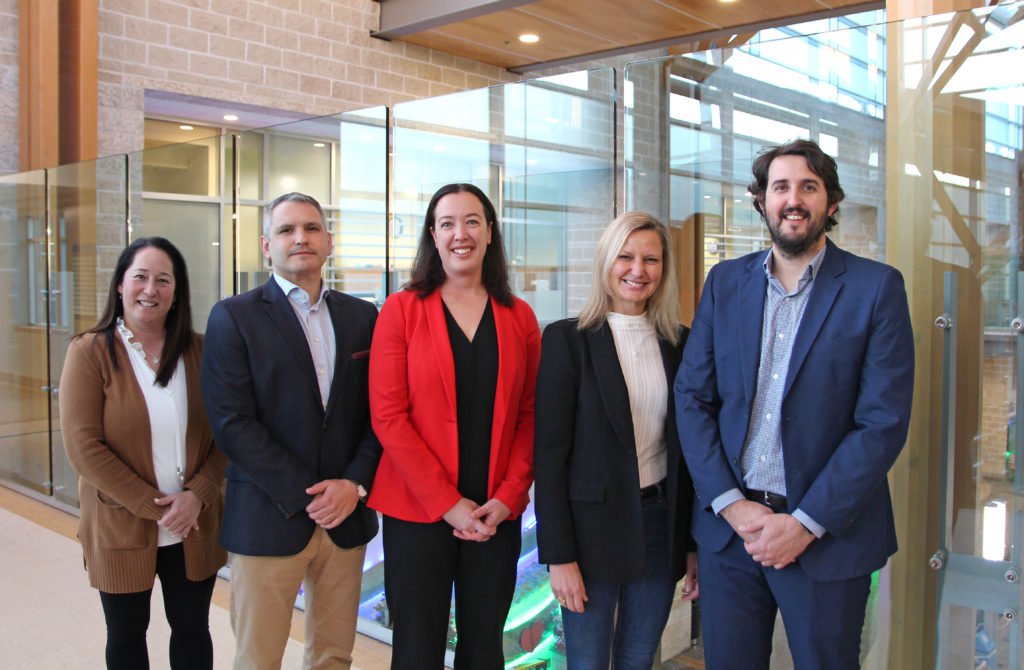
Left to right: Dr. Sheri Roberston, DC, Lead, Spine Program; Dr. Travis Marion, Orthopaedic Surgeon, Medical Lead Spine Surgery; Dr. Tina LeFrancois, Orthopaedic Surgeon and Chief of Surgery; Dr. Laura Lohkamp, Neurosurgeon; Dr. Martin Gagliardi, Neurosurgeon.
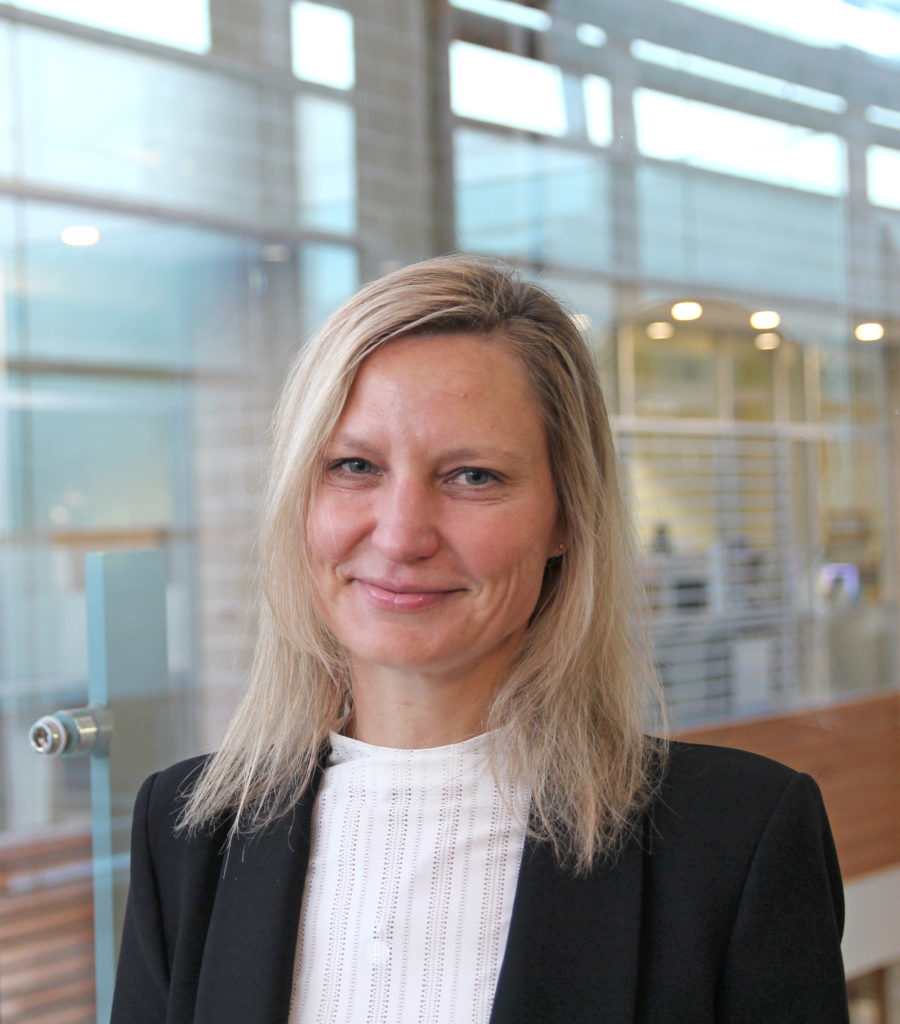
We are pleased to welcome two new surgeons to Thunder Bay Regional Health Sciences Centre (TBRHSC). Dr. Martin Gagliardi, neurosurgeon, most recently worked at the University of Calgary Combined Spine Fellowship Program, and Dr. Laura Lohkamp, neurosurgeon, is joining from SickKids hospital in Toronto. For more information, brief biographies of Dr. Gagliardi and Dr. Lohkamp are appended.
All spine surgery referrals for Dr. Martin Gagliardi, Dr. Iftikharul Haq, Dr. Laura Lohkamp, Dr. Graeme Marchuk, Dr. Travis Marion, Dr. Stephen McCluskey and Dr. David Puskas must be directed to Surgical Central Intake.
Reminder of Referral Process for Primary Care Providers
Upon receipt of a spine program referral, Surgical Central Intake will route the referral to the best fit next available surgeon based on the diagnosis category. Primary care providers and patients may continue to request a preferred surgeon.
Please note: Patients who have had spine surgery will be sent back to the surgeon who performed the initial / latest surgery. The referral process for the Low Back Rapid Access Clinic (LB-RAC – formerly ISAEC) remains unchanged. Please continue to use the LB-RAC referral form. You should not experience any disruption to your current referral process.
To Refer to Spine Program Rapid Access Clinic
Fax all spine and ISAEC referrals to 1-844-497-2445 (toll free).
For any telephone inquiries, please call us at 807-684-6965 or toll free at 1-833-706-9417.
Please use the attached referral form for spine surgery referrals. We are also live with OCEAN e-Referral.
Faxes sent directly to a surgeon office will be returned to the requestor accompanied by a sheet with instructors on how to refer to the Spine Program Rapid Access Clinic. Please try to provide as much relevant information in the referral as possible. If basic information required for proper triage is not complete, the referral will be returned with a face sheet identifying the missing components.
A complete referral will support triage and timely management of your patients. By-passing Surgical Central Intake results in costly waste of limited resources including duplicate imaging and duplicate consults.
Welcome Dr. Martin Gagliardi
Dr. Martin Gagliardi, MD, completed his undergraduate education and neurosurgical training at the University of Buenos Aires in Argentina. Dr. Gagliardi worked as a dedicated spine surgeon in partnership with Department of Orthopaedics, Spanish Hospital of Mendoza, in Argentina, from 2018 to 2021.
Dr. Gagliardi continued to pursue additional subspecialized combined spine surgical training in Canada. He practiced at St. Michael’s Hospital, completing his Complex Spine Surgery Fellowship at the University of Toronto between 2021 and 2022 and subsequently joined the University of Calgary Combined Spine Fellowship Program in 2022-2023 before moving to Thunder Bay with his family.
Dr. Gagliardi has been actively involved in medical education, training of residents and medical students throughout his career and was a member of the Anatomy, Physiology, and Neurosurgery Departments at the University of Buenos Aires. His primary research interests focus on the study of spinopelvic alignment and the implementation of minimally invasive techniques for the management of spine pathology.
On behalf of the Spine Program at TBRHSC, we are excited to work with Dr, Gagliardi and look forward to advancing our initiatives to provide evidence based care to patients of Northwestern Ontario.
Welcome Dr. Laura Lohkamp
Originally from Munich, Germany, Dr. Lohkamp completed her Doctor of Medicine (M.D.) at the Medical University of Innsbruck, Austria and her neurosurgical residency at the Charité-University in Berlin, Germany. She completed paediatric neurosurgery fellowship training in Lyon, France and at the Hospital for Sick Children, University of Toronto. Having her focus set on paediatric and adult spine surgery, she completed additional fellowship training within the Orthopaedic Spine department at SickKids and a combined Complex Spine Fellowship at Toronto Western Hospital, University of Toronto. She is an active member in several medical societies including the AO Spine North America, International Society for Pediatric Neurosurgery, European Society for Pediatric Neurosurgery, as well as the Craniovertebral Junction and Spine Society.
Dr. Lohkamp completed two Master degree programs in “Neurosurgery of the Craniovertebral Junction” at the Catholic University of Rome, Italy and “Principles and Practice of Clinical Research” at the Harvard T.H. Chan School of Public Health in Boston, USA, respectively. Her doctoral thesis focused on mechanisms of ischemia and reperfusion injury in kidney transplantation (CharitéUniversity, Berlin). In addition to her international education, she completed multiple observerships as a visiting consultant abroad for further sub-specialisation in specific paediatric and spinal neurosurgical disorders, including pathologies of the craniovertebral junction.
Her academic activity is based on a strong research background with publication of more than 40 peer reviewed articles, 4 book chapters, and numerous international presentations. Dr Lohkamp currently serves as a reviewer for the medical journals Spine, Cancers, and Journal of Clinical Medicine as well as an Editor for Journal of Neurosurgery, and Frontiers in Surgery.
One behalf of the Department of Surgery at TBRHSC, we are excited to be working with Dr. Lohkamp to advance the neurosurgical care of patients in Northwestern Ontario.
Shared on behalf of Infection Prevention and Control
Please be advised that the COVID outbreak has been declared over at Thunder Bay Regional Health Sciences Center 1A medical unit as of Thursday December 07, 2023. All restrictions have been lifted.
Please share this information with the appropriate staff.
For more information, contact Infection Prevention and Control at 807-684-6094.