Professional Staff Calendar – January 2024

The Office of the Auditor General of Ontario has released their 2023 Annual Report. The Annual Report, required by the Auditor General Act, includes value-for-money audits of Ontario public-sector and broader-public-sector programs, and our observations on the attest audits of the Public Accounts. It also includes reports and reviews required under other legislation or undertaken at the Auditor General’s discretion.
All of the audits, and their individual summaries can be viewed under each section here. As mentioned in the December 2023 Town Hall, here the link for the Value-For-Money Audit: Hospitals in Northern Ontario: Delivery of Timely and Patient-Centred Care (2023).

Congratulations and great work to all of the nurses and new hires who participated this year!
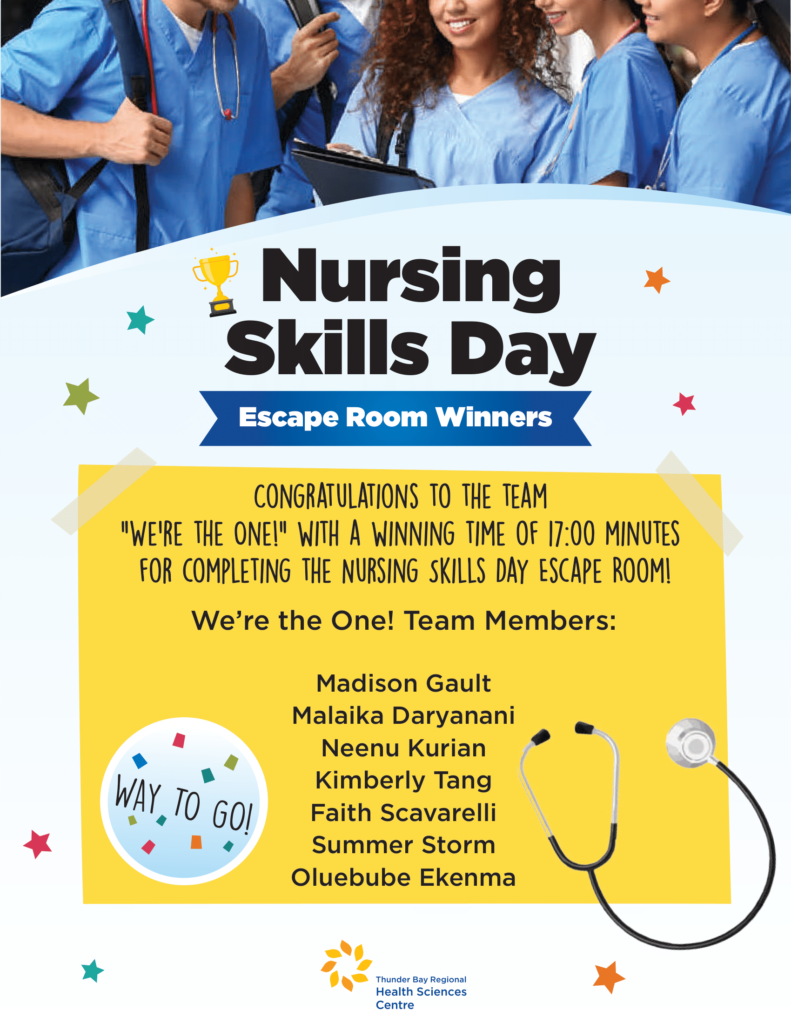
The fourth annual Nursing Skills Days was held by the Clinical Nurse Specialist group at Thunder Bay Regional Health Sciences Centre during the months of September, October and November.
Nursing Skills Days are education days provided to new graduate nurses and new hires to our Hospital from the medical/surgical and Emergency departments. The nurses and new hires participated in various simulations and education sessions to review pertinent nursing skills that enhance their knowledge, skills and judgment as new nurses and new employees to the organization. To cap things off, an Escape Room activity was held where participants had to critically think their way out of. The team with the fastest escape time of 17 minutes was team “We’re the One!”.
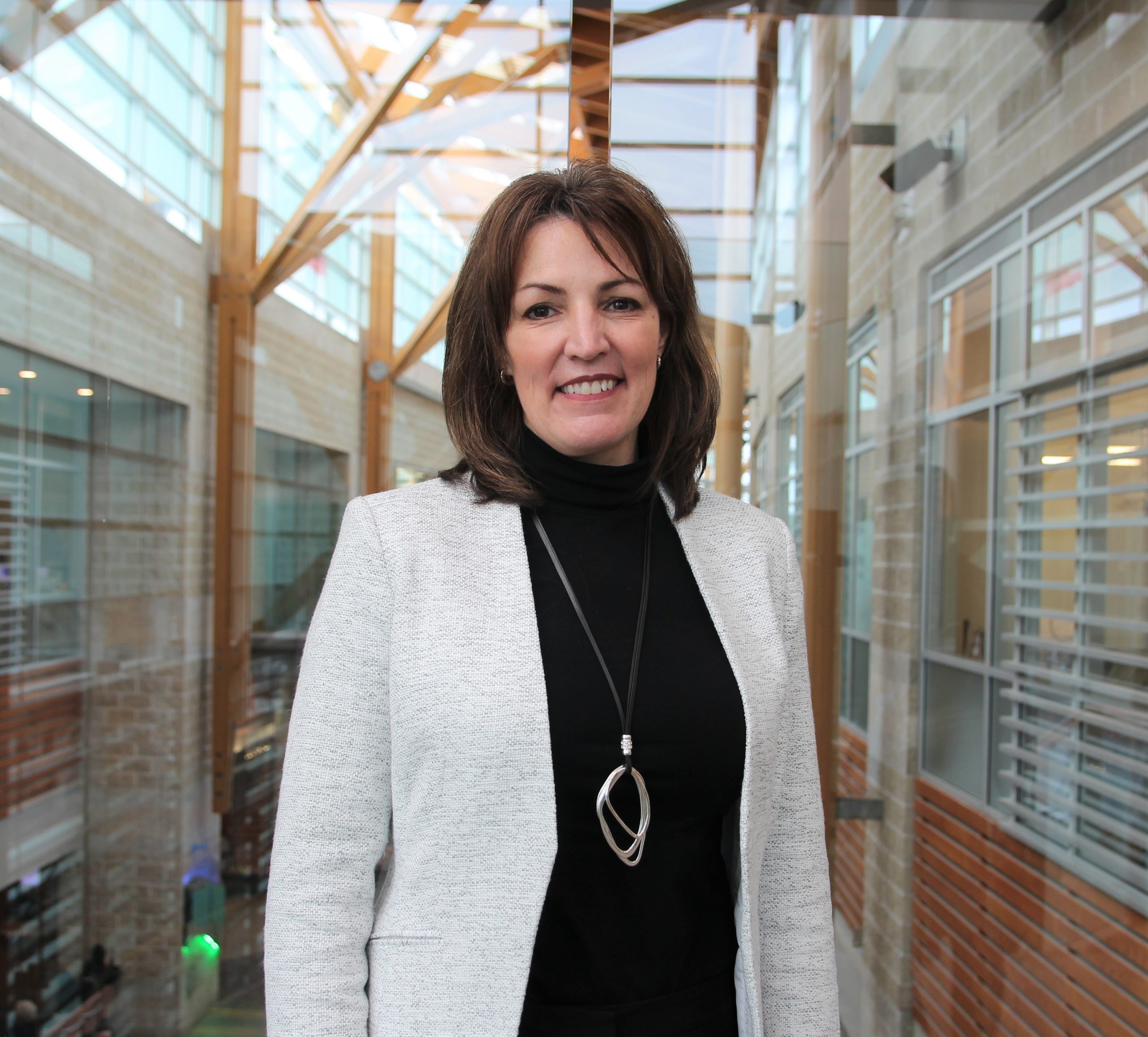

Hello, Boozhoo, Bonjour.
Given this is a busy time of year, I wanted to send along a quick touch base that speaks to one topic – generosity.
Generosity seems to be all around us in some form or another and you can’t go far in this organization without witnessing it somewhere on a daily basis. The effortless generosity of our staff and professional staff, volunteers and learners comes in all forms, whether it be through fundraising efforts, an extra smile as we help a family member find a patient, or the genuine care provided through a challenging day.
Throughout the month of December many units and departments have given generously to a cause – a family in need, the Renal Services Food Bank and the Patient Clothing Cupboard to name a few. The spirit of your generosity is astounding to see and I am not at all surprised with how we continue to support the needs of the community and our patients.
As you know, we are an Academic Health Sciences Centre and Health Research Institute; without our learners we would not have the opportunity to improve. We are a centre for researchers, students, teachers and other healthcare professionals to learn. Without the generosity of our staff and professional staff, this would not be possible and we benefit from each other. Thank you for the countless hours that are added to your day as you support spreading your knowledge.
It truly is inspiring to see you all in action each day, performing your duties with professionalism, compassion, and generosity of course. And it’s not just my observation. Time after time I have been provided feedback from patients that have specific details on how their care experience was above expectations due to the extra efforts of staff interactions. These exchanges of communication beyond the typical care we provide represent another form of generosity. Through the spirit of kindness, we make the time in our busy schedule to ensure interactions with patients and families are focused – an indication that we are getting closer to our vision of exceptional care for every patient, every time.
As the year comes to an end, I hope you have the opportunity to reflect on the generosity you have provided throughout your work and know it is appreciated.
Please take the time to find holiday cheer with your friends, family and co-workers over this festive season. I wish you all the best and let’s make 2024 a great year.
Once again, please know that I do appreciate you reading this Blog. As always, please feel free to reach out to me with comments or for any other matter. You can reach me at: rhonda.ellacott@tbh.net.

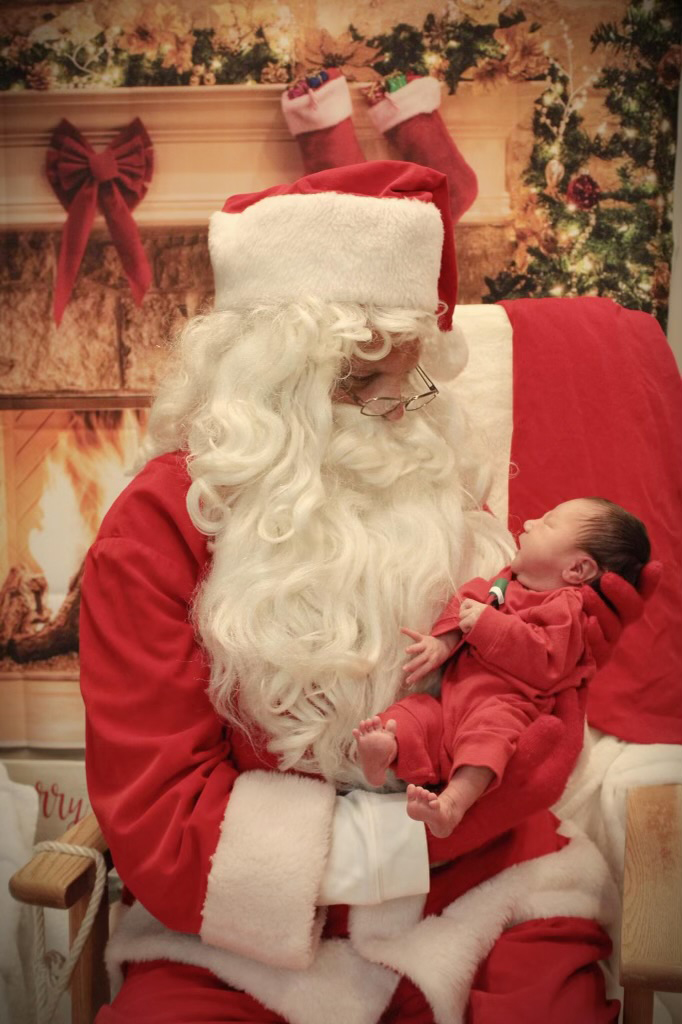
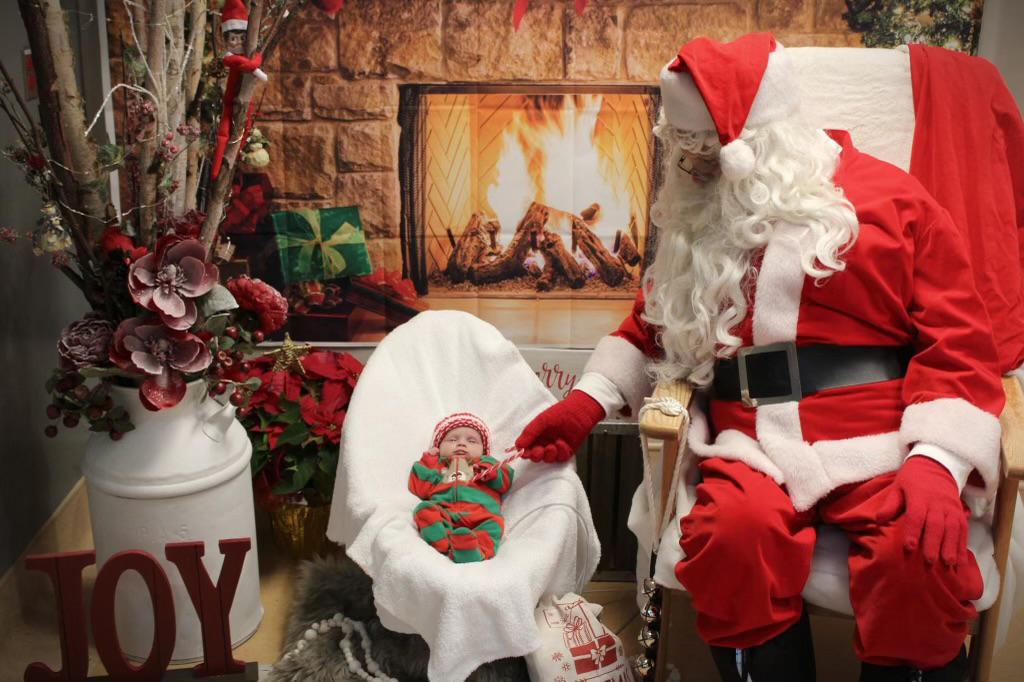
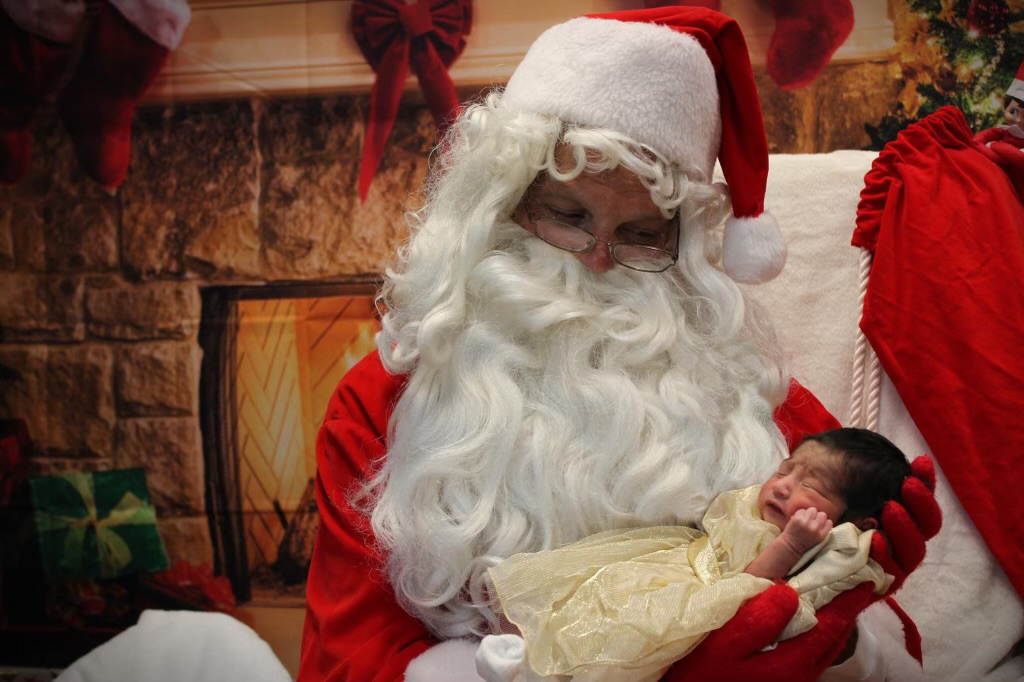
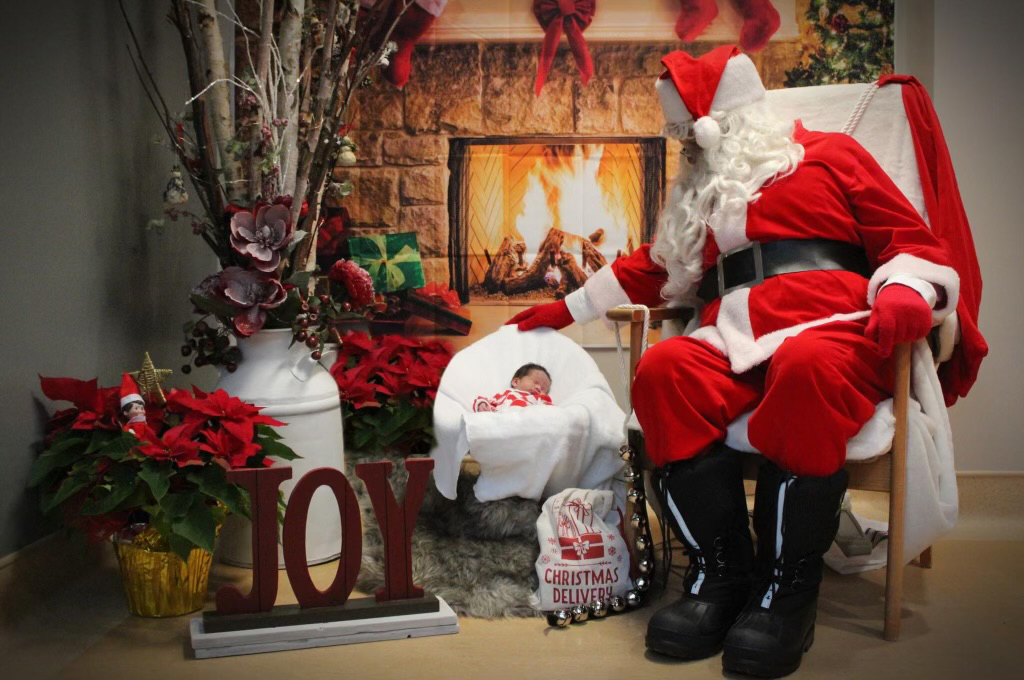
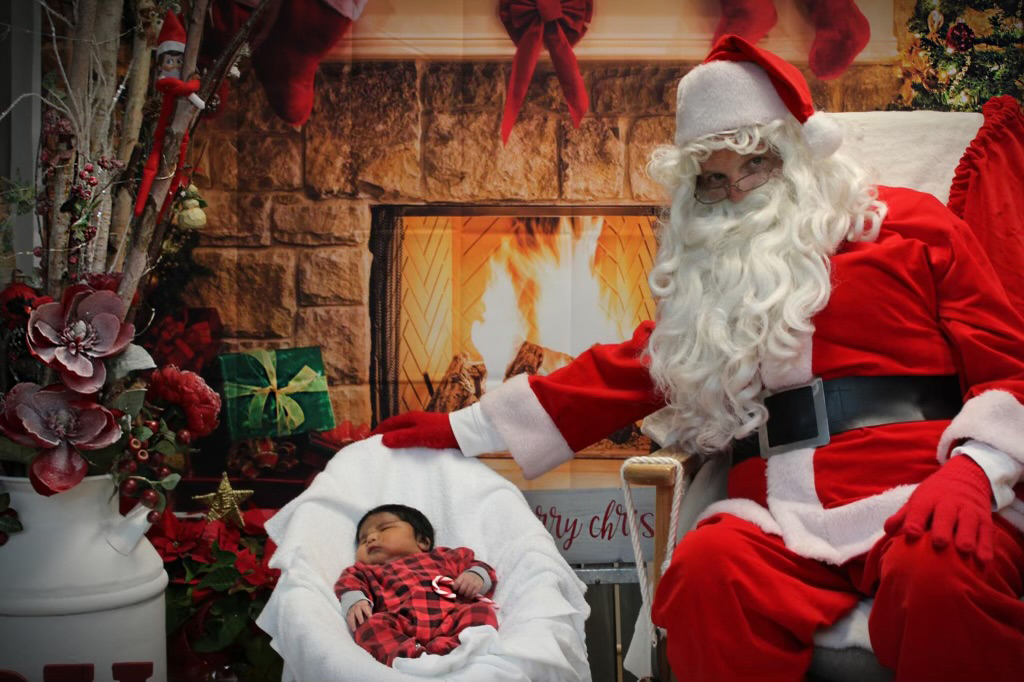
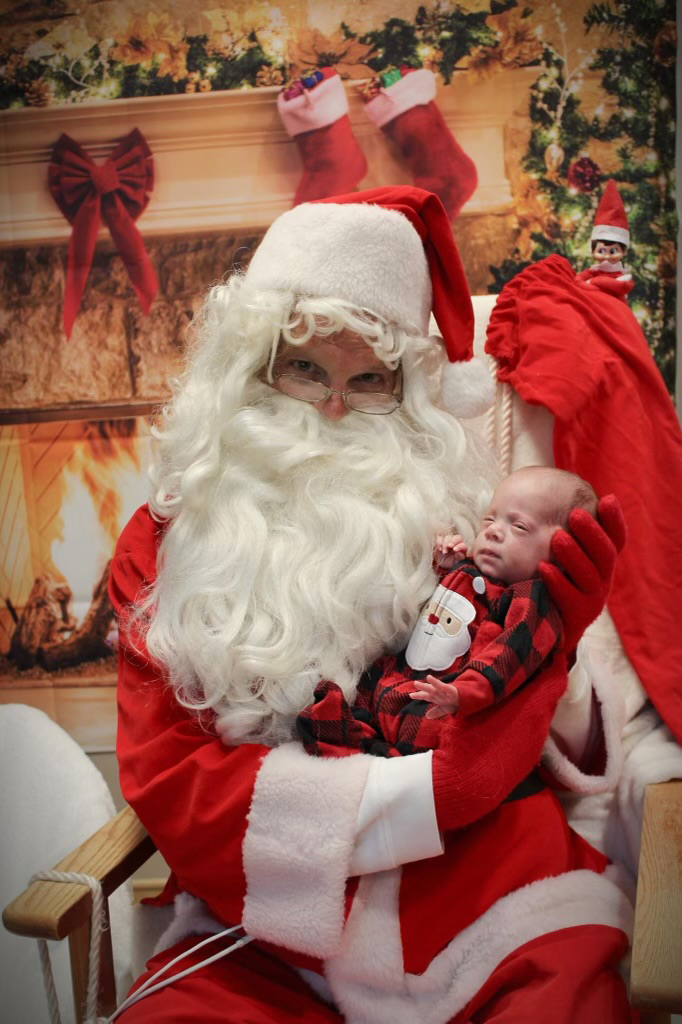
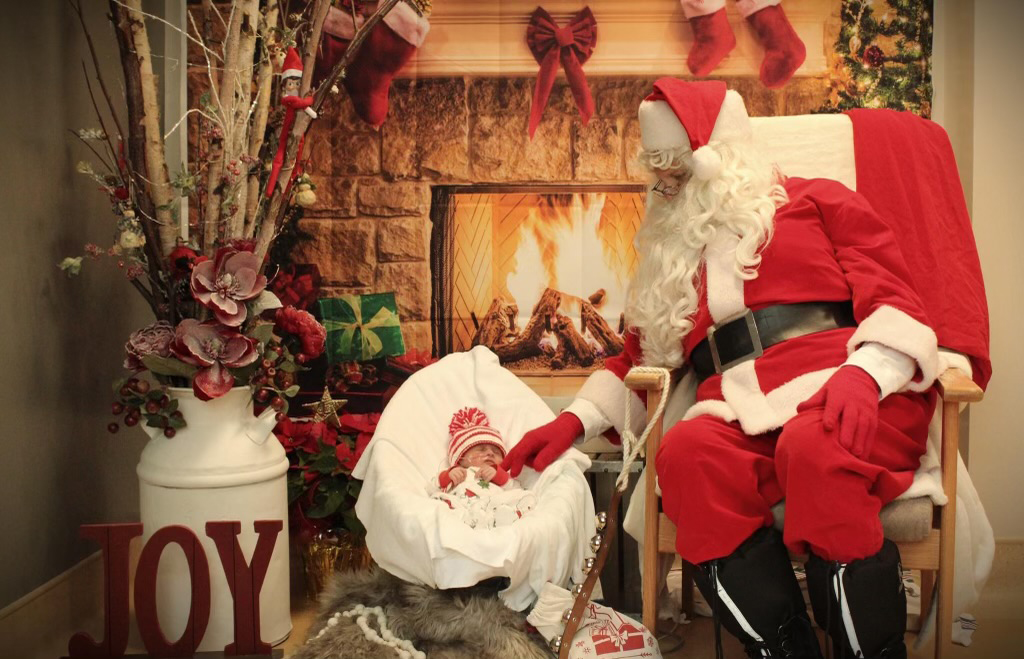
The NICU has some very special visitors… and Santa got to meet them!
This holiday season, our Hospital’s smallest patients got dressed up and met the jolly old elf himself. Thank you to the parents of the newborns and staff for letting us share these wonderful photos.
A big thank you to Shannon Mancuso, RN, NICU for taking the photos and Brianne Belanger, RN, NICU for assisting and creating the amazing holiday scene.

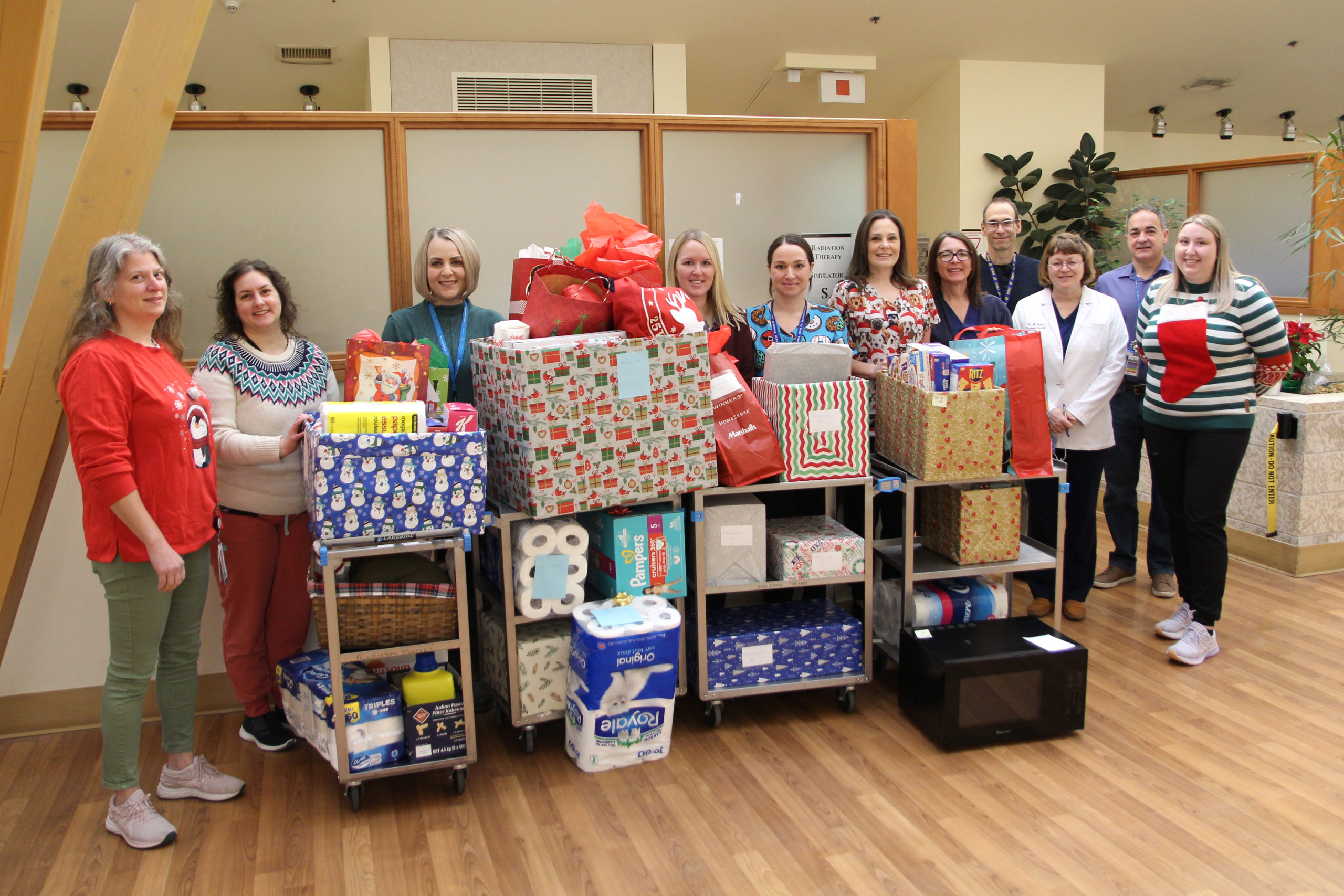
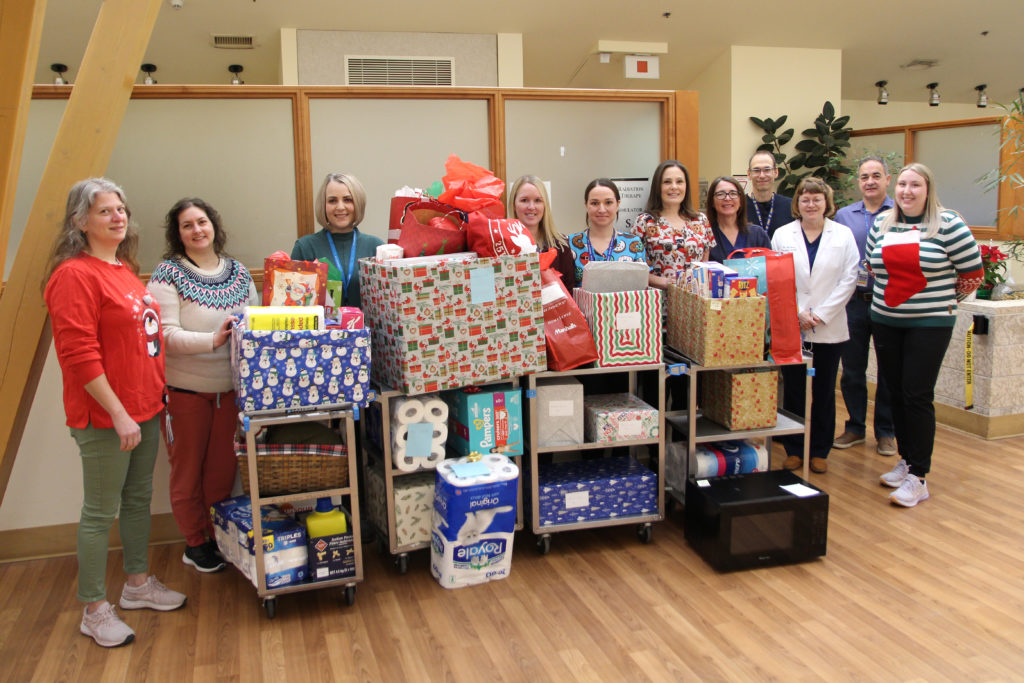
Showing the true spirit of the season, the Radiation Therapy department has sponsored four independent youths through the Children’s Aid Society’s Holiday Hamper program.
We want to thank this amazing team for their kindness and generosity. The gifts will undoubtedly help ensure that these individuals have a very special holiday season..
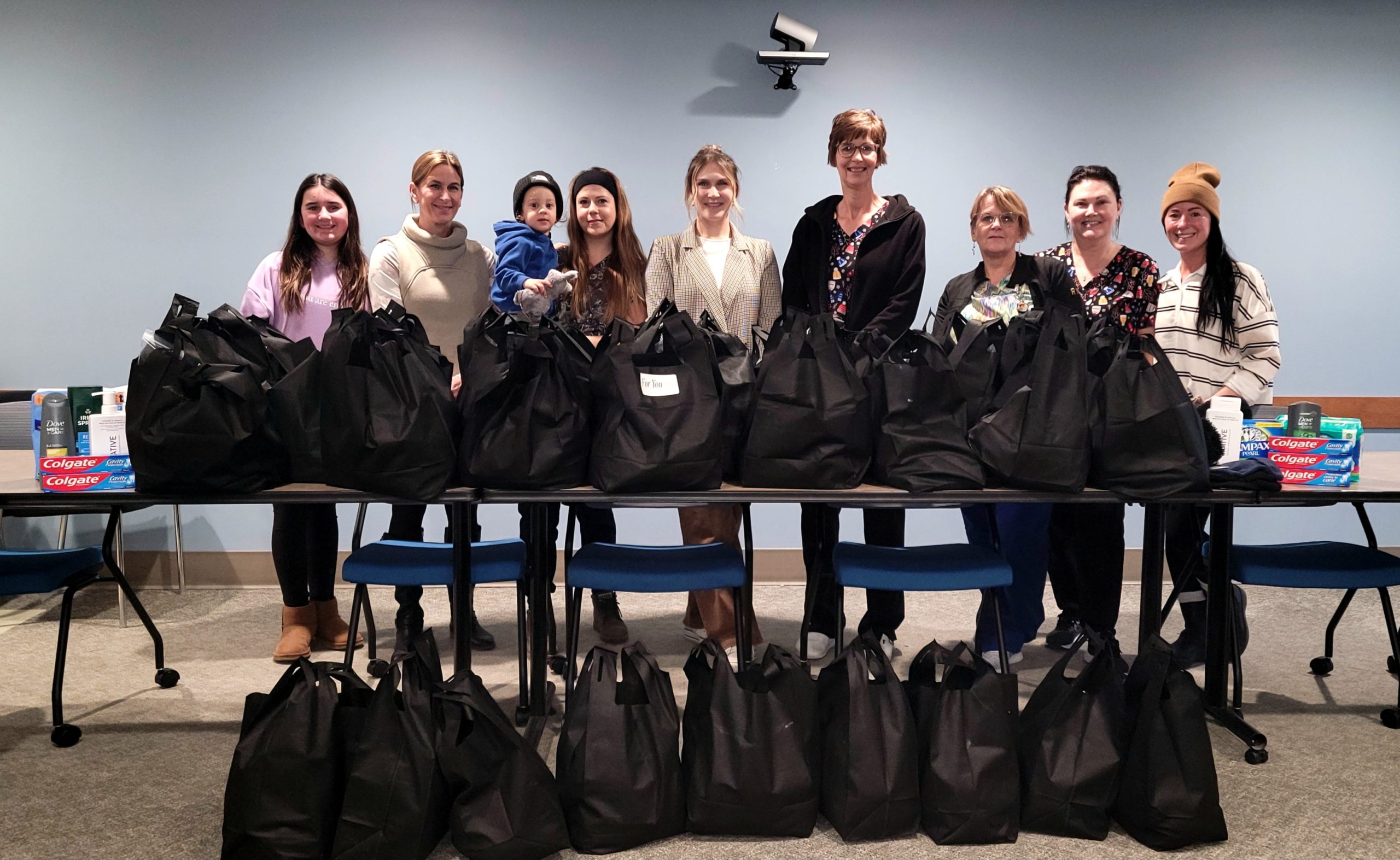
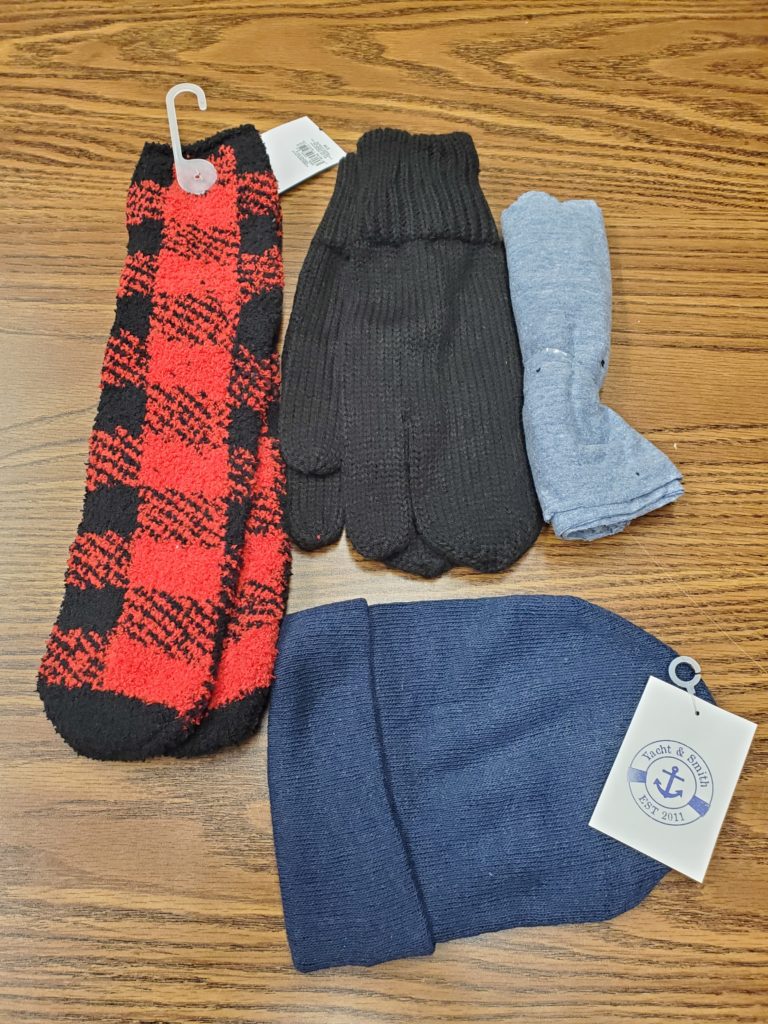
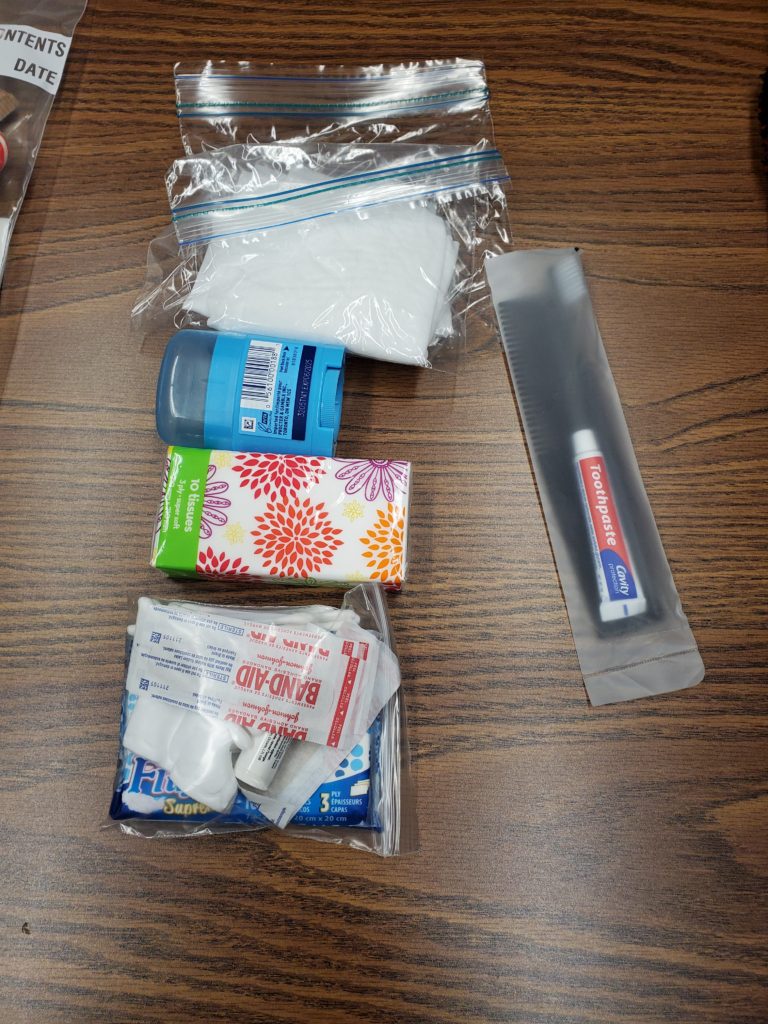
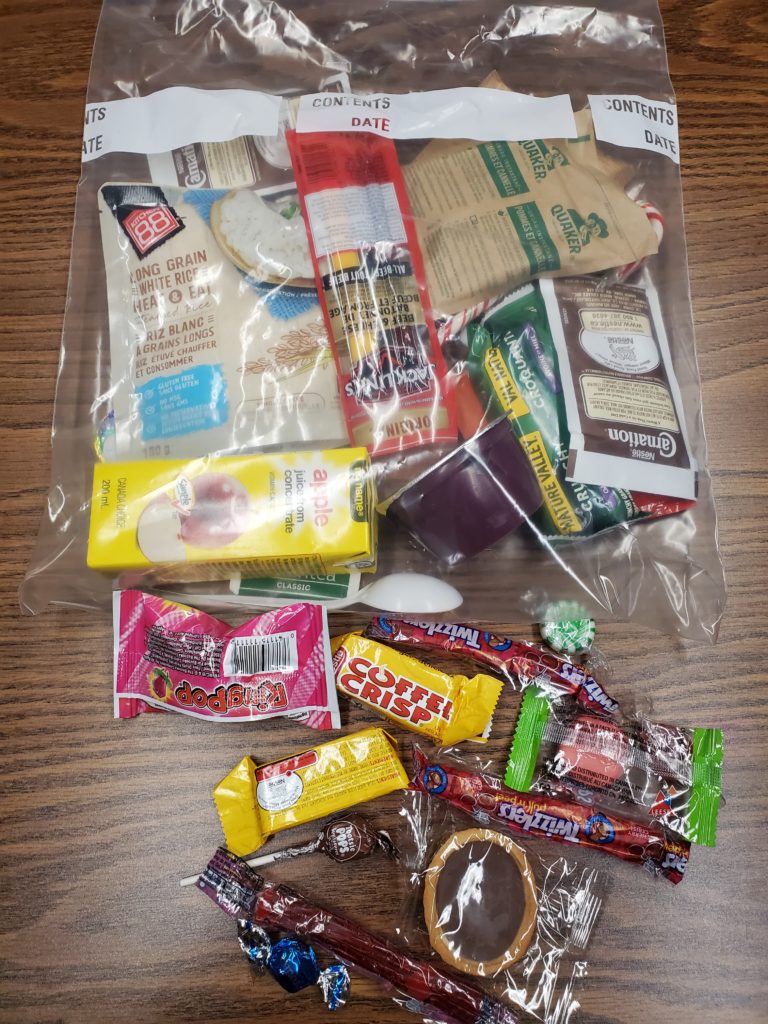
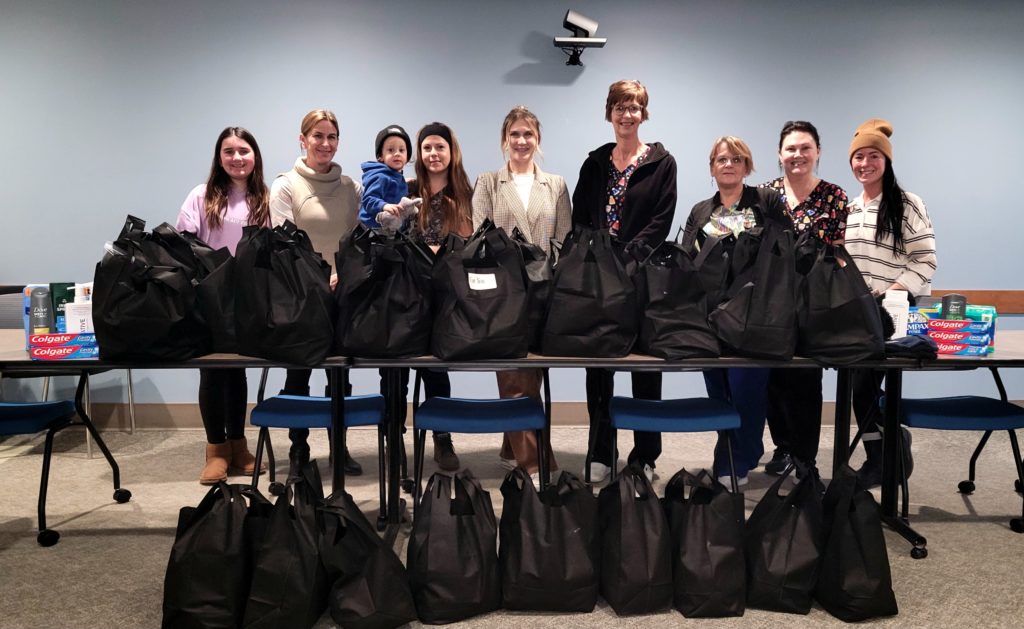
After learning about the work being done by Elevate NWO while visiting the local homeless encampments, and providing residents with assistance and supplies, the generous staff of Regional Cancer Care Northwest at our Hospital decided to collect donations to create ‘kindness bags’ for those who are homeless or vulnerably housed.
Staff contacted Elevate NWO to determine what the greatest needs of residents were to create kindness bags for them. The staff filled over 40 bags with scarves, hats, mittens, personal care items, and non-perishable food and treats.
The staff also collected donations of warm clothing and other basic essential items for the team at Elevate NWO to have on hand for those in need.
Learn more about Elevate NWO and how they help our community by visiting https://elevatenwo.org/.

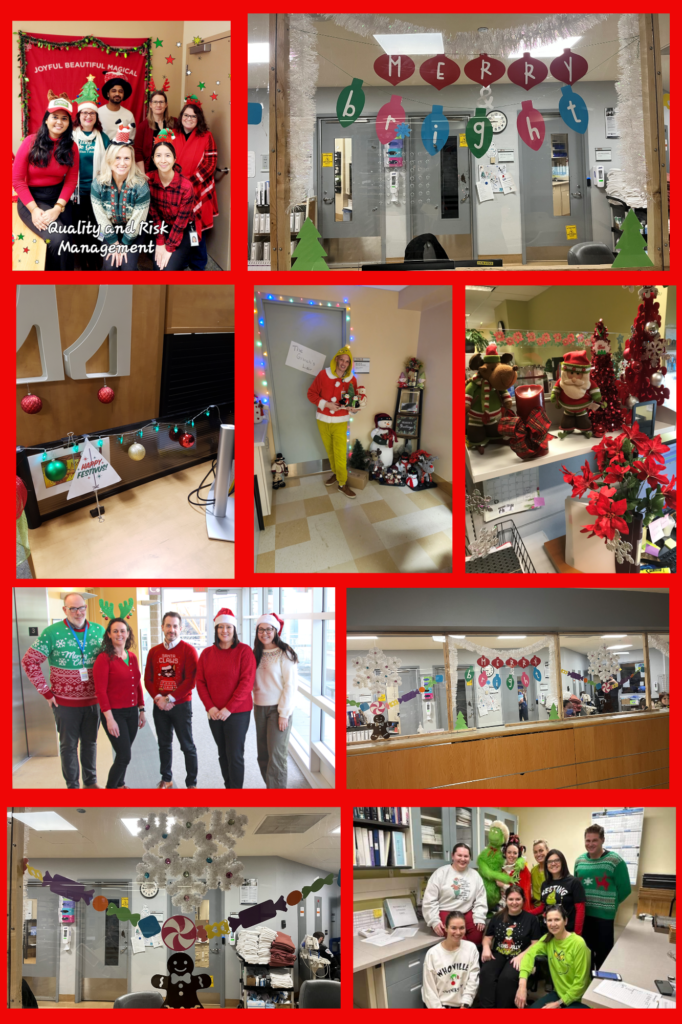
Congratulations to our winners of the Holiday Cheer Attire, Decorations and Trivia contests! Thank you again to everyone for participating in Holiday Cheer Week. Below are the names of the winners who wish to be shared:
Holiday Cheer Attire:
Holiday Cheer Decorations:
Holiday Cheer Trivia:
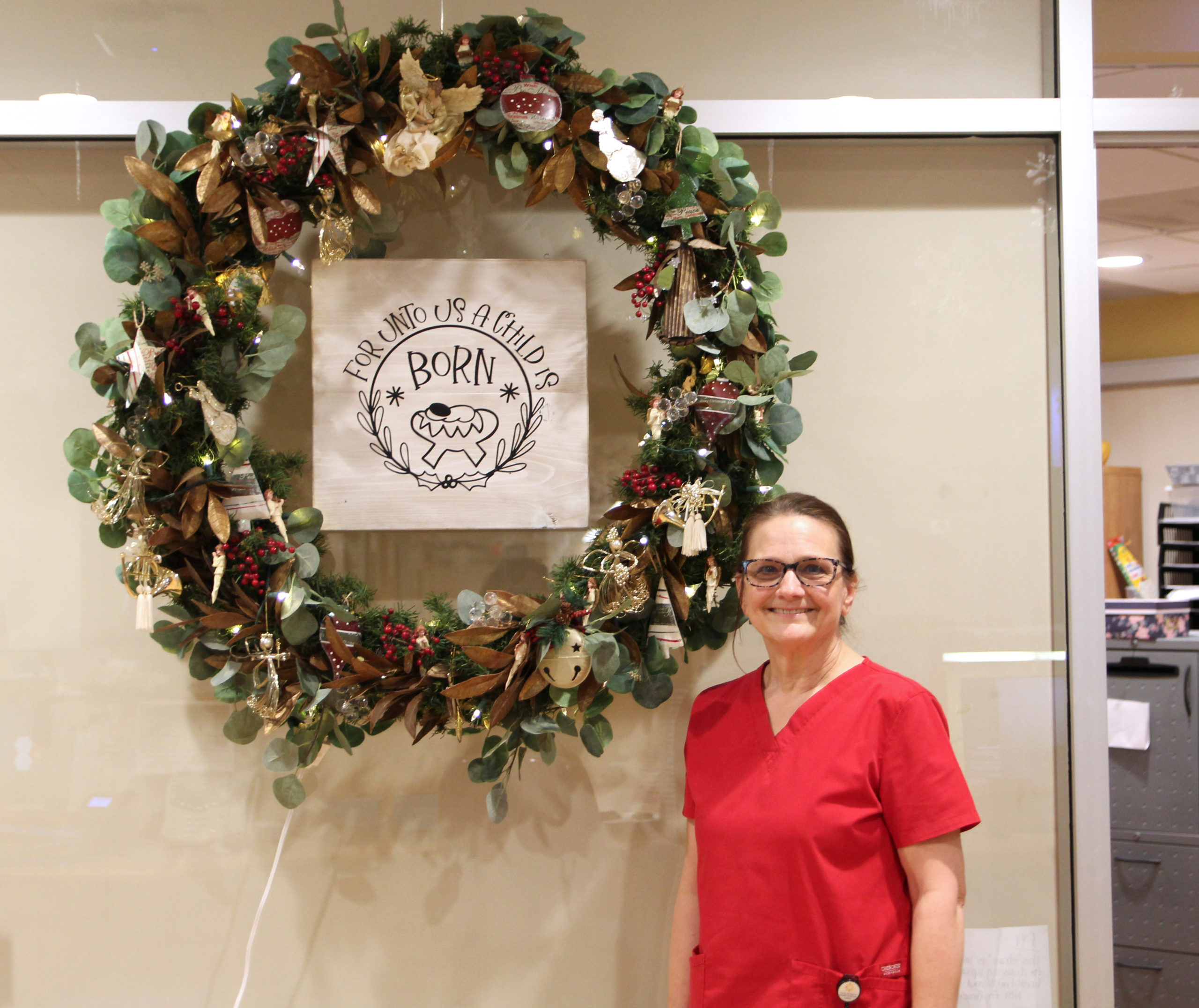
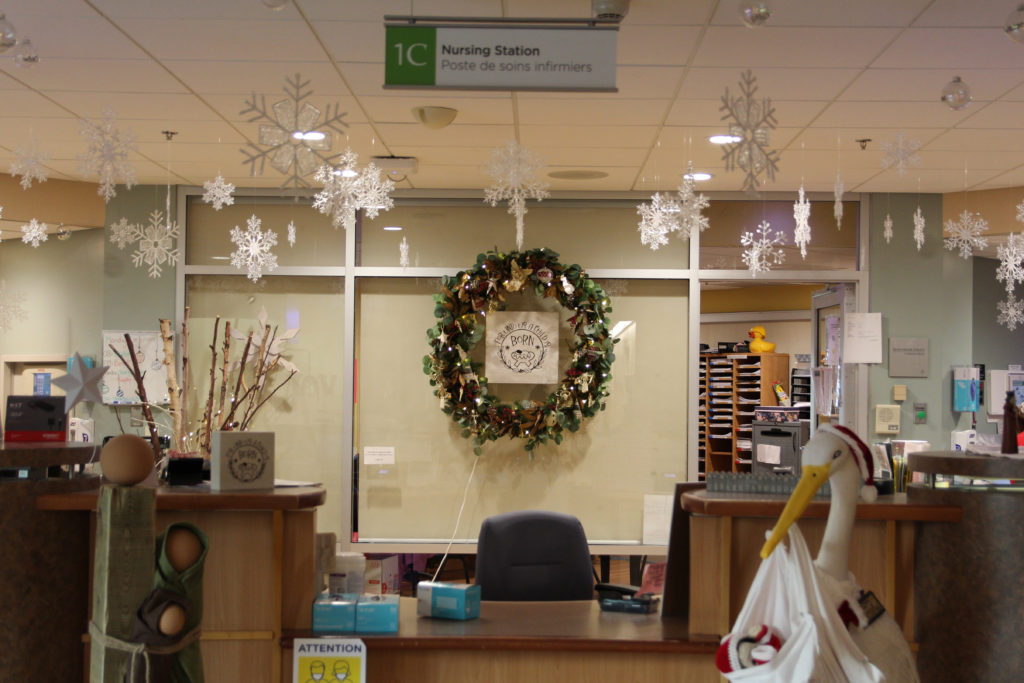
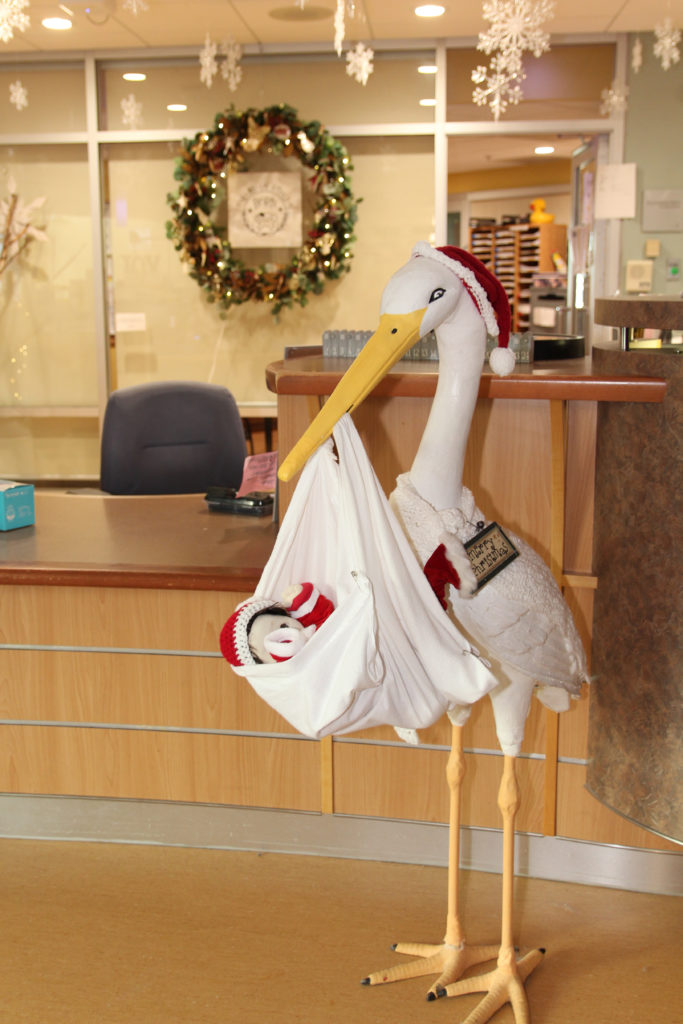
The holiday season is officially underway on the Maternal Newborn Unit!
Candyce McKinnon has been a nurse for 17 years and has worked on the Maternal Newborn Unit for the last ten years. Over the last few years, Candyce noticed that her fellow staff needed a morale boost. “Nursing has been tough the last few years. I thought I could do something special to help raise the spirits of my fellow staff,” said Candyce. ”I decided to decorate during the holiday season to bring a bit of joy to everyone’s life, especially all the staff, to ensure they work in an environment full of joy.”
Since then, Candyce has spread holiday cheer by decorating the unit with beautiful ornaments. Candyce and her husband handcrafted all the decorations, and it took her about 15 hours to decorate the unit.
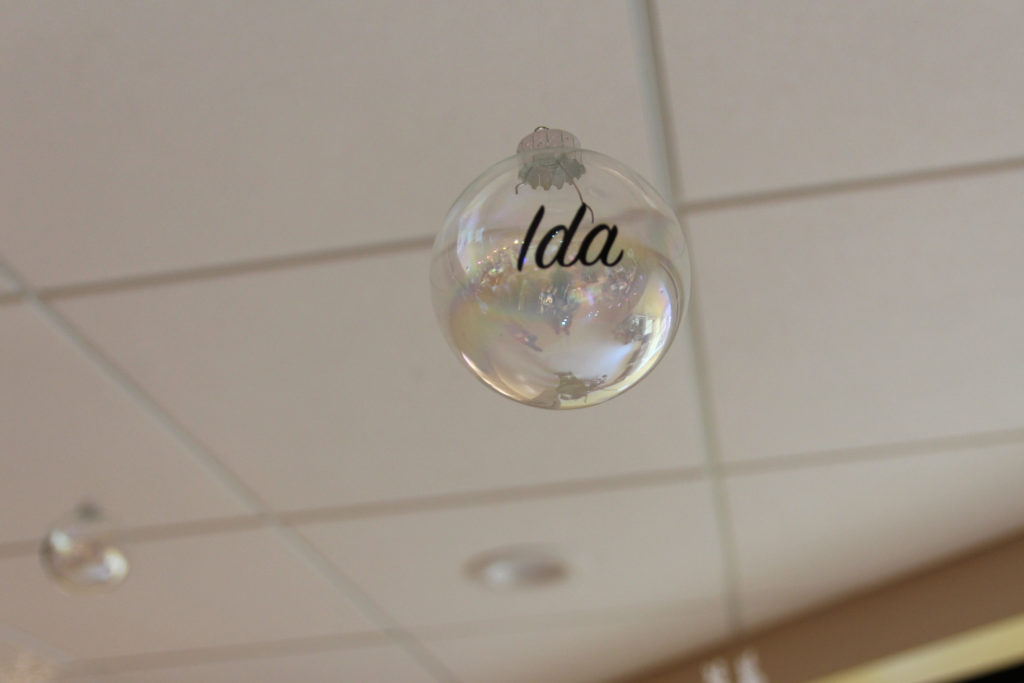
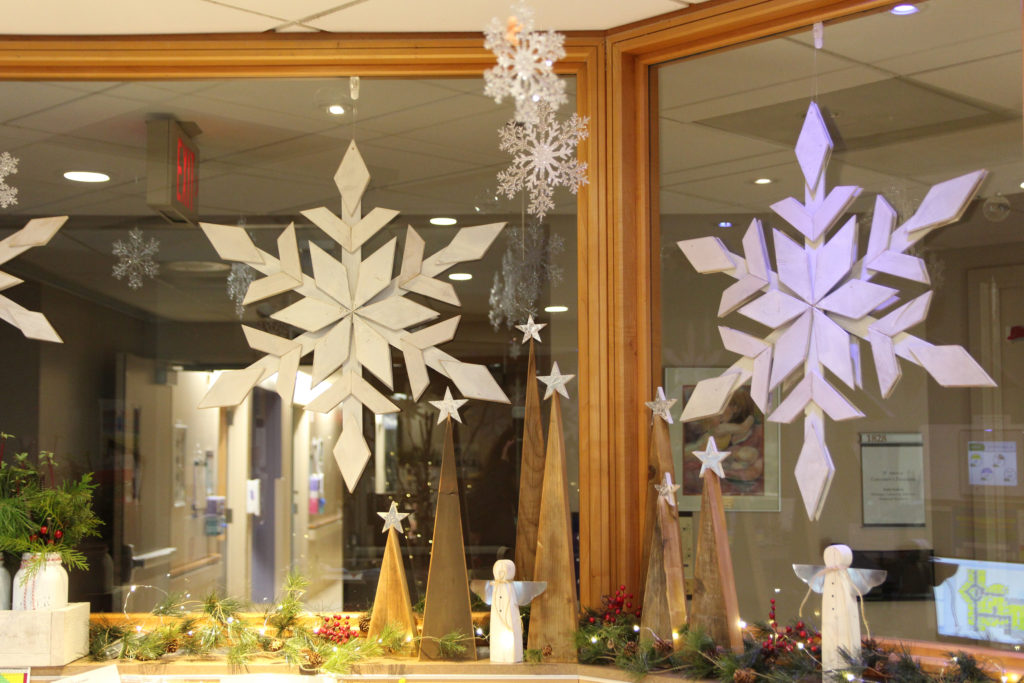
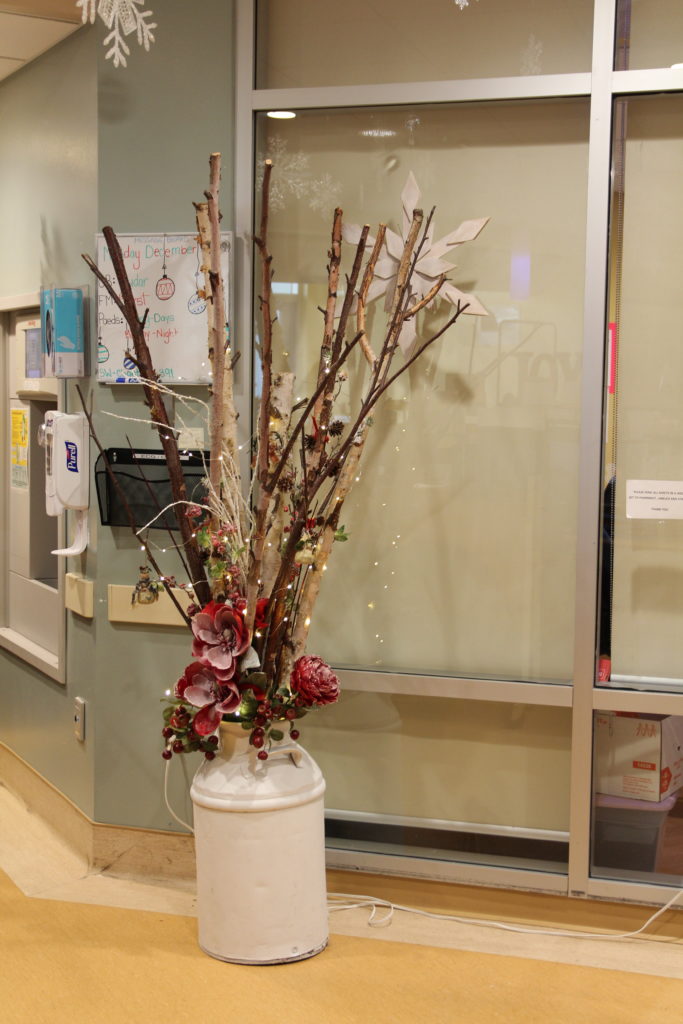
This year’s theme is for ‘unto us a child is born’. A very special wreath is the focal point of the décor this year. Among the glittering snowflakes, there are personalized ornaments with the names of those who work on the unit (created by Kathleen Dunne). Wooden snowflakes, wooden trees, angels, floral arrangements and greenery with lights also adorn the nursing station.
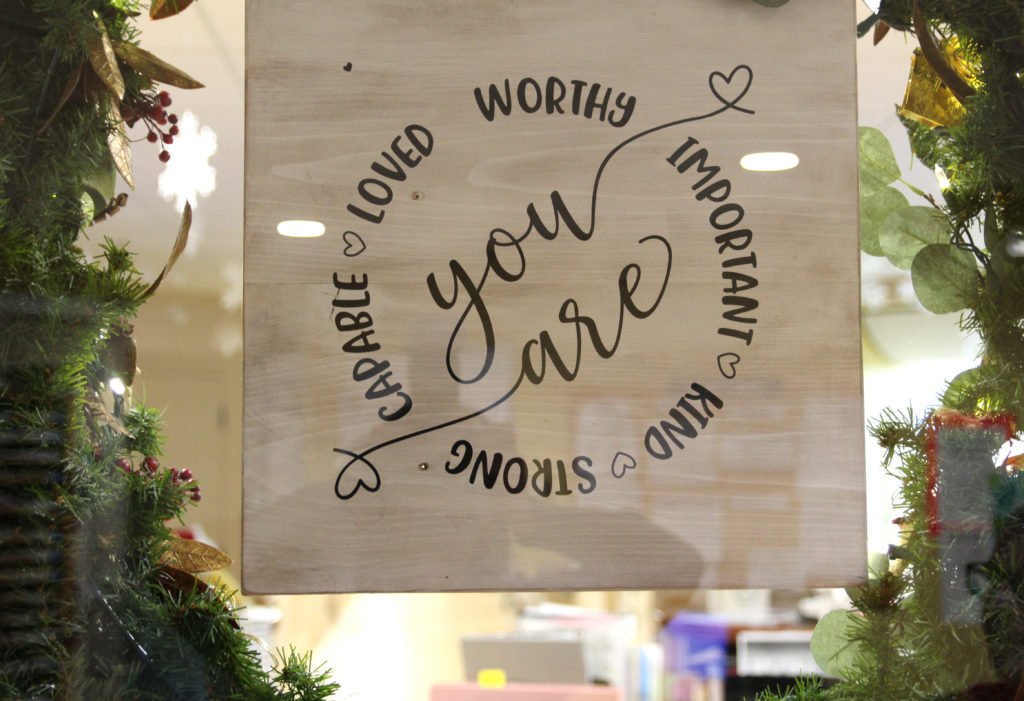
Nurse Lynn Boyko donated a large wreath to the Unit many years ago. Lynn retired three years ago and unexpectedly passed away in October 2023. This loss was a shock for everyone. To honour Lynn, Candyce decided to dress the wreath with many angels and included an inspirational quote for the conference room.
The beautiful décor has created a sense of calm throughout the unit and inspired other units to dress up their work area. Women’s and Children’s including Paediatrics, Labour and Delivery and NICU have also taken up the tradition.
After the holiday season, the snowflakes that hang from the ceiling will remain to ensure a bit of magic throughout the rest of the winter. Thank you, Candyce for bringing holiday cheer to the Hospital!
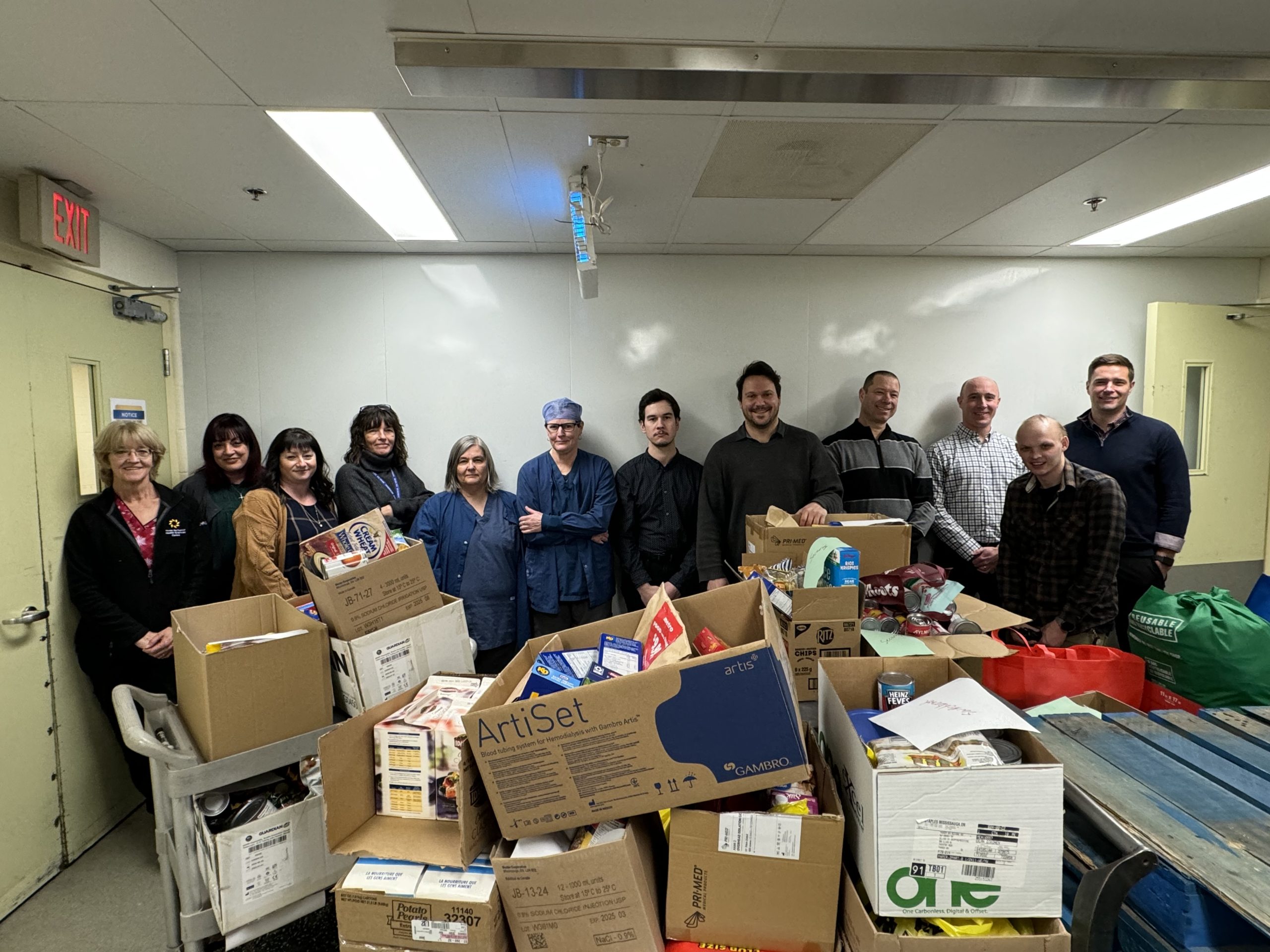
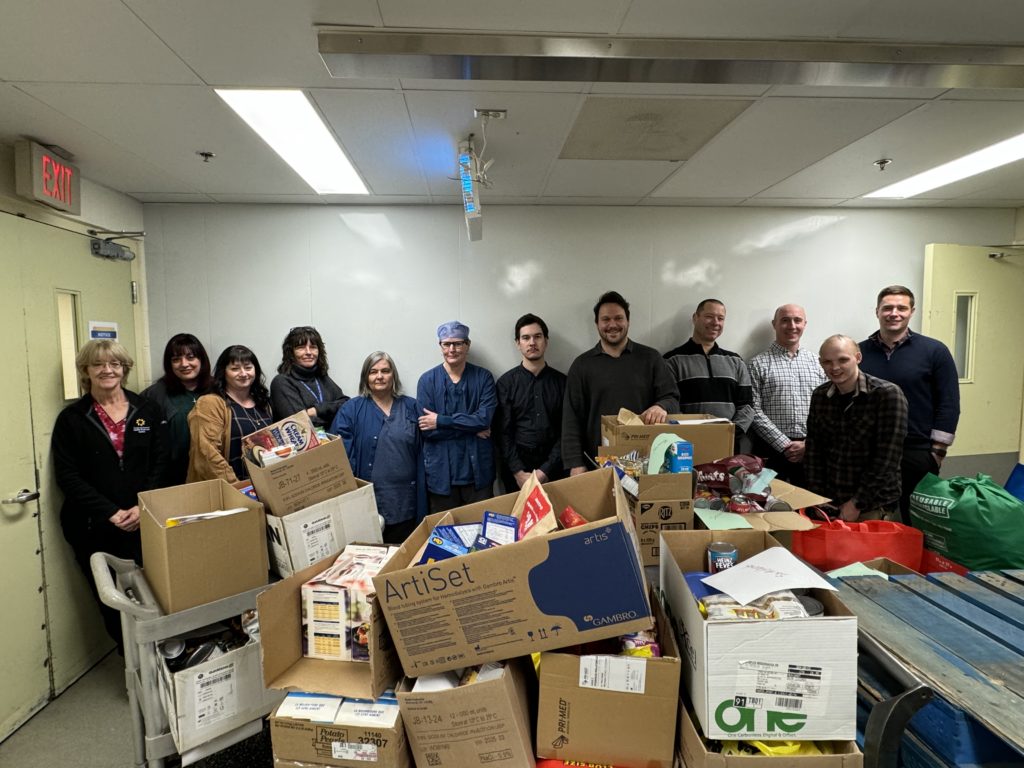
A big thank you to the Support Services & Capital Facility Services departments, who recently organized a Food Drive Challenge.
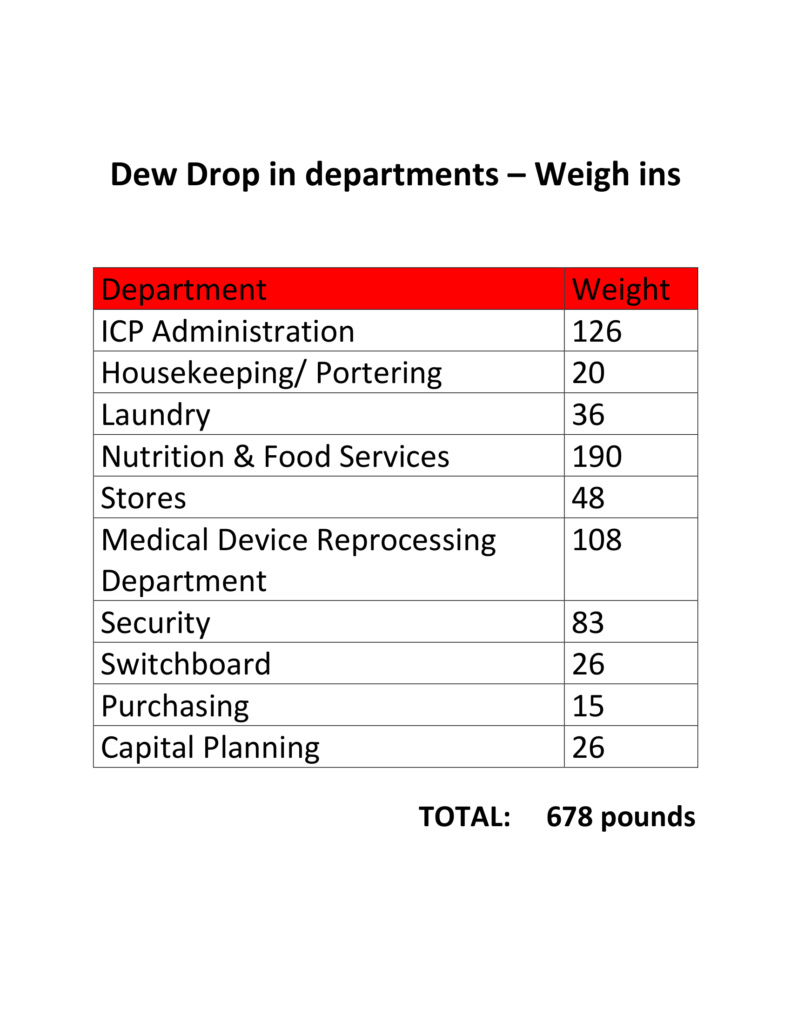
Eleven departments participated, collecting non-perishable food items in support of the Dew Drop Inn. They brought in a total of 678 pounds of food. Nutrition and Food Services brought in the most donations this year, at a whopping 190 pounds!
Thank you everyone for bringing in these amazing donations and making this food drive successful. The Dew Drop Inn provides nourishing meals every day for people in need, and each contribution received will make a significant impact in the lives of many in our community.