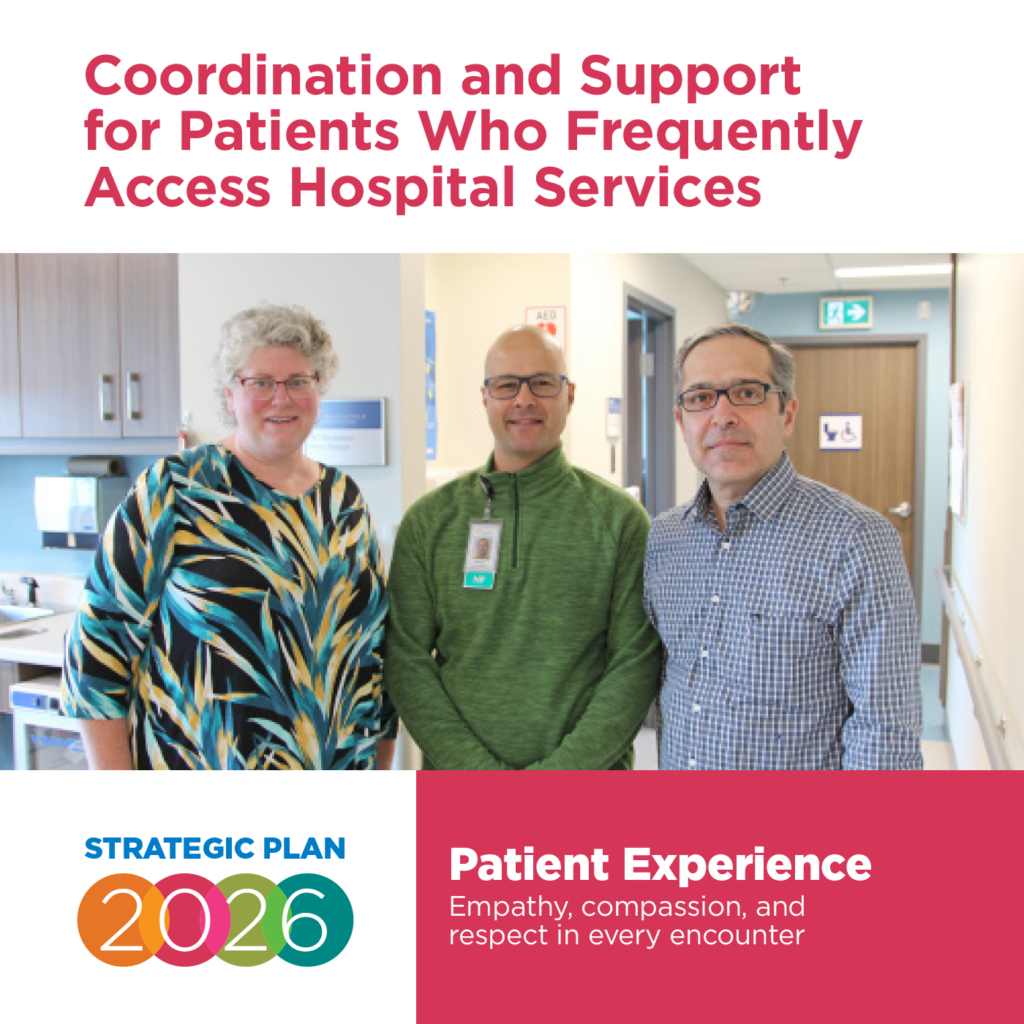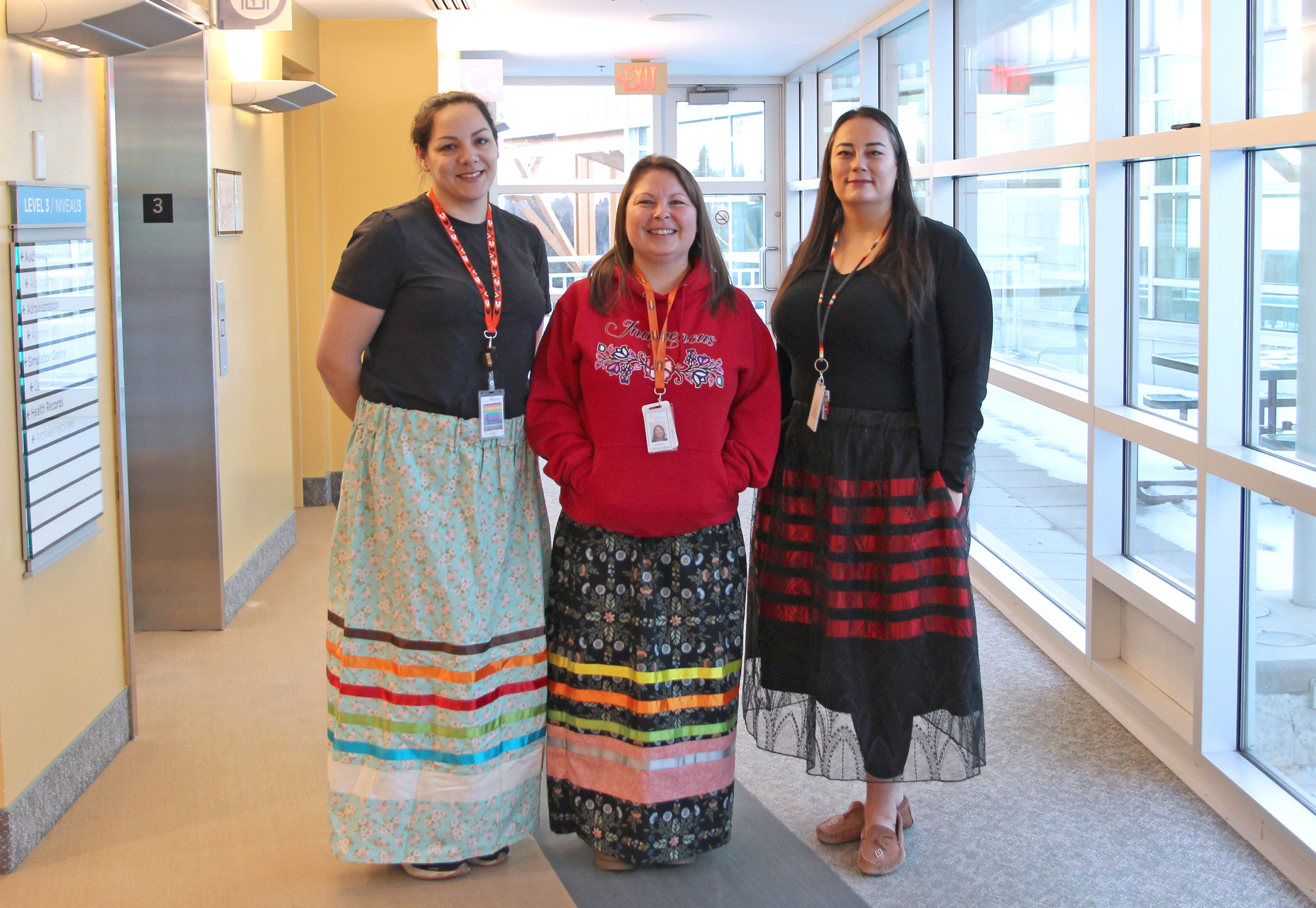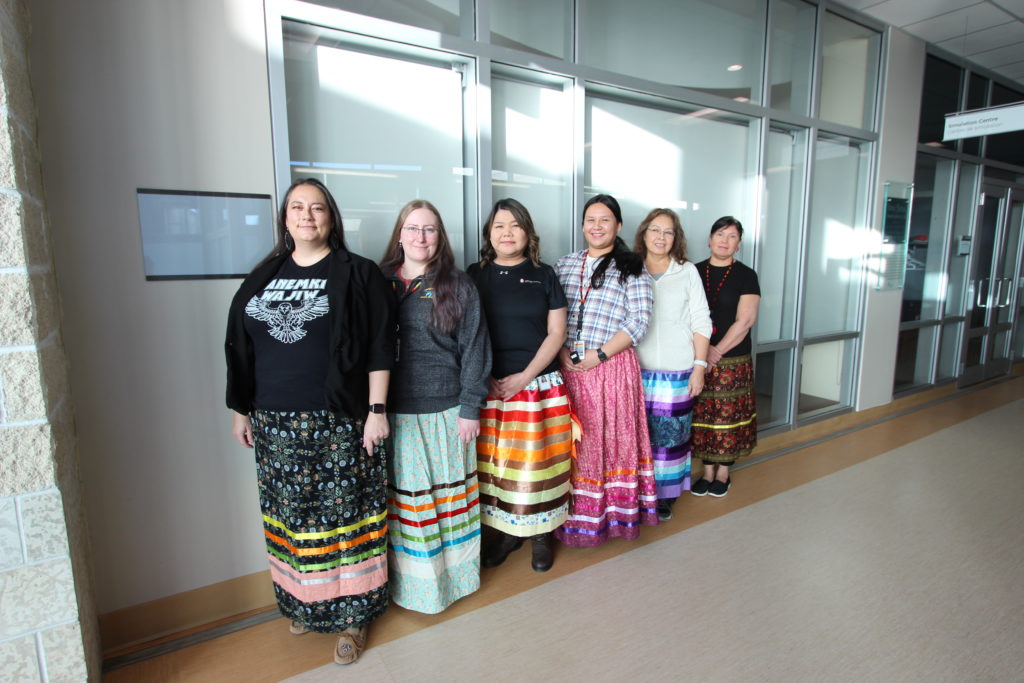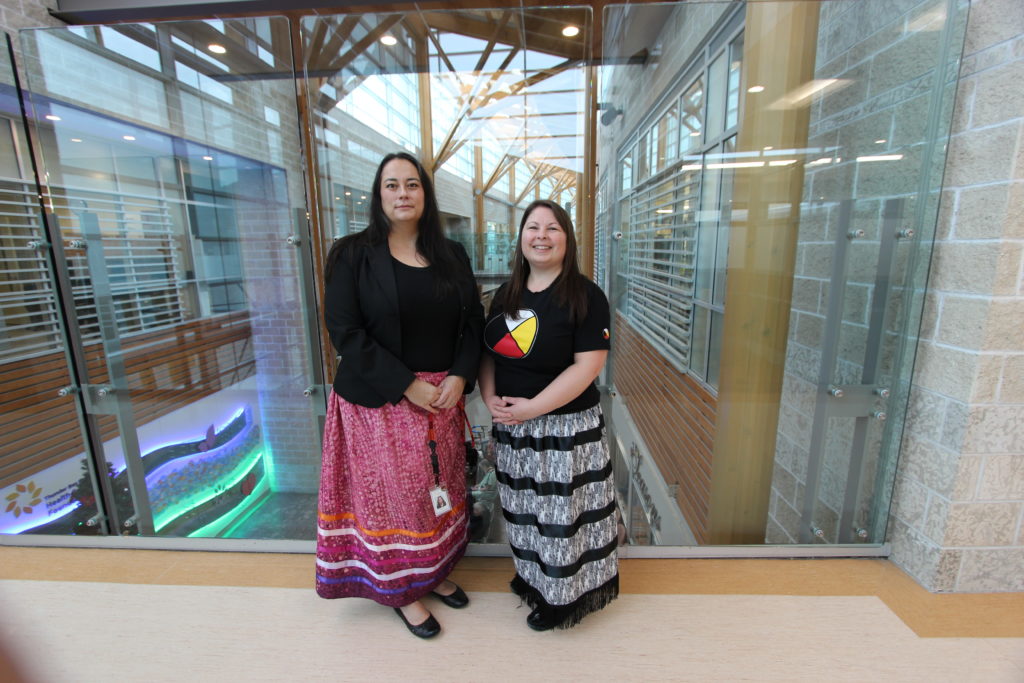
Prevention and Screening Coordinator

Shared on behalf of Tarja Heiskanen, Manager, Prevention and Screening Clinical Services


I am please to announce that Caitlund Davidson has accepted the Prevention and Screening Coordinator position, previously the Mobile Coach Coordinator. 

Caitlund has been with Prevention and Screening Clinical Services since 2020 where she started off as the Project Assistant and quickly transitioned to the Health Promotion and Communication Planner during COVID.   During this time, she has also chaired the Cancer Program Patient Education Steering Committee, sits at the provincial patient education table as the Patient Education Lead for our region, is a member of the Cancer Program Patient and Family Cancer Partnership and helps coordinate the yearly COPE conference. 

With an Honours BSc Degree and Masters Degrees in Science in Biology and Business Administration, Cailtund is well prepared to step into the coordinator role. 

In her new role, Caitlund will be responsible for day-to-day operations within Prevention and Screening Services which includes the mobile coach and associated staff, screening and assessment services, the Clinical Genetics Program, and the Diagnostic Assessment Programs.

Please join me in welcoming Caitlund who will begin her role on November 4, 2024.

Memo: iPhone/iPad – Critical iOS Update – DUO Two-Factor Authentication

Shared on behalf of Information Technology


As of February 17, 2025, Cisco Duo Two-Factor Authentication will only be supported on
iOS 16 and greater on Apple iPhones and iPads.

We encourage all iPhone/iPad users to always keep their devices up-to-date for both
security and functionality. The current iOS level available from Apple is version 18.1

To always keep your device up-to-date and to automatically install updates when they
are available, do the following:

  1. Go to Settings > General > Software Update > Automatic Updates.
  2. Under the Automatically Install menu enable iOS Updates.
  3. Under Automatically Download menu enable iOS Updates.

Downtime Notice: Meditech (October 30-31)

Meditech will be unavailable on Wednesday, October 30 from 2100h until 0630h on Thursday, October 31. Please follow departmental downtime procedures during downtime.

Once the system is available for use, any patient activity from the downtime event will be entered and forwarded to external systems as per normal operations. If there are any problems with the data received at this time, please contact our Help Desk at help@tbh.net and include this email for reference.

Expansion of Provincial Respiratory Syncytial Virus (RSV) Prevention Program

Respiratory Syncytial Virus (RSV) can cause a serious respiratory illness that affects the airway and lungs which can lead to hospitalization in babies and young children. RSV is seen in more frequently in the fall/winter months.

Historically, the RSV protective antibody was limited to only high risk infants during the RSV season; however, the Ministry of Health of Ontario is transitioning to an expanded infant RSV prevention program for the 2024/2025 season that includes all infants born during and outside of the RSV season and children under 2 years of age with high-risk medical conditions.

Starting October 28, 2024 all babies born at Thunder Bay Regional Health Sciences Centre will be offered a single dose of nirsevimab (BeyfortusTM), a monoclonal antibody that provides effective and sustained protection from RSV.

This offering will continue until the conclusion of the 2024-25 RSV season in the spring of 2025.

In addition, the RSVpreF vaccine (AbrysvoTM) will be available at the Maternity centre for pregnant individuals between 32 and 36 weeks of pregnancy if their baby’s due date is near the start of or during the RSV season.

Babies who were born in 2024, prior to the dose being available in hospital or babies who are born outside of the hospital are also now eligible to receive the RSV antibody through primary care providers. Parents are encouraged to connect with their primary care provider or the local public health unit for more information on how their infant can receive nersevimab (Beyfortus™).

If you would like further information on RSV, please visit the Provincial Council for Maternal & Child Health’s website at https://www.pcmch.on.ca or discuss with your health care provider.

Breast Cancer Screening Through the Decades

Breast Cancer Screening Through the Decades
The mobile cancer screening coach began touring Northwestern Ontario (NWO) in 1992 (top), offering mammograms to women who met the eligibility criteria for breast cancer screening. After more than 30 years and four coach upgrades, mammography is still offered in NWO on the current Screen for Life Coach (bottom).

Breast cancer is the most commonly diagnosed cancer among females in Ontario. The good news: the five-year breast cancer survival rate is 89 percent according to statistics from Ontario Health – Cancer Care Ontario. Improvements in the survival rate can be attributed to increases in the number of people attending routine breast screening and improvements in treatment.

Routine breast cancer screening did not exist until the 1980’s. Mammography is the gold standard screening test used today to detect breast cancers early, when they are small and less likely to have spread. However, the mammogram that many of us are familiar with today is different from when breast imaging first became available.

The first device used specifically for mammography was introduced in 1966. It was essentially a tripod supporting a special x-ray camera. This model allowed images to be taken with the patient in a sitting or standing position which improved efficiency, but imaging was not done unless the patient had a palpable mass. Prior to this, the imaging process was tedious and slow. The patient would have to stand up and then lay down to get images from two different angles, which only allowed four to five patients to be imaged per day.

Next came xeromammography in the 1970’s, which provided better image quality and allowed physicians to see the chest and ribs. The downsides to xeromammography, included the higher dose of radiation compared to other imaging methods, manual compression of the breast resulting in inconsistent images, and the blue dye that was used for paper images created a mess.

Throughout the 1980’s, progress was made to improve the image quality by transitioning from paper images to film and compression became an automated process. In 1990, the introduction of the Ontario Breast Screening Program (OBSP), lead to greater routine participation in screening with mammography. The OBSP continues to be available for average risk women, Two-Spirit, trans and nonbinary people ages 40 to 74 with breast screening being done with a mammogram every two years. There is also a high risk OBSP for people between the ages of 30 and 69 who meet the eligibility criteria.

Organized screening has advantages, including systematized recruitment, recall and follow-up, ongoing quality assurance, quality control and evaluation. Today, breast screening is more easily accessible, with over 230 OBSP screening sites in Ontario, including five stationary locations in Northwestern Ontario and the Screen for Life Coach.

“It was unlikely in the early days of mammography, that people would have thought mammography units could be placed on a bus and moved from community to community to do breast cancer screening,” said Tarja Heiskanen, Manager of Prevention and Screening Clinical Services at the Thunder Bay Regional Health Sciences Centre. “Since 1992, there has been a mobile cancer screening coach active in Northwestern Ontario. We’ve come a long way with imaging technology and our understanding of the importance of early detection.”

At the turn of the decade, we were introduced to digital mammography. Images were now read on computers rather than film. Further advances in technology resulted in the development of 3D imaging. While 2D imaging acquires two images of each breast, 3D captures up to 30 images per breast and can find about 30% more cancers. Modern mammography has made it possible to detect and treat cancer earlier, with less exposure to radiation than before.

As technological innovations are achieved and breast imaging radiologists continue to advance in their expertise, mammography is expected to remain a key player in early detection efforts.

For more information on breast cancer screening, visit www.cancercareontario.ca/en/types-of-cancer/breast-cancer/screening.

Snooping

For the month of October, our IT/IS team wants to highlight Cyber Security Awareness. The campaign aims to support staff with tools and knowledge on how to protect their digital assets, personal and work information, and online privacy. We’ll be posting information on cyber security every week along with a trivia question. Participants have a chance to win a $100 Amazon gift Card.


Snooping can be defined as the act of prying into someone else’s affairs, particularly in a sneaky or intrusive manner. This includes both casual observation and use of more sophisticated techniques involving technology.

What is considered Snooping in Health Care?

Accessing medical records on yourself, your family or friends is considered snooping and a privacy breach under the Personal Health Information Protection Act (PHIPA).

If you need access to records on yourself, your family or friends contact the Health Records Department Release of Information to process your request.

The ability to access does NOT equal Authorization. You are only authorized to access patient/client information required to perform your duties.

Consequences of Snooping/breaches include:

  • Damage to your reputation
  • Damage to hospitals reputation
  • Tangible and intangible harm to patients
  • Employment (Suspension or terminations)
  • Professional license repercussions
  • Up to $200,000 in personal fines
  • Legal action against you and the hospital
  • Criminal charges and jail time

Types of Snooping

Snooping can manifest in various forms:

  • Physical Surveillance: Observing individuals in person, such as looking over someone’s shoulder at their screen.
  • Accessing medical records of a patient even when you are not actively caring for them.
  • Man-in-the-Middle Attacks: Intercepting communication between two parties without their knowledge.
  • Key-loggers: Software that records keystrokes to capture sensitive information like passwords.

Prevention Strategies

To mitigate the risks associated with snooping, individuals and organizations can adopt several preventive measures:

  • Train employees on privacy policies and the importance of safeguarding sensitive information.
  • Terminating your session on the computer when you are not actively using it
  • Regularly update antivirus software.

Week 4 Trivia Question

Answer this week’s trivia question and enter a draw for a chance to win an Amazon gift card: https://redcap.sjcg.net/surveys/?s=3YP8YH8EKM

>