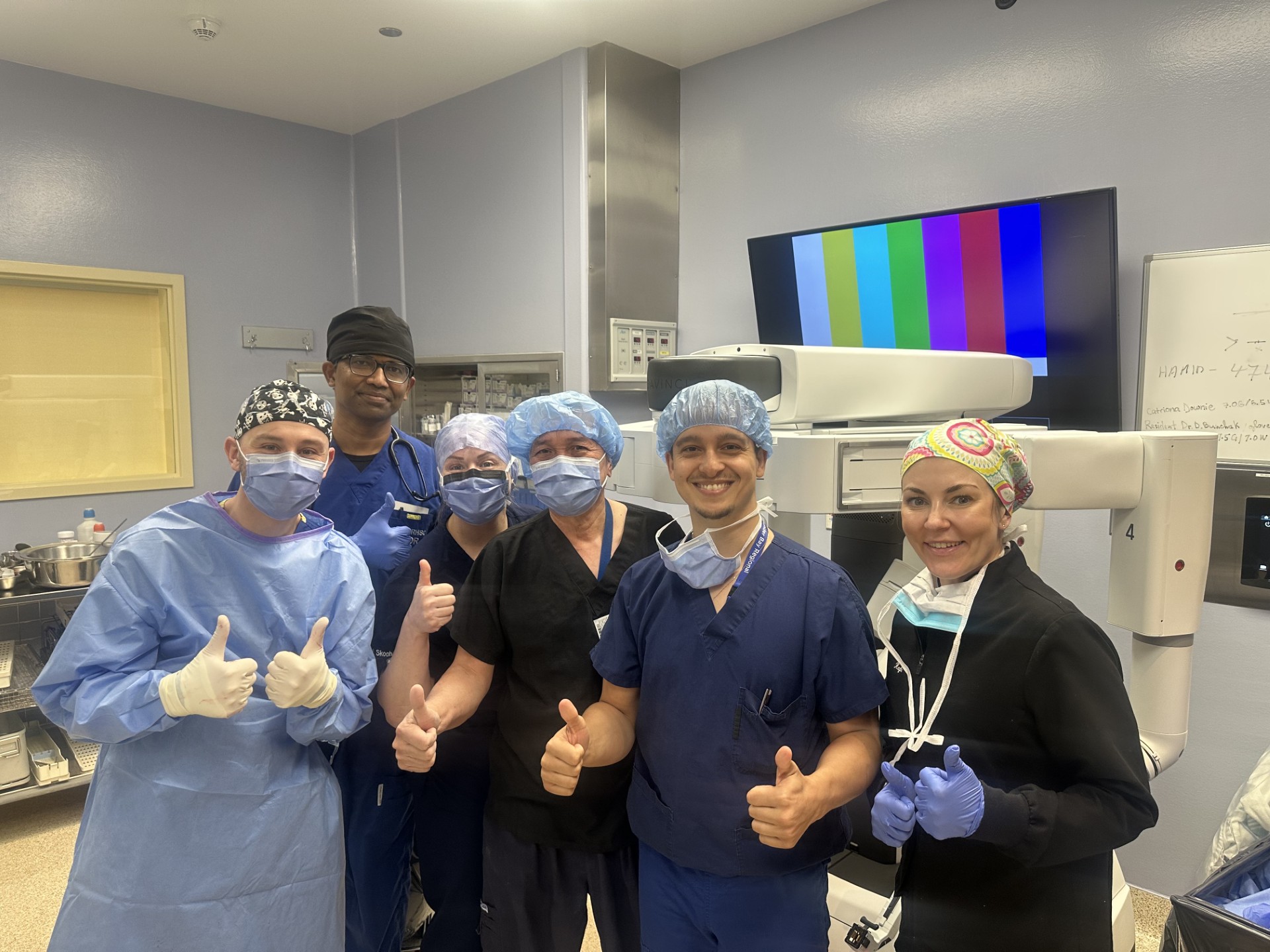
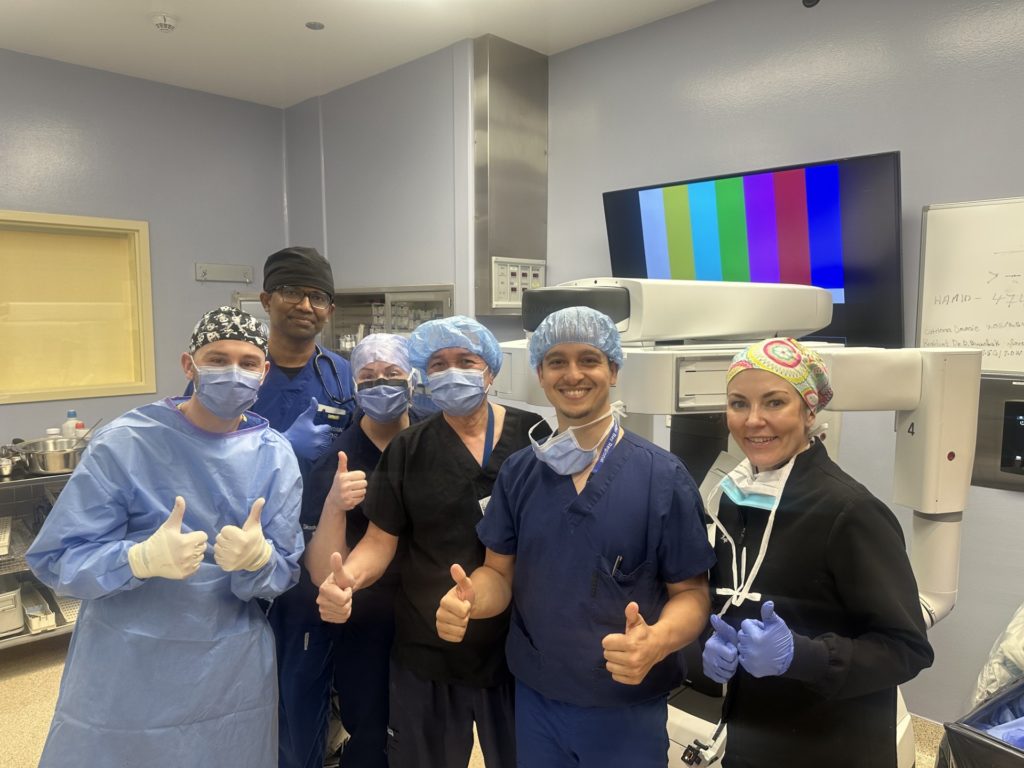
Dr. Caio Suartz and team recently performed our Hospital’s first robotic radical prostatectomy.
A radical prostatectomy is a surgical procedure performed to remove the prostate gland and surrounding tissues, typically as a treatment for localized prostate cancer. This surgery aims to completely eliminate the cancer while preserving urinary and sexual function as much as possible. Robotic-assisted surgery, performed with the help of a surgical system like the da Vinci® robot, has transformed the way prostate cancer is treated.
Some key benefits include:
Greater Precision – The robotic system provides enhanced visualization and dexterity, allowing for meticulous nerve-sparing techniques. Minimally Invasive Approach – Small incisions result in less blood loss, reduced pain, and faster recovery. Shorter Hospital Stay – Most patients are discharged within 24 hours after surgery. Faster Recovery & Fewer Complications – Patients often experience a quicker return to daily activities and a lower risk of complications.
As robotic technology continues to evolve, radical prostatectomy remains one of the most effective treatment options for prostate cancer, offering excellent cancer control and improved quality of life for patients.
Photo (L-R): Tom Tablowski (RN), Dr. Yuvaraj Kotteeswaran (Anesthesiologist), Jill Skoberg (RN), Dr. Gabriel Mapeso (General Surgeon), Dr. Caio Suartz (Urologist) and Kayla Carlson (RN).
To honour Black History Month in February, several features were presented in the Daily Informed Newsletter throughout the month. If you missed any of the features, check them out below!
Introduction to Black History Month: Provides an overview of the significance of Black History Month, including historical injustices, and ongoing systemic racism. It recognizes 2025 as the beginning of the Second International Decade of People of African Descent, as declared by the UN; and describes the significance of the black, red, green, and gold/yellow colours that are associated with Black History Month.
Honouring Dr. Alexandra Bastiany: This feature honours Dr. Alexandra Bastiany, Interventional Cardiologist at TBRHSC, and recipient of the King Charles III Coronation Medal. The medal is awarded to those who have made a significant contribution to Canada. Dr. Bastiany is Canada’s first female Interventional Cardiologist, and is committed to addressing racial and gender inequities in health.
Black History Month Book List: A list of non-fiction books written by Black authors that focus on racial justice and addressing anti-Black racism. There are also some fiction offerings, which focus on Black culture.
A Legacy of Black Canadian Healthcare Heroes: This article highlights Black health care providers who have made significant contributions to their fields. It include nurses Bernice Redmon and Clotilda Douglas-Yakimchuk, physician Dr. Sophia Bethena Jones, and Psychologist Dr. George Phills.
Anti-Black Racism: What does it mean for healthcare providers?: Defines anti-Black racism, and outlines current initiatives being undertaken by the Indigenous Collaboration, Equity, and Inclusion department, in collaboration with the Equity, Diversity, and Inclusion (EDI) Steering Committee and their partners, to address racism at our hospital.
If you have any questions, please contact the Equity, Diversity, and Inclusion Steering Committee via email at: tbrhsc.edisteeringcommittee@tbh.net
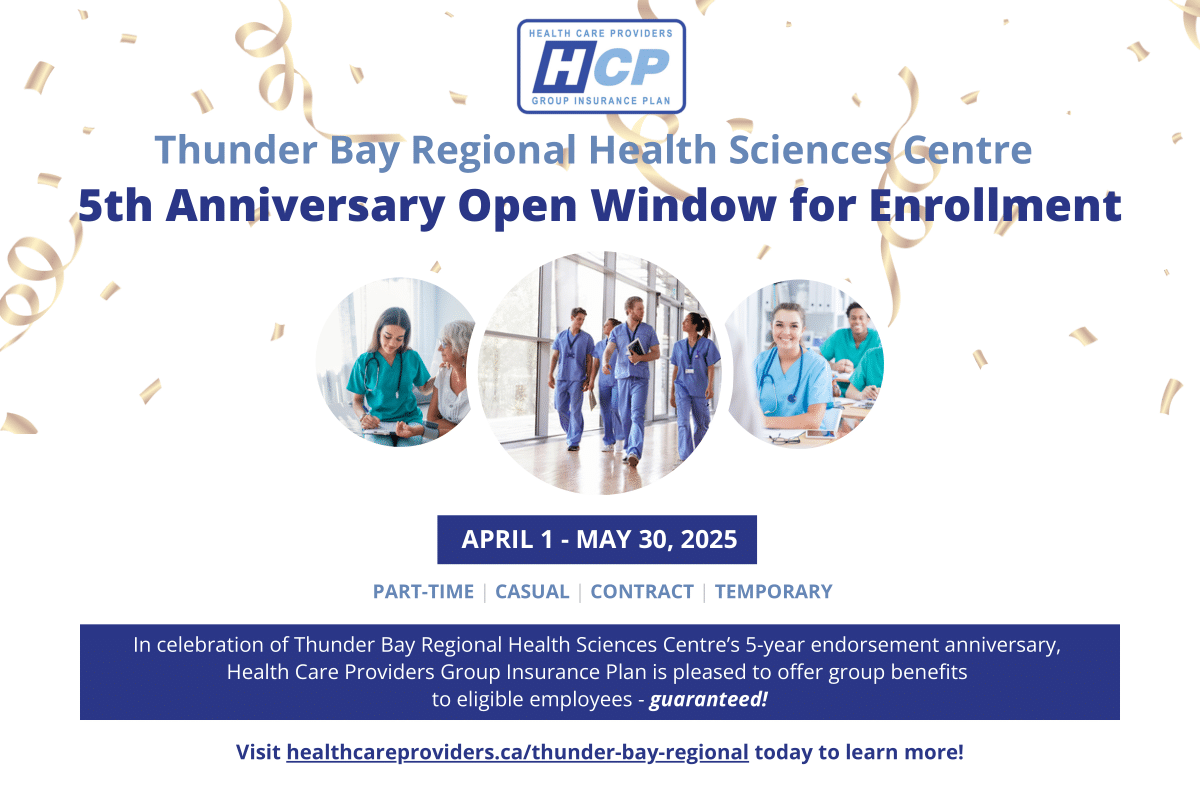
Group benefits plan available through Health Care Providers Group Insurance for part-time or casual hospital employees and retirees.
The open enrollment window, running from April 1 to May 30, provides guaranteed coverage with no medical questions to those who are eligible.
For more information on the plans offered you can view their website at www.healthcareproviders.ca or the information provided on the Human Resources iNtranet page.
For any questions contact Human Resources at 684-6218 or TBRHSC.Humanresources@tbh.net.
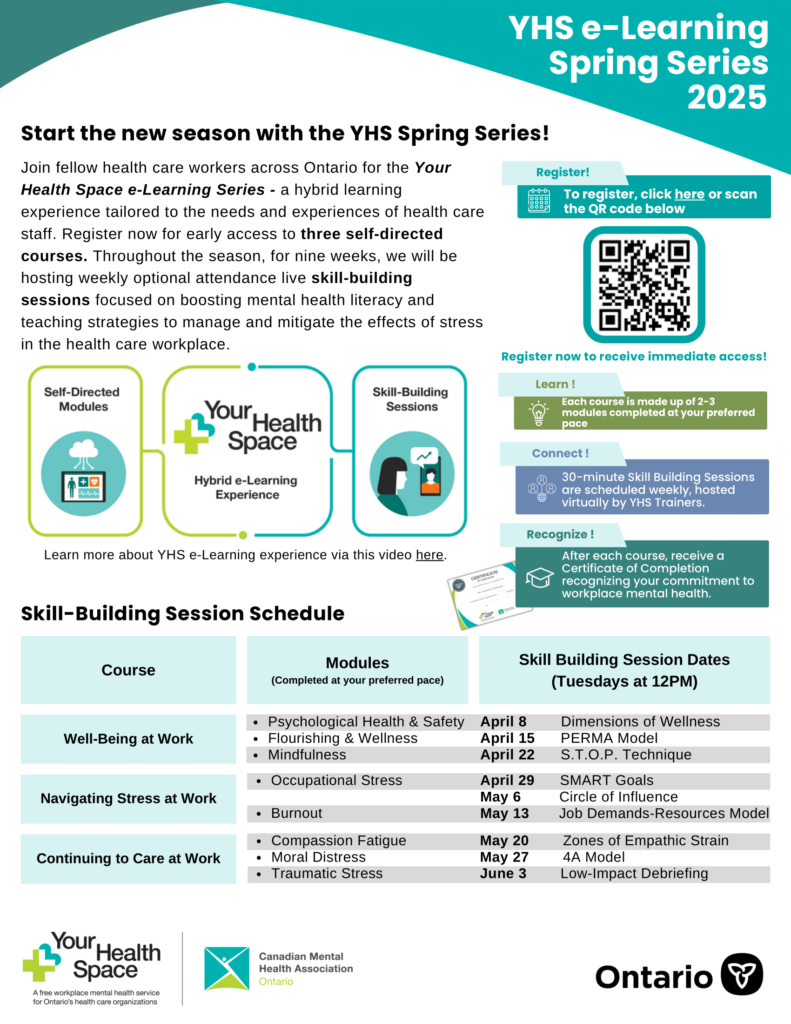
Spring represents renewal and growth, a season perfect for refreshing your mental health toolkit.
The Your Health Space e-Learning Series is a FREE hybrid learning experience tailored to the needs and experiences of health care staff. From now until June 30, learners will have access to three self-directed courses and weekly live skill-building sessions focused on improving mental health literacy and strategies to manage and mitigate the effects of stress in the health care workplace.
Learn more about YHS e-Learning through this 1-minute video.
To learn more about this offering or to register, please CLICK HERE.
Shared on behalf of Wayne Taylor, Director Cardiovascular, Medicine and Regional Renal Program
I am pleased to announce that Yvonne Cashman has accepted the position of Administrative Assistant, Cardiovascular Surgery Program Management & Cardiovascular Services. Yvonne brings a proficient and professional skill set to this position, having spent 15 years as a Legal Assistant. Yvonne also holds a Bachelor of Arts in Psychology from Lakehead University.
In this position, Yvonne will be responsible for the administrative duties supporting the Cardiovascular Services at TBRHSC as well as providing administrative support to the project team tasked with the development of the Cardiovascular Surgery Program. With her strong organizational and communication skills, she will be a valuable asset to our busy teams.
Please join me in congratulating and welcoming Yvonne to her new role, effective March 24, 2025.
Shared on behalf of Jennifer Wintermans, VP Clinical Services, Quality and Corporate Affairs
I am pleased to announce the appointment of Cara Chambers to the Director, Diagnostic Imaging (DI) and Pharmacy position, effective March 24, 2025. We look forward to Cara’s contributions and the positive impact she will have to our operations through her wealth of experience and expertise.
Cara is a registered Medical Radiation Technologist with over 15 years of management and senior leadership experience within a hospital setting and air ambulance services. Cara has an extensive background in budget planning, project development, operational management within unionized environments, and navigating legislative and regulatory environments. Through her work with Ornge and Atikokan Hospital, she has gained additional skills and certifications in infection prevention and control practices, risk management, staff education and patient safety, in addition to her clinical experience.
As the Director of Diagnostic Imaging and Pharmacy, Cara will provide leadership for both programs and set service goals and objectives to ensure operational needs and operational management is directed towards our overall vision. Through this position, Cara will also ensure accountability for pharmacy and diagnostic imaging services through their management teams to support overall service needs that have a focus on patient experience.
Reporting to the Vice President, Clinical Services, Quality and Corporate Affairs, Cara will have oversight for Diagnostic Imaging and Pharmacy Services. Direct reports will include both Diagnostic Imaging Managers and the Manager of Pharmacy. Cara will also collaborate with Department Chiefs, Medical Program Directors and Leads to ensure pharmacy and diagnostic imaging services are meeting organizational needs to advance quality patient care that supports the patients and communities we serve; all while ensuring organizational effectives and fostering a supporting and positive staff experience.
Please join me in welcoming Cara to our Hospital, effective March 24, 2025.
March is Kidney Health Month, and we want to raise awareness about kidney disease and its impact on the people of Northwestern Ontario. Throughout the month, we will be featuring members of the Renal Team, and highlight the incredible care they provide for renal patients across our region.
“Being a Peritoneal Dialysis nurse is very rewarding. I am able to teach a patient to do dialysis in order to get them home safely to their own community. While on home visits in Pikangikum, I found it very fulfilling to be able to see the patients we trained performing dialysis on their own and be able to stay within their community while supporting them from afar. If we could not provide dialysis at home, they would have to relocate their entire family out of their home community to receive the treatment they need. It is very important to us to keep them as close to home as possible.” – Michelle Debesys, Registered Nurse, Thunder Bay Regional Health Sciences Centre (TBRHSC) Peritoneal Dialysis Team
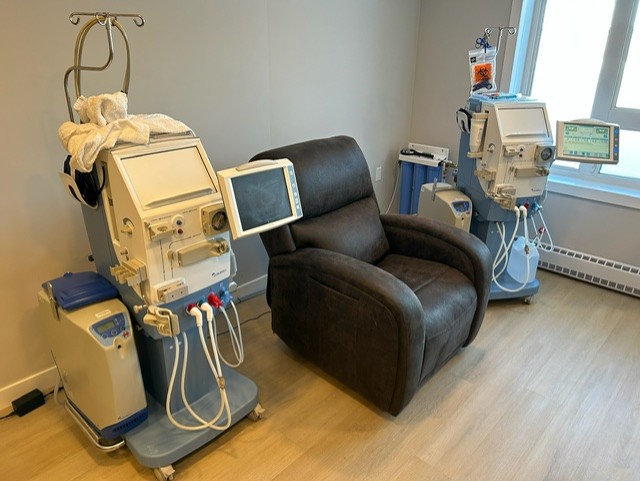
“The Renal Biomedical Engineering Technologists are responsible for maintaining equipment in three dialysis units within Northwestern Ontario: Thunder Bay Regional Health Sciences Centre (TBRHSC), Sioux Lookout Meno Ya Win Health Centre and Riverside Health Care Facilities in Fort Frances. Additionally, the team is responsible for the TBRHSC Home Hemodialysis program. This includes an assessment of a patient’s home, coordinating plumbing and electrical services, installation of a dialysis machine and a portable reverse osmosis unit into a patient’s home, followed by maintenance of the equipment. With a catchment area the size of France, access to these patients uses all forms of transportation; planes, trains, automobiles, boats, skidoos and quads”.
– Mike Smit, Senior Renal Biomedical Engineering Technologist, TBRHSC
“Home Hemodialysis (HHD) nurses first meet with patients and their families to provide HHD information. This meeting helps guide the patient through their decision-making process and to assess if HHD is the right dialysis option for them. Once a person has chosen HHD, the nurses provide approximately eight weeks of training which includes education on renal disease, self-physical assessments, diet, medications, and all aspects of independent/supported dialysis care.
The goal of HHD is to help patients stay in their home or repatriate to their home community where they can live within their spiritual, cultural and traditional lifestyle surrounded by their support system while meeting their dialysis needs.”
– Lauri-Ann Vester, Registered Nurse, TBRHSC Home Hemodialysis Team
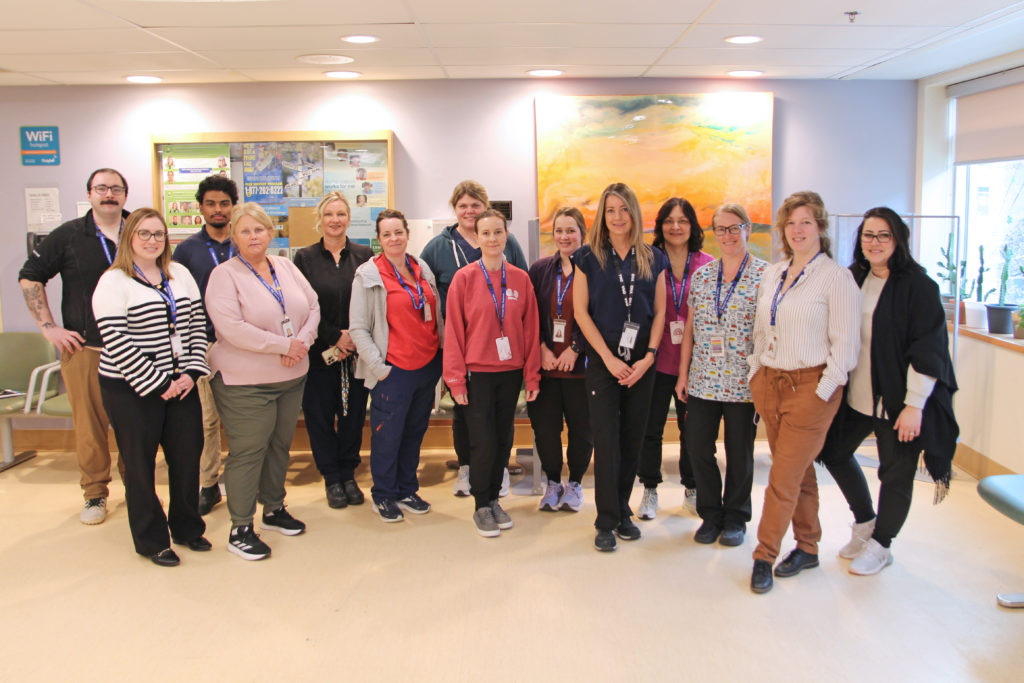
TBRHSC’s Home Dialysis Team on their recent trip to Pikangikum FNA complete hemodialysis setup in a Northern CommunityThunder Bay Regional Health Sciences Centre Home Hemodialysis program staff.
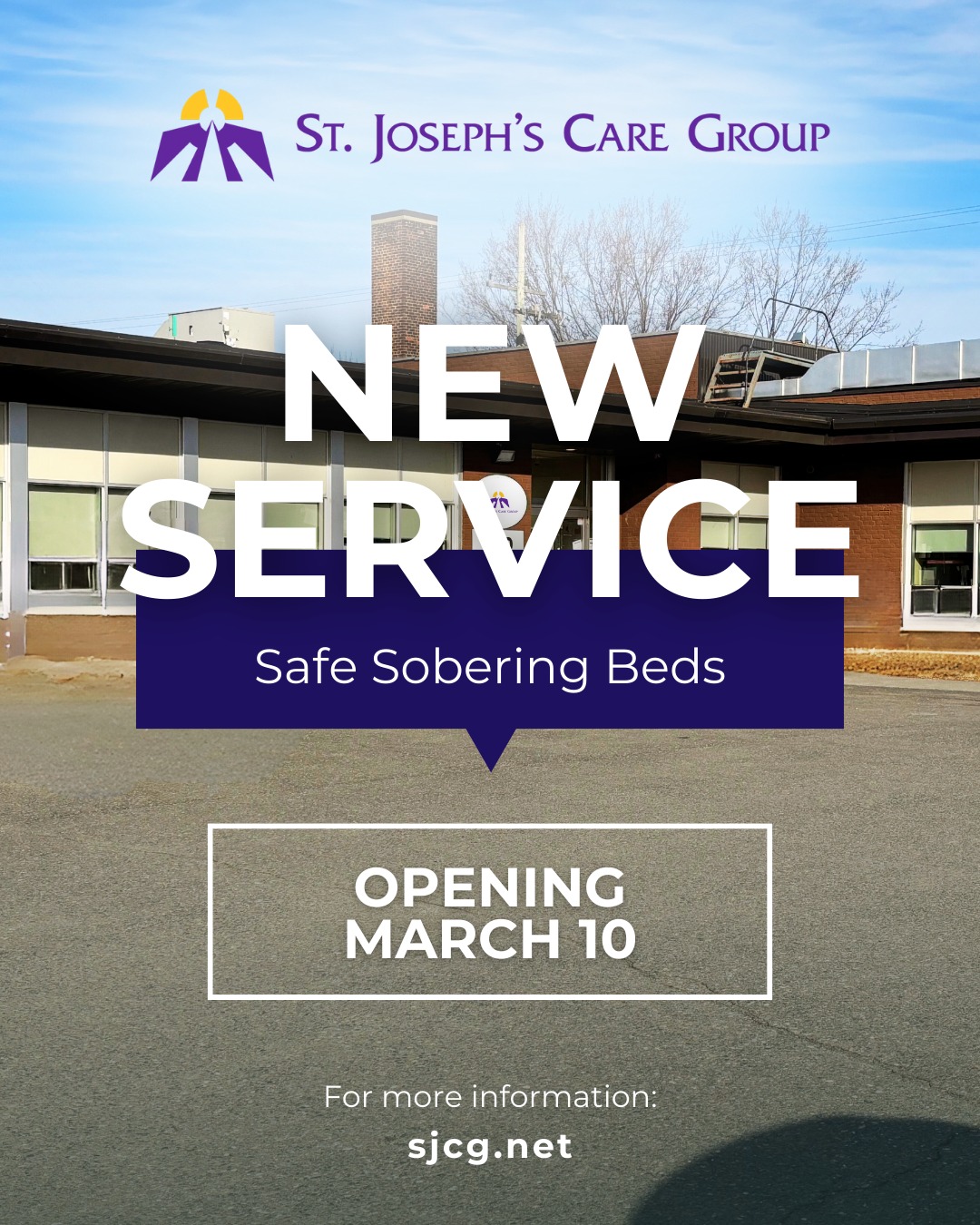
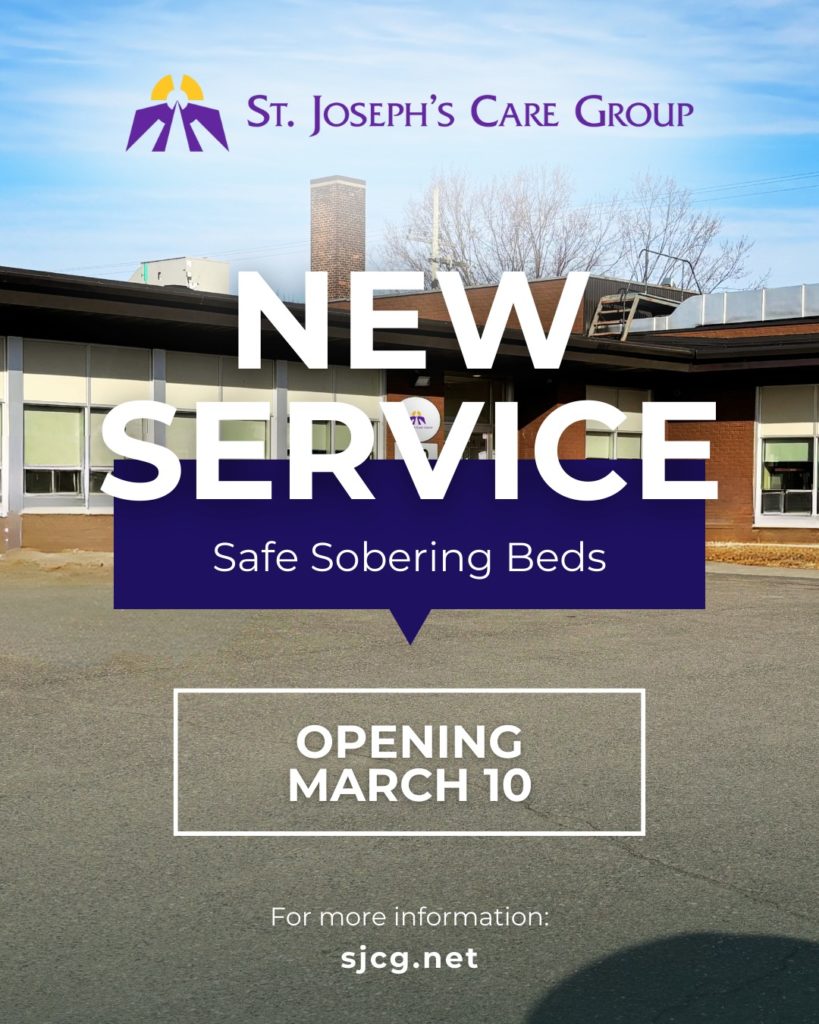
For people living with addictions, every journey is different. St. Joseph’s Care Group offers a continuum of services that, as of Monday, March 10, 2025, will include 7 new Safe Sobering beds.
Located at 500 Oliver Road, Safe Sobering will operate alongside Withdrawal Management. “Our staff have been hard at work since the announcement of $2.9 million in September,” said Andrea Docherty, Vice President Clinical & Community Health. “It is a collaborative effort, involving staff, clients and partner organizations to make sure we have the right supports, processes, and environment in place. They have done an exceptional job in a short period of time.”
Safe Sobering provides a new voluntary option for people aged 16 or over who are under the influence of alcohol or other substances, but do not require the level of care provided in the Emergency Department or Withdrawal Management.
Everyone who accesses Safe Sobering will be treated with dignity and respect. Wraparound supports include connections to treatment, mental health supports, traditional healing practices, and other social services. N’doo’owe Binesi, St. Joseph’s Care Group’s Indigenous Health division, will provide Traditional Healing, system navigation, counselling, and connection to Elders and ceremony.
“Today, we are closing a gap in addictions services,” said Janine Black, President & CEO of St. Joseph’s Care Group, reflecting on the recommendations of the Coroner’s Inquest into the deaths of Roland McKay and Donald Mamakwa, and the contributions of over 30 organizations in developing a model for Safe Sobering. “These spaces represent our collective responsibility to people in crisis, offering the support needed without defaulting to emergency rooms or jail cells, which were never meant to be the front lines of addiction care.”
Construction at the site continues. Upon completion, the total number of Safe Sobering beds will be 15, with the final 8 coming online in late spring 2025.
For more information about safe sobering or to inquire about the referral process, please contact St. Joseph’s Care Group at 807-768-4455.
Backgrounder
St. Joseph’s Care Group (SJCG) combines tradition and innovation in providing a broad range of services and regional leadership in Mental Health & Addictions, Rehabilitative Care, Long-Term Care Homes and Supportive Housing. N’doo’owe Binesi is a innovative Indigenous Health department rooted in Anishinaabek culture that provides education and training, as well as Nanaandawe’ewin (Traditional Healing Program) and Indigenous Health Team supporting clients across SJCG.
Our approach is wholistic people-centred care, meeting the people of Northwestern Ontario where they are on their wellness journey and supporting them to achieve their highest quality of life.
Safe sobering is a voluntary service that provides a safe place for individuals under the influence of substances, such as drugs or alcohol, for up to 24 hours. The average length of stay is 4-8 hours.
Funding for 15 safe sobering was announced on September 19, 2024.
It was subsequently determined that Withdrawal Management and Safe Sobering would be co-located at 500 Oliver Road. Co-locating safe sobering and withdrawal services means that client needs can be stepped up or stepped down when needed.
The first 7 Safe Sobering beds will open on March 10, 2025. Construction will continue, and the remaining 8 Safe Sobering beds will open in late spring 2025.
International Women’s Day is an opportunity to recognize the incredible achievements of women and girls while acknowledging the ongoing work needed to achieve true equality among all genders. As we strive to #AccelerateAction towards gender equity, we foster healthy, strong, and vibrant communities that benefit everyone.
As health care workers, we can further our commitment by educating ourselves about the uniquehealth needs of women. It is essential to recognize that a gender health gap remains, causing disparities in health outcomes and access to health care between genders.
Today and every day, we celebrate the remarkable women at Thunder Bay Regional Health Sciences Centre and Thunder Bay Regional Health Research Institute.
Together, let’s work towards gender equality and a brighter future for all.
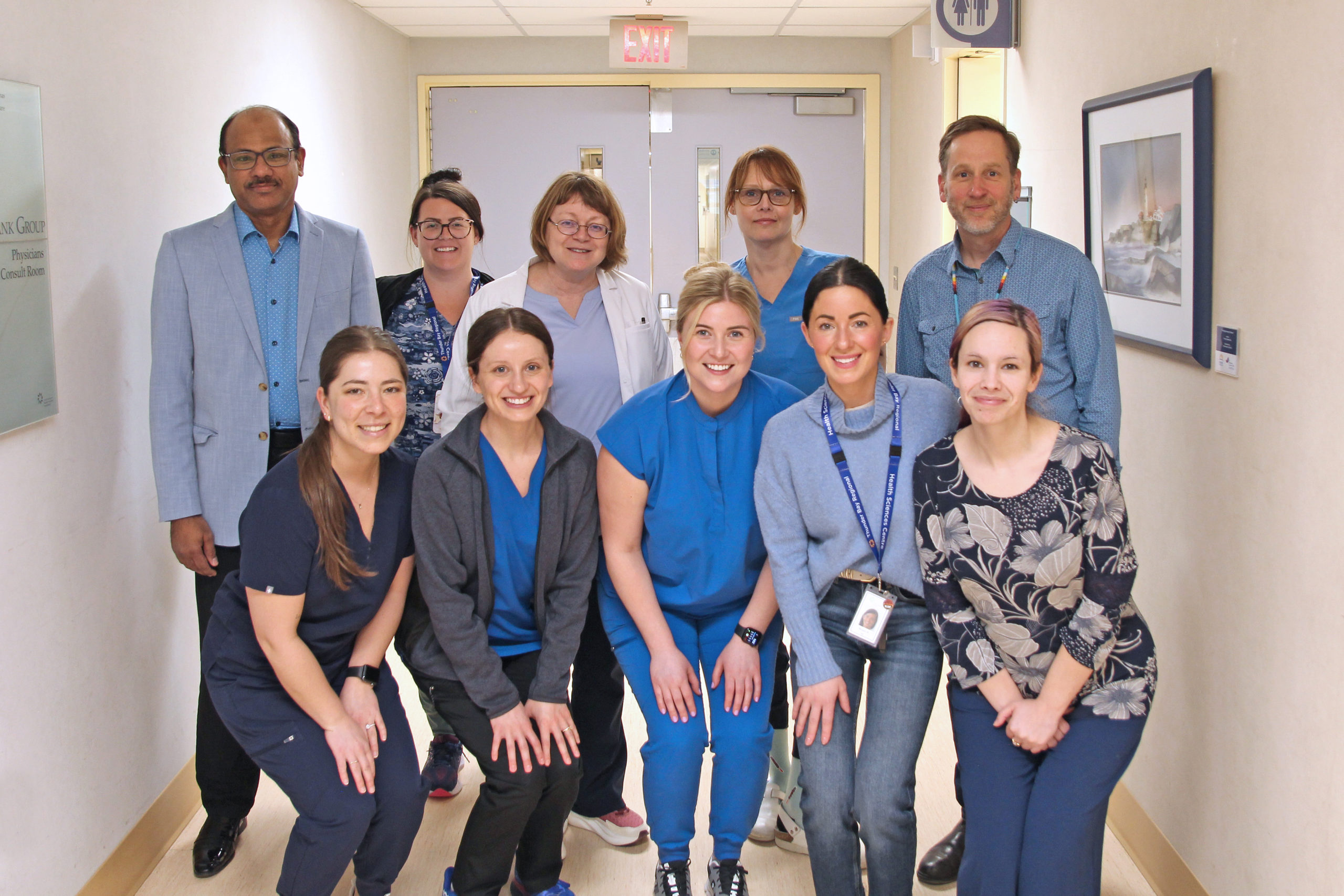
On Wear Blue Day (March 7), staff at Thunder Bay Regional Health Sciences Centre’s Regional Cancer Care wore blue to raise awareness for colorectal cancer.
If you are between 50 to 74 years of age, and have no family history of colon cancer, you should complete a fecal immunochemical test (FIT) kit every two years.
To get your FIT kit, talk to your health care provider. If you don’t have a health care provider, you can get a kit by calling Health811 at 1-866-828-9213 or by making an appointment on the Screen for Life Coach by calling 807-684-7777. Learn more here.