In Canada, there are an estimated 70,000 heart attacks each year. That’s one heart attack every seven minutes. Almost 16,000 Canadians die each year as the result of a heart attack, according to Statistics Canada (2012).
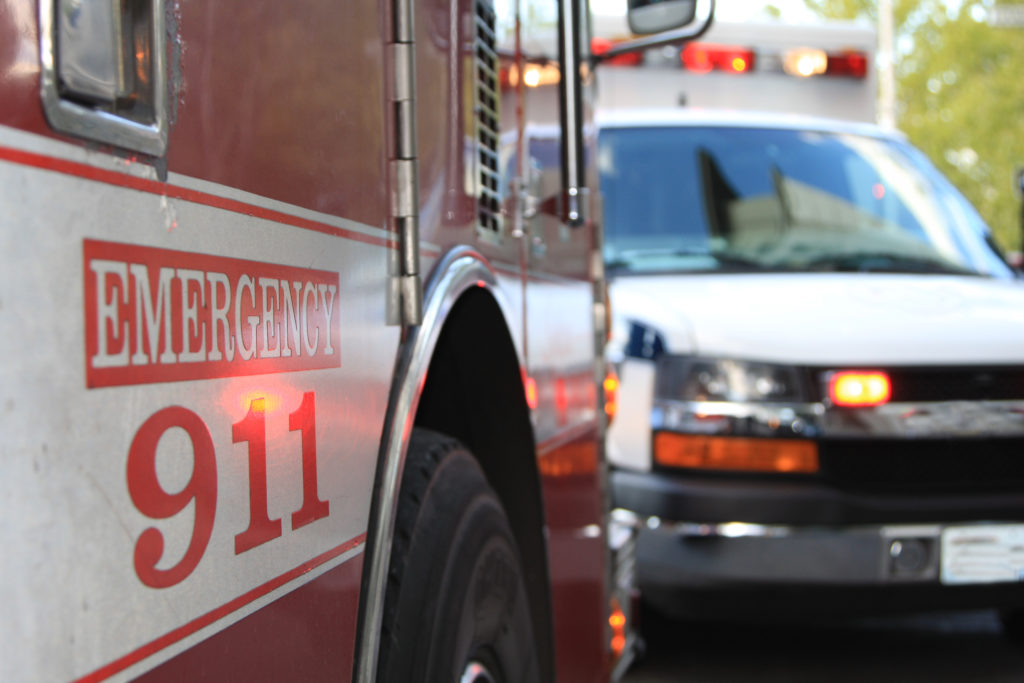
A heart attack is a medical emergency. Calling 9-1-1 and getting to the hospital by ambulance is the safest and most beneficial way for a person to arrive and receive cardiac care in a timely manner.
There are many reasons why a person does not call 9-1-1. These include thinking they could deal with the situation on their own, not actually realizing to call 9-1-1 when someone is experiencing a heart attack, not wanting to cause a scene or just deciding to drive themselves.
In Thunder Bay, more than 40 percent of patients experiencing a significant heart attack did not call 9-1-1 in 2020. Time equals heart, which means the longer a person experiencing a heart attack waits to receive care, the more damage is caused to their heart. In a medical emergency such as a heart attack, every minute counts.
People in Thunder Bay and across Northwestern Ontario need to be aware of the benefits of calling 9-1-1 and the expertise that paramedics bring to cardiac care, especially during the critical first hours. Paramedics are trained to recognize the signs of a heart attack and mobilize the patient quickly.
They start the time sensitive management of cardiac care including performing an electrocardiogram (ECG), which helps to determine the next critical and time-sensitive steps required, while still on route to the hospital. Paramedics pre-alert the hospital that a cardiac patient is on their way, which is critical in activating the process of cardiac care. Due to the large populated rural areas surrounding our cities and towns, there is a dedicated group of volunteers on call 24/7 known as First Response Teams. These Teams can assist heart attack patients with support, as they prepare to hand off to the Paramedics as they proceed to timely life-saving services. The First Response Teams are a vital link between the patient and Emergency Medical Services (EMS).
The most important message to remember is that a heart attack is a medical emergency. Everyone should recognize the following signs of a heart attack:
- Chest Discomfort – Pressure, squeezing, fullness or pain, burning or heaviness
- Sweating
- Upper Body Discomfort – neck, jaw, shoulder, arms, back
- Nausea
- Shortness of Breath
- Light-Headedness
CALL 911. Calling 9-1-1 for a heart attack helps to ensure the best possible outcome.