Dietitians Day | March 18

Photo: TBRHSC dietitians use their specialized knowledge and skills to advance the health of the patients and families of Northwestern Ontario through food and nutrition.

Today is Dietitians Day in Canada. It celebrates dietitians as regulated health care professionals, committed to using their specialized knowledge and skills to translate the science of nutrition into terms everyone can understand to unlock food’s potential and support healthy living for all Canadians.

Dietitians are rigorously trained and regulated health care professionals and remain the most credible source of food and nutrition information. Dietitians can help cut through the clutter of fads and gimmicks. They provide ethical, evidence-based nutrition advice to help you eat in a way that works with your culture and traditions, preferences, nutritional and personal needs such as taste, food skills, budget, and health conditions.

Happy Dietitians Day to all the dietitians at Thunder Bay Regional Health Sciences Centre who support hundreds of patients and families each year.

Neurodiversity Celebration Week

Founded in 2018 by Siena Castellon, Neurodiversity Celebration Week is an annual, global initiative that aims to transform perceptions of neurodiversity through celebration, increasing acceptance and understanding, highlighting the talents and skills of neurodivergent individuals, providing education, and challenging stereotypes and misconceptions. This year, Neurodiversity Celebration Week takes place March 16-22.

Neurodiversity refers to the normal variation in how people learn, think, and experience the world. This includes differences in how people process information and sensory input, communicate, move, feel, and form social connections. While the neurodiversity movement initially focused on Autism and the experiences of Autistic individuals, it has since grown to include a broad range of neurological differences, such as ADHD, Cerebral Palsy, Parkinson’s, and Dyslexia, among others.

Rather than seeing neurological differences as deficits or disorders, the neurodiversity perspective recognizes that diverse ways of thinking can bring valuable skills, creativity, and innovation to workplaces and communities.

Just as we work to provide culturally safe and patient-centred care, we can also strive to ensure our workplaces are welcoming and accessible for staff with diverse neurological experiences. By fostering understanding and challenging misconceptions, we help create a culture where colleagues feel respected, supported, and valued.

To learn more about Neurodiversity Celebration Week, please go to: https://www.neurodiversityweek.com/

You can also learn about creating neuroinclusive workplaces here: https://ccrw.org/wp-content/uploads/2025/11/Diverse-minds-Creating-inclusive-workplaces-for-neurodivergent-workers_CCRW-Trends-Report-2025.pdf

At-Home Colon Cancer Screening Tips

People between the ages of 50 and 74 who are at average risk for colon cancer are advised to complete a fecal immunochemical test (FIT) every two years.

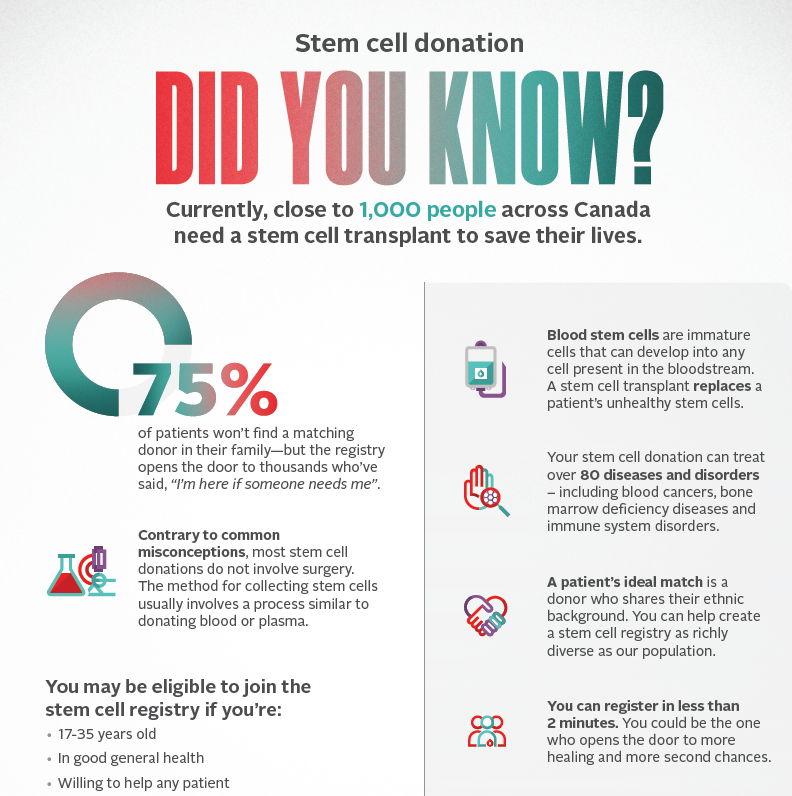
March is Colon Cancer Awareness Month. While colon cancer is one of the most treatable cancers when caught early, 42 per cent of eligible adults in Northwestern Ontario remain overdue for screening. Few realize that colon cancer screening begins with a simple test done at home in just a few minutes.

Colon cancer often develops without symptoms, making regular screening one of the most effective ways to catch the disease early. In many cases, the first sign of cancer is something only a stool test can detect: tiny amounts of blood in the stool (poop) that cannot be seen with the naked eye. When colon cancer is found at an early stage, 9 out of 10 people can be cured.

People between the ages of 50 and 74 who are at average risk for colon cancer are advised to complete a fecal immunochemical test (FIT) every two years. The FIT checks for tiny traces of blood, potentially caused by cancer or pre-cancerous polyps. The test is painless, non-invasive, and can be completed in the privacy of your home.

Along with the instructions provided in your FIT kit, these tips can help ensure your test is completed successfully:

  1. Don’t wait to complete the test. FITs have expiry dates located on the tube – don’t delay!
  2. Label carefully. Make sure your name, birth date, and collection date are correct on the tube.
  3. Check the requisition form. Include your information and return it with the test.
  4. Mail it quickly. Drop off at your nearest post office or LifeLabs within two days of completion.
  5. Avoid outdoor mailboxes. FIT samples are temperature sensitive – they can’t get too hot or too cold.

This Colon Cancer Awareness Month, take action and speak with your healthcare provider about whether colon cancer screening is right for you.

If you don’t have a healthcare provider, you can get your FIT on the Screen for Life Coach (807-684-7777) or by calling Health811. The test does not require a doctor referral and is covered by OHIP for eligible individuals. To learn more, visit tbrhsc.net/colon-cancer-screening.

Pharmacy Appreciation Month

Celebrated each March, Pharmacy Appreciation Month is a time to highlight the growing role pharmacy professionals play in our health care system and thank them for their extraordinary efforts.

When most people think of pharmacies, they think of going to the drug store to fill a prescription and talking to a pharmacist for advice. The Pharmacy Departments at Thunder Bay Regional Health Sciences Centre (TBRHSC) provide a much different service. The Main Inpatient Pharmacy provides all medications to patients in the Hospital through our dedicated Pharmacy Technician team. Our Pharmacy Technicians also complete best possible medication histories for patient’s admitted to the hospital, the first step in reconciling home medications. The pharmacists can be found in the patient care areas working with patients, families, prescribers and nurses to ensure the most appropriate medications are used to improve the health of patients. The Cancer Centre Pharmacy team ensures that cancer patients receive safe and effective chemotherapy while the Specialty Pharmacy provides supportive medications and oral chemotherapy to Thunder Bay and the region.

As part of an interprofessional team, the Department of Pharmacy provides services in four general areas:

  • Pharmacy Services for Inpatient and Outpatient programs
  • Chemotherapy Preparation
  • Specialized Retail Pharmacy
  • Regional Pharmacy Program

The Department of Pharmacy provides timely, quality pharmaceutical and consultation services – an important element of excellent Patient and Family Centred Care.

Pharmacy professionals in our Hospital work tirelessly to ensure that patients receive the best possible care, and their contributions have been remarkable. Join us in celebrating our Hospital’s amazing pharmacy professionals during Pharmacy Appreciation Month!

Some members of the Cancer Centre and Specialized Pharmacy teams at Thunder Bay Regional Health Sciences Centre.
Members of the Main Inpatient Pharmacy team at Thunder Bay Regional Health Sciences Centre.

Non-Violent Crisis Intervention Full Provider (March 18)

Gain the essential skills to deal with crisis situations with confidence, preserving the overall quality of patient service.

All current Non-Violent Crisis Intervention (NVCI) Full Provider courses running are in in Auditorium A/B (3rd Floor – TBRHSC).

Learn how to handle assaultive, disruptive, and out-of-control behaviour through a combination of verbal, non-verbal and physical intervention skills to enable you to control crisis situations even during the most violent moments.

Program Features:

  • Prevention & verbal de-escalation skills
  • Disengagement safety techniques
  • Continuing education credits
  • Trauma-informed training
  • Risk assessment framework
  • Physical intervention techniques

Register here.

BLS Full Provider Course (March 18)


Infused with Heart & Stroke’s 2020 Guidelines for CPR and ECC, our new BLS (Basic Life Support) program offers an engaging and flexible new way of learning. In this course, you will learn the fundamental skills of high-quality cardiopulmonary resuscitation (CPR) for victims of all ages. You will practice delivering these skills as a single rescuer and as a member of a multi-rescuer team.

The next session will be held:

Date: Wednesday, March 18, 2026
Time: 5:00 p.m.
Location: TBRHSC Auditorium A (Room 3021A / 3rd Floor)

The skills you learn in BLS will enable you to:

  • Recognize a cardiac arrest
  • Activate the emergency response system early
  • Respond quickly and confidently
  • Perform high-quality single-rescuer CPR and multi-rescuer team CPR

This course will ensure people in cardiac arrest have the best chance of survival. Click here to register.

Lunch and Learn with Elder Melissa Ahmoo (TODAY)

Join Annette Klement, Traditional Wellness Lead, for a special Lunch and Learn event with Elder Melissa Ahmoo. Don’t miss this unique opportunity to learn and deepen your understanding of what an Elder is, their importance and how they can provide guidance.

Where: ICP Main, Room 2178 (2nd floor)

Date: Thursday, March 12, 2026

Time: 12:00 p.m. – 1:00 p.m. 

Bring your appetites as pizza will be provided. To register, please email Annette Klement, Traditional Wellness Lead at Annette.Klement@net.

We look forward to seeing you there!

Evaulating Patient Experience Reporting

At Thunder Bay Regional Health Sciences Centre (TBRHSC), the Patient and Family Centred Care (PFCC) philosophy guides everything that we do, with the goal of delivering exceptional care for every patient every time.

The PFCC department is continuously evaluating strategies to support the delivery of quality patient and family centred care at TBRHSC. These strategies include the use of standardized patient experience surveys (PES) to monitor and evaluate the patient experience. The PES was developed by the Ontario Hospital Association and is utilized to drive quality improvement initiatives for leaders and decision makers at TBRHSC, as well as compare the organization’s performance relative to peer hospitals in Ontario. To garner its effectiveness, the use of PES data at TBRHSC is highly dependent on how accessible and comprehensible the resulting reports are for leaders and decision makers.

Using a survey of coordinators, managers and directors at TBRHSC, PFCC was able to gather feedback on the usefulness of the current patient experience reporting process to understand how this data is used in practice. 24 leaders and decision makers were surveyed to report on the effectiveness of dashboards showing real-time data of performance indicators, bi-weekly reports on text comments from discharged patients, and quarterly score cards showing results from PES questions.

On February 6, 2026, PFCC’s Hafsa Siddiqui (Data Specialist) and Joanita Nakimuli (Discharge Transition Lead, Patient Advocate) had the pleasure of presenting the outcome of this project at the St. Joseph’s Care Group Centre for Applied Health Research Showcase. The survey of participating leaders showed that dashboards and patient feedback reports are timely, easy to interpret and easy to explain to others. Of note, participants identified competing organizational priorities as a potential barrier to this strategy.

Overall, a survey of hospital leaders and decision makers indicated that patient experience data is useful for setting quality improvement priorities and monitoring progress over time, aiding in the focused undertaking of key performance indicators.

(L to R: Joanita Nakimuli, Discharge Transition Lead, Patient Advocate & Hafsa Siddiqui, Data Specialist)
>