International Day for the Elimination of Racial Discrimination (March 21)

The International Day for the Elimination of Racial Discrimination is observed annually on March 21. It represents an opportunity to reflect on global efforts to eliminate racism and discrimination, the progress that has been made, while also acknowledging that much work still needs to be done.

Thunder Bay Regional Health Sciences Centre (TBRHSC) recognizes the important responsibility we have to be leaders of change in the communities that we serve. TBRHSC is committed to delivering high-quality care, and addressing racial discrimination that leads to a lack of trust, or delays in seeking healthcare services.

Building on our Hospital’s vision of celebrating diversity and creating a sense of belonging, The EDI Steering Committee has developed TBRHSC’s inaugural Equity, Diversity, and Inclusion Framework, and look forward to sharing this work with the Hospital community in the near future. This initiative represents a small step forward along our journey to providing a safe, equitable environment for our patients, their families, and staff. 

To learn more about the International Day for the Elimination of Racial Discrimination, please go to the United Nations website: https://www.un.org/en/observances/end-racism-day, or the Government of Canada website: https://www.canada.ca/en/employment-social-development/programs/federal-anti-racism-secretariat/international-day-elimination-racial-discrimination.html

You can also learn more about the International Convention on the Elimination of All Forms of Racial Discrimination here: https://www.ohchr.org/en/instruments-mechanisms/instruments/international-convention-elimination-all-forms-racial

International Francophonie Day (March 20)

Each year on March 20, people around the world celebrate International Francophonie Day—a day dedicated to recognizing the richness of the French language and the diverse cultures of Francophone communities. The date commemorates the signing of an international cooperation agreement in Niamey, Niger, in 1970, which laid the foundation for global collaboration among French-speaking countries and eventually led to the creation of the Organisation internationale de la Francophonie.

In Canada, Francophonie is an important part of our national identity. Francophone communities contribute to the country’s cultural vitality, innovation, and social life in countless ways. Celebrating International Francophonie Day is an opportunity to recognize the contributions of Francophones and Francophiles who promote and strengthen the French language across communities, workplaces, and institutions.

For healthcare organizations, acknowledging the Francophonie is also part of providing inclusive and equitable care. Canada’s linguistic diversity means that patients and families may prefer to communicate in French, and ensuring access to services in both official languages can create more welcoming and patient-centred environments.

To learn more about more about International Francophonie Day, please go to: https://www.canada.ca/en/canadian-heritage/campaigns/month-francophonie/francophonie-canada.html

Journée internationale de la Francophonie

Chaque année, le 20 mars, nous célébrons la Journée internationale de la Francophonie, une journée consacrée à la mise en valeur de la richesse de la langue française et de la diversité culturelle des communautés francophones. Cette date commémore la signature, en 1970 à Niamey (Niger), d’un accord de coopération internationale qui a posé les bases d’une collaboration mondiale entre les pays francophones et a finalement conduit à la création de l’Organisation internationale de la Francophonie.

Au Canada, la francophonie est un élément important de notre identité nationale. Les communautés francophones contribuent de multiples façons à la vitalité culturelle, à l’innovation et à la vie sociale du pays. La célébration de la Journée internationale de la Francophonie est l’occasion de reconnaître les contributions des francophones et des francophiles qui promeuvent et renforcent la langue française au sein des communautés, des milieux de travail et des institutions.

Pour les organismes de santé, reconnaître la Francophonie fait également partie de la prestation de soins inclusifs et équitables. La diversité linguistique du Canada signifie que les patients et leurs familles peuvent préférer communiquer en français. Garantir l’accès aux services dans les deux langues officielles peut créer des environnements plus accueillants et centrés sur le patient.

Pour en savoir plus sur la Journée internationale de la Francophonie, rendez-vous sur: https://www.canada.ca/fr/patrimoine-canadien/campagnes/mois-francophonie/francophonie-canada.html

French Language Interpretation Services

Interpretation services are available to patients in all clinical units and departments at the hospital through several options. We encourages the use of free, local interpretation options before using paid phone and video options. Below you will find interpretations services that connect French-speaking patients to their healthcare providers.

Services d’interprétation en français

Des services d’interprétation sont proposés aux patients dans toutes les unités cliniques et tous les services de l’hôpital, via plusieurs options. Nous vous encourageons à recourir aux services d’interprétation locaux gratuits avant d’utiliser les options payantes par téléphone ou par vidéo. Vous trouverez ci-dessous les services d’interprétation qui permettent de mettre en relation les patients francophones avec leurs professionnels de santé.

French-English Interpretation by TBRHSC staff members
Interprétation français-anglais par des membres du personnel

https://informed.tbrhsc.net/corporate-info/french-language-services

L’Accueil francophone de Thunder Bay

https://informed.tbrhsc.net/corporate-info/french-language-services/documents/accueil-francophone-brochure

L’Accueil francophone via the Ontario Telehealth Network
L’Accueil francophone via le Réseau de télésanté de l’Ontario

English: https://informed.tbrhsc.net/corporate-info/french-language-services/documents/otn-french-interpretation-services
French: https://informed.tbrhsc.net/corporate-info/french-language-services/documents/otn-french-interpretation-services-fr 

InSight Video Interpreting by LanguageLine
Interprétation vidéo InSight par LanguageLine

https://informed.tbrhsc.net/corporate-info/interpretation-services/resource-documents/insight-quick-reference-guide

Over the phone interpretation
Interprétation par téléphone

https://informed.tbrhsc.net/corporate-info/interpretation-services/resource-documents/signage-for-client-id-and-access-code-tbrhsc

Multicultural Association
Association multiculturelle

https://informed.tbrhsc.net/corporate-info/interpretation-services/resource-documents/interpretation-overview

In Memoriam: Elder Aaron Therriault

Elder Aaron Therriault

We send our deepest condolences to Elder Aaron Therriault’s family, friends, his community of Aroland First Nation, and all those affected by this loss as our dear friend makes his way to the Spirit World.

Elder Aaron, also known by his Anishinaabe name Animkii-gaabowii (Thunder Spirit), was a respected Elder who called Thunder Bay home since 1983. His dedication to his culture, language, and tradition, shared through education, song, and storytelling, made him a deeply valued presence in our community and at Thunder Bay Regional Health Sciences Centre (TBRHSC).

He could often be seen around the Hospital, smiling and carrying his drum. He participated in many Hospital initiatives and his positive presence and guidance helped to move the work forward. 

Elder Aaron provided support and guidance to patients alongside our Spiritual Care team. He sat with many patients at the end of their lives, helping them begin their journey to the Spirit World. The compassion he showed brought comfort to both patients and their families.

Elder Aaron served as an Elder for the Repairing the Sacred Circle: An Indigenous Health Primer training, designed by our partners N’Doo’owe Binesi at St. Joseph’s Care Group, and delivered by TBRHSC. Through his teachings and guidance, he supported staff in developing stronger cultural safety skills and a deeper understanding of Indigenous health. He helped shift attitudes and bring people together in a more meaningful way.

His voice was central to TBRHSC’s annual Truth and Reconciliation Report, which highlights the Hospital’s efforts to address the Truth and Reconciliation Commission’s 94 Calls to Action. His reflections, grounded in the teachings of the Medicine Wheel and the spirit of the Sacred Circle, helped shape the Hospital’s approach to reconciliation and the path forward.

The greatest gifts he gave us were the Anishinaabe names he offered through ceremony, laying a foundation to move the work forward in a good way. He gifted the Indigenous Collaboration, Equity and Inclusion portfolio’s Indigenous departments the name Miskwaa Biidaaban meaning ‘Red Dawn’, and the youth-focused career experience the name Kinomagai Akosii-agamong Anokiiwin, meaning ‘Teaching Hospital, Career or Work.’

These were the first traditional names gifted to Indigenous Collaboration, Equity and Inclusion, and the significance of that moment will not be forgotten. Elder Aaron saw the dedication to this work as a sign of compassion and love, and a commitment to building respect and common ground. He shared that people heal through love, through culture, and through the support of those who carry the teachings. He saw opportunities to grow and do things better. He hoped we would learn from one another, and that by walking this path together, we would find a better way forward for patients, families and our staff.

Elder Aaron’s spirit lives on in the names he gave us and the teachings he shared. Everyone who had the privilege of working alongside him was touched by his knowledge, generosity, and belief in what we were doing and why it mattered. We give thanks for a life of service and will remember him fondly for his tremendous contributions to the well-being of the growth of our Hospital. We are grateful. We will carry his teachings forward. 

World Water Day (March 24)

Lakehead University’s Office of Indigenous Initiatives invites you to join us to celebrate World Water Day on March 24, 2026 from 12:00 p.m. – 1:30 p.m. EST in the Faculty Lounge. This event will also be live-streamed for those that aren’t able to make it.

Please register at the link below:

https://lakeheadu.zoom.us/webinar/register/WN_XWD3O4TBR3CDyt_RhXzhTQ

You will receive a confirmation email after you register.

Administrative contact:

Stacey Pawluk
Administrative and Programs Officer Office of Indigenous Initiatives
Lakehead University
807-343-8010 ext 7219 
admin.ii@lakeheadu.ca

Speakers

Elder Sheila De Corte

Sheila De Corte

Sheila De Corte is an Ojibwe Elder and knowledge keeper from Animkii Wajiw (Thunder Mountain), which is more commonly known as Mount McKay located in Fort William First Nation in the Robinson Superior Treaty Territory of 1850. Her Spirit name is Niibin Giimiwan (Summer Rain), and she is from the Turtle Clan. Sheila was born and raised in the city of Fort William/Thunder Bay, Ontario. She retired from the Federal Public Service in January 2020 to allow her the freedom to feed her spirit by following her cultural path and to be afforded the free time to share her traditional knowledge and teachings with those who call upon her.

It was through Sheila’s volunteer work with the Thunder Bay National Aboriginal Day Committee in 2000 that first introduced her to her first pow wow and to the heartbeat of the big drum. This began her pull and reconnection to her Anishinaabe way of living. She entered the pow wow circle in 2002 as a fancy shawl dancer and has since transitioned into a women’s traditional dancer. She picked up her hand drum in 2014 and now leads the “Sisters of Turtle Island” Women’s Drum Group where songs, teachings, and knowledge are shared as well as the sharing of the group’s community initiatives which support important indigenous community events.

Her Anishinaabe way of living continues to pull her into many cultural related areas, which includes walking for the water to bring healing and awareness on the importance of protecting the water. She and other water walkers are fulfilling their promise to the late Grandmother Water Walker Josephine to continue the work she started for the water. Sheila shares awareness and teachings to support “For Love of the Rivers” water walks in Thunder Bay.

Sheila also continues to build her relationship with the traditional medicines that she has learned about during her four-year commitment studying under the guidance of Kathy Bird, Medicine Women, from Matootoo Lake Medicine Camp located in Peguis FN.

Dr. Robert Stewart

Robert Stewart

Robert Stewart an associate professor of geography & the environment who feels most at home on the lake. His career has been devoted to monitoring and remediating pollutants of concern and working with local communities to protect the watersheds and coastal environments of the Lake Superior Basin.

Dietitians Day | March 18

Photo: TBRHSC dietitians use their specialized knowledge and skills to advance the health of the patients and families of Northwestern Ontario through food and nutrition.

Today is Dietitians Day in Canada. It celebrates dietitians as regulated health care professionals, committed to using their specialized knowledge and skills to translate the science of nutrition into terms everyone can understand to unlock food’s potential and support healthy living for all Canadians.

Dietitians are rigorously trained and regulated health care professionals and remain the most credible source of food and nutrition information. Dietitians can help cut through the clutter of fads and gimmicks. They provide ethical, evidence-based nutrition advice to help you eat in a way that works with your culture and traditions, preferences, nutritional and personal needs such as taste, food skills, budget, and health conditions.

Happy Dietitians Day to all the dietitians at Thunder Bay Regional Health Sciences Centre who support hundreds of patients and families each year.

Neurodiversity Celebration Week

Founded in 2018 by Siena Castellon, Neurodiversity Celebration Week is an annual, global initiative that aims to transform perceptions of neurodiversity through celebration, increasing acceptance and understanding, highlighting the talents and skills of neurodivergent individuals, providing education, and challenging stereotypes and misconceptions. This year, Neurodiversity Celebration Week takes place March 16-22.

Neurodiversity refers to the normal variation in how people learn, think, and experience the world. This includes differences in how people process information and sensory input, communicate, move, feel, and form social connections. While the neurodiversity movement initially focused on Autism and the experiences of Autistic individuals, it has since grown to include a broad range of neurological differences, such as ADHD, Cerebral Palsy, Parkinson’s, and Dyslexia, among others.

Rather than seeing neurological differences as deficits or disorders, the neurodiversity perspective recognizes that diverse ways of thinking can bring valuable skills, creativity, and innovation to workplaces and communities.

Just as we work to provide culturally safe and patient-centred care, we can also strive to ensure our workplaces are welcoming and accessible for staff with diverse neurological experiences. By fostering understanding and challenging misconceptions, we help create a culture where colleagues feel respected, supported, and valued.

To learn more about Neurodiversity Celebration Week, please go to: https://www.neurodiversityweek.com/

You can also learn about creating neuroinclusive workplaces here: https://ccrw.org/wp-content/uploads/2025/11/Diverse-minds-Creating-inclusive-workplaces-for-neurodivergent-workers_CCRW-Trends-Report-2025.pdf

At-Home Colon Cancer Screening Tips

People between the ages of 50 and 74 who are at average risk for colon cancer are advised to complete a fecal immunochemical test (FIT) every two years.

March is Colon Cancer Awareness Month. While colon cancer is one of the most treatable cancers when caught early, 42 per cent of eligible adults in Northwestern Ontario remain overdue for screening. Few realize that colon cancer screening begins with a simple test done at home in just a few minutes.

Colon cancer often develops without symptoms, making regular screening one of the most effective ways to catch the disease early. In many cases, the first sign of cancer is something only a stool test can detect: tiny amounts of blood in the stool (poop) that cannot be seen with the naked eye. When colon cancer is found at an early stage, 9 out of 10 people can be cured.

People between the ages of 50 and 74 who are at average risk for colon cancer are advised to complete a fecal immunochemical test (FIT) every two years. The FIT checks for tiny traces of blood, potentially caused by cancer or pre-cancerous polyps. The test is painless, non-invasive, and can be completed in the privacy of your home.

Along with the instructions provided in your FIT kit, these tips can help ensure your test is completed successfully:

  1. Don’t wait to complete the test. FITs have expiry dates located on the tube – don’t delay!
  2. Label carefully. Make sure your name, birth date, and collection date are correct on the tube.
  3. Check the requisition form. Include your information and return it with the test.
  4. Mail it quickly. Drop off at your nearest post office or LifeLabs within two days of completion.
  5. Avoid outdoor mailboxes. FIT samples are temperature sensitive – they can’t get too hot or too cold.

This Colon Cancer Awareness Month, take action and speak with your healthcare provider about whether colon cancer screening is right for you.

If you don’t have a healthcare provider, you can get your FIT on the Screen for Life Coach (807-684-7777) or by calling Health811. The test does not require a doctor referral and is covered by OHIP for eligible individuals. To learn more, visit tbrhsc.net/colon-cancer-screening.

Pharmacy Appreciation Month

Celebrated each March, Pharmacy Appreciation Month is a time to highlight the growing role pharmacy professionals play in our health care system and thank them for their extraordinary efforts.

When most people think of pharmacies, they think of going to the drug store to fill a prescription and talking to a pharmacist for advice. The Pharmacy Departments at Thunder Bay Regional Health Sciences Centre (TBRHSC) provide a much different service. The Main Inpatient Pharmacy provides all medications to patients in the Hospital through our dedicated Pharmacy Technician team. Our Pharmacy Technicians also complete best possible medication histories for patient’s admitted to the hospital, the first step in reconciling home medications. The pharmacists can be found in the patient care areas working with patients, families, prescribers and nurses to ensure the most appropriate medications are used to improve the health of patients. The Cancer Centre Pharmacy team ensures that cancer patients receive safe and effective chemotherapy while the Specialty Pharmacy provides supportive medications and oral chemotherapy to Thunder Bay and the region.

As part of an interprofessional team, the Department of Pharmacy provides services in four general areas:

  • Pharmacy Services for Inpatient and Outpatient programs
  • Chemotherapy Preparation
  • Specialized Retail Pharmacy
  • Regional Pharmacy Program

The Department of Pharmacy provides timely, quality pharmaceutical and consultation services – an important element of excellent Patient and Family Centred Care.

Pharmacy professionals in our Hospital work tirelessly to ensure that patients receive the best possible care, and their contributions have been remarkable. Join us in celebrating our Hospital’s amazing pharmacy professionals during Pharmacy Appreciation Month!

Some members of the Cancer Centre and Specialized Pharmacy teams at Thunder Bay Regional Health Sciences Centre.
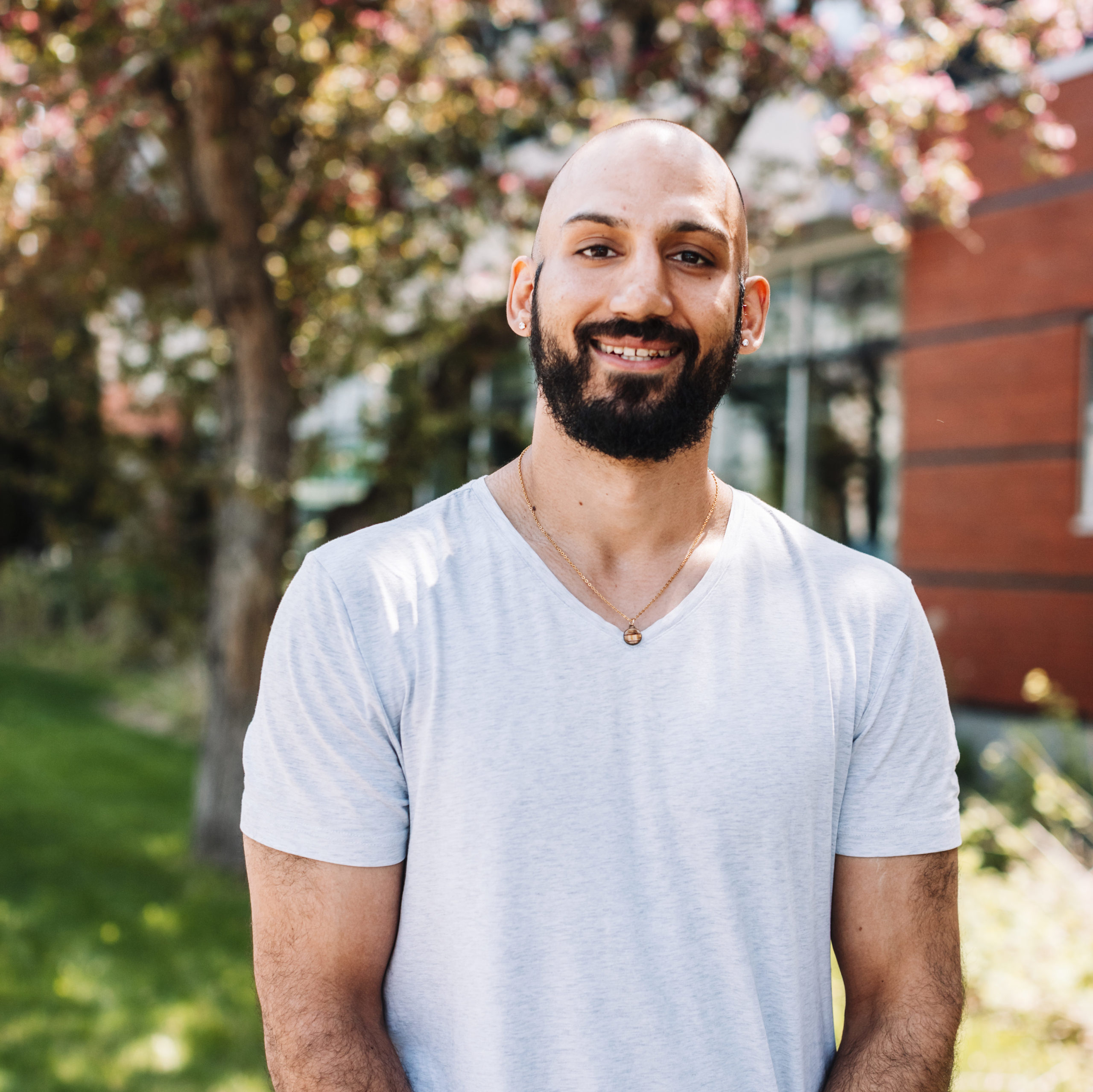
Members of the Main Inpatient Pharmacy team at Thunder Bay Regional Health Sciences Centre.
>