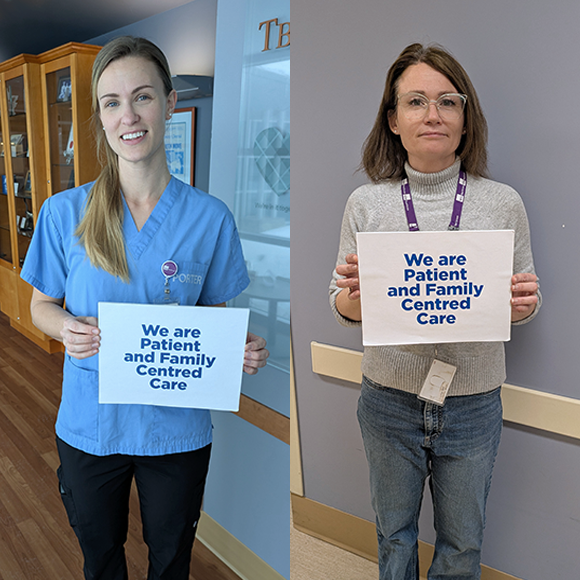
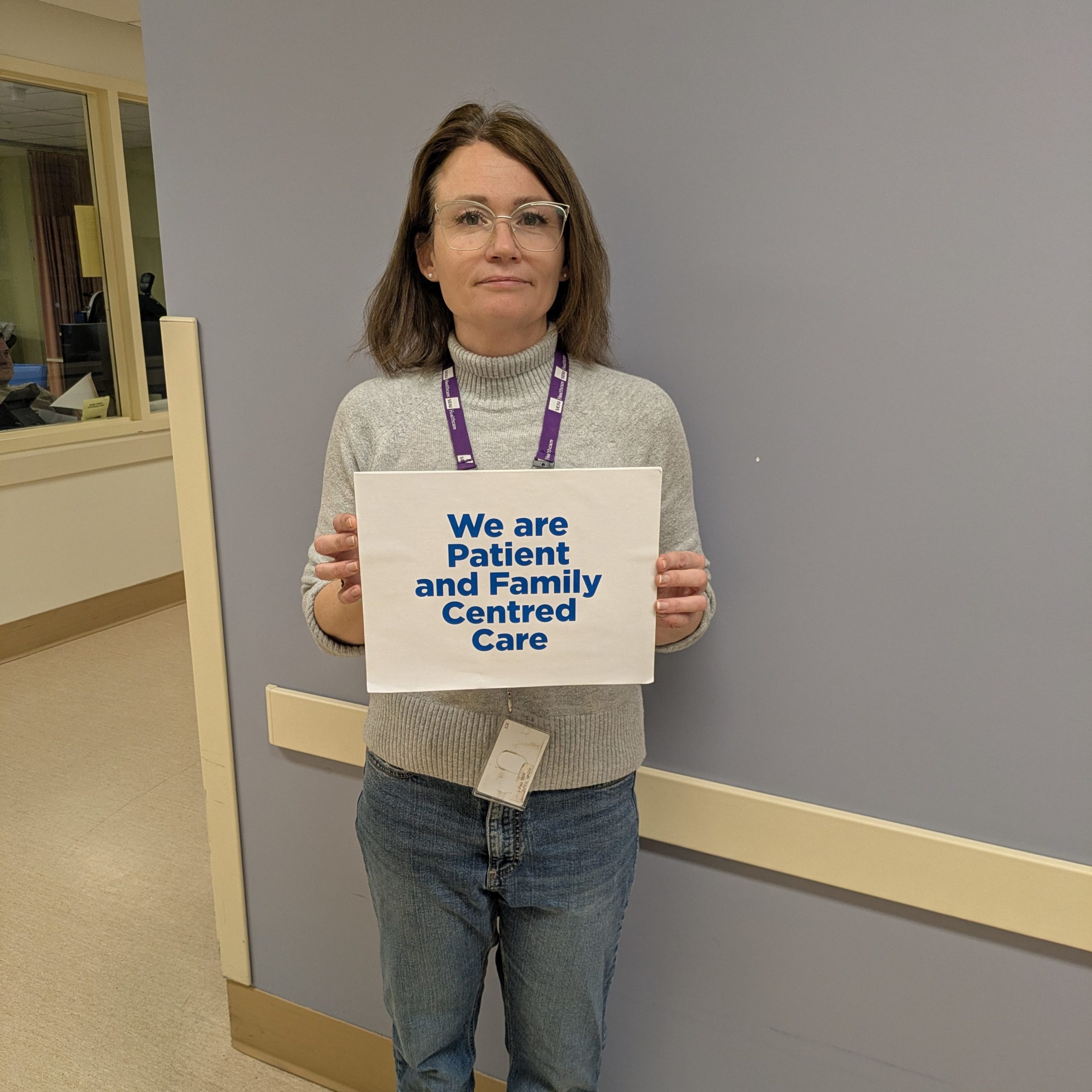
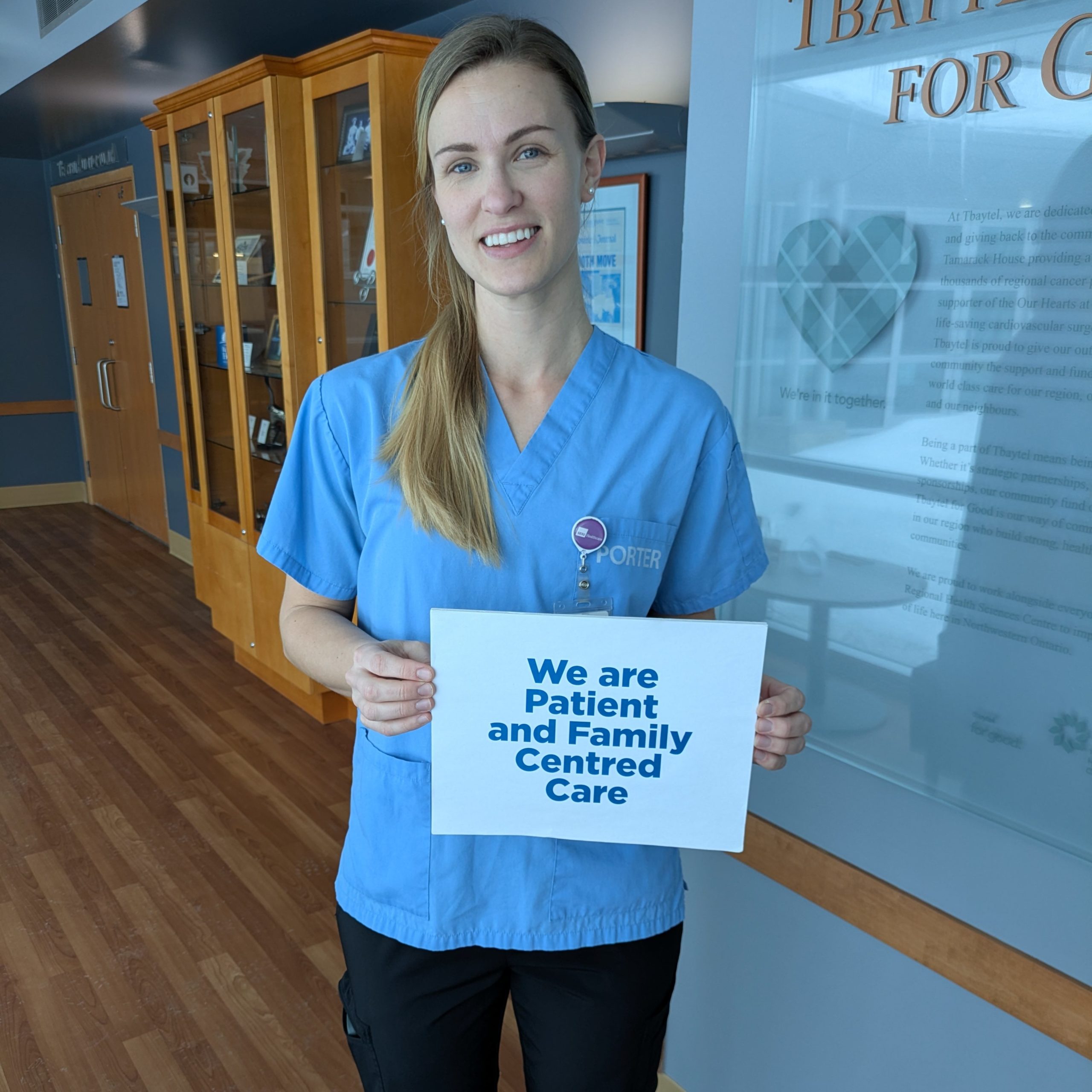
Congratulations to February’s Patient and Family Centered Care (PFCC) Shout Out Winners, Kristie Baxter and Emily Komoski.
Kristie Baxter, Rehab Assistant
Kristie Baxter is a rehab assistant with the Physiotherapy department and has been recognized for keeping patients’ needs at the forefront of her care. Kristie goes above and beyond to ensure her patients’ mobility goals are met, and encourages other members of the team to work collaboratively with patients and families. Her kindness and care are evident in the interactions she has with all patients, whether big or small.
Kristie Baxter
Emily Komoski, Porter/Renal Aid
As a member of the Patient Porter team, Emily Komoski often interacts with patients and families while transporting them to and from tests or procedures. Emily has been recognized for her compassion towards each person she meets, keeping patient comfort and confidentiality at the core of how she participates in their care at Thunder Bay Regional Health Sciences Centre.
Emily Komoski
We would also like to acknowledge all other TBRHSC staff who were nominated for this month’s PFCC Shout Outs. Congratulations to Rita Tosolini (RN, 2C), Jessica McAnulty (SW, Cancer Centre), Marissa Fazzari (2C/RAVE Coordinator), Lauren Hendren (NP, Cancer Centre) and Shijo Jose Prakash (RPN. TCU). Your care and compassion for our patients and families exemplifies PFCC within our organization by showing a commitment to communication, collaboration, dignity, and respect for all patients/families, enabling them to remain key participants in their own health.
Do you know someone in our organization who consistently demonstrates exceptional Patient and Family Centred Care (PFCC)? We want to hear about them!
Simply send a PFCC Shout Out email to TBRHSC.PFCC@tbh.net and include the staff member’s name, department, and a brief description of what they did that deserves recognition.
Let’s celebrate the people who make this a truly patient and family centred organization.
Beginning on the evening of Friday, March 6, through to afternoon of Saturday, March 7, new LINAC equipment will be moved into the Cancer Centre, from the west side patient drop-off loop, through the Cancer Centre doors.
Please proceed with caution in this area. Do not cross barriers or use the exterior Cancer Centre entrance. Security Guards will be present to guide pedestrian and vehicular traffic.
We are pleased to announce the recipients of this year’s Volunteer Student Award and Student Bursaries, generously funded by the Volunteer Association (Seasons Gift Shop) at Thunder Bay Regional Health Sciences Centre.
These awards recognize students who have demonstrated exceptional dedication to volunteerism, leadership, and service within our organization for a minimum of one year. Through their commitment, compassion, and willingness to go above and beyond, this year’s recipients have made a meaningful and lasting impact.
The Volunteer Student Award celebrates not only the number of hours served, but also the spirit of generosity and community involvement that strengthens our organization. In addition, the Student Bursaries support recipients in pursuing their educational goals, reflecting the Volunteer Association’s ongoing commitment to investing in the future of our students.
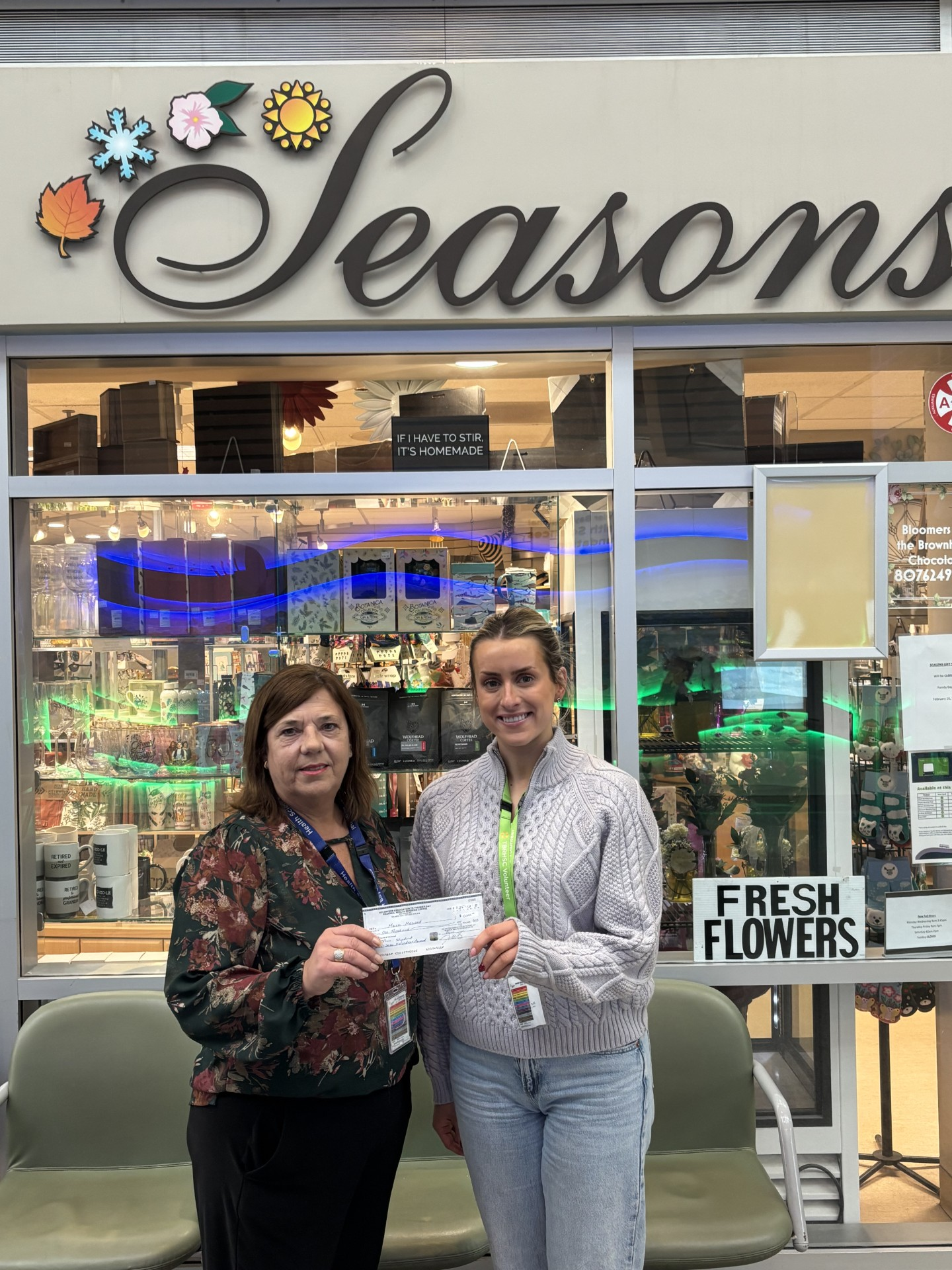
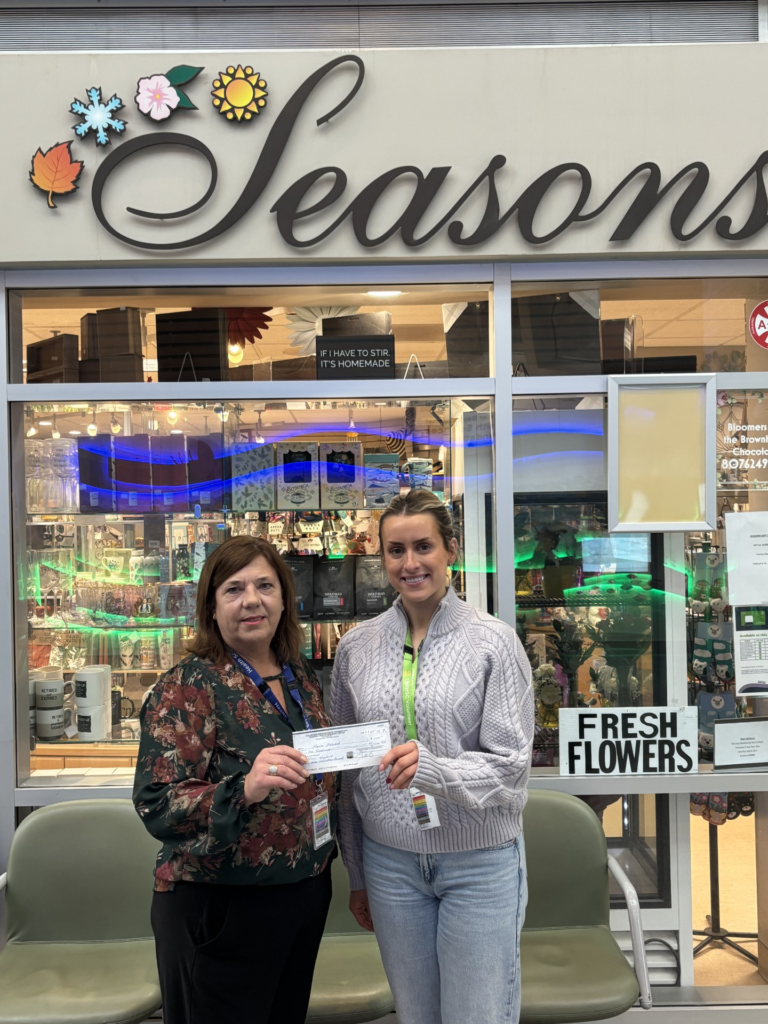
We are proud to announce that this year’s Volunteer Student Award recipient is Moira Menard, who has been awarded $1,000 to support her nursing education.
Louisa Gosgnach, Manager of Seasons Gift Shop (left) with Moira Menard (right).
The Volunteer Association also awarded four educational bursaries of $300 each to the following student volunteers as they continue their studies in the health care field:
Elisa Huang
Victoria Kerr
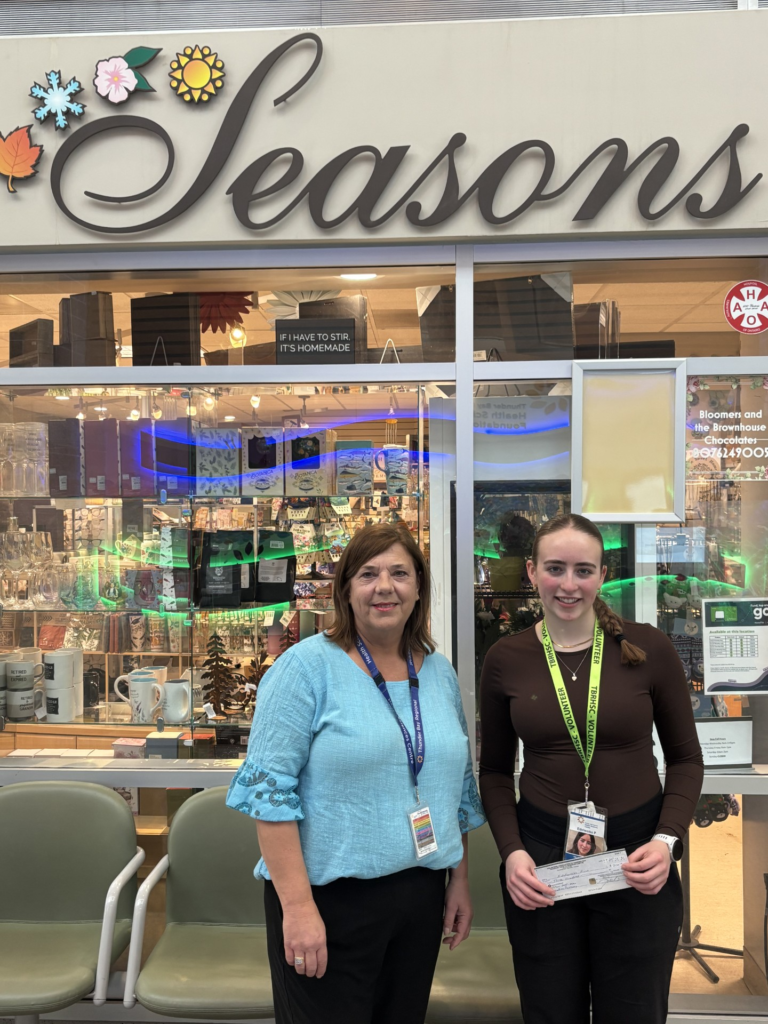
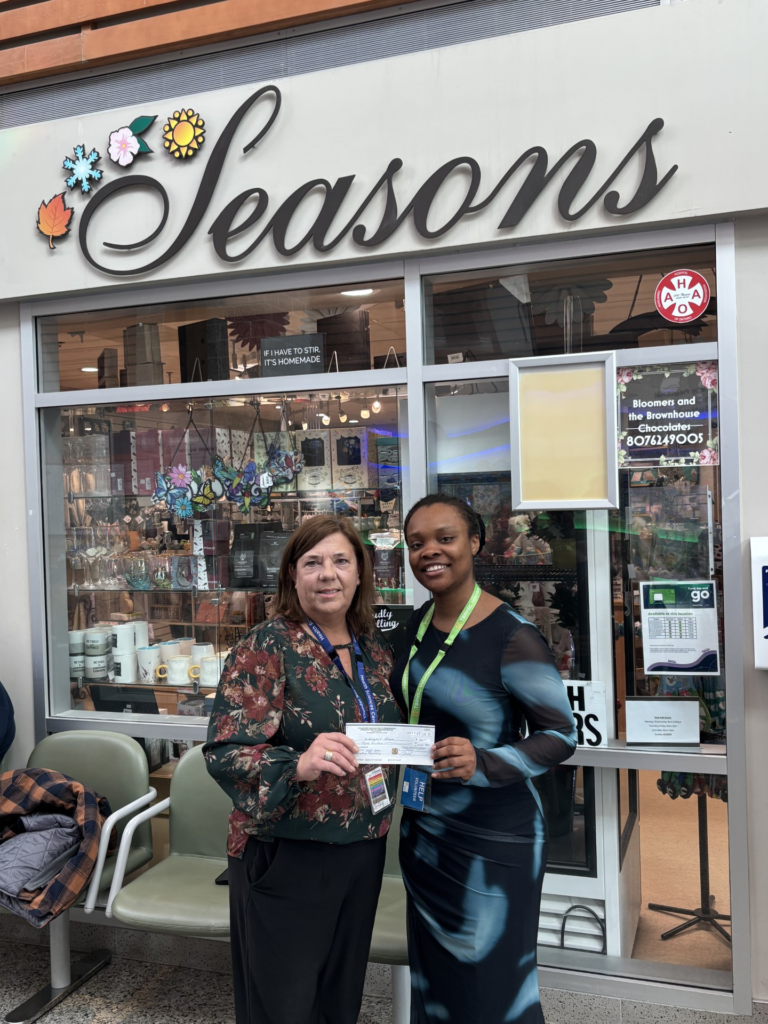
Edelweiss Price (pictured below, right)
Idongesit Usua (pictured below, right)
We extend our sincere congratulations to all of this year’s recipients and our heartfelt thanks to the Volunteer Association (Seasons Gift Shop) for their continued generosity and support.
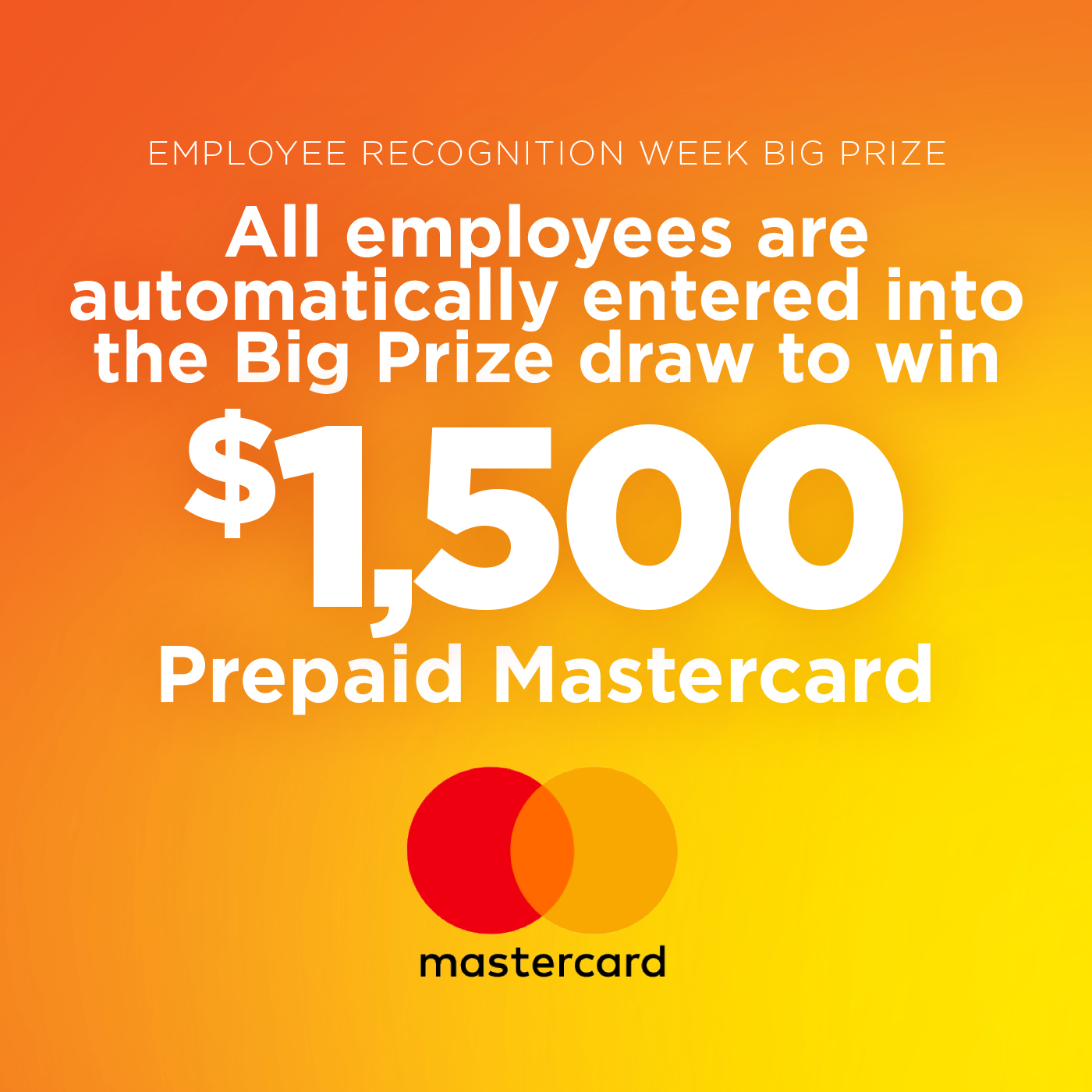
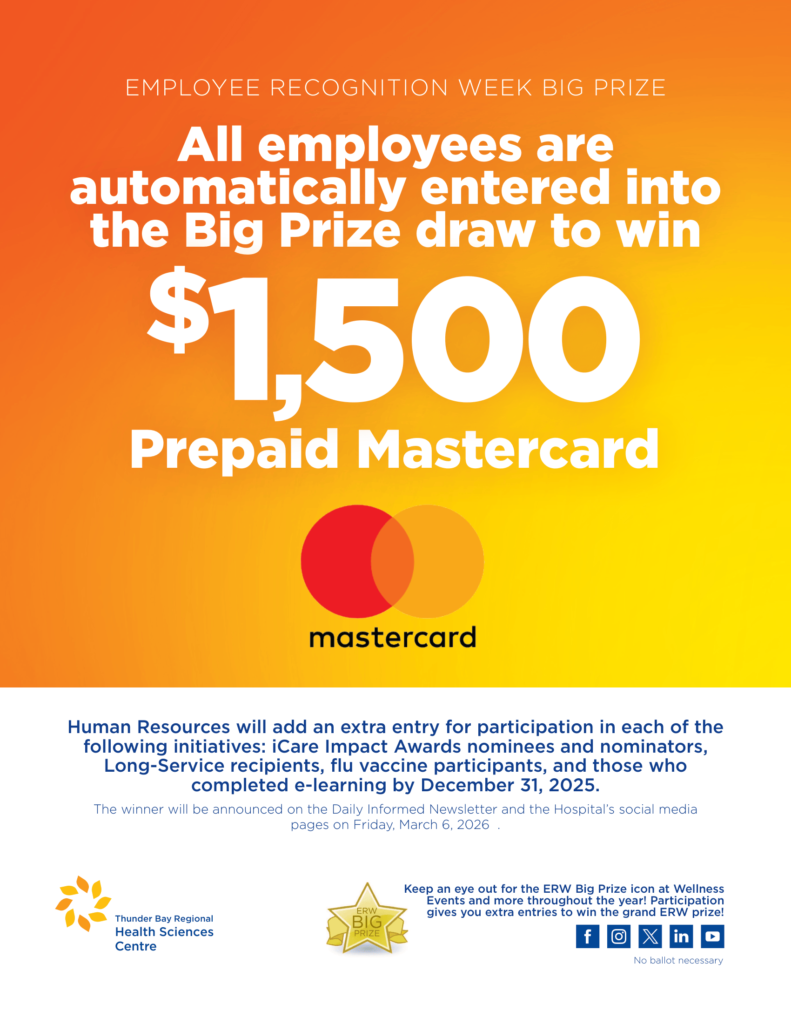
All employee are automatically entered into the Big Prize draw to win. Human Resources will add an extra entry for participation in each of the following initiatives: iCare Impact Awards nominees and nominators, Long-Service recipients, and flu vaccine participants.
Shared on behalf of the Lakehead University Relay for Life Committee
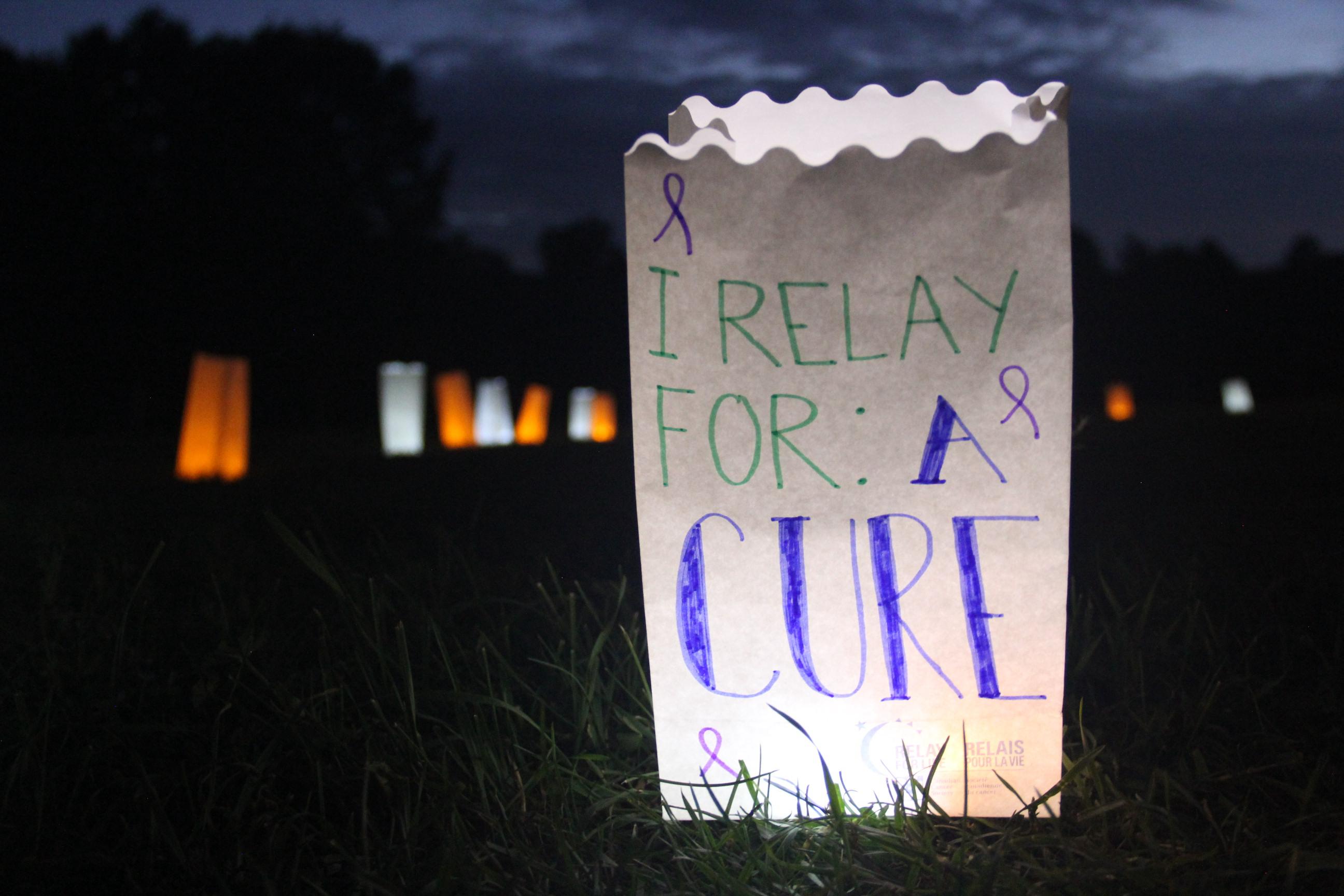
Relay for Life is back in town! On March 6, 2026, Lakehead University Relay for Life Committee is hosting its second Relay for Life! Relay for Life is a walk-a-thon-like fundraiser for raising awareness of cancer research, treatment, and advocacy. We are an official fundraiser in support of Canadian Cancer Society. All funds raised from our event are contributed to support various national CCS programs.
Last year, we raised nearly $7,000 after hosting our first ever event since the pandemic. This year, we are hoping to raise $10,000, and we need your help to achieve this goal together!
This year, our event will be held at the Lakehead University Hangar (955 Sanders Dr.) from 5 p.m. – 12 a.m. Participants do NOT have to stay for the entire duration! Participants are free to visit, and leave based on the schedule that works the best for them! We welcome everyone from our community, and participants do NOT have to be Lakehead student.
There is a $20 registration fee, which includes the event-access, food, and a t-shirt. This $20 fee also contributes toward our overall donation amount.
We also welcome cancer survivors, patients, and/or caregivers to join our event! We dedicate our events to everyone in our community who has been impacted by cancer, and we would love to have you at our Relay for Life event.
If you are interested in registering, or you would like to make a donation, please visit our website at relayforlife.ca/lakehead. If you have any questions, or are interested in making a cash donation, please contact us at relayforlifelakehead@gmail.com.
The Daily Informed Newsletter is published Monday to Friday and distributed to all Thunder Bay Regional Health Sciences Centre (TBRHSC) and Thunder Bay Regional Health Research Institute (TBRHRI) staff via email.
Word (.doc/.docx) is the preferred format for content submissions.
All submissions (e.g. event posters, memos, etc.) must adhere to our corporate branding and style standards. Materials created with Canvas will not be accepted. Contact a member of the Communications and Engagement team for assistance.
Whenever possible, please include a high-resolution photo (.jpg) to accompany your item, especially for new hires and retirements. A member of the Communications and Engagement team would be happy to take the photo if needed.
Indicate both the preferred date to start posting and the expiry date.
Please note that any community events, education, information or awareness-raising initiatives and activities must align with TBRHSC and TBRHRI’s Strategic Plan.
Please ensure that content intended for the Daily Informed Newsletter has been endorsed by your department’s Manager/Director/VP prior to submitting.
In February, we celebrate the International Day of Women and Girls in Science. This Day is a reminder that women and girls play a critical role in science and technology communities and that their participation should be strengthened.
This year, we connected with Viktoriia Batarchuk, Associate Scientist at Thunder Bay Regional Health Research Institute (TBRHRI) and an Adjunct Professor at Lakehead University, for an informal Q&A.
Viktoriia’s research focuses on an interdisciplinary intersection of medical imaging, health sciences, and AI-driven data analysis.
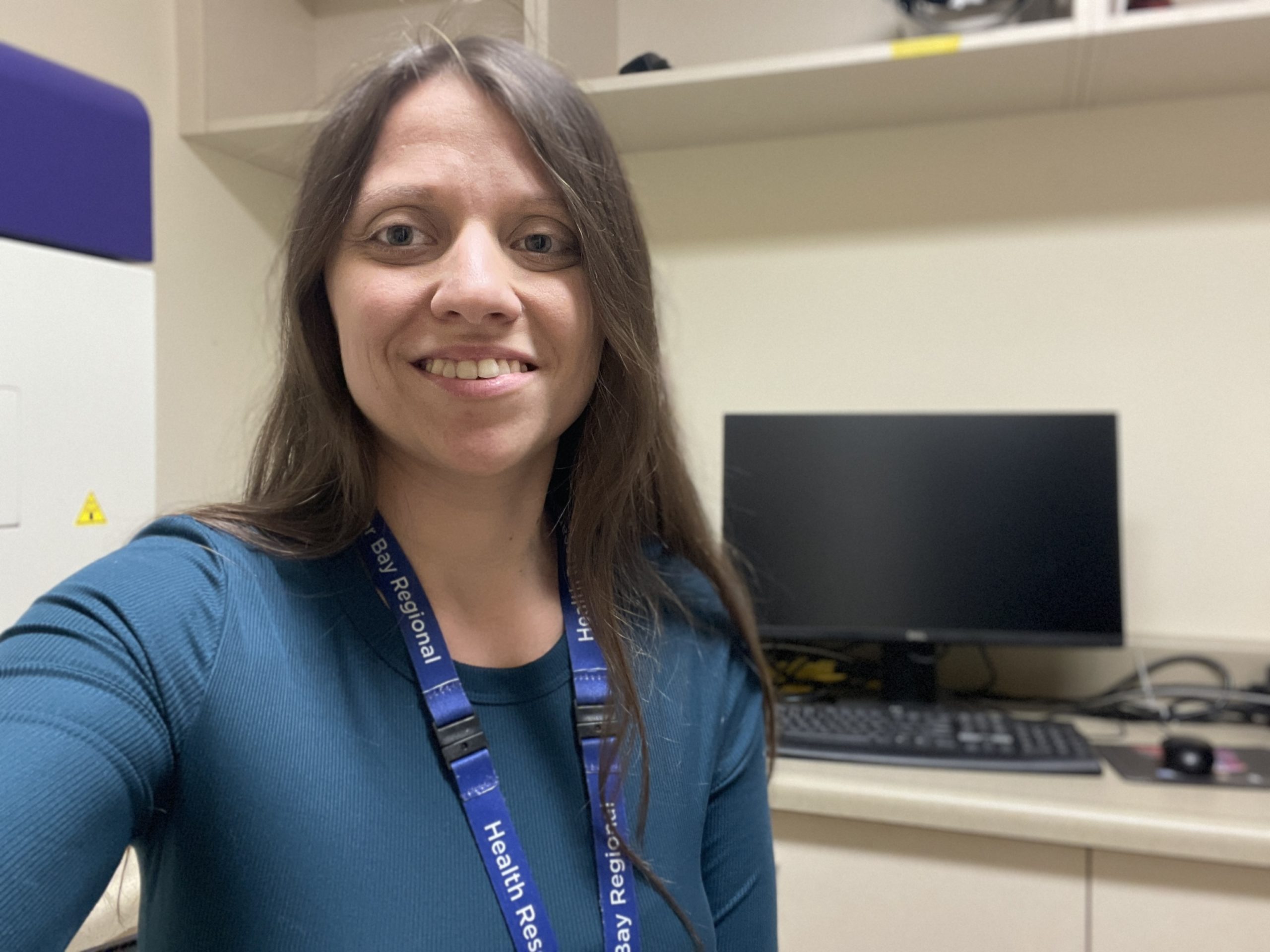
Viktoriia Batarchuk, Associate Scientist at TBRHRI and an Adjunct Professor at Lakehead University.
Why did you decide to get into science?
I didn’t exactly decide to become a scientist. It was that one mechanical clock that I fixed as a kid with a teaspoon and curiosity and there was no way back for me since. Jokes aside, for me it’s been a sequence of choices shaped by what I enjoyed most and what mattered to me through school and my career. From early on, I was fascinated by how things work, and I was also drawn to nature. I’ve always had a special fondness for animals, and I spent a lot of time trying to understand how nature functions as this incredibly complex, well-designed system—one I still don’t even at a first proximity of comprehension. In my early teens, I realized there was another “language” behind how our world works – the laws of physics. And I completely fell in love with it. Step by step, that led me to medical physics and to an algorithmic way of thinking as my foundation. Today, I work on interdisciplinary projects that usually combine health science, computer science and physics.
Tell us about your research — what are you currently working on?
My research sits at a highly interdisciplinary intersection of medical imaging, health sciences, and AI-driven data analysis. My current research program aims to establish an iPSC-derived organoid platform, with an emphasis on cerebral organoids (“brain-in-a-dish”). iPSCs (induced pluripotent stem cells) provide a unique opportunity to basically grow any human-relevant tissue models in vitro. My focus is cerebral organoids, which allow us to track neurodevelopmental trajectories and emerging neural function in real time, including maturation, network activity, and circuit dynamics. Leveraging my expertise in AI and network analysis, I aim to develop non-invasive, quantitative approaches to test hypotheses by modeling disease mechanisms and evaluating drug responses under controlled, ethical, and reproducible conditions. As this platform matures, we aim to become the first site in Northwestern Ontario able to generate and study these organoids, strengthening regional research capacity and enabling closer collaboration with local clinicians on translational priorities such as drug screening and patient-relevant disease analysis. In parallel, with colleagues at TBRHRI and Lakehead University, we are developing biosensors for earlier breast cancer detection and an intelligent molecular imaging platform to non-invasively monitor dynamic microenvironments over time. I also want to acknowledge my former and current supervisors, mentors, and collaborators—especially Dr. Albert and Dr. Sudakov—for their support and for providing the environment that enabled me to establish myself as an independent researcher.
What is the most challenging part of your job?
One of the most challenging aspects for me as an early-career researcher is navigating the combination of limited funding opportunities and career uncertainty before reaching stable, long-term positions such as tenure-track roles. That instability can create significant pressure and, at times, make it harder to focus fully on the research itself. This is exactly why initiatives like TBRHSC/RI Research Seed Funding are so valuable, as they provide support and strengthen the foundation needed to build sustainable research programs, especially for young scientists.
What is the most rewarding part of your job?
My trainees’ successes are the most rewarding part—seeing them grow into confident professionals and earn the positions they’ve worked so hard for. At the same time, I care deeply about ensuring our research produces solutions that genuinely serve patients and end users. Working with people has reinforced for me that our most valuable resource is talent, and it’s a privilege to help cultivate it locally in the community.
Any advice for other women/girls considering a career in science?
Test your hypothesis before drawing conclusions. This idea goes beyond research—it applies to everyday decisions as well. I’ve seen many people assume they won’t get the scholarship, stipend, job, or opportunity, and that assumption becomes the barrier. In my own experience, many doors opened simply because I tried—I sent the email, asked the question, and applied even when the outcome was uncertain.
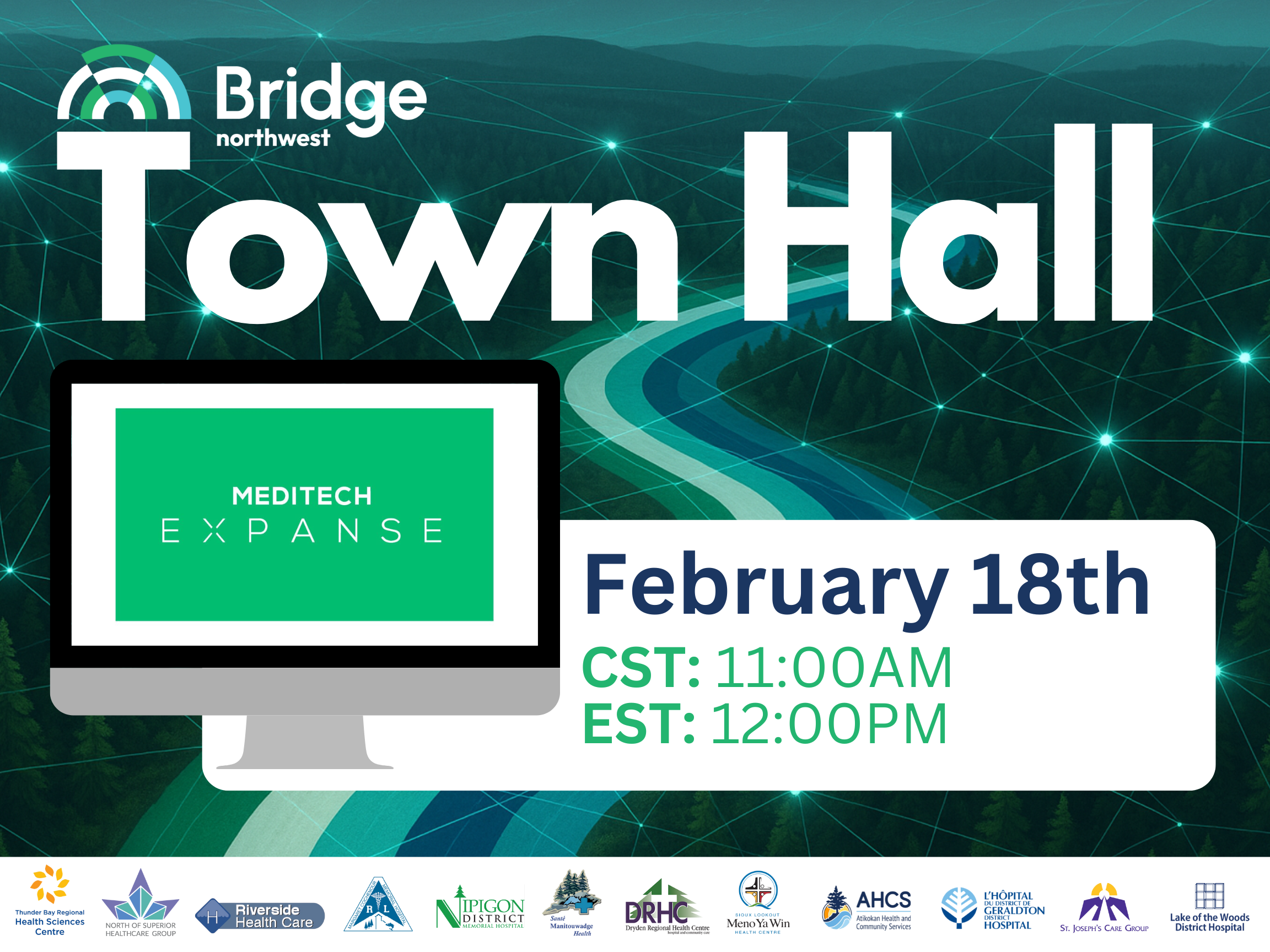
Please join in on the Bridge Northwest Virtual Town Hall, where leadership and clinical voices are brought together to share insights into the upcoming changes around Meditech Expanse, clinical perspectives and a holistic view of the program’s path forward.