Housekeeping Team | The Heartbeat of our Hospital: Whitney and Nesar

Behind every sparkling floor and sanitized surface is a dedicated team of Housekeeping staff who keep our Hospital safe, clean, and welcoming every single day. With cheerful attitudes and a strong sense of purpose, our housekeepers:

  • Help prevent infections by maintaining the highest cleaning standards
  • Create a calm and comfortable environment for patients and families
  • Offer a friendly face during stressful times
  • Support clinical teams by making sure every space is ready for care

Whether it’s an operating room or a waiting room, their work ensures our Hospital is a place of healing, dignity, and safety.
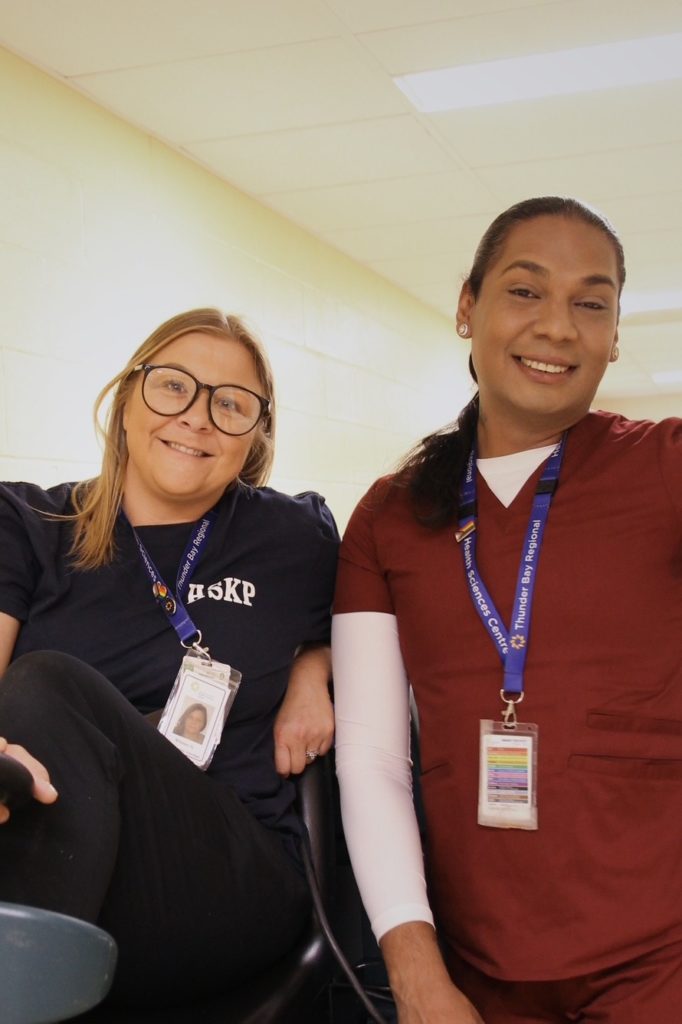
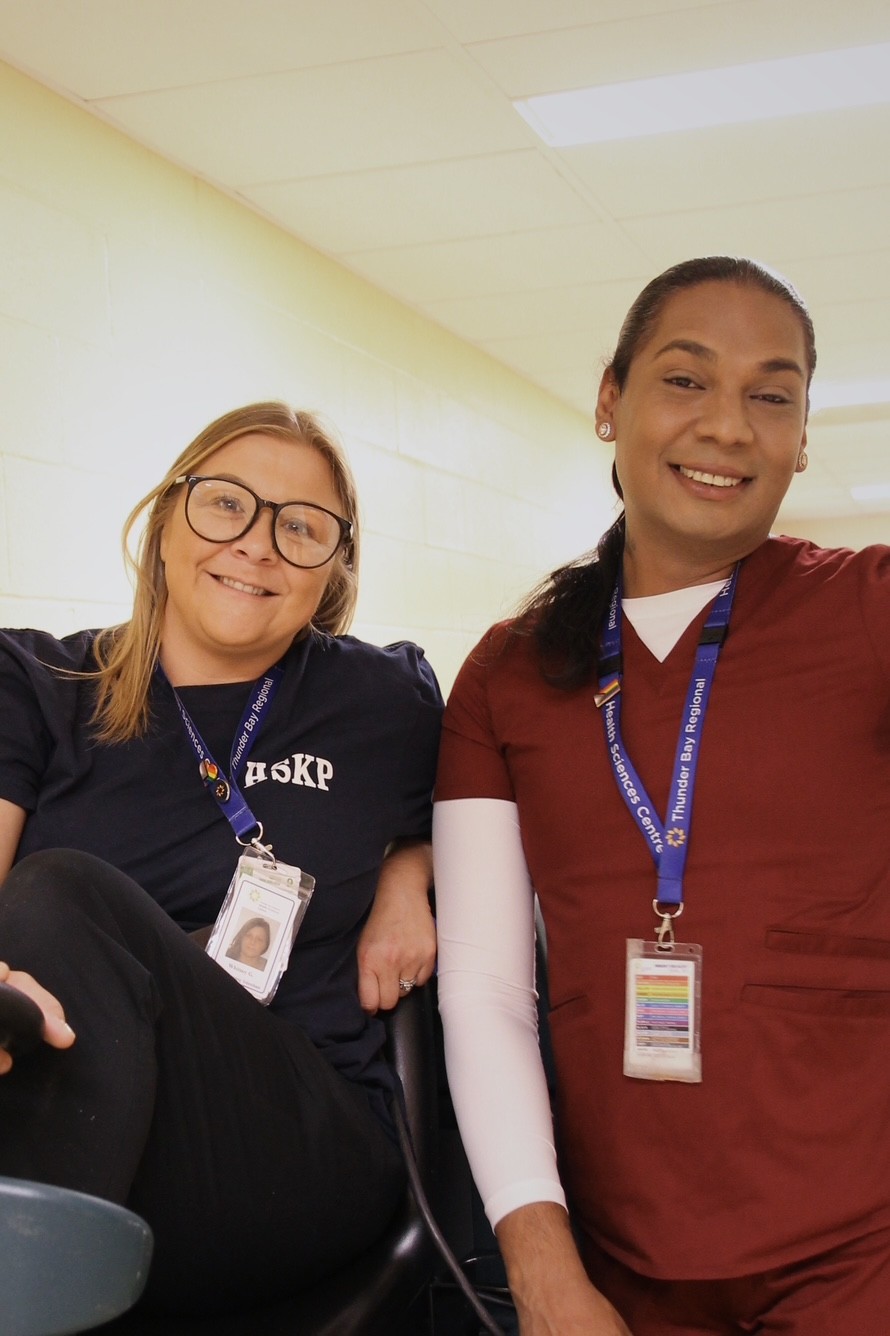
Whitney (left) and Nesar (right), two members of Thunder Bay Regional Health Sciences Centre’s Housekeeping team, invited us to have a peek into a day in their work life.
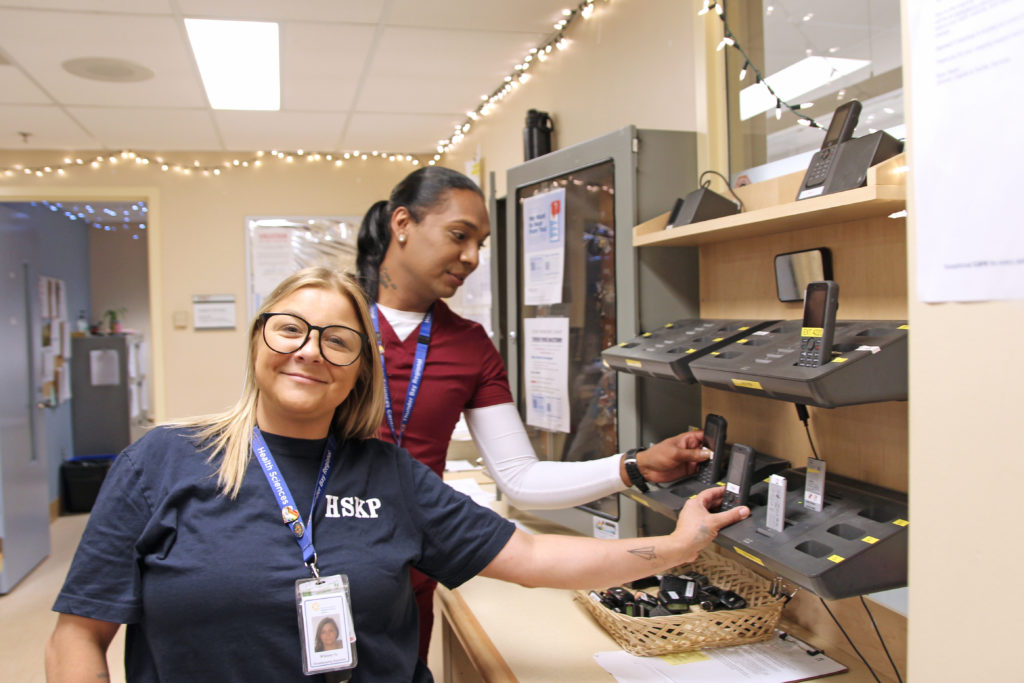
Whitney and Nesar start their shift by collecting their work phone and pager, vital tools to respond promptly to cleaning requests, patient discharges, and urgent sanitation needs. These communication devices allow the team to receive real-time updates on room status changes, respond swiftly to infection control protocols, support patient turnover and improve bed availability and maintain a clean and safe environment for all patients, families, and staff.
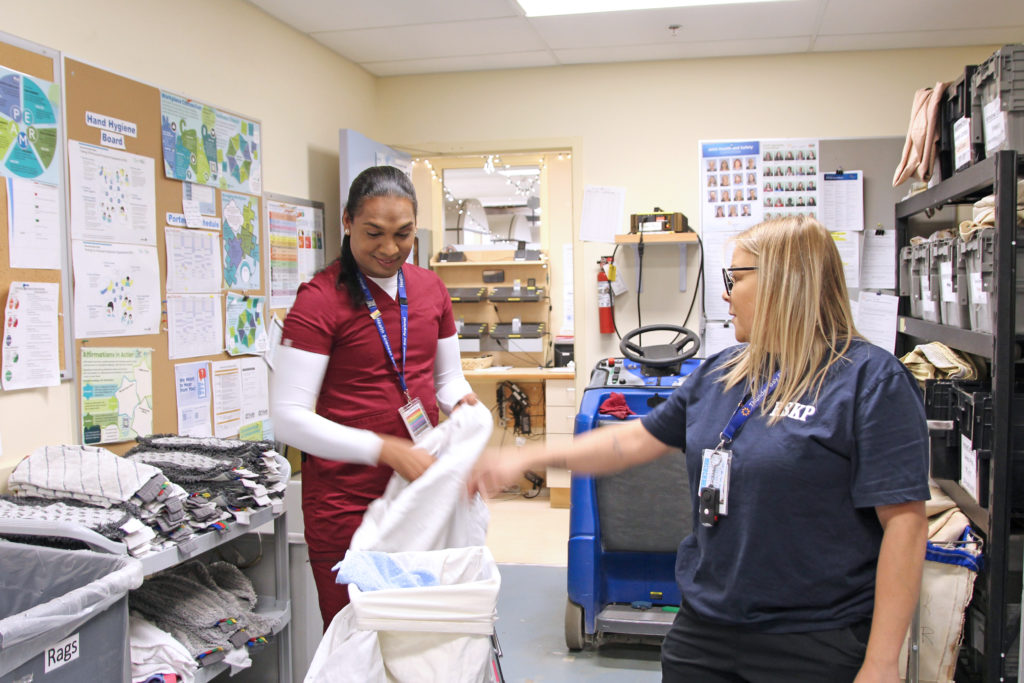
The cleaning cart is a mobile workstation that supports the Housekeeping team in maintaining a clean, safe, and welcoming Hospital environment. Equipped with the right tools and supplies, the cart allows staff to clean rooms thoroughly and efficiently, without unnecessary trips back and forth.
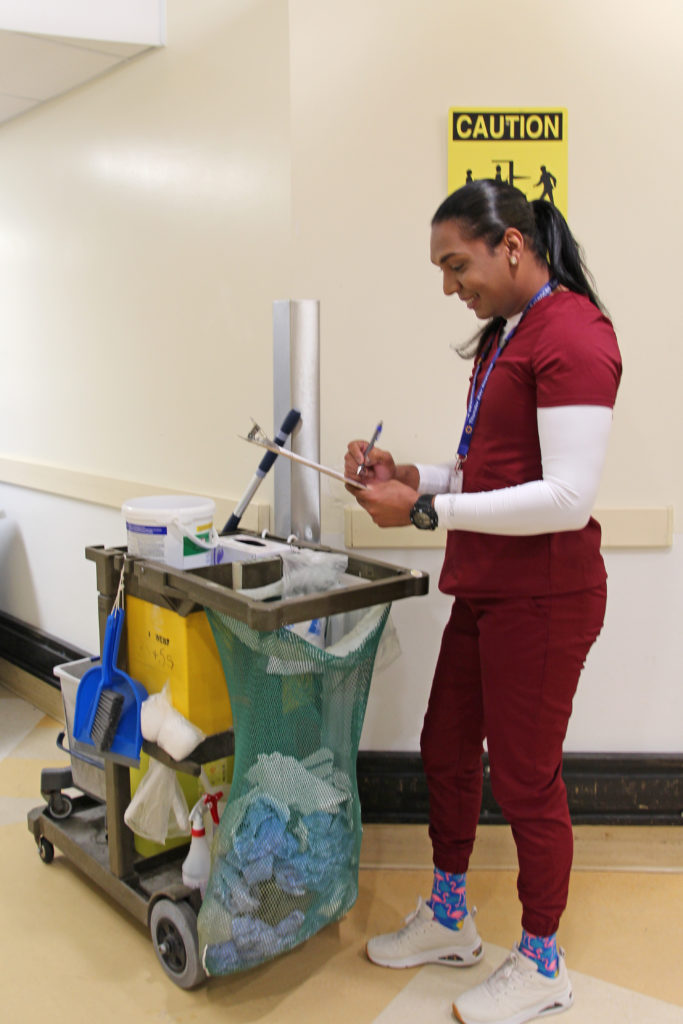
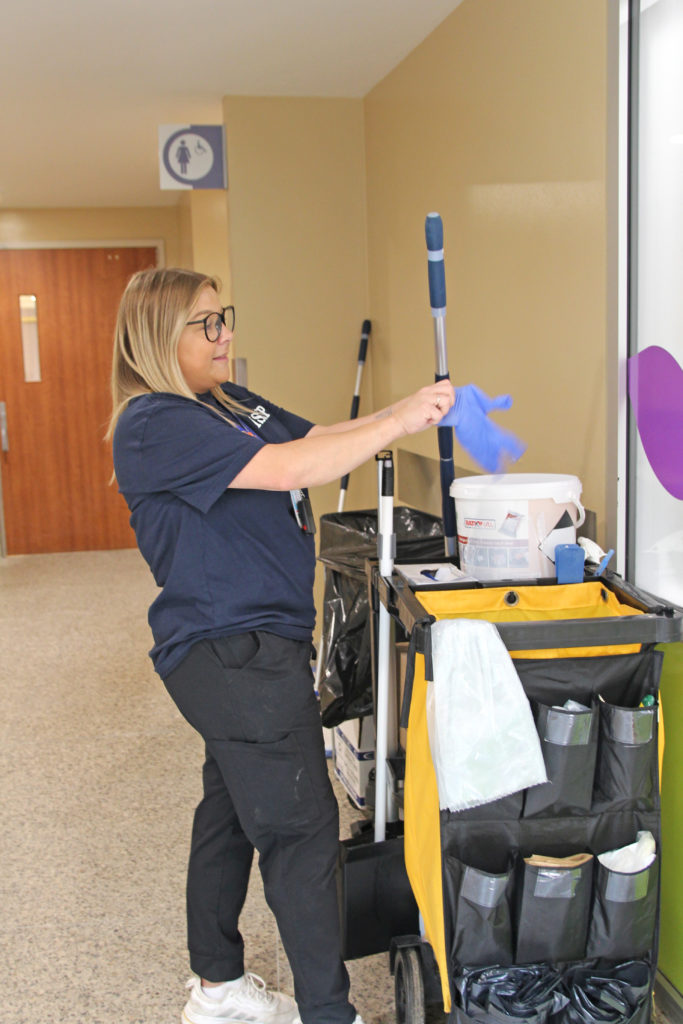
Each department has properly stocked and organized carts to prevent cross-contamination and support strict infection prevention and control standards.  The carts have everything from high-touch disinfectants to PPE, everything needed for a thorough clean is ready and accessible.
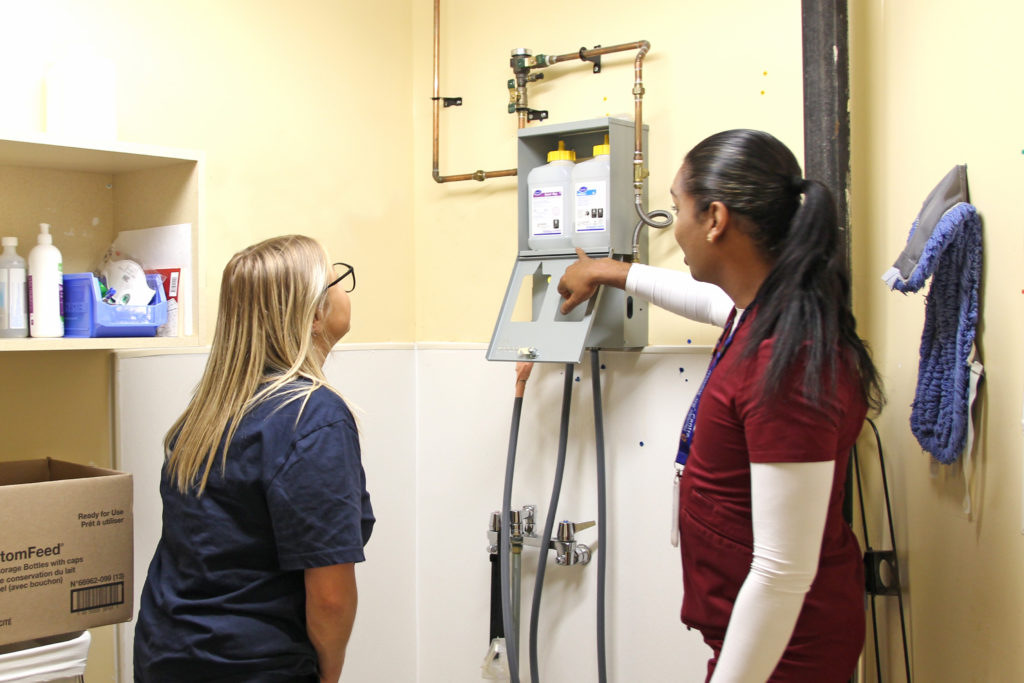
Nesar and Whitney at one the Hospital’s bucket filling stations, explaining how it is carefully organized to ensure that the right chemicals are used at the correct concentrations to effectively disinfect surfaces and maintain a sanitary environment. Chemical safety is a critical part of their job and housekeepers must follow strict guidelines and training to handle cleaning agents properly.
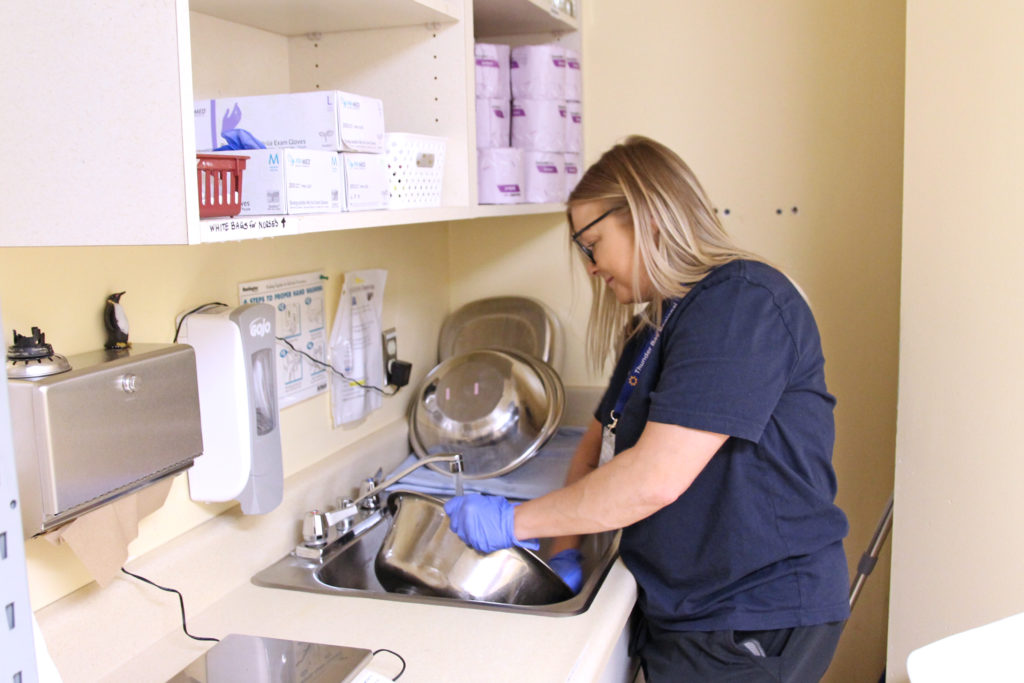
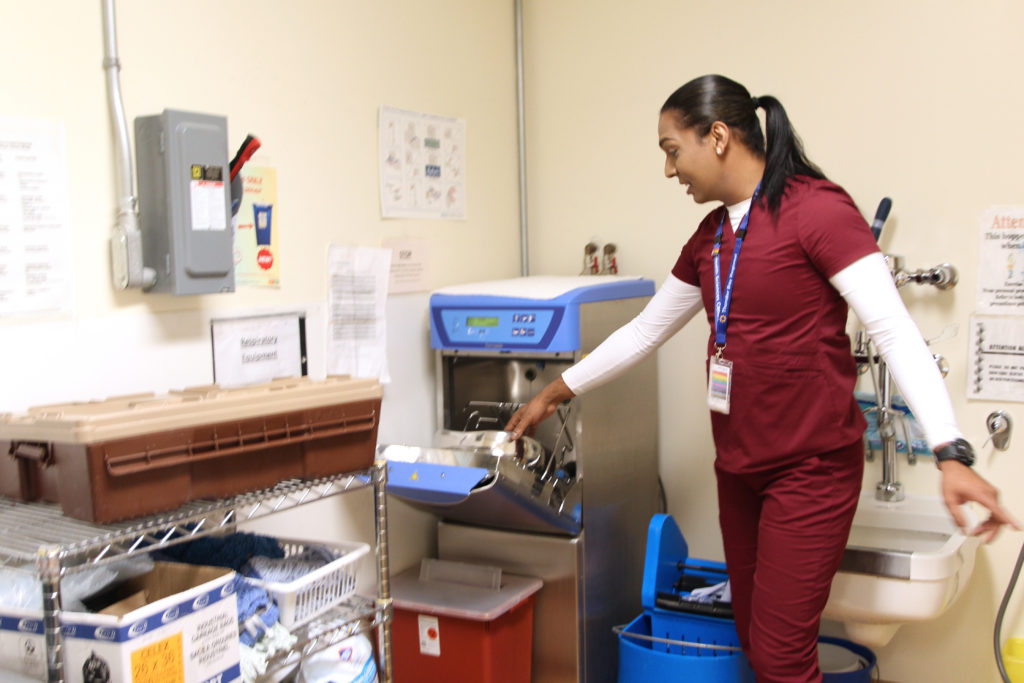
Cleaning and sterilizing are essential to keeping the environment safe for patients and staff. Cleaning involves removing dirt, dust, and organic matter from surfaces, while sterilizing goes further to kill bacteria, viruses, and other harmful microorganisms. Housekeepers use specialized chemicals and equipment to perform these tasks effectively. Their attention to detail helps prevent infections.
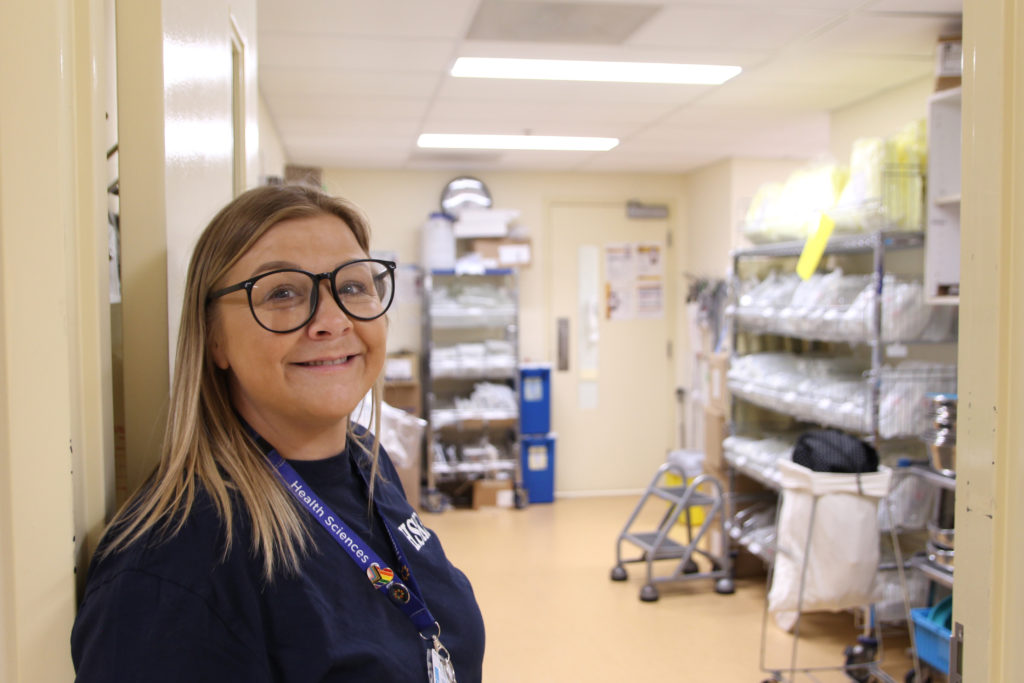
“My Nana was head of housekeeping at McKellar Hospital, and I grew up watching how much pride she took in her work,” says Whitney. “Now I’m walking the same path. I have been here 15 years, and I truly enjoy what I do. No two days are the same, I’m constantly multitasking, and there is always something new. But being a part of helping patients feel safe and cared for is the best part. I take pride in knowing my work makes a difference, and I treat the cleaning like it’s my family member who is going to use [the facility] next.”
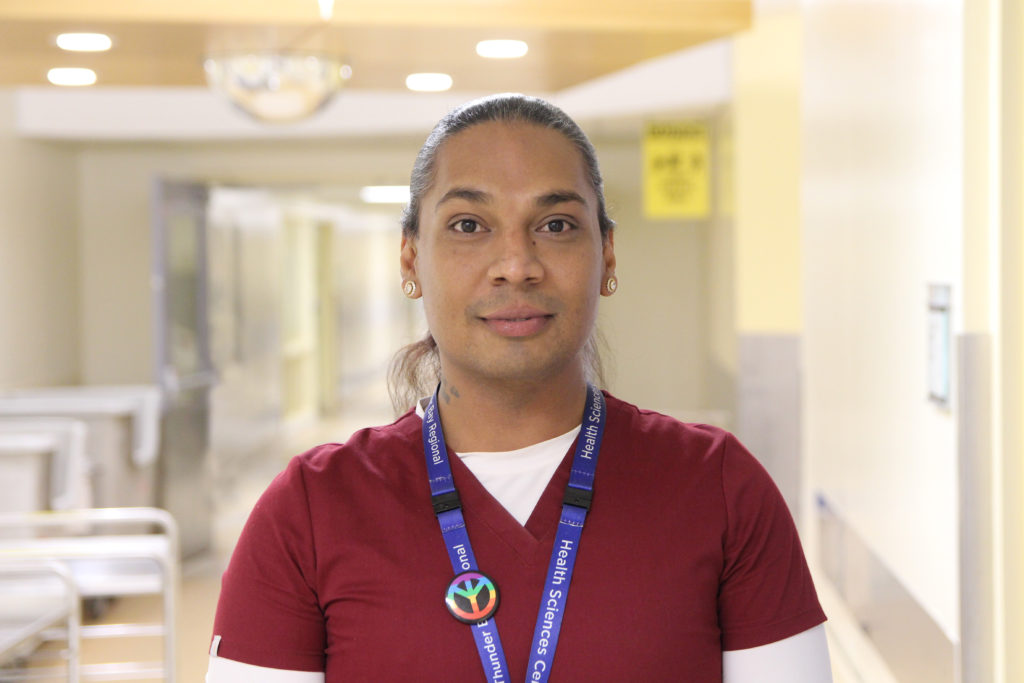
“I love my job,” says Nesar. “Being a housekeeper in the Hospital isn’t just about cleaning. We are a critical part of the patient experience and care. I’ve learned so much working here, from infection prevention and control to how to comfort someone with just a smile. I love how each day is different. And the appreciation from patients! It has all made me grow in ways I never expected.”
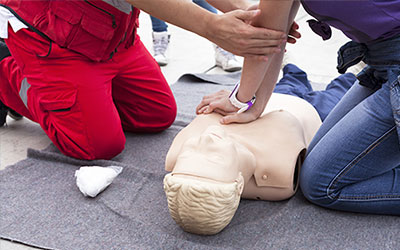
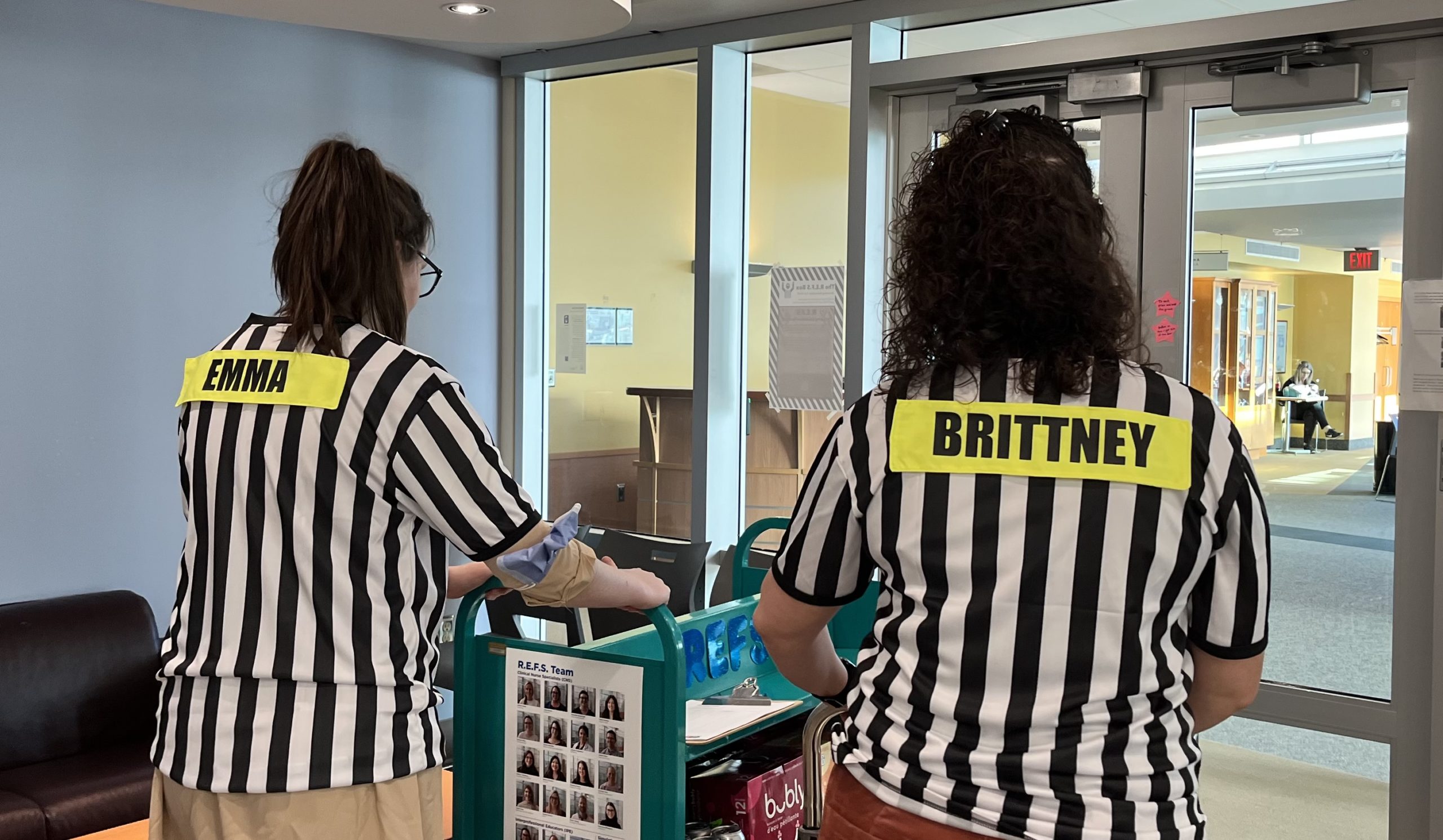
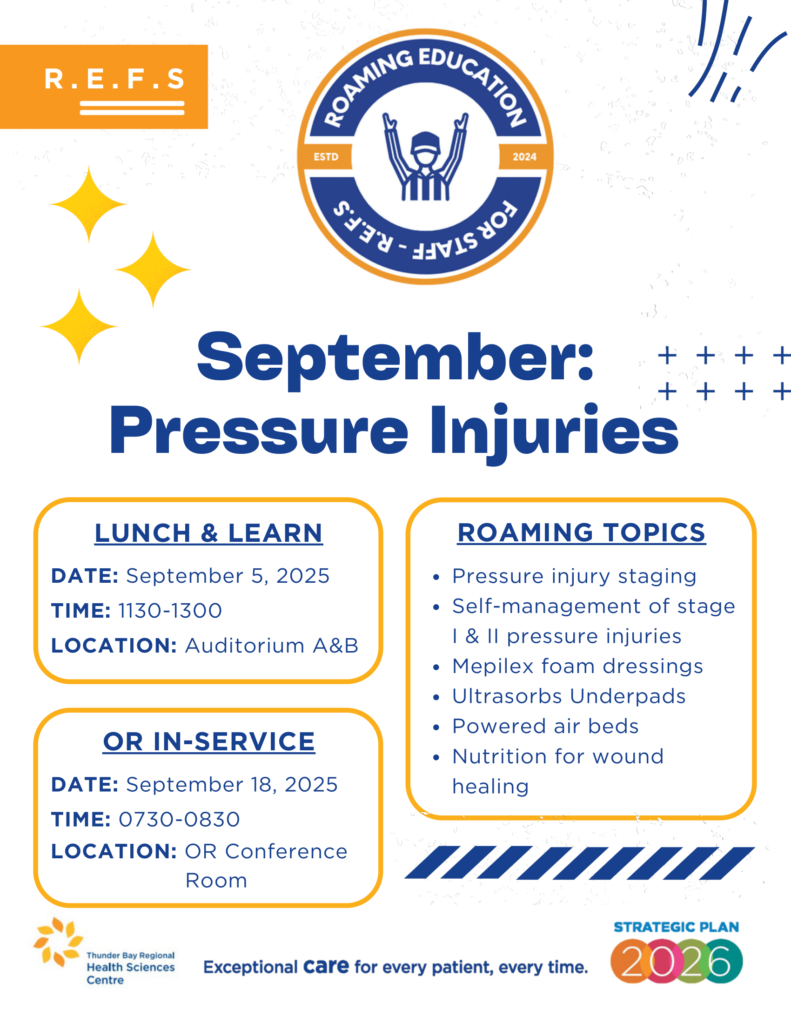
September R.E.F.S (Pressure Injuries)

The Roaming Education for Staff (R.E.F.S.) program is back this September after a summer break! This month’s focus will be on pressure injuries — don’t miss out on valuable insights and best practices.

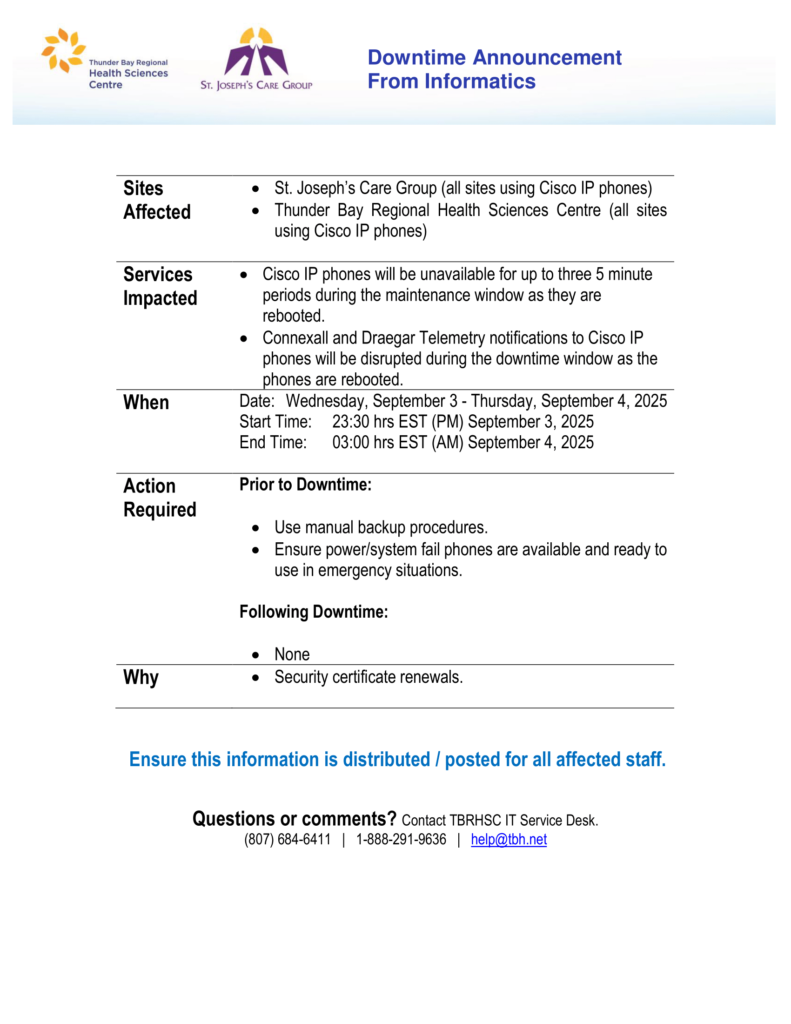
Technology Upgrade: Executive Boardroom (September 8)

Shared on behalf of Information Technology


We’re thrilled to announce that the Executive Boardroom is now equipped with brand new technology.

These upgrades are designed to make your hybrid meetings smoother, more efficient, and more engaging than ever before. Plus, you’ll enjoy a variety of viewing options for in-person gatherings.

To ensure that you have the opportunity to get oriented to the equipment before any of your upcoming meetings in the Boardroom, please join the Information Technology Team for special orientation sessions in Room 3043 on the following dates:

  • Monday, September 8:  9:00 a.m. to 11:00 a.m.

Drop by to explore the equipment, watch a live demo, and pick up an instructional handout.

If you anticipate that you will require IT assistance for an upcoming meeting, please submit a Presentations and Video Conferencing  request in Help Desk – Self Service.

In the case you need support with the equipment in real-time, please contact the IT help desk at 807-684-6411

Don’t miss this chance to experience the future of meetings — see you there!

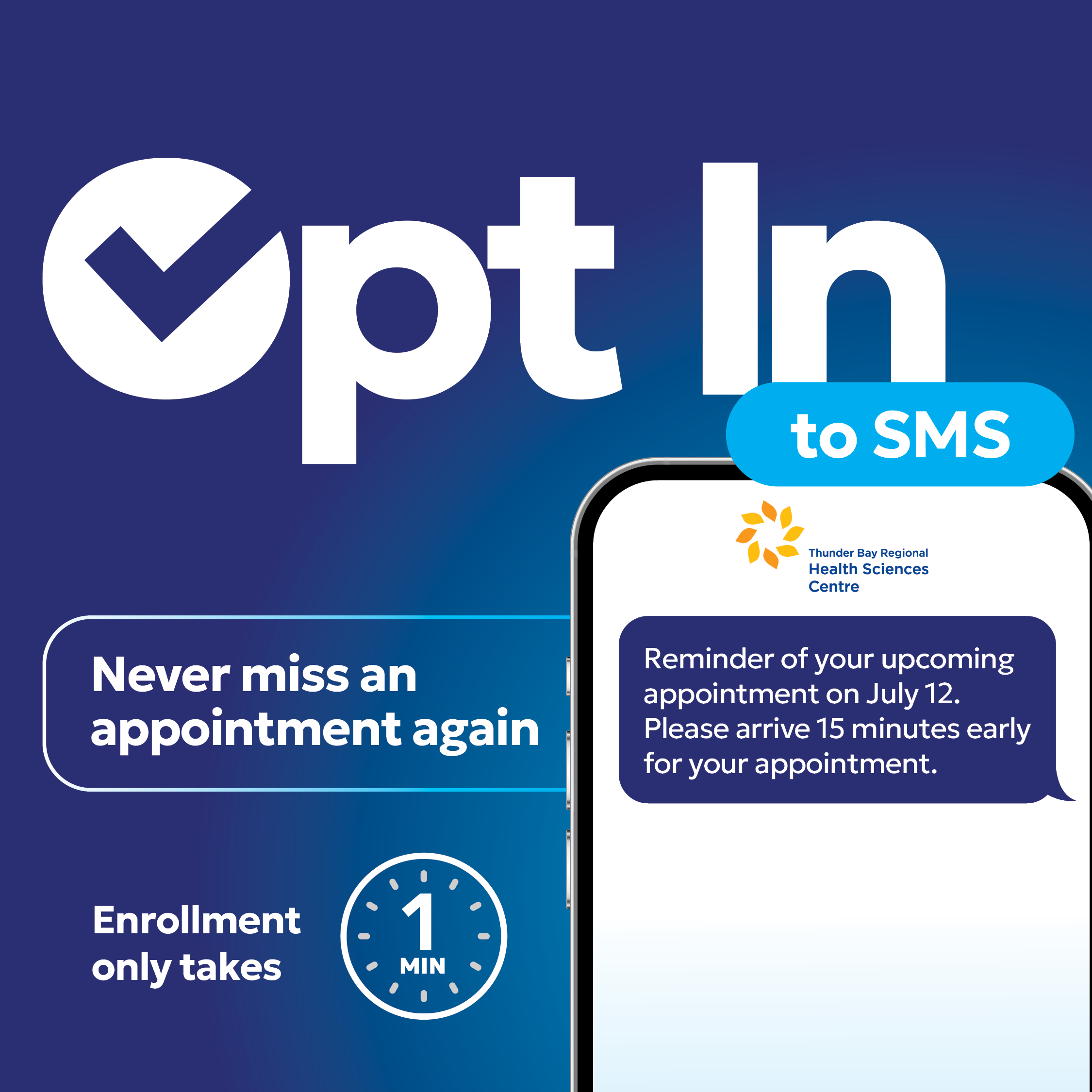
Opt-In to Personalized Care Alerts

To enhance your experience at hospitals in Northwestern Ontario, we are asking patients to Opt In to receiving text messages and emails.

Starting in Fall 2025, hospitals in Northwestern Ontario will begin sending appointment reminders and confirmations by SMS (text message) or email for patients aged 16 and over to those who Opt In.

Please note: No personal health information (PHI) or any sensitive or confidential details will be shared through these messages.

This service is part of a phased initiative to enhance regional communication and technology. Participation is voluntary, and you may unsubscribe or withdraw your consent at any time without affecting your care. To unsubscribe, visit the provided link or your local hospital’s website.

By submitting the enrollment form, you consent to receive SMS or email appointment reminders and confirmations from Thunder Bay Regional Health Sciences Centre, Sioux Lookout Meno Ya Win Health Centre, Dryden Regional Health Centre, Riverside Health Care, and Lake of the Woods District Hospital for departments including Diagnostic Imaging, Surgical Consults, and Specialty Clinics. As this is a phased-in approach, communication will be extended to all other partnering hospital organizations in the Northwest (NW) region. This may include, but not be limited to, appointment reminders and other communications from health care providers in the future.

If you DO NOT consent to receive SMS or email appointment reminders and confirmations, do not complete the questions and existing methods of contact (phone and mail) will remain.To sign up and get more information, visit https://nwo-sms.ca/

FAQS for Patients about Opting In to SMS Notifications

Supporting a Safe Return Home: The PATH Program

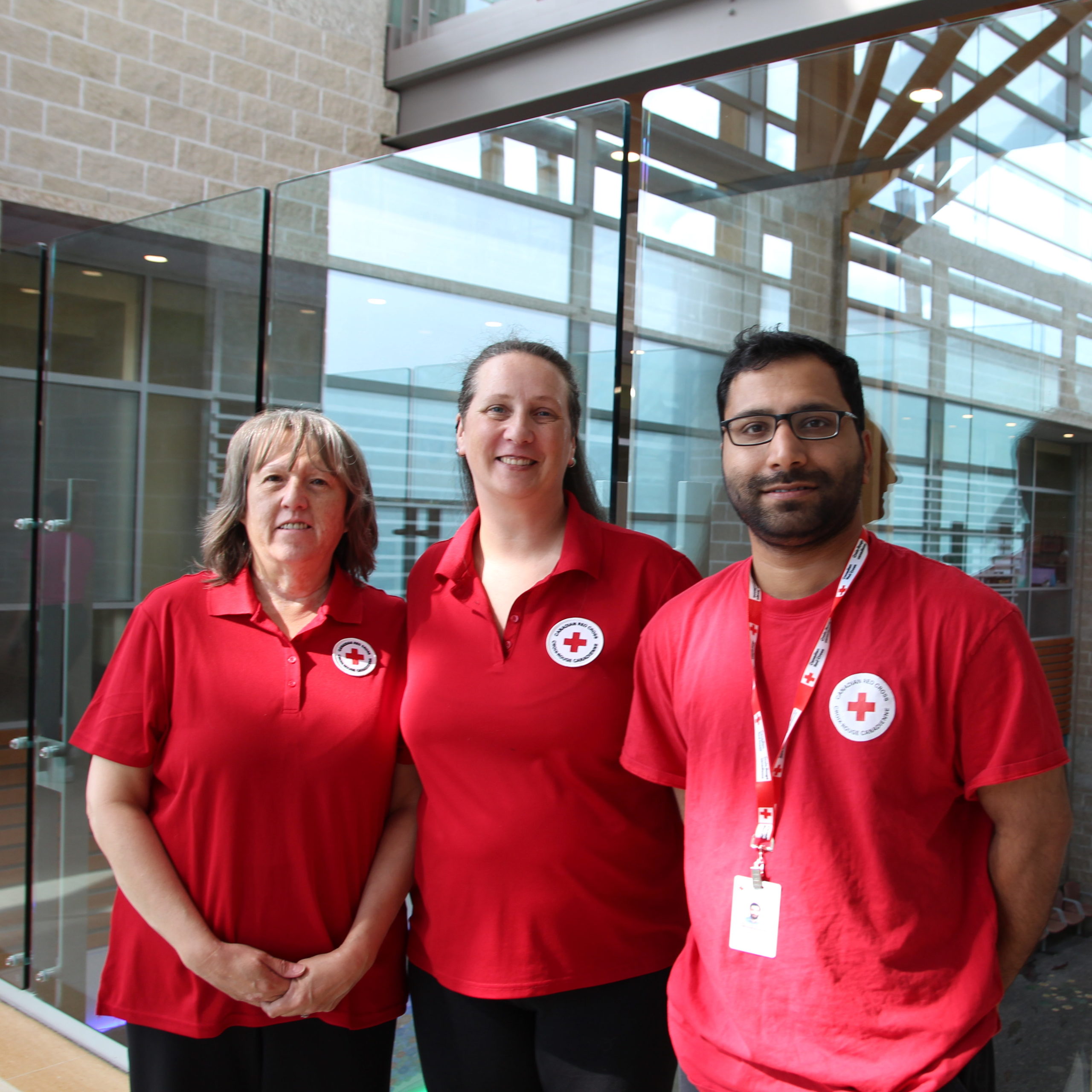
Staff of Canadian Red Cross’ PATH program.
(L-R): Noreen Wilkins, Transitional Care Assistant, Talia Kean, PATH Coordinator, and Manu Varghese, Transitional Care Assistant. They are on site today wearing their red shirts. Feel free to stop and talk with them to learn more about the PATH program or email any questions to paththunderbay@redcross.ca.

Transitioning from Hospital to home can be challenging, especially for older adults who may face barriers to discharge. That’s where Canadian Red Cross’ PATH (Priority Assistance to Transition Home) program steps in. The PATH program helps support patients with the transition from Hospital to home. A trained worker will escort the patient home and ensure, upon arrival, that they are settled in, comfortable, and safe at home. PATH Transitional Care Assistants (TCAs) provide support to patients two weeks post-discharge from Hospital.

They can assist with:

  • Escorted transportation home
  • Assistance obtaining prescriptions, medical supplies and or assistive devices
  • Settling in at home (up to two hours)
  • Providing a meal/snack or assistance with preparing a meal
  • Assistance obtaining groceries
  • Follow up day after discharge by Coordinator to see how you are doing
  • Links to community support services
  • Transportation to follow up medical appointment(s) if part of discharge

Eligibility for PATH includes:

  • Age 55 or older
  • Medically stable and able to be left unattended
  • Able to direct their own care
  • Independently mobile (or has a caregiver who can assist)
  • Recently admitted or discharged from an inpatient unit, or seen in the Emergency Department
  • Not live in a long-term care home

With PATH, patients and their families can feel confident knowing they have the support needed to make home a safe and sustainable place to heal.

Access to the PATH program is by referral only. Fax referral forms are being handed out to departments today, or email paththunderbay@redcross.ca to obtain an electronic copy.

Email any questions to paththunderbay@redcross.ca.

Use and Access of East (Cafeteria), and Labour and Delivery Entrances

Shared on behalf of Justin Garofalo, Vice President, Facilities, Capital Planning and Support Services & CFO


We have recently observed an increase in the use of the East Entrance (Cafeteria), and Labour and Delivery Entrance for patient pick-up and drop-off.

As a reminder, the East Entrance is not designated for patient or public access. This entrance is not appropriate for patients to use as there are limited patient facing resources and longer distances to travel for clinical areas. The Labour and Delivery Entrance is reserved exclusively for patients and families accessing labour and delivery services.

To ensure safety, efficiency, and compliance with our site protocols, please review the following important points:

  • The road in front of the East Entrance is a designated fire lane and must remain clear at all times. Therefore it should not be used by patients for pick-up and drop-off.
  • The East Entrance doors are accessible only by swiping your employee ID card and are intended for staff use only.
  • A public bus stop, along with Lift+ and taxi service, is conveniently located just across from the Fish Lot (A3) for public transportation access.
  • All patient and family resources — including the Information Desk, Security, staxi chairs, seating, and parking pay stations — are available at the West Entrance.

Staff are reminded not to escort patients to the East Entrance for pick-up or drop-off. Instead, Units and porters are asked to direct all patient movement through the West Entrance, where there is convenient access to the designated patient pick-up and drop-off area in the Fish Lot (A3). Additionally, staff should ensure patients use the entrance appropriate to the service they are receiving. For example, labour and delivery patients should be directed to use the Labour and Delivery Entrance for both pick-up and drop-off.

Managers are encouraged to share this information with their teams and with staff who have limited computer access.

Thank you for your cooperation.

>