In partnership with St. John Ambulance, therapy dogs and their handlers are available to visit Hospital departments — just ask your manager to book a visit. See the poster below for more details.



In partnership with St. John Ambulance, therapy dogs and their handlers are available to visit Hospital departments — just ask your manager to book a visit. See the poster below for more details.
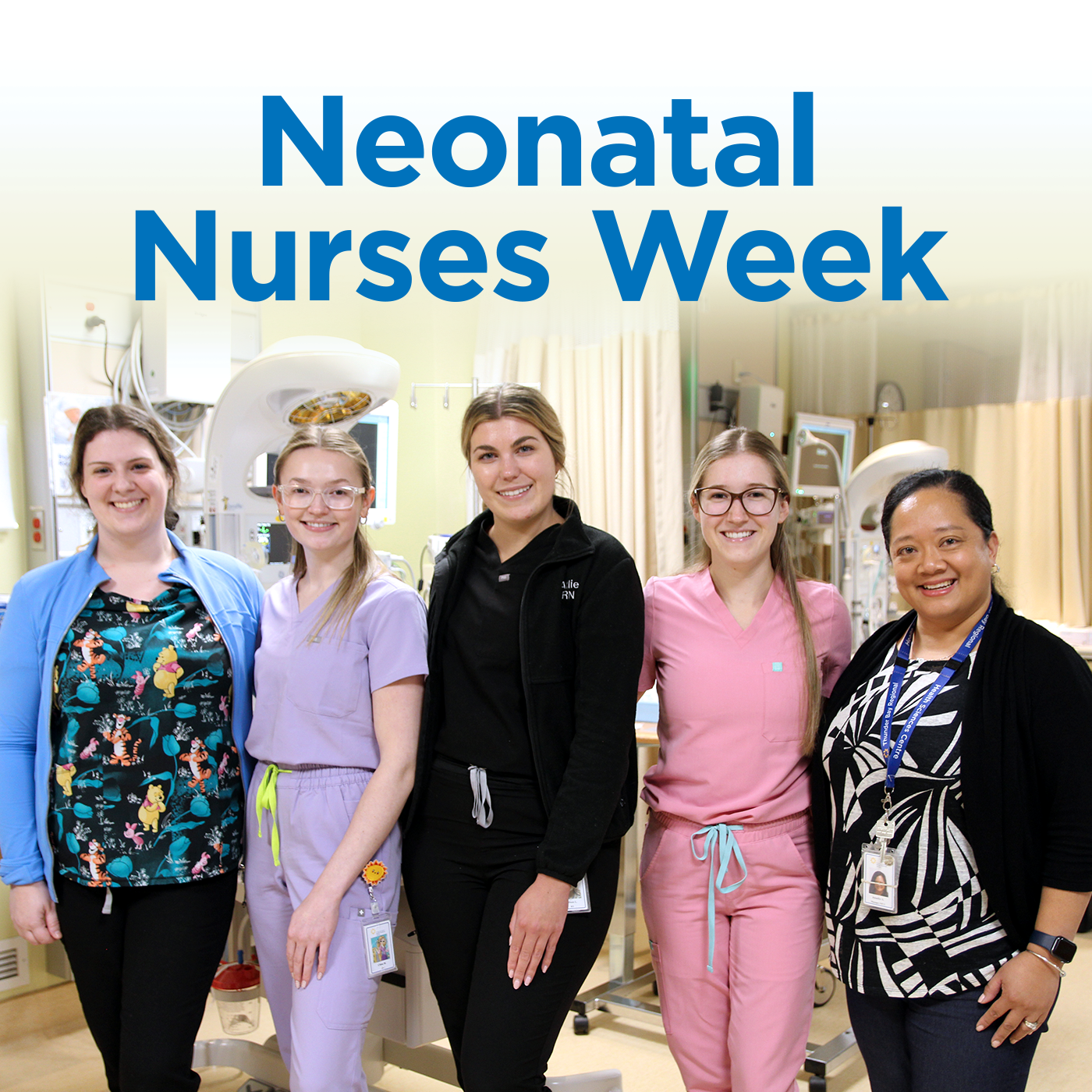
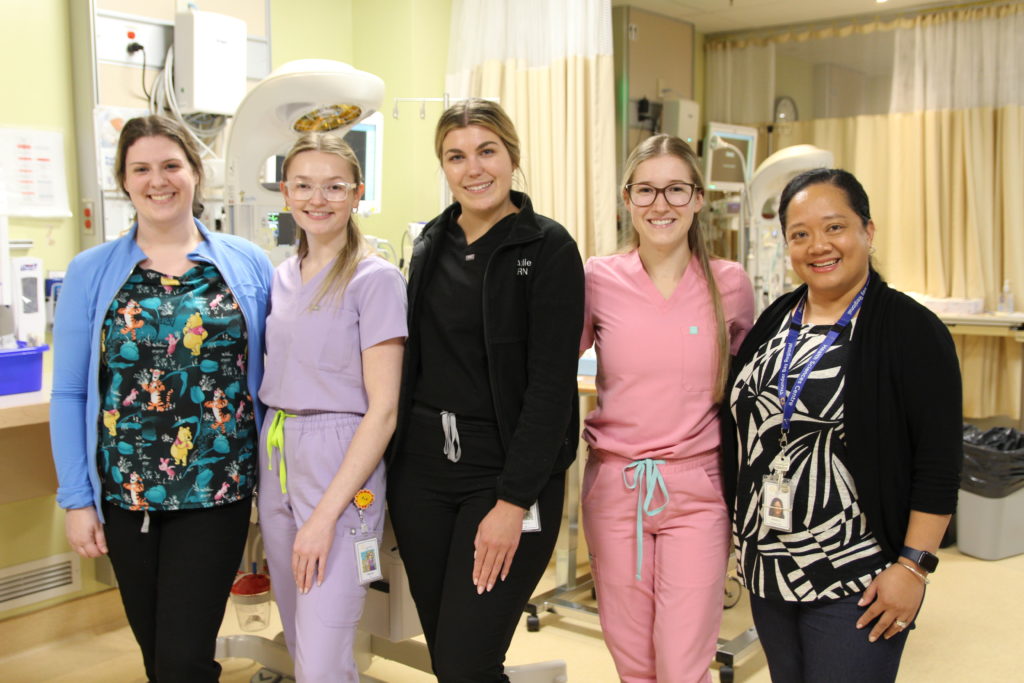
This week, we honor the dedication, compassion, and expertise of our neonatal nurses, whose work touches the tiniest and most vulnerable lives every single day. From providing round-the-clock care in NICUs to supporting families through some of their most challenging moments, neonatal nurses are true heroes in scrubs.
Their commitment goes beyond clinical excellence. It’s the gentle touch that soothes a preemie, the calm voice that reassures a worried parent, and the constant vigilance that ensures each newborn gets the best possible start in life.
As we celebrate Neonatal Nurses Week, we extend our heartfelt gratitude to all neonatal nurses for the critical role they play in health care. Their passion and resilience do not go unnoticed. Thank you for your unwavering dedication to the tiniest patients with the biggest needs.
Let’s take this week to recognize, and celebrate our neonatal nurses!
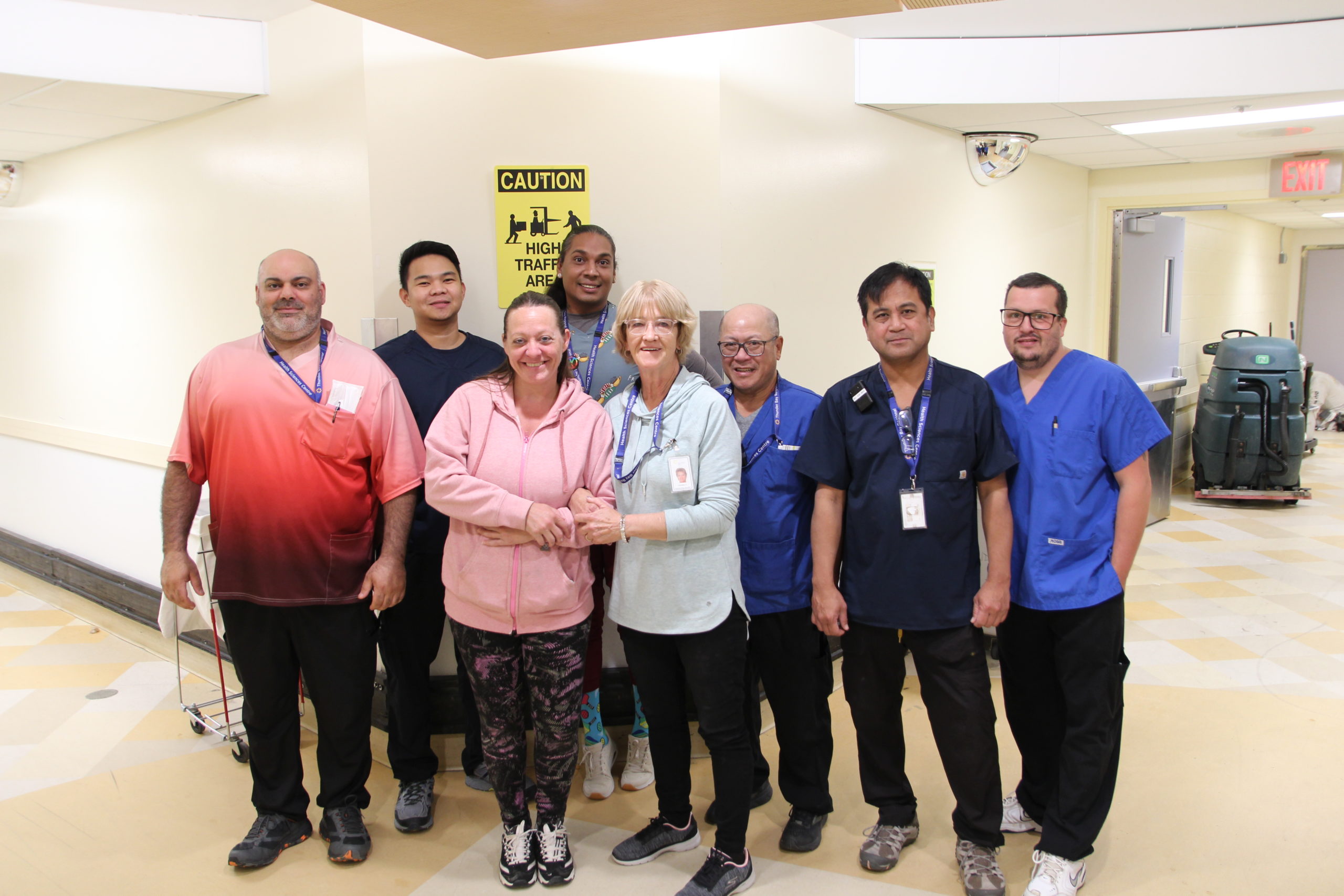
This week, we proudly celebrate Housekeeping Appreciation Week — a time to recognize the dedication, hard work, and vital role of our Housekeeping Team.
Our housekeeping staff are more than just the individuals who keep our spaces clean — they are the foundation of a safe, healing environment. Whether it’s maintaining infection control, offering a comforting smile, or working tirelessly behind the scenes, their contributions are essential to the care we provide every day.
Thank you for:
We see you. We appreciate you. And this week, we celebrate YOU.
Please join us in expressing gratitude to our housekeeping team. Whether it’s a thank-you note, a smile, or a simple “thank you” in passing, small gestures go a long way.
Let’s make this week extra special for the incredible people who help keep our Hospital safe, clean, and cared for.
Happy Housekeeping Appreciation Week!


The Security Services department at Thunder Bay Regional Health Sciences Centre (TBRHSC) strives to provide a safe and secure environment for all patients, visitors, and staff. They are on site and available 24/7 to provide assistance to those in need. Security Staff Appreciation Week (September 15-19) is an opportunity to recognize their commitment to our safety.
We would like to give a heartfelt thanks to these hard-working and highly-trained individuals for the important job they do. We also appreciate your attention and patience in managing patient pick-up and drop-off in the Fish Lot. Your efforts make a real difference!
To contact our Security Services department, dial extension 6509 or visit the Security window adjacent to the Visitor Information desk at the West Entrance.

September 15-19 is National Payroll Week, and we want to take this time to recognize and celebrate the payroll professionals at our Hospital for the work they do to ensure our staff are supported and compensated correctly.
In a Hospital environment where every role is critical, payroll staff help keep everything running smoothly behind the scenes. Their attention to detail and commitment to excellence does not go unnoticed.
Thank you to the payroll team for your continued hard work, professionalism, and dedication. Your efforts make a real difference to every member of the Hospital team, and we are grateful for all that you do.
Happy National Payroll Week!



An integral part of our role in Human Resources is ensuring that your employee experience is a positive one. By having your current contact information, we can ensure that you receive important communications from the Hospital. These can include calls to offer an extra shift, to inform you of an emergency affecting Hospital services (i.e. fan out) or notices of important changes that you should be aware of.
You should update your personal information if:
When was the last time you reviewed your beneficiaries?
Your benefits should be part of your estate planning for your loved ones.
Healthcare of Ontario Pension Plan (HOOPP) reminds you of your beneficiary information every year on your Annual Statement or at your convenience through your HOOPP Connect portal.
If you are a regular fulltime employee, you may be enrolled in Group Life Insurance, Accidental Death & Dismemberment and/ or Voluntary Life Insurance. To update beneficiary data, a form must be signed in Human Resources.
The protection of your personal information is important to us. We recommend that you visit Human Resources to makes the necessary changes or contact us at TBRHSC.HumanResources@tbh.net through Hospital email, not a personal email address. Be prepared to show your ID and/or answer verification questions to ensure your identity.

The new iPhone 17 Pro and Air launch September 19, 2025.
Order now with Telus to receive the following:
✅ Guaranteed allocations through pre-orders
✅ Launch day delivery (vs. weeks of waiting)
✅ Priority access to Pro models and popular storage configurations that tend to sell out faster and have the longest wait times.
Offer expires September 19, 2025.


Seasons Gift Shop at Thunder Bay Regional Health Sciences Centre is now offering Orange Shirts for $24.99 each in recognition of the National Day for Truth and Reconciliation (September 30). We’re proud to share that 25% of the profits from these sales will go toward Indigenous health training for our staff, helping us create a more culturally safe and inclusive environment for both patients and team members. We extend our gratitude to Seasons Gift Shop for their continued support and making this possible. We encourage everyone to take part in this important initiative.

Shared on behalf of N’doo’owe Binesi at St. Joseph’s Care Group


Shared on behalf of Crystal Edwards, Director, Women & Children’s and Mental Health Programs
I am pleased to announce that Jason Cooper has accepted the position of Coordinator, Mental Health Program effective October 20, 2025.
Jason has 20 years of clinical experience as a Registered Nurse working the majority of his career in acute mental health nursing. Jason has worked in a variety of settings including Thunder Bay Corrections and the Adult Mental Health Unit here at TBRHSC. Over the course of his nursing career, Jason has demonstrated passion and commitment to working with patients experiencing psychiatric illness and has certification as a Psychiatric and Mental Health nurse from the Canadian Nurses Association.
Working as the Patient Care Coordinator on Adult Mental Health, Jason has supported the Adult Mental Health team with patient flow and daily departmental operations. In this role, he has demonstrated literacy in humanistic leadership, building strong relationships with demonstrated effective and respectful communication. Jason has extensive knowledge and understanding of the Mental Health Act and other relevant legislation and has been a respected and valued resource for the Mental Health team.
In his new role, Jason will be responsible for organizing, planning and coordinating staffing across Adult Mental Health, Forensic Mental Health and Child & Adolescent Mental Health departments and will be responsible for the management of the Mental Health Resource Team. In addition to these responsibilities, Jason will participate in program and quality initiatives.
Please join me in congratulating and welcoming Jason to his new role. Jason’s office will be located in Room 1026, in the Forensic Mental Health hallway and at phone extension 6383. I would also like to thank Michelle Davidson for managing the Mental Health Resource Team, which will transition over to Jason once he assumes his new role.