
Patient Care Manager 2C Cardiology, Stroke, and Outpatient Vascular Services

Shared on behalf of Chris McNaughton, Administrative Manager- 2A/2B/2C/TCU


I am pleased to announce that Kelli Gerry has accepted the position of Patient Care Manager 2C Cardiology, Stroke, and Outpatient Vascular Services.

Kelli began her nursing career in 2002 at the Port Arthur General Hospital in the Intensive Care Unit, before transitioning to the Thunder Bay Regional Health Sciences Centre (TBRHSC) when it opened in 2004.

In 2008, she embraced a new challenge and accepted a position in the Cardiac Catheterization Lab, where she has spent the past 17 years building strong clinical expertise and developing meaningful relationships within the cardiology team.

Most recently, she has served as the temporary Clinical Nurse Specialist (CNS) for cardiology, a role that has fostered both personal and professional growth and ultimately inspired her further pursuit into Leadership.

Outside of work, she is a proud mom of two boys and spends much of her free time cheering them on at the hockey arena, enjoys skiing, biking, and relaxing at camp on weekends.

Kelli will be transferring from her current role as TFT CNS to FT PCM 2C in the coming weeks. Please join me in welcoming Kelli to her new role, and welcoming her to leading our team.

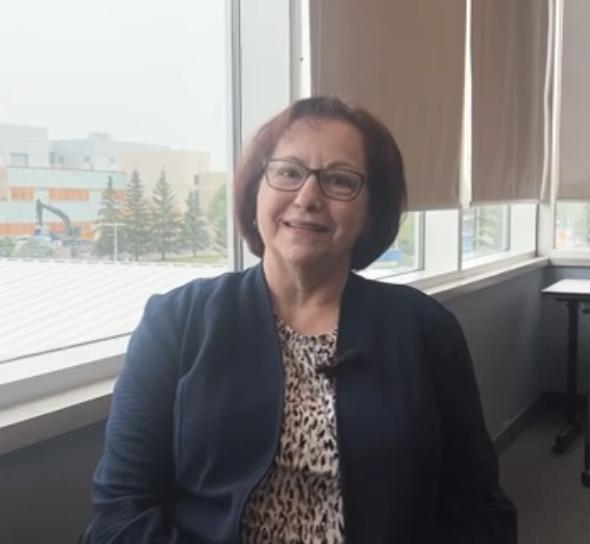
OH&S Department: Spring 2025 Update (Measles – What You Need to Know)

Shared on behalf of the Occupational Health and Safety Department


Measles is a very contagious virus that can survive in the air or on surfaces for two hours. One infected person can infect 9 or 10 other unvaccinated close contacts. It can be transmitted by an infected person from four days prior to the onset of the rash to four days after the rash erupts.

Measles is becoming more prevalent in Ontario, with the number of cases being the highest it has been in 10 years. Although there are currently no cases of measles in Thunder Bay, we need to be aware of how to protect ourselves.

Occupational Health and Safety has recently reviewed all staff, to ensure they are in compliance with the mandatory requirement of either having laboratory evidence of proof of immunity to measles, or proof of two doses of the Measles, Mumps, Rubella vaccine.

Other ways we can protect ourselves is by ensuring we are up to date with N95 mask fit testing (see N95 mask fit information above). Staff should be performing Infection Control Risk Assessments on their patients (an evaluation of the interaction of the health care worker, the patient, and the patient environment to assess and analyze the potential for exposure to infectious disease) prior to each interaction with the patient, and wearing the appropriate PPE based on the Infection Control Risk Assessment and isolation signs posted for patients.

We asked: “What does care closer to home mean to you?”

Thunder Bay Regional Health Sciences Centre (TBRHSC), in partnership with University Health Network’s Peter Munk Cardiac Centre, is taking a bold step forward to enhance cardiovascular care in Northwestern Ontario.

Together, we are co-developing a new Cardiovascular Surgery (CVS) Program at TBRHSC—an initiative that will transform access to life-saving cardiac care for our region.

We are now entering a truly exciting phase of this project. More than 76,000 square feet of space at our Hospital will be renovated and expanded to support a comprehensive CVS program. This will enable us to deliver vital cardiac procedures right here in Thunder Bay—reducing wait times for both urgent and elective surgeries and ensuring that patients across our region have timely access to essential, specialized care.

To mark this important milestone, we spoke with some of the staff and health care providers who are directly involved in shaping this program. We asked them a simple question:

“What does care closer to home mean to you?”

Here’s what they had to say.

ACC Week 2 Prize Winner

Week 2 of the TBayOnTheMove Active Commute Challenge is complete, and our TBRHSC team is going strong! Thank you to everyone who registered and started tracking their sustainable commutes – whether you biked, walked, carpooled, or took transit, your efforts are helping to create a healthier, greener workplace.

Congratulations to our Week 2 prize winner: Madison Edwards, who won a $50 gift certificate!

Shoutout to our Week 1 winners as well:

  • Emily Quarles 
  • Paul Shewfelt 
  • Justin Ross 

Team stats so far:

  • 50 TBRHSC team members registered
  • 2,263.96 km traveled using active or sustainable transportation

It’s not too late to join – head to TBayOnTheMove.ca to register and start logging your trips. Each week brings more chances to win, and every commute counts toward our workplace leaderboard.

Let’s keep the momentum going!

Quality Improvement Training a Success

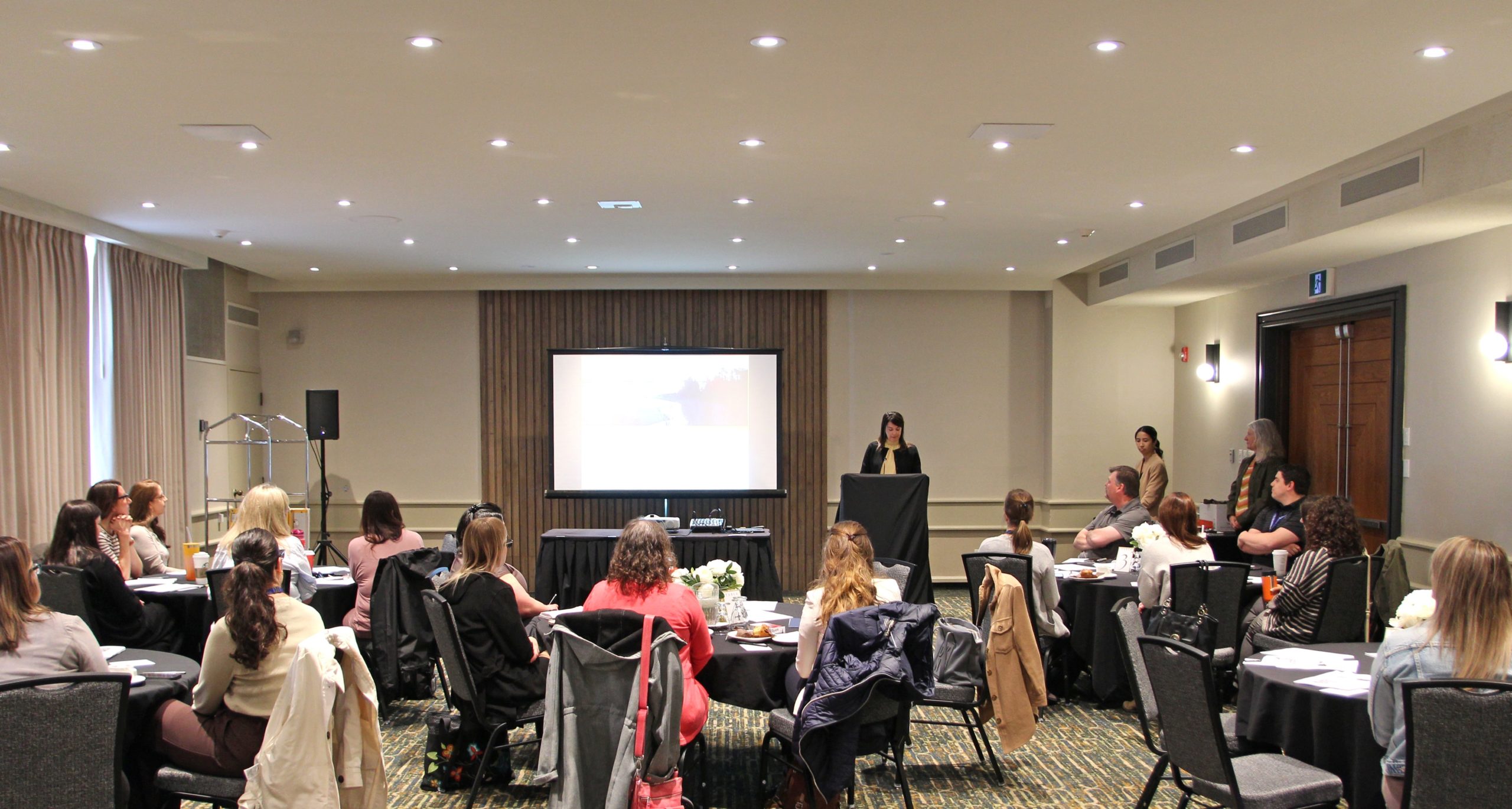
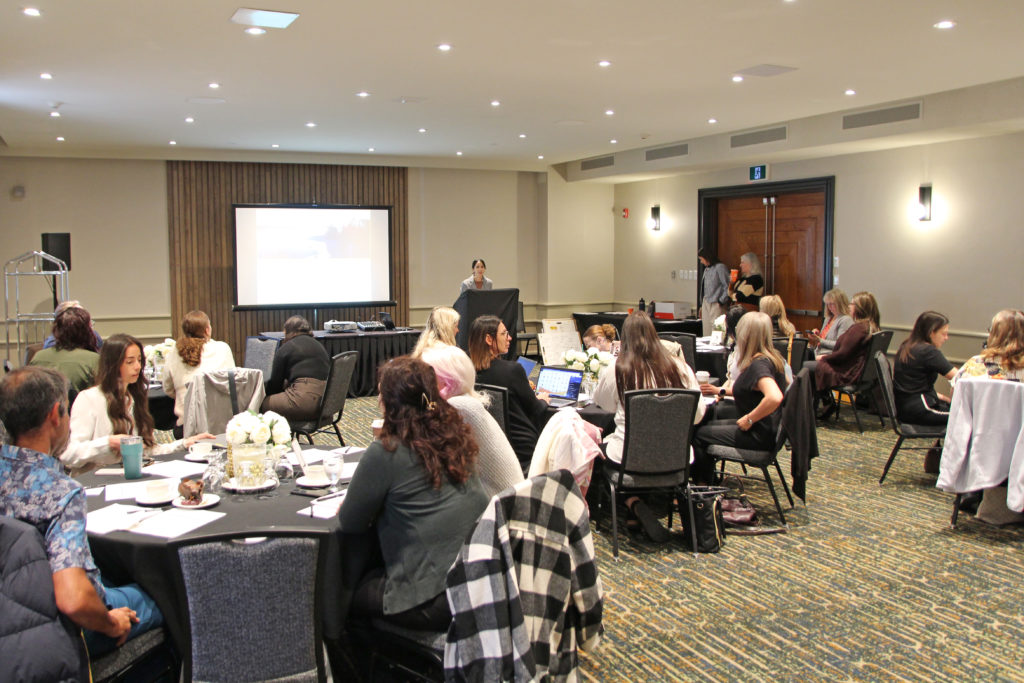
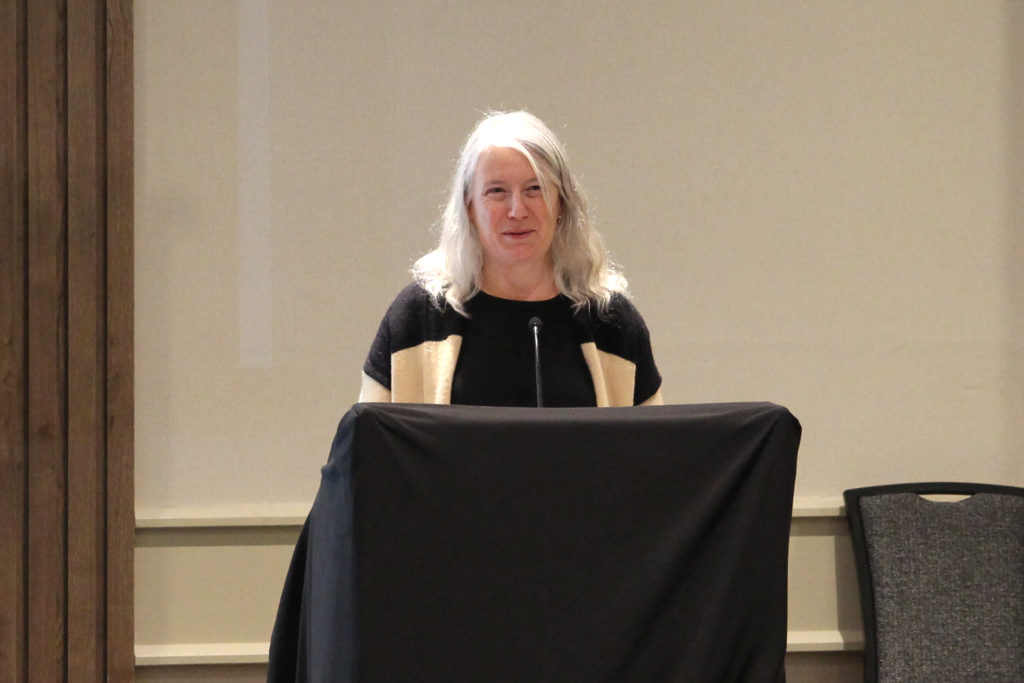
Building on the success of the 2023 and 2024 Foundations of Quality Improvement (QI) workshops, the Quality and Risk Management Department once again partnered with Katherine Campbell (Director of Risk Management, Service Quality, Health and Safety at Dryden Regional Health Centre) to facilitate two days of QI training, which took place on May 20 and 21 at the Valhalla Hotel and Conference Centre. There was a great turnout with over 50 participants from numerous departments throughout the Hospital, including both clinical and non-clinical staff, and both frontline staff and management.

Each day consisted of a refresher of key QI concepts and practical tools to improve patient care, processes and outcomes (e.g. 5 whys, fishbone tool, plan-do-study-act or PDSA, process mapping). This year, a new skill was also introduced, known as Failure Mode and Effects Analysis (FMEA). FMEA is a structured methodology for identifying and mitigating potential failures in processes. By attending this training, participants gained the knowledge, tools and resources required to lead meaningful QI initiatives and mitigate risks. Over time, these skills will contribute to the early detection of system issues, supporting a proactive and integrated quality management system. A big thank you to everyone who attended and supported this training!

Participant Testimonials

I had a great experience at the Quality Improvement Training. The presenter was very engaging, resourceful, and really encouraged staff to dig deep and work through common challenges we experience as health care providers every day. My key take away was learning how to support program development and new processes which I have already been able to share with my colleagues. I look forward to being able to attend next year to grow my personal and professional development. 

TBRHSC Nurse Practitioner

The training arranged by the Quality and Risk Management team was very beneficial and provided me with more tools to help improve processes in our department. It allowed for a current process that I had been working on solving in a silo, to be discussed from a quality improvement lens, and also to be worked on collaboratively. I look forward to attending more upcoming Quality Improvement trainings!

TBRHSC Manager

The Foundations of Quality Improvement Refresher and FMEA Training Workshop was an excellent session that deepened my understanding of QI principles while introducing practical tools to proactively identify and address system risks. Katherine Campbell’s expert facilitation made the content engaging and relevant to real healthcare settings. I left the session feeling more confident and equipped to lead meaningful improvements in my projects that lead to enhanced care quality.

TBRHSC Performance Improvement Consultant

Pride Month Trivia: Week 2

Thank you to all those who participated in week 2 of Pride Trivia! ‘

Week 3 of Pride Trivia is now live. Click here for this week’s questions, or scan the QR code below for a chance to win prizes.

Question 1: In which year was same-sex marriage legalized in Canada?

Answer: 2005. With the passing of the Civil Marriage Act on July 20, 2005, same-sex marriage was legalized across Canada.

Question 2: True or False: Canada was the fourth country in the world to legalize same-sex marriage

Answer: TRUE. With the passing of the Civil Marriage Act on July 20, 2005, Canada became the 4th country in the world to legalize same-same marriage, behind Spain (2005), Belgium (2003), and the Netherlands (2001).

Question 3: True or False: the 2SLGBTQQIA+ acronym stands for: Two-Spirit, Lesbian, Gay, Bisexual, Transgender, Queer, Questioning, Intersex, and Allies

Answer: FALSE. The 2SLGBTQQIA+ acronym stands for: Two-Spirit, Lesbian, Gay, Bisexual, Transgender, Queer, Questioning, Intersex, and Asexual (and other A identities such as Aromantic and Agender). While allies provide instrumental support to the 2SLGBTQQIA+ community, they are not members of the community, and do not share the struggles of community members, therefore they are not represented in the acronym.

Question 4: What do the 6 colours of the rainbow on the Pride flag represent?

Answer: The 6 colours of the rainbow on the Pride flag represent:

RedLife
OrangeHealing
YellowSun or Sunlight
GreenNature
BlueSerenity/ Harmony
PurpleSpirit of the 2SLGBTQQIA+ community

Code Stroke Team Spotlight: Medical Laboratory Professionals

It is Stroke Awareness Month and Thunder Bay Regional Health Sciences Centre (TBRHSC) is celebrating 10 years of Code Stroke. We are highlighting the dedicated professionals who work tirelessly to provide timely and effective care for stroke patients. Meet the Medical Laboratory team.


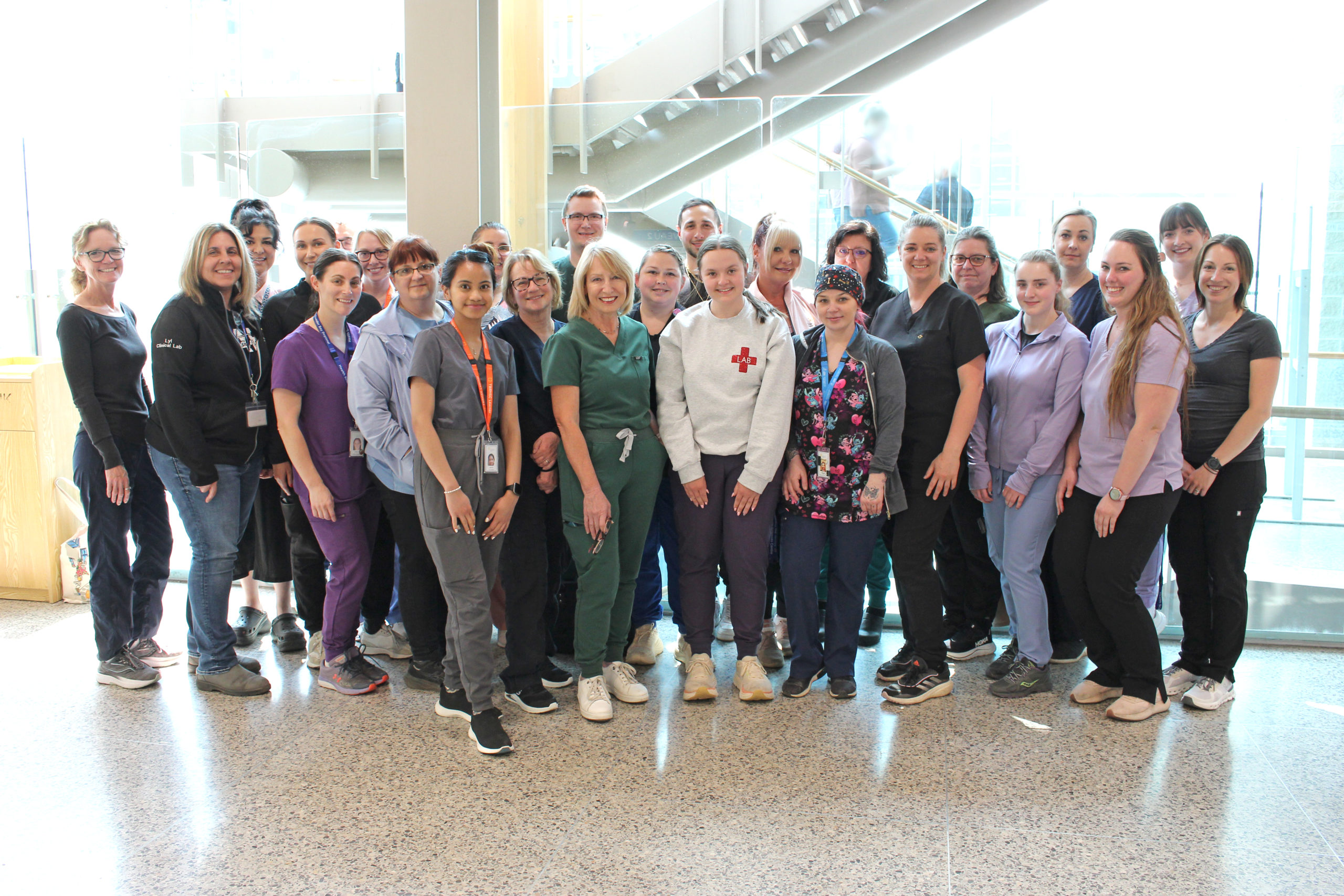
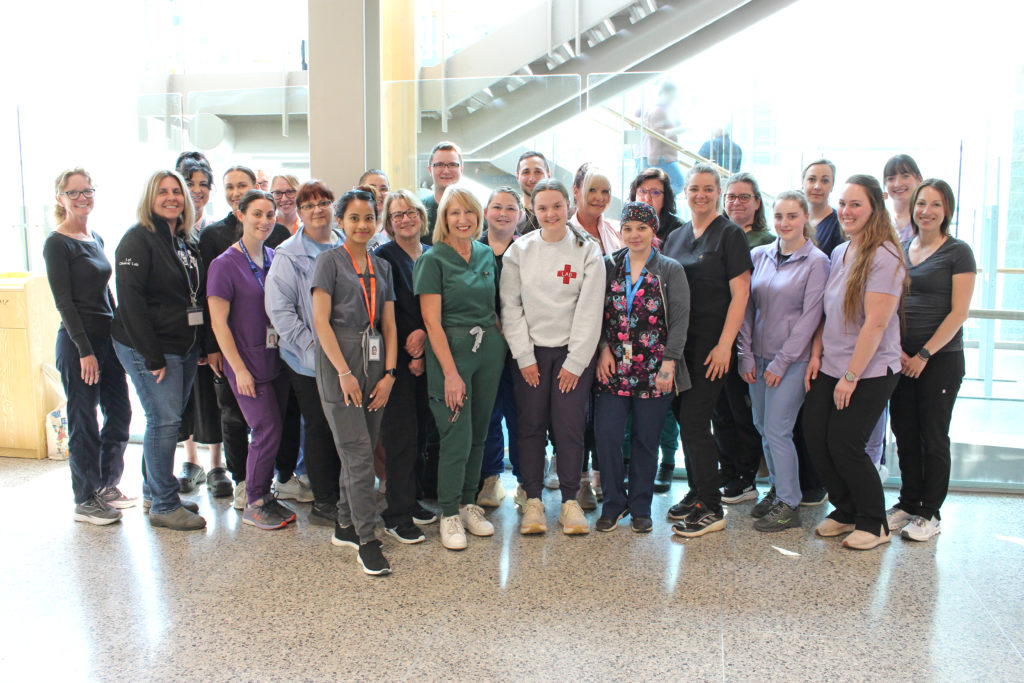
Members of the Medical Laboratory team at Thunder Bay Regional Health Sciences Centre.

What is your position at the Hospital?

We are a team of Medical Laboratory Professionals (MLPs). Although there are a number of different MLPs in the Hospital Laboratory, two types of professionals are involved in stroke protocols:

(1) medical laboratory assistants/technicians (MLATs) who perform pre-analytical testing, i.e., proper patient ID with blood collection/phlebotomy; and
(2) licensed, regulated medical laboratory technologists (MLTs) who analyze and report assay results, i.e., coagulation studies.

What role does your team play in Code Stroke?

The blood collection by MLAT is performed STAT because door to needle matters. It can save lives and for these reasons is measured/tracked provincially. Testing is also performed/reported STAT by MLTs.

What is unique about your team’s role?

Our team provides timely, accurate laboratory testing. This is crucial to aiding physicians with respect to medical diagnosis and treatment decisions.

How does your team impact stroke patient care?

Laboratory service’s role is crucial to patient care. We provide the doctor with critical/key information. MLPs are specially trained to keep the bar high for quality.

What is the most rewarding aspect of your profession as it relates to Code Stroke/stroke care?

The most rewarding aspect of our profession is service, helping patients and saving lives.

Active Commute Challenge and Health

Regular physical activity is essential for overall health and well-being. Active commuting is a great way to incorporate movement into your daily routine. It supports cardiovascular health and lowers the risk of chronic conditions like high blood pressure, type 2 diabetes, and heart disease.

The Canadian 24-Hour Movement Guidelines recommend at least 150 minutes of moderate-intensity physical activity per week for adults. Active commuting can help you meet this goal without needing extra time for exercise.

Whether you walk, bike, or combine transit with walking, choosing active transportation is a practical, sustainable way to improve your health.

Active commuting not only supports your physical health—it also benefits your mental well-being. Research shows that people who actively commute report better mental health than those who don’t. It can reduce symptoms of anxiety and depression while improving mood and overall well-being.

It may also boost productivity and job satisfaction, creating a positive shift in workplace culture. All the more reason to join our team!

Log in or register now to see our current team members and get involved.

TBayOnTheMove.ca


>