Date: Tuesday, October 7, 2025 Time: 4:30 p.m. to 5:30 p.m. Format/location: Virtual Meeting number: 2337 375 8467; Password: Meeting
Learning Objectives:
1) Define the severity of Aortic Stenosis and its challenges
2) Address low flow, low gradient and severe aortic stenosis
3) Utilize advance imaging CT/CMR in diagnostic challenges
4) Recognize the prognostic indicators and modifiers in natural course of Aortic stenosis
5) Insights into future research to optimize indications and timing of Aortic valve replacement.
“The Department of Internal Medicine Monthly Rounds is a self-approved group learning activity (Section 1) as defined by the Maintenance of Certification Program of the Royal College of Physicians and Surgeons of Canada.”
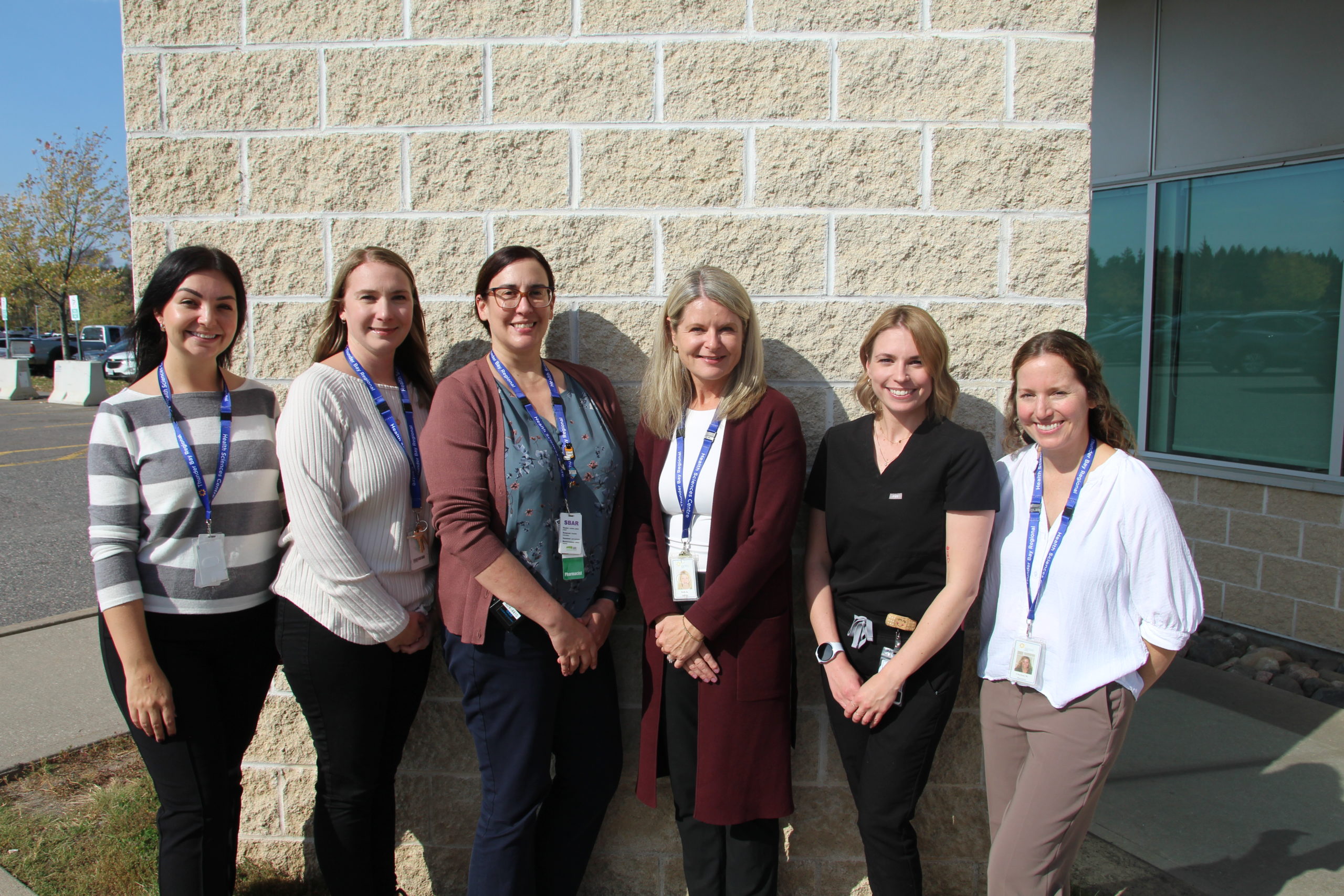
OPAT team (L-R): Brittany Everett (OPAT Patient Flow Coordinator), Alyson Vescio (OPAT Coordinator), Angela Heintzman (Pharmacist), Kelly Keeler (Manager), Kathryn Giba (Nurse Practitioner), Charlene Wilson (Pharmacist)
A new program to support stable patients requiring long-term antibiotics and monitoring has launched at Thunder Bay Regional Health Sciences Centre.
The Outpatient Parenteral Antimicrobial Therapy (OPAT) program will support patients transitioning to the outpatient setting who require long term IV antibiotics, such as vancomycin, as well as support at home from our community partner, Bayshore. The program is able to provide lab monitoring, wound care, support at home and follow up diagnostics.
The multidisciplinary team includes an OPAT Coordinator, Patient Flow Coordinator, Nurse Practitioner, and Pharmacist. The program will focus on preventing long stays in Hospital and optimizing patients in their own home.
A referral for the OPAT team can be made by faxing the OPAT referral form to the Medical Transitions Clinic as well as entering the OPAT referral in meditech when patients are appropriate for discharge.
If you have any questions or concerns, or would like to arrange an in-service for education about the program, please reach out to Alyson Vescio, OPAT Coordinator at alyson.vescio@tbh.net or 807-684-7871.
Shared on behalf of Jeannine Verdenik, Vice President, People and Culture
We are excited to announce an opportunity for individuals to join the Staff Advisory Committee at Thunder Bay Regional Health Sciences Centre (TBRHSC) and Thunder Bay Regional Health Research Institute (TBRHRI). This Committee plays a crucial role in advancing our Vision by gathering insights from stakeholders dedicated to enhancing the staff and patient experience.
We’re Looking For Individuals Who:
Are committed to our Mission, Vision, and Values.
Adhere to our Code of Conduct.
Maintain a positive outlook towards improving the staff and patient experience.
Have the willingness and capacity to engage in committee meetings and activities.
Are willing to share their time and energy to make our workplace the best that it can be.
Why Join?
Participating in the Committee offers a unique opportunity to:
Provide insight into decision-making processes.
Ensure diverse perspectives are represented.
Learn from colleagues and make new connections.
Develop and enhance your leadership skills.
Agenda Items to Date:
Reward and Recognition Program
Healthy Environment/Staff Spaces
Leadership and Professional Development Initiatives
Wellness Initiatives
Linking Behaviors to Values
Celebrating Our Team – swag, etc.
TBRHSC 20th Anniversary
Holiday Week Planning
Just Culture Consultation
What Matters to You Conversations
If you are interested in joining the Committee, please submit a brief expression of interest (attached) outlining your skills and motivations no later than October 30, 2025.
For more details, including the Committee terms of reference and previous meeting minutes, please visit the iNtranet: Staff Advisory Committee.
Welcome back. I hope that you had the opportunity to enjoy a restful and rejuvenating summer break. Fall brings with it new opportunities and renewed momentum, and I’m confident that together with staff, professional staff, learners and volunteers, we will continue to advance the goals of our Hospital and the health of the communities we serve.
As the Board reconvenes, I would like to express my sincere appreciation for our board members continued commitment to the governance and strategic oversight of our institution. Before the summer break, our Hospital celebrated another successful year at the Annual Meeting of the Corporation in June. I’m pleased to announce the return of Christine Bates, Charles Campbell, Dr. Andrew Dean, Kimberly Ferris, Michael Pelletier, James Peotto, Matt Simeoni, Joy Wakefield, and Gord Wickham to the Thunder Bay Regional Health Sciences Centre’s Board. Joining as new members are Matthew Aiken and Marla Morrison. Jesse Fiddler was appointed to a two-year term as the new Community Member on the Resource Planning Committee.
We bid farewell to Douglas Judson who, during his two terms with the Board of Directors honoured us with his passion and dedication to the Hospital and to the region.
The Board includes the ex-officio Directors Dr. Rhonda Crocker Ellacott, President and CEO; Dr. Armour Boake, President, Professional Staff Association; Dr. Michael Green, Dean, President and CEO, NOSM University; Dr. Bradley Jacobson, Chief of Staff; and Adam Vinet, Chief Nursing Executive.
Over the summer, the Hospital officially broke ground on construction for its new Cardiovascular Surgery Program. Hospital staff, health care partners, community donors, and government representatives were onsite to recognize this long-anticipated moment and to celebrate the beginning of construction of more than 76,000 square feet of new and renovated clinical space. This program is the first of its kind in Northwestern Ontario and is being developed in partnership with University Health Network’s Peter Munk Cardiac Centre to ensure the highest standards of care. When complete, the program will include 14 new cardiovascular surgery inpatient beds. This marks a major step forward in providing access to life-saving care for people in the region.
With the new season upon us, the recently released 2024-25 Annual Report outlines the progress achieved over the past year as we continue to advance the Hospital’s Strategic Plan 2026. This year, a video highlighting the strategic priority Patient Experience demonstrates our ongoing commitment to delivering compassionate, patient-centred, and high-quality care that reflects the diverse needs of patients and families across Northwestern Ontario.
Throughout September our Hospital’s Indigenous Collaboration, Equity and Inclusion portfolio organized many events to honour residential school survivors and to underscore the importance of Truth and Reconciliation. Events included displaying the Nishnawbe Aski Nation Community panels, a beading opportunity for staff, and an educational session with Elder and Residential School Survivor Peter Sackaney. As part of our commitment to Truth and Reconciliation, and the 94 Calls to Action, our Hospital also published our second annual report outlining the past year’s progress on the Calls to Action and our next steps. We remain committed to promoting transparency in our Calls to Action and to continue to work towards creating an environment of inclusion, equity and compassion at our Hospital.
This month will mark 16 years of Sharing and Caring Together. This a week-long event demonstrating our successes in patient and family-centred care will culminate in an exhibition which displays some of the initiatives developed to continue to deliver the highest quality of care to patients and families. It is truly incredible to witness the dedication and commitment of our staff as they continue to improve the patient and family experience.
In addition, this month is the annual Luncheon of Hope, a fundraising event hosted by the Thunder Bay Regional Health Sciences Foundation in support of advancing care for patients with breast cancer. The funds raised at this annual event enables our Hospital to purchase state-ofthe-art equipment to provide exceptional diagnostic services and care for our patients who are fighting breast cancer and their families. I would like to express my gratitude to the Foundation for organizing the event and to the sponsors and donors for their attendance and support. Through these events, we continue to expand on the latest diagnostic and treatment options for the many patients who need quality cancer care close to home.
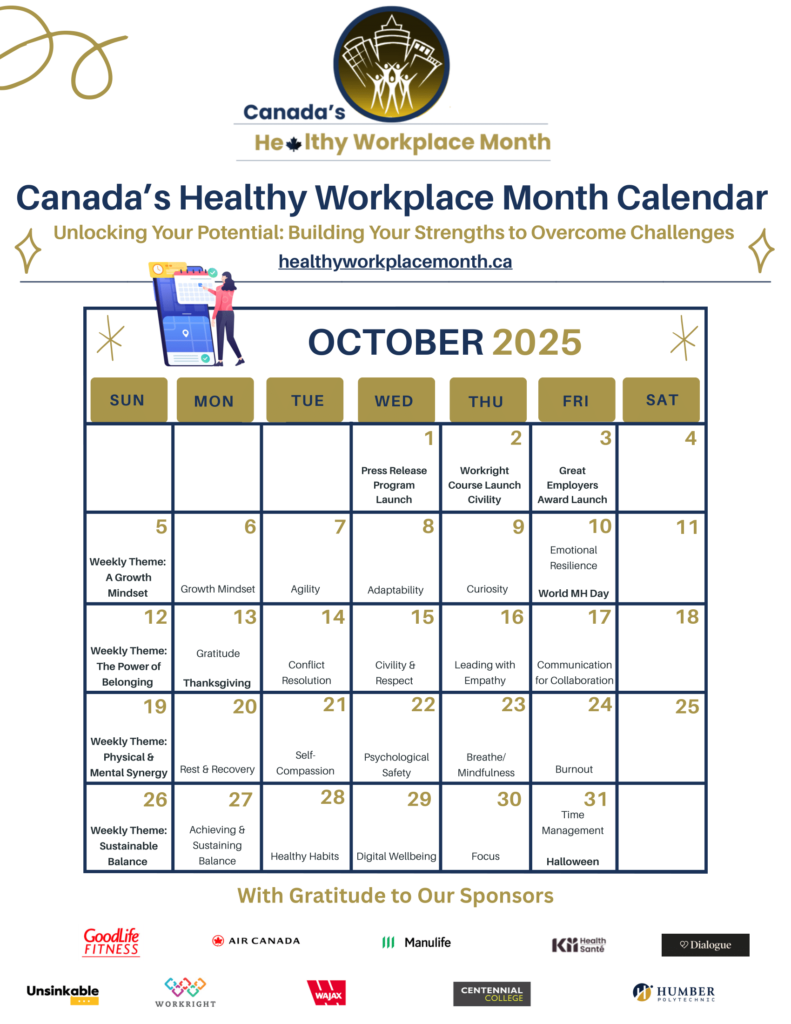
Canada’s Healthy Workplace Month (CHWM) is the annual celebration to inspire organizations across the country to create and sustain healthy workplaces. Led by Excellence Canada, every October for the past 25 years, employers have been encouraged to prioritize employee well-being by fostering environments that support physical, psychological, and social health.
Since its inception, CHWM has provided businesses with resources, tools, and actionable strategies to enhance workplace culture, engagement, and productivity. By focusing on leadership, mental health, healthy lifestyles, and workplace culture, we empower organizations to make lasting improvements that benefit both employees and businesses alike.
Excellence Canada believes that a healthy workplace is a foundation for organized success. Through CHWM, they aim to recognize, educate, and celebrate companies that are committed to fostering a thriving workforce.
Thunder Bay Regional Health Sciences Centre is joining other organizations this year in making workplace wellness a priority – because a healthier workplace means a stronger, more resilient, more competitive Canada.
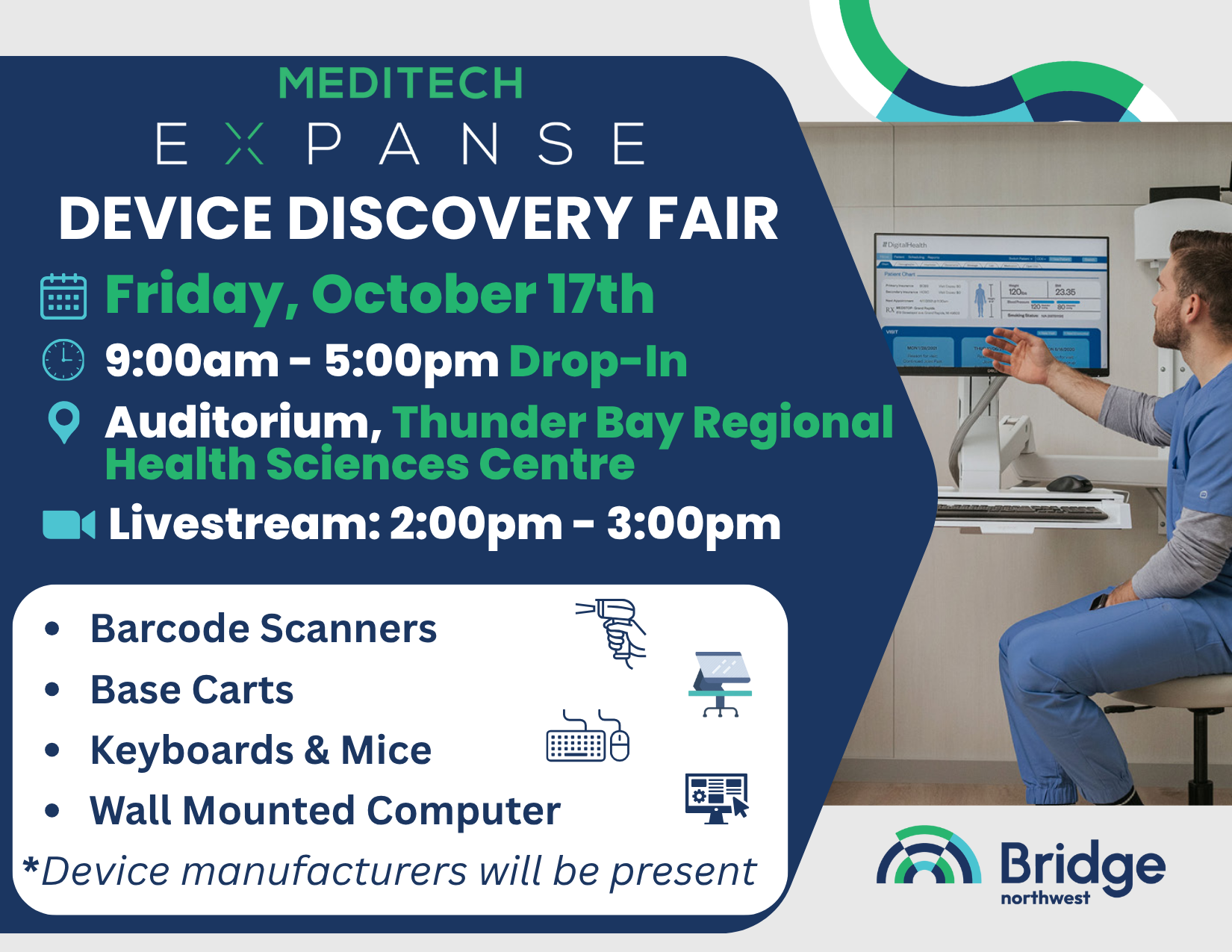
The Bridge Northwest Program is hosting a Device Discovery Fair at Thunder Bay Regional Health Sciences Centre that will allow staff and professional staff the opportunity to see, test, and compare the devices that will be used to access and document in the new Meditech Expanse system.
Base Carts: Ergonomic features, maneuverability typing positions, launching Expanse, battery life
Barcode Scanners: Range demonstrations, scanning on different surfaces & durability
Keyboards and Mice: Different option for anti-microbial keyboards/mice, testing them out
Wall Mounted Computer: Range of motion
Device Vendors/ Manufacturers Present: Ask questions directly to the device vendors/ manufacturers
This is your chance to discover the devices that will support our future workflows and patient care. If able, we encourage all staff to stop by and experience the fair in person. We will be collecting feedback on ease of use of the devices, so hands-on participation is preferred.
Virtual Alternative
For those unable to attend in person or commute to the Thunder Bay event – presentations from the device manufacturers will be livestreamed from 2:00 p.m. – 3:00 p.m. ET. The presentation will also be recorded for future viewing.
Medical Affairs is delighted to announce that Dr. Barbara Gunka has joined Thunder Bay Regional Health Sciences Centre as a Hematologist with the Department of Internal Medicine.
Dr. Gunka holds a Doctor of Medicine from the Northern Ontario School of Medicine (NOSM) and a Bachelor of Science in Nursing from Lakehead University, where she graduated as the Dean Braun Scholar. She has also completed residency training in Internal Medicine and subspecialty training in Hematology from McMaster University.
Dr. Gunka brings a strong background in clinical medicine, research, and academic leadership, with particular interests in thrombosis, hematologic malignancies, and patient-centered care in Northern and rural communities. She has authored several peer-reviewed publications, presented at international conferences, and contributed to national-level hematology education and clinical resources. Her work includes studies on direct oral anticoagulants, CAR-T therapy, and patient outcomes post-bariatric surgery, with her research featured in Thrombosis Research, CLOT Conversations, and international hematology forums.
In addition to her academic and clinical excellence, Dr. Gunka has demonstrated a deep commitment to advocacy, community outreach, and medical education. Her leadership roles have included serving as Chief Resident in Hematology, Co-Chair of McMaster’s Patient Safety Committee, and founding organizer of multiple global health and Indigenous health education initiatives. She has also mentored students through NOSM and McMaster, helping to guide future generations of medical professionals.
Please join us in extending a warm welcome to Dr. Gunka as she embarks on this next stage of her medical journey. We’re thrilled to have her expertise, passion, and Northern roots back in Thunder Bay, and we look forward to the meaningful contributions she will make within our hospital and across the region.
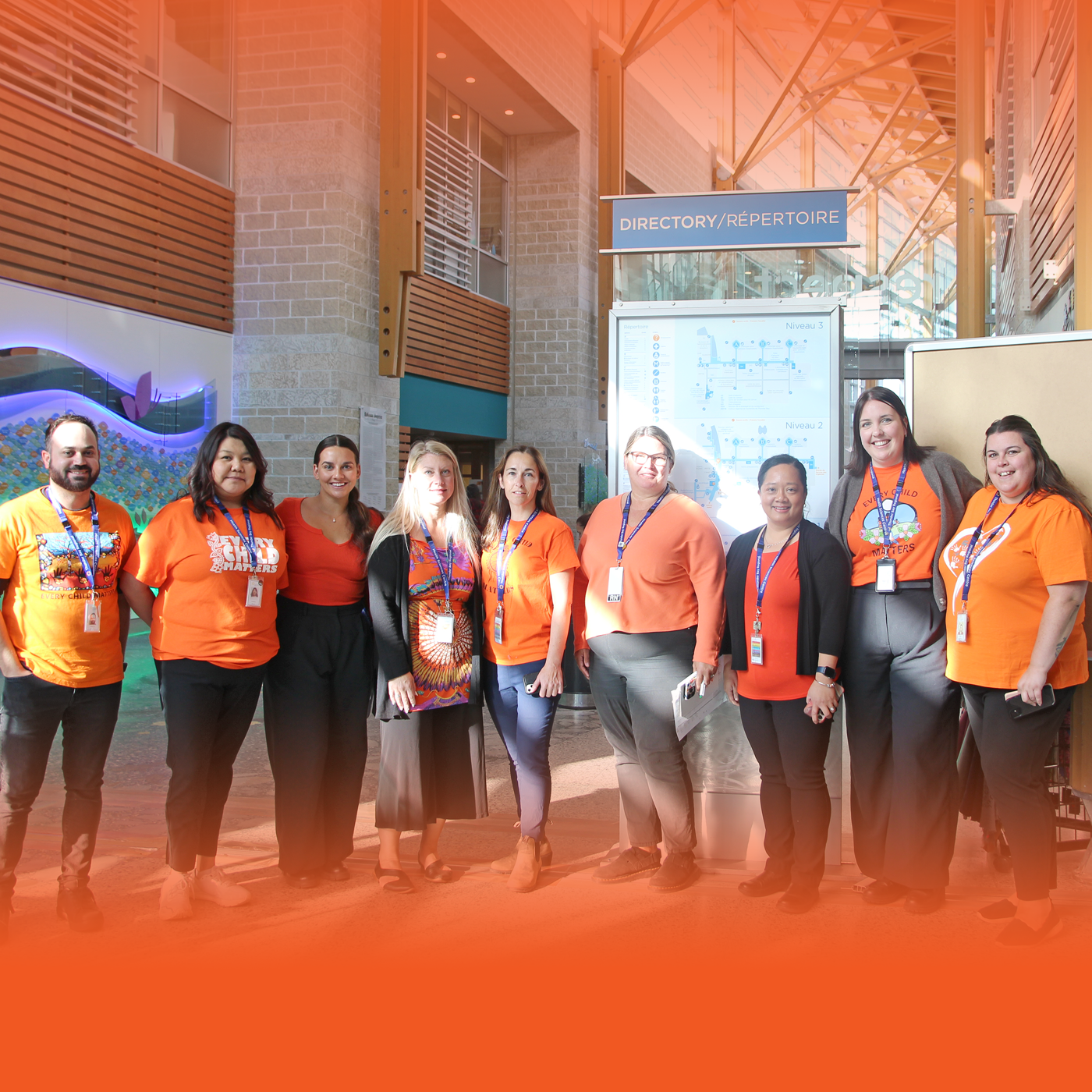
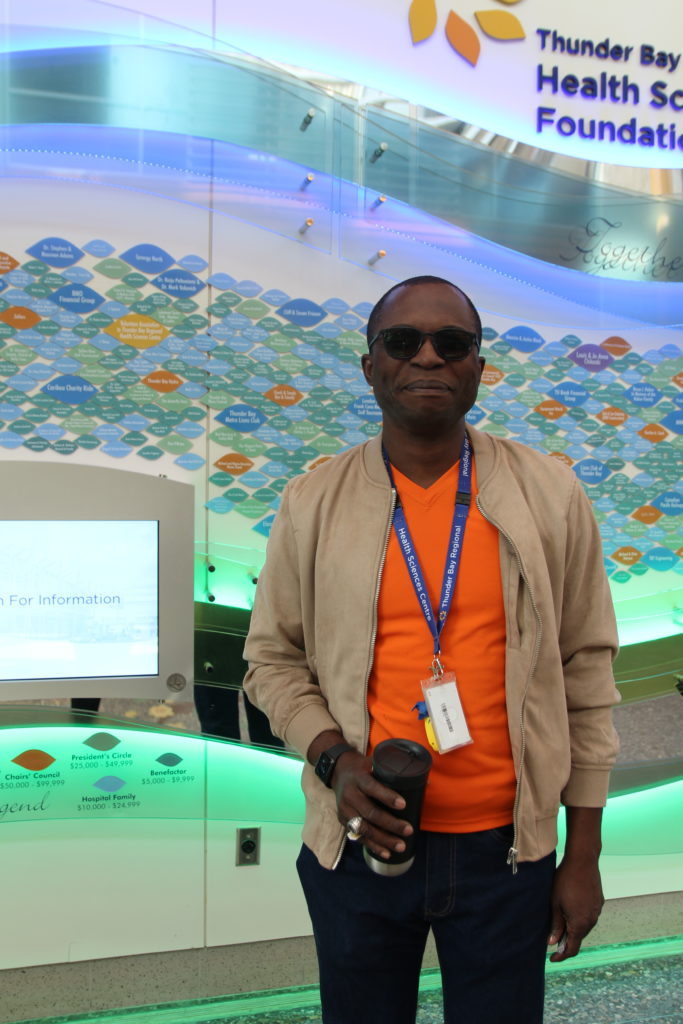
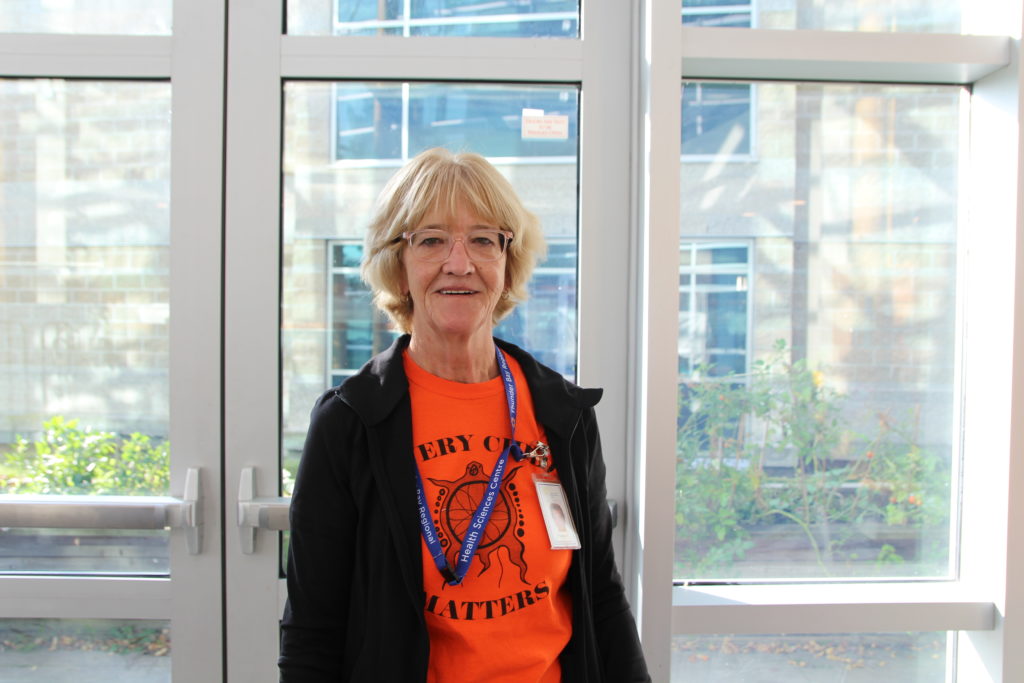
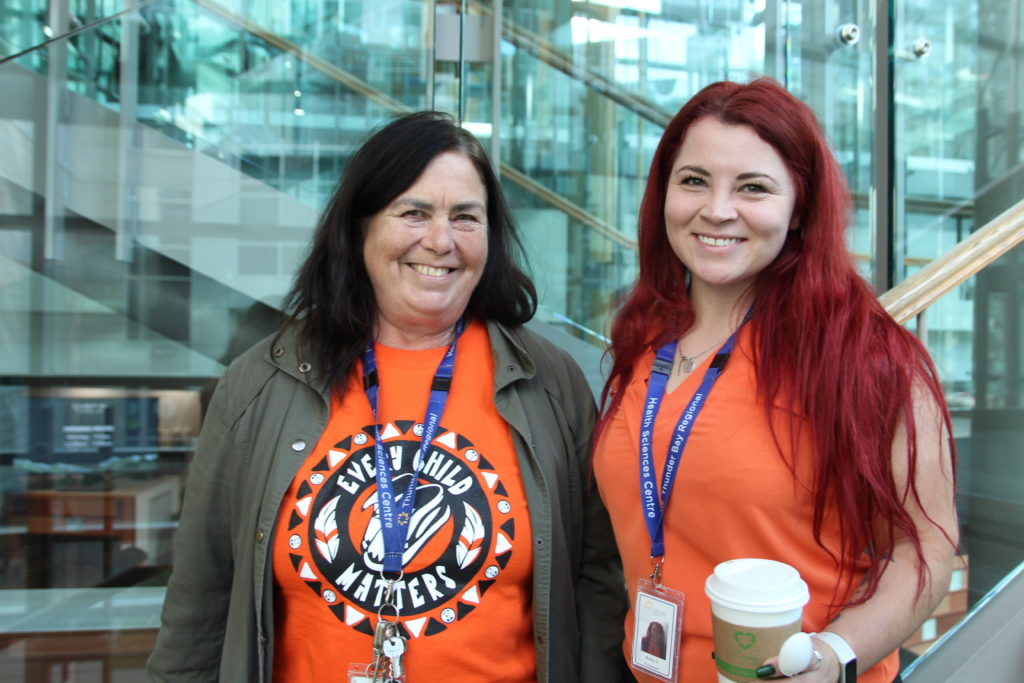
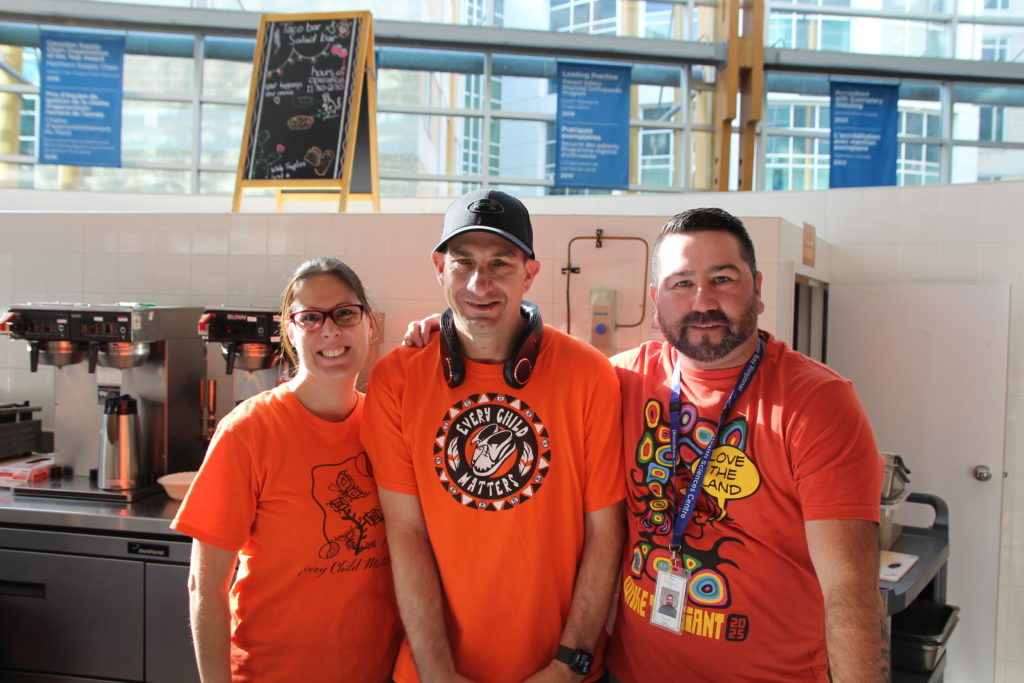
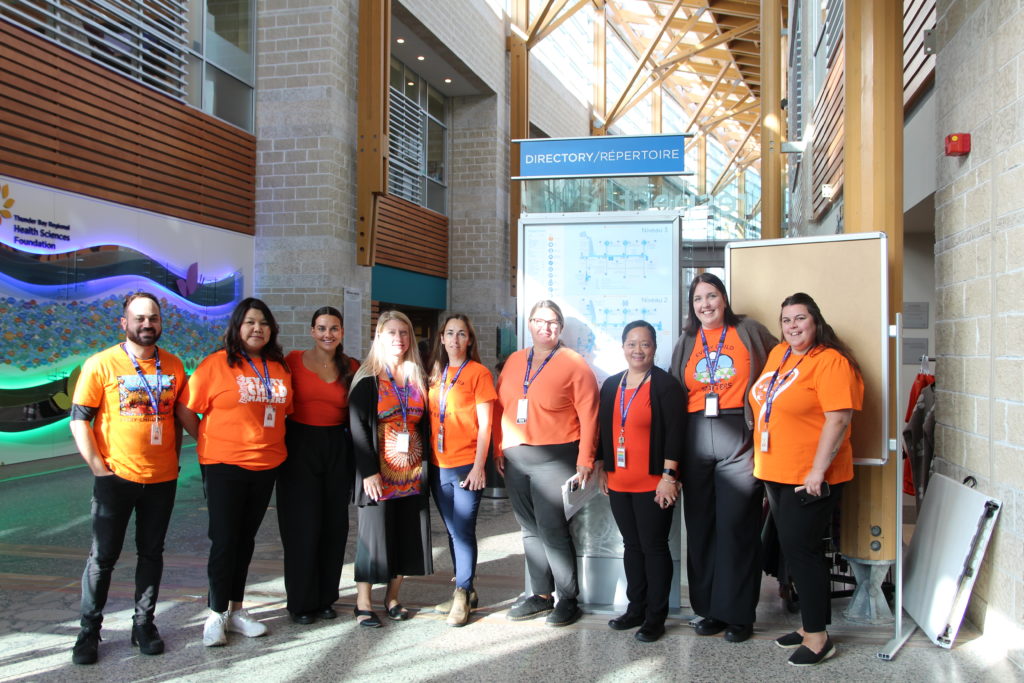
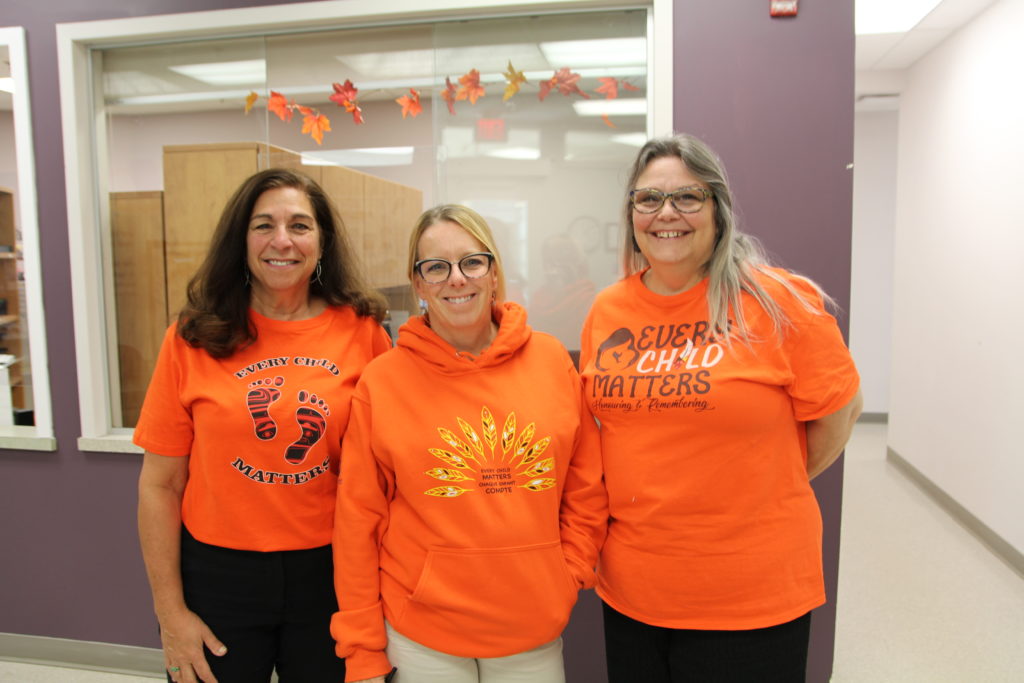
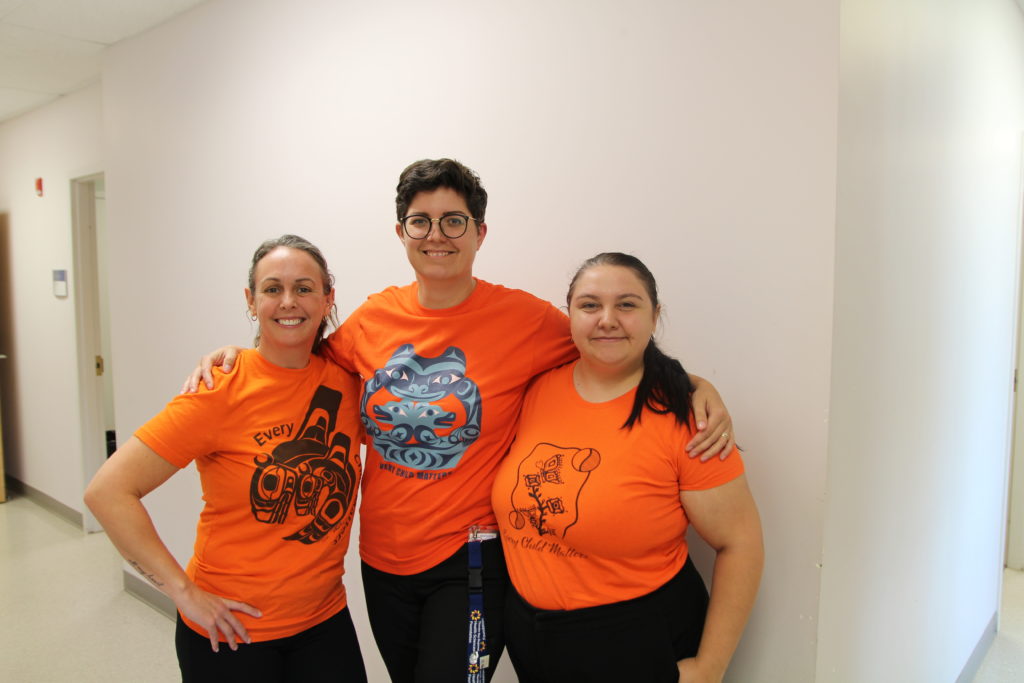
National Day for Truth and Reconciliation (September 30) honours the lost children and survivors of residential schools, their families and communities. It was moving to see so many people wearing orange shirts, for September 30 is also Orange Shirt Day. Orange Shirt Day is an Indigenous-led grassroots commemorative event inspired by the experience of Phyllis Webstad, a Northern Secwpemc (Shuswap) from the Stswecem’c Xgat’tem First Nation. On her first day of school, Phyllis arrived dressed wearing a new orange shirt, which was taken from her—a moment that symbolizes the stripping away of culture, freedom, and self-esteem endured by Indigenous children for generations. This day honours Survivors and remembers the children who were forced into residential schools and never returned to their families.
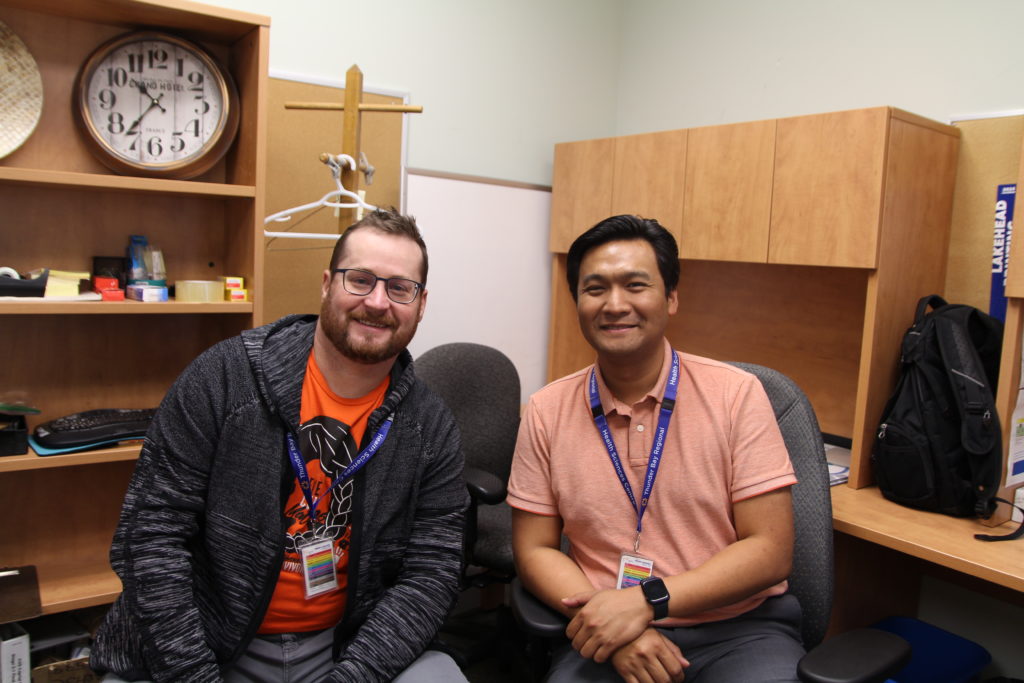
Thank you to all Hospital, Health Research Institute, Health Sciences Foundation staff, professional staff, volunteers and learners who participated by wearing orange shirts, an outward symbol of commitment to reconciliation and hope for a better future.