Sent on behalf of Dr. Rhonda Crocker Ellacott, President and CEO, Thunder Bay Regional Health Sciences Centre; CEO, Thunder Bay Regional Health Research Institute
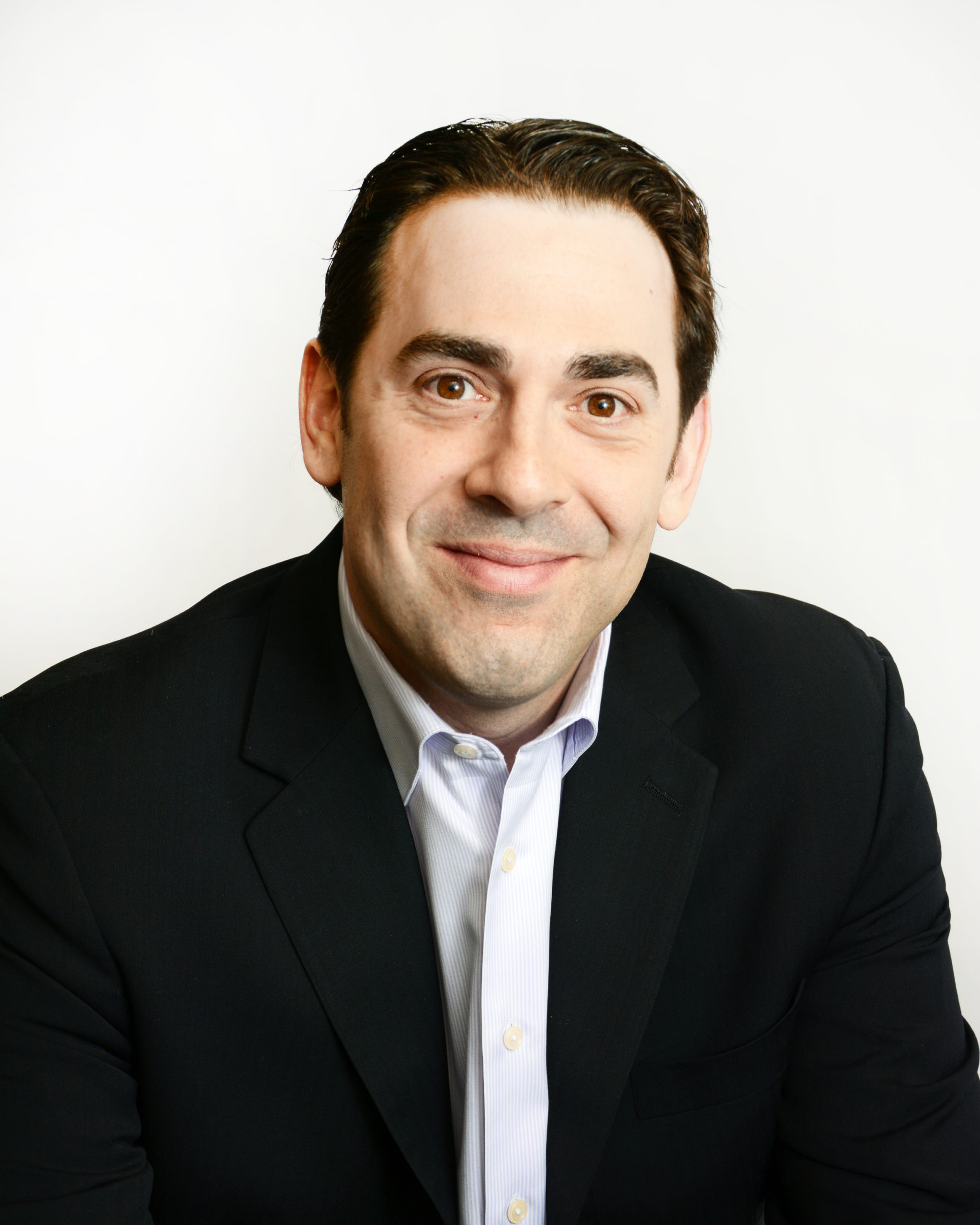
I am pleased to share that effective April 12, Dr. William Harris will be our Interim Executive Vice President, Medical Affairs. Dr. Harris is well-known to you as a Hospital leader as he is the current Chief of Surgery, a role he will maintain. Dr. Harris is widely respected for his vast experience and commitment to quality patient care.
In the EVP Medical role, Dr. Harris joins the Senior Leadership Council team and will work collaboratively with Dr. Zaki Ahmed on the medical leadership redesign, which is focused on streamlining leadership and integrating, where possible, planning, decision making, and overall quality of care across the organization.
Please join me in welcoming Dr. Harris to this interim role. I look forward to working with him and the entire Senior Leadership Council team moving forward. As always, I welcome feedback and questions, and can be reached at crockerelr@tbh.net
Sent on behalf of Dr. Rhonda Crocker Ellacott, President & CEO and Dr. Peter Voros, COVID-19 Incident Manager
In light of a predicted COVID-19 case surge and some parts of our province facing extreme pressure, the Ministry of Health has directed hospitals outside of Northern Ontario to begin ramping down all elective surgeries and non-emergent/non-urgent activities in order to preserve critical care and human resource capacity. This ramping down will begin on Monday. Again, for now at least, this does not apply to the North. We will keep you informed if there should be any change in this directive.
As well, the Ministry has advised all hospitals that it may request available health care workers/teams to support care in other parts of Ontario by being redeployed to overburdened sites. We have been tasked with identifying available staff for redeployment. We are proceeding under the assumption it will be voluntary until told otherwise. Your department leads may be in touch to start identifying who may be willing to consider redeployment to help other regions in need.
We understand fully that this may cause you some stress and anxiety. With vaccinations rolling out, there is light at the end of the tunnel for us during this pandemic. And, although we may find these government directives challenging, it is crucial to remember that we are part of a province-wide health care system that supports each other in times of need. Sometimes we are on the receiving end of that help and sometimes we have to step up and be the support system for others. This is one of those times.
We can appreciate you may have many questions as do we. This is all moving quickly and we will keep you updated as new information becomes available. Thank you, everyone, for your continued hard work and compassion in helping our communities get through this third (and hopefully final) COVID wave.
Chair, Board of Directors, Thunder Bay Regional Health Sciences Centre
Last month marked one year since the World Health Organization declared the COVID-19 pandemic. As I reflect on the past year, my thoughts turn, of course, to our Hospital’s front line, professional, and hospital staff. Confronted with a new and unknown disease, health care staff faced and continue to face an immense emotional, professional and personal burden. On behalf of the Board and the communities we serve, I want to recognize and thank all front line, professional, and hospital staff who continue to make sacrifices and work tirelessly to keep our community healthy and safe.
I would also like to recognize and thank our colleagues in public health. Our partners at the TBDHU have played a critical role in the community’s response to this pandemic, and I am grateful for their hard work and ongoing commitment in keeping our communities informed and healthy. If there is another positive that we take from the past year, it is how our community health care organizers have shown how they can mobilize and work together for the betterment and wellbeing of our communities.
National Volunteer Week (April 18-24) is celebrated each year and offers a time to reflect on the generosity of the many individuals who choose to give of their time, skills, and energy to this Hospital. Thank you to all of the Hospital’s Volunteers and Patient Family Advisors and Foundation Volunteers. We miss you and are eagerly looking forward to the day our volunteers can safely return to supporting patients and staff while contributing to patient and family centred care here in this Hospital.
Finally, I would also like to recognize the dedicated volunteers who serve the Hospital as members of the Board of Directors. Each of you has demonstrated a remarkable commitment to support excellent, safe, and high-quality health care for the people of Northwestern Ontario. We received an overwhelming response from many strong and qualified candidates during our recent push to recruit new volunteers to serve on the Board or its Committees. This response is a true reflection of the strong volunteering spirit in our region, and we look forward to the appointment and announcement of new members in June.
While I know we are still seeing a high level of cases in the community, I must acknowledge the optimism many of us have for 2021, knowing vaccinations are happening and our transition out of winter allows people to get outside safely. I encourage everyone to continue to follow public health and provincial directives on social distancing and wearing masks. We are doing well yet this is not a time to let our guards down. Our hope and optimism for the future depends on everyone doing their part throughout all of Northwestern Ontario.
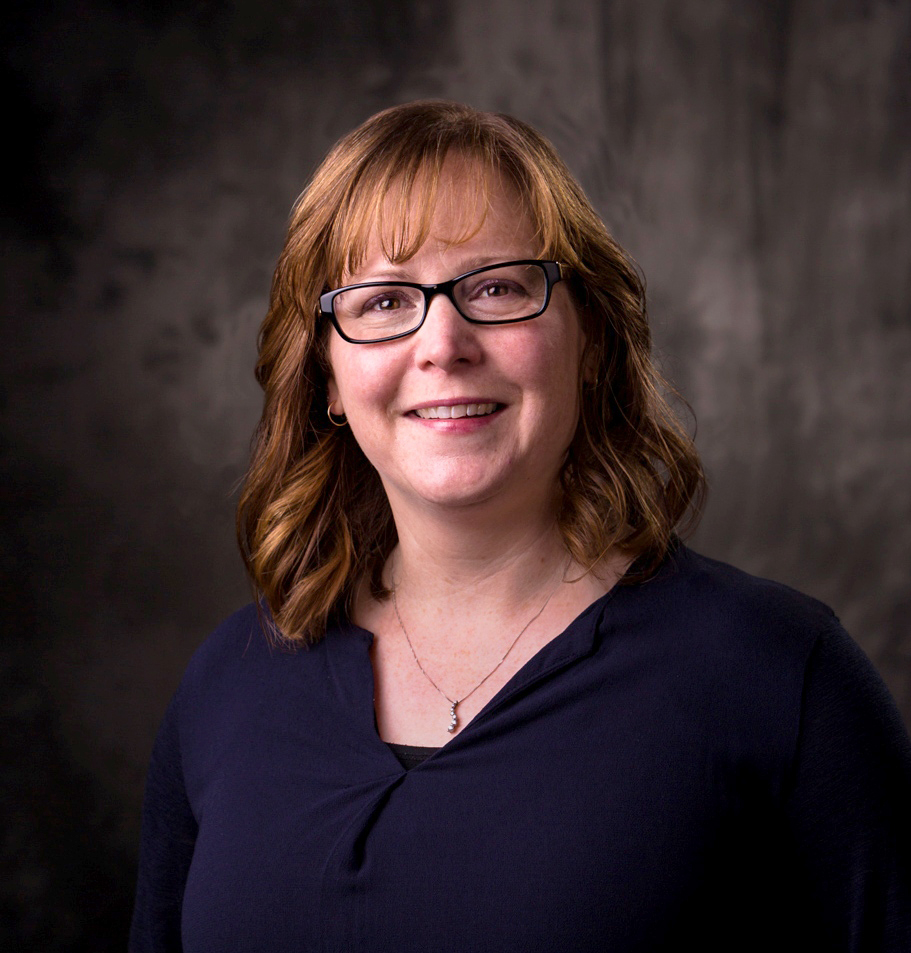
Responding to the COVID-19 pandemic has been all about flexibility and adapting to an often quickly changing landscape. At the Thunder Bay Regional Health Sciences Centre, Kathryn Shewfelt has been seeing that firsthand. Shewfelt is the hospital’s director of environmental services and, during the COVID-19 pandemic, she’s also serving as one of the emergency preparedness specialists for the health sciences centre’s incident management team, as well as the support services lead for operations. Matt Prokopchuk spoke with her about adapting to changing times and how some protocols have evolved.
The Walleye: Within the hospital’s COVID-19 response, what does your job entail?
Kathryn Shewfelt: I work with Nicole Moffett, who is our manager of emergency preparedness and security, who’s really our resident expert and an amazing resource for us on incident management. What we do in that role [is] we help set up and adjust the incident management structure, and make recommendations about where projects and items fall within the structure. And then as the support services lead within operations, I oversee the implementation of any support services projects. So that’s really the hat that I wear on a day-to-day basis with my departments in housekeeping, laundry, portering, nutrition, food services, security, [and] medical device reprocessing—making sure all of those programs are able to implement their projects. And then I also took on implementing any projects that really didn’t fall into the other groups, so the clinical and support services branches.
TW: How have you had to adapt various support services during COVID?
KS: It’s really varied for each department and really varied depending on where we are in the pandemic. So as you can imagine, for the emergency preparedness and security department, really that focus on emergency management has come into the fore[…]. For our laundry department, for example, in the beginning when there were shortages of personal protective equipment around the world, we were looking at other options and switched some of our supplies over to reusable versus disposable. So our laundry department saw a big increase because all of a sudden we were reprocessing and washing isolation gowns to support our frontline staff. Within medical device reprocessing, in the beginning when the provincial government mandated that we shut down [non-emergency surgeries], we were actually able to redeploy some of our staff to other areas, so our staff really stepped up and volunteered to help in other departments within the hospital. For our housekeeping department, as you can imagine, [there is] an increased focus on infection control practices, so really making sure that those policies and practices are up to date […] and that we’re implementing them appropriately and changing them as needed as information changes within the pandemic.
TW: How has infection control evolved over the course of the pandemic?
KS: We’ve always had really tight infection control practices. [We are] very stringent about what we need to do, so it was really about working really closely with our infection prevention and control department, and we do that regularly to make sure that any changes in policies or recommendations that were coming down through the ministries were implemented. And [we are] really making sure that we have enough staff to address those issues. So for us it was more making sure that our teams were trained on practices and kept up to date on the changes and then making sure that we had enough staff available to provide the services.
TW: Have you had to add staff?
KS: Yes, we have. We have added staff; we’ve increased hours of some of our existing staff and then brought in some temporary staff to help cover our hours as well.
TW: How has the pandemic changed your sense of your responsibilities at work?
KS: I think the biggest change has really just been the focus on COVID and the pandemic and the incident management piece, so really having to be flexible in our roles and really just stepping in where help is needed versus staying within the role that we’ve been assigned within the organization. I think that’s been the biggest shift— really helping the departments that report to us be able to shift as needed, and supporting the incident management structure. That’s been a big chunk of the work.
This interview has been edited for length and clarity.
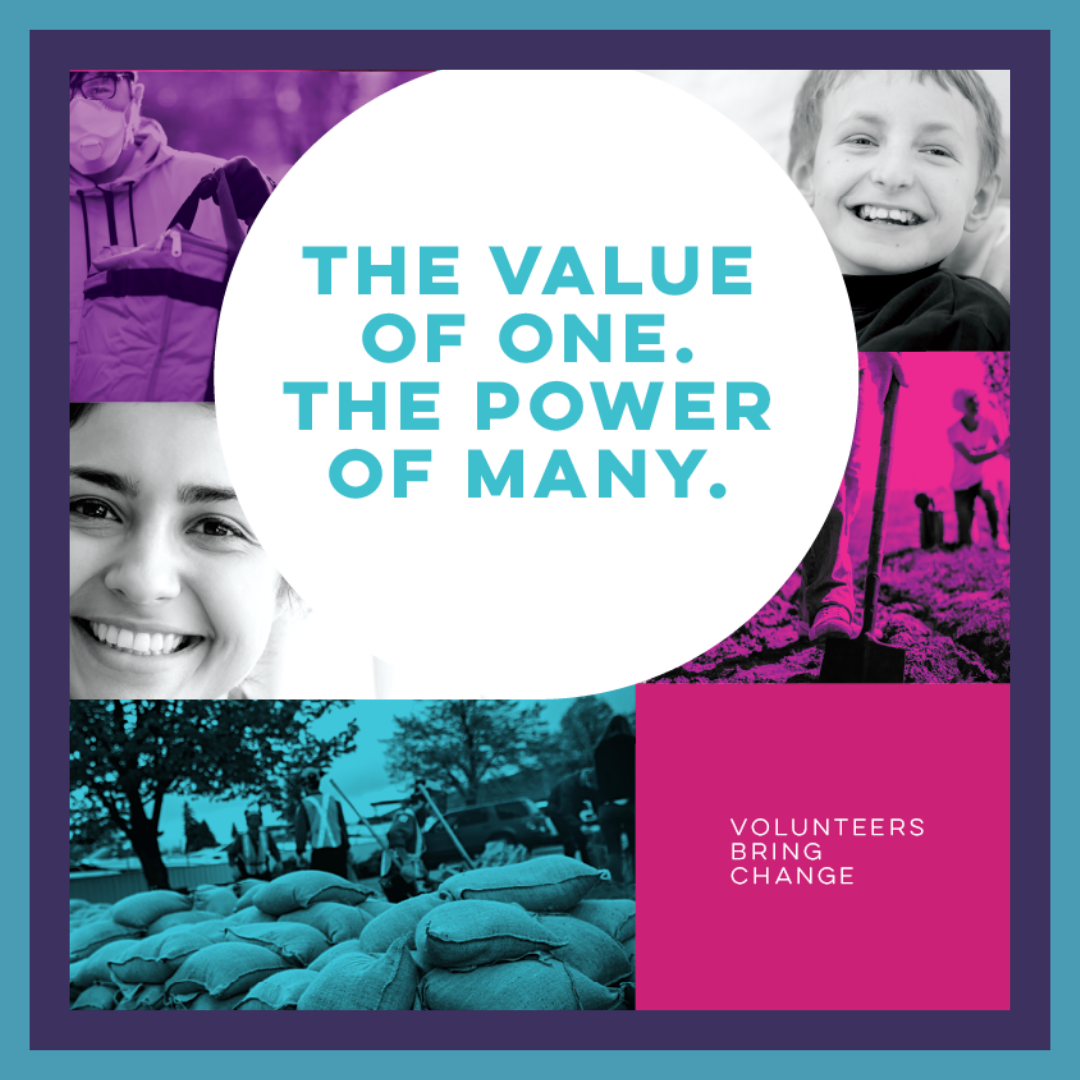
National Volunteer Week is an opportunity to recognize the contribution, dedication and continuous acts of kindness that volunteers contribute across Canada every year. This year, National Volunteer Week will take place from April 18-24th. Since we only have a few volunteers on site at this time and many at home patiently waiting to return, we would like to share messages and comments with volunteers and PFAs during National Volunteer Week to show how appreciative we are of everything they do for Thunder Bay Regional Health Sciences Centre.
We want to hear from you. Tell us how volunteers and PFAs have made a difference in your department or why you appreciate volunteers. Please send your responses to Sam Stovel, Volunteer Coordinator at stovels@tbh.net.
Thank you for making our volunteers and PFAs feel like a valuable part of your team!
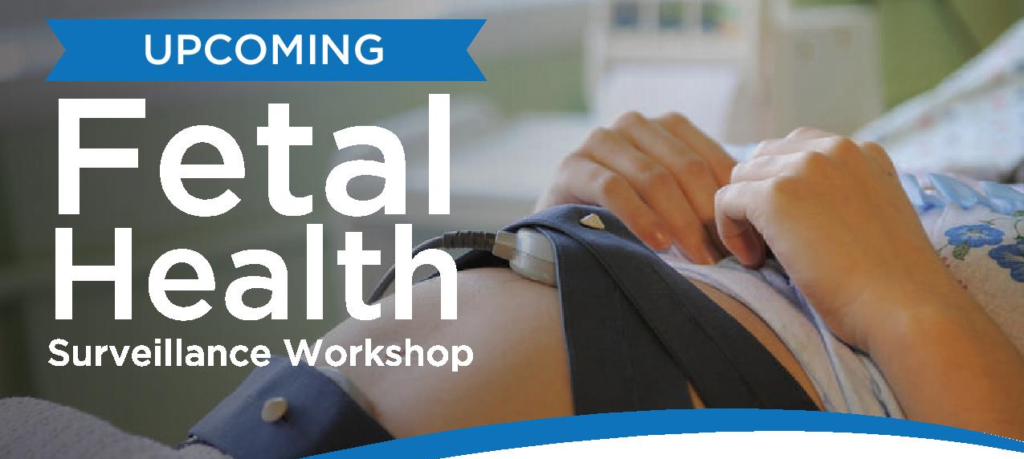
Please note that on Friday, May 7th, there are two Fetal Health Surveillance courses being offered: a 2-hour virtual refresher course, and a full-day in-person workshop. Please see the posters and registration links below for more information.
To better serve the Indigenous population in Northwestern Ontario, Thunder Bay Regional Health Sciences Centre (TBRHSC) has adopted a self-identification process to better understand patients and improve how they are served.
As of March 16th, the Hospital began asking all patients at registration if they’d like to voluntarily self-identify as First Nations, Métis or Inuit. If they answer “yes” or “no” the response will be saved in the patient’s electronic medical record and the patient will not be asked again when registering in the future. If they do not provide a response, they will be asked on their next visit.
“We know Indigenous people face inequities in health care access and experience a higher rate of chronic disease and injury when compared to non-Indigenous people,” said Dr. Rhonda Crocker Ellacott, President and CEO at TBRHSC and CEO at the Thunder Bay Regional Health Research Institute. “This is a great step forward for our Hospital as we continue to respond to The Truth and Reconciliation Commission’s Calls to Action related to health care.”
The Hospital’s objective is to enrich the patient experience, improve health services, identify areas of need in the health care system, and provide data to measure the effectiveness of health care for Indigenous patients. This includes access to interpretation services (in Ojibway, Ojicree, and Cree), access to an Indigenous Patient Navigator, and Indigenous Care Coordinator and discharge planning coordination for a smoother transition to their home community.
“TBRHSC encourages Indigenous self-identification so we can better determine opportunities for service enhancements and address health needs in local Indigenous communities,” says Crystal Pirie, Senior Director, Indigenous Collaboration. “The information collected will be used for the sole purpose of providing the best possible care to patients.”
Patients can provide the information the next time they register for any services at TBRHSC or can go online at any time at www.tbrhsc.net/selfID. Proof of status is not required, and patients can choose not to answer if preferred.
Across Canada, Oncology Nursing Day (April 6th) recognizes the incredible role oncology nurses play in our national health care system.
Cancer affects people of all genders, nationalities and age groups. Oncology nurses are on the front lines of cancer treatment, care and research. There are countless untold stories of oncology nurses profoundly impacting the lives of so many Canadian cancer patients and their families.
Tuesday, April 6th, 2021 marks the 18th anniversary for Oncology Nursing Day, and the theme this year is “I Am, I Will: A Call to Action”.
We’ve got great news that will protect the health and safety of individuals in our community who are living with certain underlying health conditions.
Thunder Bay Regional Health Sciences Centre’s COVID-19 Vaccination Clinic has been directed to offer vaccine appointments to individuals within the District of Thunder Bay with high risk health conditions, which include:
Organ transplant recipients
Stem cell transplant recipients
Neurological diseases where lung function may be compromised
Blood cancer diagnosed within the last year
Kidney disease
If you have one of these conditions, you may qualify to schedule an appointment for a COVID-19 vaccination at our clinic.
To find out more about your eligibility, or how to schedule an appointment online or by telephone, please visit: www.tbrhsc.net/vaccinations
The expansion oforthopaedic surgical services means more patients and families will experience the benefits of care close to home across Northwestern Ontario.
“Our population sees more musculoskeletal disease requiring a higher-than-average use of orthopaedic surgical services,” said Dr. Rhonda Crocker Ellacott, President and CEO of Thunder Bay Regional Health Science Centre (TBRHSC) and CEO of the Thunder Bay Regional Health Research Institute. “This collaboration is great news as our Regional Surgical Services program is now able to expand its reach, continuing to deliver the high-quality care to those that need it most.”
The expansion of the spinal surgery program was a collaborative approach that included leadership teams from both hospitals, surgeons, anaesthetists surgical nurses as well as the Northwest Local Health Integration Network (NW LHIN) and Ontario Health who enabled creative funding models to help clear the surgical backlogs created by the pandemic.
“We are very pleased to be selected as a spinal surgery site as part of the Regional Surgical Services program,” said Ray Racette, President and CEO, Lake of the Woods District Hospital (LWDH). “Offering this service closer to home and in doing so, helping reducing long wait times for spinal surgery, is critically important for the people we serve.”
The availability of this service for patients in Kenora and the surrounding area takes on greater significance when challenges created by COVID-19 such as travel, accommodation and care-giving, especially for children needing surgery are factored in.
“I am absolutely thrilled with our growing partnership with Lake of the Woods District Hospital,” said Dr. David Puskas, Orthopedic Surgeon at TBRHSC. Working together has enabled patients suffering from spinal pathology to receive surgical care and successfully recover closer to home.”
Since launching in April 2016, TBRHSC’s Regional Surgical Services has worked in partnership with the NW LHIN, as well as Dryden Regional Health Care, Riverside Health Care in Fort Frances, and LWDH in Kenora.
“This expansion ensures our patients, no matter where they live across our region are getting care as close to home as possible,” said Dr. Travis E. Marion, Orthopaedic Surgeon at TBRHSC. “It’s better for patients, the family who are looking after them and the recovery process.”
One of the main goals of the Regional Surgical Services program is improved access and a standardized level of care for patients throughout the region.
“A big congratulations to the Lake of the Woods District Hospital and Thunder Bay Regional Health Sciences Centre teams for their incredible leadership in this collaborative approach”, said Jessica Logozzo, Executive Vice President, Regional Transformation and Integration at TBRHSC. “It is impressive to see how partners have come together across the region to meet the needs of patients in these challenging times. This innovation and collaborative spirit will serve patients well.”
Both TBRHSC and LWDH have had patients wishing to share their experiences with this program. Below are a few brief stories to share, interviews with each person can be arranged.
Patient experiences:
Clayton Teeple recently underwent spinal surgery at Lake of the Woods District Hospital (LWDH) in Kenora, the first-of-its kind occurrence in the city. This surgery was made possible thanks to a partnership between LWDH and TBRHSC to expand access to spinal surgery for patients in Northwestern Ontario.
Samantha Cameron had been living with extreme pain for 8 months due to a disc herniation. An active and avid fan of the outdoors, Samantha’s usual summer of fun saw most of her time stuck inside with none of her usual activities like camping, boating sidelined. Dr. Puskas performed her surgery, and the results were obvious right away. An immediate relief of pain and all pressure on her nerves was gone.
“The pain episodes were so severe, I was barely walking, barely able to move. All I could think was I don’t want to live like this. At LWDH, the nurses were wonderful, they were absolutely amazing and took good care of me. This summer I will be able to enjoy time with my family.” ~Samantha Cameron