Embracing Family

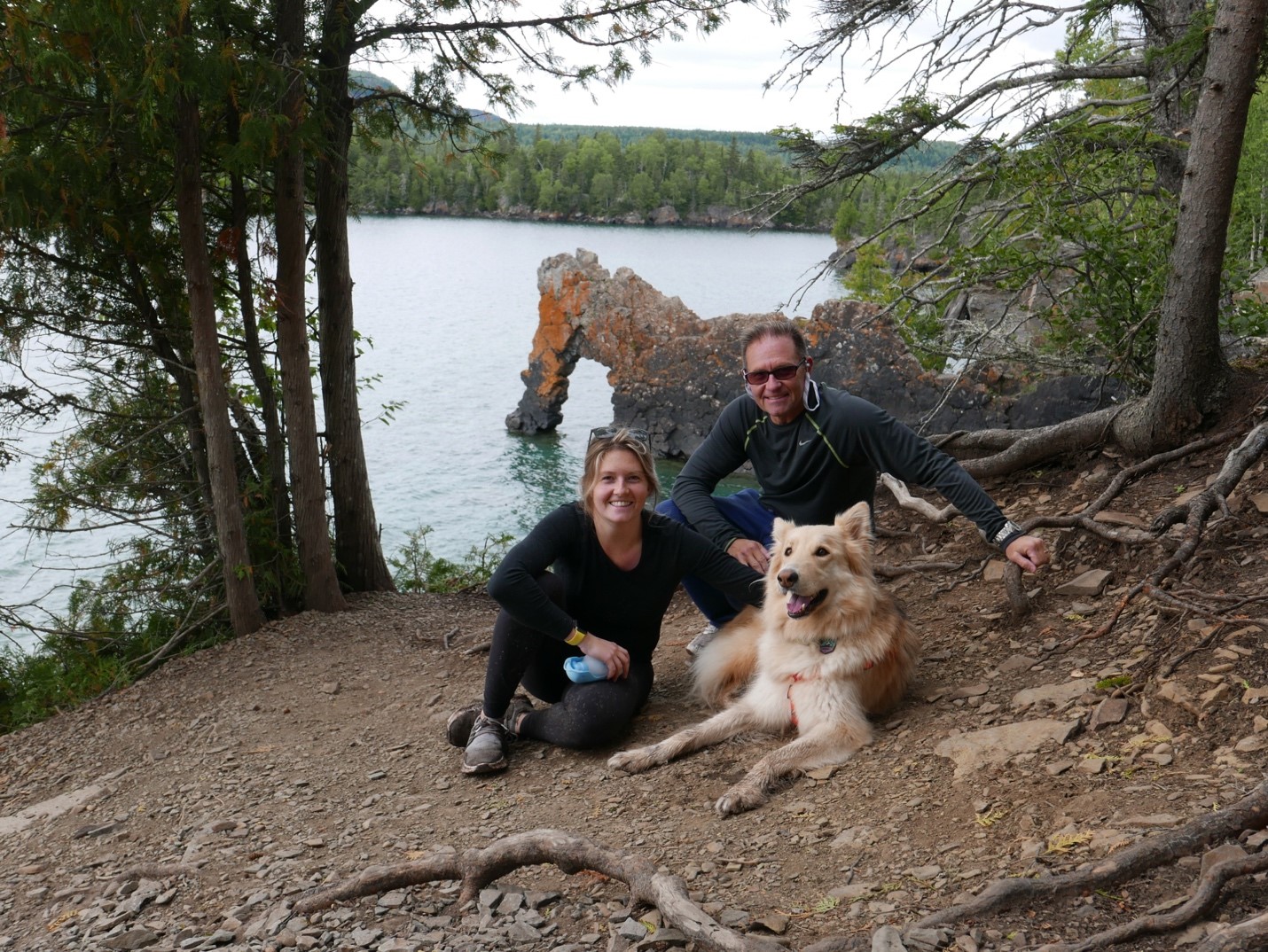
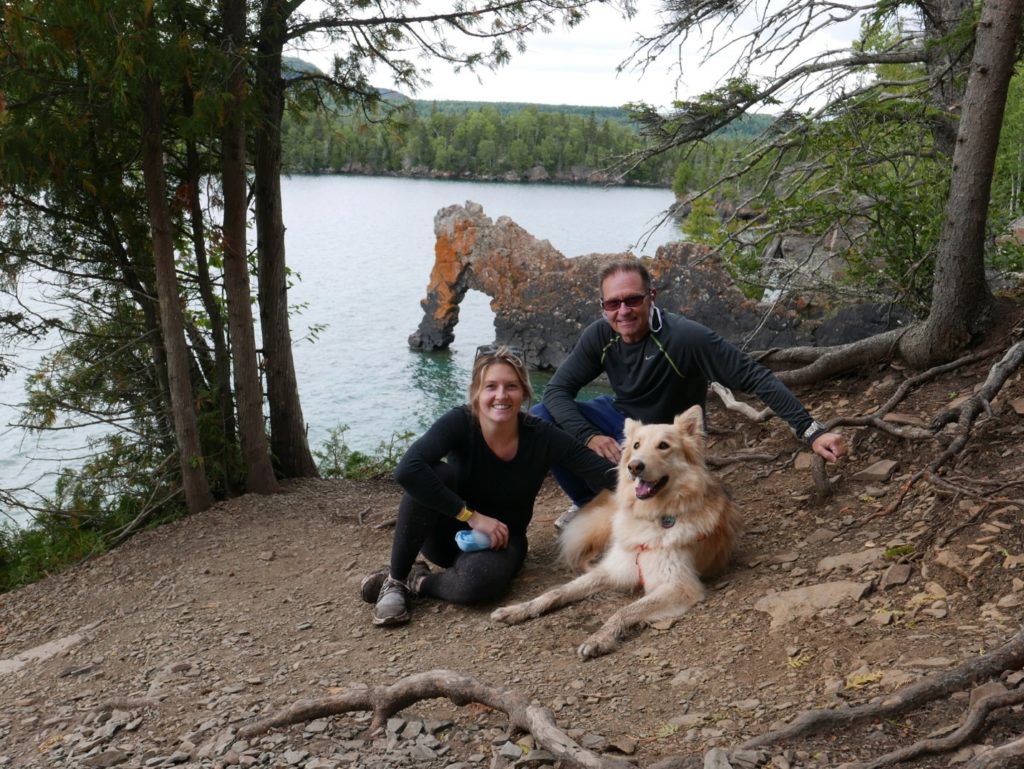
Hospital Staff Feature: Dr. Michael Scott (Intensivist, Anesthesiologist, Director of Critical Care) and his daughter Kelly Scott (Registered Nurse, 3A) find time in their busy work schedules to spend quality family time together outside of the hospital. No matter what season it is, they find the time to get outside and enjoy activities to keep them active and their minds feeling refreshed. During the summer months, you can find Mike, Kelly, and their dogs out hiking through trails around Thunder Bay or spending time at Shebandowan Lake testing out their skill level, with different water sports. In the winter months, they can be found shredding the slopes of ski hills near and far.

Whether living together or apart, family plays an important role in our lives and can help us to maintain our wellbeing and to stay positive. Spending time with family may involve family dinners, exercising together, going shopping, watching a movie together or even connecting through a video call. Life can be busy and full of other commitments but reconnecting with family can help you to reconnect with yourself, your culture and reflect on what matters most in life.

Family relationships cannot be replaced and therefore, it is important to create strong bonds with family members. There are various unique ways that our family members can support one another, including emotionally, financially, physically, mentally, socially and spiritually.

Here are a few ways to help build strong family relationships:

  1. Choose quality over quantity. Set aside time to stay involved in each other’s lives by creating fun memories together, sharing stories, or having a phone call to catch up. Regardless of your family’s location, taking a few moments out of your day to reconnect with those you love the most call help to create stronger familial bonds and better relationships.
  2. Maintain good communication. Open communication is essential for each family member to be able to express their needs, wants, feelings and opinions. Communication is essential for preserving healthy relationships. As your relatives mature, and schedules get busier, it can become more difficult to plan activities that work for everyone. Make sure you set aside time to communicate with family members as proper communication is essential for emergency situations and is required in order to help support one another.
  3. Acknowledge and celebrate each other’s talents, strengths and weaknesses. Each family member is unique and while you may not always see eye to eye, it is important to show admiration and acknowledge each other’s achievements and efforts. Even if you are not on the best terms with a family member, kind gestures such as helping them complete a task or wishing them a happy birthday, can create a positive environment.
  4. Appreciate everyone in the family. You can’t always choose your family, but you can respect one another, show compassion, and remind each person that they belong, regardless of their shortcomings. Participating in an activity that a family member enjoys, watching them perform or competing in an event, or asking them about their hobbies and interests will help develop a stronger bond and allow you to get to know them better.

Regional Chief Medical Information Officer Announcement – Dr Stephen Viherjoki

Sent on behalf of Cindy Fedell, Regional Chief Information Officer


We are pleased to announce that Dr. Stephen Viherjoki has accepted the position of Regional Chief Medical Information Officer.

Dr. Viherjoki is currently the Chief of Inpatient Care, an Attending Physician and was formerly the Chief of Staff and Chief of Emergency Services at Dryden Regional Health Centre. He is also an Assistant Professor at the Northern Ontario School of Medicine and a Family Physician with the Dingwall Medical Group in Dryden.

In his role as the Regional Chief Medical Information Officer, Dr. Viherjoki will be responsible for providing direction and medical leadership on the design, implementation and use of informatics to enable high quality health care services, focusing initially on the HIS renewal. Dr. Viherjoki will be working collaboratively with medical leaders and key stakeholders across Northwestern Ontario.

Please join me in congratulating and welcoming Dr. Viherjoki into this new role that he will commence on October 1, 2021.

Diane Tetley’s Retirement

After 35 years of service, Diane Tetley is retiring on September 30th, 2021.

Diane started her career in Accounts Payable at the Port Arthur General Hospital in 1986. In 2003, she played a vital role in establishing the Telemedicine program at Thunder Bay Regional Health Sciences Centre as a Telemedicine Clerk.

For years, Diane has been the face of Telemedicine for Thunder Bay and Northwestern Ontario. Diane has helped thousands of patients receive health care closer to home, and without the need to travel. Her knowledge and expertise in the area of Telemedicine has not gone unnoticed. It will certainly be a transition to navigate the world of Telemedicine without her.

Diane, you will be missed by patients, colleagues and friends. All the best in the next chapter in your life, as you relocate for a retirement full of exciting adventures in Canmore, Alberta.

A virtual tea will be held via Webex on Wednesday September 29th, from 2:30 pm – 3:30 pm.

If you wish to virtually attend this event, please RSVP to Kelly Keeler by Friday September 24th at keelerk@tbh.net. If you are unable to attend and would like to send wishes, please send to keelerk@tbh.net and your message will be included in a short presentation during the event.

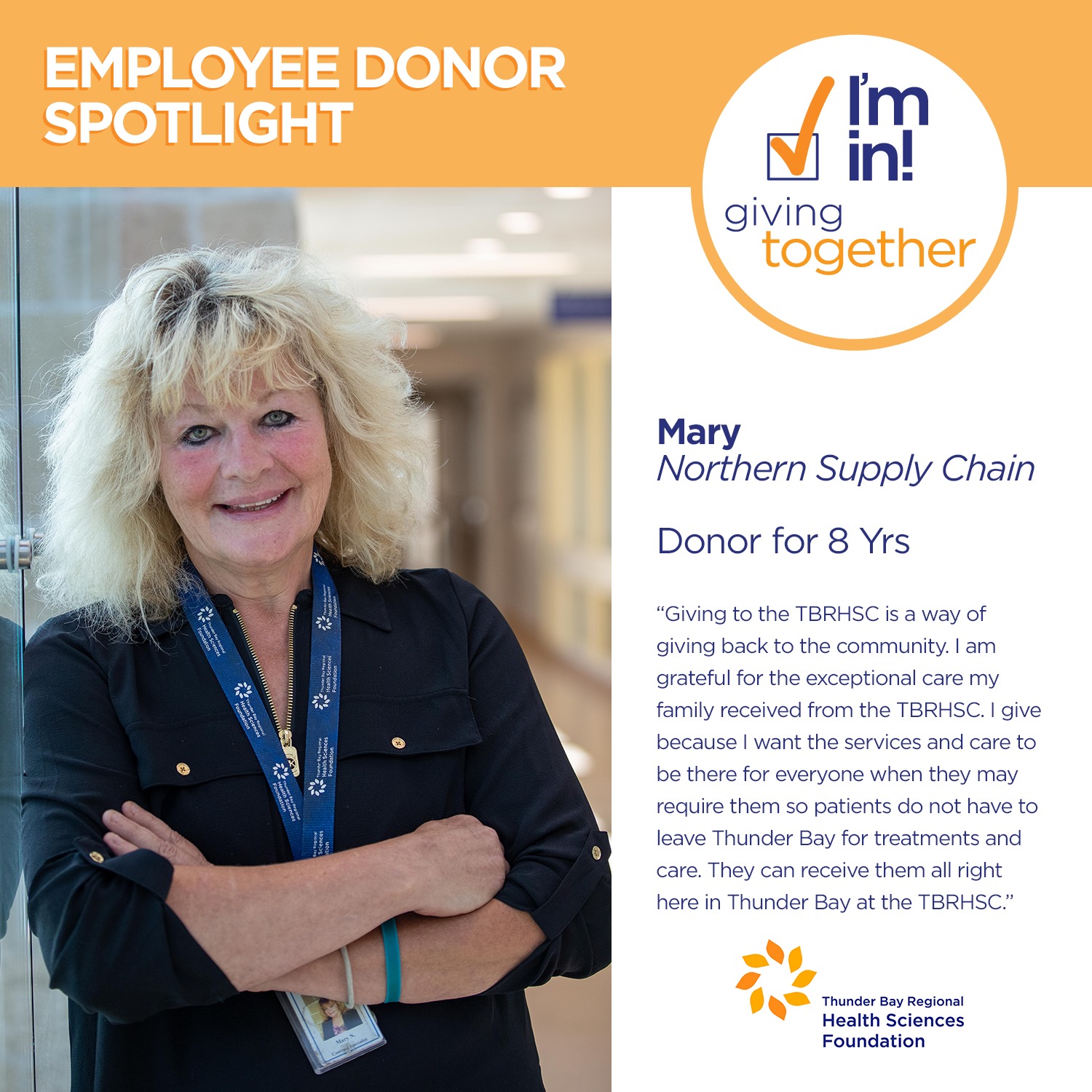
Employee Donor Spotlight: Mary, Northern Supply Chain

Today’s Employee Donor Spotlight shines on Mary from Northern Supply Chain! Mary is a well known face throughout the Hospital, and is always ready to volunteer her time to help out – including being on the Employee Giving Committee. She’s been an Employee Donor for 8 years!

“Giving to the TBRHSC is a way of giving back to the community. I am grateful for the exceptional care my family received from the TBRHSC. I give because I want the services and care to be there for everyone when they may require them so patients do not have to leave Thunder Bay for treatments and care. They can receive them all right here in Thunder Bay at the TBRHSC.”

Thank you, Mary. Employee Donors are Thunder Bay Regional Health Sciences Centre staff who donate through payroll deductions, helping to fund Hospital equipment in the area that means the most to them. Their dedication to better local healthcare is shown in both the hard work they do and their donations

If you’re a Hospital employee you can sign up, too! Learn more at www.healthsciencesfoundation.ca/imin

Meet Joelle Mandamin: Indigenous Care Coordinator

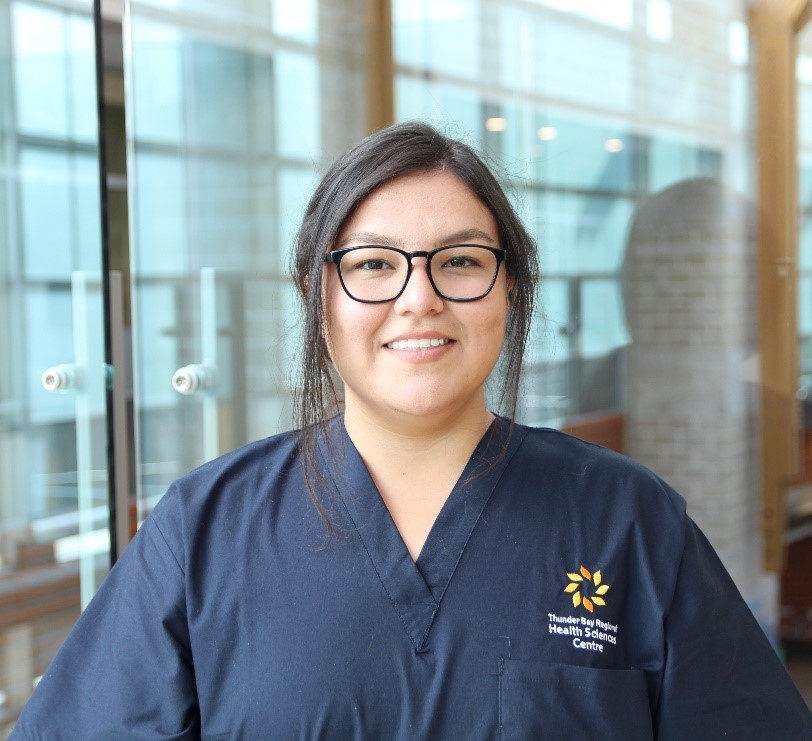
Joelle Mandamin is an Indigenous Care Coordinator at Thunder Bay Regional Health Sciences Centre (TBHRSC). She provides a variety of supports to Indigenous patients and their families.

In June 2021, Thunder Bay Regional Health Sciences Centre (TBRHSC) and Grand Council Treaty #3 partnered to hire Joelle Mandamin as the Hospital’s first Indigenous Care Coordinator (ICC). In her role as an ICC, Mandamin provides a range of services including patient navigation, advocacy, discharge planning, and support services to Indigenous peoples, primarily members of the Grand Council Treaty #3 communities, that access health and mental health services at TBRHSC.

The goal of the ICC program is to improve equitable access to care for Indigenous patients and support their return home by working with local community supports. This is done through discharge planning processes and accessing supports that leverage community/region-based services that are culturally appropriate and safe. Mandamin is the first of four ICCs at TBRHSC that will be working in this capacity.

Mandamin grew up in Kenora and Shoal Lake #40 First Nation. Prior to the development of the Freedom Road, she recalls having to use a barge to cross the lake from the island, and walking on the ice road during winter freeze-up and spring thawing in order to access much needed resources. She has a strong appreciation of the challenges that Indigenous people face when they leave their home communities for health care in Thunder Bay.

“I am honoured to be an Indigenous Care Coordinator because I am passionate about improving health outcomes of Indigenous Peoples. There are many social determinants of health that can significantly impact the Indigenous population such as access to health services and nutritious food, historical trauma, and social exclusion, to name a few.”

In 2016, Mandamin moved to Thunder Bay to attend the Registered Nursing Program at Lakehead University. After graduating, she completed Continuous Professional Learning courses in respiratory therapy and cardiology. Before her role as an ICC, she worked on medical inpatient unit 2B at TBRHSC, where she has stayed on casual.

“I look forward to working collaboratively with patients, families, and the health care team to ensure that provision of care is patient-centered and culturally safe. As a Treaty #3 member, I feel blessed to have this opportunity to serve people from back home.”

When Mandamin isn’t at work, she is kept busy with her children, ages 9 and 10. She likes to cook and play guitar, and as a family they like to bake, swim, and bike.

To learn more about additional services and supports available for Indigenous patients and families, please visit http://tbrhsc.net/home/indigenous-health-services/.

New BPH Procedure Preserves Specific Sexual Function

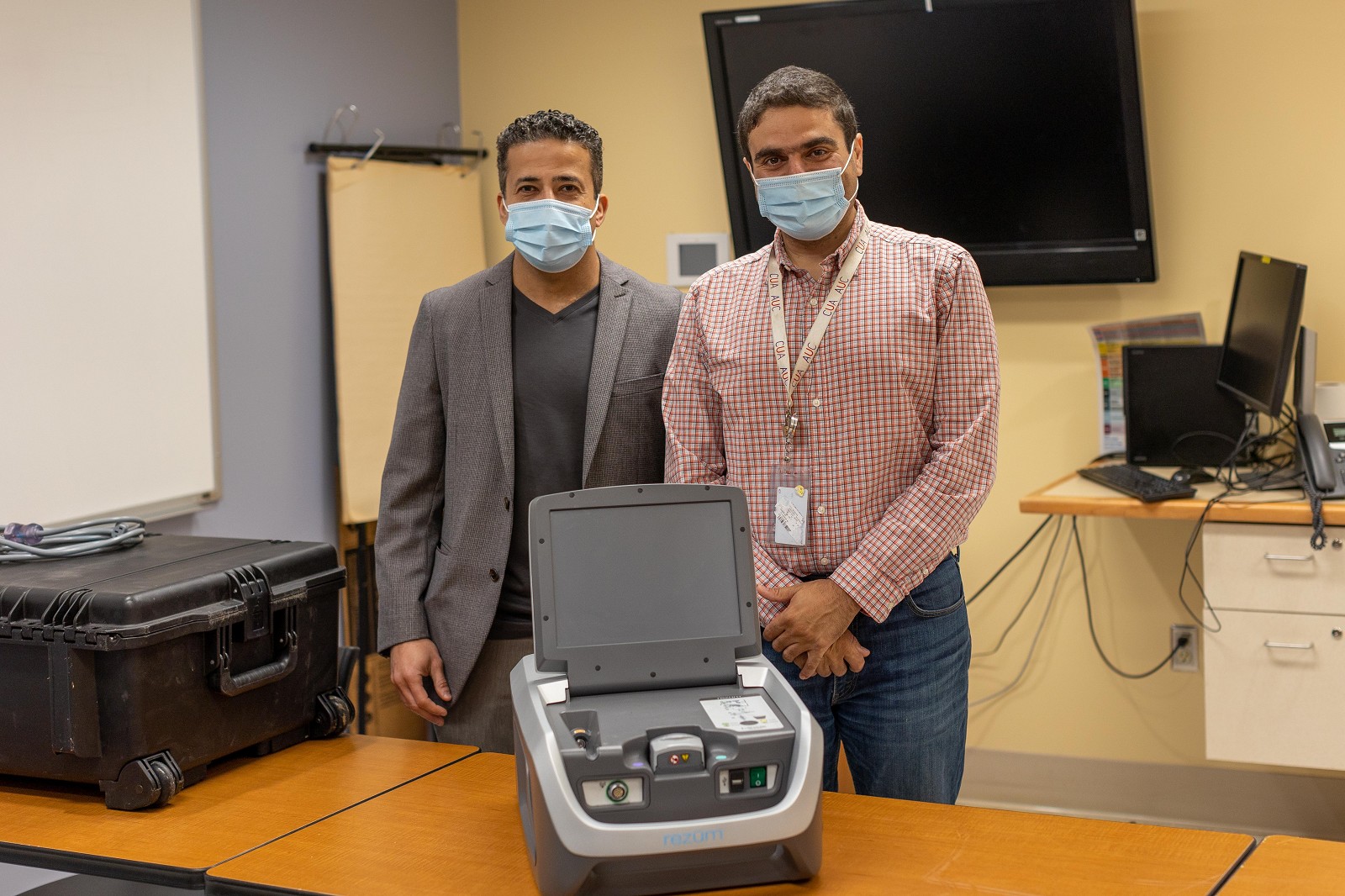
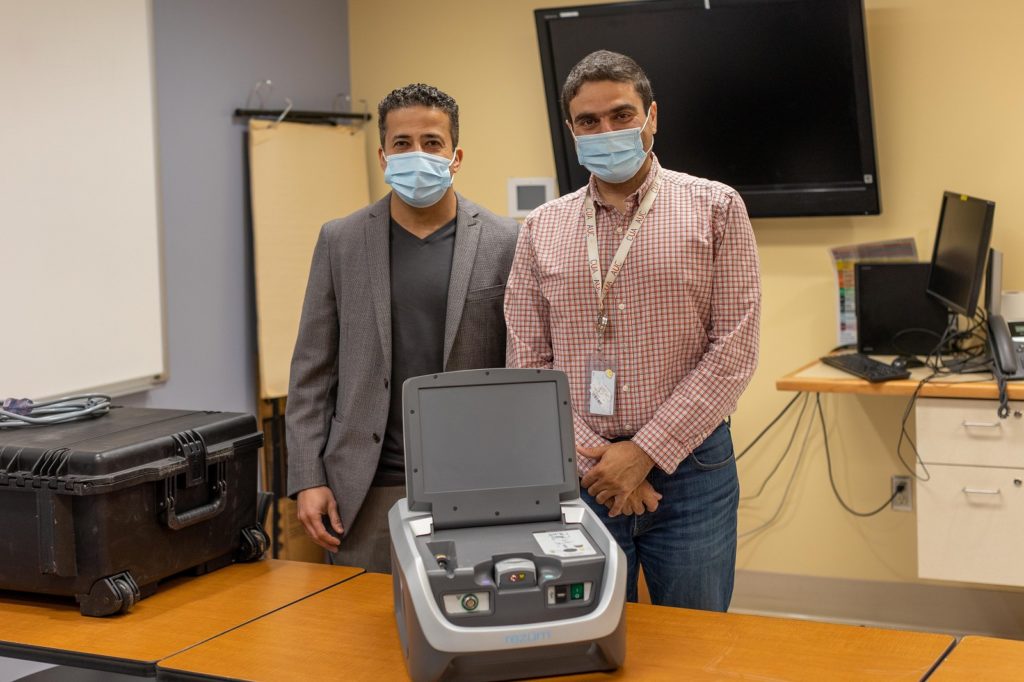
Drs. Hazem Elmansy and Walid Shahrour, two urologists at Thunder Bay Regional Health Sciences Centre, have brought a new treatment to Thunder Bay for men suffering from enlarged prostates. Called Rezum, this treatment was developed five years ago as an option for patients concerned with a specific sexual side effect of the laser surgery called retrograde ejaculation.

“Patients have been asking us about Rezum because they’ve heard about it in the media,” Dr. Elmansy said. “Until now, we’ve had to send them down to Toronto.”

Thunder Bay is one of a handful of locations in Canada to offer the procedure.

“We don’t want any patients leaving the North for any technology-related urology procedures,” Dr. Shahrour said. “Patients in Northwestern Ontario deserve the same access to treatment options and the same level of care as anywhere else in the province.”

Benign prostatic hyperplasia (BPH) is a common condition in men 50+ that can reduce or block the flow of urine from the bladder. This can lead to several uncomfortable conditions including the inability to empty the bladder, frequent urination (including through the night), and kidney problems.

Many BPH cases can be controlled with medications. When medications don’t work, there are surgical options including laser therapy. Rezum is another minimally invasive surgical option that uses steam injected in to the prostate every one centimetre or so to reduce its size.

Rezum requires only one treatment, but it can take up to three months to take full effect. That’s how long it takes for the tissue to die after the steam injection and be cleared through the body’s own natural elimination systems.

Although it’s a newer procedure, Rezum’s long-term effectiveness look promising, Dr. Elmansy said. Data from its first five years show that 90 per cent of patients remained symptom-free. In other words, only 1 in 10 patients required further treatment.

“I was skeptical in the beginning,” Dr. Elmansy said. “However, the data are showing excellent results.”

Rezum isn’t a good option for all BPH patients, Dr. Elmansy said. The procedure is only effective for men with smaller to mid-sized prostates. On the other hand, it’s a better option for patients who are too sick to go under the general anaesthetic required for laser surgery.

Dr. Shahrour stressed that although patients need to pay out of pocket because OHIP doesn’t cover the procedure, it’s not a commercial venture. Instead, it’s an alternative treatment option that patients were asking for.

“We tell our patients, look, there are other effective procedures out there that are covered by OHIP like the laser surgery which is just as effective in solving your BPH problem,” he said. “It’s part of our (pre-operative) counselling notes. But for some patients, avoiding retrograde ejaculation is very important to them. So, we have an option to help them now, too.”

Those interested more about the Rezum procedure can contact the Superior Urology Clinic directly at (807) 285-9289.

Frequency of COVID-19 Antigen Testing at Our Hospital

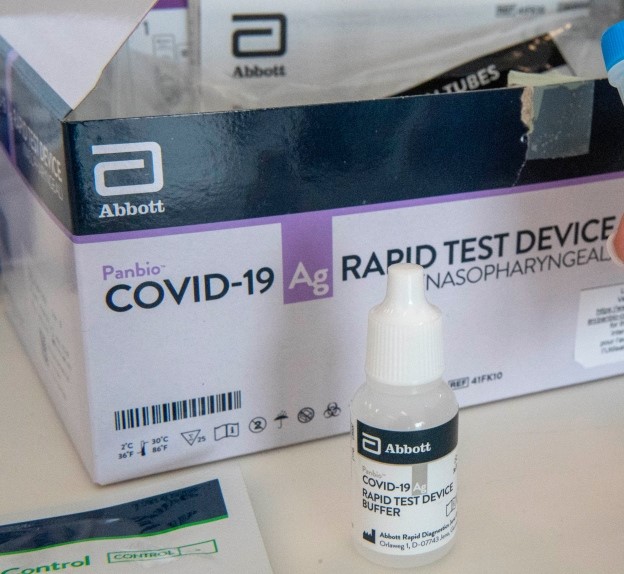
Mandatory COVID-19 antigen testing is taking place for all staff, professional staff, and volunteers that have either not been fully vaccinated, or do not wish to disclose their vaccination status.

This has been put in place due to the Ministry of Health’s Directive 6 mandatory vaccination policy for health care workers. Antigen testing frequency will depend on our Hospitals COVID-19 Internal Pandemic Response Level.

  • When the Hospital is in Green and Yellow, antigen testing will take place once per week (Sunday OR Wednesday)
  • When the Hospital is in Orange and Red, antigen testing will take place twice per week (Sunday AND Wednesday)
  • If the Hospital enters Response Level Grey, the frequency will be determined based on the situation at the time.

Thank you to all staff, professional staff and volunteers who have picked up their at-home antigen testing kits. The current requirement to complete antigen testing is once per week (Wednesday or Sunday) for those not fully vaccinated or not disclosing. Those who do not complete and submit the results of their antigen tests this Wednesday or Sunday will be considered non-compliant. If you have not picked up your at-home antigen testing kits, please contact Occupational Health and Safety by Friday, September 24th at 1600h (4:00 pm).

All Hospital COVID-19 updates and resources are available on the iNtranet at https://comms.tbrhsc.net/covid-19-information/.

>