Professional Staff Calendar – February 2024



To better serve patients, families and staff, as of January 28, 2024, Robin’s located inside of Thunder Bay Regional Health Sciences Centre will be open 24 hours a day.

(Via TBnewswatch.com)
The hospital and two other groups focused on children are using provincial cash for new and improved programming.

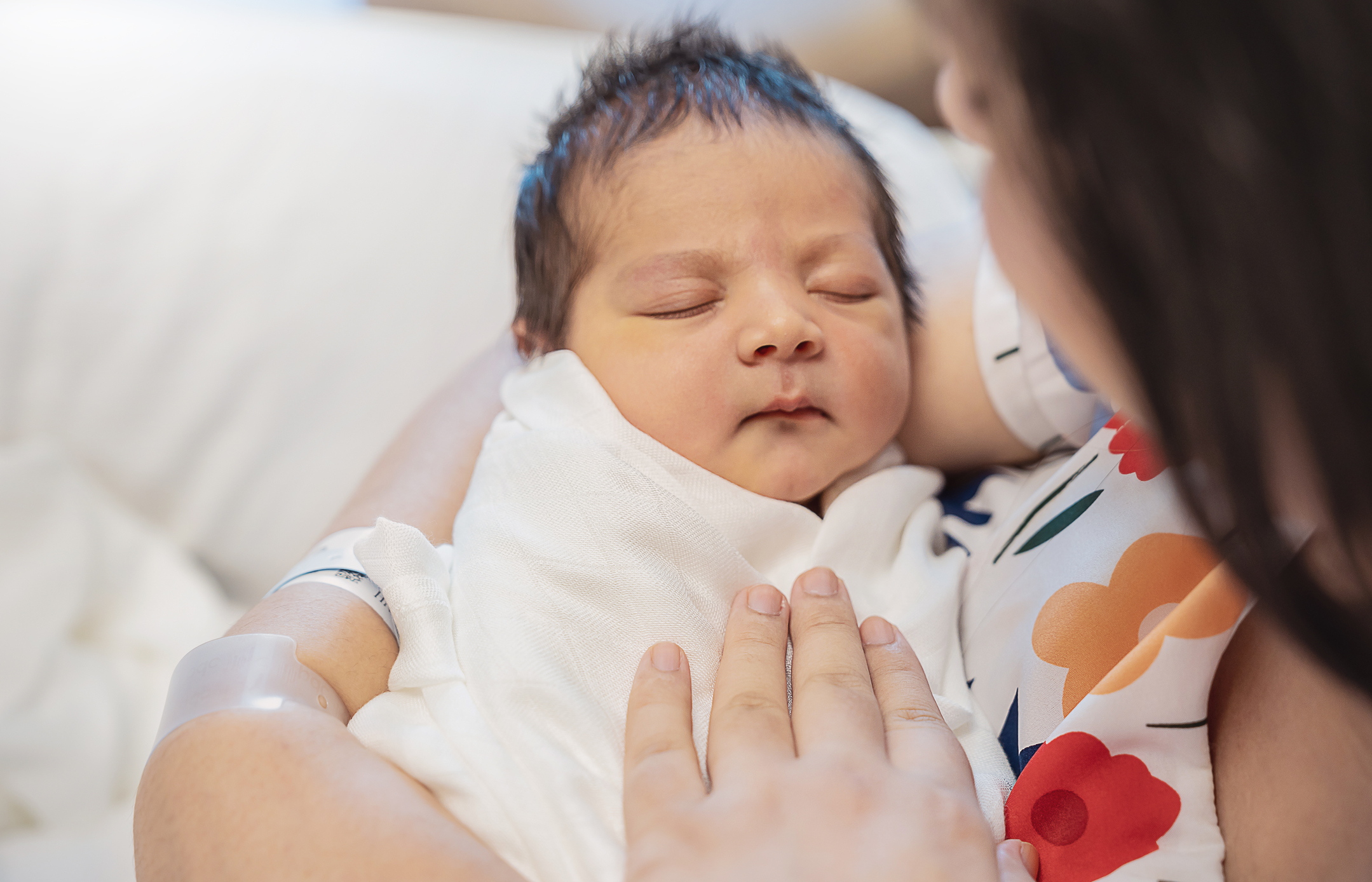
The regional hospital is putting together a much-needed transport team for newborns requiring medical care in the area.
As part of an earmarked $2 million investment previously announced by the province in the summer, the Thunder Bay Regional Health Sciences Centre is getting $1 million to establish a specialized newborn transport team.
Dr. Teresa Bruni is the medical director of the women and children’s program at TBRHSC and a pediatrician in the city.
She said the newborn transport team will be vital for the community since the children’s hospitals are in other parts of the province.
“So presently, in Ontario, there are four dedicated neo and pediatric transport teams – they reside at the pediatric hospitals. We will now be the fifth team to be able to get to our neonatal and pediatric patients in the region with a faster response time.”
Bruni said they are training nurses and other staff on the team. “We have purchased specialized equipment which we have on-site, and they’ll be trained on it, so we will be able to provide a faster response time.”
The pediatric doctor laid out a situation for how this new team will benefit families in the region.
“For example, right now, if a premature infant is born in Dryden, a team would have had to fly from London to pick up that patient as opposed to ourselves. Here, we will be able to respond to that baby faster because we care for premature infants 30 weeks and above at Thunder Bay Regional and the same with some of our sick pediatric patients in the region.”
The hospital has partnered with the Ornge air ambulance service as well to assist in some of the patient transfer needs. Bruni estimated the team should be ready to start in the summer.
George Jeffrey Children’s Centre will be getting $856,000, which will go into programming to help children with speech-language pathology, physiotherapy and occupational therapy.
The remaining $103,700 has been allocated to the Children’s Centre Thunder Bay, which will use the funding to support programming for pediatric mental health and addictions, said Diane Walker, the CEO of Children’s Centre Thunder Bay.
“The mental health and substance use issues in our community are high, chronic, acute. We really need to be getting into the systems where kids and families are – such as schools and other grassroots organizations like Roots, Our Kids Count, Evergreen United Neighborhood, those kinds of organizations.”
Walker said the cash will help alleviate wait lists by providing more timely help to children who need it sooner rather than later.
“When somebody needs someone to talk to, they don’t need it in three weeks – they need it today,” she said.
“And so the more we can be out where kids are, the less they need to sit on a wait list because they’re connected to adults who can provide the services they need. So that’s really important for kids and young people. They’re way less likely to come for service, but when a counsellor or a helper or a peer supporter is there, they’re more likely to come and talk to that caring adult.”
The $2 million is part of a $330 million investment from the province that was announced in July for pediatric health services across the province.
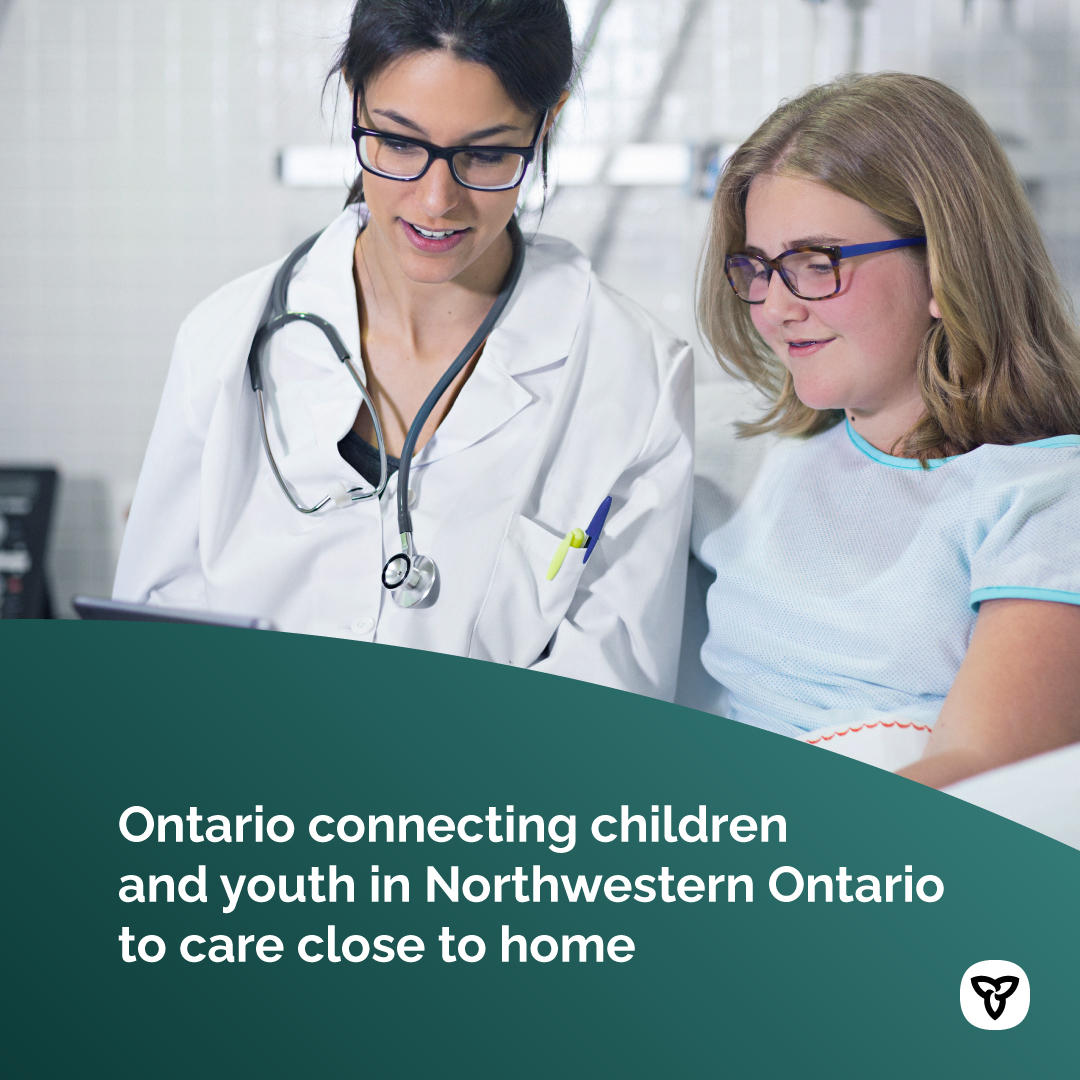
The Ontario government is investing nearly $2 million to increase access to pediatric services for children and youth in Thunder Bay and Northwestern Ontario so they have the care they need, when they need it. This is part of the province’s investment of an additional $330 million each year in pediatric health services at hospitals and community-based health care facilities across Ontario.
“Our government is making record investments in the health and well-being of our children,” said Sylvia Jones, Deputy Premier and Minister of Health. “The pediatric funding provided to services in Thunder Bay will have a tremendous impact on children and their families, ensuring they receive faster access to care when they need it.”
The nearly $2 million in additional funding will support programs and services at Thunder Bay Regional Health Sciences Centre ($1 million), George Jeffrey Children’s Centre ($856,000), and Children’s Centre Thunder Bay ($103,700). The funding will be used to:
“Our government is continuing to ensure children and youth in every corner of the province have quick and convenient access to high-quality and convenient care, closer to home,” said Robin Martin, Parliamentary Assistant to the Minister of Health. “This investment in Thunder Bay will make it easier and faster for young people and their families to connect to the care they need for years to come.”
This consistent and stable annual funding increase will ensure hospitals and children’s rehabilitation providers in Thunder Bay have the people, resources and technology to improve access to pediatric care and prevent backlogs. Over 100 high-priority initiatives are being quickly implemented across Ontario to ensure children and youth in every corner of the province can connect to emergency care, surgeries, ambulatory services, diagnostic imaging, and mental health services.
“Ontario is putting children and youth first by ensuring they receive the care they need when they need it,” said Michael Parsa, Minister of Children, Community and Social Services. “Our government’s significant investment in pediatric care will reduce waitlists, improve access to clinical assessments, early intervention, and children’s rehabilitation services, such as speech-language pathology, physiotherapy, and occupational therapy. This means less time waiting for services, quicker recovery, and better quality of life for children and their families in Northwestern Ontario and across the province.”
Through Your Health: A Plan for Connected and Convenient Care, the Ontario government is providing significant financial support to hospitals and communities to improve how they deliver pediatric care – ensuring Ontarians of all ages can access care easier, faster, and closer to home in their communities.
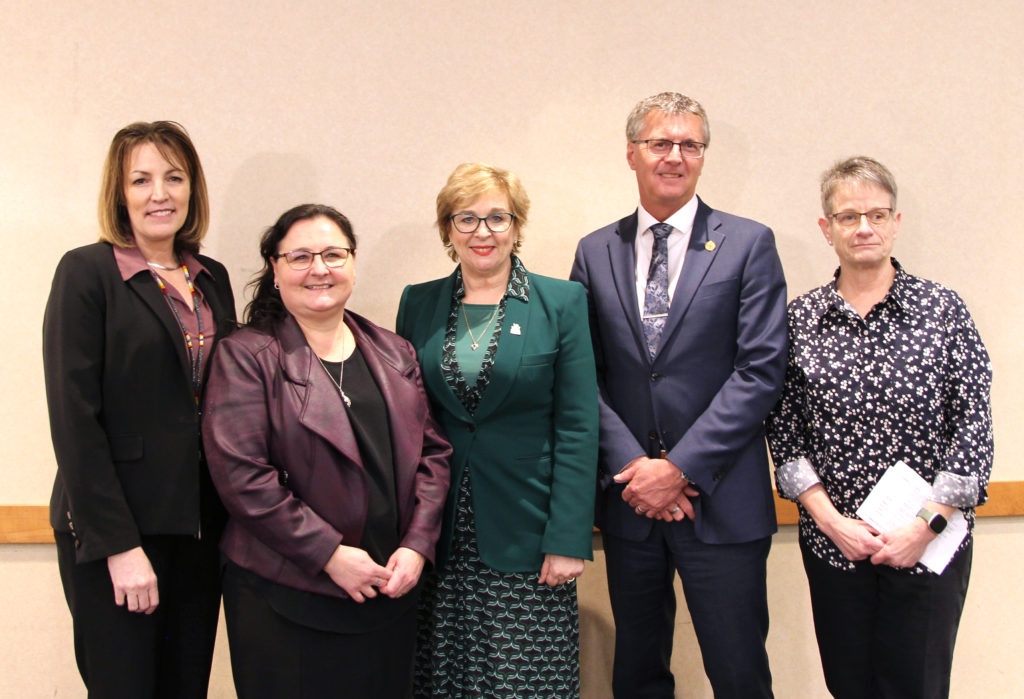
“As always, we are incredibly appreciative for this funding that will further our care for the paediatric population. The funds will enhance access to advanced paediatric care services, thereby improving patient outcomes and help bring more timely and equitable access to care in the North.”
– Dr. Rhonda Crocker Ellacott
CEO, Thunder Bay Regional Health Sciences Centre
“All of us at George Jeffrey Children’s Centre are grateful for Ontario’s historic investment in children’s developmental, physical, and mental health and well-being. Across this community we are committed to ensuring kids with disabilities and developmental differences receive quality, family-centred care. With this investment, we’ll be able to reach more kids and families at the right time, close to home.”
– Tina Bennet
CEO, George Jeffrey Children’s Centre
“Given the importance of timely early intervention with a focus on reducing wait times in Pre-school Speech, Children’s Centre Thunder Bay is thrilled to be receiving this new annualized investment. Please know that this money will be used to support our most vulnerable children with much needed therapies, so that they can be more ready for and successful in their educational journey.”
– Diane Walker
CEO, Children’s Centre Thunder Bay
“I am pleased to see our government’s ongoing financial support for the field of pediatric care. This funding will play a crucial role in enhancing the Pediatric department at the Thunder Bay Regional Hospital, fostering growth at the Children’s Centre of Thunder Bay, and furthering the compassionate services provided at the George Jeffrey Children’s Centre.”
– Kevin Holland
MPP for Thunder Bay – Atikokan
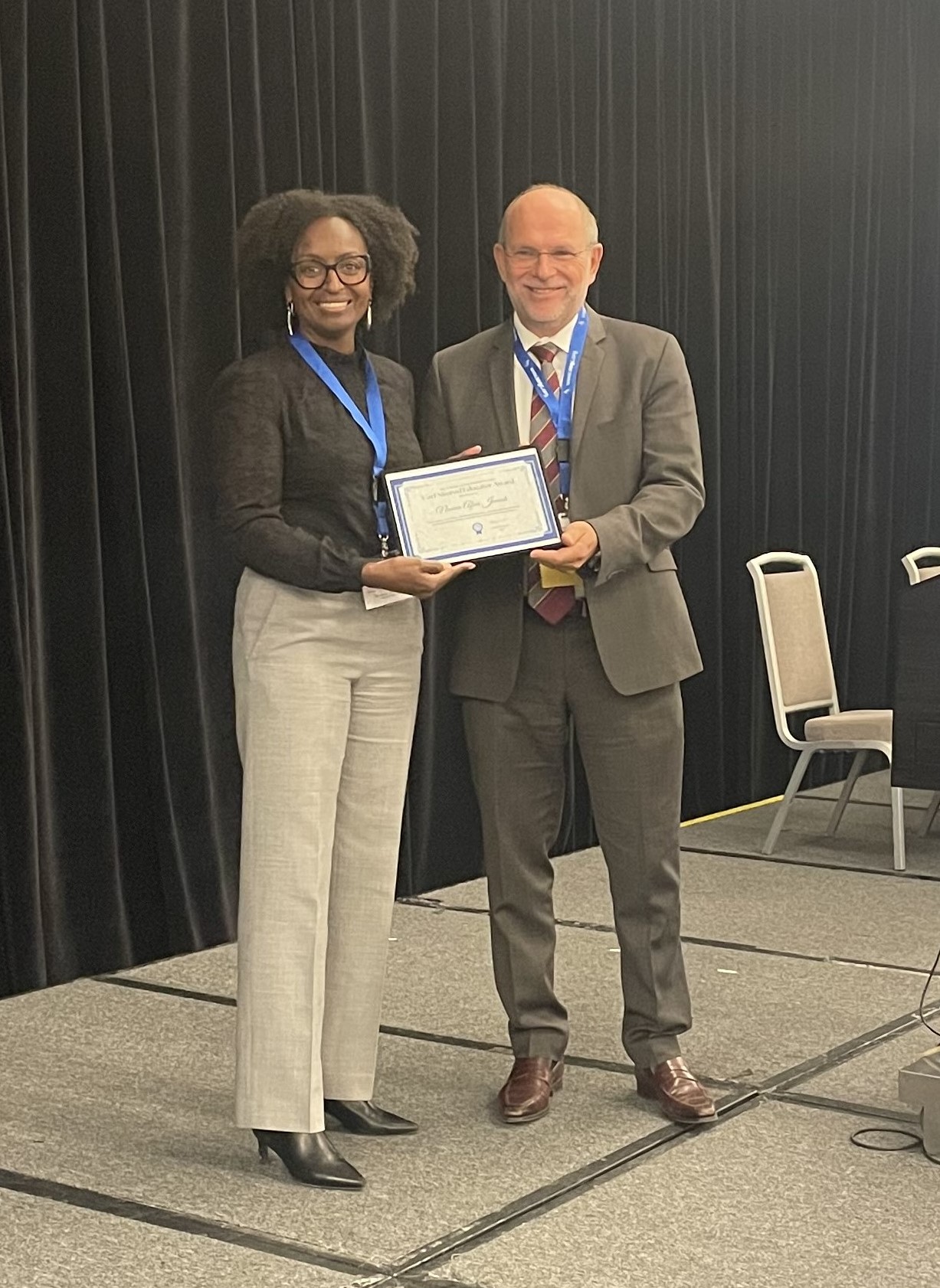
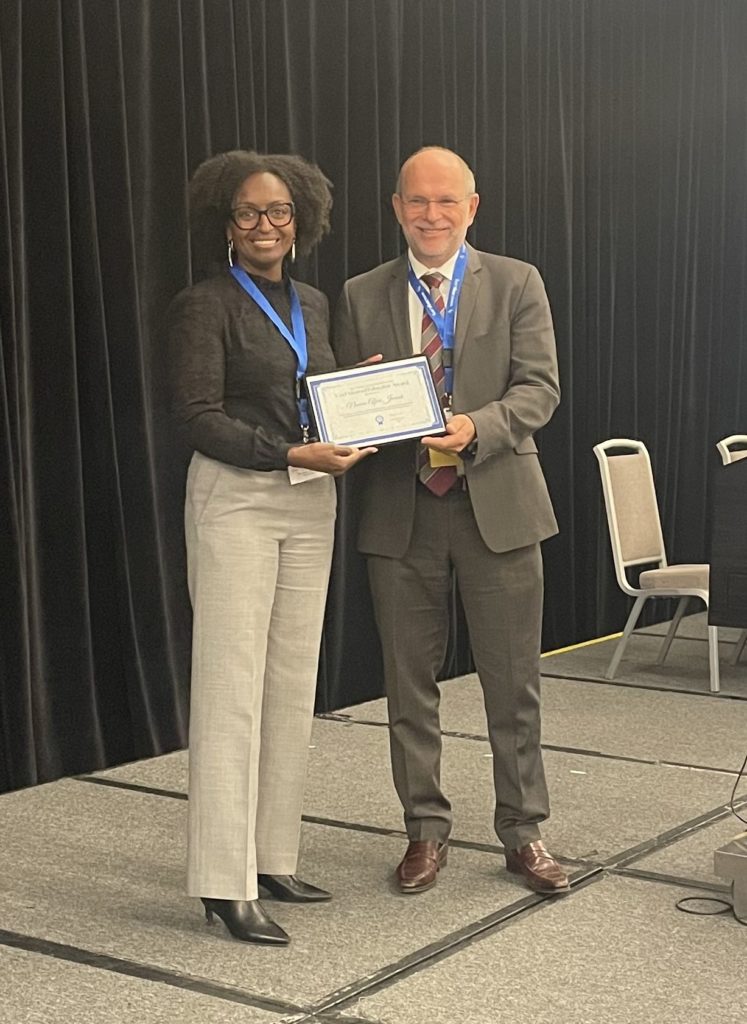
The Carl Nimrod Educator Award recognizes outstanding achievement within the field of education in obstetrics and gynecology. Award recipients have demonstrated excellence, commitment, innovation and leadership in imparting knowledge, skills and attitudes to the next generation of practitioners.
Dr. Naana Jumah, an Obstetrician Gynaecologist at Thunder Bay Regional Health Sciences Centre (TBRHSC) and Assistant Professor at NOSM University, has worked hard to remove barriers to accessing and improving reproductive health care for Indigenous women. As a member of TBRHSC’s Maternity Centre team, Dr. Jumah has provided culturally safe care to patients across the region. In some instances, patients and their families cannot access the Maternity Centre due to the remoteness of the community they live in.
To ensure that quality care is available in remote communities in Northern Ontario, Dr. Jumah implemented the Maternal-Infant Support Worker Program along with Confederation College. This Program trained Indigenous women living on-reserve to provide basic care for newborns and their mothers in their communities. Participants accessed the training in person and via teleconference to ensure they do not have to travel away from home for long periods. Graduates of the program received certificates and a college credit, which can help them pursue additional training. Dr. Jumah believes that alternative ways and support systems will help to address the under-representation of Indigenous Peoples in higher education.
“I believe that Indigenous women’s reproductive health is important and always has been. I strive to be an ally and advocate for the women I serve. I want to ensure that healthcare providers have the opportunity to provide a high-quality experience for all our patients,” said Dr. Jumah. “If we understand how our experiences inform our relationships with our patients, we can improve healthcare for everyone, regardless of their background or health issue.”
During her residency, Dr. Jumah realized that there was a lack of training in Indigenous Peoples’ health. After conducting research into this gap, she discovered that residents had knowledge about disease-specific issues, but they did not know why Indigenous women had worse health outcomes. To begin to close this gap, Dr. Jumah developed a curriculum entitled Hearing Our Voices: An Indigenous Women’s Reproductive Health Curriculum. Launched in 2019, the goal of the curriculum is to fill the educational gap around Indigenous Women’s health and the outcomes they experience. Through funding from the Northern Ontario Academic Medicine Association, Dr. Jumah partnered with representatives from Indigenous women’s organizations from across Canada to develop the curriculum. The training focuses on communication, and building trust-based relationships with Indigenous patients keeping in mind the lessons learned from the findings of the Truth and Reconciliation Commission of Canada. The cultural safety curriculum is intended for health and social service providers, including physicians, nurses, pharmacists, social workers and office staff who interact with Indigenous patients and their families..
Join us in congratulating Dr. Jumah on this outstanding achievement!
(Via TBNewswatch.com)
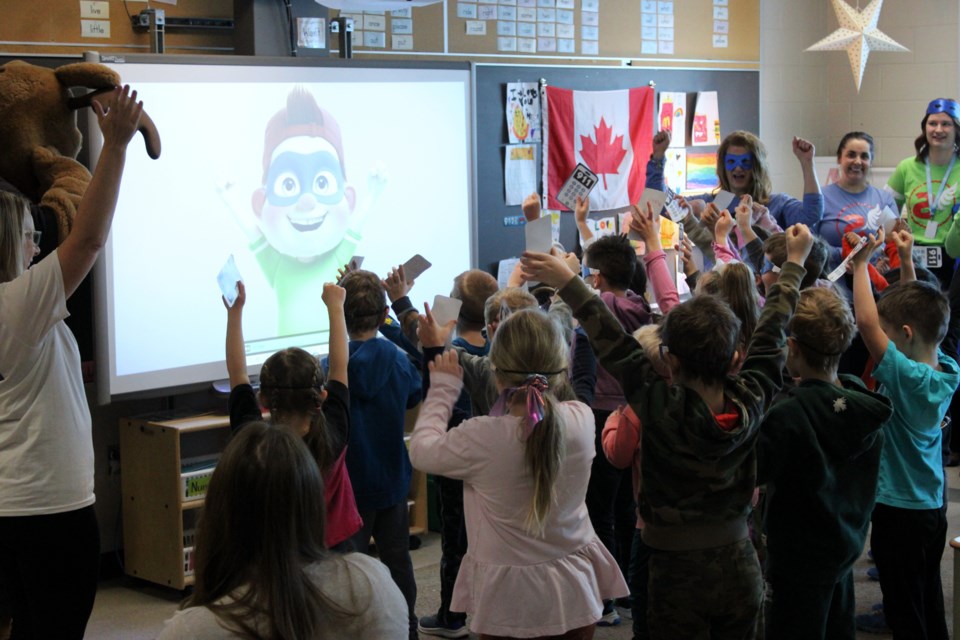
Grade 1 students at Woodcrest Public School now know what to do if their loved ones are having a stroke.

On Wednesday, the class graduated from the FAST Heroes program, which teaches children about the symptoms of a stroke and the need to act quickly.
“We’re really trying to get the children to understand a stroke and what they might see in their grandparents and also what to do if that happens,” said Keli Cristofaro, the stroke community engagement specialist at the Northwestern Ontario Regional Stroke Network.
“There has been a lot of research done that most grandparents are involved with their grandchildren, whether it be with after-school care or daycare, or just spending quality time together.
“The average age of a stroke patient is 70 years old and with that, we know that a grandchild might experience seeing a grandparent having a stroke.”
In the program, which combines animation with lesson plans, students learn about certain symptoms of a stroke, such as a drooping face, a weak arm and broken speech.
Grade 1 teacher Janine Andraka said that FAST Heroes not only fits in with the curriculum, but it also can be implemented outside the classroom.
“They bring those lessons home and they are super excited, because they get to be the teachers,” Andraka said.
“It’s a skill that will carry on throughout their whole life and potentially have an impact to save somebody.”
During Wednesday’s graduation ceremony, students also got a chance to tour an ambulance.
“A lot of times when we go to calls, we definitely see some kids who get nervous or are a little bit anxious when they see us,” Superior North EMS primary care paramedic Brooke Basaraba said.
“I think when they are able to see us out in public with the ambulance and go inside to check it out, it just lets them know that we are a friendly face. We’re there to help and we are not really anything to be scared of.”
FAST Heroes began in 2019 with the Lakehead District School Board being involved in the pilot program. In that time, five schools and 234 students have taken part in the initiative.
The program has received seed funding to expand to 100 classrooms across the country this spring.
More information about the program can be found by visiting the FAST Heroes website.