Shared on behalf of Jennifer Madahbee, Manager, Planning and Performance Improvement, Strategy & Performance
I am pleased to welcome Preethika Gnananandam to the Strategy and Performance department as a Performance Improvement Consultant, effective April 22nd.
Preethika holds a Masters of Management of Innovation, Honours Bachelor of Health Studies and Honours Bachelor of Science. She comes to our team from Trillium Health Partners where she spent the last 5 years as a Senior Analyst in Health System Innovation. In this role, Preethika managed several innovation projects of various scopes and led collaborative groups in the development of metrics and data-driven strategies. Further, she identified opportunities for efficiency and optimization, providing the leadership necessary to develop and implement effective solutions. Her passion for Innovation, particularly in the healthcare context, has been a great motivator to always look for improvements in all aspects of her work that may impact patient experience.
Preethika brings diverse experience, education and skills that will be a great asset to the team as we move forward with the Strategic Plan 2026.
Please join me in congratulating Preethika on her new role!
Use of xenon gas in MRI scans offers earlier and more precise detection of cancers and brain disease.
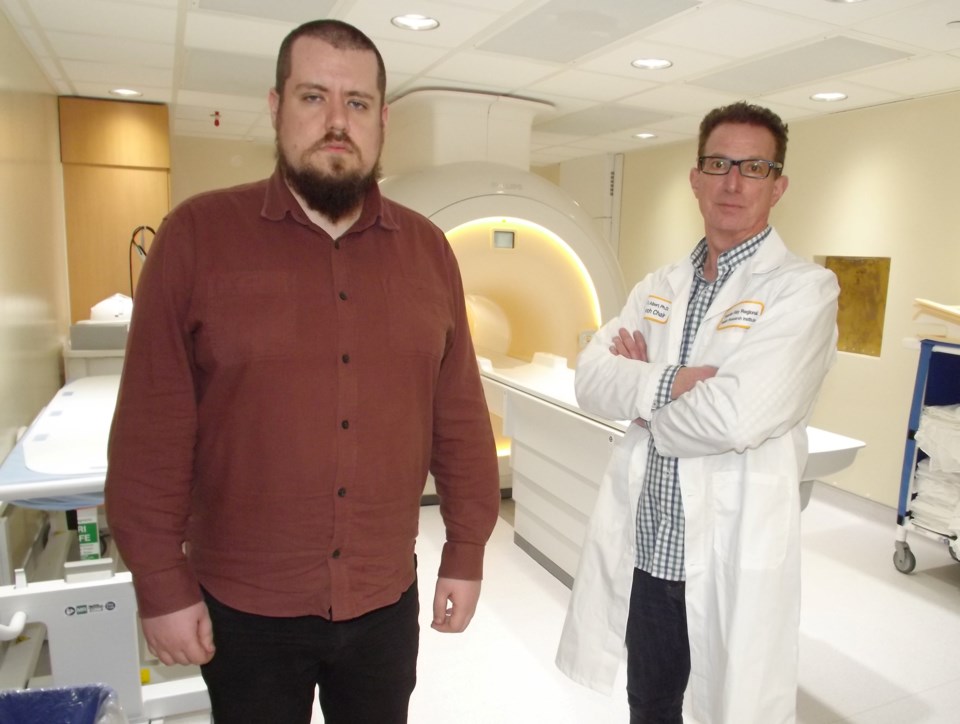
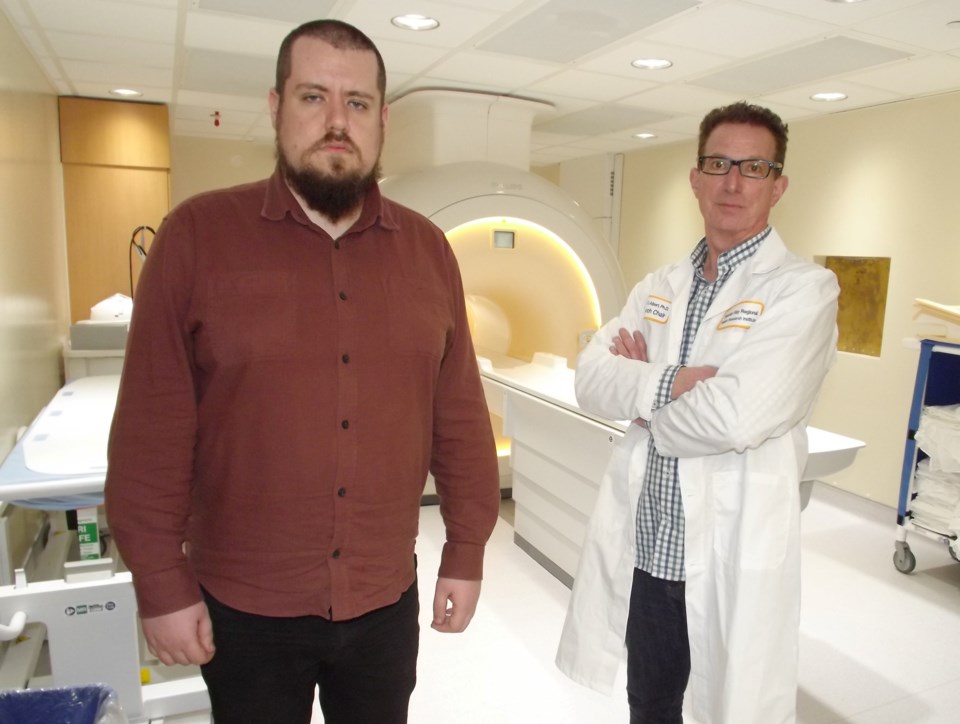
Dr. Mitchell Albert has been working on a medical imaging technique that uses xenon in MRIs. Here, Albert, right, is shown in front of an MRI scanner with Dr. Yurii Shepelytskyi.
A technique being refined by researchers in Thunder Bay that provides razor sharp images of the lungs and blood flow images of the brain could revolutionize the future of personalized medicine, leading to earlier and more precise detection of different types of cancers and brain-related diseases.
The approach, referred to as hyperpolarized (HP) xenon-129 molecular imaging, promises more detail and sensitivity than other imaging techniques and does it instantaneously.
“It’s potentially a very powerful technique,” says Dr. Mitchell Albert, a Lakehead University professor in chemistry and Thunder Bay Regional Health Research Institute (TBRHRI) research chair in molecular imaging and advanced diagnostics.
Albert’s primary research is in the use of xenon in magnetic resonance imaging (MRI) technology. As a graduate student in the 1990s, he co-invented a technique to boost the MRI signal using HP xenon gas, for which he received several awards, including a U.S. Presidential Award from Bill Clinton.
He then spent 15 years at Harvard Medical School, improving the use of HP xenon as a diagnostic tool to detect small airway diseases such as COPD (chronic obstructive pulmonary disease), asthma, and cystic fibrosis. In 2011 he came to Thunder Bay, where he continues to work on these innovative imaging technologies.
This specific area of research – the imaging of blood flow in tissue, a process called “perfusion” – involves a patient inhaling xenon, a colourless, odourless gas used as a contrast agent for the imaging of soft tissues. The xenon is specially prepared in a polarizer to boost the MRI signal and is dispensed in a bag. With the subject holding their breath, the MRI monitors how the xenon dissolves and moves through blood vessels.
This technique was used to examine patients who suffered from “long COVID”, with symptoms ranging from breathlessness to “brain fog,” including headaches and dizziness. Utilizing xenon MRI, researchers were able to determine that not enough oxygen was getting into the red blood cells and, from there, to other organs.
“The job of the lungs is to deliver oxygen to the body, so people that had COVID had an impairment of that process,” Albert explains.
“That means they have a deficiency of getting oxygen into the bloodstream. That’s why they have poor ventilation. That’s why they were breathless. That’s why they had fatigue – their muscles, their cells weren’t getting enough oxygen. So we were able to get clues using our technique to help solve the mystery.”
At the same time, Albert and his team at TBRHRI started doing brain imaging, since that’s the organ with the highest blood flow. Focusing on people with Alzheimer’s disease, xenon imaging revealed that these patients had lower cerebral blood flow, as well as indicating atrophy or shrinkage of the grey matter. As a result, Albert’s team has proposed a biomarker that could monitor these types of diseases.
“We were able to make perfusion images of the brain, which is very important in all sorts of diseases of the brain, such as Alzheimer’s, Parkinson’s, stroke and brain tumours,” Albert says.
A member of Albert’s research team, Dr. Yurii Shepelytskyi, has helped conceptualize a xenon biosensor for molecular imaging. A native of Ukraine, Shepelytskyi studied applied physics at the national university in Kyiv, with a focus on microwave electrodynamics. While still in Kyiv, Shepelytskyi attended a lecture by Dr. Alla Reznik, a Thunder Bay-based researcher developing technology to spot early-stage breast cancer. This intrigued him to check out the research taking place in the city.
“I looked up the research conducted by Dr. Albert’s group, and its novelty and tremendous potential impact piqued my interest immediately,” he says.
Shepelytskyi moved to Thunder Bay and three years ago, obtained a PhD in chemistry and material sciences. He continued his research as a post-doctoral fellow and was recently appointed an adjunct professor in Chemistry. His work has involved programming the clinical MRI scanner, developing a mathematical model for xenon perfusion imaging, performing image reconstruction, data analysis and statistical analysis of the acquired data.
Currently, he continues developing and optimizing the performance of novel contrast agents for molecular MRI imaging as well as developing passive frequency-selective inserts for MRI that can substantially improve the quality and resolution of the acquired images.
“Hyperpolarized xenon-129 MRI paves the way for modern MRI into the realms of functional and molecular imaging,” Shepelytskyi says, explaining that identifying a specific type of cancer non-invasively reduces the amount of false-positive diagnoses and cuts down on the need for biopsies.
“This gives hyperpolarized xenon-129 MRI a unique opportunity to become a potential pillar for future personalized medicine and early-stage disease detection. Future development in this field can revolutionize modern health care and diagnostics,” he says.
In simple terms, the technique increases the xenon signal by several factors of magnitude. And by directing xenon in and out of the centre of large molecules, called “supermodular cages,” they could offer more detailed images of metabolic processes as they’re occurring.
“At the molecular imaging level the technique is so sensitive that we can see very, very small tumours and early-stage metastases wherever they go in the body,” Albert states.
“This xenon molecular imaging has the sensitivity of positron emission tomography or PET. PET is very sensitive but PET doesn’t have the good spatial resolution or localization. We’re doing it with MRI, which has excellent spatial resolution and anatomical localization. It only takes a fraction of a second to make the images, meaning we can catch things developing in real time.
“So it offers the best of both worlds: it has very, very high sensitivity and at the same time high spatial resolution. It’s also fast. All these elements are very important.”
Much of this work has been supported by grants from, among others, the Natural Sciences and Engineering Research Council of Canada (NSERC), the Ontario Research Foundation, the Ministry of Health, and Mitacs.
This molecular imaging technology is still at the experimental stage and is now in pre-clinical testing, Albert says, adding that his team is also collaborating with specialists in respirology and neurology for testing on patients with different ailments.
“It’s a game-changer for imaging lung function and brain function, absolutely, and has the potential to revolutionize molecular imaging.”
Research Matters highlights the important work of researchers at Lakehead University.
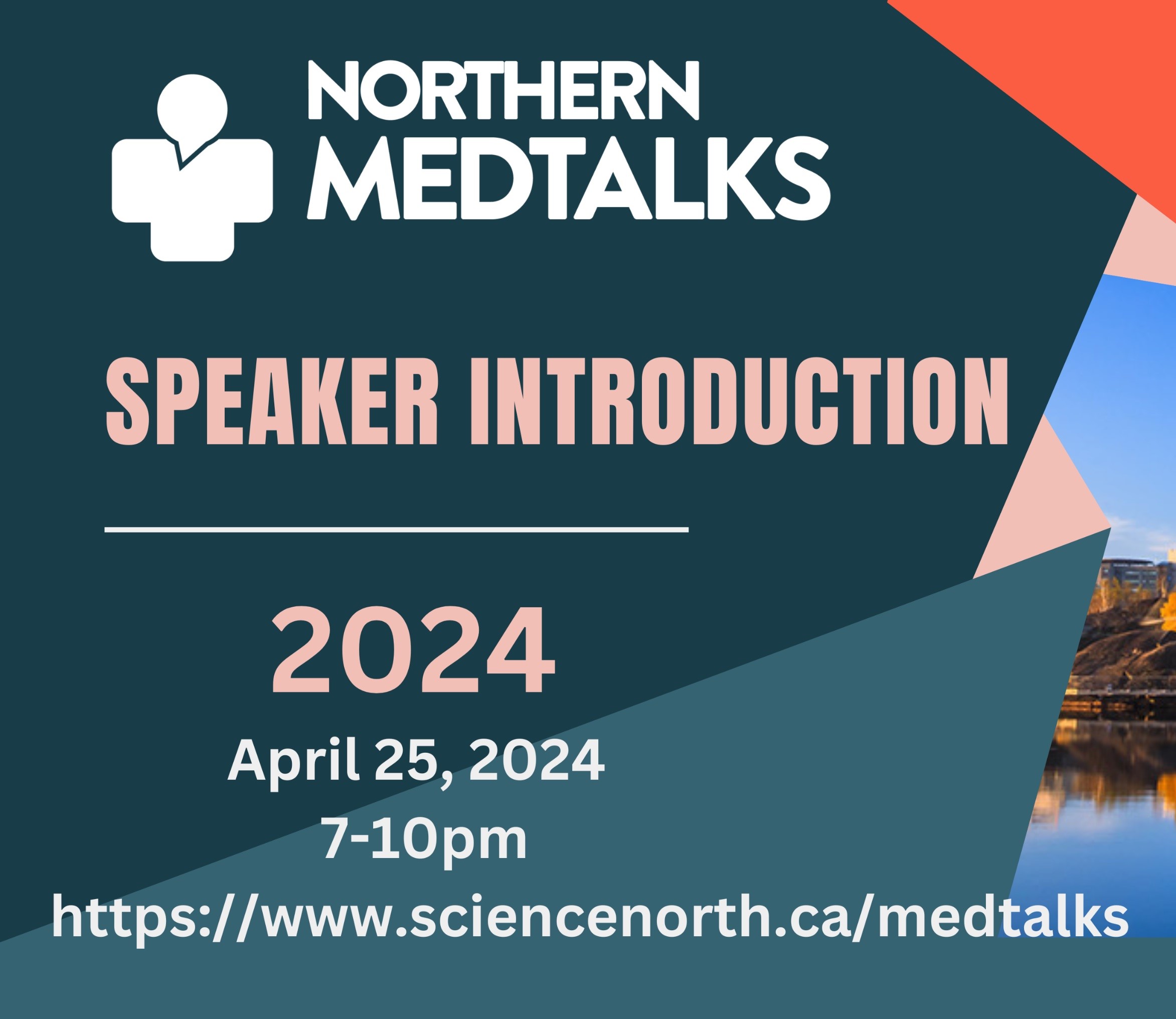
Science North and the Science Communication Program at Laurentian University are excited to collaborate with Eastlink to bring you Northern MedTalks 2024!
A fast-paced speakers event featuring 10 presentations by Northern Ontario healthcare providers. Each 10-minute talk will inspire audiences through engaging stories about human health.
You’ll connect with powerful narratives from physicians, nurse practitioners, researchers and more!
WAYS TO WATCH
Live in-person presentation in the Vale Cavern.
Enjoy Northern MedTalks at home! A livestream will be available on this webpage and on Eastlink Community TV on April 25 beginning at 7pm (no ticket required).
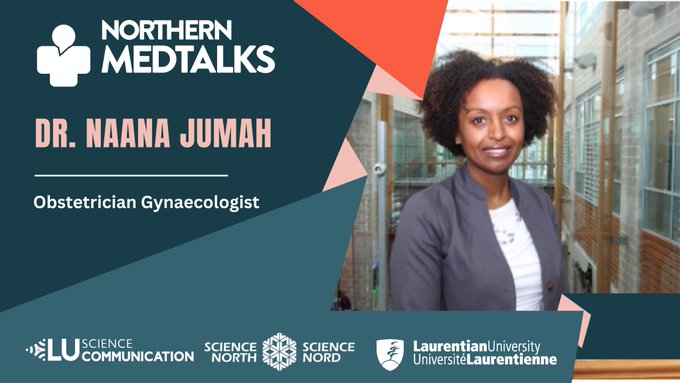
Featuring Thunder Bay Regional Health Sciences Centre’s own Dr. Naana Jumah:
Dr. Naana Afua Jumah is an Obstetrician Gynaecologist at the Thunder Bay Regional Health Sciences Centre and a researcher at the Northern Ontario School of Medicine. Dr. Jumah’s research and clinical practice focuses on Indigenous women’s health and substance use in pregnancy in Northwestern Ontario. Through a series of integrated research studies, Dr. Jumah seeks to determine how to organize a model of care that addresses the needs of substance involved pregnant women living in rural and remote areas in order to improve maternal and neonatal outcomes.
Dr Jumah holds a Bachelor’s degree in Chemical Engineering from the University of Toronto and a DPhil in Medical Engineering from the University of Oxford, which she completed as a Rhodes Scholar. Following her doctorate, she graduated from Harvard Medical School and then completed her residency in Obstetrics and Gynaecology with a specialization in Addiction Medicine at the University of Toronto.
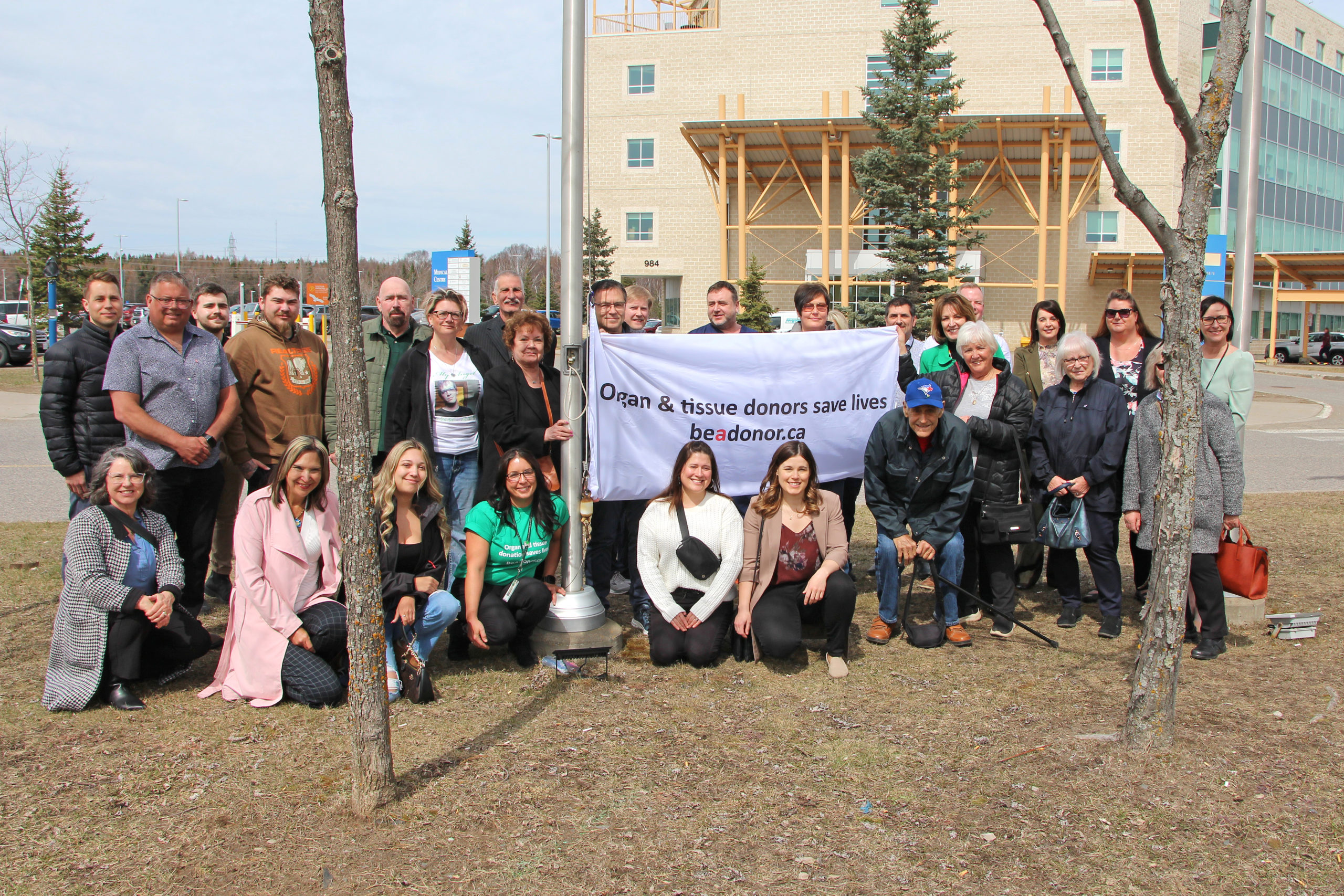
For National Organ and Tissue Donation Awareness Week (April 21-27), Thunder Bay Regional Health Sciences Centre (TBRHSC) is raising awareness about the critical need for organ and tissue donors in our community and across the province.
“As our population ages, the need for organ and tissue donations is increasing. One donor can save up to eight lives and help 75 more by donating organ and tissue,” said Dr. Rhonda Crocker Ellacott, President and CEO of TBRHSC and CEO of the Thunder Bay Regional Health Research Institute. “Donors and their families give an extraordinary gift, often at the most difficult time in their lives. Our team approaches the conversation with care and compassion, ensuring every patient and family has the information needed to make a life-saving choice. Consider discussing organ and tissue donation with your loved ones. You can make an incredible impact in the lives of another family.”
For the flag raising Dr. Crocker Ellacott was joined by local transplant recipients, family members of donors who gave the gift of life, and other members of the Hospital’s health care team.
“The collaboration between TBRHSC and Trillium Gift of Life Network is crucial in saving lives. On average, there are approximately 1,400 individuals on the waiting list for organ transplantation in Ontario,” said Kiley Perrier, Trillium Gift of Life Network’s Organ and Tissue Donation Coordinator at TBRHSC. “By registering your consent, you are making a selfless decision to help others through organ and tissue donation. Your decision can make a significant difference in saving someone’s life.”
National Organ and Tissue Donation Awareness Week provides an ideal opportunity to consider becoming an organ and tissue donor. Have the conversation with your loved ones and make a difference in the lives of others.
Find out more and register at www.beadonor.ca. It only takes two minutes to potentially save or enhance many lives.
Every April 22nd, stakeholders of all backgrounds come together to advance sustainability and climate action in commemoration of Earth Day.
Thunder Bay Regional Health Sciences Centre (TBRHSC) is committed to environmental stewardship. Some of the initiatives that have been incorporated to help meet our environmental goals include transitioning to biodegradable gloves and the introduction of the ORCA system (aerobic food waste digester). In May 2024, we will introduce reusable sharps containers and host our annual ‘Spring to Clean Up’ in collaboration with EcoSuperior (May 31).
Some ways you can participate in Earth Day include:
Walk/Bike/Car pool/Public transit to work.
Use reusable vs disposable when possible.
Plant trees, pollinator and vegetable gardens.
Participate in composting.
Set up a rain barrel or rain garden.
‘Spring Clean Up’ of their yards or your neighbourhood.
TBRHSC’s Green Team is proud to be involved in the waste and energy reduction initiatives onsite which help reduce our Hospital’s environmental impact and carbon footprint.
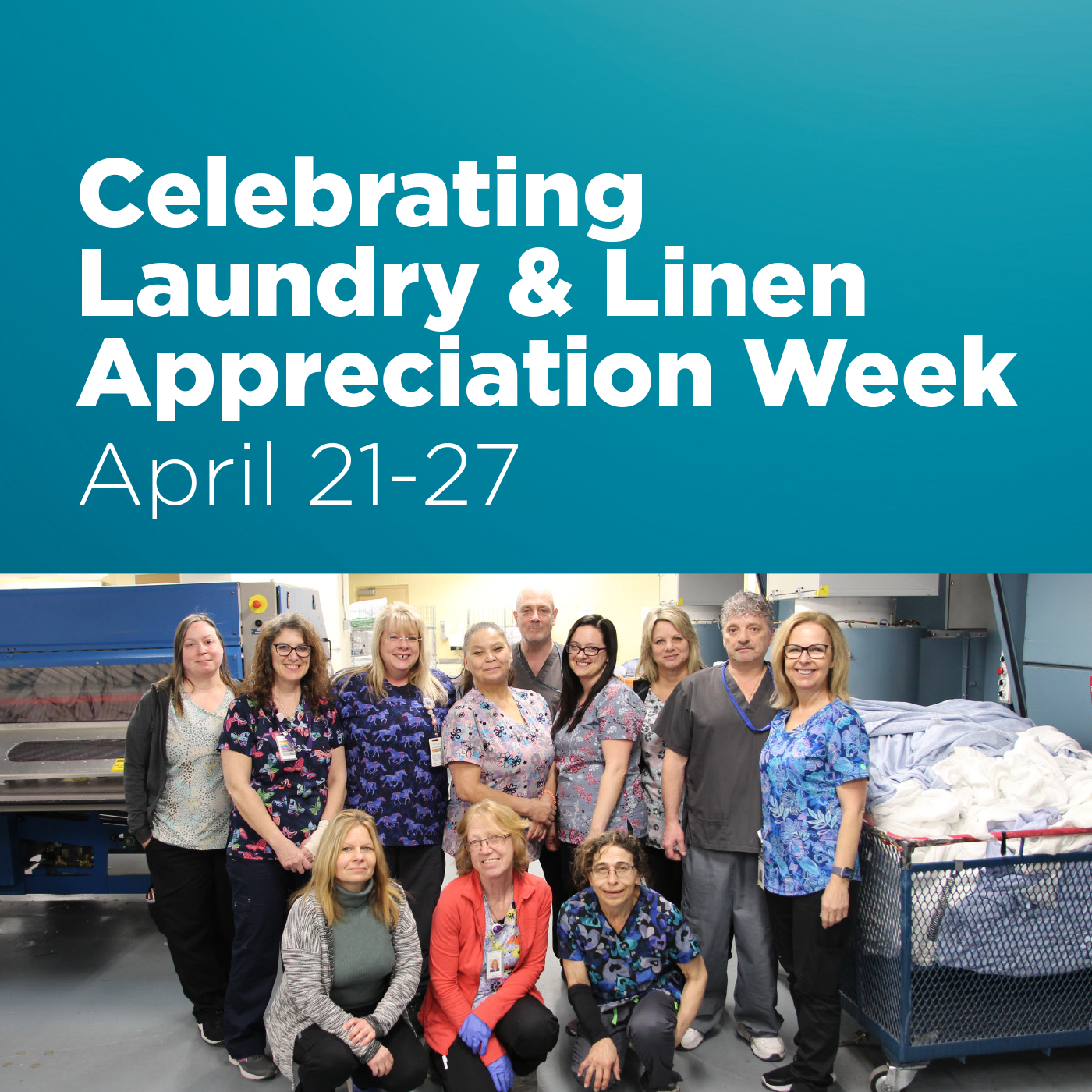
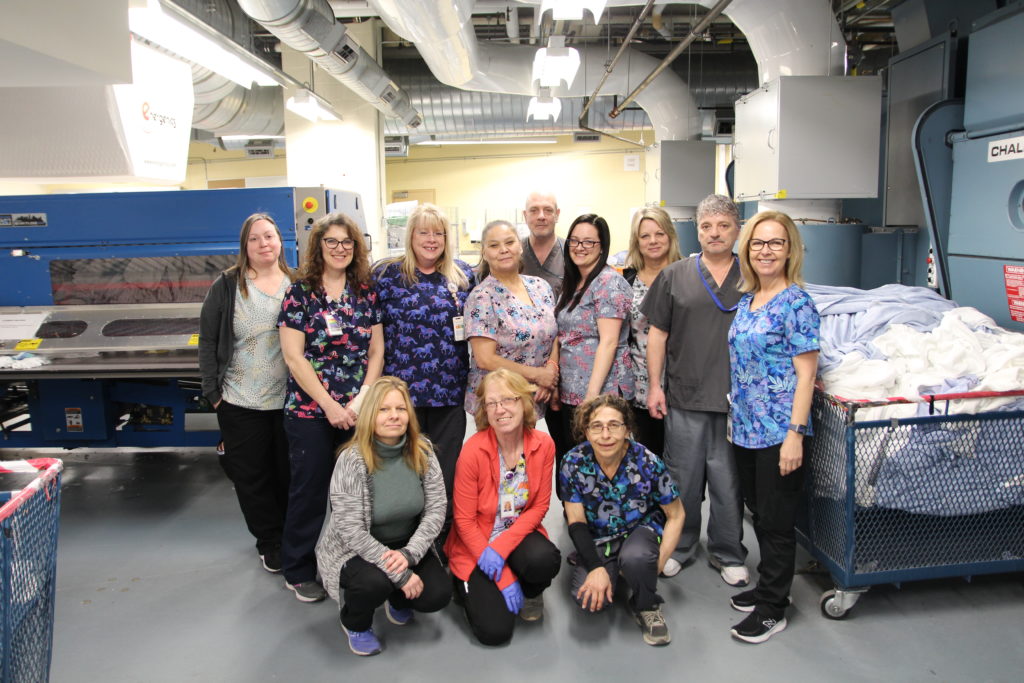
Laundry and Linen Appreciation Week occurs during the last full week of April and is an opportunity to recognize an important group of behind-the-scenes champions at Thunder Bay Regional Health Sciences Centre. Join us in thanking everyone in our Laundry and Linen Department for their hard work, tireless effort and vital contribution to the patient care experience. 👏🏽👏🏽👏🏽
𝘿𝙞𝙙 𝙮𝙤𝙪 𝙠𝙣𝙤𝙬?
✅ Our Laundry team processes over 3.4 million pounds of laundry per year. ✅ The team works seven days a week, from 5:00 am to 9:00 pm. ✅ The team is comprised of 12 full time employees which provide the backbone of the workforce by maintaining consistency and expertise in daily operations. ✅ The team also relies on 14 part time and five casual employees who supplement the workforce during peak periods and ensure smooth operations, even during fluctuations in demand. ✅ The Laundry and Linen department operates four 250Ib washing machines and two 85Ib washing machines, which are industrial grade and were strategically chosen to handle the immense laundry volume. ✅ The Laundry and Linen department has two small piece folders which are designed to efficiently fold towels, gowns, soaker pads, pillowcases and other small items. ✅ The Laundry and Linen department also uses one blanket folder, which is designed to efficiently fold large / oversized items such as blankets, spreads and draws sheets. ✅ The workflow within the facility is finely tuned to optimize efficiency and productivity. ✅ From sorting, loading, washing, drying, and folding, each stage of the laundry process is meticulously coordinated to minimize turnaround times and maximize productivity.
Allan Korol, Manager Facilities & Biomedical Services
I am pleased to announce that Darryl Galloway has accepted the position of Coordinator Electrical, Controls and Systems effective April 22, 2024.
Darryl will be replacing James Arril (retired February 2024). Darryl brings a vast amount of knowledge with over 20 years of private and public sector experience including Electrical and Control Systems Supervision, Project Management, energy & cost efficiency, training, system installation / operation / maintenance, on call support.
Prior to joining TBRHSC, Darryl’s employment included Honda of Canada Manufacturing in Electrical & Controls Projects & Maintenance, Coordinator, Team & Project Leadership roles and with Johnson Controls Canada providing building automation services to Lakehead University.
Darryl’s training includes Red Seal Industrial Electrician at Humber College, Toronto and Magna Technical Training Centre, Brampton.
Please join me in congratulating Darryl and wishing him well in his new role.
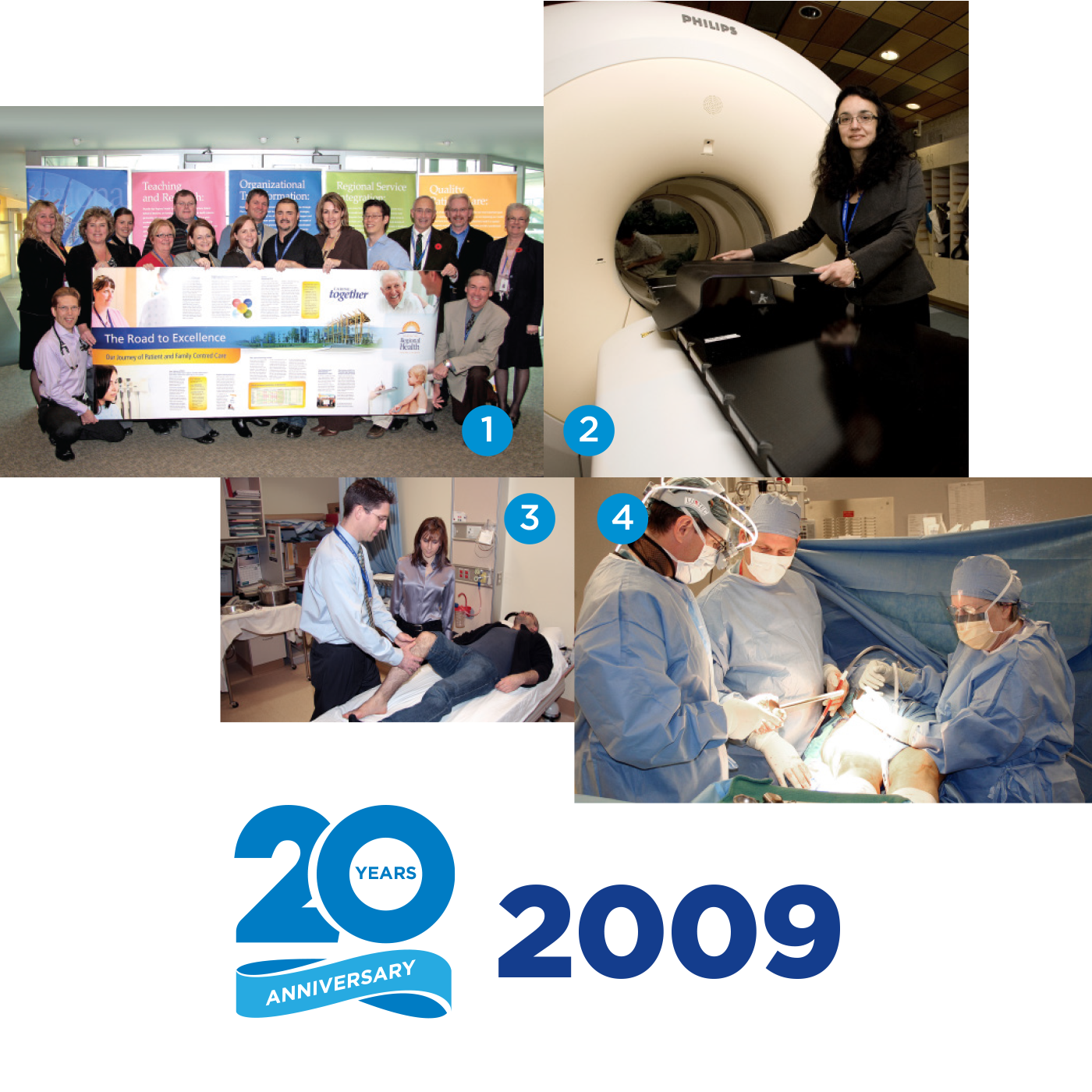
We’re celebrating 20 years of Thunder Bay Regional Health Sciences Centre (TBRHSC). Throughout the year, we’ll be taking a trip down memory lane to revisit some of our most significant milestones.
Thank you to our dedicated staff, donors to the Thunder Bay Regional Health Sciences Foundation, community members and partners in health who have played a vital role in building exceptional healthcare for patients and families in Northwestern Ontario.
2009 ()
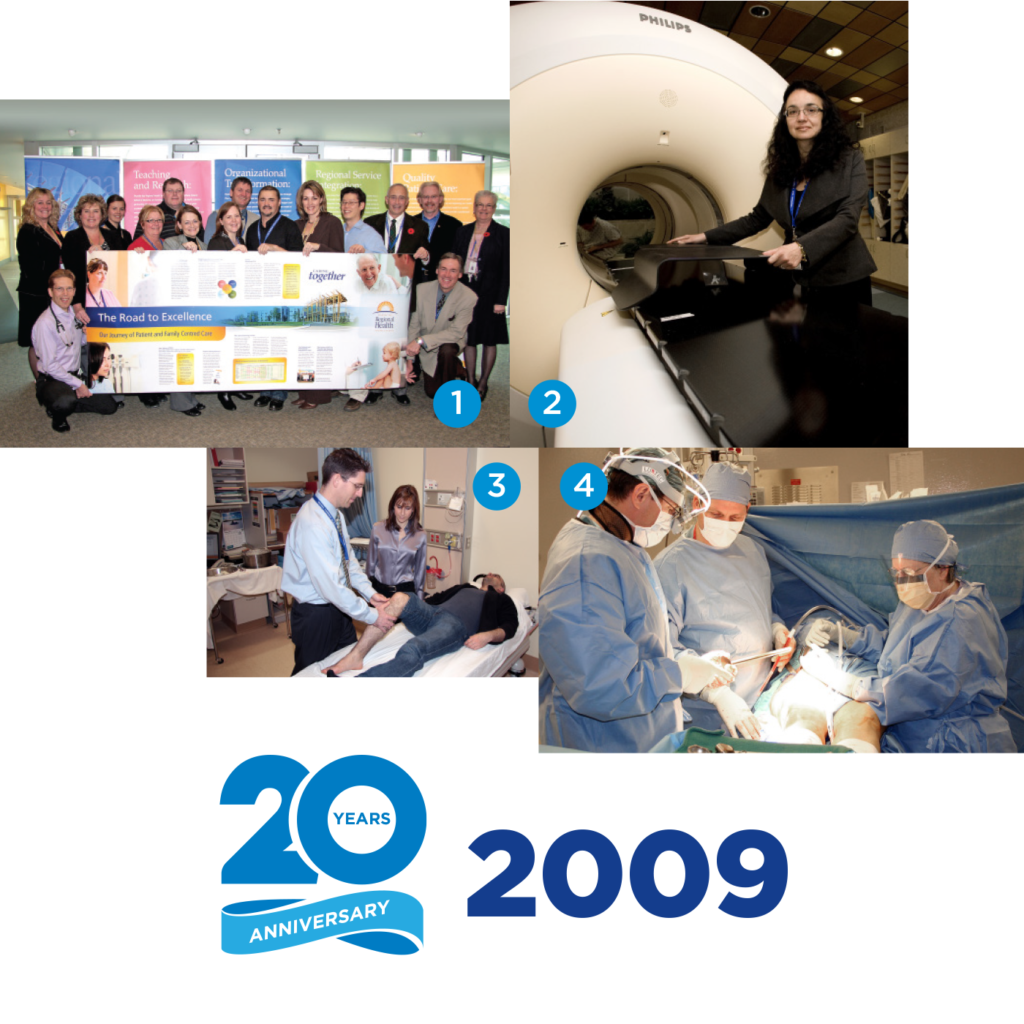
1) The Patient and Family Centred Care model was formally adopted.
2) A state-of-the-art PET-CT scanner was installed, enabling advanced clinical imaging and research.
3) The Regional Joint Assessment Centre opened to reduce wait times for patients seeing an orthopedic surgeon.
4) Perioperative Services began the Operating Room Telementoring Project, providing remote teaching and telementoring.
Shared on behalf of Phil Thompson, Director, Support Services
I am pleased to announce that Ashley Dell has accepted the permanent position of Manager, Housekeeping, Laundry/Linen and Portering.
Ashley has been in the position as interim leader since August 31, 2024. Ashley will officially assume this role April 22nd, 2024 in a permanent capacity. Ashley Started at Thunder Bay Regional Health Sciences Centre in 2008 as the Housekeeping Secretary. In 2014, Ashley stepped into a nine month temporary roll of Housekeeping Supervisor. In 2019, she transitioned into a full-time Supervisor and in 2022, she accepted the Housekeeping Coordinator position.
At the end of August of last year, Ashley stepped in as Acting Manager, Housekeeping, Laundry/Linen, and Portering.
Ashley has a Bachelor of Psychology and is a certified Teacher.
Please join me in congratulating Ashley in her new role.






 2009 (
 )
)