
Celebrating 20 Years of TBRHSC: 2010 Milestones

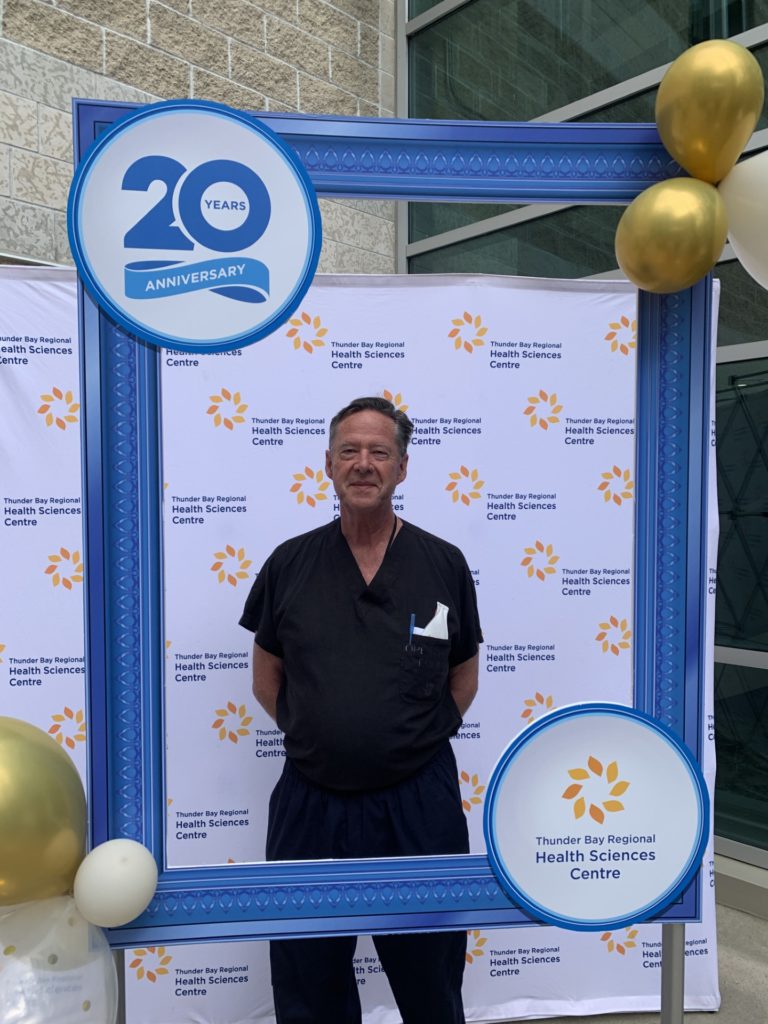
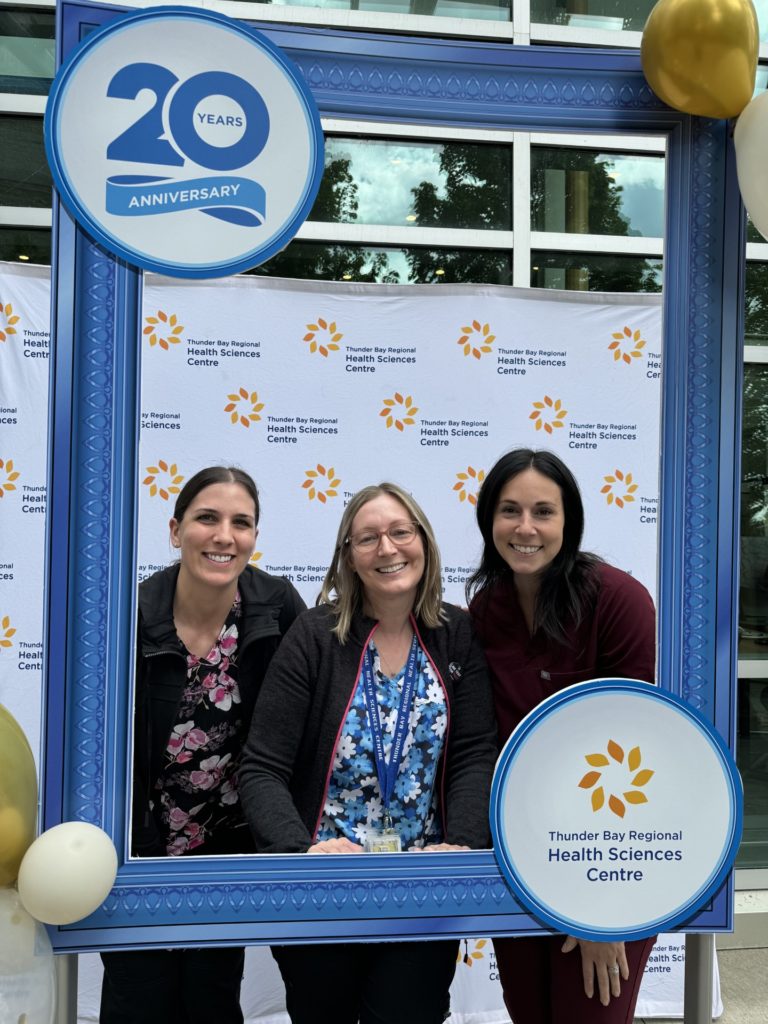
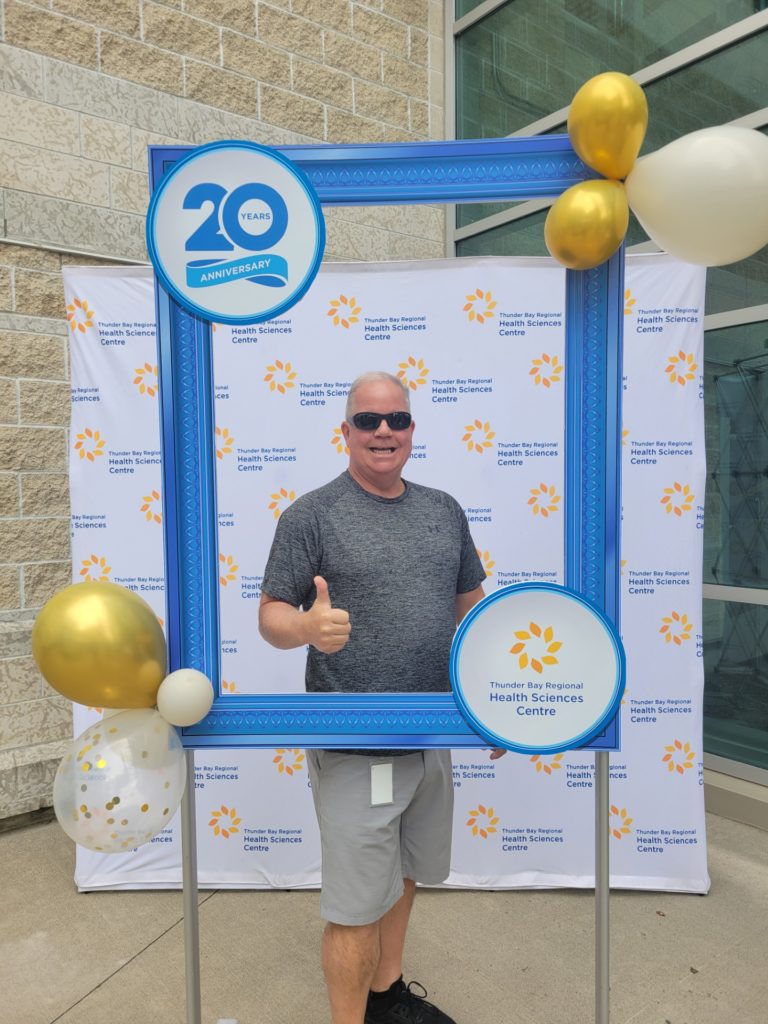
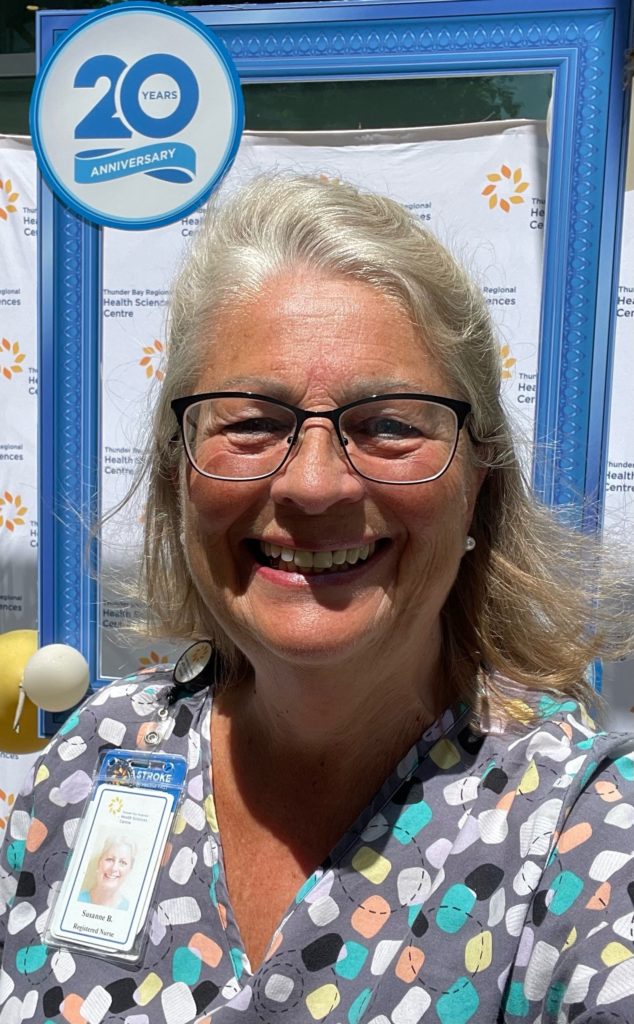
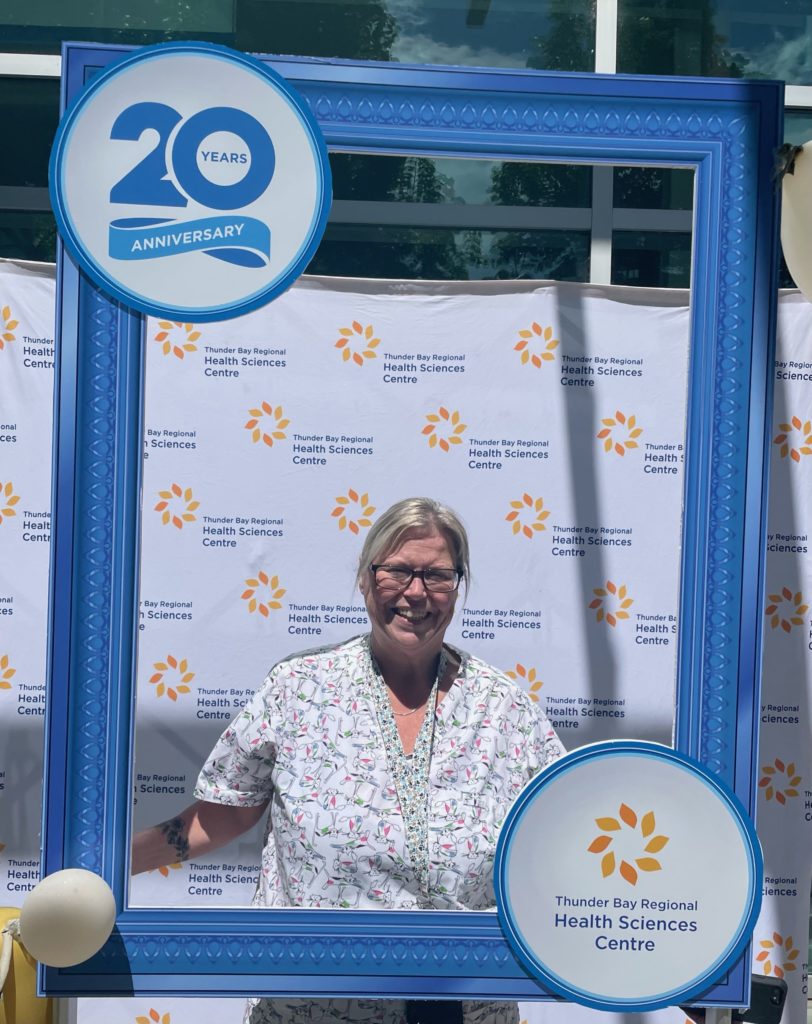
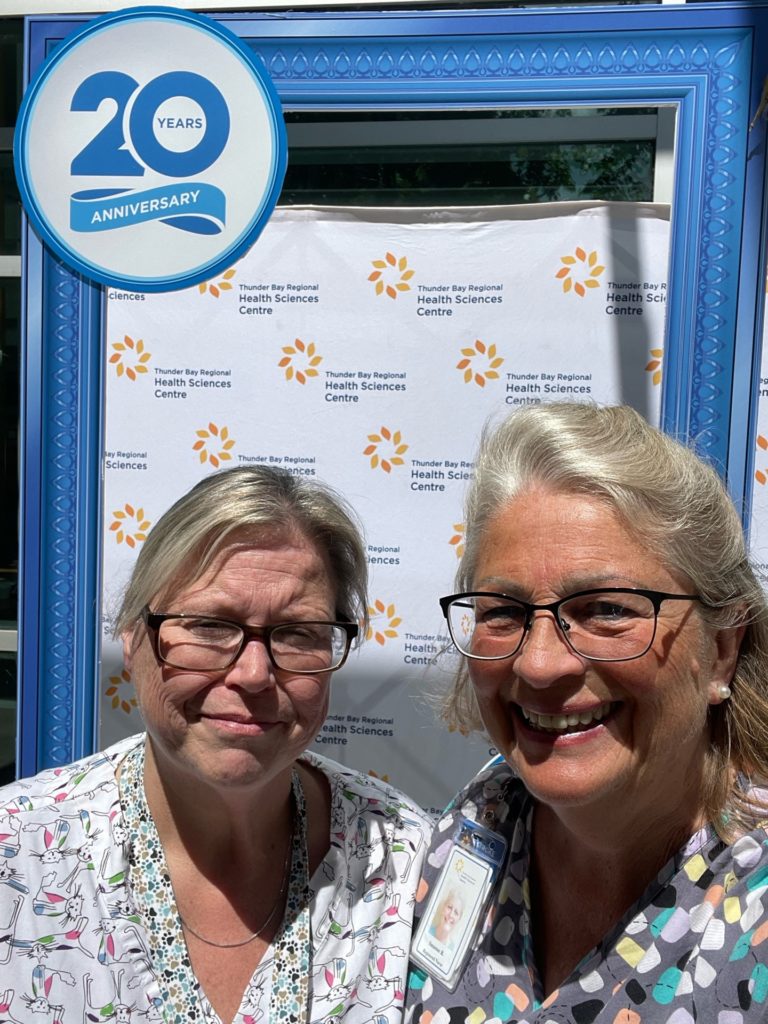
We’re celebrating 20 years of Thunder Bay Regional Health Sciences Centre (TBRHSC). Throughout the year, we’ll be taking a trip down memory lane to revisit some of our most significant milestones.

Thank you to our dedicated staff, donors to the Thunder Bay Regional Health Sciences Foundation, community members and partners in health who have played a vital role in building exceptional healthcare for patients and families in Northwestern Ontario.

📅 𝟮𝟬𝟭𝟬 (📸)

1) Minister of Health and Long-Term Care Deb Matthews helped open the Regional Bariatric Care Centre for the care of obese and morbidly obese patients.

2) Paediatric Operating Room tours began for young patients.

3) TBRHSC and Sunnybrook Health Sciences Centre opened an MRI-Guided, Focused Ultrasound Surgery Centre.

4) TBRHSC welcomed new President and CEO, Andrée Robichaud.

Visit www.tbrhsc.net/20years for more milestones.

Happy Administrative Professionals Day (April 24)

Administrative Professionals Day (April 24) recognizes and celebrates the work of administrative assistants, executive assistants, clerks and other office professionals for their contributions to the workplace.

Thank you to all of the amazing administrative professionals at Thunder Bay Regional Health Sciences Centre, Thunder Bay Regional Health Research Institute and Thunder Bay Regional Health Sciences Foundation for your dedication, knowledge and hard work. Today, we celebrate YOU!

(…and thank you to the staff who submitted photos for today’s Daily Informed Newsletter)

Clockwise: Lori Siver, Administrative Assistant (Cardiovascular Sciences Program), Sabrina Karpowich, Administrative Assistant (Surgical and Ambulatory Services), Rebecca Defeo, Administrative Assistant (Support Services), Yolanda Karpowich, Administrative Assistant (Regional Cancer Program), Administrative Assistants, Secretaries and Ward clerks (Adult Mental Health), Administrative staff (Regional Cancer Program), and Executive Assistants (Administration and Executive Offices).
Clockwise: Laboratory and Pathology clerks (1-2), 1-Administrative staff (Regional Cancer Program), Trina Metz, Administrative Assistant (Nursing Practice), and 2-Administrative staff (Regional Cancer Program).
Clockwise: Sandra Greshuk, Ward Clerk (3C), Juanita Dempsey (NICU), Maureen Daniels, Receptionist (Rehabilitation), and Patricia Madigan, Clerk, (IPAC).

SP2026: Values Based Recruitment and Leadership Development

As part of our commitment to keeping staff engaged and informed on the Strategic Plan 2026, Strategy and Performance is sharing updates in alignment with the identified priorities: Equity, Diversity & Inclusion, Patient Experience, Staff Experience and Research, Innovation, & Learning.

The April 24th Operational Updates and Strategic Planning Meeting featured an update on our Hospital’s Values Based Recruitment and Leadership Development and was presented by Amy Carr, Director, Human Resources and Trisha Gibson, Manager, Employee Engagement.

Visit the Strategic Plan 2026 page on the Hospital’s corporate intranet, where these presentations, along with other resources can be found.

38th Annual Fort William Rotary House Lottery

38th Annual Fort William Rotary House Lottery

Looking to make your homeownership dreams a reality? Or maybe you’ve been looking to sell and buy new? In this year’s Fort William Rotary House Lottery, it is giving participants the chance to WIN the grand prize – a meticulously designed home with over 2,500 square feet of total living space valued at $750,000.

The Fort William Rotary House Lottery is an incredibly popular house lottery that includes ten early bird cash draws for a total of $50,000 to be won! With thousands of people purchasing tickets each year, the Rotary then distributes the proceeds from the lottery to various community organizations.

“The Fort William Rotary House Lottery is our club’s biggest endeavor and we are extremely proud to have supported our community for the past thirty-seven years through the ticket sales,” says Irene Sottile, Fort William Rotary President. “It’s a huge project for our small club and we are thankful for the support that we have from our community over the years. This year’s house, built by Triad Contracting, will help us to continue our tradition of supporting local charities in our community.”

apr-13-38th-annual-fort-william-rotary-h003
On sale now!! Only 20,000 tickets will be sold in the 2024 Fort William Rotary House Lottery for a chance to win this beautiful Triad Contracting house at 101 Bruin Crescent in the Parkdale subdivision. Open Houses will run every Saturday starting April 27th from 1:00 pm – 4:00 pm.

Only 20,000 tickets are available and they’re already 50% sold out!
Tickets for this year’s lottery are available for sale online at fwrotaryhouselottery.ca, at the Rotary House open houses and NEW this year – at the Thunder Bay 50/50 store inside Intercity Shopping Centre. The Fort William Rotary appreciates the support of the Health Sciences Foundation in promoting their 38th house lottery.

You won’t want to miss your chance at this beautifully designed Triad Contracting home, located at 101 Bruin Crescent in the Parkdale subdivision. It includes four bedrooms (2 up, 2 down), three four-piece bathrooms, finished basement, outdoor deck, attached garage and large bright kitchen, ready to host all your family and friends.

For full information on the home features and the House Lottery visit www.fwrotaryhouselottery.ca. Lottery Licence # RAF1368906

Autism Awareness Month

April is Autism Awareness Month, a time to raise awareness and promote inclusion for those with Autism. Being autistic means that your brain may process information differently than non-autistic or neurotypical people. Autism affects the way that a person communicates and/or socializes. Individuals often have a variety of mental and physical healthcare needs.

It is important to remember that autism is not a one-size-fits-all condition, and the type and intensity of characteristics can vary among individuals. The healthcare journey is a collaborative effort between the individual with autism, their family and their interprofessional team of healthcare providers, which may include nurses, occupational therapists, pediatricians, physiotherapists, psychologists, social workers and speech-language pathologists. The focus for the interprofessional team often includes empowering individuals with autism to exercise their rights and communicate their needs, and providing necessary supports for autistic patients including increasing their comfort, decreasing their stress and anxiety, and ensuring their safety.

We must all work together to remove any potential stigma and discrimination around autism. In order to ensure barriers to care are removed, it is essential to ensure that all patients and their caregivers receive compassionate, respectful, and empathetic care.

Promoting the full participation of all people with autism advances inclusion within the community. This month, in honour of Autism Awareness Month, take a moment to acknowledge, celebrate, and learn more about your colleagues and patients with autism, including the many strengths that neurodivergence can contribute to our organization and community.

You can learn more about Autism by visiting the Autism Ontario website.

Performance Improvement Consultant

Shared on behalf of Jennifer Madahbee, Manager, Planning and Performance Improvement, Strategy & Performance


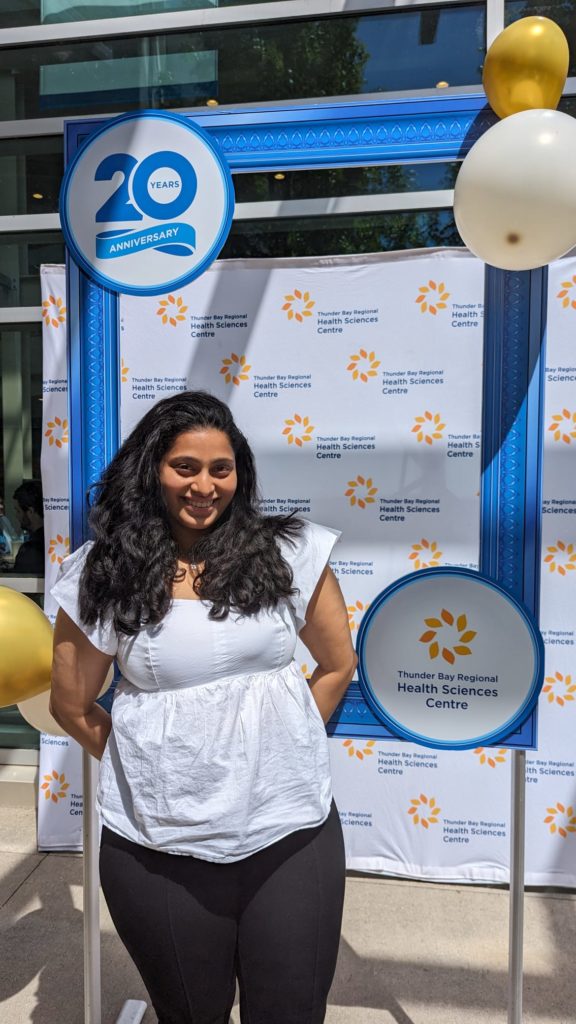
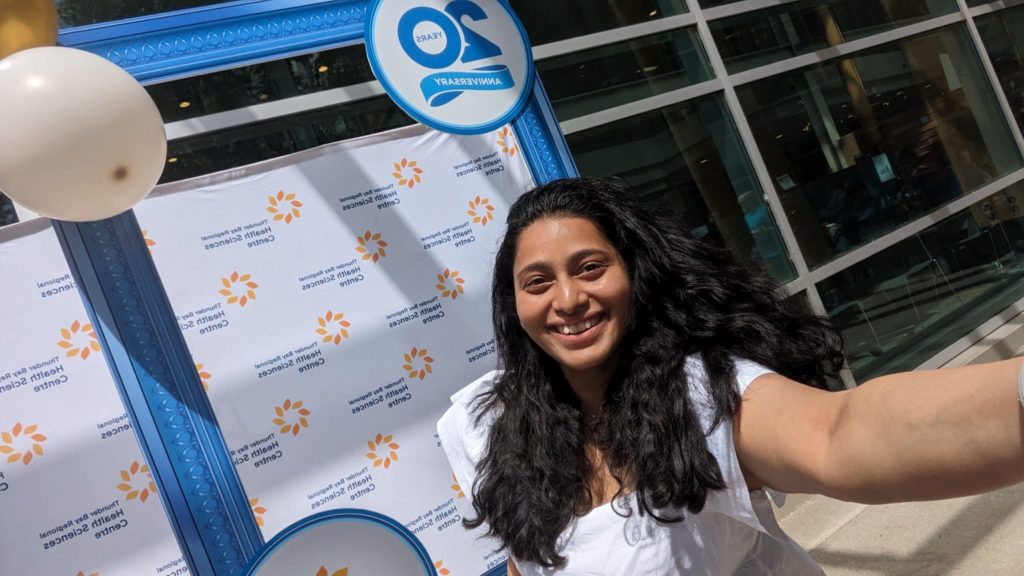
I am pleased to welcome Preethika Gnananandam to the Strategy and Performance department as a Performance Improvement Consultant, effective April 22nd.

Preethika holds a Masters of Management of Innovation, Honours Bachelor of Health Studies and Honours Bachelor of Science. She comes to our team from Trillium Health Partners where she spent the last 5 years as a Senior Analyst in Health System Innovation. In this role, Preethika managed several innovation projects of various scopes and led collaborative groups in the development of metrics and data-driven strategies. Further, she identified opportunities for efficiency and optimization, providing the leadership necessary to develop and implement effective solutions. Her passion for Innovation, particularly in the healthcare context, has been a great motivator to always look for improvements in all aspects of her work that may impact patient experience.

Preethika brings diverse experience, education and skills that will be a great asset to the team as we move forward with the Strategic Plan 2026.

Please join me in congratulating Preethika on her new role!

In the News: ‘Game-changer’ in molecular imaging within sight

(via TBnewswatch.com)

Use of xenon gas in MRI scans offers earlier and more precise detection of cancers and brain disease.


do-not-re-use-albert-hp-xenon-mri
Dr. Mitchell Albert has been working on a medical imaging technique that uses xenon in MRIs. Here, Albert, right, is shown in front of an MRI scanner with Dr. Yurii Shepelytskyi.

A technique being refined by researchers in Thunder Bay that provides razor sharp images of the lungs and blood flow images of the brain could revolutionize the future of personalized medicine, leading to earlier and more precise detection of different types of cancers and brain-related diseases.

The approach, referred to as hyperpolarized (HP) xenon-129 molecular imaging, promises more detail and sensitivity than other imaging techniques and does it instantaneously.

“It’s potentially a very powerful technique,” says Dr. Mitchell Albert, a Lakehead University professor in chemistry and Thunder Bay Regional Health Research Institute (TBRHRI) research chair in molecular imaging and advanced diagnostics.

Albert’s primary research is in the use of xenon in magnetic resonance imaging (MRI) technology. As a graduate student in the 1990s, he co-invented a technique to boost the MRI signal using HP xenon gas, for which he received several awards, including a U.S. Presidential Award from Bill Clinton.

He then spent 15 years at Harvard Medical School, improving the use of HP xenon as a diagnostic tool to detect small airway diseases such as COPD (chronic obstructive pulmonary disease), asthma, and cystic fibrosis. In 2011 he came to Thunder Bay, where he continues to work on these innovative imaging technologies.

This specific area of research – the imaging of blood flow in tissue, a process called “perfusion” – involves a patient inhaling xenon, a colourless, odourless gas used as a contrast agent for the imaging of soft tissues. The xenon is specially prepared in a polarizer to boost the MRI signal and is dispensed in a bag. With the subject holding their breath, the MRI monitors how the xenon dissolves and moves through blood vessels.

This technique was used to examine patients who suffered from “long COVID”, with symptoms ranging from breathlessness to “brain fog,” including headaches and dizziness. Utilizing xenon MRI, researchers were able to determine that not enough oxygen was getting into the red blood cells and, from there, to other organs.

“The job of the lungs is to deliver oxygen to the body, so people that had COVID had an impairment of that process,” Albert explains.

“That means they have a deficiency of getting oxygen into the bloodstream. That’s why they have poor ventilation. That’s why they were breathless. That’s why they had fatigue – their muscles, their cells weren’t getting enough oxygen. So we were able to get clues using our technique to help solve the mystery.”

At the same time, Albert and his team at TBRHRI started doing brain imaging, since that’s the organ with the highest blood flow. Focusing on people with Alzheimer’s disease, xenon imaging revealed that these patients had lower cerebral blood flow, as well as indicating atrophy or shrinkage of the grey matter. As a result, Albert’s team has proposed a biomarker that could monitor these types of diseases.

“We were able to make perfusion images of the brain, which is very important in all sorts of diseases of the brain, such as Alzheimer’s, Parkinson’s, stroke and brain tumours,” Albert says.

A member of Albert’s research team, Dr. Yurii Shepelytskyi, has helped conceptualize a xenon biosensor for molecular imaging. A native of Ukraine, Shepelytskyi studied applied physics at the national university in Kyiv, with a focus on microwave electrodynamics. While still in Kyiv, Shepelytskyi attended a lecture by Dr. Alla Reznik, a Thunder Bay-based researcher developing technology to spot early-stage breast cancer. This intrigued him to check out the research taking place in the city.

“I looked up the research conducted by Dr. Albert’s group, and its novelty and tremendous potential impact piqued my interest immediately,” he says.

Shepelytskyi moved to Thunder Bay and three years ago, obtained a PhD in chemistry and material sciences. He continued his research as a post-doctoral fellow and was recently appointed an adjunct professor in Chemistry. His work has involved programming the clinical MRI scanner, developing a mathematical model for xenon perfusion imaging, performing image reconstruction, data analysis and statistical analysis of the acquired data.

Currently, he continues developing and optimizing the performance of novel contrast agents for molecular MRI imaging as well as developing passive frequency-selective inserts for MRI that can substantially improve the quality and resolution of the acquired images.

“Hyperpolarized xenon-129 MRI paves the way for modern MRI into the realms of functional and molecular imaging,” Shepelytskyi says, explaining that identifying a specific type of cancer non-invasively reduces the amount of false-positive diagnoses and cuts down on the need for biopsies.

“This gives hyperpolarized xenon-129 MRI a unique opportunity to become a potential pillar for future personalized medicine and early-stage disease detection. Future development in this field can revolutionize modern health care and diagnostics,” he says.

In simple terms, the technique increases the xenon signal by several factors of magnitude. And by directing xenon in and out of the centre of large molecules, called “supermodular cages,” they could offer more detailed images of metabolic processes as they’re occurring.

“At the molecular imaging level the technique is so sensitive that we can see very, very small tumours and early-stage metastases wherever they go in the body,” Albert states.

“This xenon molecular imaging has the sensitivity of positron emission tomography or PET. PET is very sensitive but PET doesn’t have the good spatial resolution or localization. We’re doing it with MRI, which has excellent spatial resolution and anatomical localization. It only takes a fraction of a second to make the images, meaning we can catch things developing in real time.

“So it offers the best of both worlds: it has very, very high sensitivity and at the same time high spatial resolution. It’s also fast. All these elements are very important.”

Much of this work has been supported by grants from, among others, the Natural Sciences and Engineering Research Council of Canada (NSERC), the Ontario Research Foundation, the Ministry of Health, and Mitacs.

This molecular imaging technology is still at the experimental stage and is now in pre-clinical testing, Albert says, adding that his team is also collaborating with specialists in respirology and neurology for testing on patients with different ailments.

“It’s a game-changer for imaging lung function and brain function, absolutely, and has the potential to revolutionize molecular imaging.”


Research Matters highlights the important work of researchers at Lakehead University.

Northern Medtalks (April 25)

A view of Science North from across Ramsey Lake.

Science North and the Science Communication Program at Laurentian University are excited to collaborate with Eastlink to bring you Northern MedTalks 2024!

A fast-paced speakers event featuring 10 presentations by Northern Ontario healthcare providers. Each 10-minute talk will inspire audiences through engaging stories about human health.

You’ll connect with powerful narratives from physicians, nurse practitioners, researchers and more!

WAYS TO WATCH

  • Live in-person presentation in the Vale Cavern.
  • Enjoy Northern MedTalks at home! A livestream will be available on this webpage and on Eastlink Community TV on April 25 beginning at 7pm (no ticket required).

For a full list of speakers and more, visit https://www.sciencenorth.ca/medtalks

Featuring Thunder Bay Regional Health Sciences Centre’s own Dr. Naana Jumah:

head shot of Dr. Naana Jumah from the waist up wearing a grey dress jacket and smiling.

Dr. Naana Afua Jumah is an Obstetrician Gynaecologist at the Thunder Bay Regional Health Sciences Centre and a researcher at the Northern Ontario School of Medicine. Dr. Jumah’s research and clinical practice focuses on Indigenous women’s health and substance use in pregnancy in Northwestern Ontario. Through a series of integrated research studies, Dr. Jumah seeks to determine how to organize a model of care that addresses the needs of substance involved pregnant women living in rural and remote areas in order to improve maternal and neonatal outcomes.

Dr Jumah holds a Bachelor’s degree in Chemical Engineering from the University of Toronto and a DPhil in Medical Engineering from the University of Oxford, which she completed as a Rhodes Scholar. Following her doctorate, she graduated from Harvard Medical School and then completed her residency in Obstetrics and Gynaecology with a specialization in Addiction Medicine at the University of Toronto.

Be A Donor: Hospital Raising Awareness on the importance of Organ and Tissue Donation

For National Organ and Tissue Donation Awareness Week (April 21-27), Thunder Bay Regional Health Sciences Centre (TBRHSC) is raising awareness about the critical need for organ and tissue donors in our community and across the province.

“As our population ages, the need for organ and tissue donations is increasing. One donor can save up to eight lives and help 75 more by donating organ and tissue,” said Dr. Rhonda Crocker Ellacott, President and CEO of TBRHSC and CEO of the Thunder Bay Regional Health Research Institute. “Donors and their families give an extraordinary gift, often at the most difficult time in their lives. Our team approaches the conversation with care and compassion, ensuring every patient and family has the information needed to make a life-saving choice. Consider discussing organ and tissue donation with your loved ones. You can make an incredible impact in the lives of another family.”

For the flag raising Dr. Crocker Ellacott was joined by local transplant recipients, family members of donors who gave the gift of life, and other members of the Hospital’s health care team.

“The collaboration between TBRHSC and Trillium Gift of Life Network is crucial in saving lives. On average, there are approximately 1,400 individuals on the waiting list for organ transplantation in Ontario,” said Kiley Perrier, Trillium Gift of Life Network’s Organ and Tissue Donation Coordinator at TBRHSC. “By registering your consent, you are making a selfless decision to help others through organ and tissue donation. Your decision can make a significant difference in saving someone’s life.”

National Organ and Tissue Donation Awareness Week provides an ideal opportunity to consider becoming an organ and tissue donor. Have the conversation with your loved ones and make a difference in the lives of others.

Find out more and register at www.beadonor.ca. It only takes two minutes to potentially save or enhance many lives.

>