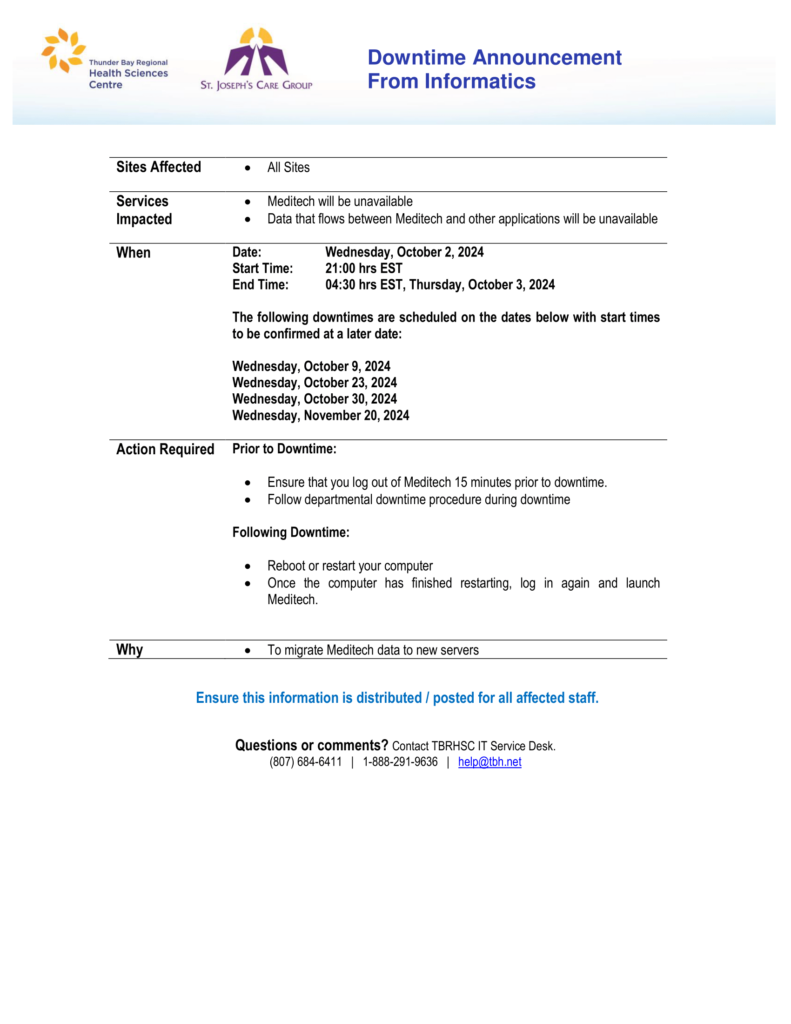
Downtime Notice – Meditech (October 2)


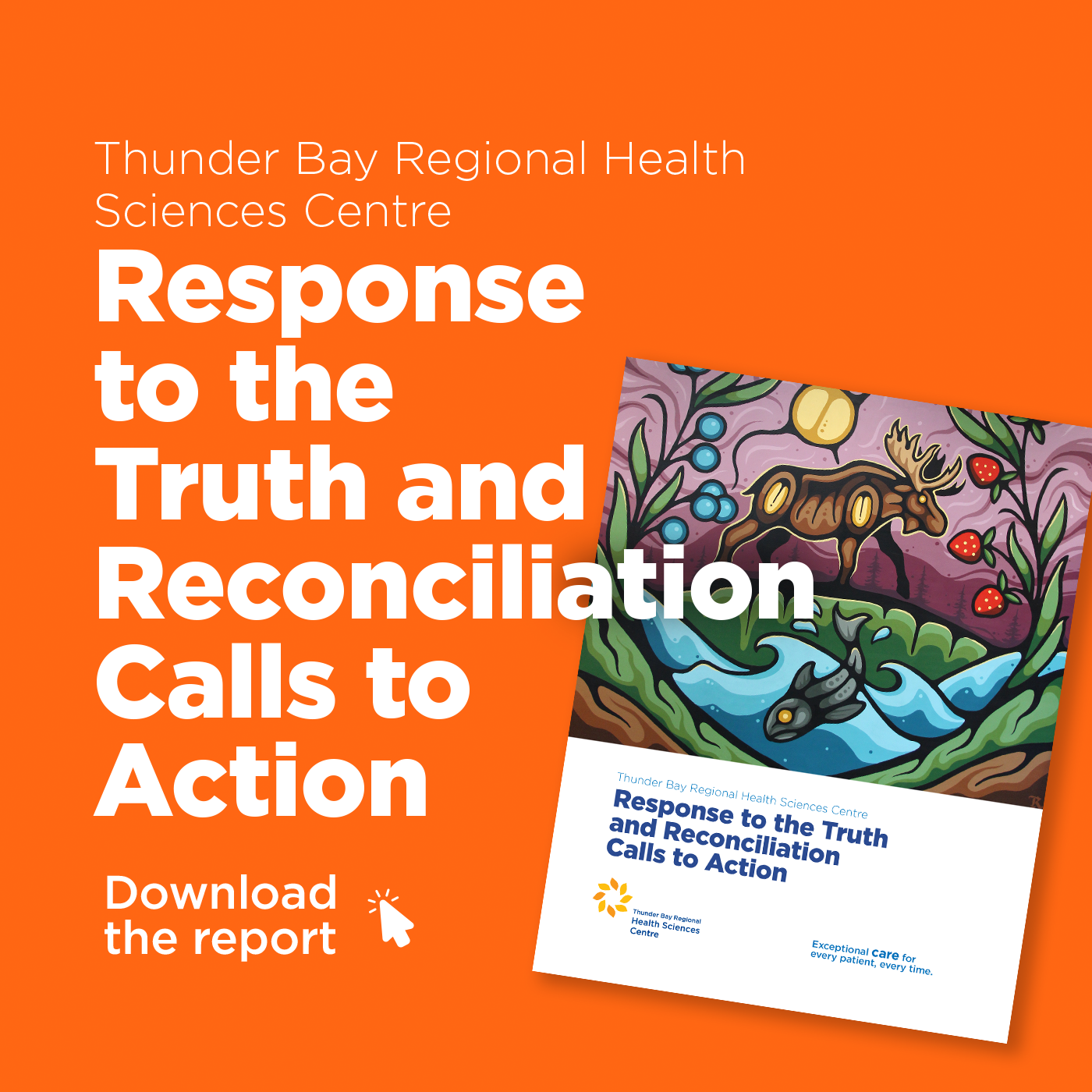
We’re pleased to share our Hospital’s response to the Truth and Reconciliation Commission’s 94 Calls to Action. This inaugural report, entitled Thunder Bay Regional Health Sciences Centre Response to the Truth and Reconciliation Calls to Action, focuses on the work that has been done at our Hospital on five of the 94 Calls to Action (18, 20, 22, 23 and 24) related to health care. In addition, it highlights the work done through partnerships and a timeline of the Indigenous health initiatives to date.
Download your copy of the report below:
Originally published in the October 2024 edition of the Walleye Magazine
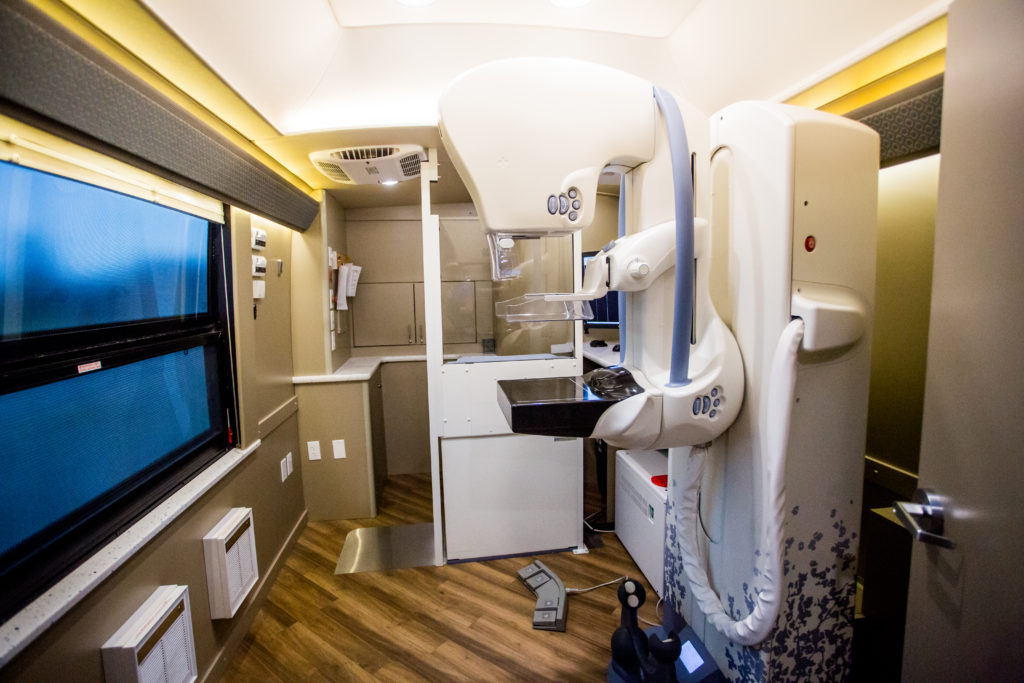
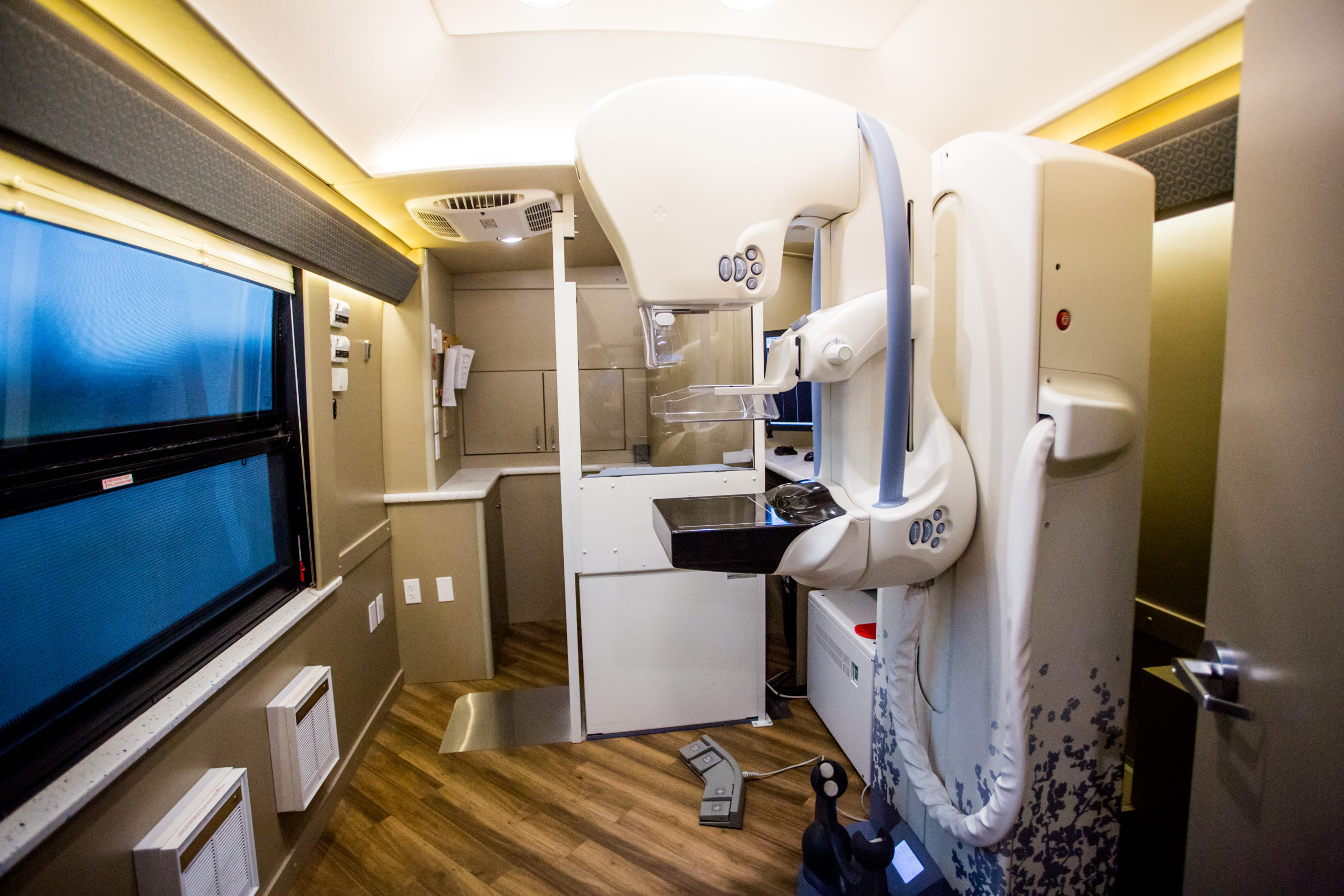
Medical tests like breast screening mammograms can often provoke feelings of fear and uncertainty in patients; whether it is the test itself or waiting for the results. Preventive tests like mammograms are important to find breast cancers when they are small, less likely to have spread and more likely to be treated successfully.
Dr. Nicole Zavagnin is the Regional Primary Care Lead for Ontario Health – Cancer Care Ontario at Thunder Bay Regional Health Sciences Centre (TBRHSC). In her practice, Dr. Zavagnin is a key source of information for her patients when it comes to breast screening and what to expect. Andrea Ruel, a Breast Patient Navigator at TBRHSC, helps patients who have been for breast screening mammograms get timely access to follow up tests if needed.
To help better understand the importance of breast screening, the process and to ease uncertainty, Dr. Zavagnin and Andrea, share some questions they get from patients before and after their mammograms.
If one of my family member has had breast cancer, does my chance of getting it increase?
NZ: Most breast cancers are not hereditary. Studies show that about five to ten percent of breast cancer cases are hereditary. If someone in your family has had breast cancer, your chances of getting those cancers may be higher. It is important to review your family history with a health care provider, so they can help determine your risk of cancer, and what type of screening is right for you.
Will the mammogram hurt?
NZ: While a mammogram might not be painful for everyone, it can be uncomfortable for some. The procedure involves compressing the breast between two plates to get clear images, which can create a feeling of pressure. If you find it uncomfortable, let the technologist know – they can often make adjustments to help minimize any discomfort. Overall, the benefits of screening usually outweigh the temporary discomfort.
Who will contact me if I need follow up tests?
AR: If you had your mammogram done at one of the Ontario Breast Screening Program (OBSP) sites in Northwestern Ontario and have an abnormal result, a Breast Patient Navigator will ensure that follow-up imaging is streamlined to ensure timely follow-up and diagnosis. Our Navigators work closely with screening staff, breast radiologists, and the regional OBSP sites to ensure coordination of care.
If I need further testing, does it mean I have cancer?
AR: It is important to note that further testing after an abnormal result does not necessarily mean that you have cancer. Follow up imaging may be required to better see details of the breast.
If I live in the region, where can I go for follow-up tests?
AR: Most follow-up tests are available at other regional hospitals or imaging sites across Northwestern Ontario. However, depending on the type of test, you may be asked to visit the Linda Buchan Centre at TBRHSC. If you have questions or concerns about breast screening, talk to your health care provider. To learn more about breast screening, eligibility and screening locations in Northwestern Ontario, visit tbrhsc.net/cancerscreening.
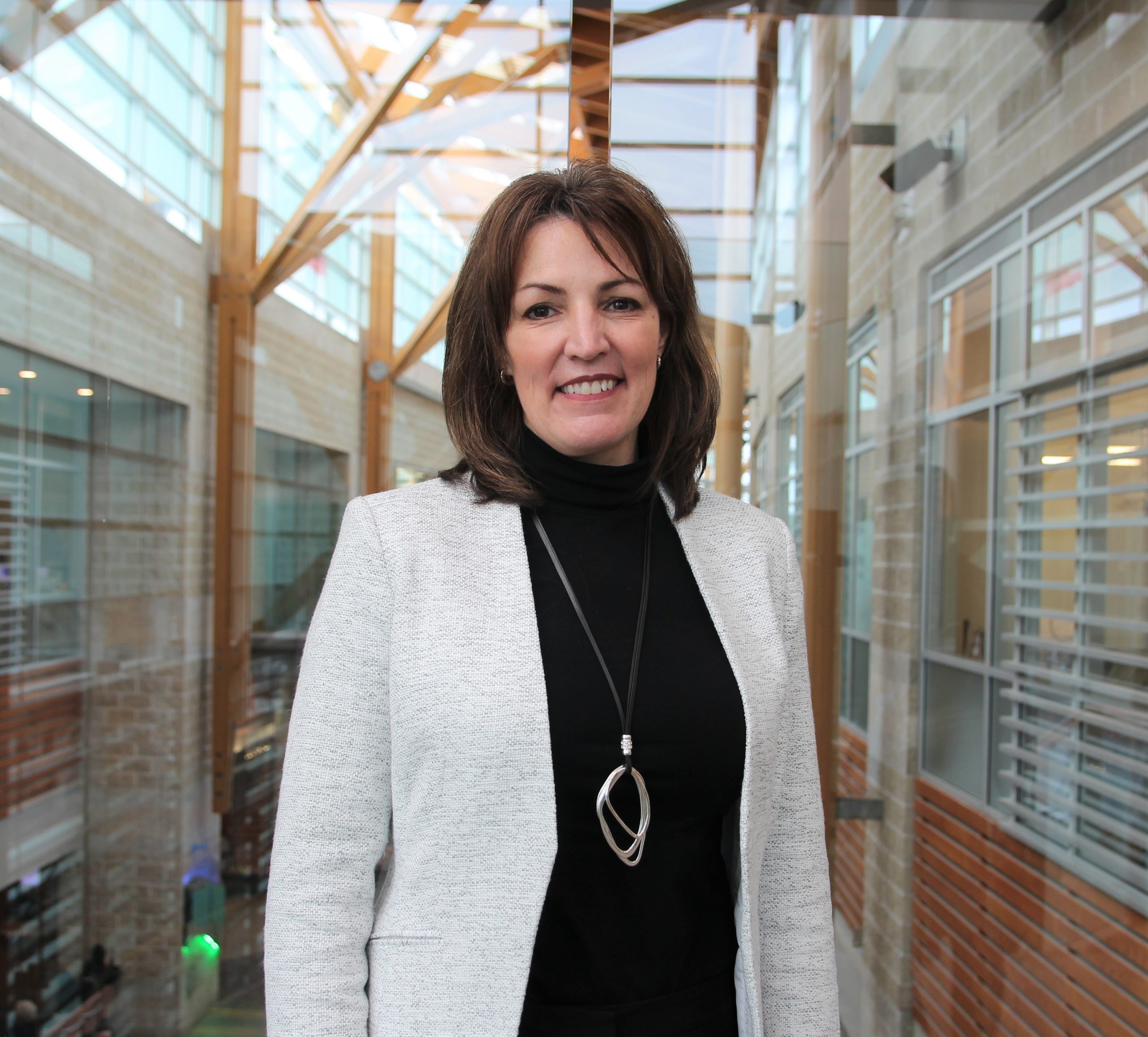

Hello, Boozhoo, Bonjour,
I would like to begin this month by talking about our capacity challenges and how hard you are all working. While most in the public believe the troubles associated with the pandemic are long behind us, we all know this to be a matter of ‘out of sight, out of mind’ — and for you, it is very visible. While words are not much relief, I want you to know that the Senior Leadership Team and I see you very clearly. This month saw us all dealing with record numbers of people using our Emergency Department and our capacity levels pushed to the limit. Let me say that again — record numbers. We continue to advocate at the provincial level for more support and we have seen some progress. It is an ongoing effort and just know that it is ongoing. The teamwork you have all shown is incredible, and your work collectively is helping to ensure we can make our vision of Exceptional care for every patient, every time a reality. Thank you to all of you for going that extra mile for the communities and people we serve.
On that note, it is getting to that time of year when flu and respiratory illness can affect our operations in many ways. Over the past few years, we have refined many of our processes and operations to adjust to the increased demand for care. I am confident in the surge plans we have in place to address the increased demand. Throughout the years, we have learned how best to support operations. We continue to make refinements and many of the improvements made were identified through feedback obtained from the COVID-19 After Action Review (AAR) Report. The report highlights the many challenges and successes that occurred as we worked our way through the many unknowns. We know we have learned so much and grown our teamwork both with the Hospital, the Health Research Institute and with our partners. The culmination of the feedback and summary of the activities and timelines can be found in the Executive Summary found here.
Throughout September, we had many events to acknowledge the significance of National Day of Truth and Reconciliation. We are aware of the importance of this day, and we collectively honour the survivors. We are committed and will continue to work towards creating an environment that provides equitable and culturally safe care. We know we have made progress but recognize that we have much more work ahead of us and an ongoing obligation to the communities we serve. Together with our partners and through the leadership of our Indigenous Collaboration Team (Miskwaa Biidaaban) we know we will continue to improve. I invite you to take some time and read the report.
We are also proud that it has been two years since the opening of the Tipi to commemorate the National Day of Truth and Reconciliation – an important initiative and one that has provided a cultural significance for our patients. As you know, innovation is crucial to advancing excellence in healthcare, whether through pioneering new ideas, streamlining processes, or starting projects that enhance operational efficiency, patient care, and service delivery. This month the “Good Afternoon Innovation” series highlighted some of the innovative ways we are improving care and research. It was well attended, and participants received an overview on many projects that provided a solution aimed at improving care. Thank you all for finding new ways to improve what we do. This year is our 20th Anniversary in this building, and we continue to celebrate milestones such as being recognized as one of Ontario’s most improved renal programs. As well, did you know that in September of 2015 we added our Combined Heat and Power Plant to conserve energy? Click the links above to learn more about these fantastic achievements.
Finally, next month is the 15th year of Sharing and Caring Together and I invite you to take part in the many activities that highlight the success and importance of Patient and Family Centred Care (PFCC). The week-long event will be highlighting various accomplishments with a focus of the PFCC philosophy. I am proud of the work done through the years to excel in this area. We are truly leaders in our industry, and we are constantly looking for new ways to make sure families and caregivers are front and centre in all that we do.
Thank you for taking the time to read this blog and I hope your fall is off to a strong start.
Your feedback is valued on these blogs or any other matter. You can reach me directly at rhonda.ellacott@tbh.net. Your insights are invaluable.

We are proud to announce that the Miskwaa Biidaaban team (Indigenous Health Hub within the Indigenous Collaboration, Equity & Inclusion portfolio) was nominated for the 2024 Improved Indigenous Health Award at the inaugural Ontario Health System Quality and Innovation Award.
The award acknowledges the excellence in providing care to First Nations, Inuit, Métis, and Urban Indigenous people, families, and communities within Ontario. The Miskwaa Biidaaban team is a vital initiative that aims to improve health care access and support for Indigenous patients and families in Thunder Bay and the Northwestern Ontario region, an area with a significant Indigenous population. In addition, the program was selected for addressing long-standing health care disparities by offering culturally appropriate care coordination services.
This nomination highlights the department’s achievements and commitment to improving health care as well as providing a culturally safe experience for all staff and patients. The award ceremony took place on September 26, 2024, at the University of Toronto.
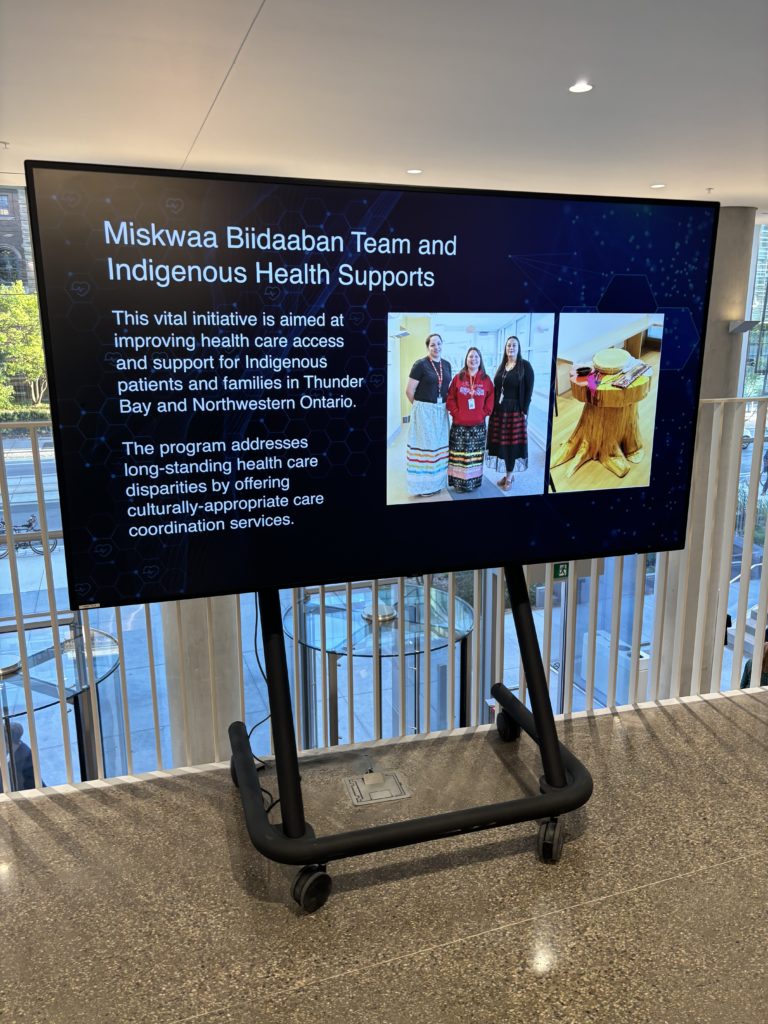
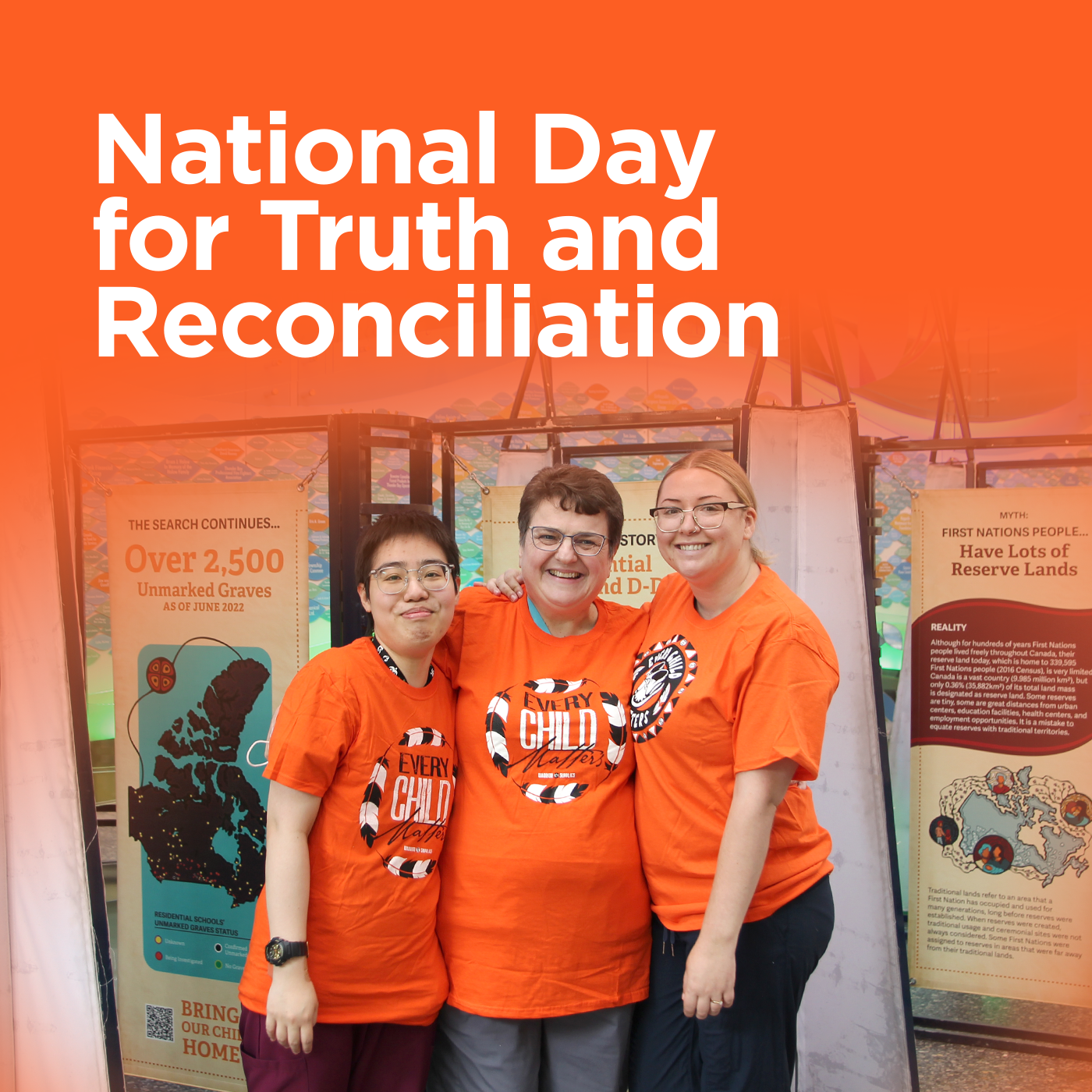
Thunder Bay Regional Health Sciences Centre (TBRHSC) is commemorating National Day for Truth and Reconciliation by launching an inaugural report on the Hospital’s response to the Truth and Reconciliation Commission’s 94 Calls to Action.
“I am pleased to update the community on the work that our Hospital has completed to advance truth and reconciliation. This report shows the work we have done to date through Strategic Plan 2026 and highlights our efforts to address the Truth and Reconciliation Commission’s 94 Calls to Action,” said Dr. Rhonda Crocker Ellacott, President and CEO of TBRHSC, and CEO of Thunder Bay Regional Health Institute (TBRHRI). “We will continue to apply the 94 Calls to Action as a lens to every decision we make as an institution, to ensure we deliver the highest level of compassion and inclusion to every patient, every time. We look forward to providing updates on this important work to the community annually.”
The report, entitled Thunder Bay Regional Health Sciences Centre Response to the Truth and Reconciliation Calls to Action, focuses on the work that has been done at TBRHSC on five of the 94 Calls to Action (18, 20, 22, 23 and 24) related to health care. In addition, it highlights the work done through partnerships and a timeline of the Indigenous health initiatives to date.
“Historically, issues have occurred within the health care system for Indigenous Peoples,” said Dr. Miranda Lesperance, Vice President of Indigenous Collaboration, Equity and Inclusion at TBRHSC. “I am happy to share how we are strengthening our commitment to the Truth and Reconciliation Calls to Action. This work will ensure we provide the best possible health care experience to patients and families across Northwestern Ontario.”
In addition to the launch of this report, to honour the National Day for Truth and Reconciliation, TBRHSC’s Miskwaa Biidaaban department (Indigenous Collaboration) organized various events to honour the Survivors and those who never made it home. Events for staff included beading and drumming, presentations from Elders and Knowledge Keepers, an Indigenous vendor market, and a screening of The Secret Path (based on the story of Chanie Wenjack).
“It is an honour to have our Hospital join with countless others across Canada to recognize National Day for Truth and Reconciliation, today,” said Patricia Lang, TBRHSC Board Chair. “Reconciliation begins with acknowledging the truth. As part of our commitment to truth and reconciliation, we continue to work toward creating an environment that provides care for each patient and family, in a way that resonates with them.”
To read the report, visit https://bit.ly/TBRHSC-Response-to-TRC-September-2024 (or see the file below).

Shared on behalf of Ashley Dell, Manager – Housekeeping, Laundry/Linen & Portering
Help us congratulate Deb Hyatt as she begins her retirement adventure! Deb started her career in the Housekeeping Department in 2009 as a part-time employee and became full-time in April 2013.
Her extensive knowledge of the department has made a lasting impact. Deb is well-known for her compassion toward patients, her love for her grandkids, her passion for gardening, and her motorcycle trips with her husband and friends.
Please join us in celebrating Deb’s retirement with cake and coffee on Thursday, October 3, from 2:30 p.m. to 3:30 p.m. in room 1444.