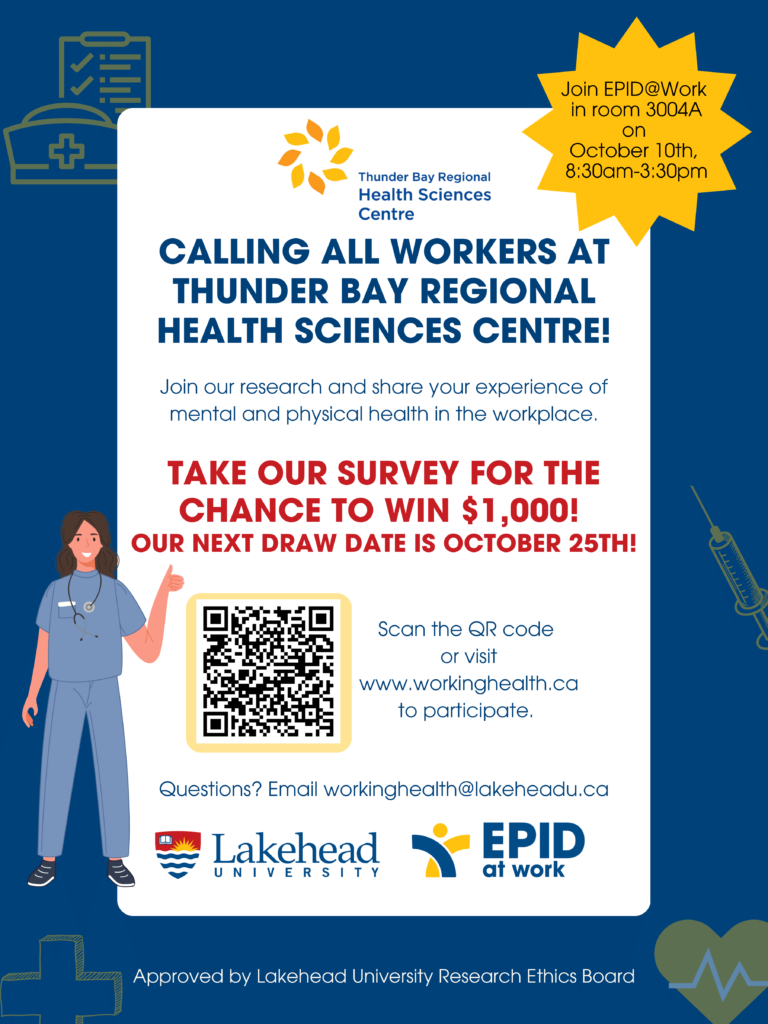
All employees of Thunder Bay Regional Health Sciences Centre are invited to share their experience of mental and physical health in the workplace through the following research study led by the EPID@Work Research Institute at Lakehead University. More information about the study can be found at their website here: https://www.workinghealth.ca.
Research staff from the EPID@Work Research Institute will be onsite on October 10 from 8:30 a.m. to 3:30 p.m. outside of Auditorium A and at the bottom of the main staircase to promote the study.
Shared on behalf of the Medical Affairs Department
Dear Colleagues and Friends,
It is with deep sadness and a heavy heart that I write to inform you of the passing of our dear friend and colleague, Dr. Sanjoy Gupta. Dr. Gupta, an exceptional Ophthalmologist, was not only a brilliant clinician but also an esteemed researcher whose contributions with TBRHSC over the past 21 years have made a lasting impact on the medical community.
Beyond his professional excellence, Dr. Gupta was a wonderful husband and a devoted father. His compassion, dedication, and kindness extended far beyond his practice, touching the lives of everyone who was fortunate enough to know him. Words cannot express the profound sense of loss we all feel. Dr. Gupta’s passing is a tremendous loss to both our profession and our community. We were truly blessed to have known him, and he will be deeply missed by all who had the privilege of working with him.
During this incredibly difficult time, our sincerest thoughts and condolences are with his family. We hope that they find strength and comfort in the love and respect that so many had for Dr. Gupta. Let us honor his memory by continuing the important work that he dedicated his life to and by holding close the lessons he taught us, both in and outside of the clinical setting.
We offer our heartfelt condolences to Dr. Gupta’s family, colleagues, and friends. Our thoughts are with you during this difficult time.
Dr. Bradley Jacobson, MD, CCFP(EM), FCFP, MHA Chief of Staff
Dr. William Harris, MD FRCPCVP Medical & Academic Affairs
For the month of October, our IT/IS team wants to highlight Cyber Security Awareness. The campaign aims to support staff with tools and knowledge on how to protect their digital assets, personal and work information, and online privacy.We’ll be posting information on cyber security every week along with a trivia question. Participants have a chance to win a $100 Amazon gift Card.
QUISHING IS THE NEW PHISHING
Quishing is a new type of online scam that uses QR codes to trick people. Here’s how it works and how to protect yourself:
What is Quishing?
Quishing combines QR codes with phishing tactics. Scammers create fake QR codes that lead to dangerous websites or download harmful files when scanned.
How Quishing Attacks happen?
Attackers put these tricky QR codes in:
Emails
Social Media Posts
Flyers or posters
Objects in public places
They try to make you curious or worried so you’ll scan the code without thinking.
Staying Safe from Quishing
To avoid falling for quishing scams:
Don’t scan QR codes from unknown sources
Be very careful about QR codes in emails – there is usually no good reason for them.
Take your time and think before scanning any QR code
If unsure, contact the supposed sender directly to check.
After scanning, look closely at the website address to make sure it’s what you expected.
If you think you’ve scanned a bad QR code, tell your IT team or cybersecurity experts right away. Stay alert and don’t rush when dealing with QR codes to keep your information safe.
Remember, it’s always better to be safe than sorry when it comes to online security!
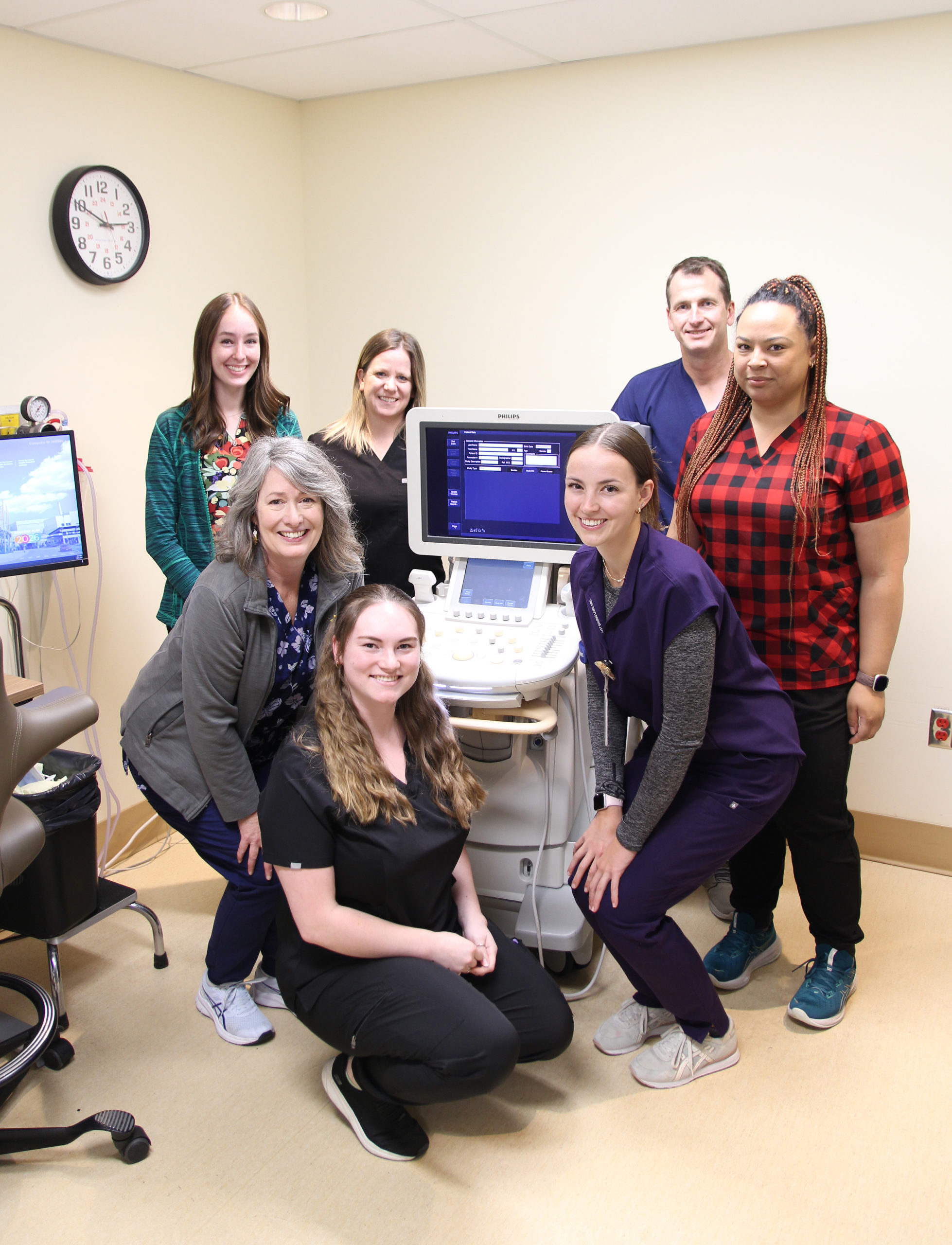
Sonography Week 2024 (October 7-11) is an opportunity to recognize the profession of Diagnostic Medical Sonography (ultrasound) which plays a vital role in the care and treatment of community members of all ages.
A sonographer uses an instrument called a transducer (or probe) on a patient over the area of the body under investigation. Sound waves are emitted and received and the ultrasound machine determines the size, shape and consistency of soft tissues which is then relayed in real-time to a computer screen producing an image.
Sonographers are medical detectives. They use their ultrasound training, technical skills, and understanding of the human body and its systems to decide if structures are normal or abnormal and adapt their investigation as they find clues throughout an examination. They also use patient history, lab work and previous studies in their role. The imaging information they obtain is then used by doctors to determine the necessary treatment or next steps for the patient.
The quality of an ultrasound exam is very dependent on the skills of the sonographer who completed the scan. As such, sonography is a growing profession and sonographers are in demand in hospitals, medical imaging clinics and tertiary healthcare facilities. Sonographers can also be employed as educators, researchers or application specialists.
At TBRHSC, sonographers are employed in the Diagnostic Imaging department and perform numerous general, vascular and cardiac ultrasounds.
For more information visit the Sonography Canada Website at https://sonographycanada.ca or stop by the information display in the cafeteria during Sonography Week 2024 to ask questions about the dynamic career of a sonographer.
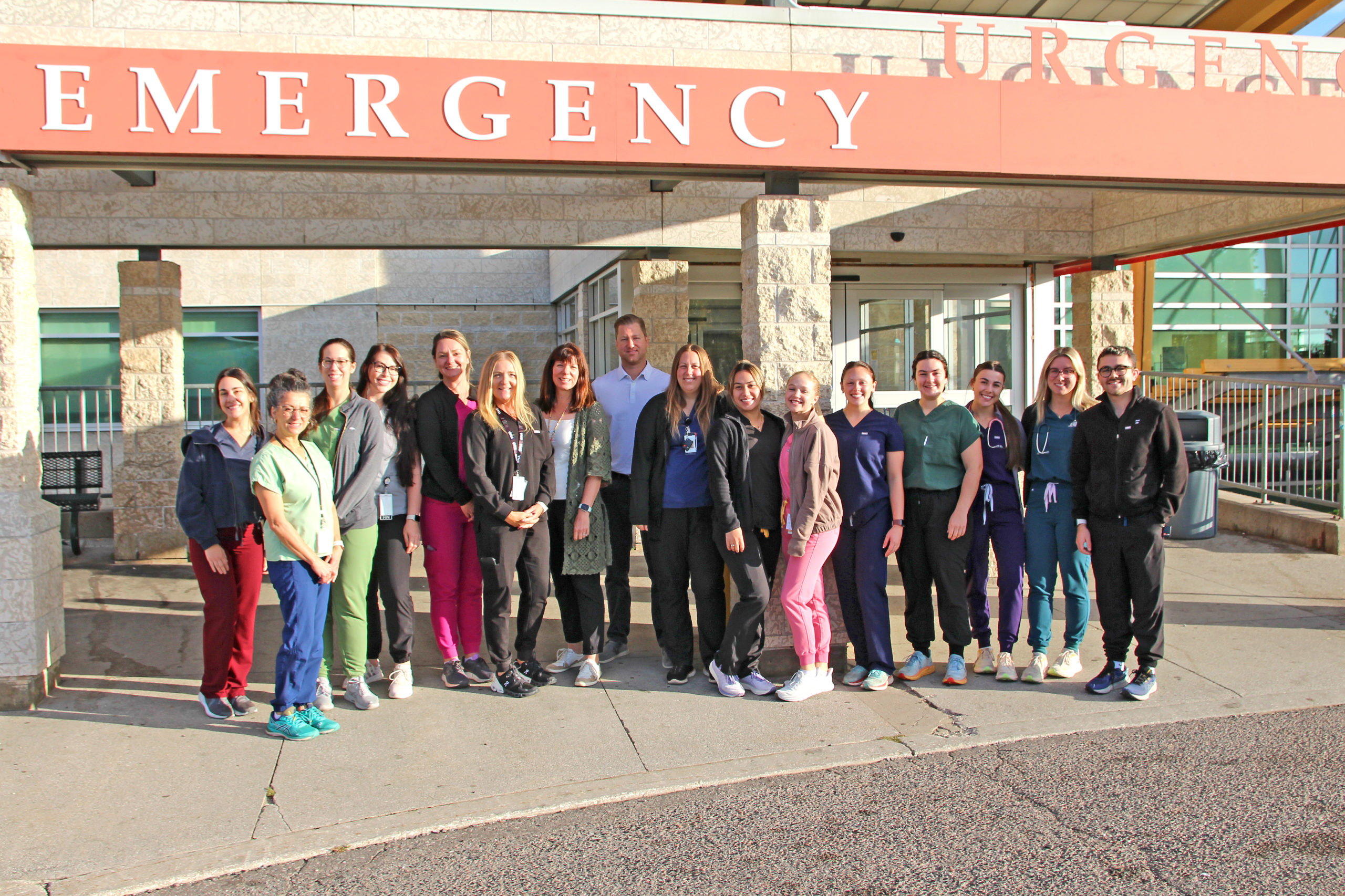
This week we recognize the hard work and dedication of the Emergency Nurses.
This week (October 7-11) is dedicated to celebrating and recognizing the passion, persistence and dedication to patient care that our Emergency Department nurses display every single day.
This team of health care professionals focus on the immediate care of patients who require medical attention to avoid long-term disability or death. It is a complex role, treating the trigger event for the emergency visit as well as communicating with the patient, the families, and the care team. This frontline role is very patient centered, not only physically but emotionally too. People in emergency situations often feel distraught and upset. So, the emergency nurse must treat the emotions as well as the emergency medical issue. It can be chaotic, especially if the cause of the visit is a violent incident.
Please join us in thanking our Emergency Department nurses for their tremendous contributions to patient care in our community.
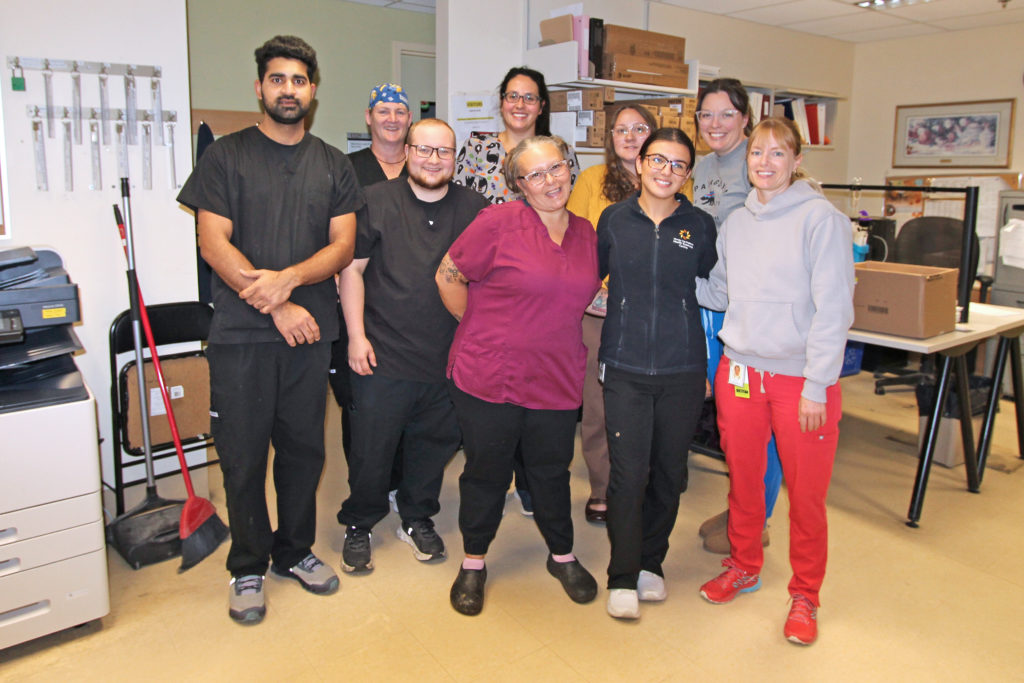
During Health Care Nutrition & Food Services Staff Appreciation Week, we acknowledge the valuable contributions of the Nutrition and Food Services team in keeping our staff and patients well-nourished and healthy. Preparing healthy meals for patients with diverse backgrounds and health needs and nutritious meals for staff and visitors is an integral part of health care. Let’s thank the hardworking and dedicated Nutrition and Food Services team.
(Back Row: L to R) Heather Rioux, Amanda Swazey, (Middle Row: L to R): Bharat Bharat, Oliver Jaworski, Aili Saranpaa, Kirsten Bernosky (Front Row: L to R): Shelby Koper, Evee Hamilton, Erin Woodbeck
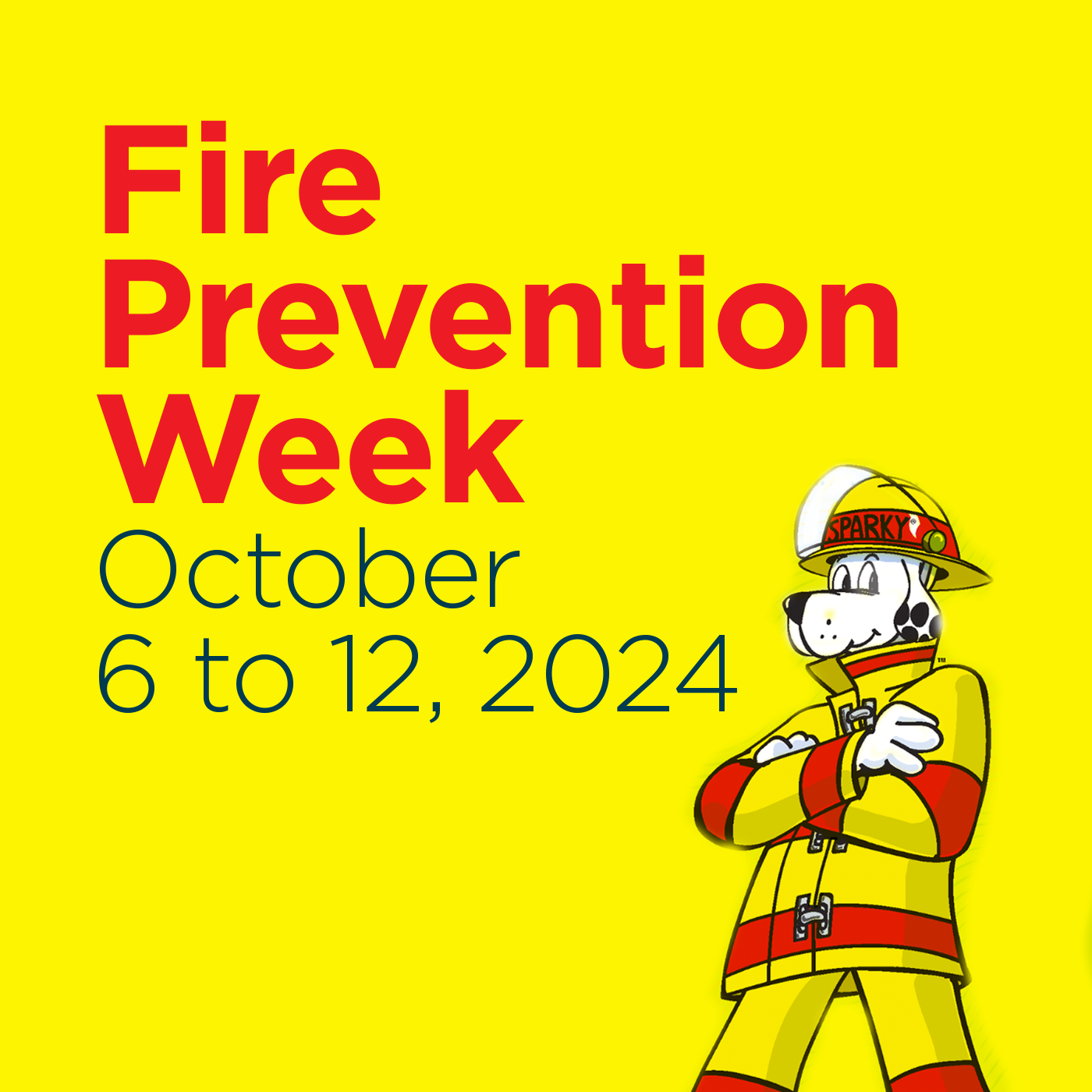
From October 6 to 12, 2024 we recognize Fire Prevention Week™ (FPW). This year’s FPW campaign, “Smoke alarms: Make them work for you!™” strives to educate everyone about the importance of having working smoke alarms in the home.
Key Smoke Alarm Safety Tips and Guidelines
Install smoke alarms in every bedroom, outside each separate sleeping area (like a hallway), and on each level (including the basement) of the home.
Test smoke alarms at least once a month by pushing the test button.
Replace all smoke alarms when they are 10 years old or stop responding when tested.
Make sure smoke alarms meet the needs of all family members, including those with sensory or physical disabilities. There are special alarms and devices to ensure everyone can be alerted. Research the different products and select the ones that fit the needs of the people in your home.
This week is also an opportunity to share information about the importance of extinguishers and escape plans, as well as share fire safety tips such as:
Develop escape plans that take everyone’s abilities into consideration and practice them regularly with everyone who lives in the home.
Keep fire extinguishers in kitchens, basements, and garages, and know how to use them.
Close doors at night to help slow the spread of fire and smoke.
Have questions or feedback?
Contact Mēsha Richard, Lead, Emergency Preparedness at mesha.richard@tbh.net.
National Health Care Supply Chain Week (October 6-12), is an opportunity to recognize the importance of the health care supply chain professionals and honour them for their exceptional contributions to patient care and the innovative ways in which they support their health care organizations and communities.
The theme this year, “Excellence in Every Link”, celebrates the central role of health care supply chain professionals in supporting their organizations through incredible collaboration and maximizing scarce resources by forming strategic alliances – the true embodiment of advancing health care through supply chain excellence.
Supply chain professionals ensure operational performance by collaborating and innovating with other professionals both internally and externally. Please join us in thanking supply chain and procurement staff members.
Did you know?
Collectively, between Purchasing and Stores, a total of 17,503 purchase orders have been issued over the past year, to over 700 different suppliers.
The Stores department orders, picks and delivers out of four warehouses, which store over 1,765 unique products.
Stores has topped up 3,704,361 individual stock items in the last year.
Purchasing currently manages over 2,100 contracts to ensure compliance and to deliver best value for money.
This year, Purchasing and Stores have serviced 222 functional cost centres.
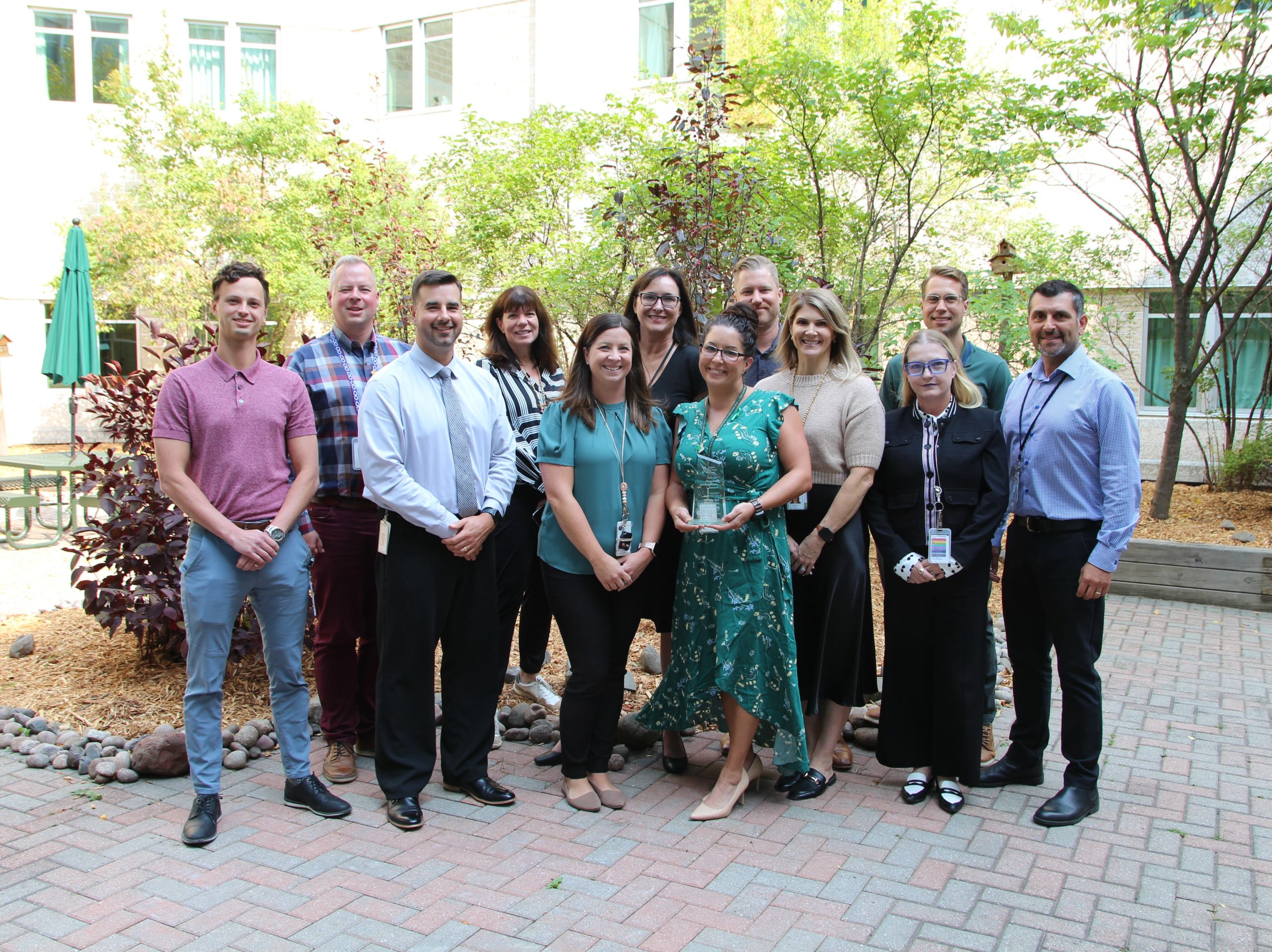
Ontario Health (Trillium Gift of Life Network [TGLN]) has once again recognized Thunder Bay Regional Health Sciences Centre (TBRHSC) with an achievement award for its commitment to organ and tissue donation.
TBRHSC has been presented with the Provincial Conversion Rate Award, which is given to hospitals who exceed TGLN’s target conversion rate of 63 percent. This is the fourth time TBRHSC has received this award, reaching a conversion rate of 67 percent. This year’s rate matches what TBRHSC achieved in two of the previous years it won the award – in 2016 and 2020.
The conversion rate is the percentage of potential organ donors (patients in a hospital setting that are deemed medically suitable for donation upon passing) who went on to become actual donors.
“I am so proud of the team here and their incredible work in this area,” said Dr. Rhonda Crocker Ellacott, President and CEO of TBRHSC and CEO of Thunder Bay Regional Health Research Institute. “Organ donation is a complex process, and the conversion rate reflects how well Ontario Health (TGLN) and our Hospital work together to provide life-saving opportunities and enhance people’s lives.”
Ontario Health (TGLN)’s mission is to save and enhance more lives through the gift of organ and tissue donation in Ontario. In 2023/2024, out of 380 organ donors from across the province, TBRHSC supported eight donors, which led to 31 organs donated for transplant, saving 28 lives.
“Working together with our Provincial partners improves lives for many — we will continue to support organ donation whenever possible,” stated Adam Vinet, Vice President, Patient Experience and Chief Nursing Executive and Regional Vice President, Regional Cancer Care. “This could not be possible without the care, compassion and dedication of our frontline staff. They put in the time and effort to have the difficult conversations with patients and families. The selfless decision of the patients and their families is what saves lives, and that is just remarkable.”
Northern Ontario communities are among the leaders in the province when it comes to the number of registrants per capita. Thunder Bay has 52 percent of its eligible population registered as organ donors, ranking the city in 46th spot provincially out of 170 communities. There are more than 1,200 people in Ontario waiting for a life-saving organ transplant. For more information on organ and tissue donation in Ontario, or to register your consent for organ and tissue donation, visit www.BeADonor.ca. Remember to talk to your family about your wishes.
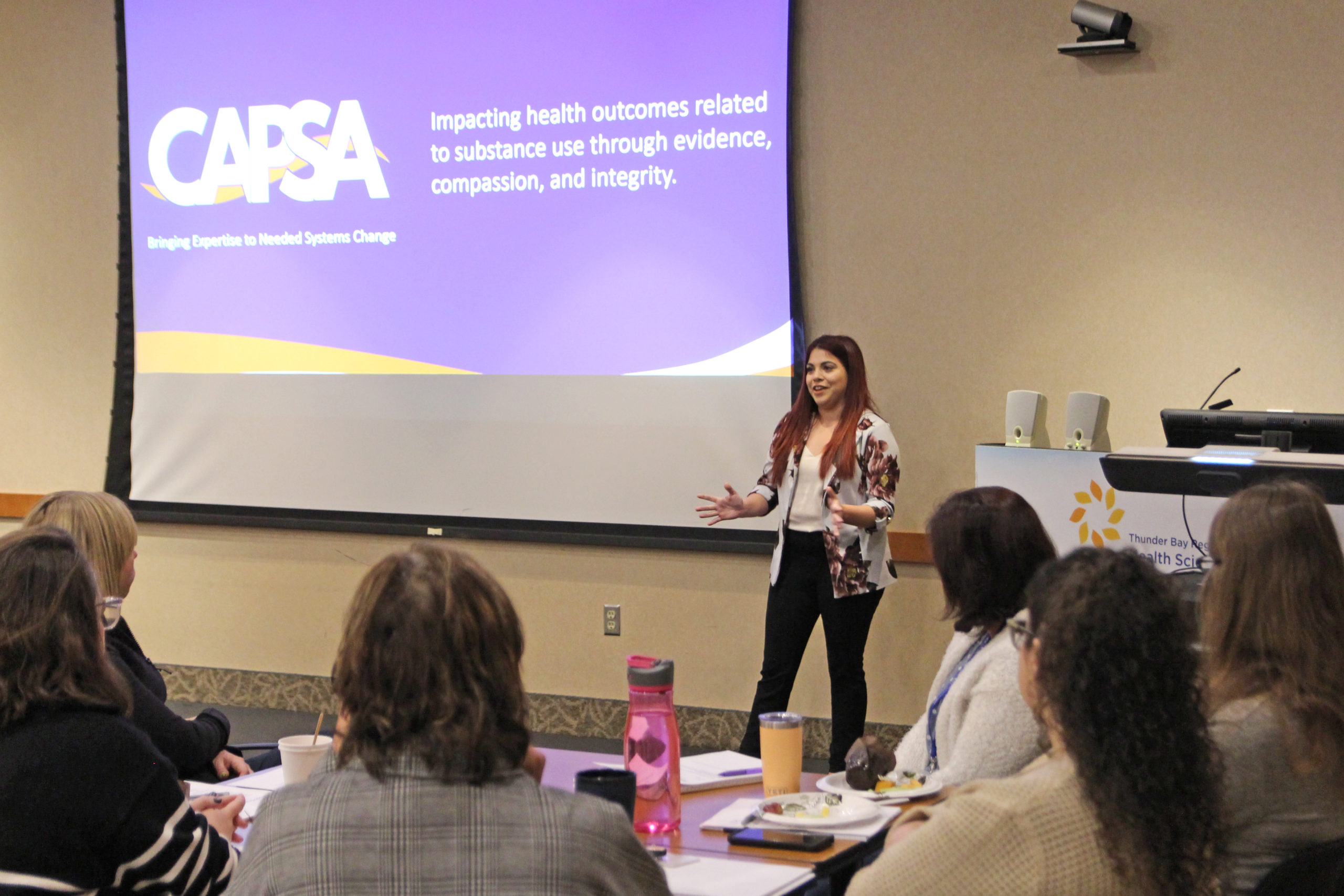
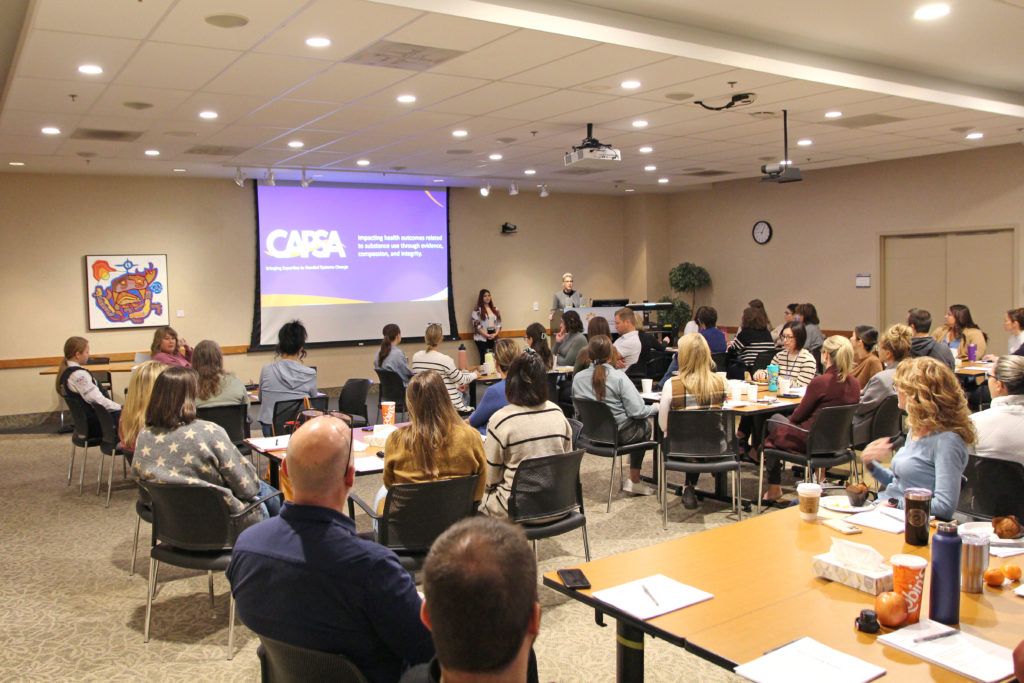
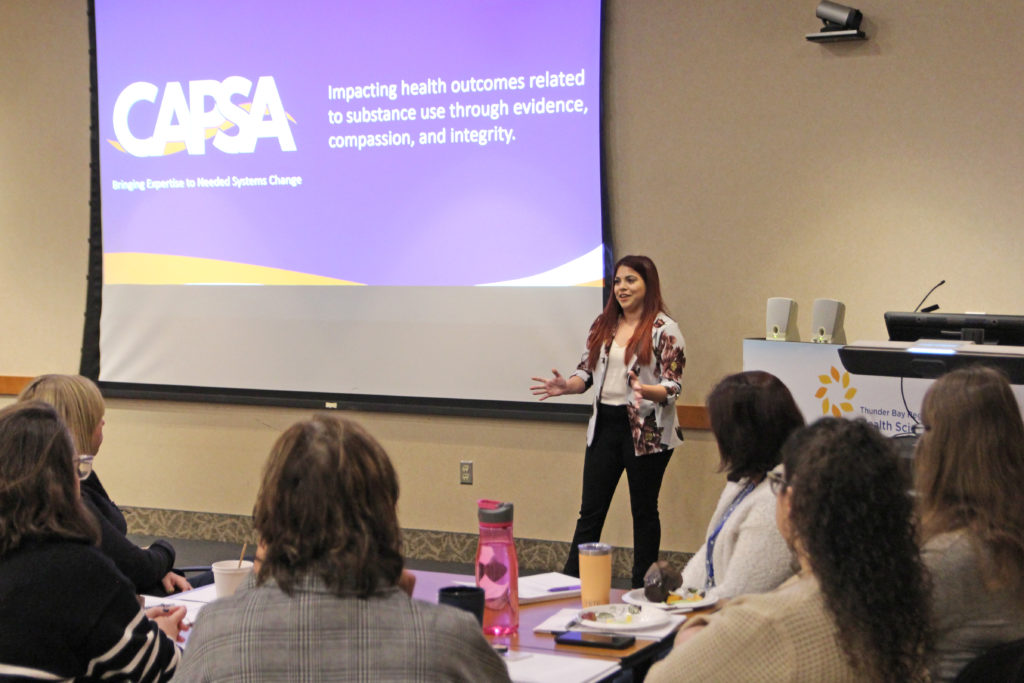
The Substance Use and Addictions Project team at Thunder Bay Regional Health Sciences Centre has collaborated with the Community Addictions Peer Support Association to host four training sessions over the last two days for Hospital leaders, physicians, and staff. This training, entitled ‘Stigma Ends with Me: The Foundations’, provided evidence-based training with valuable insights into the negative effects of stigma and the impacts to patients, families and healthcare providers. Participants were able to learn practical tools and strategies to eliminate stigma in the healthcare setting and everyday life.