Sent on behalf of Patricia Lang, Chair, TBRHSC Board of Directors
On behalf of the Thunder Bay Regional Health Sciences Centre (TBRHSC) Board of Directors, I am pleased to announce the re-appointment of Dr. Bradley Jacobson as the Hospital’s Chief of Staff for a new three-year term.
Following a comprehensive process conducted in accordance with TBRHSC By-Law, a committee recommended his re-appointment. This decision enables Dr. Jacobson to continue his leadership role in the implementation of Strategic Plan 2026, while supporting the continued development of physician engagement strategies and patient flow.
As a member of the Senior Leadership Team, Dr. Jacobson will continue to advance projects and activities that improve the overall patient experience including quality and safety, while supporting the creation of an environment where we all want to work, grow and thrive.
As Dr. Jacobson embarks on this extended contract, he will continue his role in Emergency Medicine and his regional role as Emergency Lead, Ontario Health – North West.
Please join us in congratulating Dr. Bradley Jacobson on his re-appointment and thank him for his ongoing commitment and leadership.
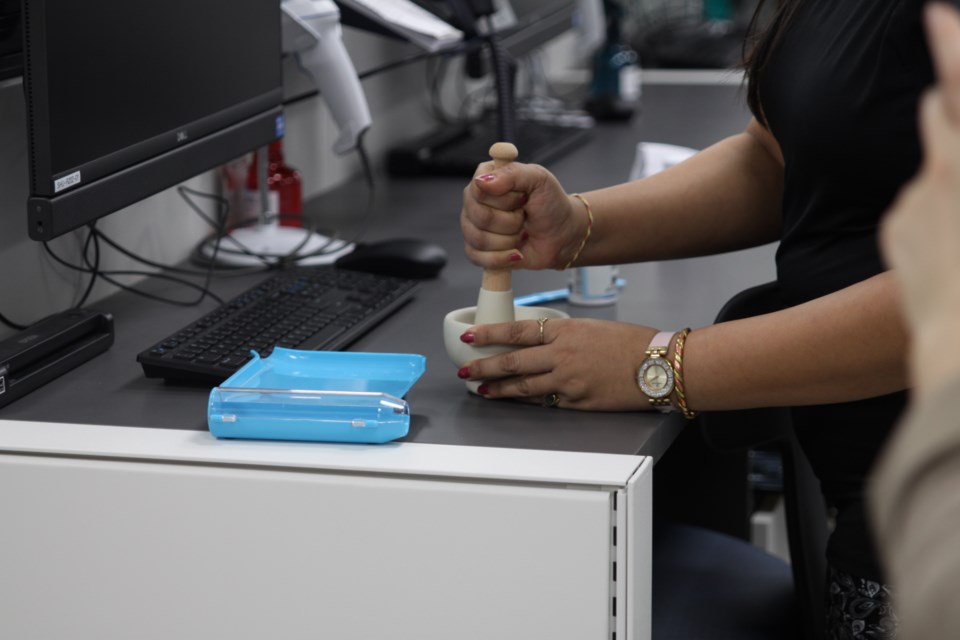
The new state-of-the-art lab will train Pharmacy Technician students in a community as well as a hospital setting.
With a massive shortage of pharmacy technicians in Northwestern Ontario, Confederation College launched a new program that includes a state-of-the-art lab.
On Friday, the college unveiled its new pharmacy technician lab, which also marked the first public introduction to the new pharmacy technician program. The inaugural class began classes this September.
Shawna Larocque, registered pharmacist and program coordinator, said the lab will train pharmacy technician students in community pharmacy as well as a hospital settings.
“When I say community pharmacy, it would be your classic Shoppers Drug Mart, or maybe your Walmart pharmacy.
“This lab is absolutely crucial. It is a very technical role which allows pharmacists to maintain that therapeutic role.
“This space will allow Pharmacy Technicians to learn everyday so that once they are employed and once they are working in a community environment, it will be a natural progression as to what they need to need to know,” she said.
The students have been enjoying the new lab space, Larocque said.
“It is a difficult program, there a large math component,” she said. “There are challenges. With challenges comes at the end of the day, they feel accomplished because it is challenging.
“And when they can complete the program or complete the courses or complete the test appropriately, I think it provides that end of the day confidence that they’re able to do it.”
This is the first and only Pharmacy Technician program in Northwestern Ontario, Larocque said.
“With that shortage, I don’t know if you’ve been to a pharmacy, but it can be long wait times. This program is essentially going to assist with the shortage that is occurring right now,” she said.
Shane Strickland, dean of health, Negahneewin, and community services at Confederation College, said there was quite a bit of work that went into the opening of the pharmacy technician program.
“The work included 12 CEOs as well as hospital personnel across Northwestern Ontario and community partners as well, so that we could make sure that the program we designed was going to meet the needs of those living and serving across all of our communities.
“Up until May of this year, it was about a year and a half of planning that went into the curriculum and to the design, that we’re standing in today, for the labs. The physical creation of the labs and the build of the labs occurred over the summer months so that we could open in September of this year,” he said.
The program allows for 30 students, a combination of both domestic and international, he said.
“This year we took in a total of 28 students, almost a full program,” said Strickland.
“We’re actively recruiting and looking for students for the fall of next year including our domestic and international recruitment activities. We anticipate being full next year,” he said.
Confederation College is hosting open house on Saturday, Strickland said. “It’s going to be open to all of our campuses and all of our programs, the public are more than able to come into and explore all of our spaces and learn about our programs.”
Strickland said it’s one of the largest recruitment activities to kick off recruitment season.
“On top, on top of that, there are activities where our recruiters go into high schools. We have social media information going at all year.
“Students can also look at our entire college application service, which is OCAS, that’s the way in which students apply to college programs that’s currently open.
Strickland said Confederation College is actively recruiting students for the fall of 2025.
“Confederation College is incredibly proud to be working with our communities and our hospitals to offer the Pharmacy Technician program,” he said.
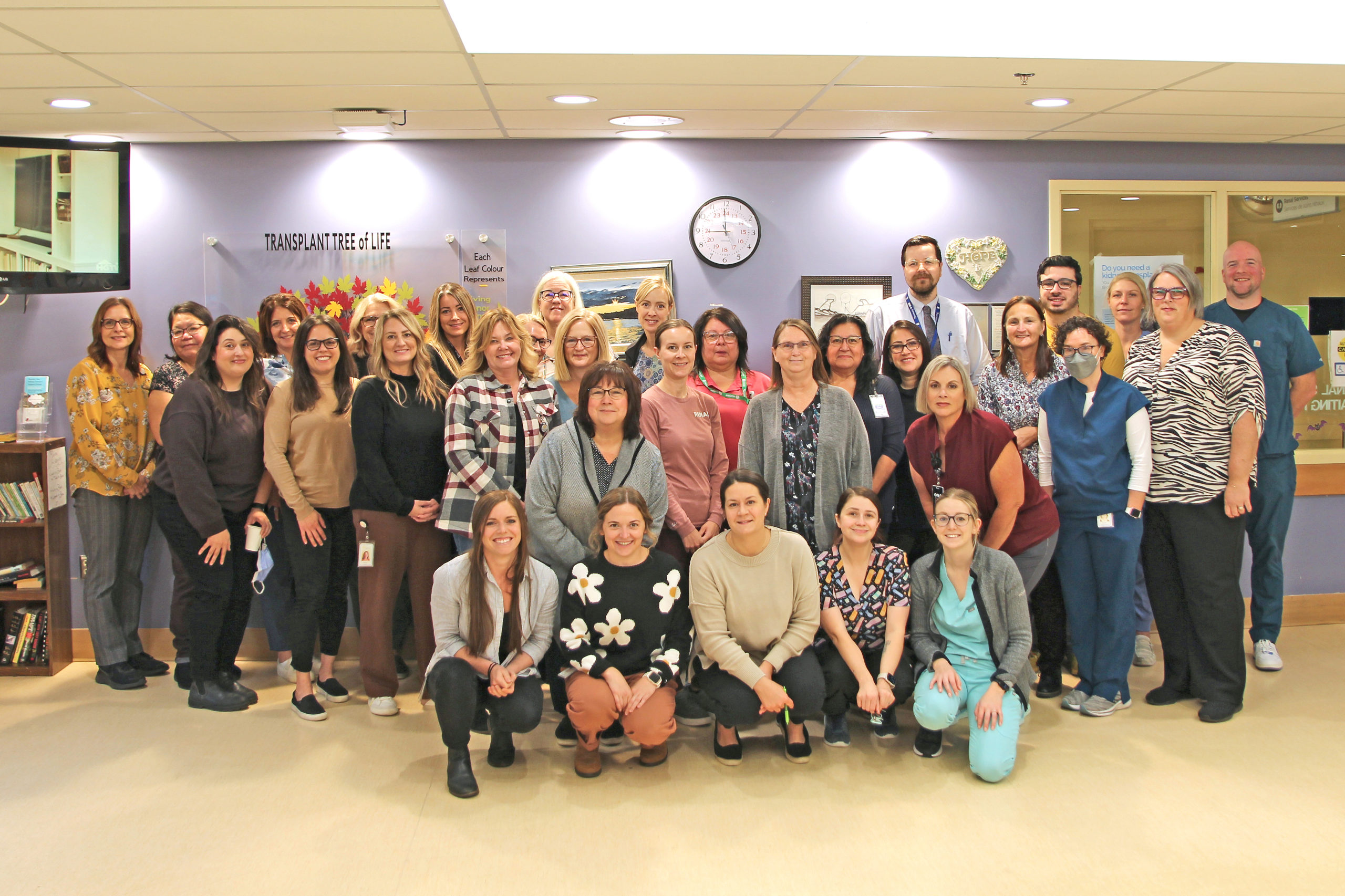
Staff members of the North West Regional Renal Program at Thunder Bay Regional Health Sciences Centre (TBRHSC).
Ontario Health (Ontario Renal Network) has recognized the North West Regional Renal Program at Thunder Bay Regional Health Sciences Centre (TBRHSC) for its commitment to excellence in care for renal patients.
“I would like to thank the dedicated North West Regional Renal Program team for all of their hard work and the progress they have made,” said Dr. Rhonda Crocker Ellacott, President and CEO of TBRHSC and CEO of Thunder Bay Regional Health Research Institute. “This team exemplifies our commitment to patient experience, with their focus on high quality care, and improving coordination and support for patients with chronic kidney disease.”
“This recognition from [Ontario Health] Ontario Renal Network underscores the resilience, collaboration and commitment of the employees of the North West Regional Renal Program to making a difference in the lives of renal patients across Northwestern Ontario,” stated Adam Vinet, Vice President, Patient Experience and Chief Nursing Executive and Regional Vice President, Regional Cancer Care. “Congratulations to the Renal Program team, a hardworking and dedicated group of individuals who provide exceptional care to the patients we serve.”
In 2023-24, TBRHSC’s North West Regional Renal Program has made significant improvements in the way kidney care services are delivered and managed in Northwestern Ontario.
“In addition to this outstanding recognition, our team has accomplished a high annual growth rate for the Vascular Access Wait Time (Priority 3) performance indicator, which is the proportion of patients receiving access to surgery within the recommended timeframe,” remarked Wayne Taylor, Director, Cardiovascular, Medicine and Renal Program. “Our program’s rate grew by 143.8% this past year, the first highest annual relative growth amongst all programs in the province. Congratulations to the team on this well deserved achievement.”
Based on performance indicators set out by Ontario Health, the team met or exceeded the following targets:
achieved the annual target on the Multi-Care Kidney Clinic (MCKC) 12-Month Follow-Up Prior to Dialysis Initiation performance indicator by scoring 83.3% in Q3 of the 2023/24 fiscal year;
achieved the high annual growth rate in the Home Dialysis Prevalence performance indicator,where our Regional Renal Program’s average growth rate increased by 7.6% during the 2023/24 fiscal year; the second highest annual relative growth amongst all programs in the province;
attained the annual target on the Goals of Care performance indicator by surpassing 74.0 % for Q4 of the 2023/24 fiscal year;
reached the annual target on the Deferred Dialysis performance indicator by achieving a score of 86.9% in Q3 of the 2023/24 fiscal year.
Performance indicators look at how parts of the renal system work and provides a standard way of measuring an area of focus. They are a tool used with the goal of improving outcomes for patients with chronic kidney disease. By capturing and comparing data, it helps to identify opportunities to improve system quality, performance and planning.
On Indigenous Veterans Day, we honour all the First Nation, Inuit and Métis individuals who gave their lives for freedom, veterans and those who continue to serve today. We are grateful for their bravery and commitment, powerful testaments to their resilience and dedication. Today, we express our deepest gratitude to Indigenous veterans for their service as we reflect on the sacrifices made. Their stories deserve to be told, remembered and celebrated.
About 10,000 Indigenous men and women volunteered to fight for Canada in the World Wars, facing discrimination before and after their service. Upon returning, many lost their Indian Status and did not receive equal recognition or benefits compared to non-Indigenous soldiers.
To all those brave and courageous people, we say chi-miigwech. We will always remember your tremendous sacrifices.
Lakehead University’s Office of Indigenous Initiatives and Confederation College Negahneewin Office will host an Indigenous Veterans Day Ceremony on Friday, November 8, 2024. For more information click here.
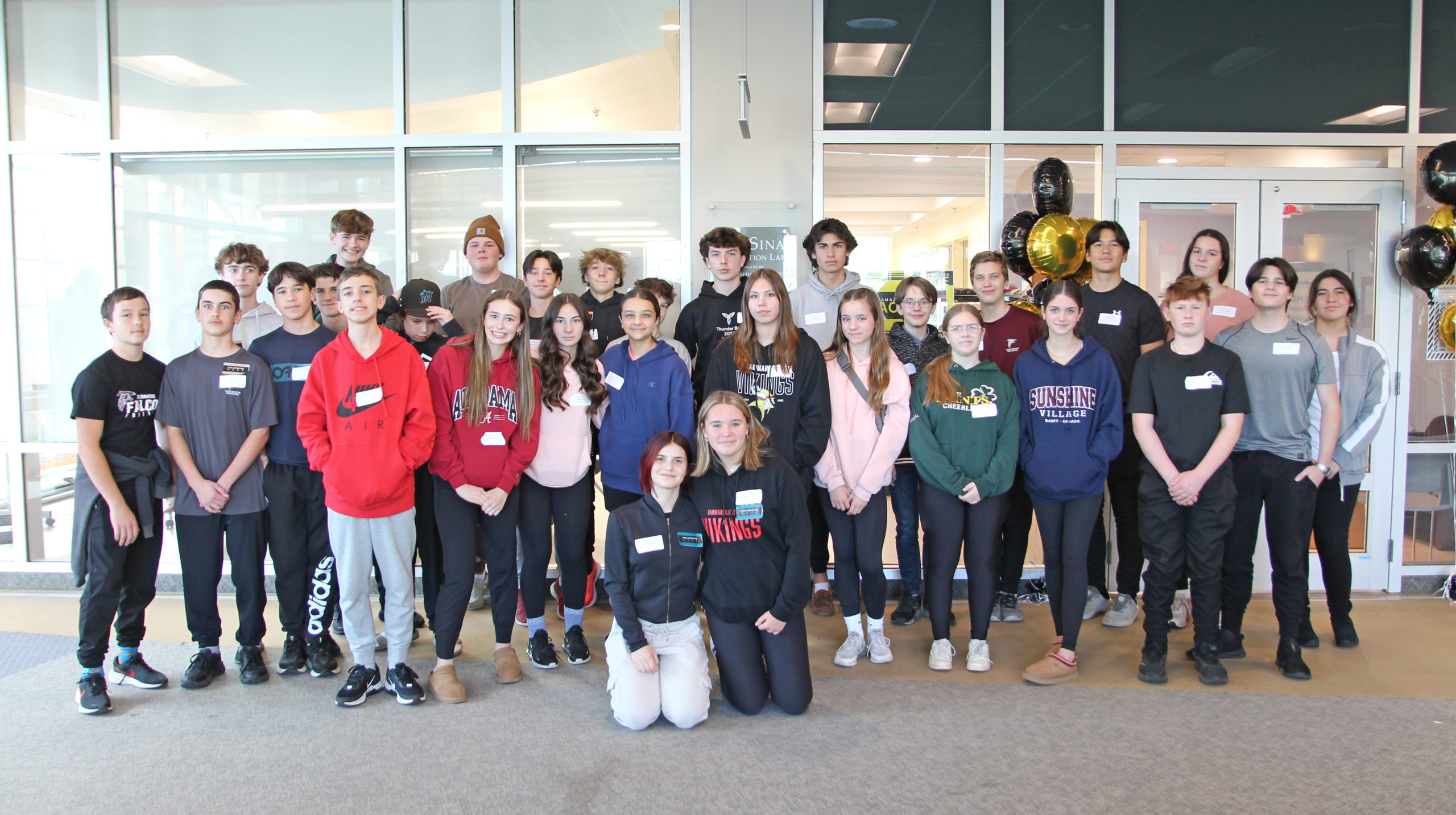
Take Our Kids to Work Day (TOKTWD) — which took place earlier today — is an annual experiential learning opportunity for Grade 9 students across Ontario.
Thunder Bay Regional Health Sciences Centre hosted grade 9 students from various schools across the city. A team member from Human Resources provided a guided tour through the Hospital to various areas such as the Simulation Lab, Medical Device and Reprocessing Department (MDRD), Operating Room, Biomedical Engineering/Maintenance, Laboratory, Diagnostic Imaging and Nutrition and Food Services.
Additionally, students received a presentation from Volunteer Services to learn more about volunteer opportunities and from Infection Control regarding the importance of hand hygiene.
By participating in TOKTWD, students are able to learn about the variety of careers within the Hospital and in health care. This day also creates a great opportunity for employee engagement within the workplace. This event encourages teambuilding, productivity, social interactions and employee involvement.
Thank you to everyone who made this year’s edition of TOKTWD a success!
Shared on behalf of Jeannine Verdenik, Vice President, People & Culture
Remembrance Day is on Monday, November 11, 2024. The following ONA Departments will be CLOSED:
The following Departments will be CLOSED on Monday, November 11:
Ambulatory Care (all clinics closed aside from the infusion rooms)
Cath Lab
Centre for Complex Diabetes Care (CCDC) In-Patient Service (new referrals)
Diagnostic Assessment Program Navigator
Endoscopy
Gyne Laser Clinic
Multi-Care Kidney Clinic
Nurse Led Outreach Team (NLOT)
Ophthalmology Laser Clinic
Patient Flow Coordinators
Peripherally Inserted Central Catheter (PICC) Line Service
Cardiovascular Rehabilitation
Screen For Life Coach
Sexual Assault/Domestic Violence Treatment Centre (Acute Sexual Assault/Domestic Violence care continues to be provided 24/7 in the Emergency Department)
Surgical Day Care
The following ONA Departments will remain OPEN:
Adult and Forensic Mental Health Out-Patient Programs
Regional Bariatric Care Centre
Cancer Centre
Centre for Complex Diabetes Care (CCDC) (non ONA staff working)
Clinical Trials
Complex Malignant Hematology (CMH) Clinic
Consultation Liaison Service (Psychiatry staff only – no Nursing staff)
Diagnostic Imaging
Fracture Clinic
Infection Prevention and Control
Lab Out-Patient Clinic
Maternity Centre (non ONA staff working)
Medical Transitions Clinic
Operating Room – urgent cases only
Paediatric Out-Patient Clinic (non ONA staff working)
Paediatric Healthy Living Clinic (non ONA staff working)
There are openings for COVID-19 vaccines on Fridays for the month of November in Occupational health and Safety department.
The last day to obtain your COVID-19 vaccine is November 29. After that the vaccine can be obtained through the Health Unit or your local pharmacies. Please call 807-684-6212 to book your appointment.
Reminder – every Thursday staff can drop in for their Influenza vaccine.
Everyone that receives their flu shot will have their name added to the draw in December for a 6 month free parking pass.
Outside of Thursdays, staff can also book an appt for their flu shot by calling the OHS department.
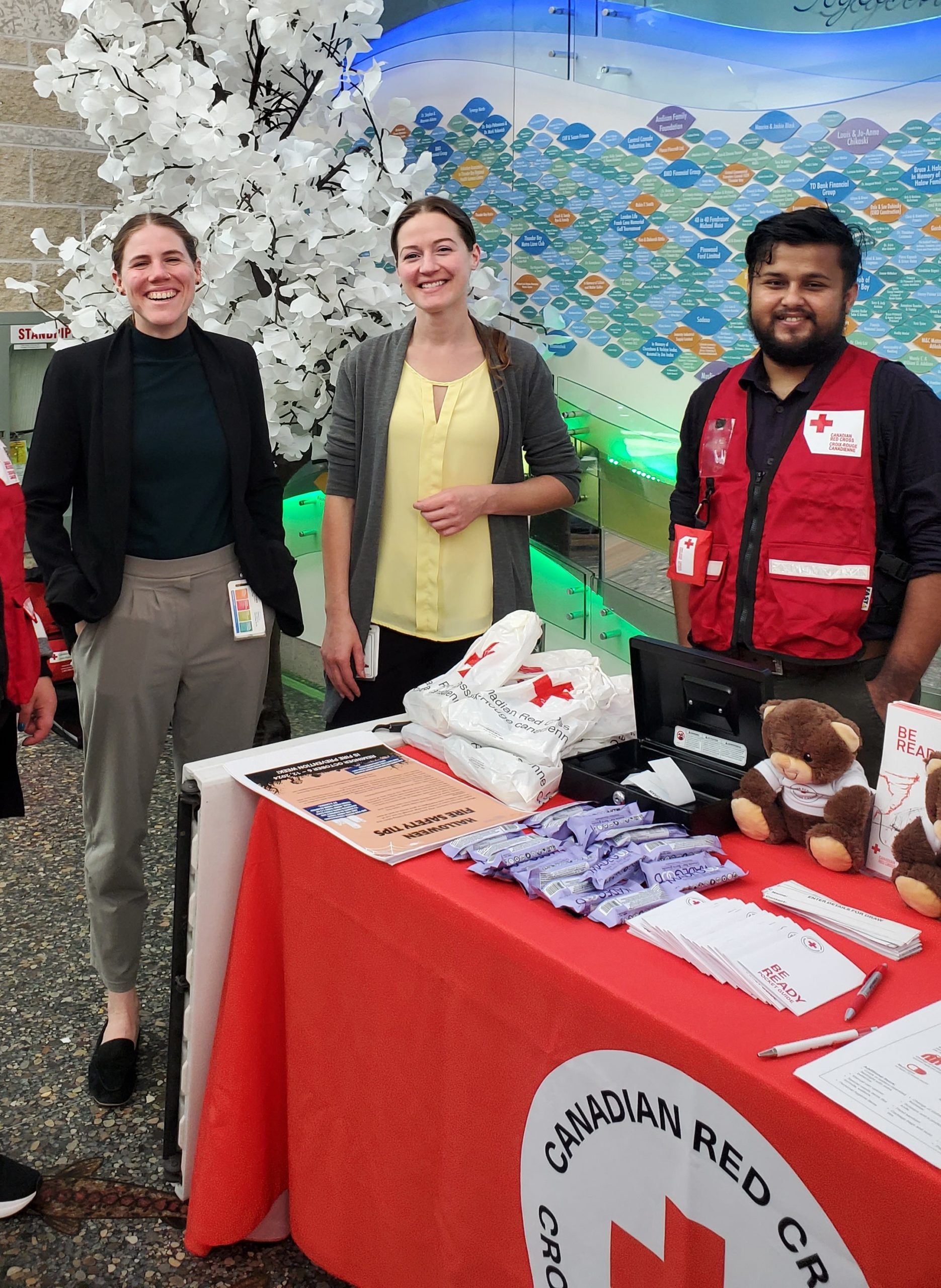
Providing all workers with personal preparedness guidance is a new Accreditation Canada requirement. To support this, earlier last month we welcomed local Canadian Red Cross volunteers into the Hospital to help us promote best practice in personal preparedness. They provided an info booth at various times throughout Fire Prevention Week (October 6 to 12) and also provided a lunch time presentation open to all staff.
Some materials are attached for your reference below (including in English, French, Ojibway) to share with those you care about to help us all be better prepared for emergencies at home and in our community.
A draw was held for several giftcards and the winners were as follows: Drew Gawranski, Michelle Finner, Christine Jones, and Rajshree Deokaran Dat. Congratulations!
A hearty thank you to everyone who took the time to stop by and talk with the volunteers, particularly those who attended their “Be Prepared” talk.
If you have questions, or would like additional information, please visit the following Red Cross Be Prepared website or reach out to Mēsha Richard, Emergency Preparedness Lead (ext 6552) or mesha.richard@tbh.net.
Canadian Red Cross volunteers onsite at TBRHSC promoting best practice in personal preparedness.Photo (L-R): Nicole Moffet, Manager, Emergency Preparedness and Security, Mesha Richard, Emergency Preparedness Lead and Canadian Red Cross volunteer. Canadian Red Cross volunteers onsite promoting best practice in personal preparedness.