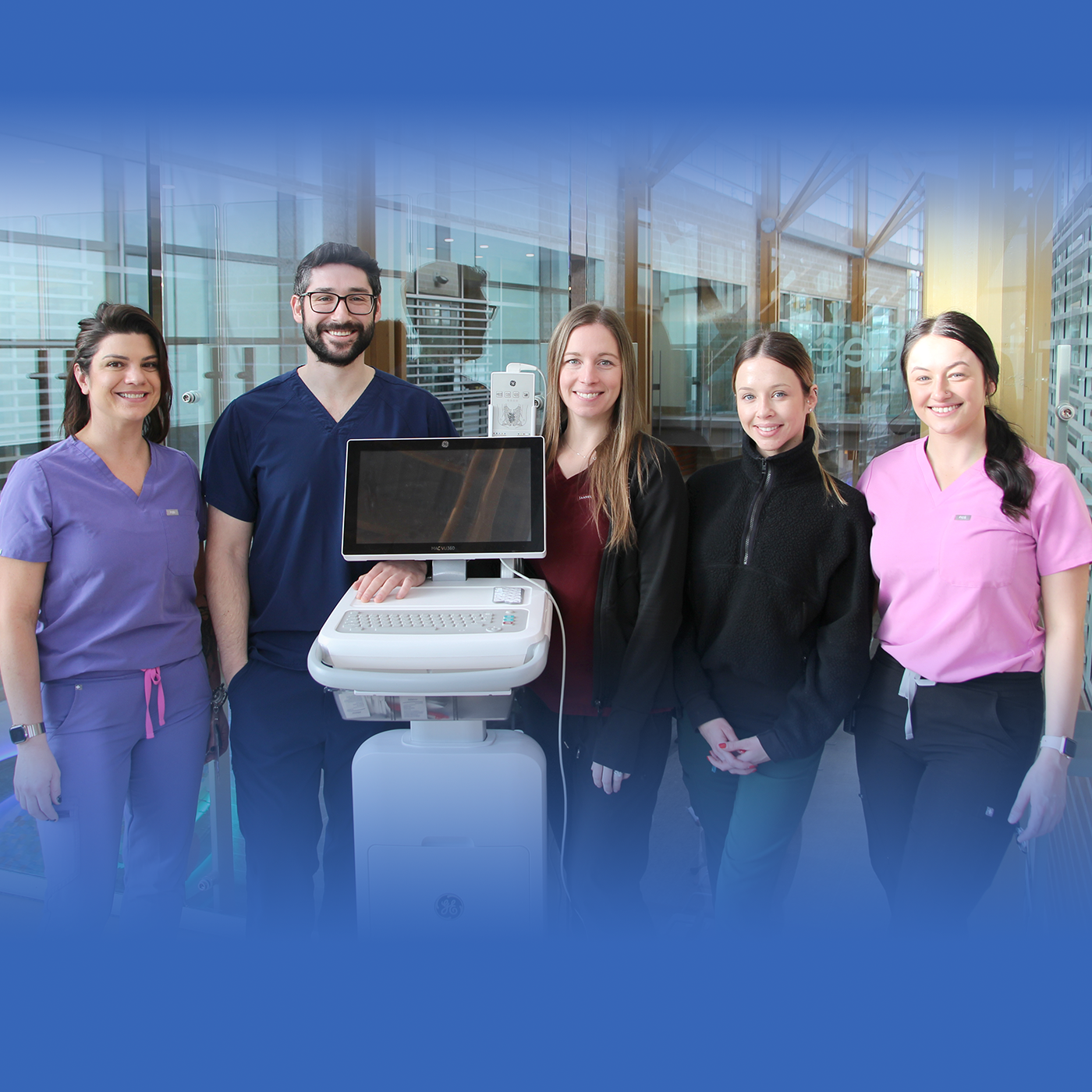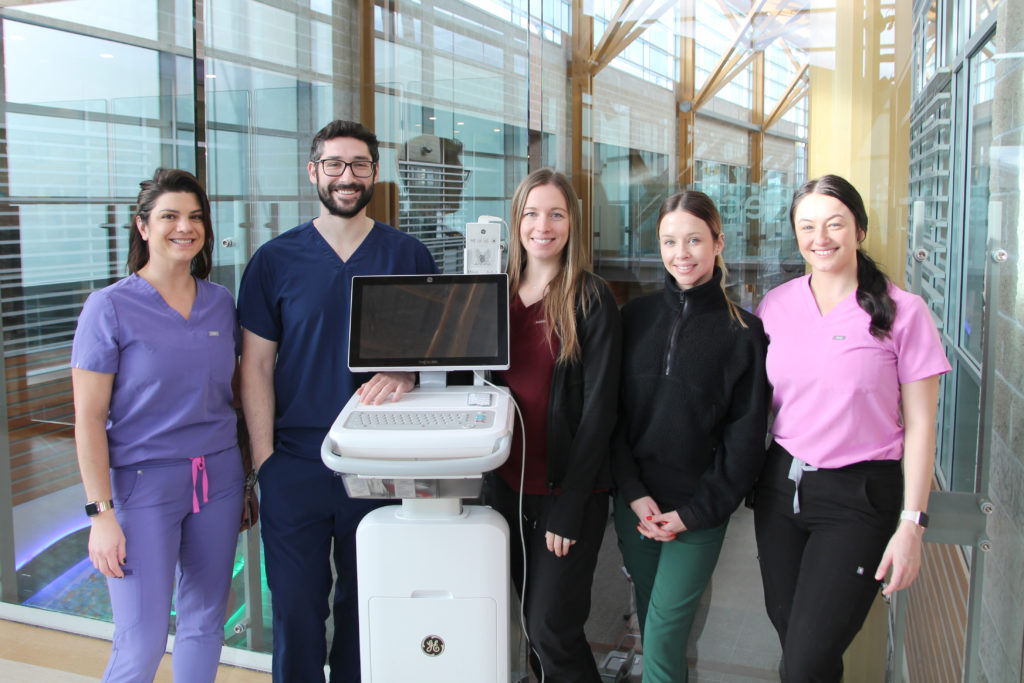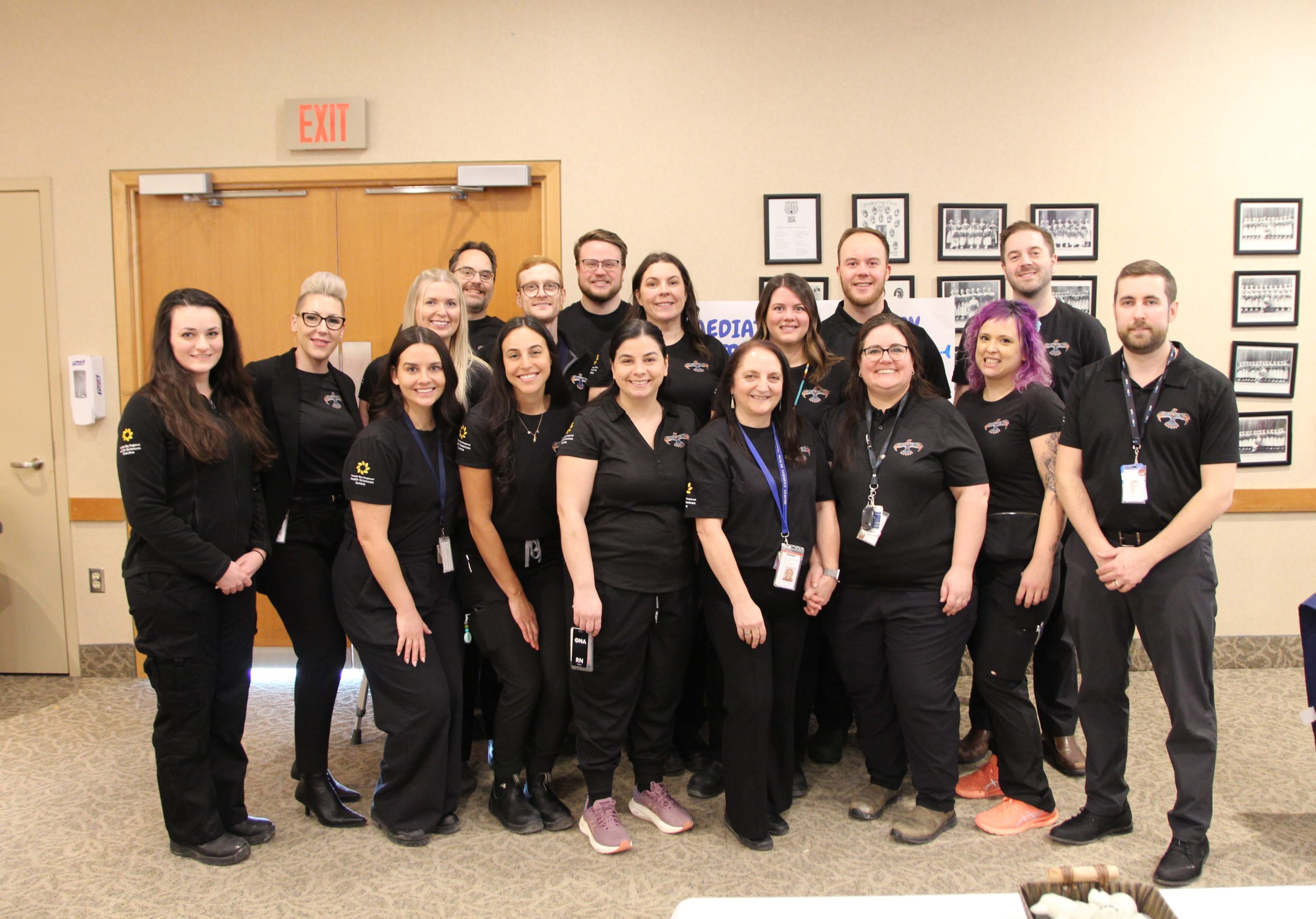
In collaboration with the existing provincial transport teams and ORNGE, Thunder Bay Regional Health Sciences Centre’s Paediatric Emergency Transport Team is drastically improving access to care and reducing wait times for patients in communities across Northwestern Ontario, so they can receive the emergency care they need as fast as possible.
The transport team will eventually operate 24/7 and will consist of one registered respiratory therapist (RRT) and one registered nurse (RN), supported by a paediatrician.
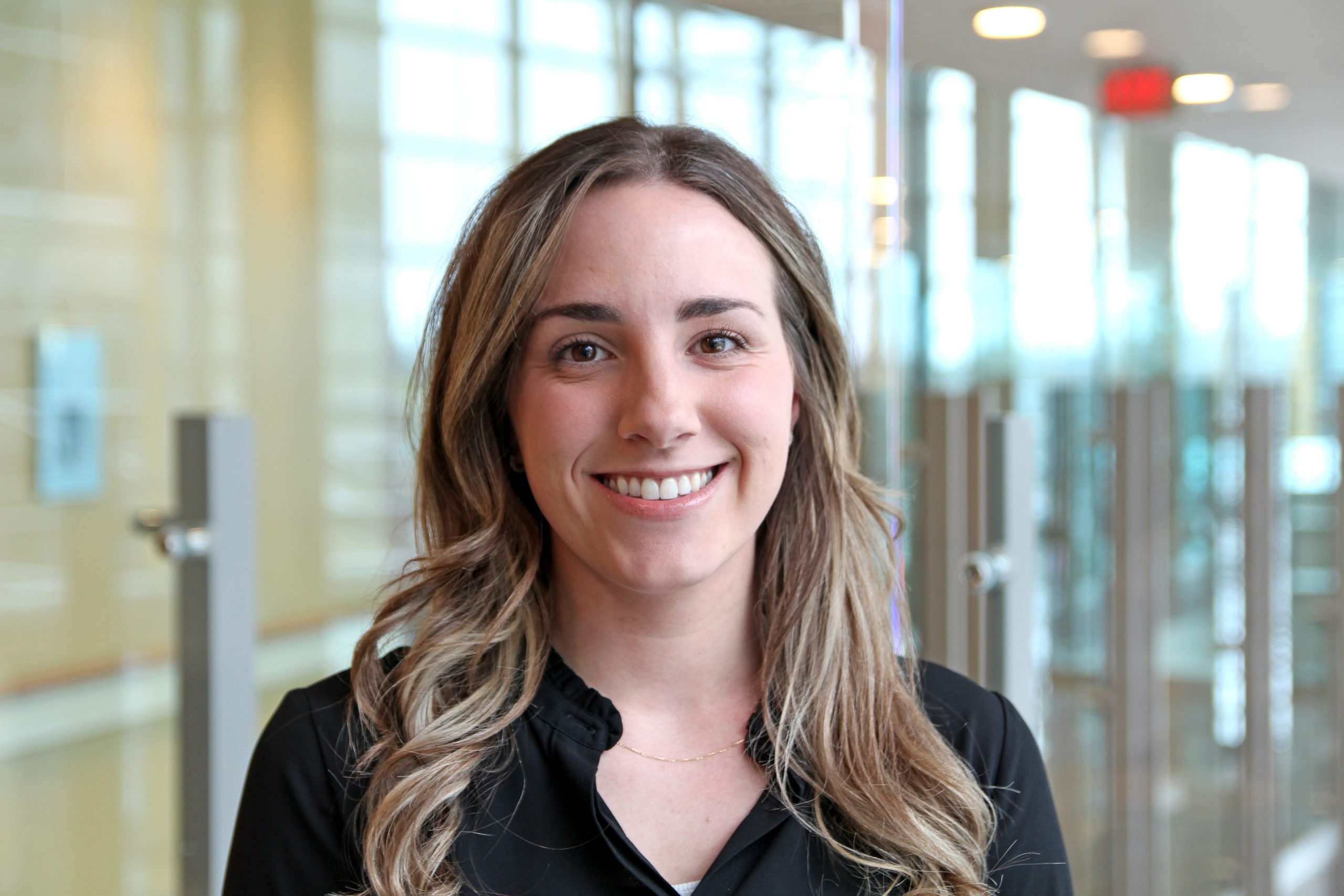
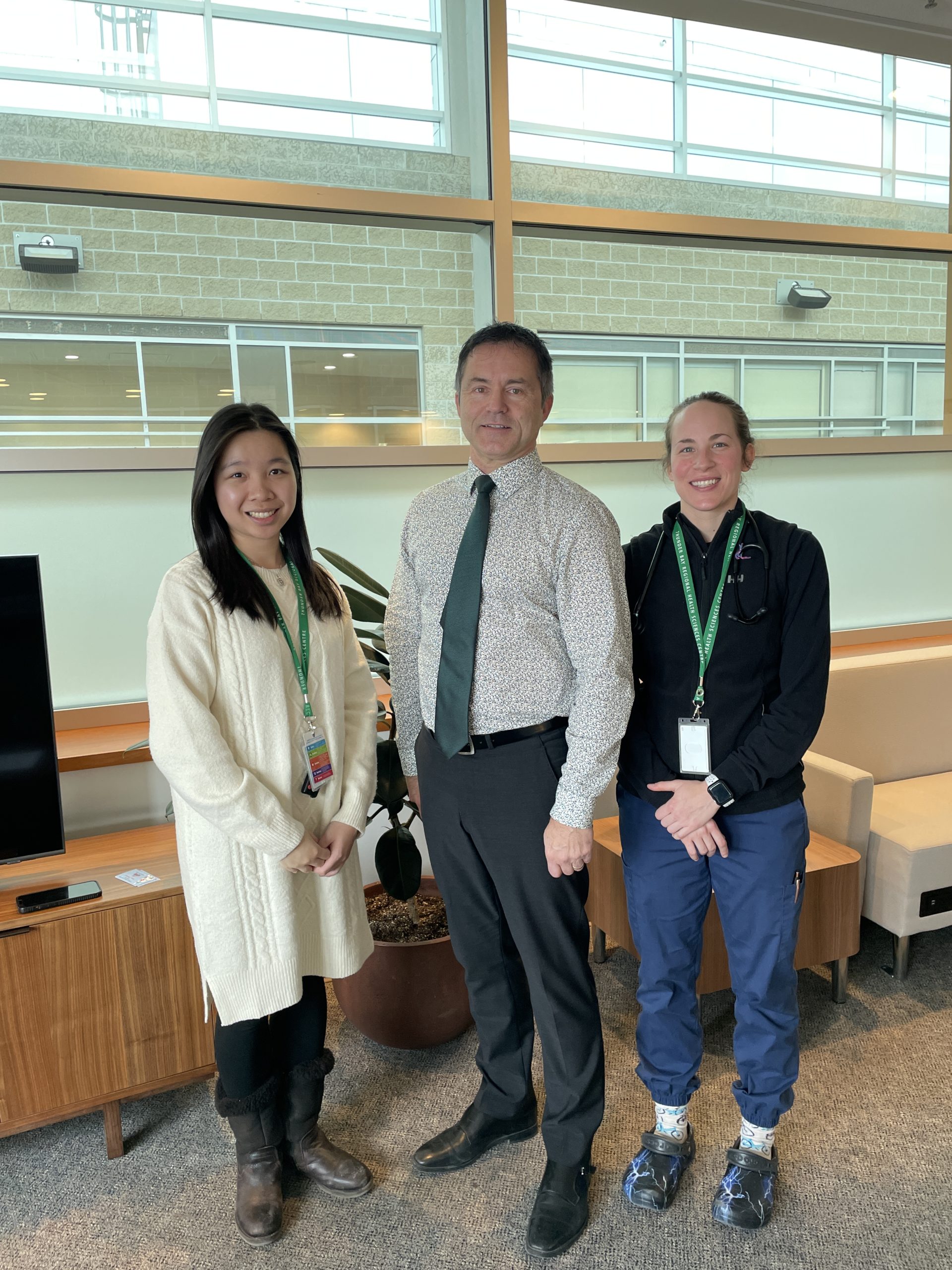
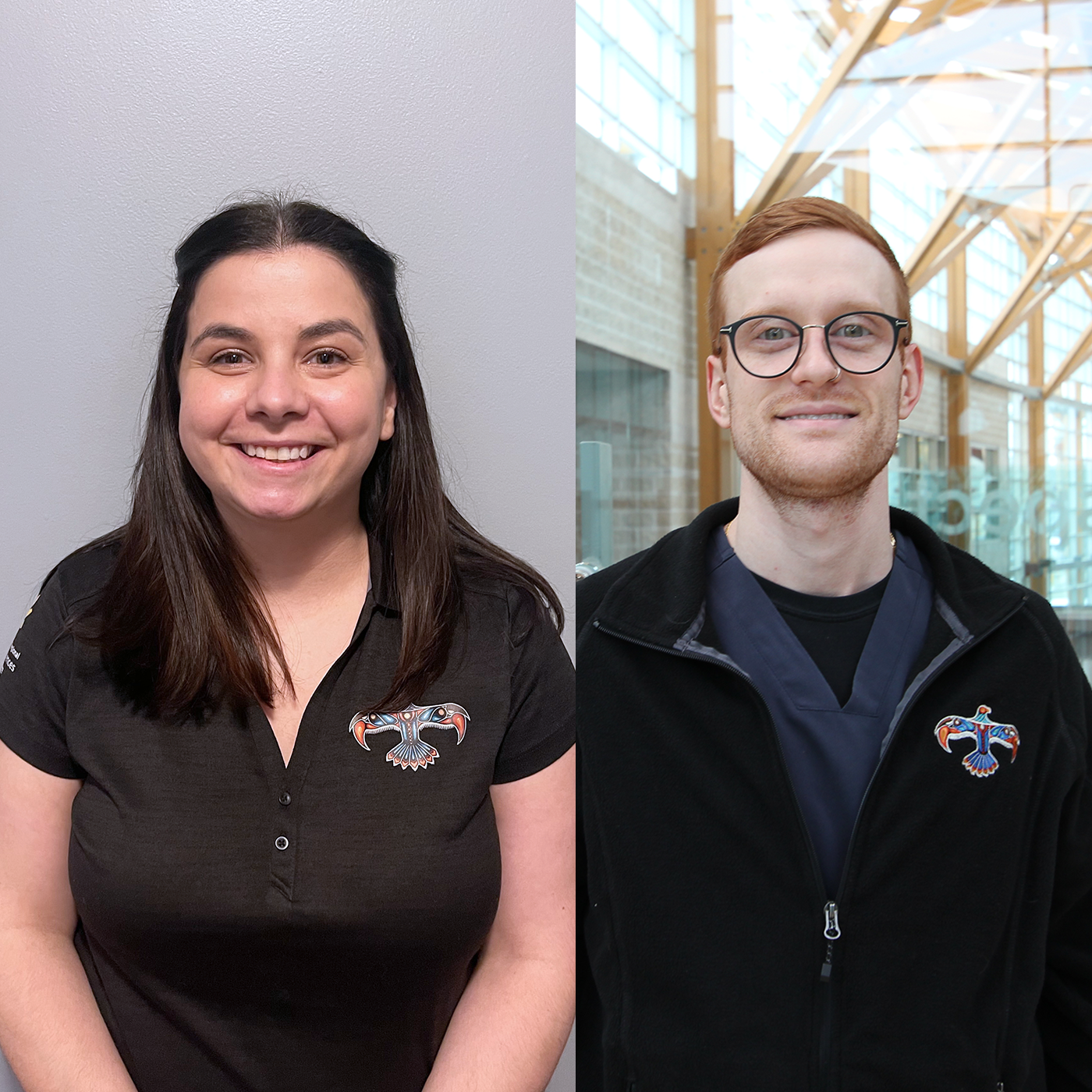
We’d like to introduce you to a couple of vital members of the PETT — Jordan, an RRT, and Michelle, an RN.
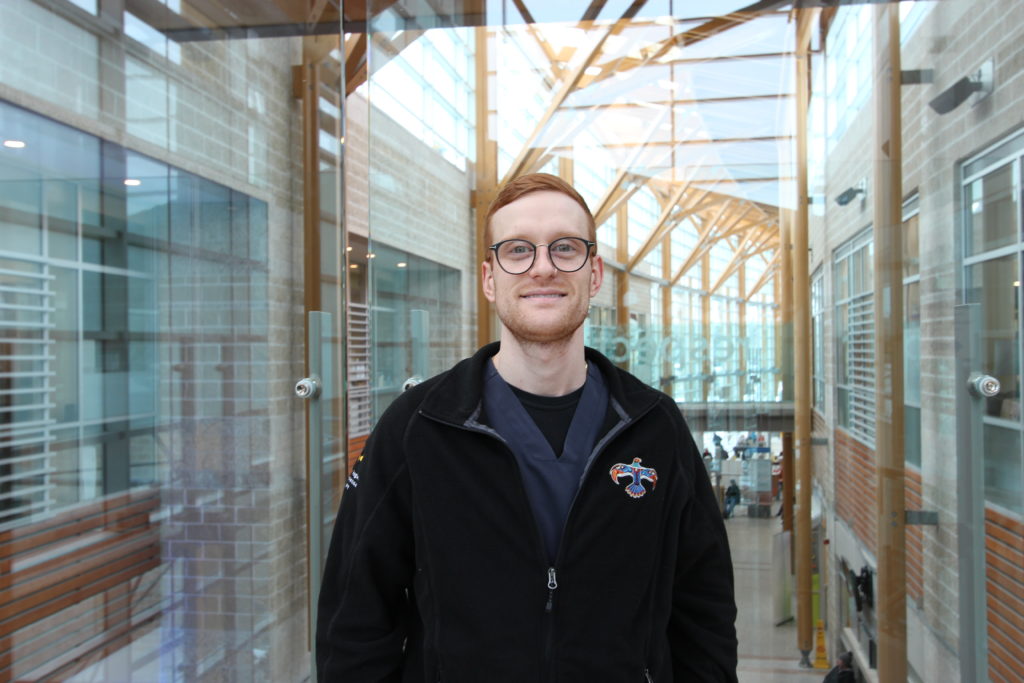
Name: Jordan Z.
Position: Transport Registered Respiratory Therapist
What is your role on the Paediatric Emergency Transport Team?
General duties that fall under the RRT role that is completed within the hospital (airway management, invasive and non-invasive ventilation management, oxygen therapy, etc.), second assist for Transport RN (intravenous line insertion, blood collection and testing, medication delivery, second check for medications, etc.), and extended advanced skills (intraosseous needle insertion, chest tube insertion, needle thoracentesis).
Why did you want to be a part of this team?
Being a part of a new program is always exciting and I wanted to be a part of it. Gaining enhanced skills that translate to my every day practice.
How does having a team of individuals from diverse backgrounds contribute to the team’s overall success?
Having a team filed with individuals with diverse backgrounds and skills contributes to the success of this program by giving alternate perspectives and ideas on patient care, and it broadens overall skillset which increases the ability to problem solve and adapt in high stress scenarios.
Name: Michelle Lockhart
Position: Registered Nurse, NICU/PETT
What is your role on the Paediatric Emergency Transport Team?
As a registered nurse on the Paediatric Emergency Transport Team, my role is to provide critical care to paediatric patients during transport to and from various health care facilities. This involves assessing the patient’s condition, managing any medical needs, and ensuring their safety throughout the journey. We may be transporting a patient from TBRHSC to a tertiary paediatric hospital for specialized care, transporting them back from the tertiary centre, or transporting them to TBRHSC from a rural or northern hospital or nursing station. I work in a team with a registered respiratory therapist to stabilize the patient and provide interventions like administering medications, monitoring vital signs, and performing or assisting with life-saving procedures as needed.
Why did you want to be a part of this team?
I wanted to be a part of this team because I’m passionate about providing specialized, life-saving care to critically ill or injured neonatal and paediatric patients, and I thrive in fast-paced, high-pressure environments. Working on this team allows me to use my skills to make a tangible difference during critical moments. It’s an opportunity to collaborate with a dedicated group of health care professionals, with the added challenge of delivering complex care outside of a traditional hospital setting. Most importantly, I’m motivated by the chance to support both the children and their families during some of their most vulnerable moments, ensuring they feel safe and cared for during transport.
How does having a team of individuals from diverse backgrounds contribute to the team’s overall success?
Having a team of individuals from diverse backgrounds greatly contributes to the team’s overall success by bringing different perspectives, experiences, and skill sets that enhance problem-solving and decision making. Diverse teams are better equipped to identify and adapt to the unique needs of patients, improving patient care and family interactions.