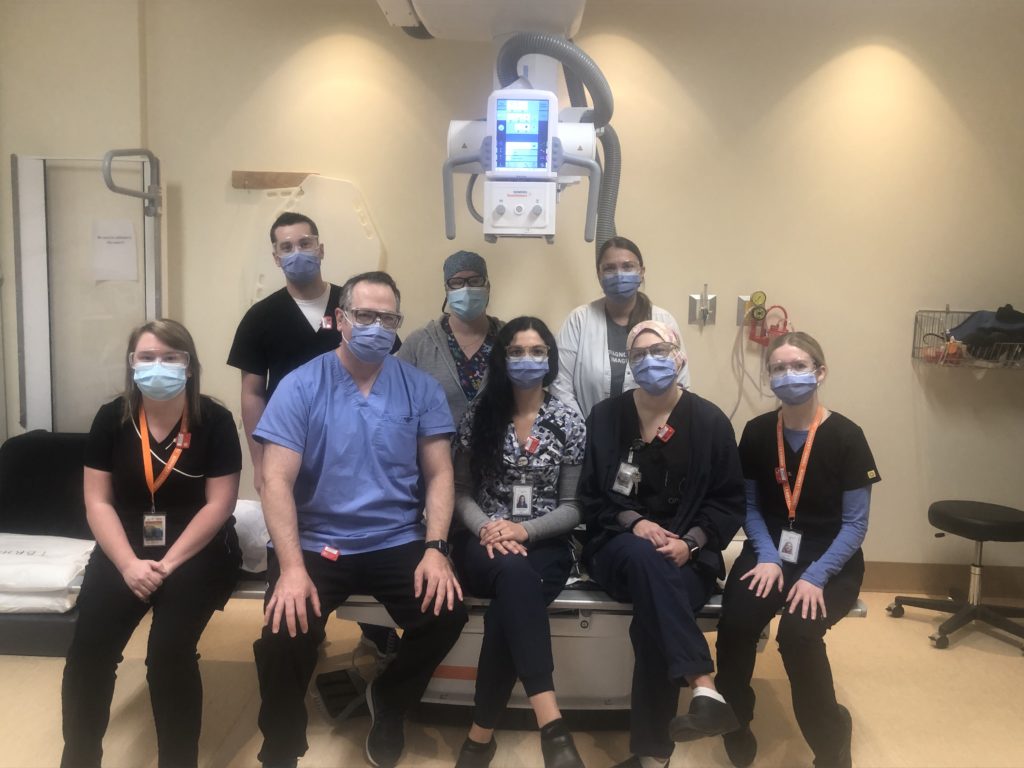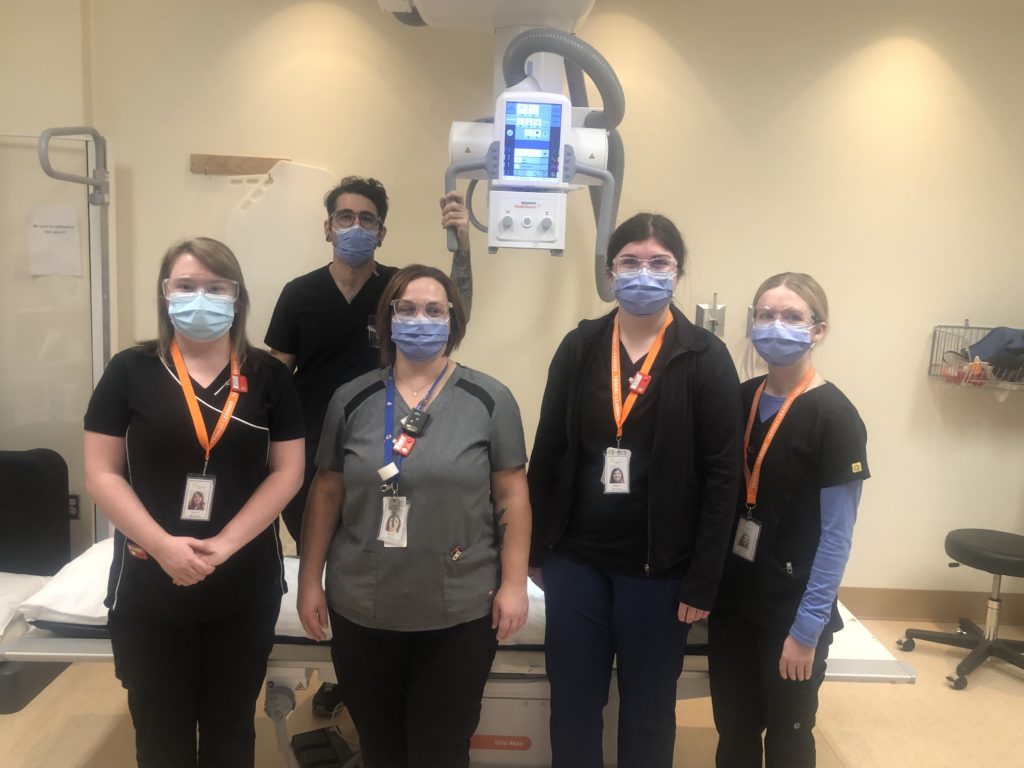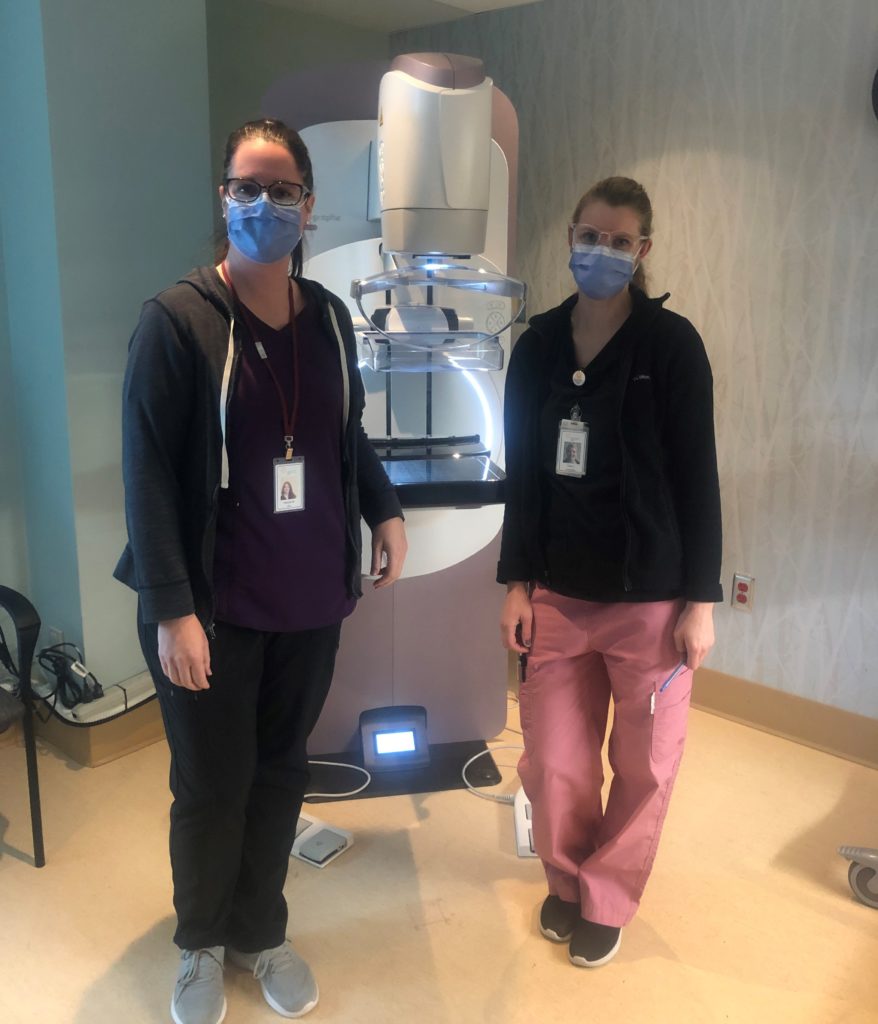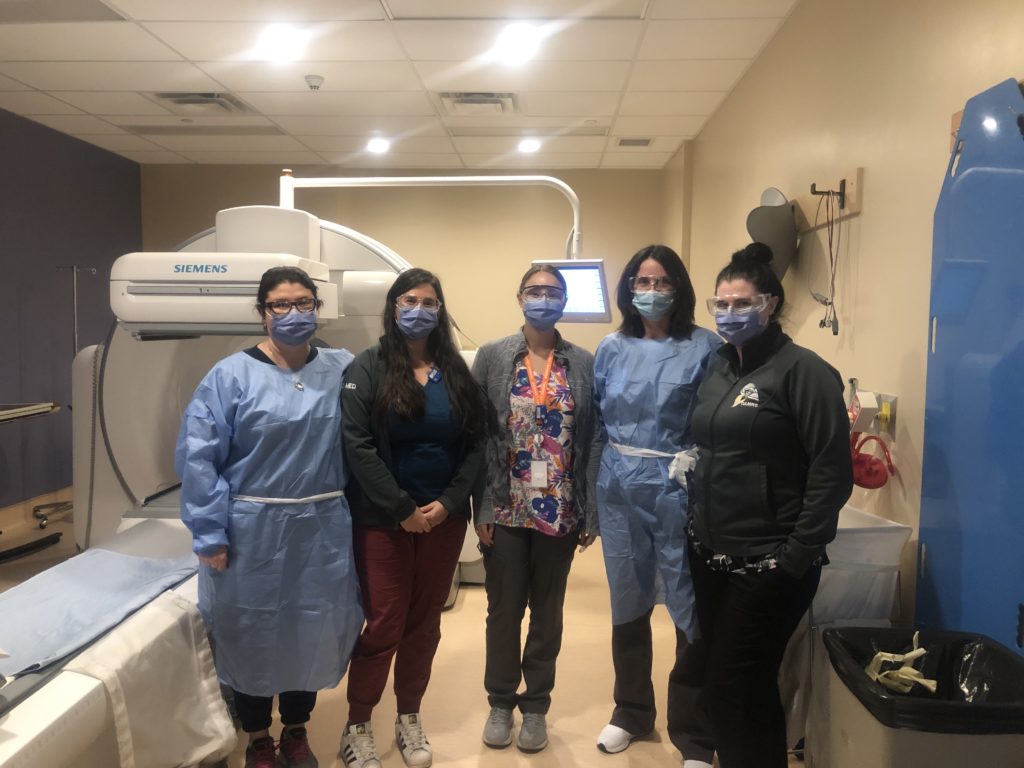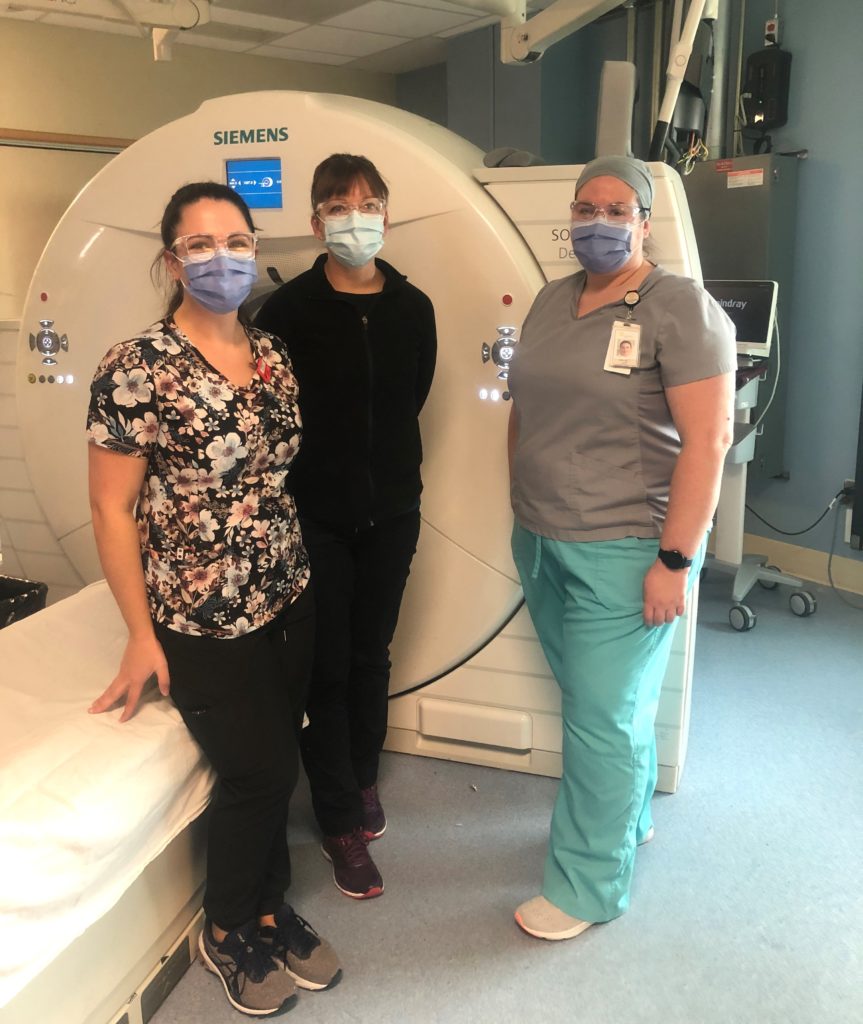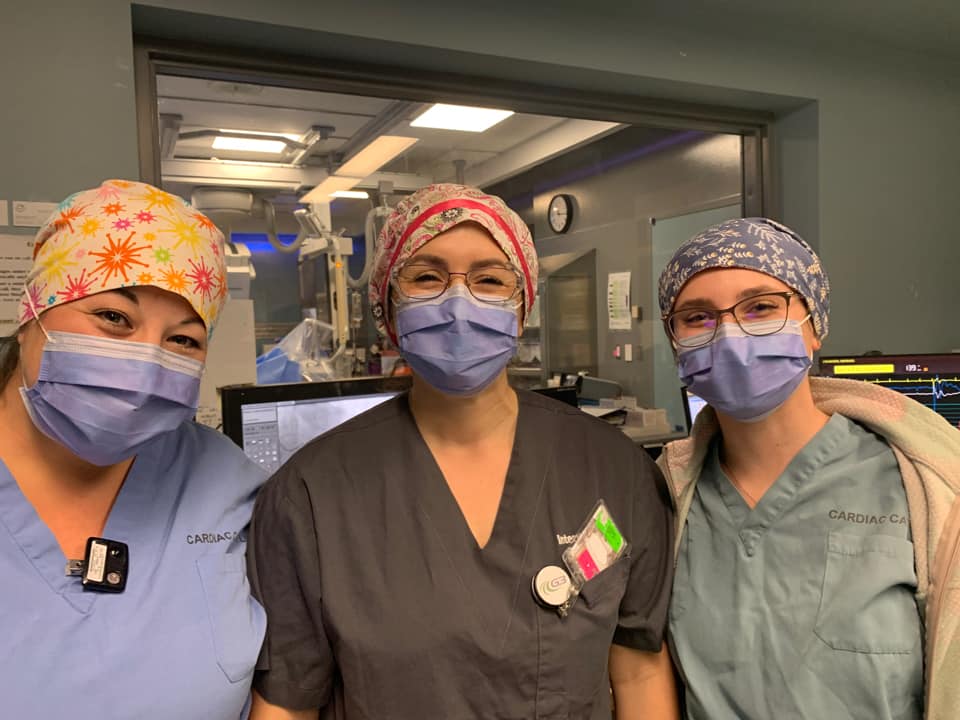
Medical Radiation Technologists (MRTs) across Canada will be celebrated for their work during Medical Radiation Technologist Week (November 7-13). These nationally certified technologists and therapists are committed to delivering compassionate care to patients, while delivering critical high-tech services to physicians and other health care professionals. MRTs deliver essential care through the use of technology in hospitals and clinics from coast to coast, and also on the battlefields wherever the Canadian Forces are deployed, and in the dressing rooms of our professional sport teams.
The MRT profession today includes a diverse array of highly-trained professionals representing various disciplines in medical imaging and radiation therapy:
Magnetic Resonance Technologists produce diagnostic images with equipment that generates radio waves and a strong magnetic field. Extensive knowledge of anatomy, pathology and physiology allows MRI technologists to obtain images, monitor and care for patients during scans.
Nuclear Medicine Technologists carry out diagnostic imaging and vital treatment procedures. They obtain the images that help pinpoint the nature of the disease and how it is affecting the body. Their work also enables doctors to monitor a patient’s response to treatment. Nuclear medicine involves the use of radiopharmaceuticals to evaluate the function of specific organs in the treatment and management of disease.
Radiation Therapists are key members of the cancer treatment team. More than half of all cancer patients receive radiation treatments. Radiation therapists use focused beams of radiation to destroy tumours, while minimizing harm to healthy tissues. Alternatively, treatment may involve placing radioactive sources directly into the patient’s body. To destroy cancerous tissue, radiation therapy involves exposure to higher doses of radiation than are required for diagnostic imaging. It is therefore vital that the radiation be precisely targeted and the dose to the patient be carefully monitored.
Radiological Technologists produce images of a body part or system using equipment that emits x-rays. Technologists are responsible for the quality of the images and for providing correct views of a specific body structure or system. Some procedures require that barium, and or dye be given to patients to highlight these structures or systems. Patient care and attention to detail during these images is of the utmost importance. This profession encompasses a broad variety of procedures and covers a number of specialties including: Plain film radiological technology, Mammography, Angiography, Fluoroscopy and Computerized Tomography (CT).
Join us in thanking our MRT professionals for their vital contributions to patient care!