For National Health Care Ethics Week 2023, learn about some ethics questions that come up in departments at Thunder Bay Regional Health Sciences Centre.
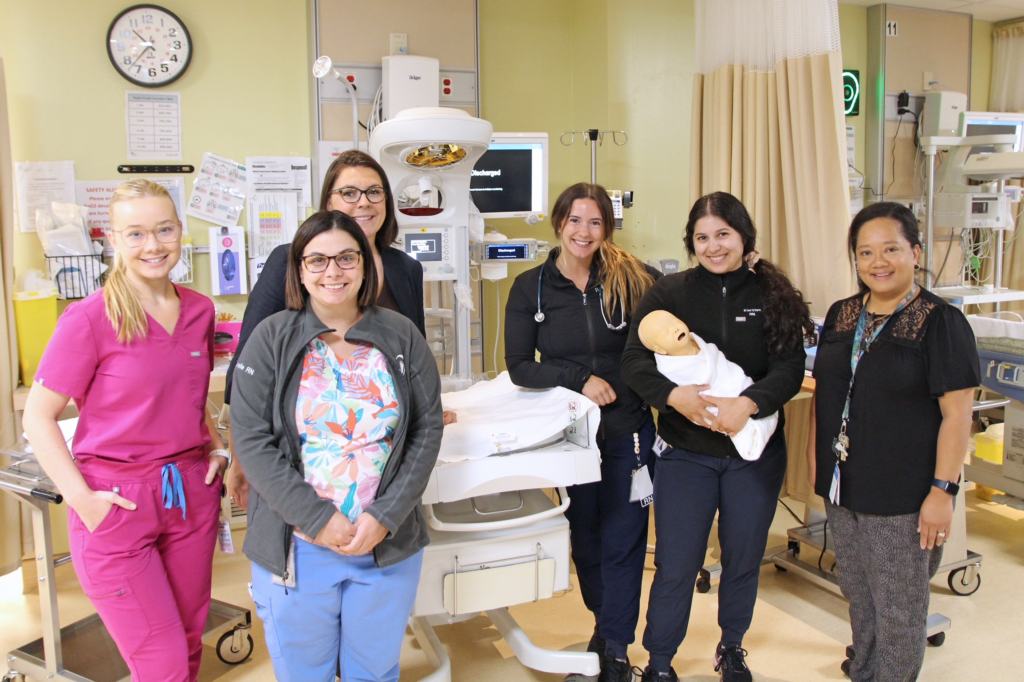
Neonatal Intensive Care Unit
What does your department do?
Our Neonatal Intensive Care Unit provides care to infants up to 4 months of age who require Level 2C care. We are responsible in ensuring infants transition to extrauterine life as smoothly as possible. We provide care to infants who are 30 weeks old and above. These are infants who may need resuscitation, respiratory support or are stable but need to feed and grow well, before being discharged home.
What ethics questions come up in your area?
Patient and Family Centred Care is at the core of all our actions. While we may be confronted with critical care situations, the NICU team ensures that baby is receiving safe and quality care. For parents, an admission to the NICU is oftentimes unexpected and can be quite stressful. If needed, newborns are transferred soon after birth causing early separation of the infant from the parent which increases strain on the infant-parent relationship. This can be especially challenging for families dealing with longer NICU stays. Parents may experience a wide range of emotions from feelings of happiness and sense of relief of the birth of their new baby to increased anxiety and fear of what is to come. Parents are encouraged to be at their baby’s bedside as much as possible and to be involved in their infant’s care. Parenting rooms are offered as part of the plan of care and to support parents during their transition towards bringing baby home. Taking time to listen to our families to understand their needs and how we can best assist them is key to supporting them.
The team is available to support parents and families during their NICU journey. The dedication and commitment of the NICU team comprised of nursing staff, social worker, dietitian, physicians and Leadership assist to ensure parents are active participants and involved in their infant’s care and well-being.
Quality and Risk Management
What does your department do?
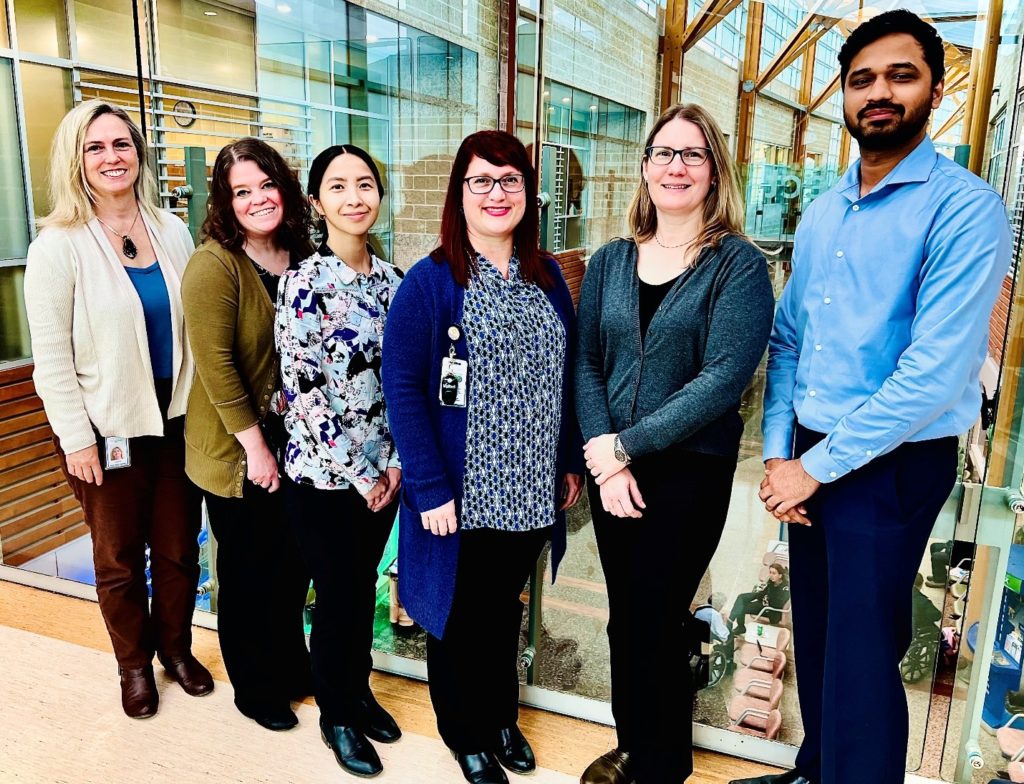
Quality and Risk Management encompasses a wide range of activities within the organization. Some of those include:
- Patient Safety
- Quality
- Risk Management
- Patient Relations (compliments and concerns)
- Ethics
- Litigation
What ethics questions come up in your area?
Ethical questions arise frequently in the work of our department and when supporting others. Some examples include:
- Quality of Care Reviews: These reviews are conducted to identify systemic issues for improvement rather than the actions of any one person. Reviews are required for any critical incidents, but can be requested for any case. During a critical incident review, we include feedback from the patient or family, clinical information and the perspectives of the multidisciplinary team participating in the meeting to identify recommendations for improving patient care experience and outcomes in similar future cases.
- Ethics Consultations: Ethics consultations can be requested by any member of staff, patient/family, learner or volunteer. The bioethicist can help you make difficult health care related decisions especially when the answer is not clear, or complicated by differing values or priorities. In 2022/23, 51 consultations were completed at TBRHSC. Common situations where ethics consultations are requested include clarification on consent/capacity/substitute decision making, Medical Assistance in Dying, safety, and best interest.
- Risk Management: Risk management at TBRHSC encompasses all types of risk—those that have the potential to affect patients, staff and the organization. We have begun to use a Risk Register to identify, rank and monitor key risks and identify mitigation strategies. In addition, we are using risk assessment checklists created by our insurer to implement leading practice for over 30 key risks identified nationally for hospitals.